
Cybercab tech shares as car seen here
/Local sighting of Tesla’s next model, which proposes as a fully autonomous two-seater, has raised questions.
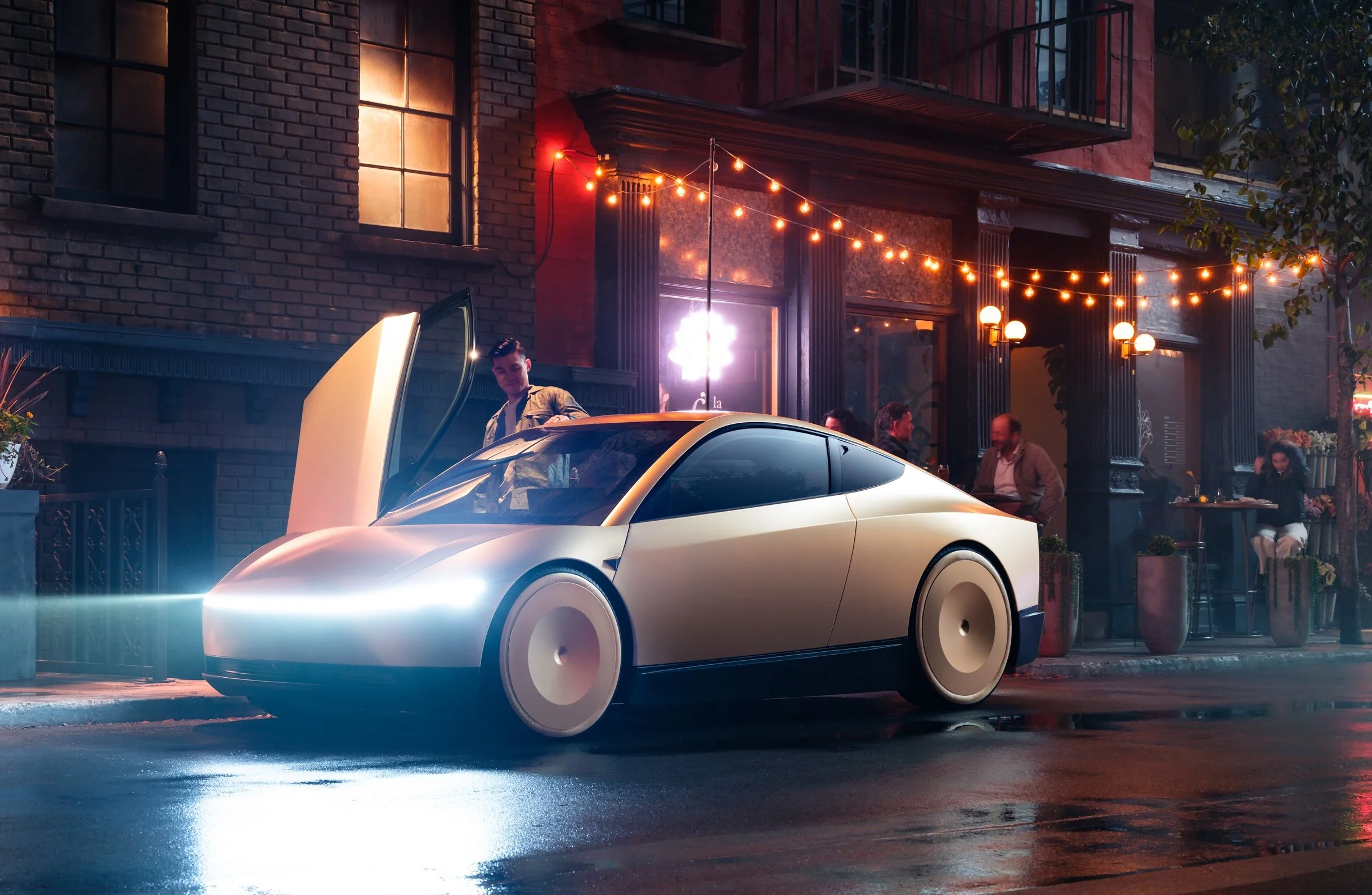
SIGHTING in New Zealand of what appear to be examples of Tesla’s next new model, the Cybercab, has synched with release of information lending insight into the car’s mechanical and battery tech.
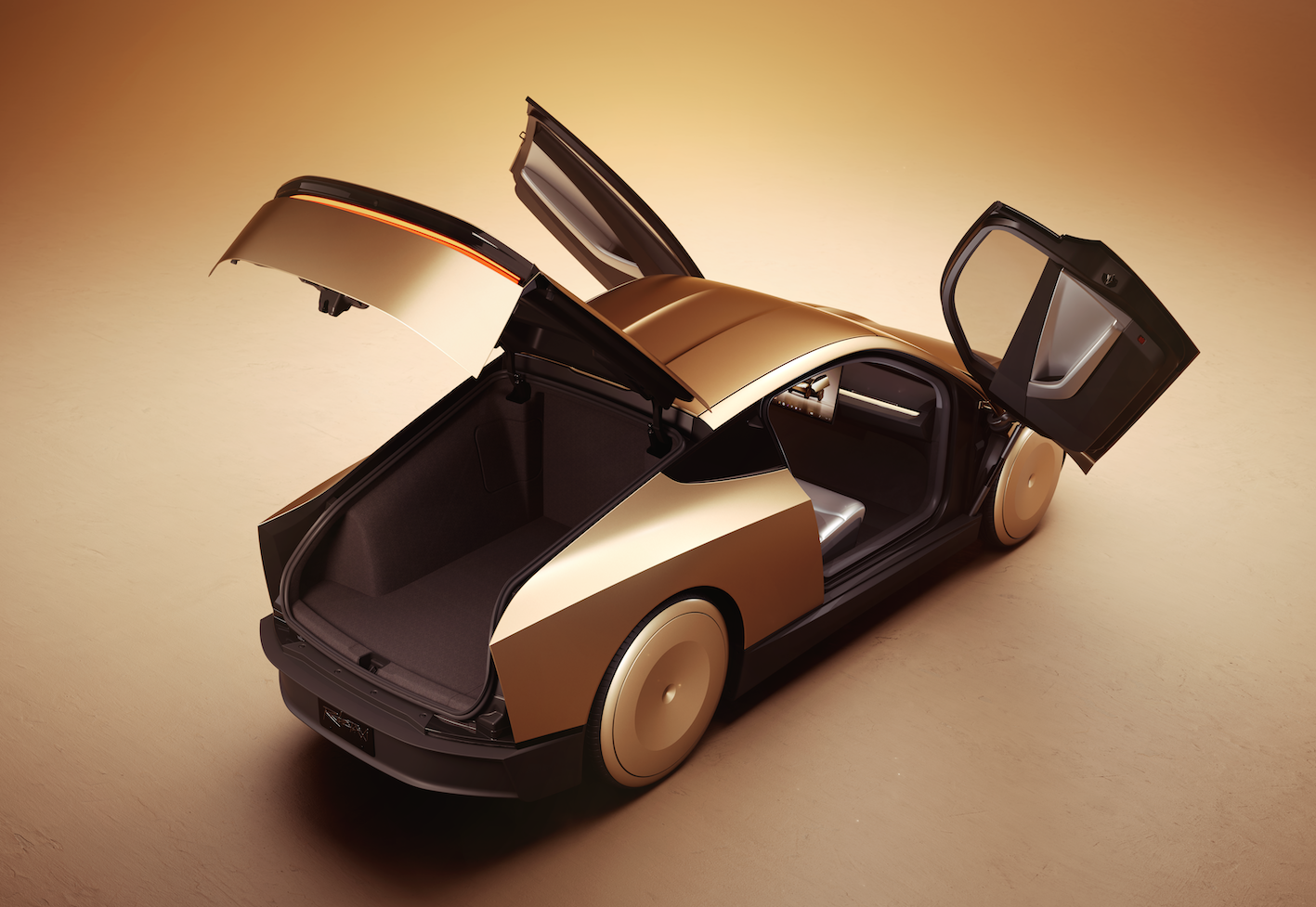
First revealed in October 2024, the car promised to arrive as a fully autonomous two-seat coupe and that might well be the format spotted in NZ.
While full and final details have yet to be revealed, and no on-sale has yet been nailed down, the car has reached point of being produced in a form that examples are being sent into the field for testing.
Several cars were spotted on a transporter last week, with some commentators wondering if they are here for extreme cold weather testing, which typically occurs at the Southern Hemisphere Proving Ground, equidistant between Queenstown and Wanaka.
SHPG generally hosts secretive winter testing of future products and technologies from now until end of August, sometimes later. If it has that intent this year, then it will be there at time when winter conditions have yet to fully form in the region.
Conversely, perhaps promotional filming could be equally likely.
Such activities generally require closed road conditions but the car being fully autonomous would not necessarily make that any more challenging, as NZ transport regulations - having been written well before autonomous cars were considered remotely possible - seem to allow for driver-less models, albeit with expectation they meet some road use safety requirements.
Those regulations also made it relatively easy for Telsa to introduce Full Self Drive Supervised here. But a situation with a fully driver-less involvement has yet to be put to the test.
Meantime, information about the car supplied to the US Environmental Protection Agency (EPA) has been made public over the past few days.
Despite its swoopy profile, the new model is intended as a self-driving taxi, rather than a sports car, and is claimed to operate without a steering wheel or pedals.
Whether or not the production version delivers on that self-driving claim remains to be seen, but information filed with the EPA reveals what to expect from the drivetrain of the new model.
At the model’s 2024 preview, the Cybercab was promised with wireless charging, to allow it to be used without operator input, and shown without a charge port that would give it access to Tesla’s high-speed Supercharger network.
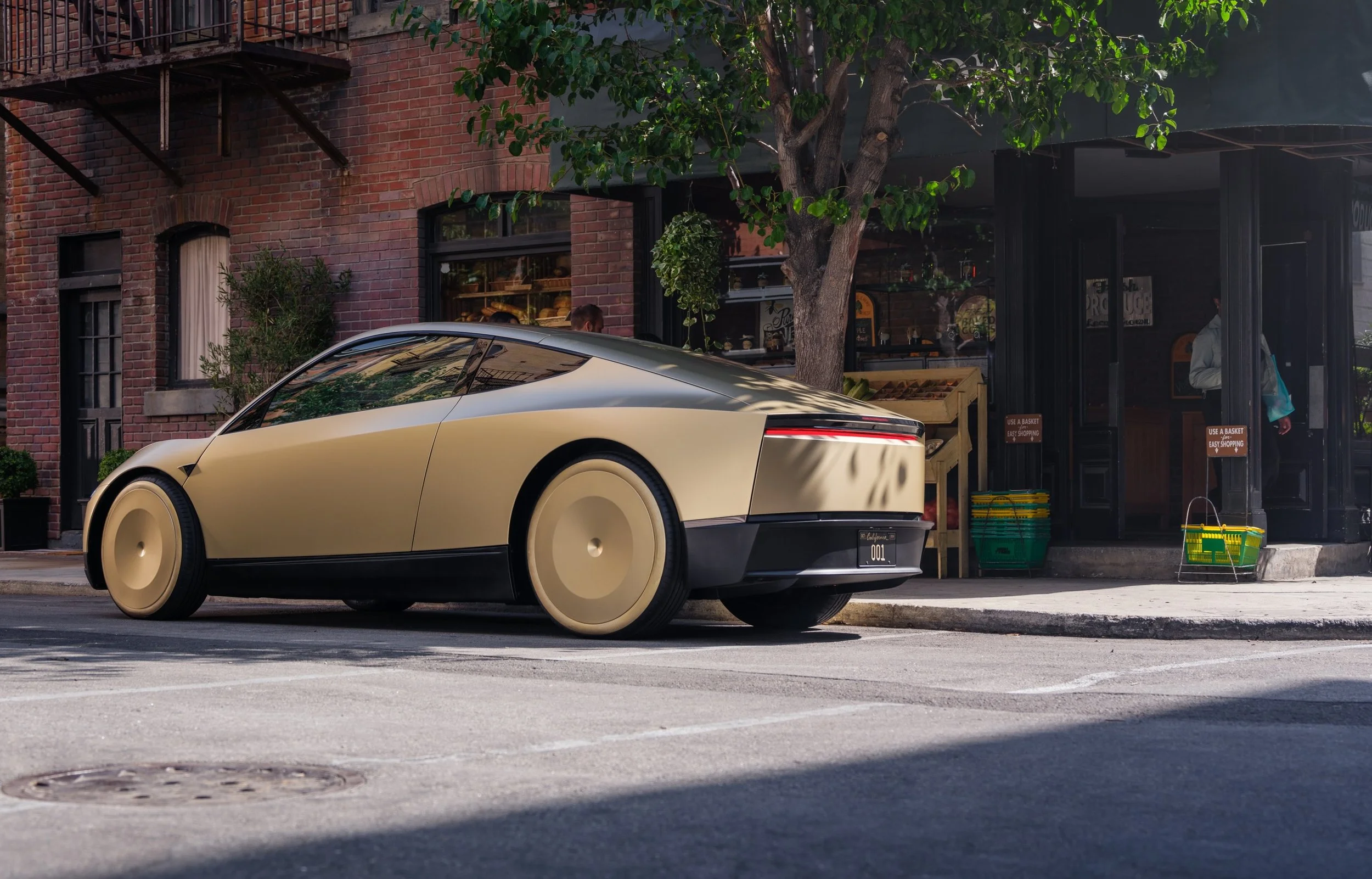
Despite the emphasis on its purpose as a self-driving taxi, the 4.4 metre model only includes seating for two but has a rear hatch that covers a large cargo hold. Tesla appears to have prioritised aero efficiency over utility with the coupe design.
Kerb weight is light, reported to the EPA at 1412kg. Tesla’s current lightest model is the Model 3 Premium RWD sedan, which lists a 1761kg weight.