MG MG4 Urban/Suzuki e-Vitara 2wd roadtest review: Budget with a battery
/How well does Japan’s small car specialist fare when its first electric faces up to a similar concept from China?
FAIR to say that while we’re stuck in a time when everything costs more than it ever has, the concept of the realistically affordable car has shifted significantly.
Add in the premium that comes with a battery-free powertrain, and you’re having to face up to spending a reasonable wedge.
Still, one thing to always remember when buying electric. If not the cheapest to buy into, the idea of a car being cheap to operate now seems more attainable.
With fossil fuel supply no longer such a dead cert thing, and pump prices in a constant jig, interest in all cars that propose in fully electric format is clearly growing.
So is the selection if you want to plug into something that’s not too big, but has reasonable kit, decent performance and range and a good brand story.
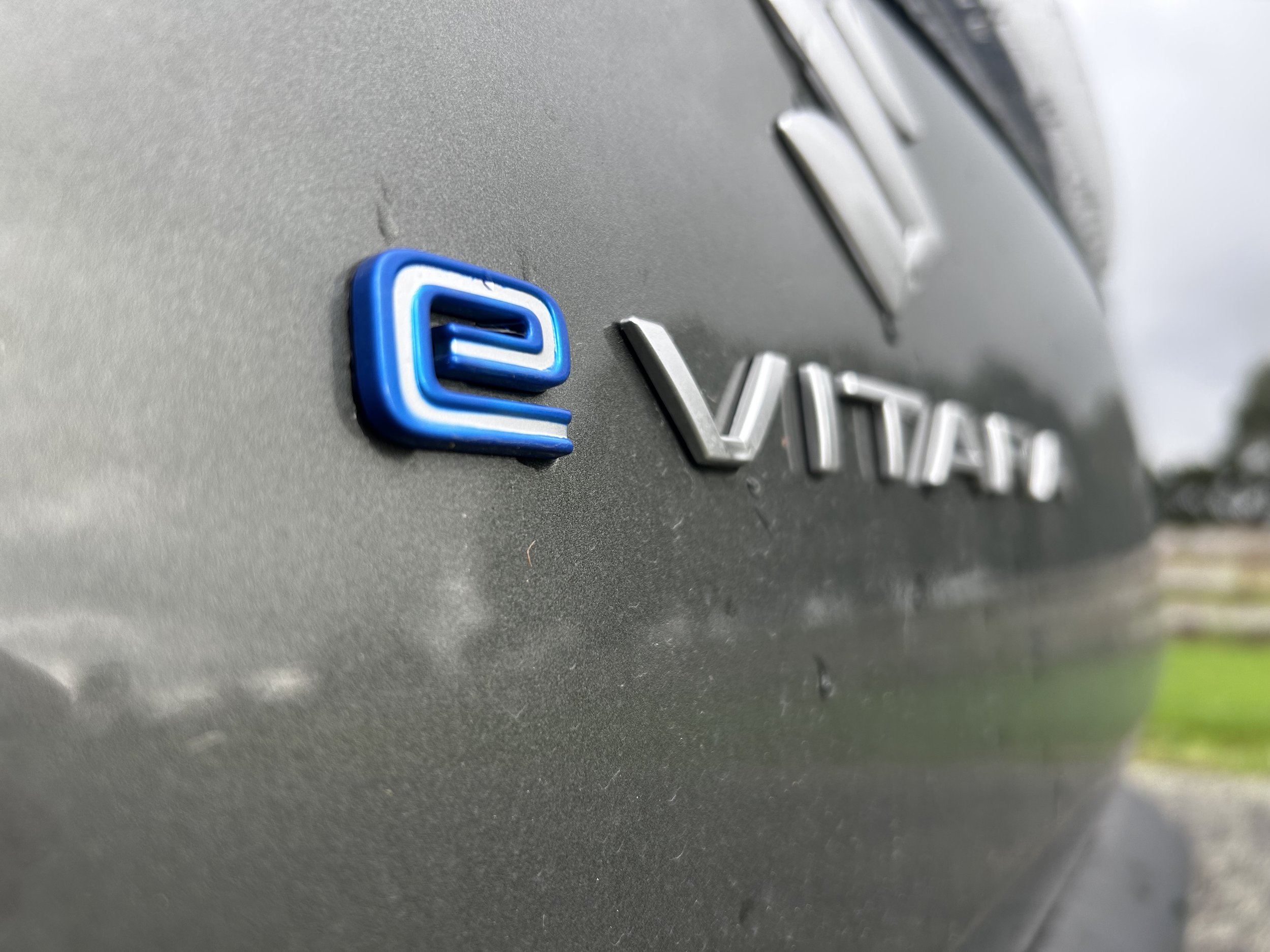
Suzuki e-Vitara 2wd
Price: $56,990
Powertrain: Single electric motor producing 128kW/193Nm, front drive, battery type 61kWh LFP battery, 426km range WLTP.
How big: 4275mm long, 1800mm wide, 1635mm tall.
We like: A big leap forward for Japan’s smallest car maker; usefully-sized for city zipping; front-drive makes more sense than Allgrip.
Not so much: Tangibly less fizzy than some alternates; efficiency behind the best; slow charging; tiny boot.
The Suzuki Vitara name has a history dating back to 1988 when it was a road-friendly alternative to Suzuki’s Jimny, catering to both off-road enthusiasts and urban drivers.
Since then, the Vitara has increased its focus more on inner-city comfort, with some off-road capability as well. That ethos continues with the new e-Vitara, though for that you need the all-wheel-drive, not the front-drive edition on test here.
Effort to ensure the all-paw’s relevance to heritage isn’t forgotten very much flavoured the media introduction, to extent about half the driving that day was off-seal with the Allgrip-e. All fun, but in reality, once we did hit the road proper it soon became fairly evident the cheaper front-drive was set to be equally relevant to customers, if not more.
Deep down, the band concurs: It also feels the entry choice with 128kW/189Nm and a range of up to 400 kilometres will achieve three sales for every one going to the flagship, which costs another $8k, has a 135kW/300Nm dual motor and is good for 395kms.
Reason why the lesser makes more sense was reinforced by spending a week with it for this test. That immersion also highlighted a broader impression of the challenges facing this product.
Good on Suzuki for at least giving electric a go. Also fro deciding that, electric is quite literally being a fresh start for Vitara, they’d go whole hog.
The link between the old combustion-powered models and this new start car coming down to them having nothing but a model name in common means there’s going to be a lot for transferees to learn, But it’s better that way. The petrol car was looking dated.
What’s also new is that this is the first Vitara whose development required phoning a friend. In this case it’s Toyota. Japan’s dominant player has its own version, the Urban Cruiser. Toyota NZ has yet to announce if it will sell that car here, but chances seem likely: They’re running at least one in trial.
The Japanese makes also called in support from China for the 61kWh lithium-ion battery. Its ‘blade’ designation is a giveaway to the supplier being BYD.
With that level of genetic blend, it might seem a shame to learn much about the car’s style, character and competence behind the Suzuki badge isn’t set to push the envelope.
But that’s the nature of these brands; Suzuki is always quite cautious and Toyota can be, as well. Still, vanilla is the world’s favourite ice-cream flavour, so who’s saying they’re wrong in corralling creativity to some extent.
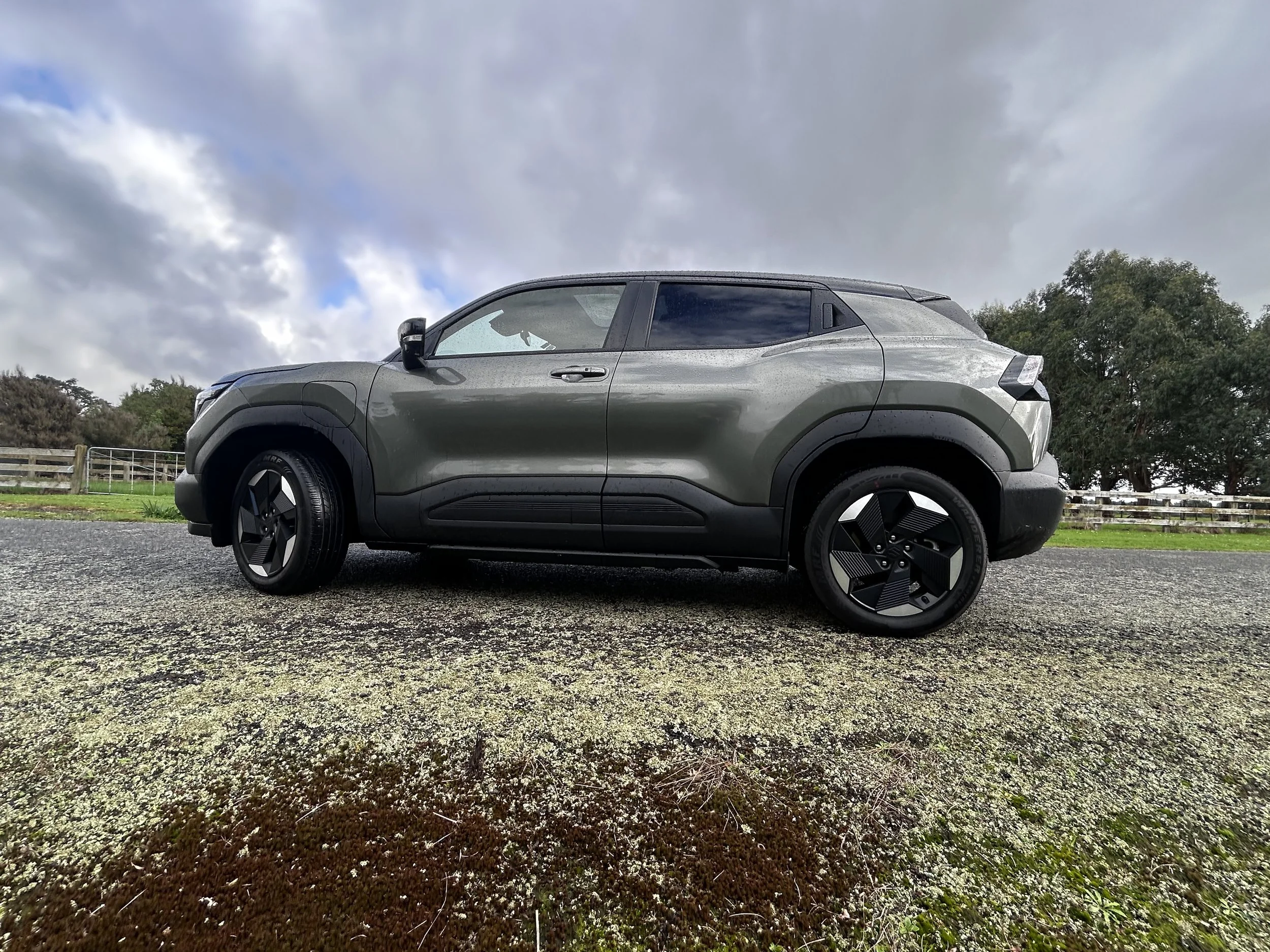
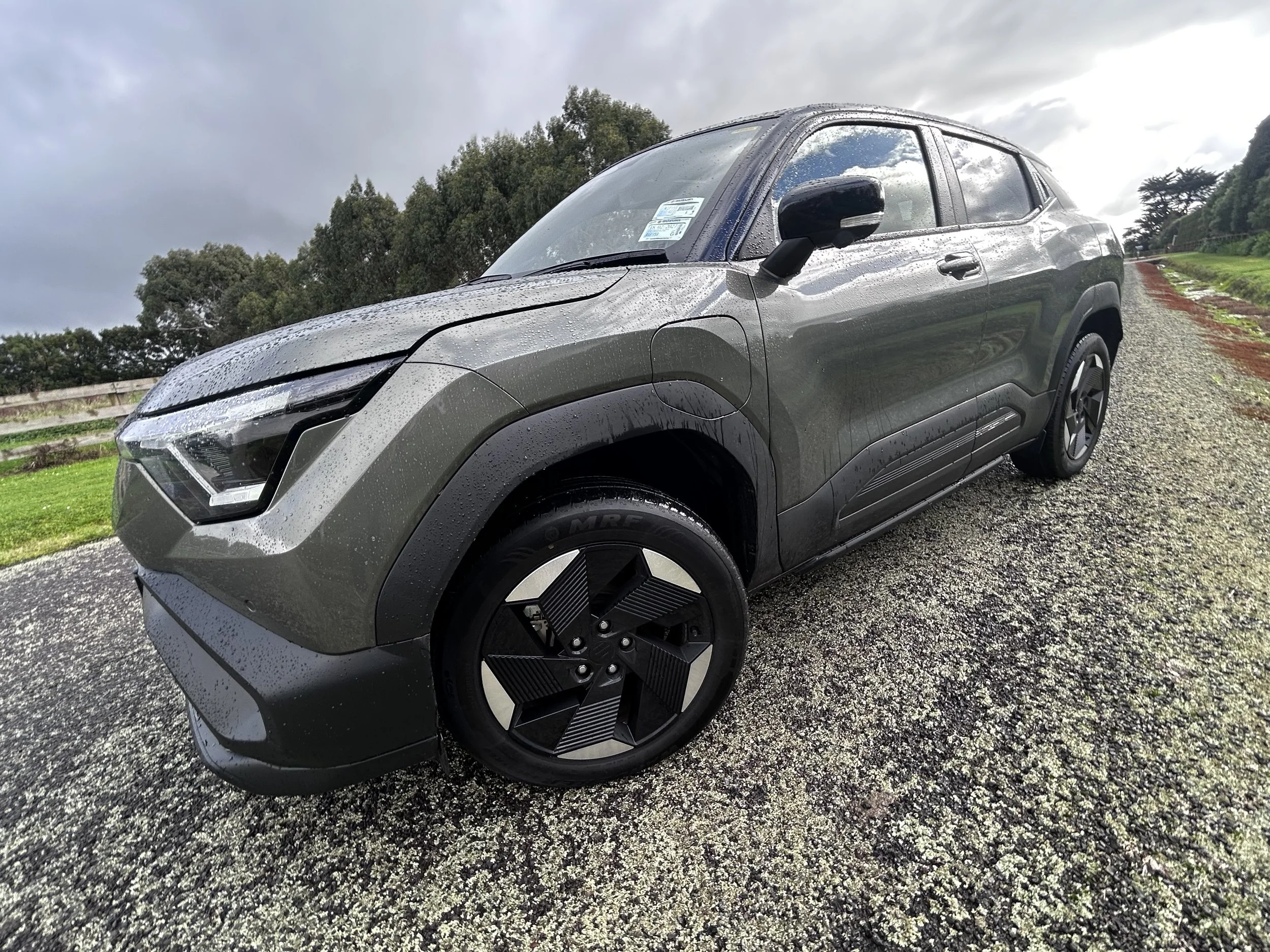
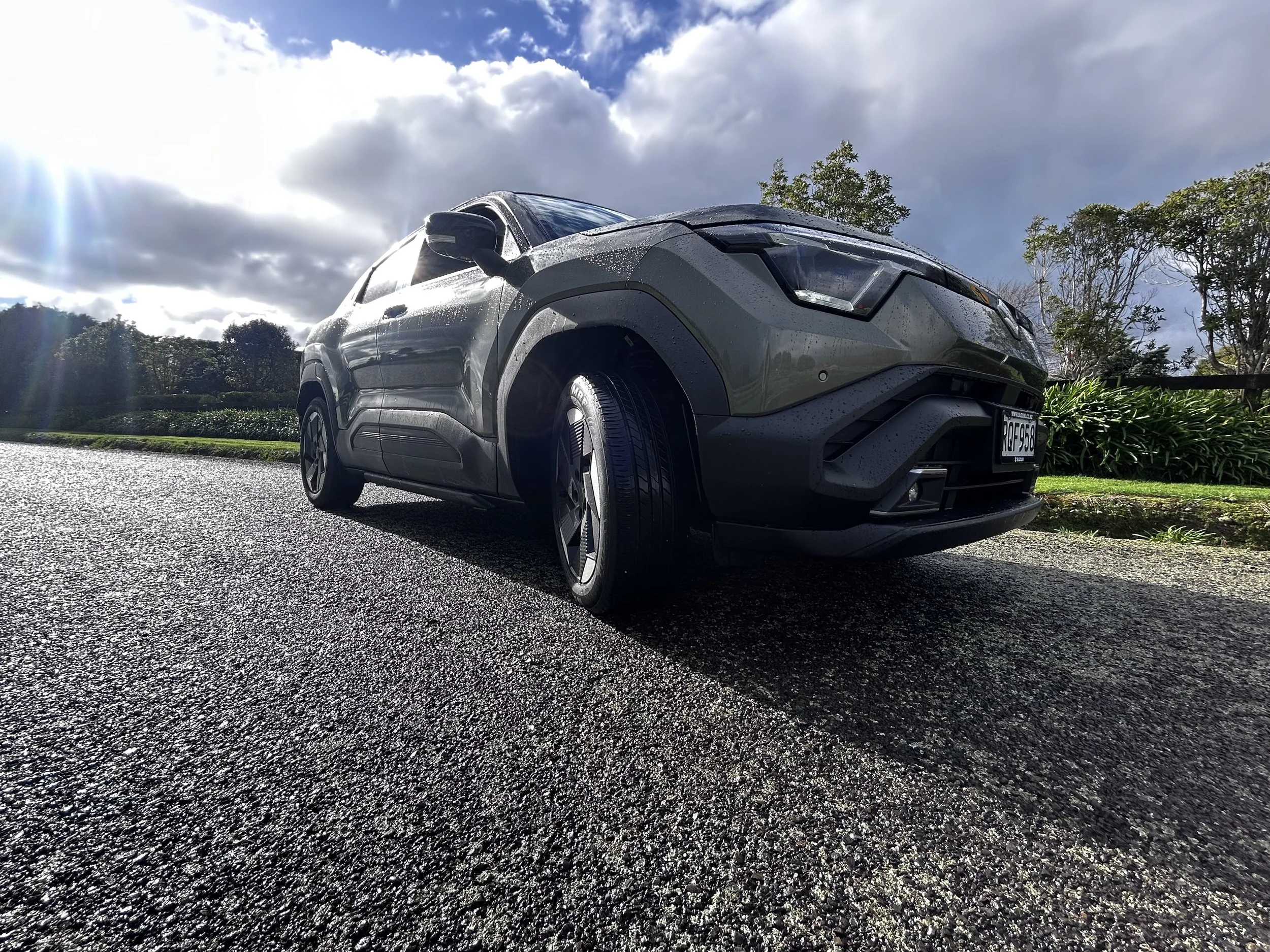
Despite it having some interesting swage lines and a solid stance, the e-Vitara’s exterior design likely won’t magnet instant attraction, but seems sector solid, elevated from the masses by those triple-lamp daytime running light signatures, echoed in the clusters at the rear, providing a neat element of individualism.
Toyota’s involvement with the car’s development shows most clearly in the cockpit layout; while not exactly the same as in Toyota’s other EV, the bZ4X, there’s a thematic.
That means there are buttons, albeit for basic functions. I’d wish for more. High delivery - too many for some - of ancillary controls through the touchscreen will doubtless raise comment. Some require multiple prods of the touchscreen and many seconds with your eyes off the road to get them to work. Just to turn off the lane keep assist and excessive speed warning is an unnecessary intensity.
Still, in a market where so many electric SUVs are overly techy, the e Vitara is pretty straightward, though there’s still more in-cabin tech here than anything offered a decade ago.
The main fascia is dominated by a 10.25-inch instrument cluster and the 10.1-inch nav-enabled main infotainment. Displays seem fine from a graphical perspective, as well as in operation.
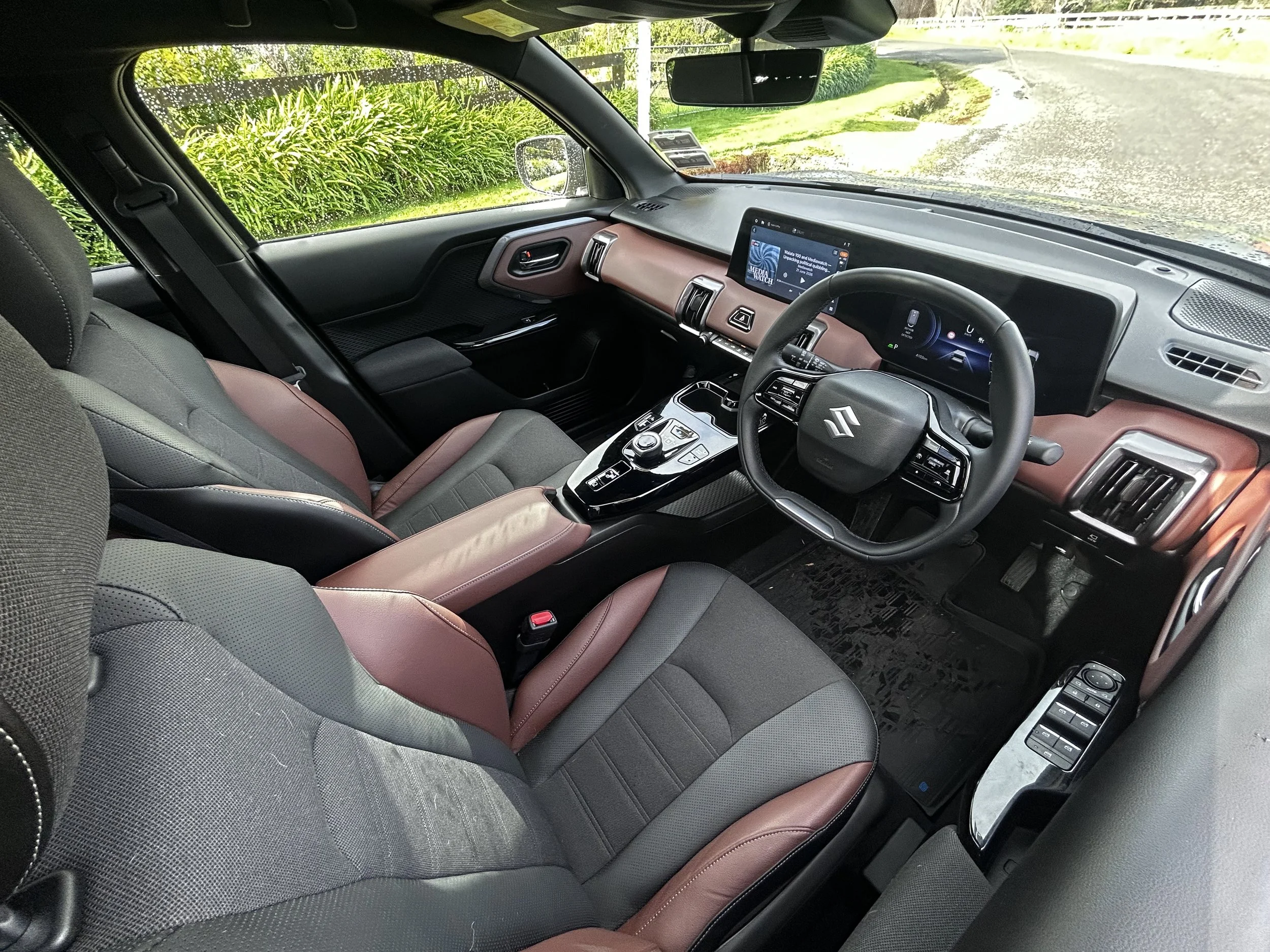
You shouldn't have much problem getting comfortable behind the Suzuki's rake/reach-adjustable steering wheel, with a good range of adjustment available to cater to drivers of different heights. Front seat shape is decent and visibility out in all directions seems reasonable.
Equipment-wise, it is competitive but not world-beating.
Ambient interior lighting, pairs of USB sockets in both the front and rear, a wireless smartphone charging pad and an Infinity premium audio system with boot-mounted subwoofer are cited as highlights, but are far from rare inclusions in much cheaper alternates.
The seats are fabric with faux-leather inclusions, and are heated up front, but only the driver’s chair has power adjustment. It has a good range of adjustment to cater to drivers of different heights. Not so for the front passenger, which has only basic adjustments and is set too high for anyone of above-average height.
The cabin is orthodox for stowage options in the doors, and aside from a large glovebox there’s a central storage cubicle in the front armrest, a tray for items beneath the central tunnel and four cupholders; permanent ones up front and two secreted away in the fold-down armrest in the rear.
The latter is, in effect, the middle portion of the 40:20:40 second-row split-folding backrests; using it delivers a complete opening into the boot.
The rear seats fold down, but also slide backwards and forwards so owners can choose if they want more passenger space or extra cargo volume accordingly, but it’s a cosy car either way.
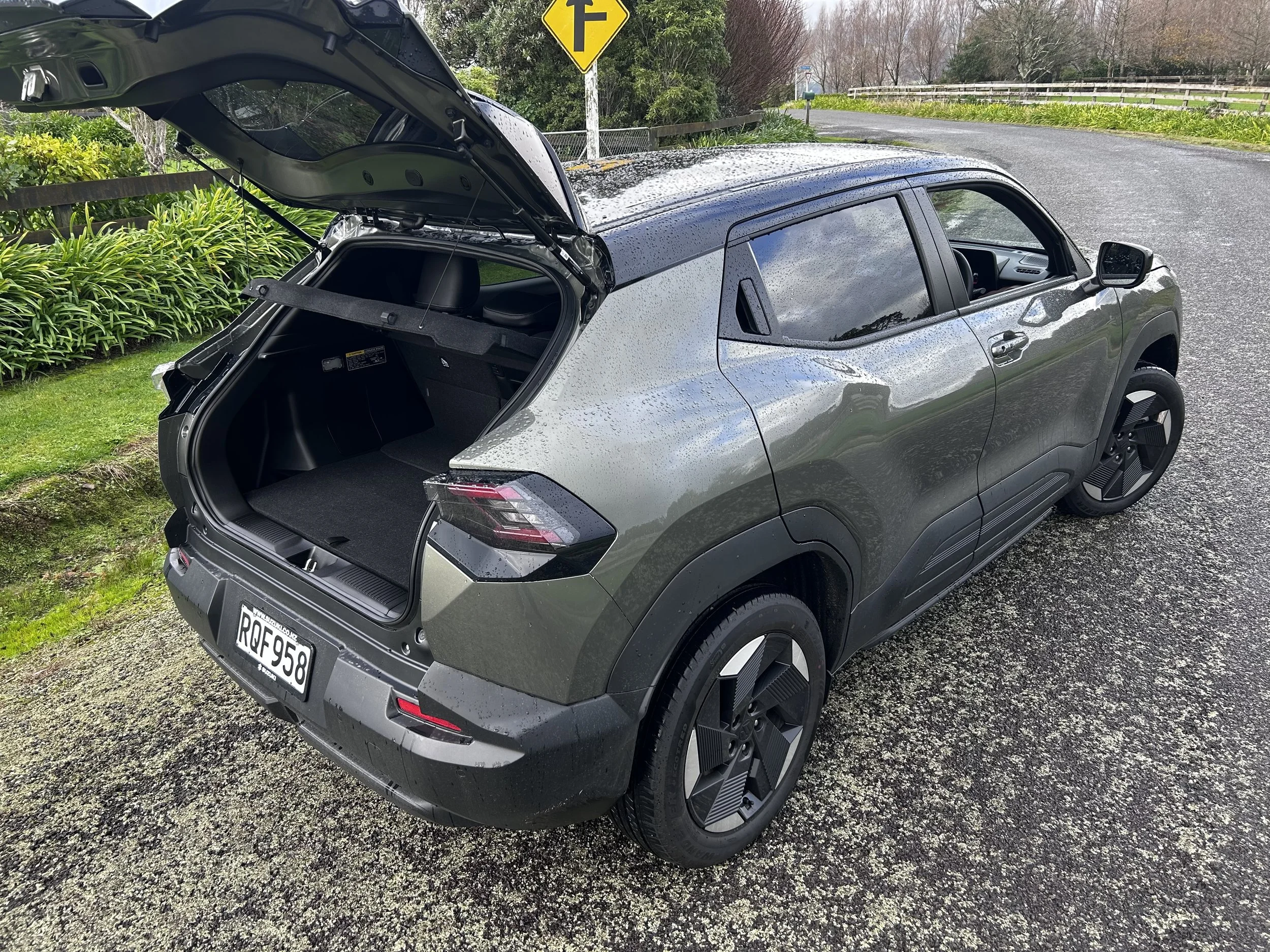
Boot space is not a high point if full-out occupancy is also required. Recharging cable storage is beneath the boot floor, because there's no front boot at all, and the remaining space in the back doesn’t come to much.
Even though the rear bench feels low-seat, headroom for the tall in the back is compromised by the roof lining being shaped for a sunroof, but kids will be fine. There are two ISOFIX positions there; in crash testing the highest individual score was in the child occupant category.
The determination to use tan-coloured interior highlight panels to enliven an otherwise black-hued cabin is Suzuki’s. It’s not for everyone, and even with this the cabin can also be quite dark and foreboding, but apparently goes down well in the car’s source country. Which isn’t Japan, but India.
Would you know if not told? The assembly quality is solid, if not pin sharp. Though hardy textured plastics pervade, with a chunk of shiny piano-black as well, that’s just a Suzuki 101.
One quirk was a brief graunching emanating from the rear brakes when the car was started first thing and put into reverse. A visit to the local dealership to sample another example revealed it seems to be a trait. Suspicion that it’s to with the regen set-up; the brakes might bind a little until everything warms up.
Past experience with electrics is that achieving efficiency close to WLTP claim is easier in some than others. Suzuki's claimed energy consumption figure of 15.1kWh/100km seems ambitious.
The front-drive edition’s maker-cited range suggests it would stand to be mid-stream among like-sized electrics for range, but this endeavour suggested you’re likely to be seeking a recharge after just 320kms’ driving, even if most of that is urban.
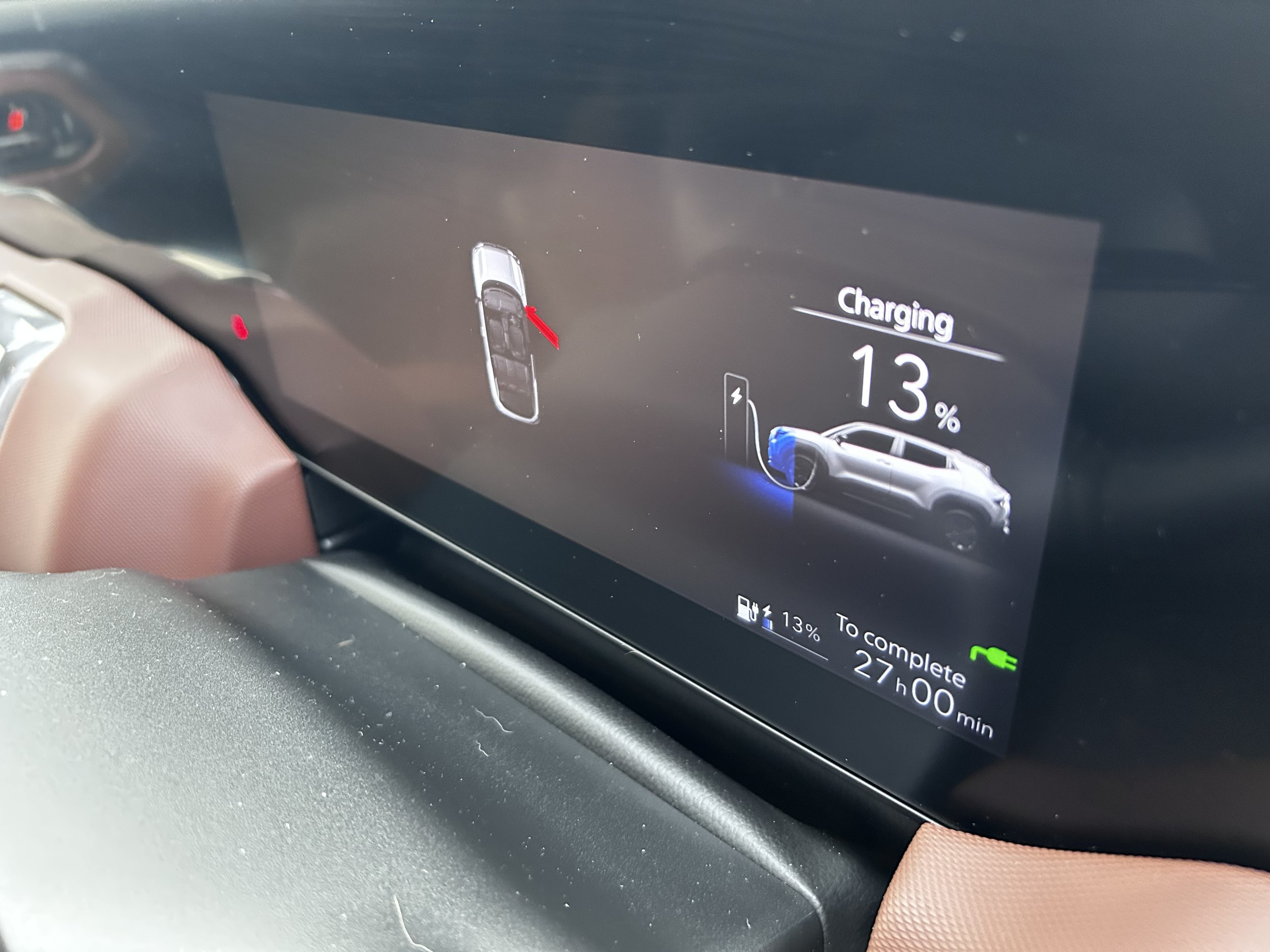
If public replenishment is your thing, bring reading material. The battery supports DC fast charging at up to 70kW, which is well below the 100kW maximum rate found elsewhere in the segment. Most people charge their EVs from home, but as it maxes at 7kW AC charging that’s also a long down time. Suzuki reckons it will ask for nine hours to replenish from 10 to 100 percent; the test car demanded around 90 minutes more than that.
Suzuki is ace at making light cars, but adding in batteries also ups the kilo count and so it goes here. Old Vitara in heaviest form was barely 1300kgs; e-Vitara in from drive is a 1.7 tonne car.
The front-drive powertrain here is not over endowed output-wise. While step-off is still good from the single motor application, a quite noticeable electric whine under heavy acceleration left impression it’s working hard then. It has enough for daily needs, but if you're expecting the oft-toured EV shove the e Vitara might not impress you all that much.
More thought needs to be put into the regenerative set-up. Three different strengths of braking are allocated, but rather than include paddle shifters you have to use submenus in the touchscreen. That’s counter-productive. Also, with no facility for full one-pedal driving means the car won’t achieve a complete halt simply by lifting off its accelerator pedal.
Difference between the three drive modes left this writer vexed. There really is nothing of note to separate Eco and Normal and though accelerator feel is perkier in Sport, actual drivetrain response is less so.
The amount of zip and the question about how much range it has left impression this car was better sorted for city work than long-distance adventures.
In saying that the chassis seems well sorted for all road speeds and conditions.
Suzuki has very clearly sprung the e Vitara for comfort, with softer spring rates compared to so many EVs. That means it soaks up bumps well, but conversely, when you push through corners, it gets a little edgy. There’s a compromise to these things but given that the average user might be mainly using it for around town, I’d say Suzuki has got it right.
The Vitara has never been one for hauling boats and caravans, but it was a handy trailer hauler. Now owners will have to give that latter consideration more thought, as both new variants are rated to tow 750kg of braked trailer; exactly halving the limit of the outgoing car.
Standard safety includes seven airbags alongside Suzuki’s ADAS suite that includes blind-spot monitoring and rear cross-traffic alert site alongside expected features such as lane keep assist and lane departure warning, traffic sign recognition and a proprietary Dual Sensor Brake Support. Front and rear parking sensors are standard, along with a rear-view camera, adaptive high-beam assist and a 360-degree camera system.
Safety credential-wise, e Vitara holds a four-star ANCAP rating that is based on previous Euro NCAP testing; the highest score it could expect. the Adult Occupant Protection score was constrained by it lacking a head-protecting centre airbag to reduce injury to occupants in side impact crashes.
Suzuki is advantaged by being one of the most trusted brands in the country. It’s an ace card rivals would love to hold, but one that is relied on too heavily in this context.
Easy to drive, in an undemanding and gentle fashion, the e-Vitara is an important car, so for it to feel a touch undercooked in some respects is troubling. It doesn't have particularly much driving range, experienced electrical efficiency wasn’t the best and the cabin, for all its treatments and appointments, is a dull spot with a dated feel.
Launch attraction of a $2000 discount has finished, but even at that reduced price the entry model seemed perilously placed, the $10k dearer Allgrip all the more so.
Suzuki might wish the entry model is compared against the like-spend Kia EV3, which has better range and more polish, but in reality it’s more probably going to cross-shopped against cars from China that are often larger better kitted, have superior range yet almost always cost less, some considerably.
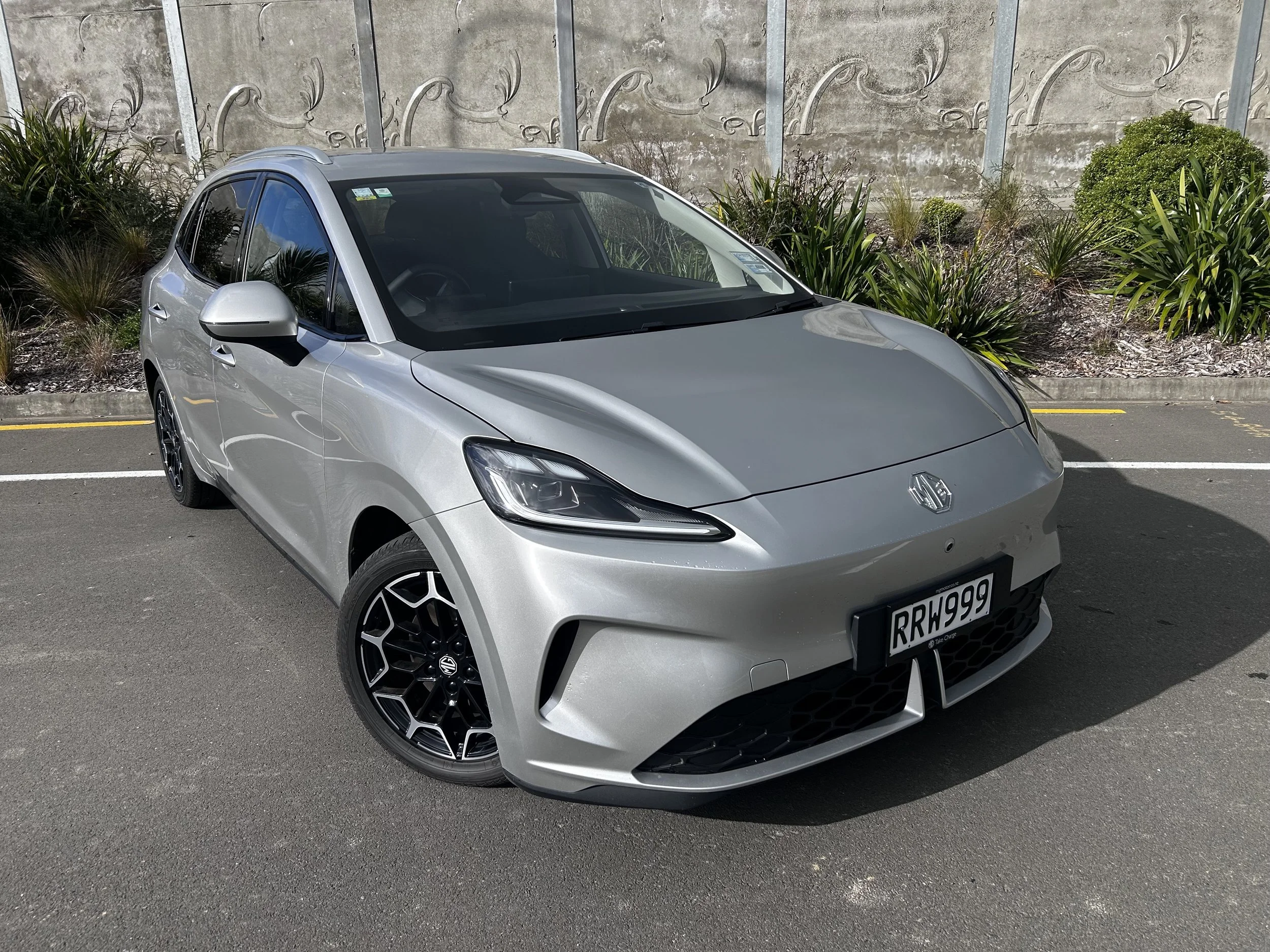
MG4 Urban
Price: $38,990.
Powertrain: Single electric motor, 118kW/ 250Nm, front drive, battery type 54kWh LFP, 405 kilometres WLTP.
Dimensions: Length, 4395mm; width, 1842mm; height, 1549mm.
We like: Extremely well-provisioned; not as sporty as the ‘other’ MG4 but drives well; roomy; honest range and performance.
Not so much: No rival to the ‘other’ MG4 in the looks department; ADAS improvements appreciated, but speed sign recognition dim-witted.
MORE brands are incoming, but already the electric scene has become so congested one significant player from China has been forced into attaching a common model name to two disparate cars.
In explanation, MG says having two MG4s is because it likes to keep its small car categorisation simple.
Hence why there are two MG4s. One the impish MG4 compact rear-drive car seen here since 2023 and just given a mid-life tidy. The other a compact front-drive model, totally different in size and styling. Also, occupying a lower price level.
It obviously works for them. Maybe not so much for everyone entering the showroom, but if you are position where choice has to be made, advice would be to consider the new one; full name MG4 Urban.
Adding another electric hatch into the same class as the original MG4, in order to combat value-oriented competitors and provide a more affordable option for its own customers, is a masterstroke.
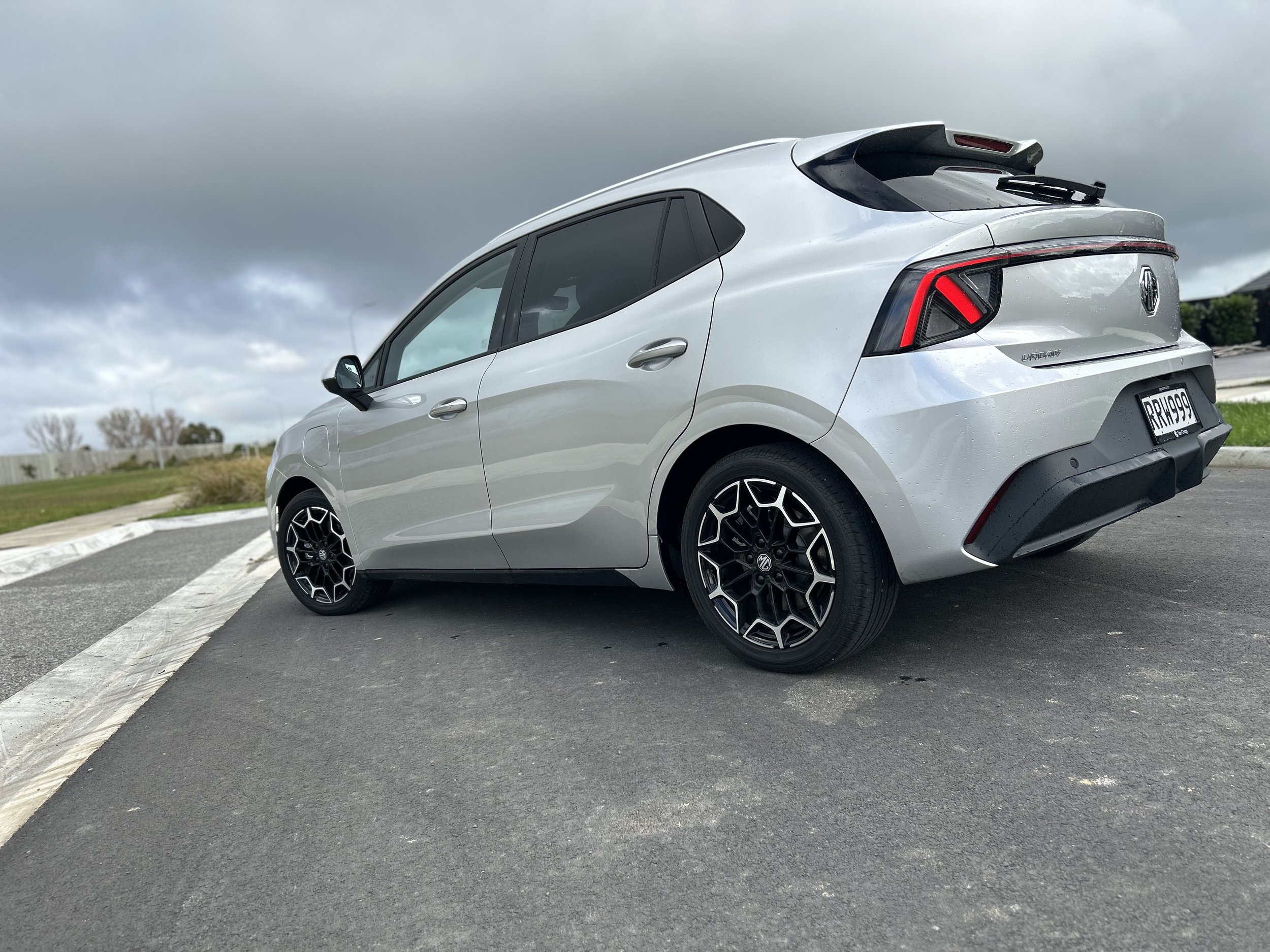
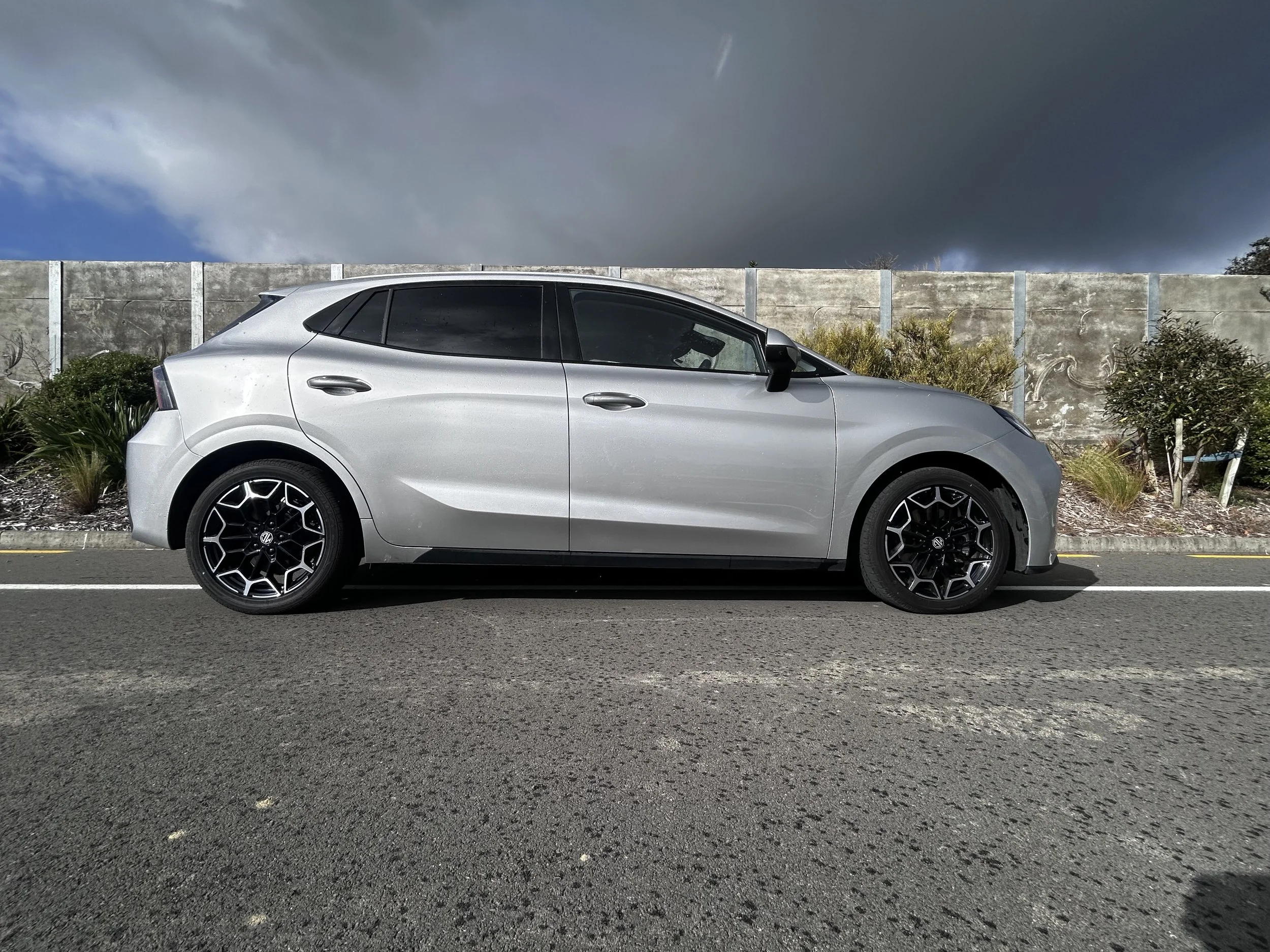
Sure, the Urban isn’t for everyone. You may have questions about why it needs to look so frumpy. And why it hasn’t the same sporty flair as the other MG4. But looking beyond those factors, this car has a lot going for it.
For the average consumer thinking about best use of a restricted budget, it’s one of those sub-$40k buys whose overall proposition falls in to the ‘too good to be true’ category.
There’s a generous list of standard equipment, usable electric range, immense practicality and a very decent build quality, backed by an extremely solid warranty offered by a brand that’s been here long enough to have servicing and support credibility.
We’re only getting into the second half of the year but I suspect that, come time when awards are being dished out, the ‘Urban’ will be winning some silverware.
Hard to say how it compares to every China Inc rival, but driving this very soon after the e-Vitara only highlights why Suzuki needs to revisit its pricing. The MG just has a lot more, for quite a lot less.
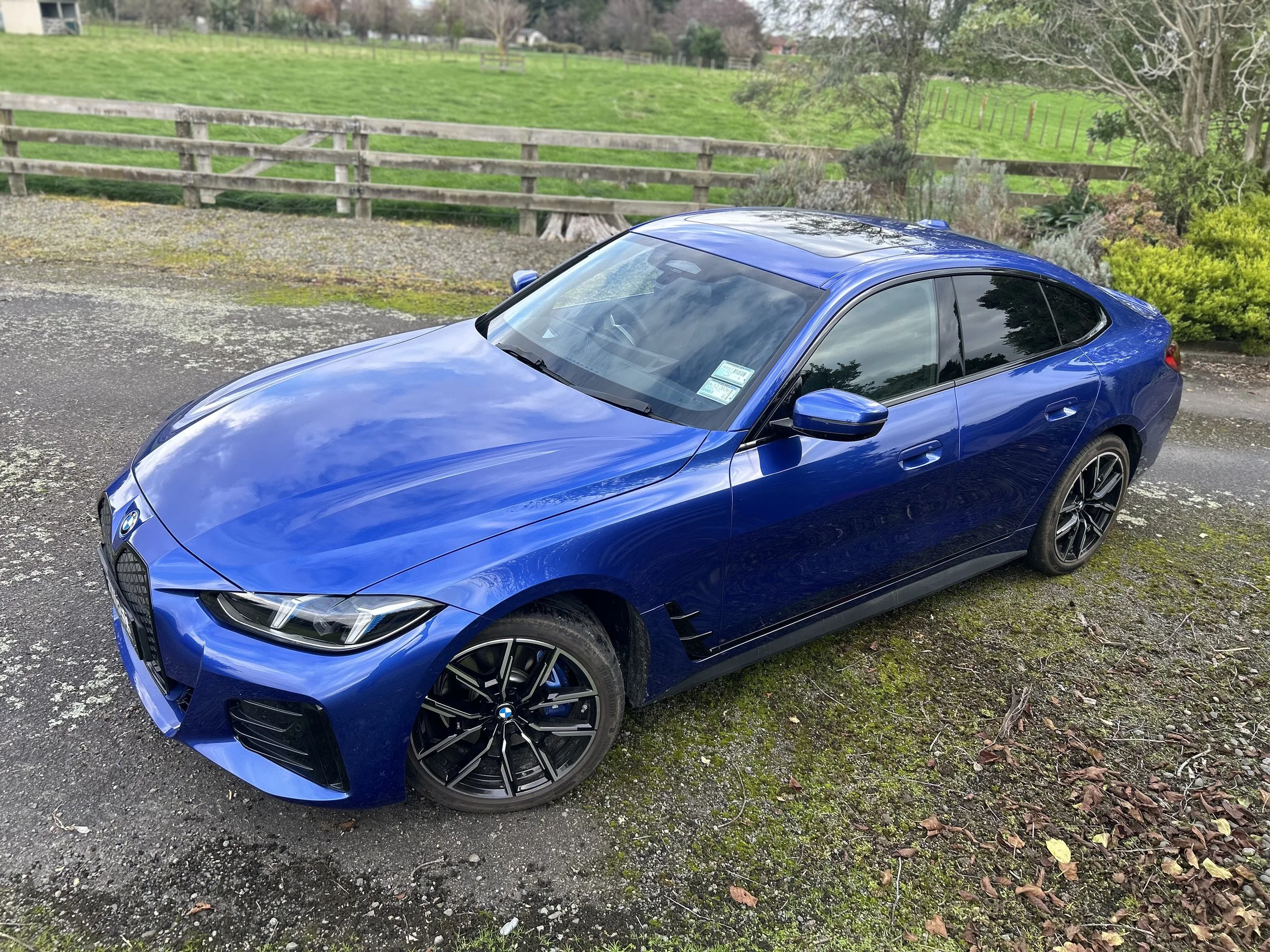
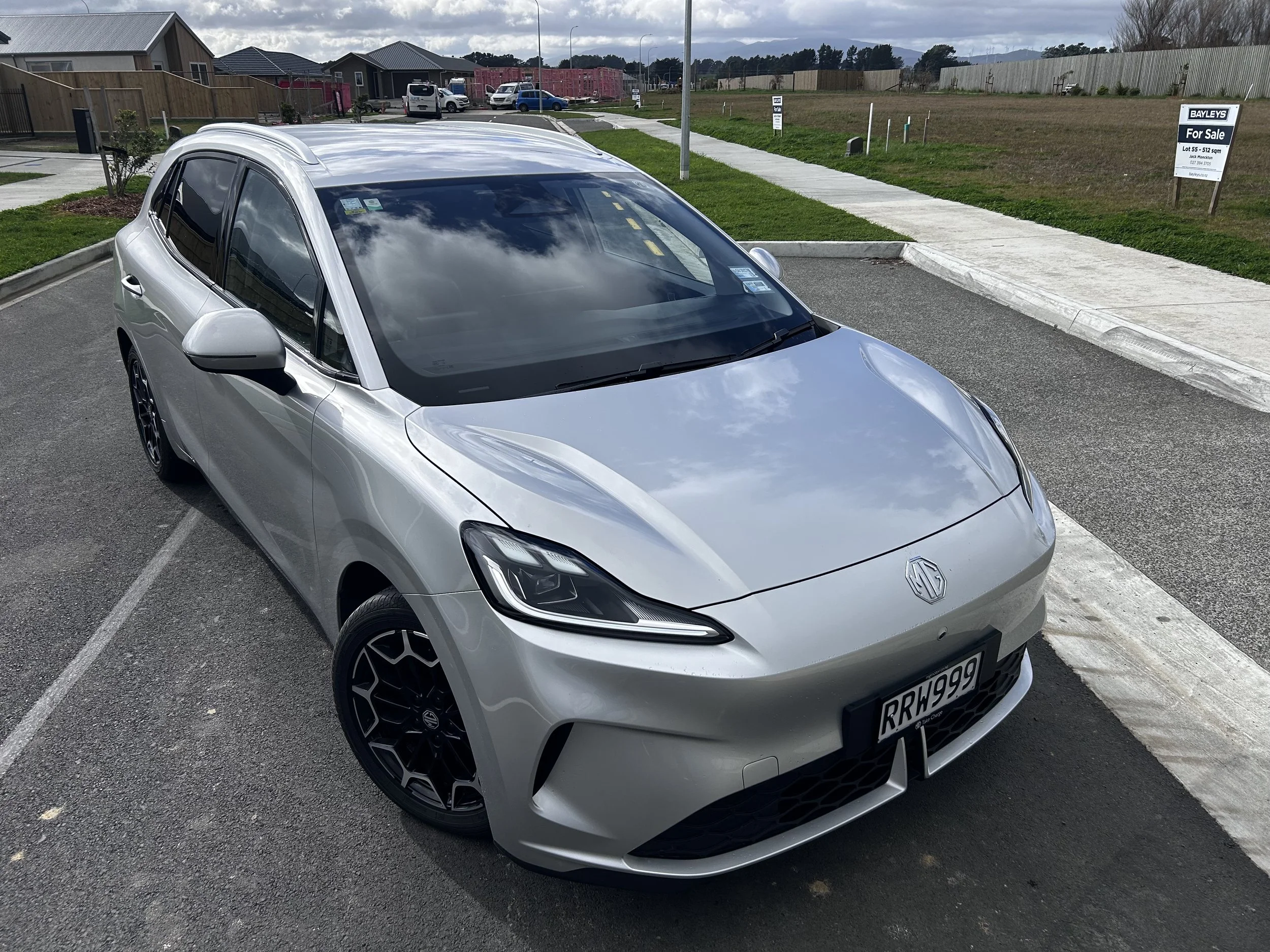
MG4 as a wedge hatch still gains plenty of attention. Urban as a far smoother, more bubbly shape also turns heads, but hasn’t the same visual pizzazz.
The car it’s said to reference is MG's grandest product, the Cyberster roadster. The split front bumper design, wide-set air intakes in the nose, swoopy LED headlights and full-width rear light bar, with angled-in LED detail, link to that two-seat soft-top.
In respect to overall shape; long and lean drop for short and dumpy and details like those slightly small (at 17 inches) rims only accentuate it is carrying plenty of puppy fat.
The Essence 54 fit out chosen for NZ brings the larger of two available battery sizes, and a stronger range, of 405 kilometres’ by WLTP testing.
With 118kW and 250Nm, it has reasonable performance; it feels swifter than its on-paper acceleration figures would have you think and is undaunted by open road driving, but isn’t cut out to be a passing lane hog. You can switch from Eco to Normal to Sport modes, but they don't make a huge difference to the way it drives.
As much as the Urban is not out to rewrite the book on handling and verve, it benefits from a low centre of gravity and seems quiet and compliant on coarse chip. Some say the ride is a touch too rigid; I thought it struck a a decent balance between soft and firm.
It certainly isn’t sporty - that’s an accreditation better-suited to the ‘other’ MG4 -but it does benefit from the usual zippy characteristics of any battery electric vehicle.
The chassis is well-controlled, with little in the way of understeer or untidy behaviour. While not exactly a paragon for feedback, the steering is direct and well-weighted. All the same, mostly it appeals for maintaining a planted feel and delivering decent refinement, with no undue tire or wind noise to report.
As much as open road competence is perfectly adequate, the hint about where it does best is in the name.
It comes across as being particularly handy for running in busy street environments. It’s not at all intimidated by the downtown zone; forte for nipping into tight parks and the like evidences and you’ll also find the range melting away a lot less quickly. Urban usage also brings out the best potential for the regen braking. Level two of this felt most comfortable to use and seemed quite effective. The one-pedal driving mode likewise.
As much as it’s inner-city behaviour is typical of many small cars, the really useful aspect comes from it being a ‘little big’ device.
While compact, the Urban is not short for cabin space. It so roomy you might find it hard to be believe that it is 110mm longer, 33mm taller and slight wider than the angular MG4. But the tape measure doesn’t lie.
That, and because it uses a MacPherson strut front suspension setup and a torsion beam rear end, allows for significant interior space than you might expect.
Two large people can sit comfortably up front, but space in the back seats is more limited, so shorties need sit behind a tall driver, but it’s not such a cramped space as to exclude infant seats. The only quibble about the rear bench is that it could do better for under-thigh support and lacks a centre holding armrest. But rear seat occupants do achieve rear air vents, a USB-C port and rear seat pockets.
Boot space of 382 litres expanding to 1266L with the rear seats folded is good for a car of this size. Its adjustable boot floor is also nifty for practicality; that space works out to another 98 litres but you’d swear it’s larger still.
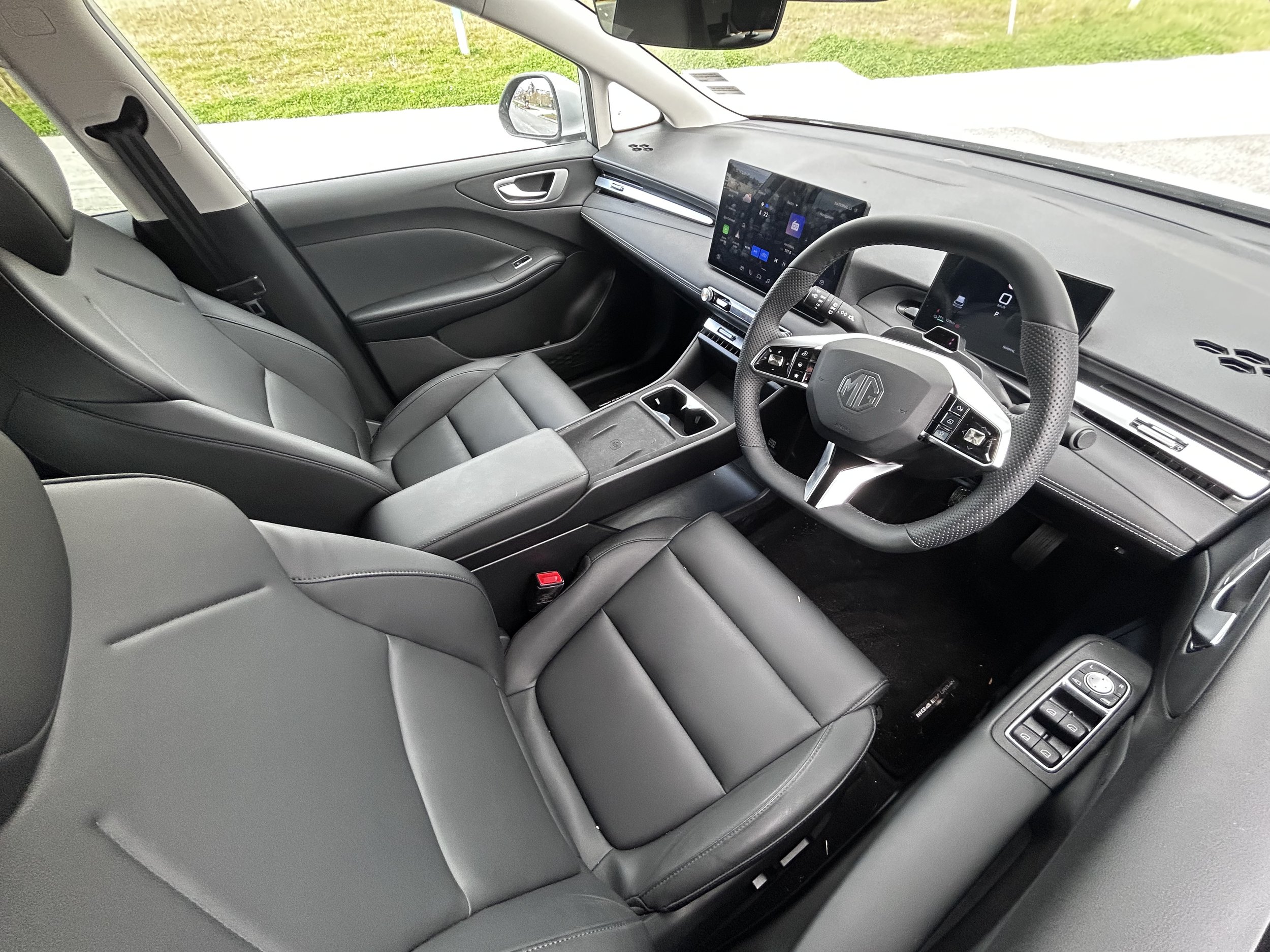
The interior also rewards for visual panache and material quality. PVC leather is expected at the price, but it’s of decent quality, and some metal components being actually that is a nice thing for a any car out to reflect a value ethos.
I’m not the first to say that MG has achieved the right note in its blend of digital and physical controls. The latter, which include some switches, arrive for the air conditioning, media volume, and window demisting controls. All these usefully locate on a slim control panel just below the infotainment screen. Complementing these are steering wheel buttons which handle the adaptive cruise control, voice activation, and digital instrument cluster navigation. There are also two customisable star buttons that allow quick access to functions of the driver’s choosing. The overall delivery is sensible.
Heated front seats are a nice thing here and the surround-view camera system is of high quality. There’s also a 12.8-inch multimedia touch-screen offering Android Auto and Apple CarPlay, with a six-speaker sound system and a wireless phone charger, with integrated divides to keep your device sliding around, and digital radio.
Storage solutions include a reasonable-sized glovebox, door pockets with the usual sculpted-out drinks-bottle holders, two cupholders up on what would normally be the transmission tunnel, a lidded centre cubby in the front armrest and one of those 'under-dash' storage areas that is also the location of the front pair of USB-C connections plus a 12-volt socket.
The model has something MG calls its “6-in-1” drive system incorporating a heat pump to maximise range. Fast charging is available up to 150kW using a DC plug.
Euro NCAP has already put the MG4 Urban through its paces and it has recorded a full-marks score of five stars overall.
MG Pilot Custom allows you to save and return to personalised presets.You can then simply select that set-up every time you start the car by just swiping down from the top of the touchscreen and tapping the relevant icon on the display. It’s a shortcut all MG product could benefit having.
Sadly, you cannot say goodbye to all bleeps and bongs. The traffic sign recognition software has propensity to read corner speed advisories as posted limits, for instance. That’s dimwit response I’d want sorted.
Conclusion
The latest choices in this sector from Japan and China couldn’t be much more different; right down to their body shape categorisations. The Urban is a hatchback, the e-Vitara 2wd is more of a crossover.
Both will have their fanbases, but it’s no contest. With its more capable, more comfortable driving experience, a higher-quality air to its build and furnishings and a stronger level of standard equipment (and brand back-up) … and all for much sharper pricing, the MG4 Urban simply crushes.