
Polestar 2 affirmed as ongoing prime number
/The first battery car from Geely-owned, Volvo-spawned electric specialist had a hard time in its first generation, but the national distributor is keeping the faith.
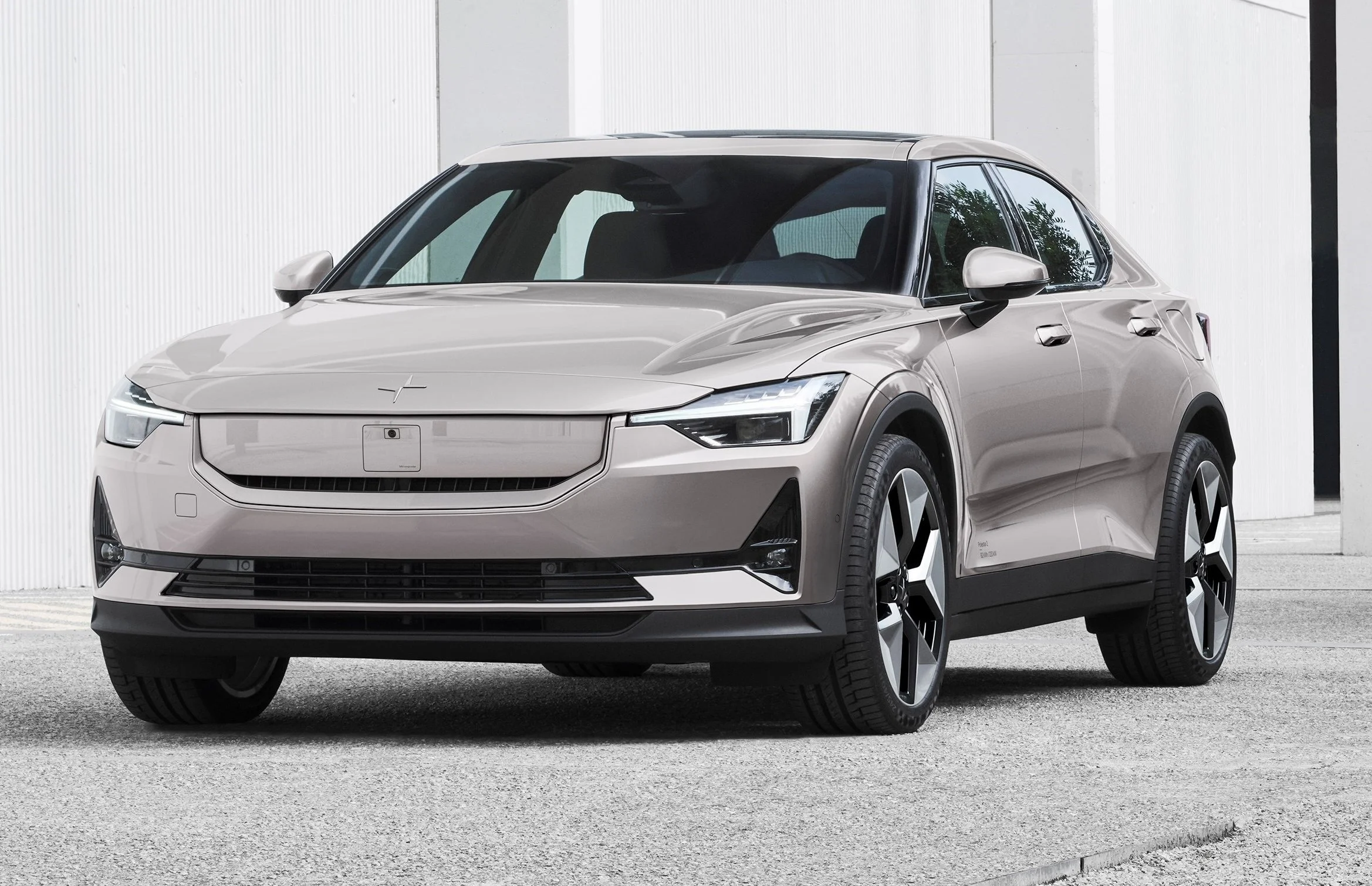
REINSTATEMENT is promised for the car that put Polestar on the electric vehicle map - yet whose local volume aspiration was seriously derailed after a strong start.
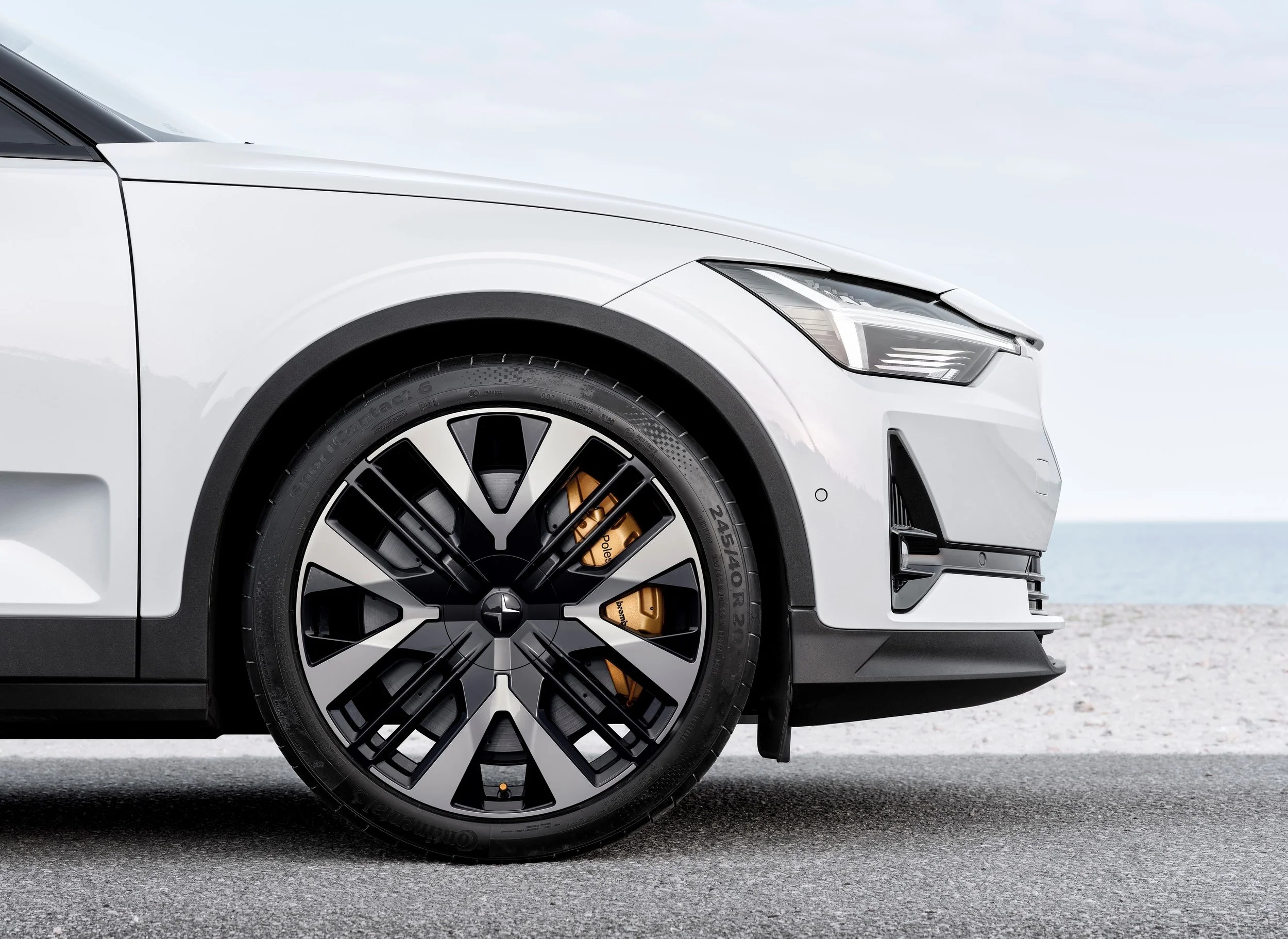
At a media presentation today, Polestar New Zealand high-ups assured a comeback for the Polestar 2 (above), probably in 2027, and as a wholly new product.
This comes in the same week the maker announced it has built the final example of the fastback in an original format which launched here at end of 2021 but never realised potential.
That production of the the original model has ceased at the NZ-market source factory in China is a semantic for Kiwis.
Polestar 2 was pulled locally 12 months ago - having delivered just under 2000 registrations, far fewer than was forecast.
A lot is still unknown about the incoming new generation car, and Polestar NZ’s outgoing boss, Bruce Fowler, said today details shared with his operation are covered by an embargo lifting on November 10.
That’s when an important styling study called Formula 2030 is fully revealed.
Fowler - who launched the brand five years ago - and Daile Stephens, his replacement as Polestar brand manager in a shakeup that adds the Sino-Swede marque to existing responsibilities - running Volvo (from which Polestar spawned) and Lotus - say it presents huge change and massive potential.
International assumption shared by media overseas over the past 48 hours is that the second generation Polestar 2 will eschew the 400 volt charging tech used by several of the brand’s cars - including the new Polestar 4 SUV shown off to media today - for leading-edge 800v that so far only provisions on its most expensive cars.
There’s talk of 650 kilometres-plus range and continuation of sub-$100,000 price tags.
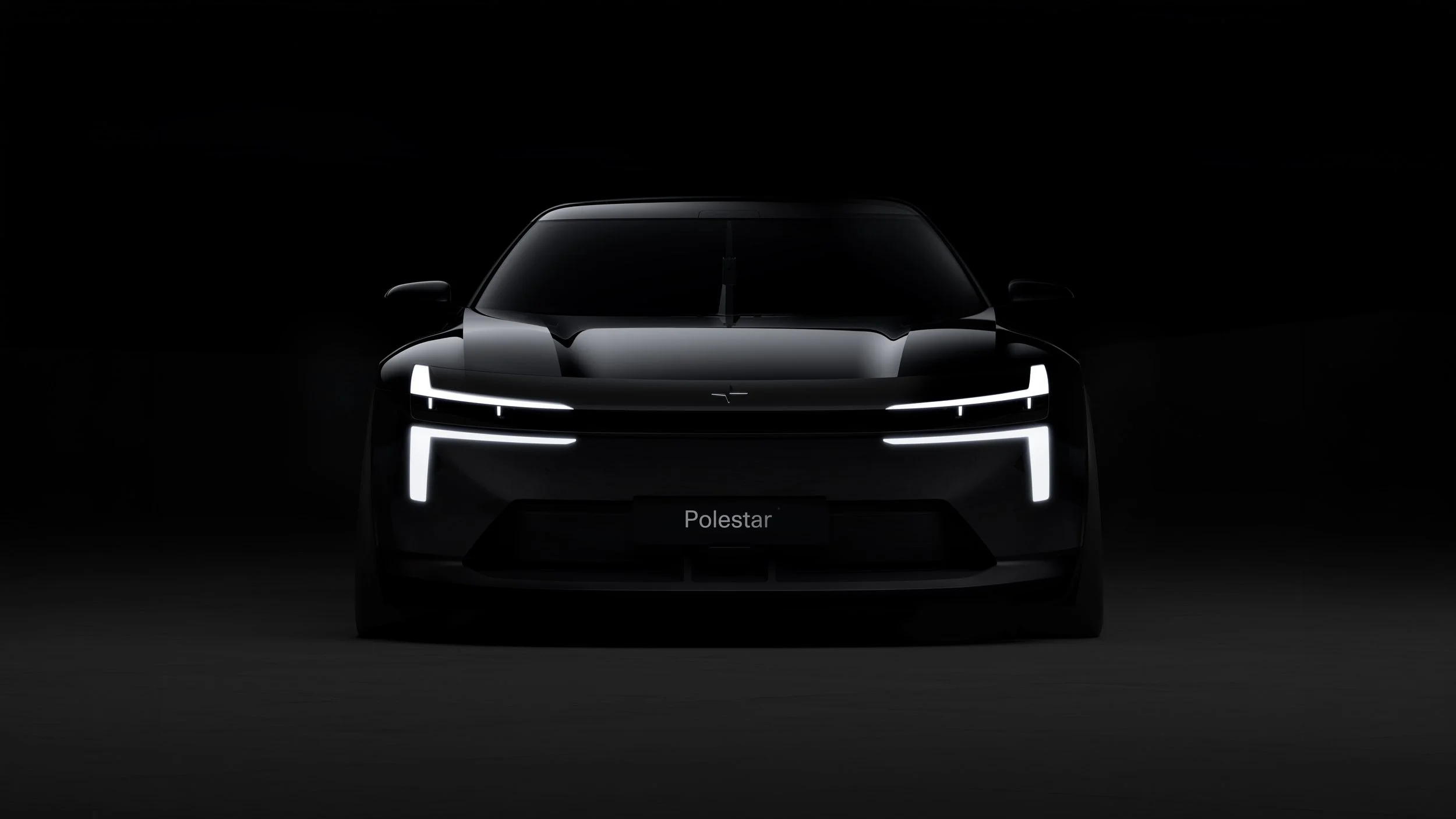
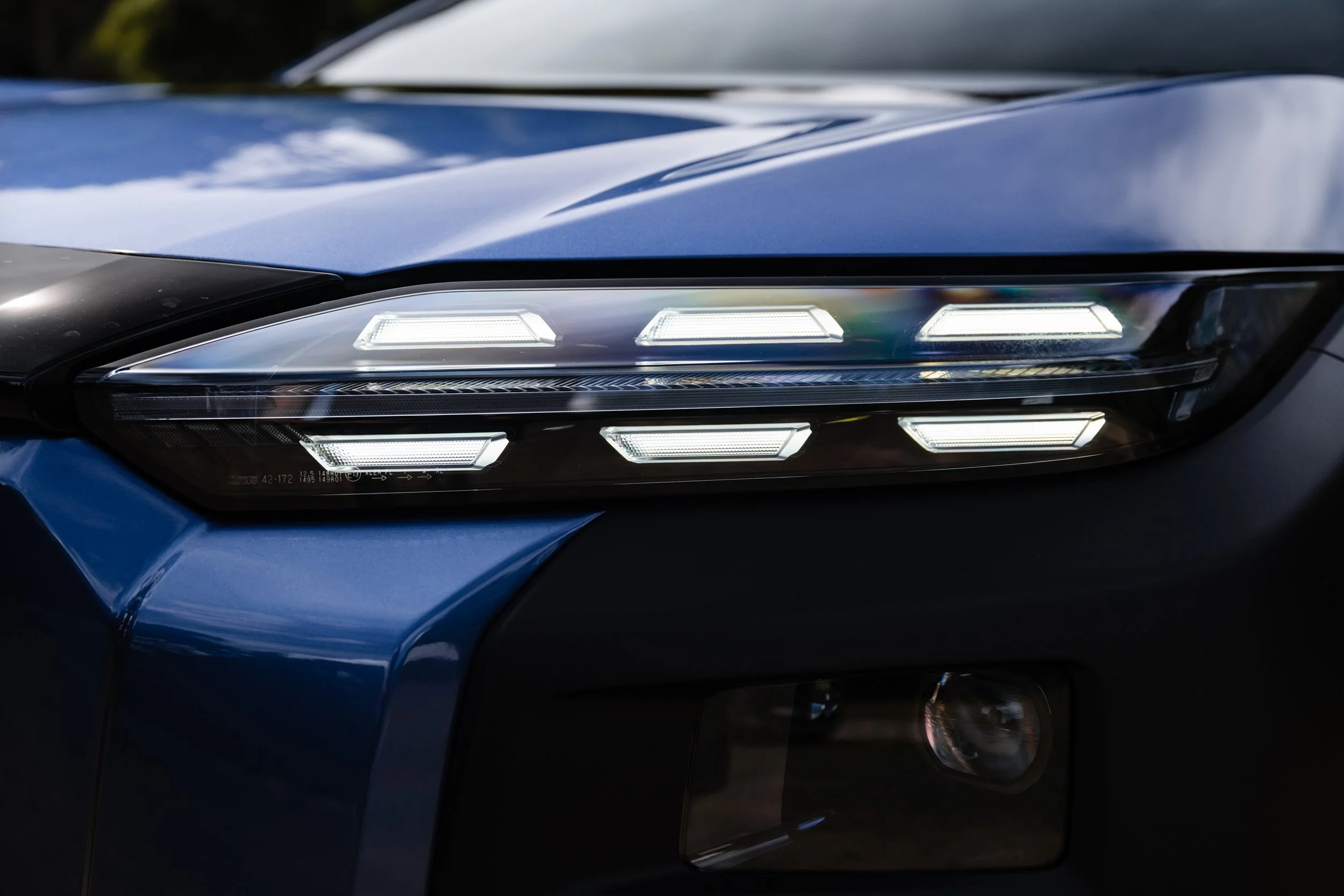
The website for British weekly, The Autocar, says the look of the next 2 – and the Polestar 7, a forthcoming crossover thought be of similar size - are influenced by the Formula 2030, a concept showcasing a "bold evolution" of the Swedish brand's design language. The teaser image above was recently shared.
While Polestar 2 is out of the local picture , the national distributor is reliant on keeping presence with three more expensive, niche cars.
In ascending order of spend these are the Polestar 4, which will continue in the coupe format we’ve known for two years as well as in a like-priced SUV holding price equivalence; so $109,900 200kW/343Nm single motor and $119,900 in 400kW/686Nm dual motor.
Above those are the Polestar 3, a five-seater spanning from $149,900 to $174,900 and outputs ranging from 220kW/490Nm to 500kW/910Nm.
Then comes the Polestar 5 performance flagship, also using 800v architecture, at $239,900 or a 550kW/812Nm single motor and $269,900 605kW/1015Nm dual motor.
Dropping the current ‘2’ from NZ a year before end of its production run in its current format was a call made in part because it had been bruised by the rough time meted all battery cars when Clean Car rebates were pulled on December 31, 2023.
Previous ardent consumers suddenly cold-shouldered all new EVs, but it was a bit hit for the 2, which in early months had gone gang-busters, achieving hundreds of registrations each month.
Polestar here ordered up big from the factory in expectation that run would continue into 2024 - but the National-led coalition government’s policies ruined all that.
Adding to the Polestar 2’s issues was that the sudden change in buying trend also happened as the car was ramping up to a major refresh that included transition to rear drive.
Importer NordEast was caught with hundreds of the original front-drive format examples.
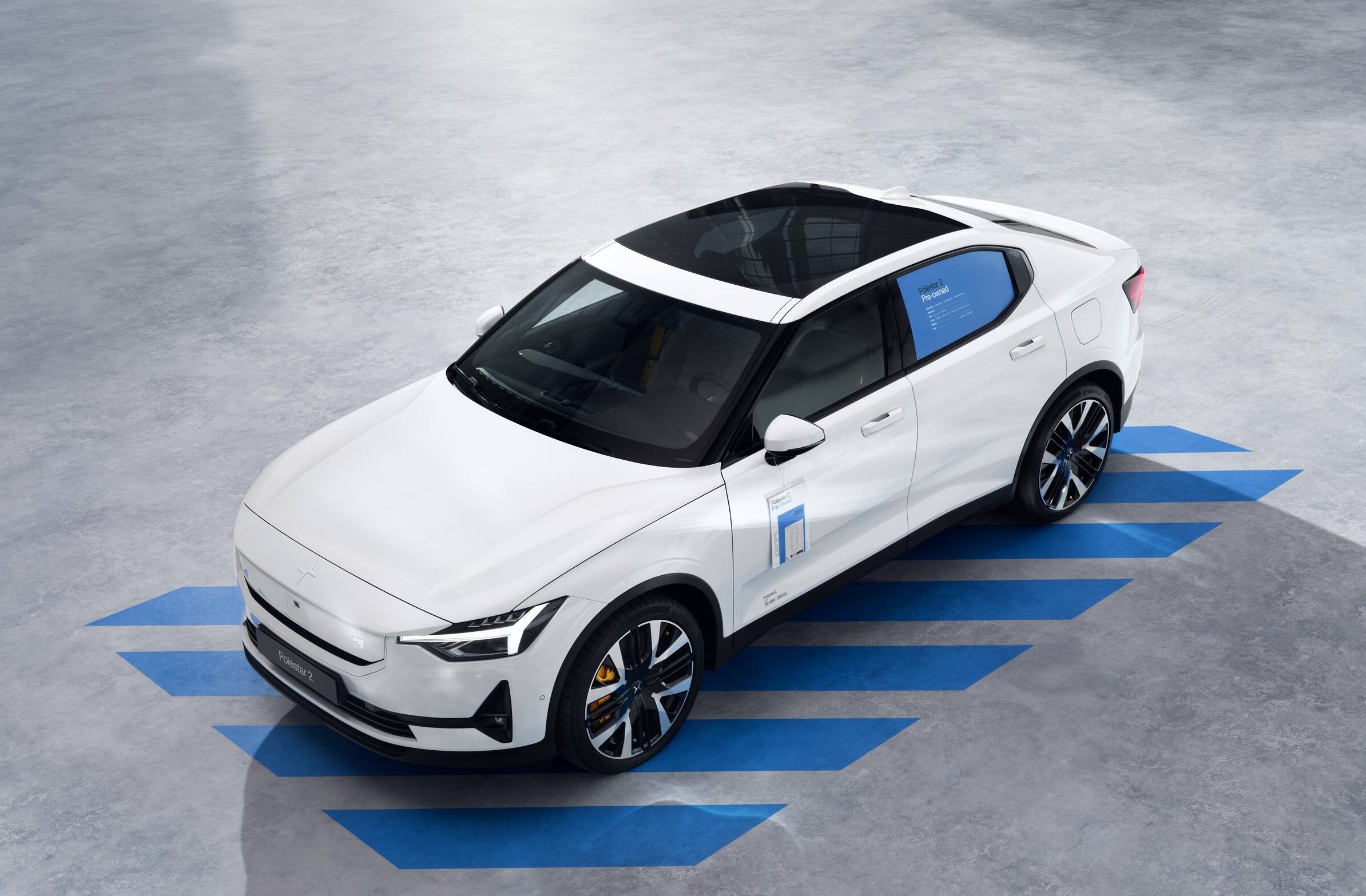
Having become unsaleable at original launch prices spanning $69,900 to $93,900 across three variants., those cars were fire-saled, the cheapest edition being discounted to as low as $45,000.
Meantime, there has been little appetite for the rear-drive product. Of the 2000 original 2s registered since launch, only 250 have been rear drive.
The market has taken until this year to recover from this jolt and even now, while fossil fuel price disquiet has again sparked up EV sales, they have yet to equal the Clean Car-era counts.
The current car is on a platform called CMA, also used by Zeekr product here, that can accommodate ICE, hybrid and electric powertrains.
The 4, meanwhile, sits on Geely's EV-native Sustainable Experience Architecture.
There’s some suggestion the new 2 will go to an underpinning that’s bespoke for electric cars, like the more advanced SPA2 or SPA3 platforms shared with Volvo.
Autocar notes that when the original 2 launched, its closest comparable rival was the Tesla Model 3, but the mid-sized executive EV segment has ballooned in recent years and the second-generation will contend with a broad spread of competitors from both legacy brands and Chinese newcomers.
It suggests the new BMW i3, Mercedes-Benz C-Class Electric, the Hyundai Ioniq 6 and the BYD Seal are all challengers.