Ford Everest Active/Platinum roadtest review: Steadied progress but still peak
/The performance divide between the four and six-cylinder is more evident now, but this remains a solid choice of serious SUV.
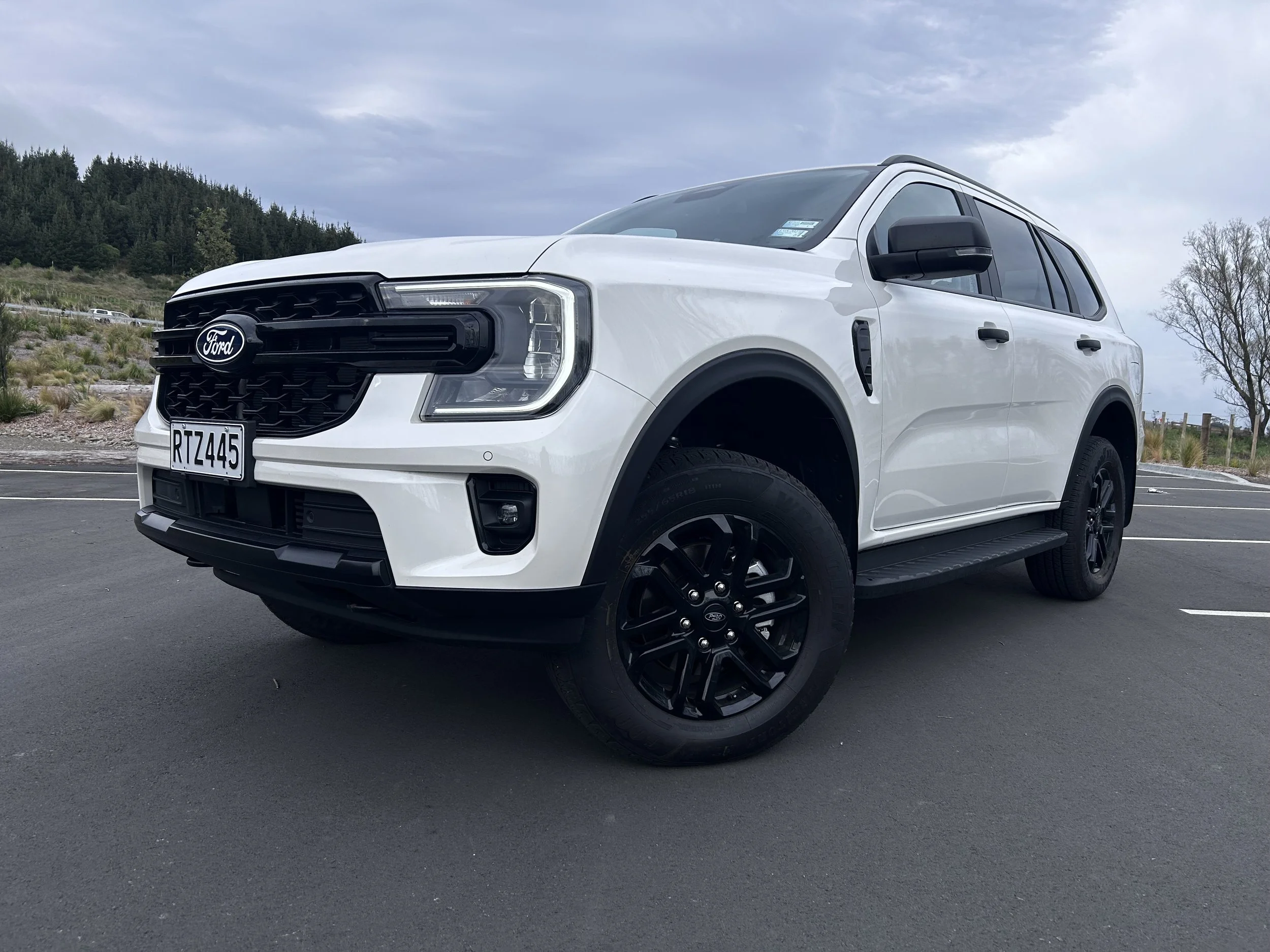
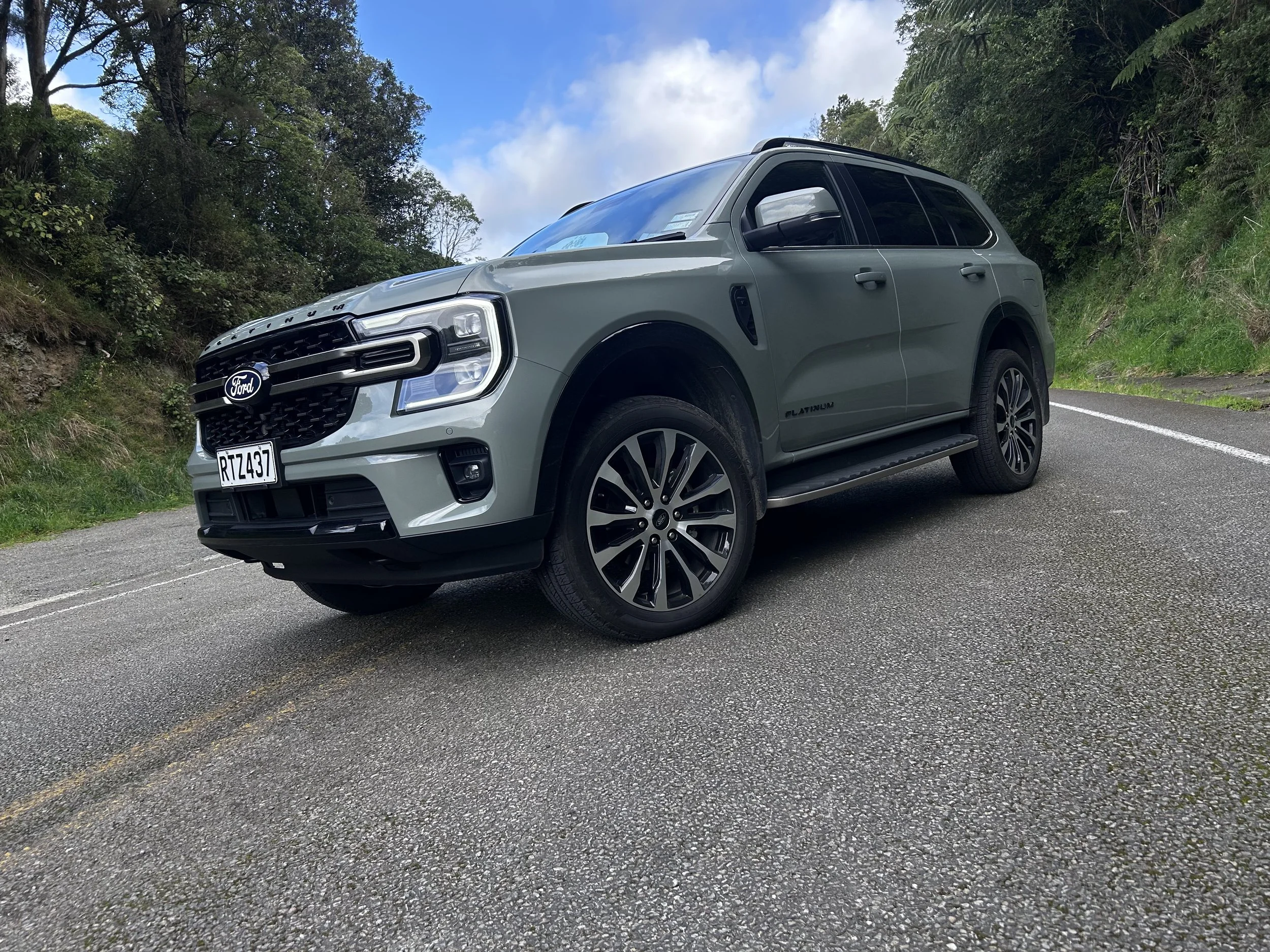
Price: Active, $68,990; Platinum, $93,490.
Powertrains: Active, 2.0 litre four-cylinder turbodiesel, maximum power 125kW@3500rpm, maximum torque 405Nm@1750-2500rpm, part time four wheel drive; Platinum, 3.0-litre V6 turbodiesel; maximum power 184kW@3200rpm, maximum torque 600Nm@1750-2200rpm, full time four wheel drive; 10-speed automatic.
Dimensions: Length, 4978mm; width, 2015mm; height, 1876mm; wheelbase 2900mm.
We like: Active’s lower price point; confident driving feel on an off seal; well-sorted and comfortable cabin; promise of improved four-cylinder reliability.
Not so much: Entry engine’s not as special as it once was; you need V6 to also get more resolved all-wheel-drive.
POTENTIALLY fewer family and workplace feuds …. the mid-2026 revision to Ford’s Everest has at least very much simplified decision-making about which powertrain and trim level suits might your needs best.
Basically, if you want any level of comfort beyond the entry provision and desire a decent degree of punch because you honestly need it, especially for towing, or ‘just because’… ?
There’s just one solution. You buy the carryover V6, which provisions across every model choice save the entry Active, which also is the only version which brings the ‘new’ (but not really) 2.0-litre four-cylinder.
The distinctions between those powertrains are much more pronounced now than previously, and simplest explanation comes down to turbo count. The previous four-cylinder engine was a dual turbo. The new one has a single unit.
Difference in on-paper output is there to see and has been much-discussed. In operability, there is palpable change. The replacement has less mechanical chatter and appears to deliver smoother interaction with the transmission through the lower gears. Step-off from a standstill is slightly sharper.
But back-to-back comparison with the predecessor confirms what the lessened outputs will have suggested. There is mildness with mid-range response; giving it a go when overtaking brings less immediacy to get-up.
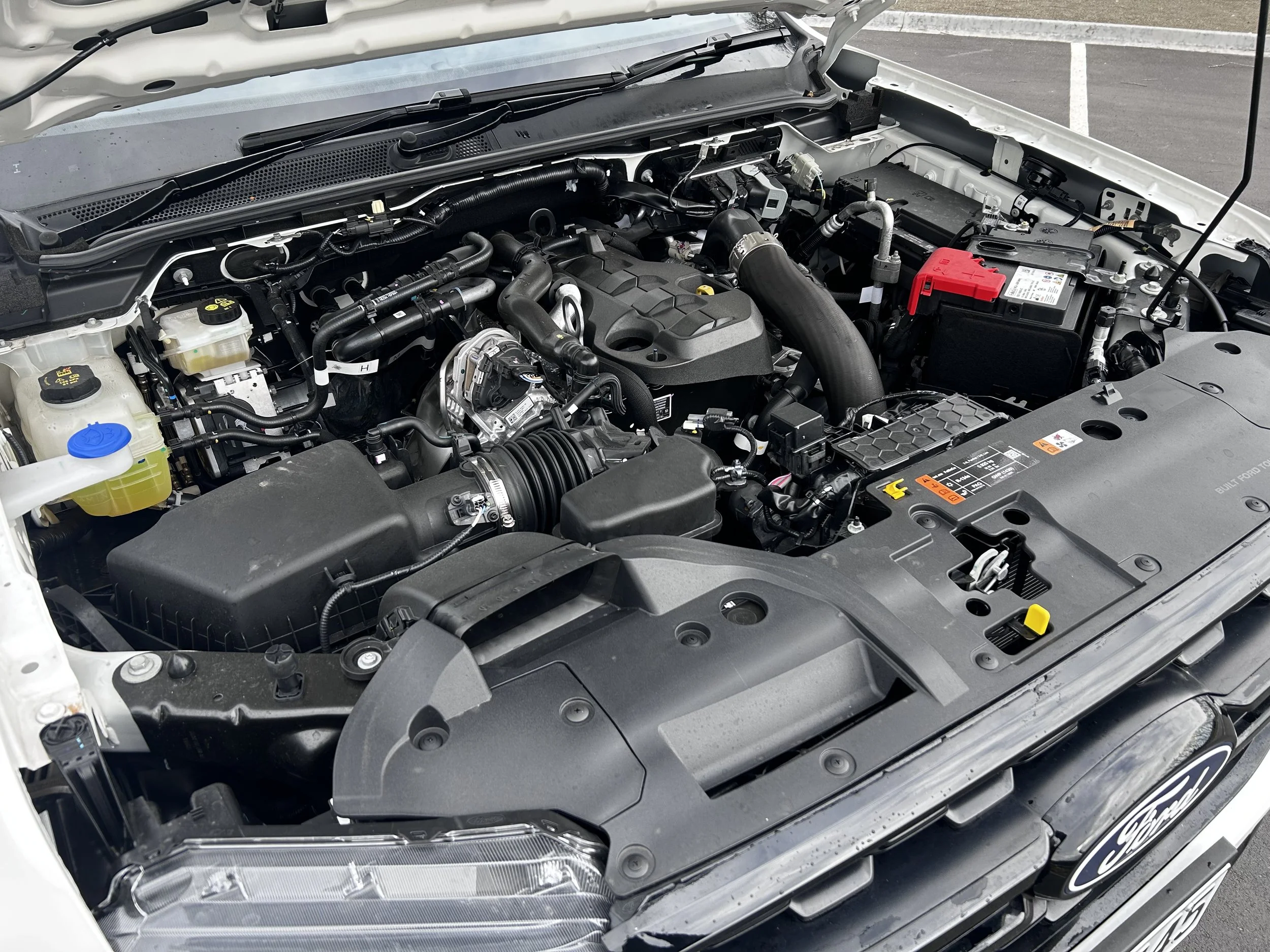
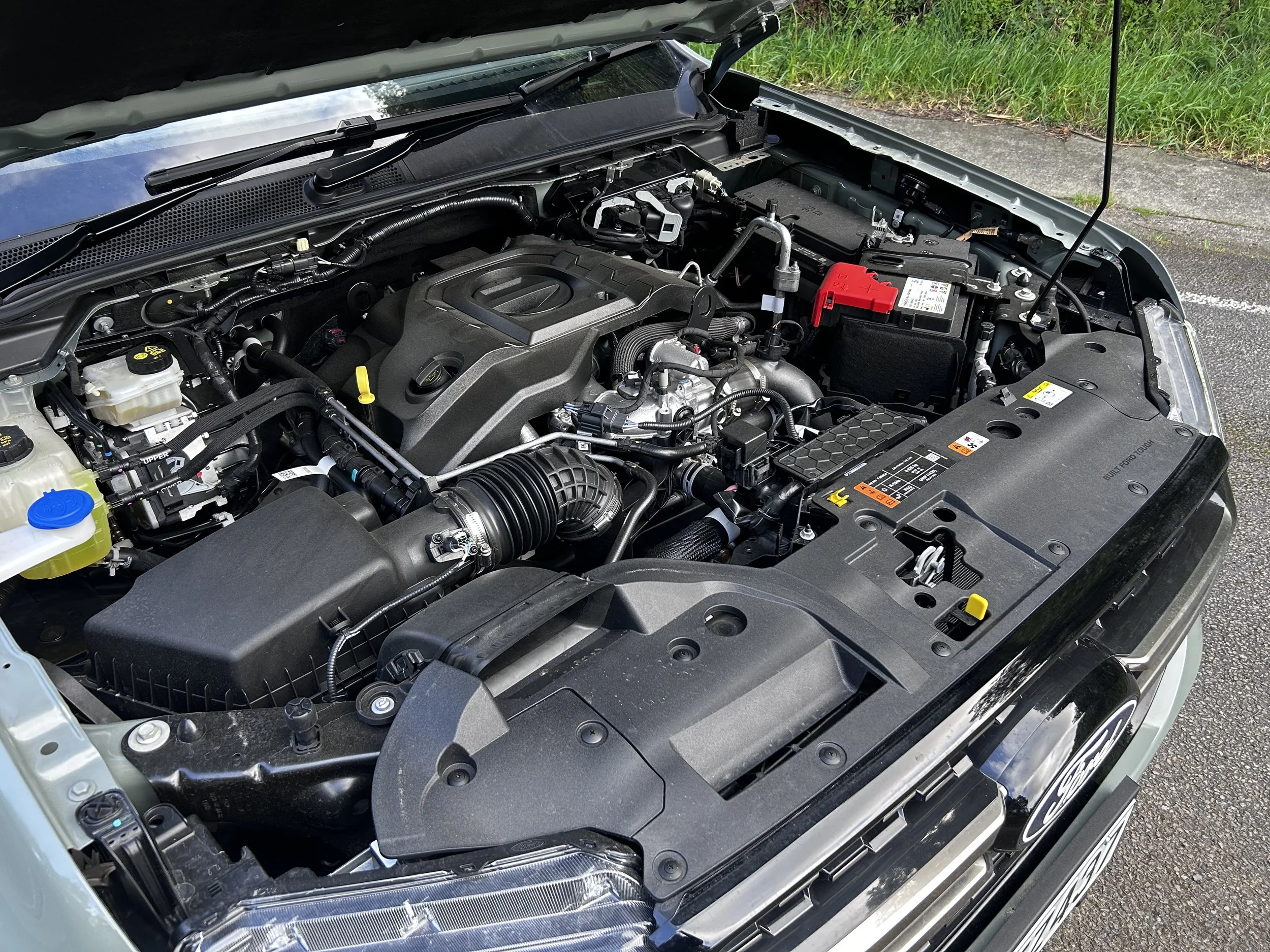
Cited improvement to thrift was not obvious on this test. And, when you lift the bonnet now, the latest choice occupies so much less room within the engine bay it seems almost comically undersized for the compartment.
While life with the latest base mill is certainly bearable, the effect of the most significant mechanical change to the model since it was launched is nonetheless such that anyone transferring from past to present should steel themselves to accept what is plainly obvious. That the single turbo replacement is no upgrade, at least not in an outright performance sense, more a needs-must transplant.
And, as result, there is roll-on effect if you are weighing up between this and the V6. ‘Spend more to get more’ isn’t always prudent, but in this case the pluses from doing so are very obvious.
Sure, that 3.0-litre is now long in the tooth. The design dates back to 2004 and has been used in a variety of applications (Ford Territory, Land Rover Discovery, Range Rover Sport along with Jaguars, Citroens and Peugeots).
Sure, it carries a beefy premium within this family and, sure, there’s a fuel consumption penalty that means it will cost more to run.
But in this twin turbo application, it’s still a gem nonetheless, and looking at how the Everest range is now configured, and how the Active is now priced and provisioned, Ford’s expectations about how consumers will choose seems clear.
You can expected that anything with the six, a mill which has always had great boat ramp kudos, will now be seen increasingly on the school and shopping run.
Conversely, as much as the Active is far from bare-boned, of all Everests, it’s more likely to head into rental or workplace servitude as find a spot in a family’s driveway.
However sales variances work out, it’s hard to imagine Everest slipping away from being a salient vehicle in Ford’s line-up.
As much as this brand could do well to offer other products of equal potential in order diminish reliance on this car and Ranger, there’s no argument that Everest and its ute donor are fantastically well-conceived products.
The wagon in first generation was solid enough, but the second generation’s patently greater depth of thoughtful design, engineering and execution has helped it reach the point where, in entering a fifth years since introduction, it still stands tall, with good credential and genuine all-round aptitude. The Australia-developed T6 platform has been in use since 2011, but it still feels like good bones.
Whichever version you sent up camp with you get proper four-wheel-drive ability, 3500kg towing capacity, confident yet easy-going road manners, a seven-seat cabin that remains one of the most welcoming, friendly, accomodating and practical in the ladder-chassis SUV segment.
Mitigating risk of spoiling this is likely why every other revision other than the one big change under the bonnet is mild, to point even those highly familiar with this product might not initially twig to every change.
To tick those off. All V6 models now come with a 360-degree camera but the the 12.4-inch ‘coast to coast’ digital cluster is now a Platinum exclusive. There’s also a new trailer connection alarm system that issues an app alert and sets off the car’s alarm if a trailer is disconnected when the car is locked.
The Active is broadly similar in spec to a Trend so maintains wireless phone mirroring, dual-zone climate control, LED headlights and fog lights, and FordPass Connect app functionality all standard.
In addition to taking the same dashboard, instrument cluster, centre console and gear selector as Ranger, the SUV also picks up the ute’s clearly workmanlike plastics. As much as the Fords are fancier than most of its own rivals for technology reach, notably with incorporation of the same central touch-enabled tablet screen using SYNC 4 - which though also a bit time-tested remains one of the smoothest and best presented software interfaces around - it’s fair to say Everest even in full plush presentation is still quasi-luxury. In fairness with the aim being to sell to real families, with precaution for muddy boots, rather than royalty, that’s enough.
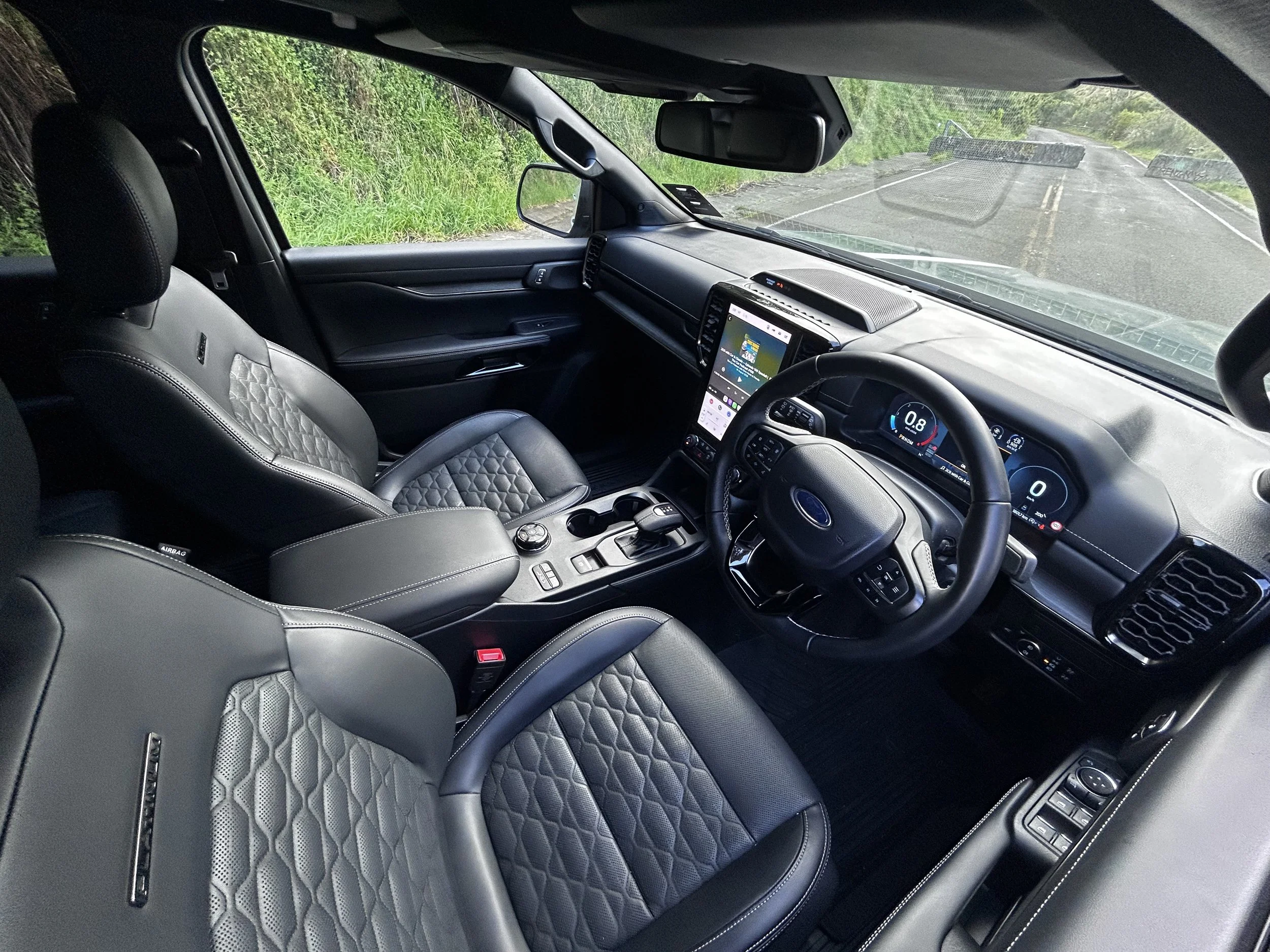
Even so, the more you spend, the more affluence is apparent. Enough interior enhancements are aboard the V6 Platinum to lift its ambience and remind more than an engine swap accounts for it holding a $24,500 premium over the Active.
It’s not just that it has extra gee-paws including a more complex air con; even the carpets are deeper-piled, the seats are nicer in shape and look and adjusts that are manual in lower pend types get electric adjust here. Brighter lights, extra brightwork … they’re also on the added-bling list, but what more immediately catches the eye are the bigger boots.
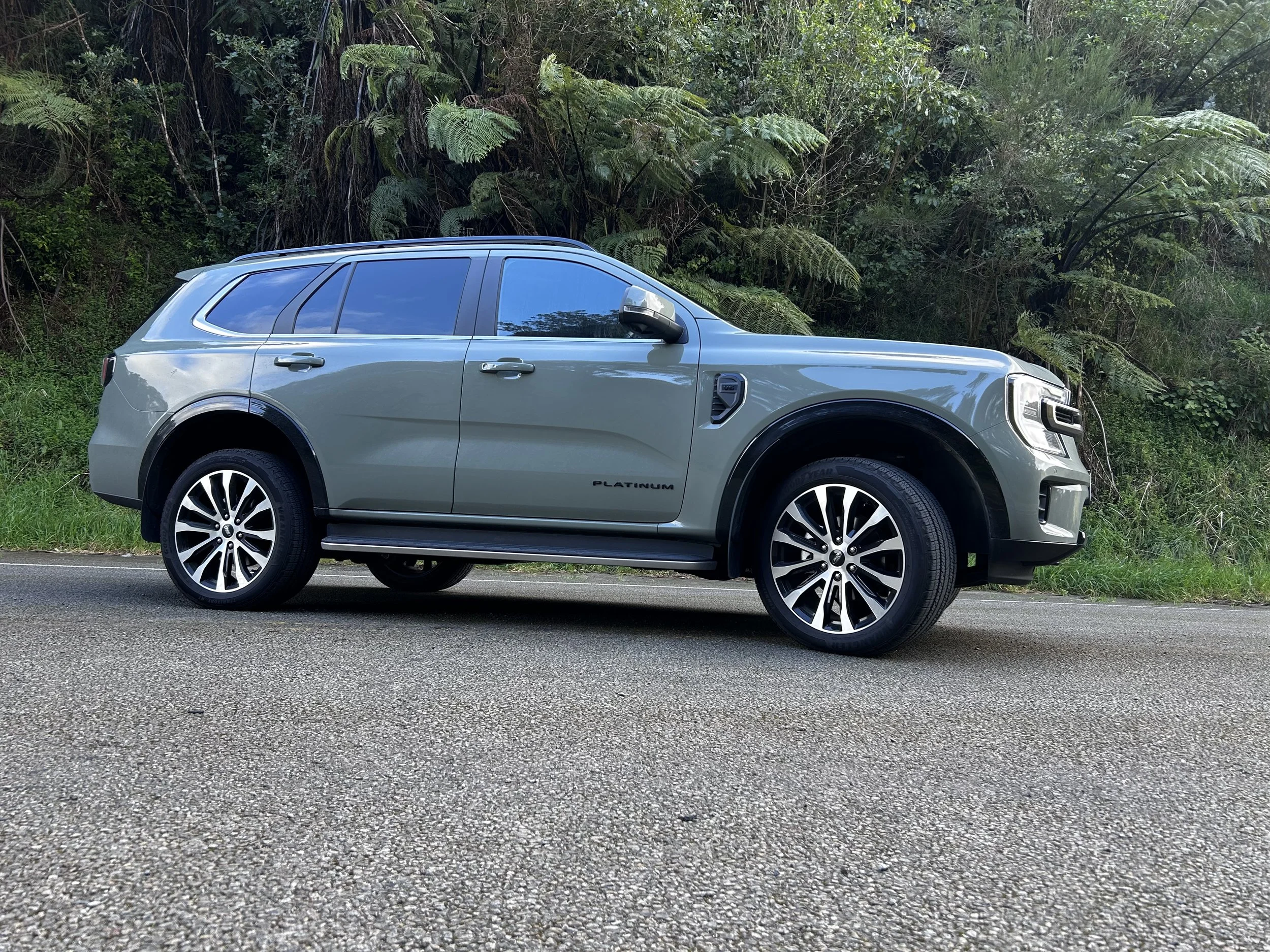
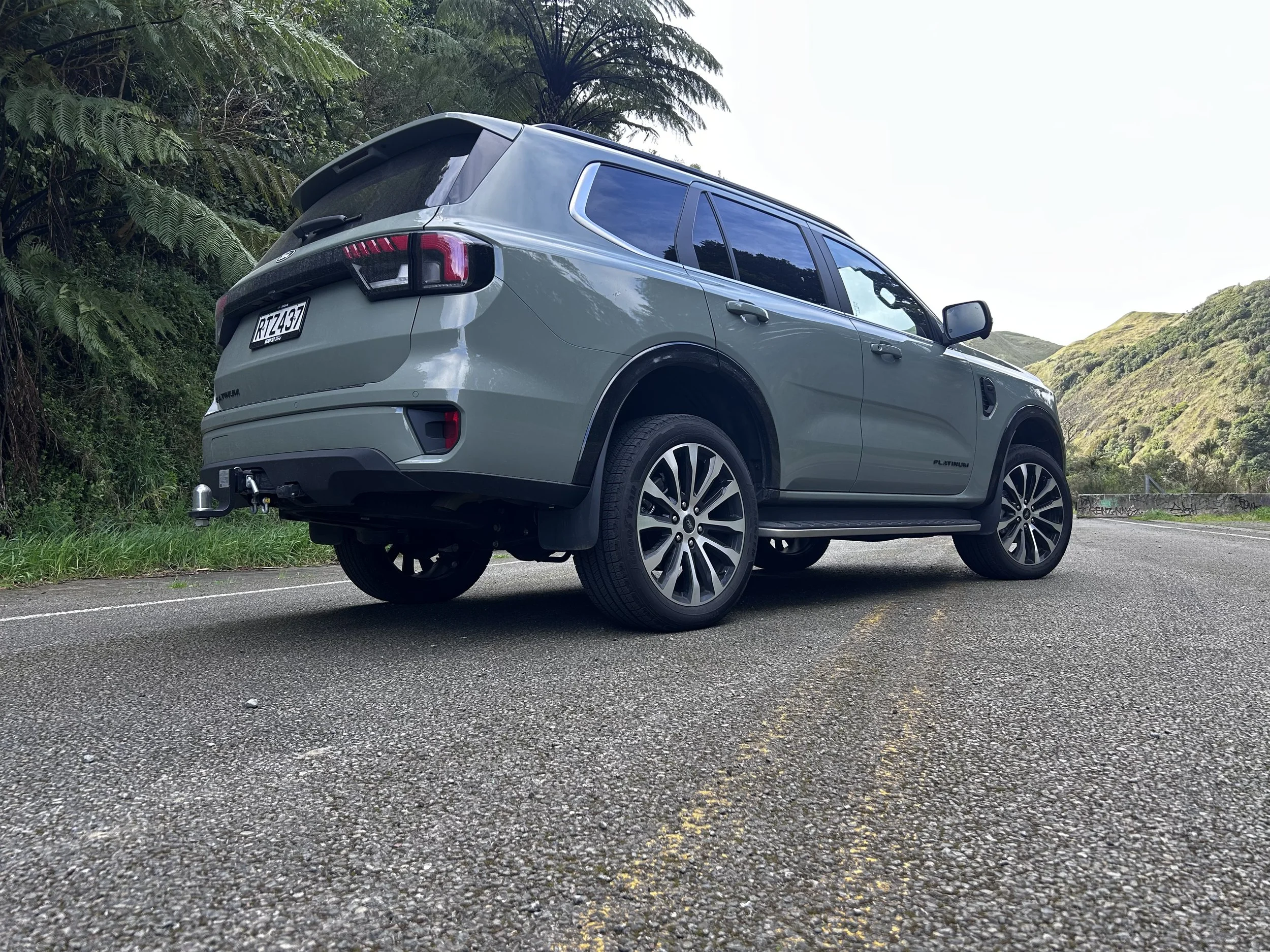
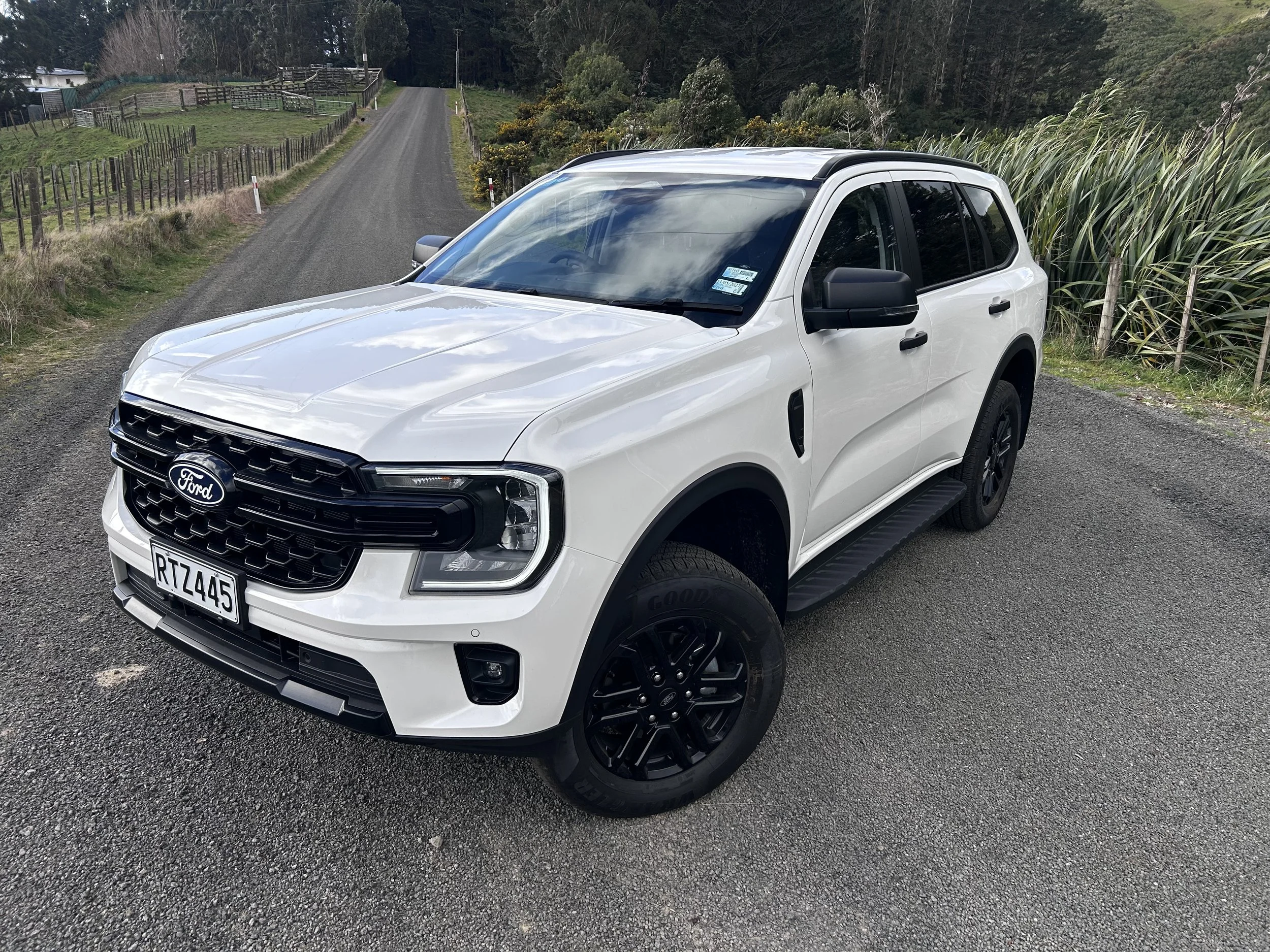
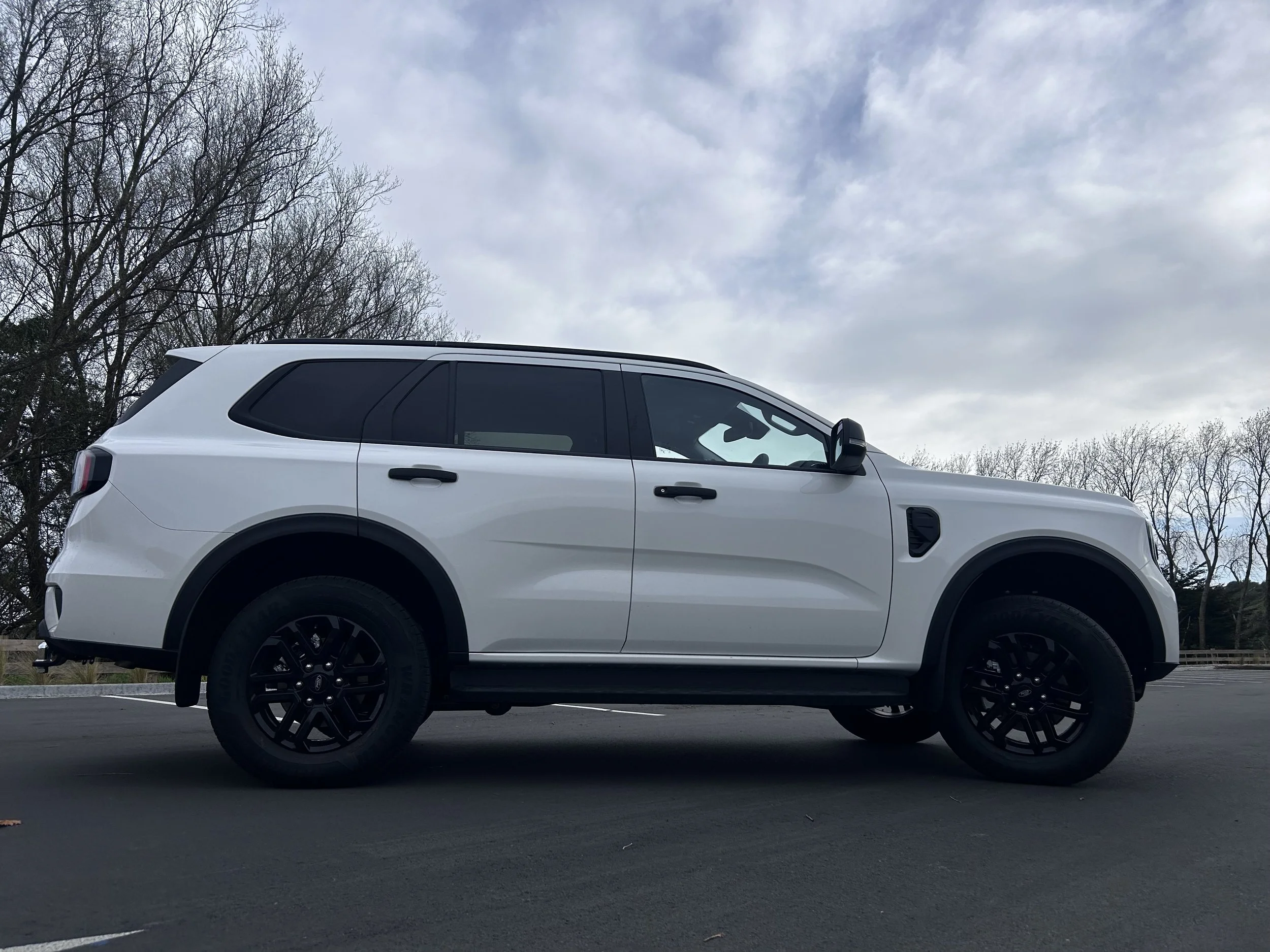
The entry type’s 18-inch rims with 255/65 rubber are sensible shoes for sensible occasions, but the Platinum’s 275/45 R21 package is just such a good look for this truck you’ll suffer the enhanced coarse chip roar with smugness.
It’s hard to imagine a Platinum or the Tremor coming with any other engine other than this six. It is interesting now that the 2.0-litre hasn’t maintained as an alternate for the Wildtrak, if not the Sport. Active being purely four-cylinder, seven-seat is also different to how it offers in Australia. There it can be ordered in both engine sizes, with two rows of seats (for five occupants) or three rows.
The more focused strategy here accompanies a price list adjustment that means an Active is $6000 cheaper than the previous entry model, the Trend - and thus now $17k cheaper than the least expensive V6.
If you go for Everest with a four-cylinder, it is fine. If anything it slips more effortlessly through the smaller cogs in the 10-speed automatic. But as much as it gives a smoother experience, it also plainly gives away some of the outright zest that used to sell the biturbo, which for all the talk about flaws was resolutely always the most popular buy-in..
Going to a single turbo means power has dropped 29kW and torque by 95Nm. Diesel traits mean the first deficit is less easily picked than the second, but when two acquaintances who own biturbo Everests were asked to sample the new, they were not troubled in deciding what comes now is less muscular.
To point of concern? It all comes down to usage patterns. When driving with just one or two occupants and without load, it rolls along well enough. Fill those remaining seats and/or hook up a well-weighted trailer and, yes, you may decide the latest simply has to work harder. It’s not by any means weak, but neither is it as seamlessly strong as it used to be. If you hoping for an engine that makes the tow rating feel understated, you need the V6.
From everything learned on test, it potentially isn’t drinking any more than the previous powertrain. But conversely it potentially isn’t drinking much if any less, either.
Ford claims the newcomer is thriftier, yet its own data shows it optimising at 7.1 litres per 100km … which is the same as the outgoing bi-turbo’s claim. Rightcar lists the Everest 2.0 at 8.2L/100km. By their calibration, that’s 0.1L/100km better than the old one. Yet it was also 0.1L/100km above what I saw from a week’s activity, which clocked 607 kilometres’ running.
Those figures still outshine the V6, which delivered an economy average of 10.1 litres per 100km. Would the latter be a turn-off given that the larger engine otherwise holds a lot of aces in its hand?
Within the SUV wagon sector, the V6 still also sites as the classiest choice going. It’s always seemed so relaxed - you see barely 1000rom at 100kmh - and responsive whether overtaking, towing or tackling a long open road journey. Now there’s a 195Nm advantage, a unit that felt as though it could shift mountains previously seems all the more indomitable now.
You know a diesel is special when it’ll idle through ankle-breaker ruts without an throttle application. So smooth, so quiet - if you want to pin reasons why the top tier Everest has such high refinement, this is the top one.
If you’re led to conclude that the 2.0-litre now seems more adequate than exciting, then you might also be wondering what factors led Ford to send the biturbo into retirement.
Offical explanation is that the the biturbo was a Ranger/Everest exclusive, whereas the single-turbo is a global engine (also used in Transit) and that adoption allows future-proofing the model for emissions regulations and development costs.
Should we swallow that, or consider it a bit too much like a hastily concocted marketing spiel? What’s relevant to consider is that the single turbo unit not only achieves an upgraded fuel system and steel pistons but has also moved from wet belt to chain drive. Ford says the latter makes for easier servicing and better reliability. The ‘r’ word is the one you hear a lot of in respect to the biturbo. Durability flaws have been the subject of endless on line chat.
Done is done, there’s no turning back. But Ford is being quite brave in retiring the unit rather than sorting a fix. Maybe they looked into that, and decided the costs weren’t worth the effort. Maybe it’s beyond sorting.
But with output figures that have gone from the front row to almost at the back of the class, there’s surely now risk Ford will start seeing fans looking elsewhere? If so, then the best test of current consumer allegiance could come when the new Mitsubishi Pajero lands with a 2.4-litre biturbo that, on paper, will set the pace going forward.
As indicated, Everest is still the model you can use as the best-kind barometer when figuring dynamic behaviour. Sure, the mass can be felt when asking it to turn into tighter corners, yet in overall demeanour it’s a credit, placing more squarely through corners than others of similar construct, with a calmness that will appeal. The steering being sharp and communicative, the brakes trustworthy and the ride quality really quite good, with excellent suppression of bump and rate impact on grubby roads, are highlights of the driving experience.
As a family unit, it is different to a monocoque in that, because the construct, the whole vehicle sits high and the floor is more elevated than in a car-derived SUV. Though cabin space is still generous - to a point, in that the third row is a squeeze for adults - and compares well to most of the Everest’s direct peers, it doesn’t work miracles.
Still, the boot is enormous, offering 898-litres with the third row folded flat and a solid 259-litres when the third row is in place. With second and third row seats folded, luggage capacity reaches 1823 litres.
Off-road, the Everest remains highly capable. While the independent front and live-axle rear suspension offers less articulation than some dedicated 4WDs, it has very useful electronic modes and decent ground clearance.
It remains a solid all-rounder, though it’s more obvious now that, if sheer muscularity matters, then it is V6 you need - this is the engine that ensures a very good large SUV remains one of the segment benchmarks.