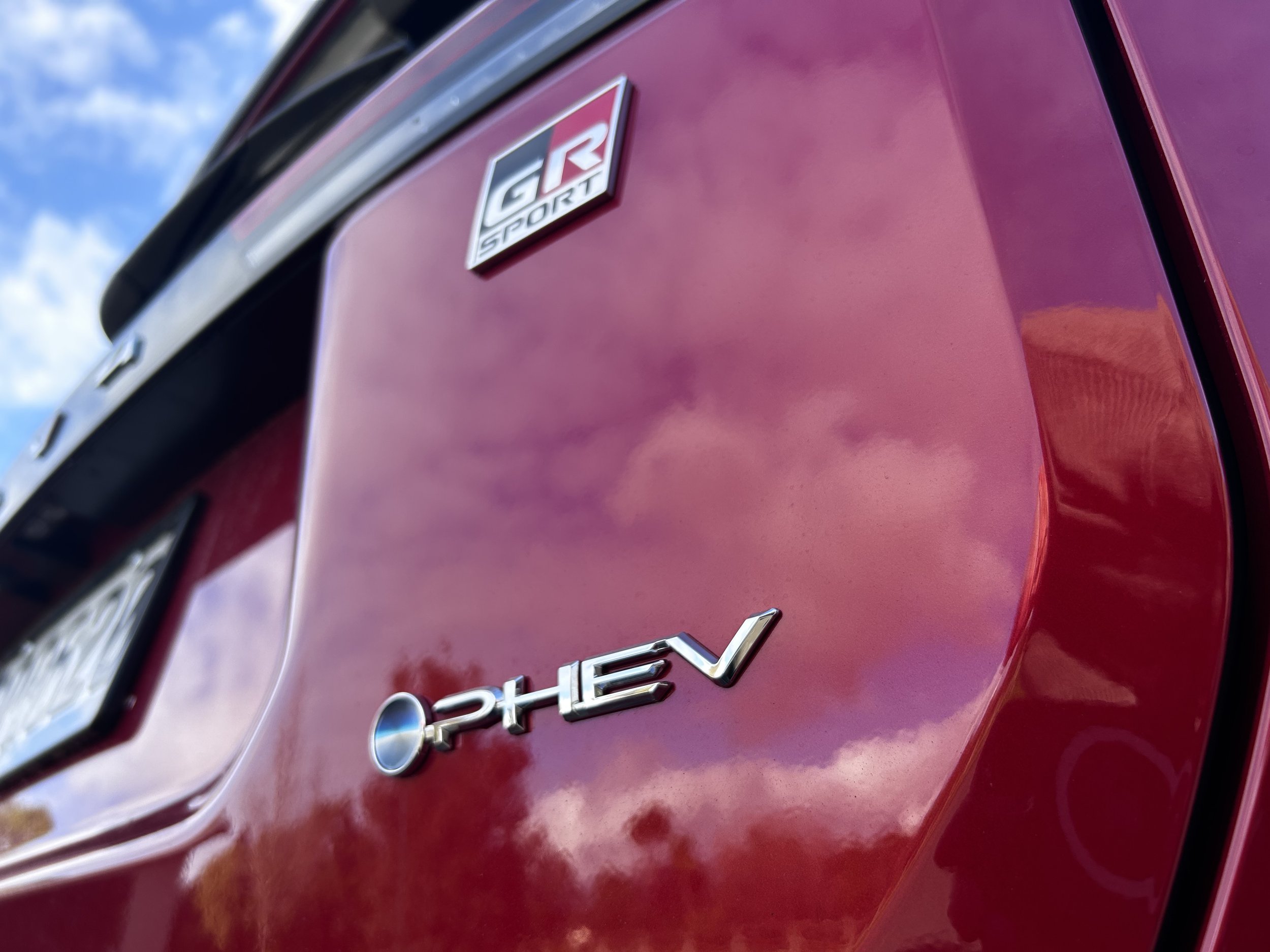
Toyota RAV4 GR Sport PHEV roadtest review: Plug-in play time
/The outcry out for a sportier version of Toyota’s top seller has been answered - and it’s a red-blood with a Green theme.
How much: $66,990.
Powertrain: 2.5-litre four cylinder petrol with dual electric motors, maximum power 227kW, maximum torque 272Nm front, 123Nm rear; 22.7kWh battery.
How big: 4645mm long; 1880mm wide; 1685mm tall.
We like: Smoothly delivered combined zest; feels strong on electric-only power; GR suspension tuning; adequate towing rating.
Not so much: Dubious EV range claim; no ANCAP score; nagging driver monitoring.
THREE stages of electrification spanned by two disparate models, one in two size opportunities.
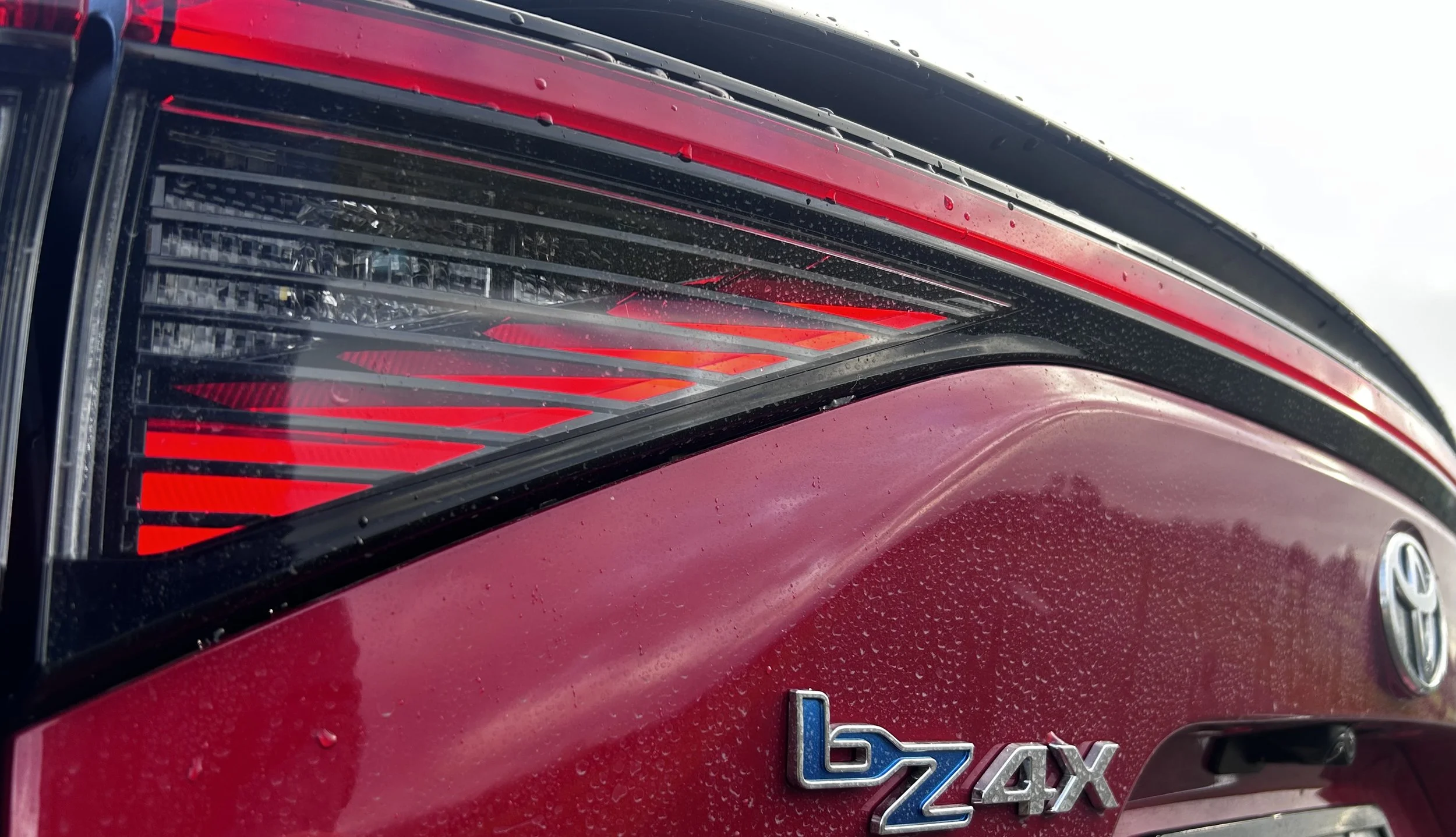
Hybrid, plug-in hybrid, full electric … the choice is now yours when contemplating a medium Toyota sports utility. Though it still asks for considering two car lines: RAV4 for petrol involvement, bZ4X for full battery commitment. The latter in regular shape or slightly stretched Touring format.
Where best to put your money? Market data powerfully relates that, for the majority, hybrid is the way. We’re in the 25th year of that technology and it’s thoroughly sorted.
Public confidence in what electric commitment lends to their driving experience is among reasons why the RAV4 cruised to siting as the national top seller last year.
A new generation is now out, looking all new on top, but running on the same TNGA platform as before, and all versions are hybrid, though three now have an enlarged battery with means to mains-replenish and so facilitate proper electric-pure driving.
Interest in those is understandable. Ever since the first RAV4 was introduced back in 1994, it has been one of the Japanese giant's biggest success stories. But going to the PHEV models allows one foot into the future, while keeping the other in a familiar and highly comforting past. How could it not further strengthen the incredible popularity of such a solidly dependable product?
Consumer expectation of reliability, quality, robustness and usefulness stick solidly to the RAV4 PHEV in the flagship GR Sport format tested today.
With the new sports-tuning adding in a degree of raffishness previously not included with this model, and some trim and equipment enhancements adding extra premium-ness, it’s a top contender in many respects.
Delivery of electric impetus for a prolonged period is also an ability proven on this test. At same token, though, everything learned during this run left impression that range figures accredited to RAV4 are massively overstated.
Two fuel calculation tools are used by the new car industry here. NEDC being proven to be highly inaccurate is why NZ has moved to, but does not enforce, WLTP, which tends to be closer to reality. Toyota NZ uses NEDC, and cites 144 kilometres being possible from this model. WLTP figures out of the UK say 112km is more reasonable.
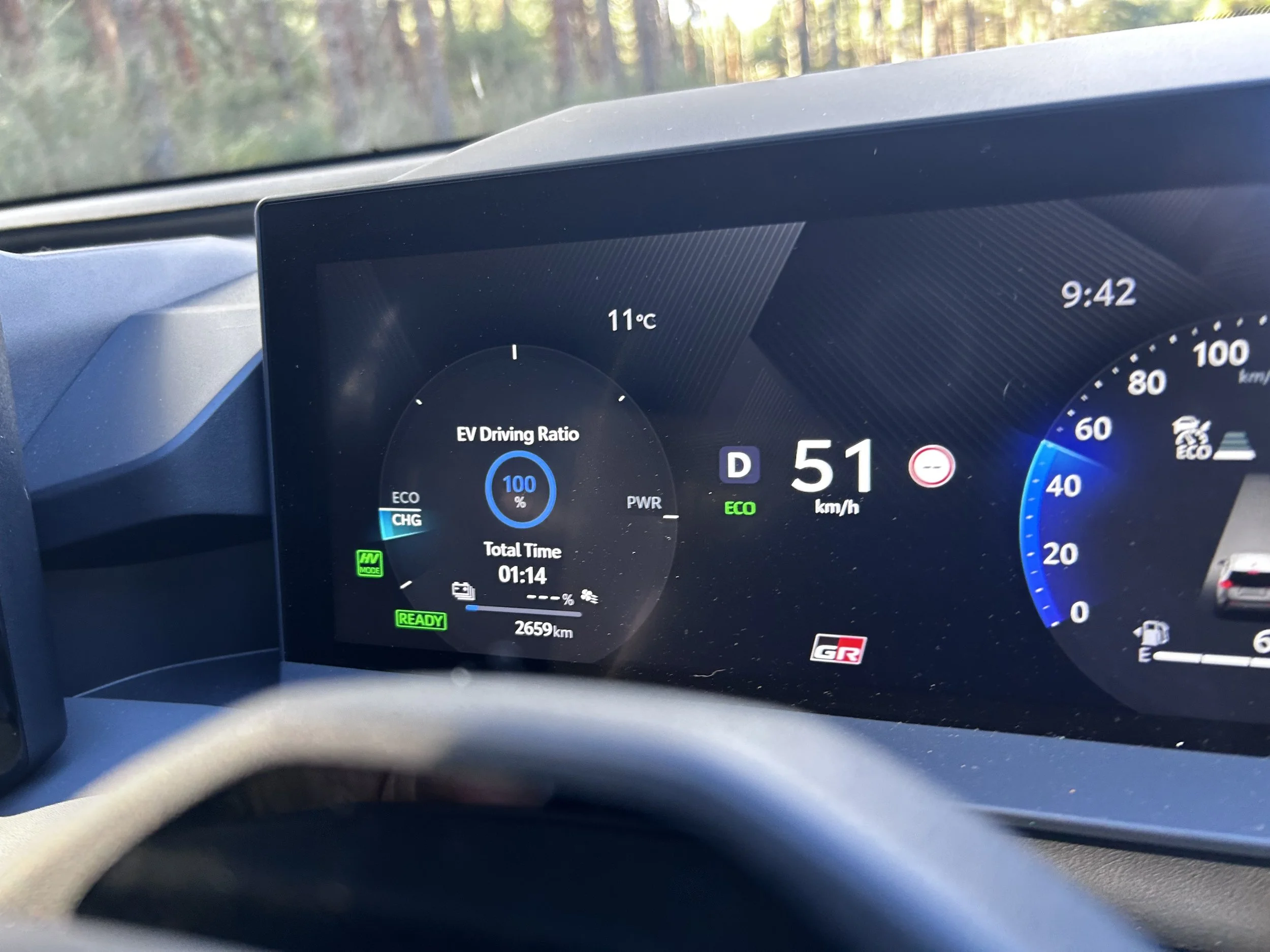
The car was driven with just myself on board, on a fine day, in calm conditions, with the route comprising city and open road driving, with more of the latter, always to posted limits, with some hills but mainly easy going open plain roads, in light to medium traffic. oh, and the drive mode was set to ‘Eco’, to lend best possible chance.
It started with the battery at 100 percent and ended one hour and 14 minutes’ later when the display hit ‘zero’. At that point, the car switched to hybrid mode and the engine fired up. Also at that point the car had clocked …. 78 kilometres’ of unexpurgated electric running.
Good enough for you? If you’re familiar with other PHEVs of similar size, it’s not a truly poor real world result. On the other hand, it suggests even with quarter of a century of experience in building hybrid cars, Toyota has not found a way to re-set expectations.
Consumption rate out of the 22.7kWh (20KWh usable) lithium ion battery looked promisingly thrifty for the first half hour; which concluded with it down to 81 percent. Unfortunately depletion stepped up soon thereafter. It had 31 percent left after an hour, nosedived to 11 percent at 71 minutes, with absolute expiry exactly three minutes after that. Fully electric cars are far more even.
On a more positive note, the electric involvement is truly untarnished by any level of petrol intervention. The car ended this run as it started, citing 644 kilometres’ combined range.
Also, if your running comprises just short stint driving, then Toyota contention that it has enough to maintain full electric driving for most daily duty is valid. It’s only if you are going to take big drives where the limitations will crop. And if this experience is an accurate portrayal, then there’s way less leeway between staying in the green and falling into the red than Toyota is relaying.
Before closing this chapter, Toyota’s advised optimal replenishment rates need consideration, also. It says up to 50 kW DC recharging, with 10-80 in about 30 minutes, but when tried on two commercial outlets, one 300kW and the other 50kW, either way having started at 34.5kW, it had within a minute dropped back to just over 29kW.
Achieving 80 percent with advised duration might have been on, but getting to 100 percent was going to take considerably longer. Home charging is also prolonged; it’ll take up to 11kW on three-phase power, but just 7.4 kW on single-phase, so even a full overnight whack from 30 percent on the latter failed to get it to peak. A bit disappointing, but again, not wholly unusual for a PHEV.
When the motors and the engine are working together, economy is as good as I’ve seen from Toyota’s regular RAV4 hybrid. The trip computer’s calculation makes it hard to work out exactly what it’s doing as an overall average, but by my estimate the test was in the low fives per 100 kilometres by end of our time, which is decent for a vehicle of this mass and shape.
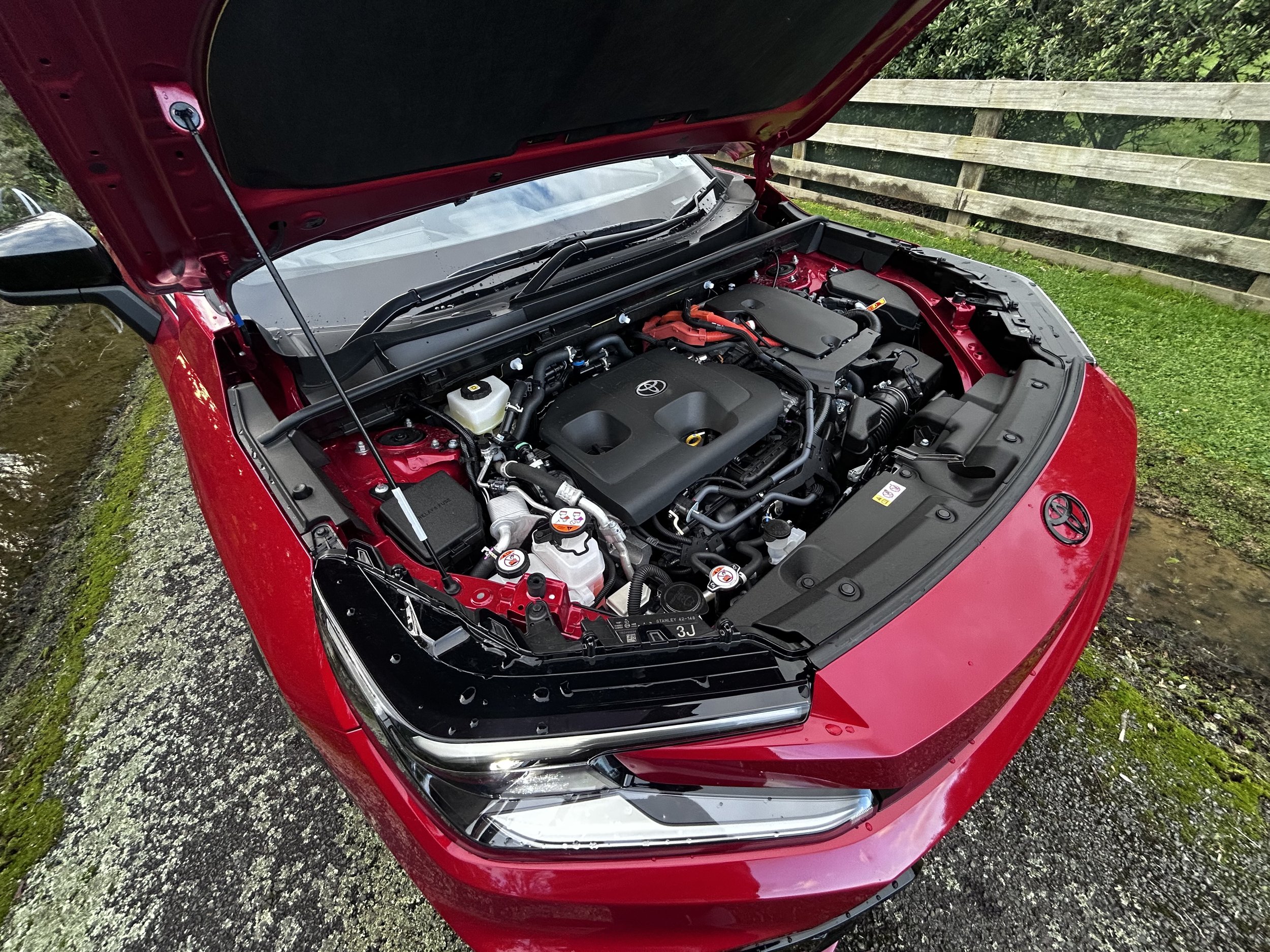
You’ll be pleased when it goes easy on the juice as the plug-in configured engine asks 95 or higher premium unleaded petrol, because it has been tuned to meet Euro 6e emissions regulations.
Driving quietly might be hard with the flagship; in its Gazoo Racing sportswear it relays a desire for more fun.
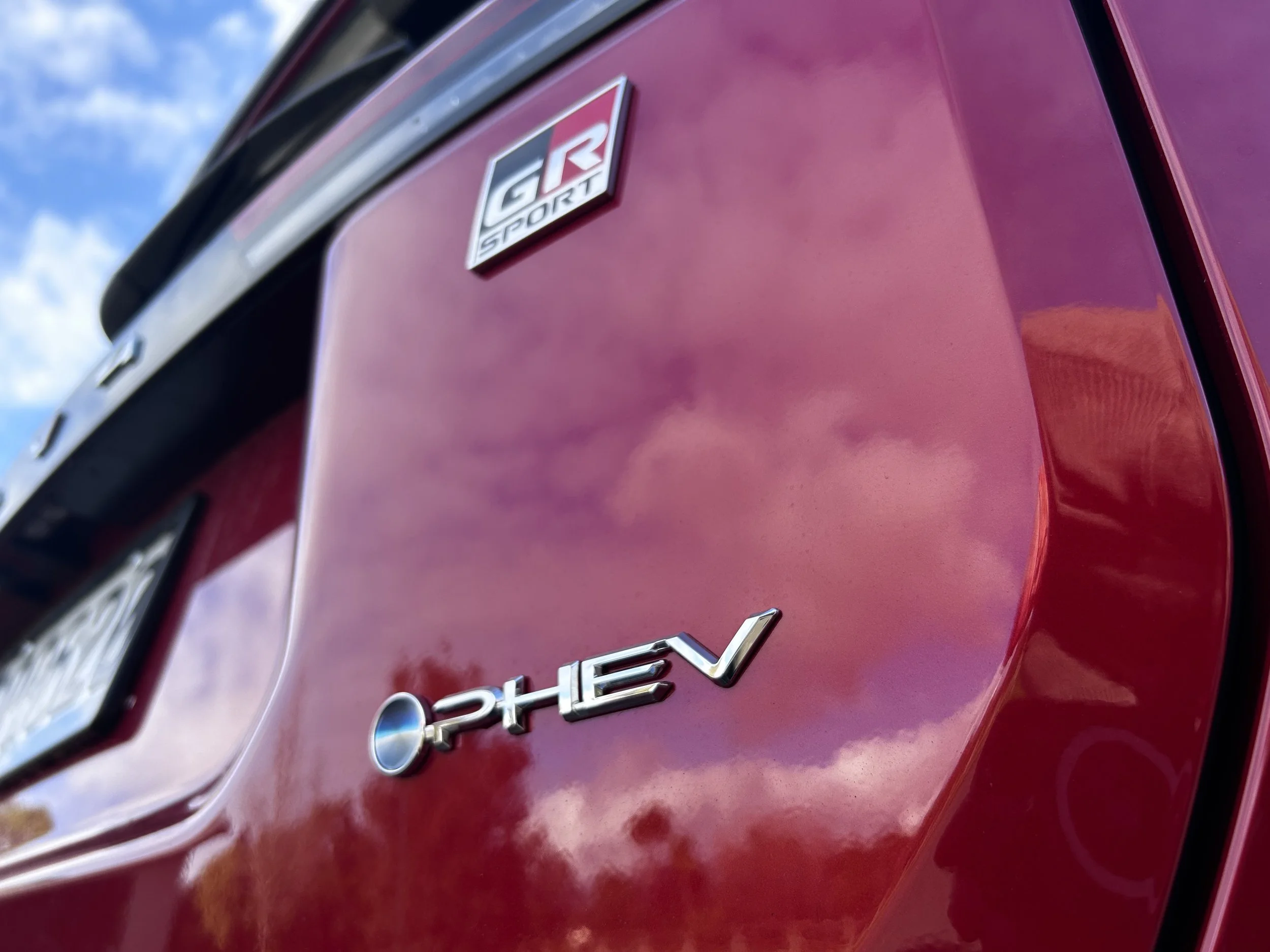
The GR treatment has been a big talking point. Those who cannot see the value of this additional layer of suspension and body addenda can opt for a $5000 cheaper XSE and, if they doubt usefulness of all-wheel-drive, there’s the PHEV entry point in front drive for $4000 less than that.
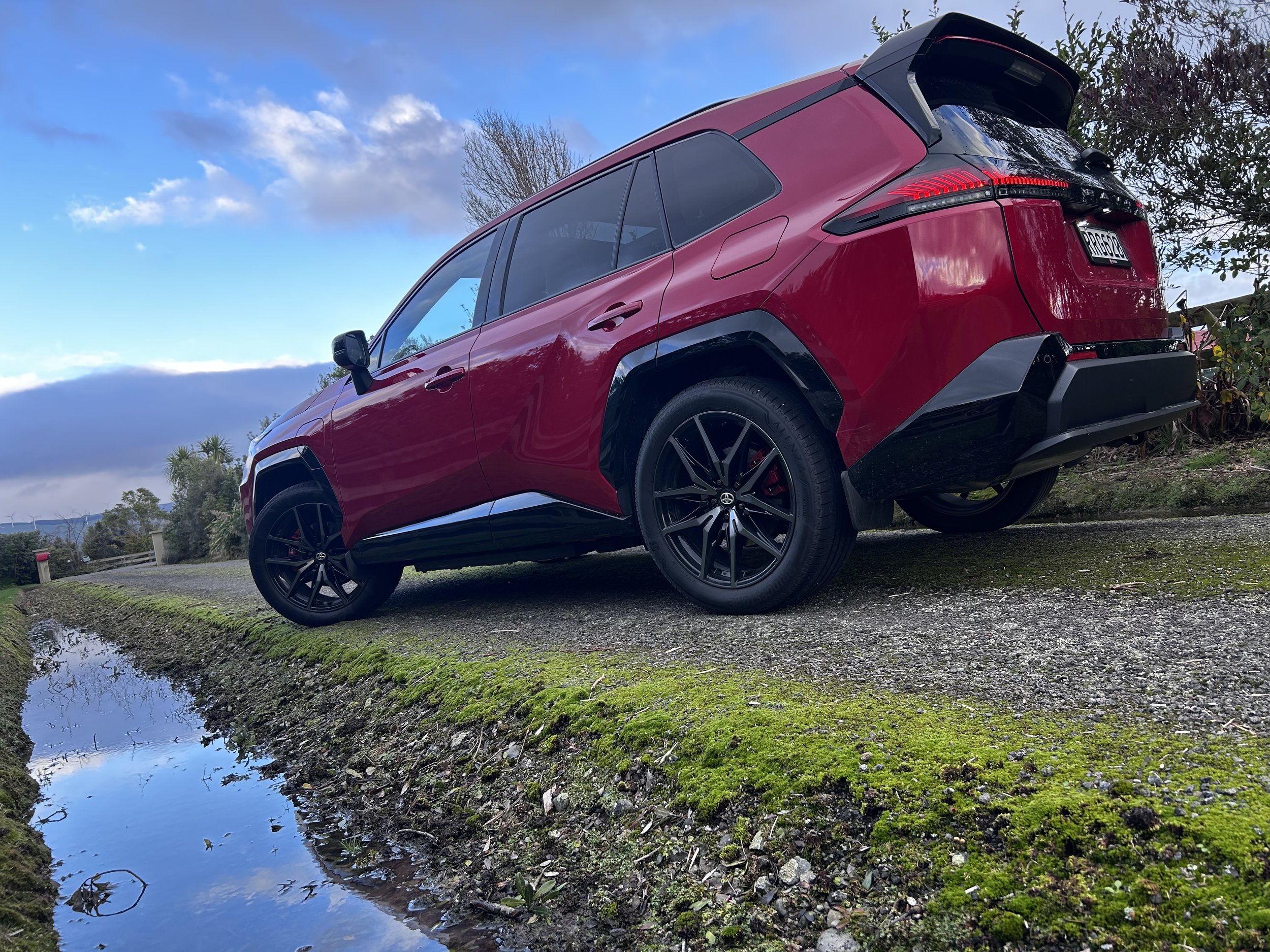
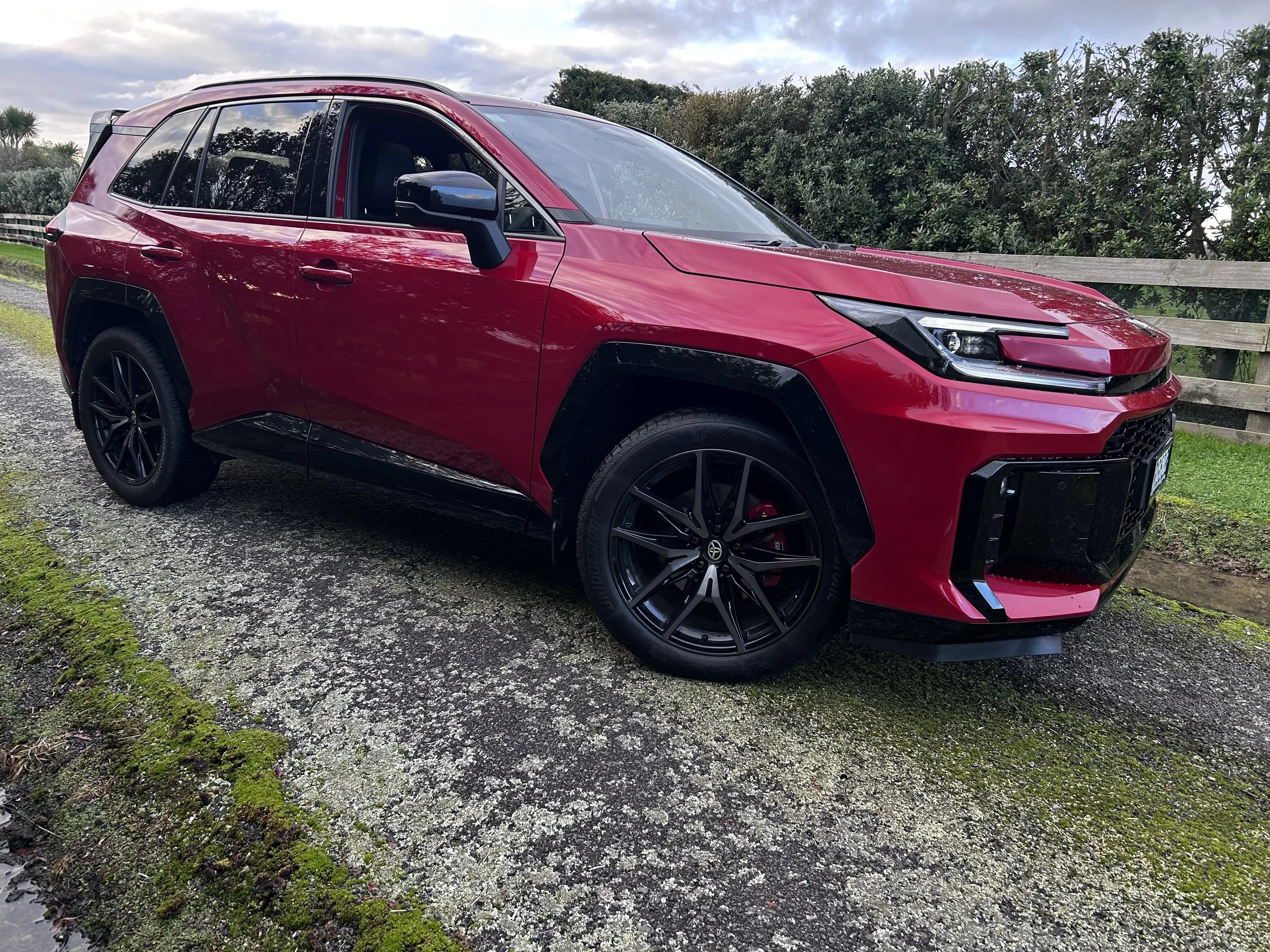
Overall, the RAV4 is a handsome looking machine. As much as it hits the same dimensional marks as the previous model, it just feels and looks larger now, and more imposing, thanks the the more angular, chunkier look and the 'Hammerhead' front, with its flush-fit grille and C-shaped lights.
It's a dramatic departure from the previous RAV4 and looks best in GR Sport, whose additional implementations are laid on thick. It really has presence and I can see it gaining a big fanbase.
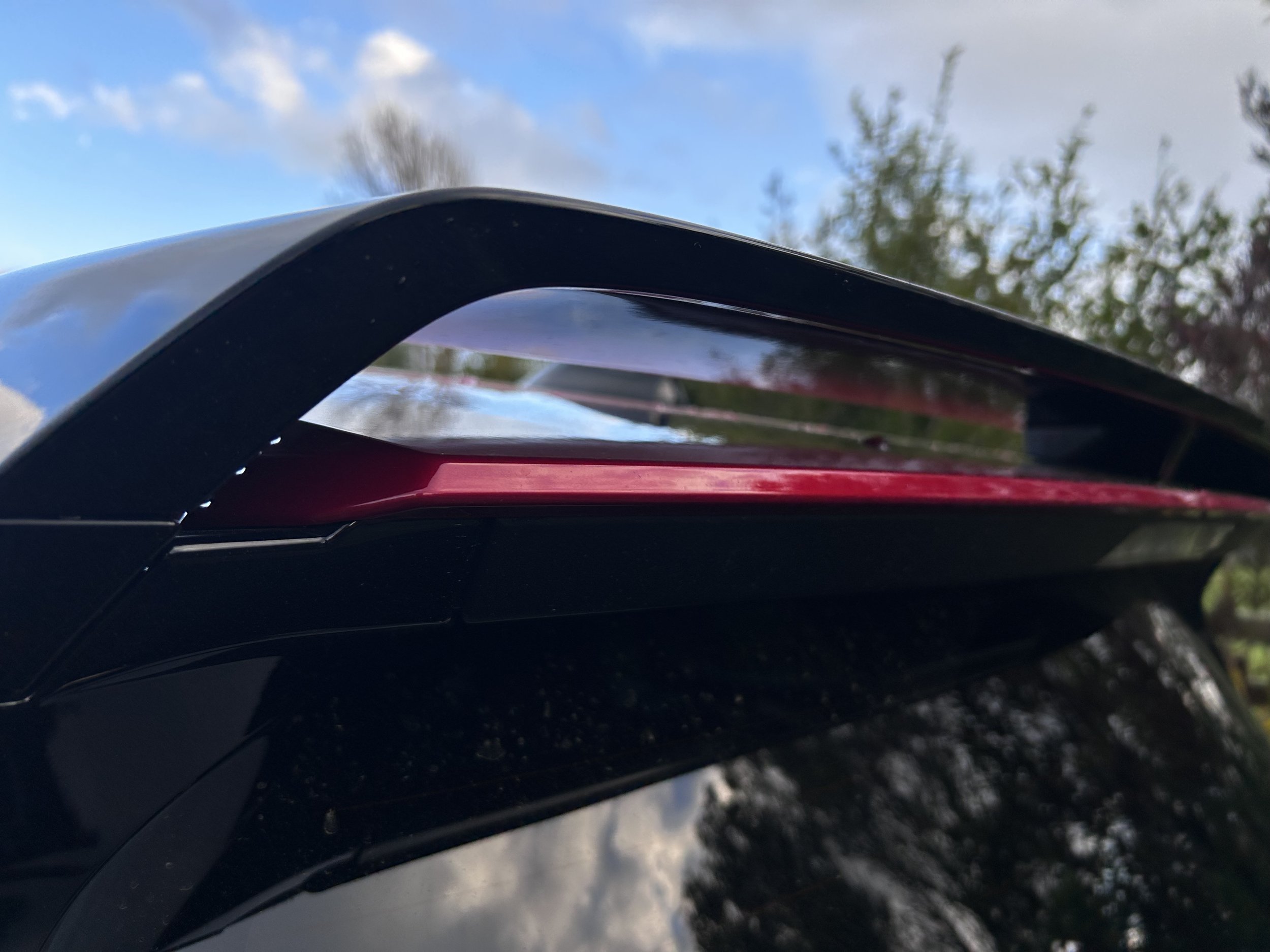
The double-plane tailgate spoiler that surely stands as a nod to a make’s World Rally Championship play might seem a quirk too far. There’s a warning card in that suggests this fixture is at risk if the car gets put through a mechanical carwash. So hand-washing is the way to avoid that, though also set to be a bit tricky, as you can barely get a hand through the gap.
Twenty inch rims for this model and the XSE would likely be over-sized for previous generation of RAV, but because this one is so much larger and more solid in its shape, they’re perfect in this application and though they likely raise the on-seal roar, those Bridgestone 235/50s also just as conceivably enhance the car’s cornering confidence.
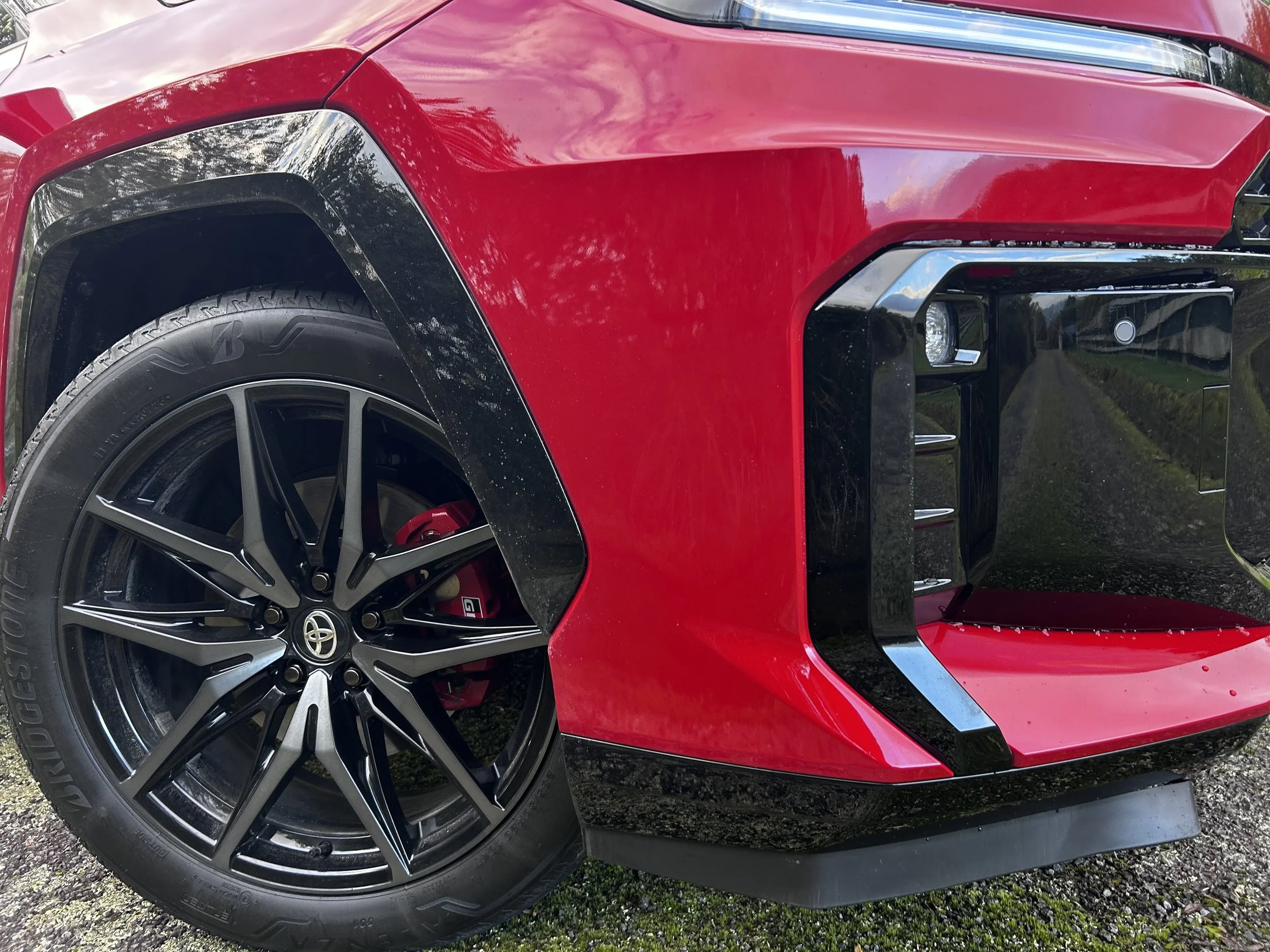
Aside from the additional body accenting, GR Sport achieves red brake calipers and widened gloss-black wheel arch mouldings to accommodate front and rear track widths that have been widened by 20mm. Brake-wise and the XSE stand together, but also apart from mild hybrid RAV4s, with 328mm front discs with two-piston calipers (compared to 305mm and single-piston), and 317mm ventilated rear discs.
More relevant to the badge is that the flagship has its own suspension tune, with bespoke springs and dampers front and rear, as well as a lateral performance damper at the front and a strengthened rear suspension-member brace to enhance stability. The GR’s electric power steering tune is also said to be sportier.
Don’t misconstrue the end result. This isn’t the SUV equivalent of something like a GR Yaris or GR Corolla; those are far more seriously honed cars.
Yet, in its own right, the GR Sport RAV4 is a nicely-sorted step-up from RAVs we’ve known in the past. The ride is patently firmed, yet not bone rattlingly harsh and generally well-controlled. The car’s assertiveness in cornering is appreciated, too. In all, it just feels a touch more driver-centric, but not to point where passengers will rue coming along.
The powerplant also plays along nicely when given the stick. Ability to clock 0-100kmh in a fairly frisky 5.8 seconds makes it the fastest-ever RAV4 in a standing-start sprint, beating the previous pace-setter, the Vanguard version with a 3.5-litre V6 that ceased in 2012 and only evidenced as a ex-Japan used car.
Even when driven with less outright enthusiasm, while sounding much like the regular hybrid- which means there’s still some of the old-school moan thanks to the CVT-style gearbox - the PHEV version simply feels stronger.
It's not night-and-day different, in that outright belligerence isn’t part of the theme; stomping on the throttle won’t generally spin the front wheels.
But there are very few occasions when it doesn’t it feel more authoritative on the road. When rolling on up to 100kmh, it’s almost as if you’re sitting behind a larger capacity engine.
Best performance arrives when in auto mode, which configures beyond the alternate pure EV and HEV settings. The latter is best for overall driving as it lends good urge and also preserves battery charge.
RAV4 specification has fattened across all grades now, and in PHEV you get an electric tailgate, a sunroof, eight-way electric front seats with three-stage heating and ventilation, synthetic suede/leather upholstery, wireless phone charging, a 12.9-inch touchscreen and a decent stereo. The all-wheel-drives add in more system power, Trail and Snow modes, and downhill-assist control.
The cabin is a clear evolution of a rugged aesthetic that has pervaded since the car’s beginnings, and there are influences in there now from theLand Cruiser. Even though it has a few hard plastics on show, the ambience is more upmarket than the old car’s and build quality is excellent.
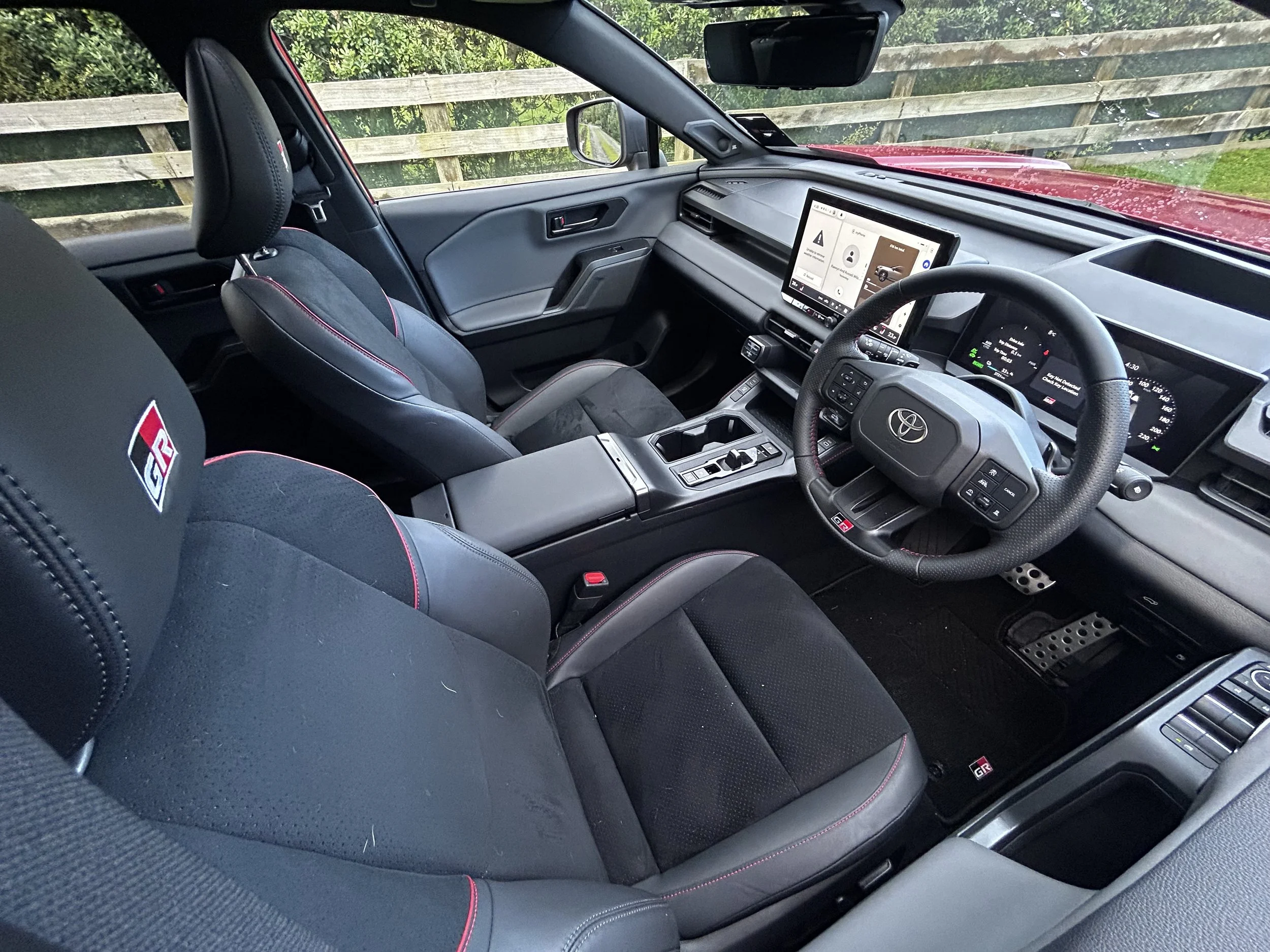
The GR Sport also gets really good sports front seats with lots of perforated suede and leatherette edging with red stitching, plus two-stage front heating. As a tall person, I appreciated the seat adjustment allowing generous fore-aft movement, and plenty of backrest adjustment. While Toyota attests to have meted this generation more reach and rake adjustment in the steering wheel than previously, the height adjustment just did’t go quite low enough for my liking, leaving the driving position feeling a little perched up.
Space in the back seats is generous and access is good via the wide-opening doors. ISOFIX mounts are offered on the two outer chairs for fitting child seats, while there are four USB charging sockets included, two up front, two in the rear.
It’s also really practical with a deep storage box under the front seat armrest, which has a lid that hinges on both sides, allowing either the driver or passenger to open it. Cupholders on the centre console being beside the small, stubby gear selector raise need for care against spilled liquids going into sensitive areas. It also has a shallow, open storage area beneath the wireless phone charging pads and though the glovebox is small, it's augmented by an open shelf space above it, which is lined with a grippy surface to keep items in place.
Alterations to allow for the plug-in’s drive system, which runs independent to the front wheel set, means the boot here has 500 litres’ capacity, whereas a standard RAV4 offers 542. But it’s still decent space and the high floor means there's space for both charging cables underneath, and something some PHEVs have to abdicate: A space-saver spare wheel.
The RAV4’s 12.9-inch infotainment screen looks broadly familiar in respect to it’s on-screen menu layout and functionality, but there’s more to its talent than in other Toyota product here. RAV4 is the debut vehicle for a new software, called Arene, designed not only to receive over-the-air software updates, but also to be more flexible and 'global' than before. As far as the end user is concerned, you can link the car to your smartphone including a digital key function. Hooking up is a bit of a faff - there’s endless legalise to go through - but it’s worth giving a go.
For all its tech, Toyota has not lost its common sense. There are large, chunky switches for the driving modes, buttons for temperature and volume adjustment, the camera views and hill descent control and physical buttons on the steering wheel, for the stereo and cruise control.
On the safety side, RAV4 is well-provisioned, with the latest elements of the well-regarded Toyota Safety Sense package, but early birds need be aware that updates and perhaps even a minor re-engineering is coming, because Toyota wants the car to achieve a five star score from national auditor ANCAP. They don’t believe it can in current state. Which means the car, as it is now, will not be tested and will never be party to any eventual ANCAP citation.
In PHEV format, RAV4 comes up against some new cars from China purporting advantage in electric-due range, plus a well-established Japanese product. The Mitsubishi Outlander coincidentally now also has a lithium ion battery of the same overall and useable capacities as RAV4. It comes up even more short (86kms’ cited, mid-50s’ more often) but is also a 200kg heavier car using older motor technology.
Research showing most daily journeys are of comfortably less distance than the RAV4 PHEV delivered on test means it still sits in a Green zone of sorts.
Yet if the maker-cited economy figures prove simply an unreachable in true ownership experience then Toyota surely risks reputational damage. When I shared my outcomes to two direct involvers with this brand, neither was surprised.
With some PHEVs once the high-voltage battery becomes so discharged it has minimal to no impact on efficiency, you’re just dragging around dead weight that become an encumbrance on economy. It’s hard to say if the Toyota is ever at that point of total battery exhaustion, given the overall economy was fairly decent.
The GR Sport package is highly worthy, the PHEV aspect somewhat less solid, but as much as this model doesn’t rewrite the rule book as comprehensively as it might have, with Toyota NZ’s marketing muscle who would dare bet against it being a sales winner?