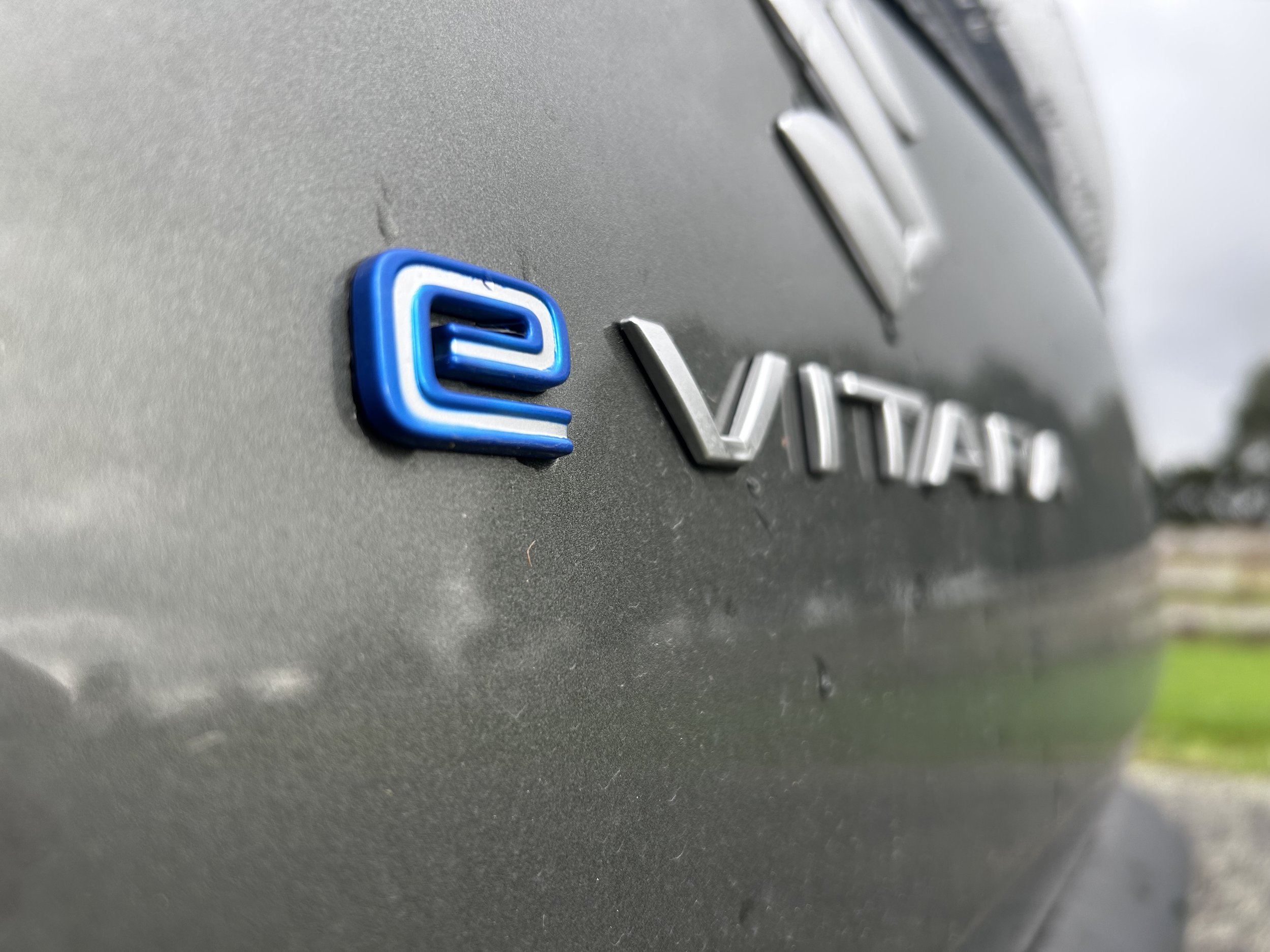
Toyota bZ4X Motion/bZ4X Touring road test review: Higher trails
/A big mid-life facelift for the carryover wagon and a new body styling choice lift this type to highly recommended status.
Price, Motion/Touring: $69,990 /$71,990.
Powertrain Motion/Touring: Dual permanent magnet electric motor with 74.7 lithium ion battery, maximum power 255kW/280kW, maximum torque 268Nm front, 169Nm rear/268Nm front, 268Nm rear; BEV e-Axle.
Dimensions, Motion/Touring: Length, 4690mm/4830mm; width, 1860mm/1860mm; height, 1650mm/1675mm; wheelbase 2850mm/2850mm.
We like: Genuine beyond-seal cred; improved performance; Touring option a sweet spot.
Not so much: Regen still quirky; weird auto headlight activation; absence of spare wheel might quell adventuring spirit.
CASTIGATING Toyota for tardiness to join the electric car sector has been quite the trend these past few years - but it’s unwarranted now.
Hybrid, plug-in hybrid, full electric … RAV4 for petrol involvement, bZ4X for full battery commitment. The latter in regular or slightly stretched Touring format.
Sports utilities and crossovers command the biggest body styling buy-in these days, and who could argue that Japan’s No.1 doesn’t have all bases competently covered?
Market data powerfully relates that, for the majority, hybrid is the way. Insofar as Toyota’s involvement goes, we’re in the 25th year of that technology, it’s been thoroughly sorted and as much the brand insists there is more than one pathway toward a Greener future, maintaining hybrids as a corporate priority in the short term remains a goal.
Still, the move toward more greater battery involvement is clearly under way. Though the updated, expanded range has landed recently, already this year’s entire consignment of bZ4X (and plug-in RAVs) has pretty much been snapped up.
Yes, electrics are generally on the rise once more, but the Toyota-centric movement in itself surely speaks to in-brand buyer pattern shift.
And not just domestically. At time of writing, guess what car was setting the pace right now the world’s most EV dominant markets? Sure, the name starts with a ’T’, but not the one related to Elon.
The bZ4X being the best-selling vehicle in Norway, where electric has a stranglehold, and Denmark - which is catching on fast - these past two months rightly caused big celebration for Toyota Europe. It’s quite a vindication for not just the make, but also the car.
What’s out now is much-needed improvement on an original version that landed in 2024 and struggled to shine, regardless that the concept was solid and aiming at a market segment that still begs for electric attention.
Medium-sized family-themed cars with genuine off-road credibility; you need only check out how many Subaru Foresters and Outbacks still cram into ski field carparks to understand how well-received that concept has been. But few electrics have yet to go there. Save for this one.
Toyota’s first proper mainstream electric being a co-development with Subby seemed then, and still seems now, a truly excellent idea. But high prices tags and disappointment in respect to the driving range subdued the original’s potential.
Facelift time for Toyota’s model brings a larger battery, longer range, increased power, and lower starting prices to address salient criticisms.
A big freshen seeks to raise potential by adding extra smarts, not just to the clever ‘best-of-both' technology ingredients but also in how the product shapes up.
Arrival of a flagship Touring siting up to $3000 above the previously top dog bZ4X dual motor Motion - a reduction that slims by $1000 if the Motion trims as tested, with dual tone paint - has significant implication. It’s hard to come up with reasons why this new choice shouldn’t be the best one.
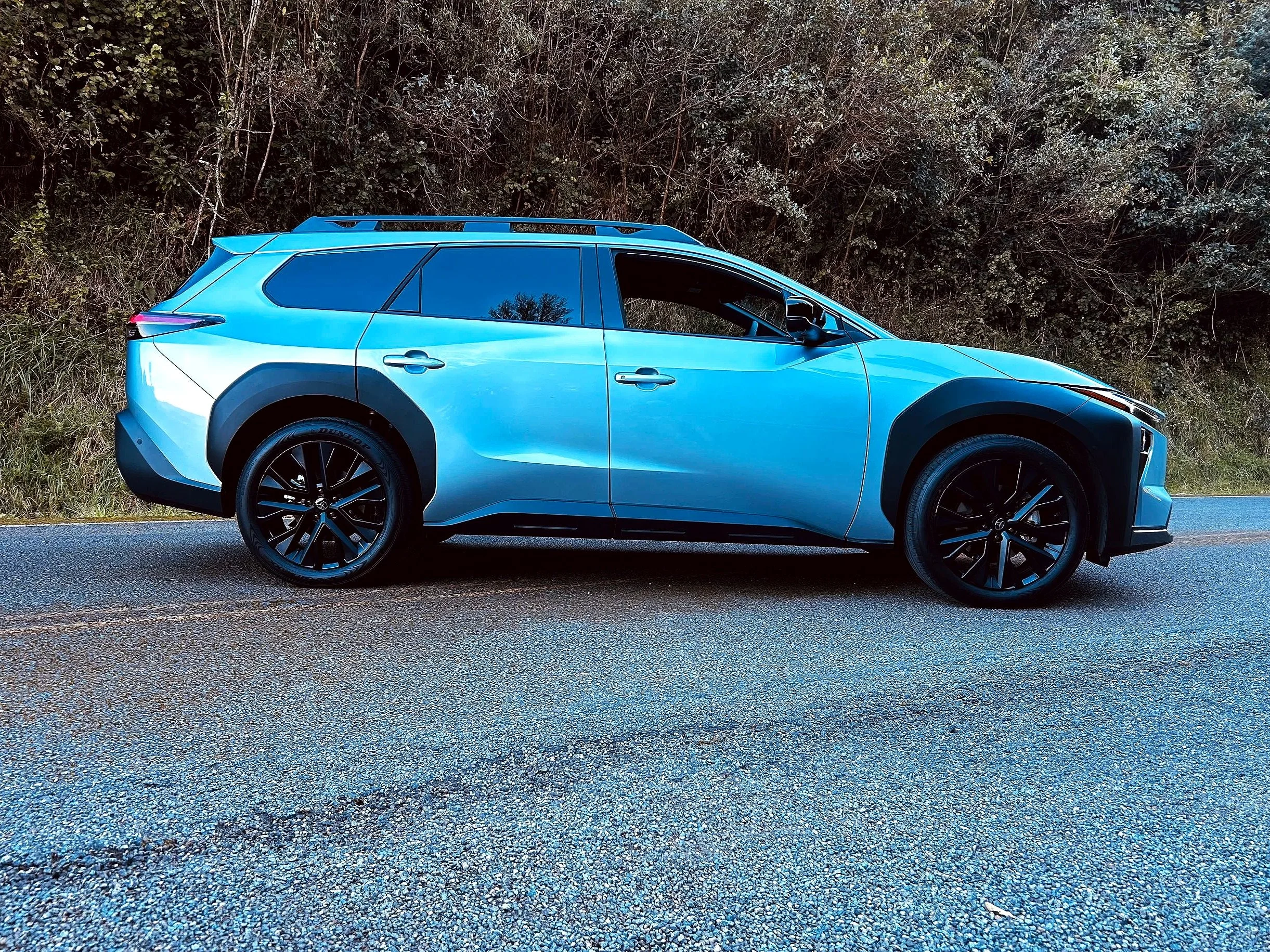
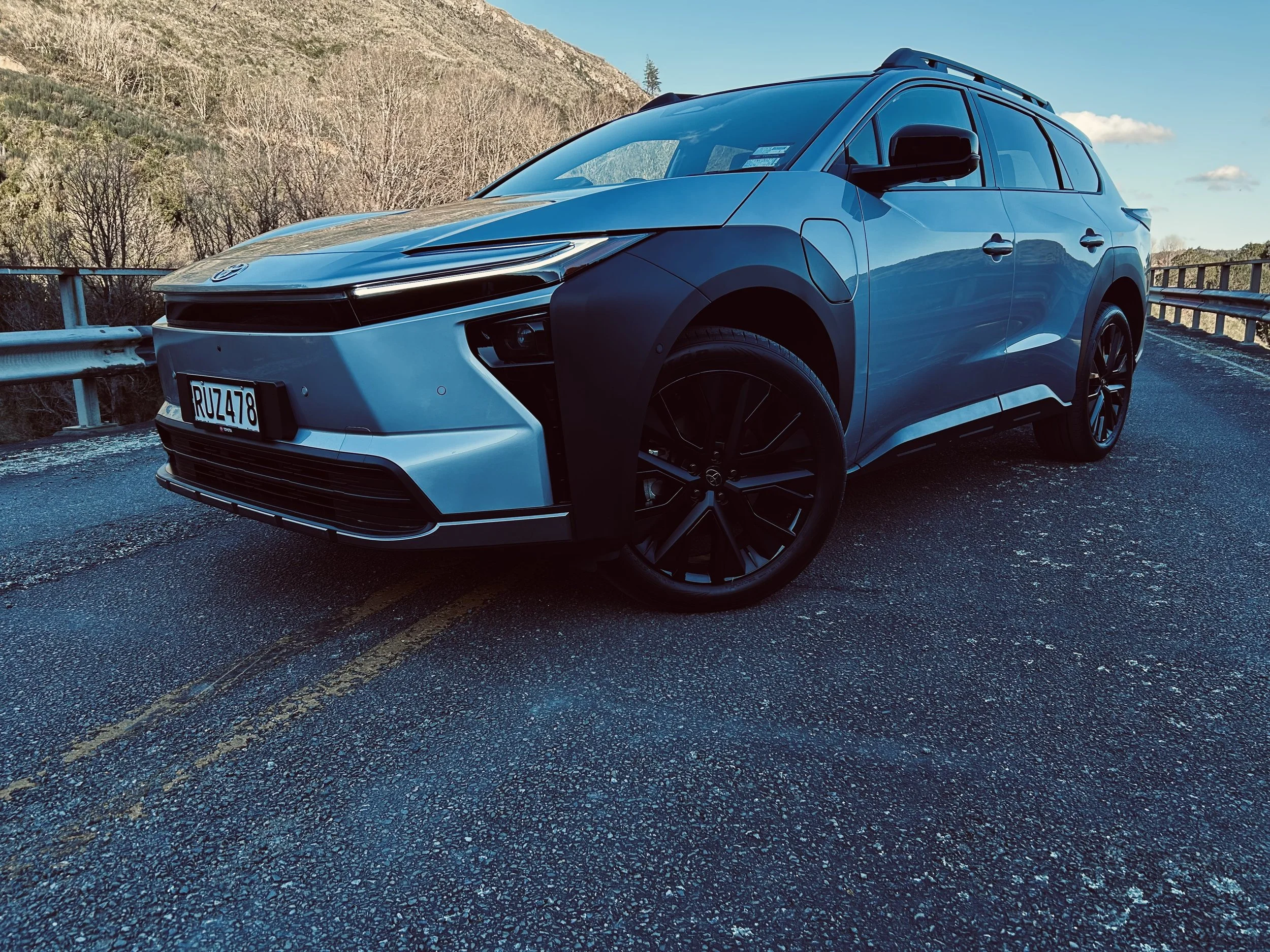
Touring brings a 140mm longer, 25mm taller body style than the standard bZ, and all that added length is behind the rear axle. with extra cabin room that very much enhances practicality; the lengthened wheelbase also brings improvement to ride quality with no detriment to handling. The altered shape is somehow just the little bit more visually appealing. High potential of enticing a broader buyer base is apparent.
All models now feature a new 74.7kWh lithium-ion battery, up from a 71.4kWh battery in the outgoing model, combined with more efficient electric motors and inverters.
The dual motor all-wheel-drive Motion and Touring here are at equal pegging for torque, but the expedient of lending the latter car the same electric motor at the rear as it has up front means it has an edge on power, with 280kW versus 255kW.
While the latter format asks acceptance of reduced range, with a WLTP-cited 488 kilometres’ driving, against 517km for the Motion, a week with both left impression it’s an acceptable redress, given all 2026 cars have better range than the original issue products.
No specific efficiency testing was conducted, but the maker claim that they also benefit from improvements designed to reduce immediate energy consumption also seems solid.
Zero to 100kmh times have sharpened but perhaps more pertinent to the user profile is that the AWD editions now rated to tow 1500kg, up from 750kg.
DC fast charging remains limited to 150kW, for a 10 to 80 percent top-up in a claimed 30 minutes, but the battery's thermal control software has been updated to recharge faster in colder climates. The AC charging has improved from 11kW to 22kW, for a claimed 10 to 100 percent fill in 3.5 hours on a 32-amp, three-phase power supply, according to Toyota.
All these changes make for a better car, but clearly the factor powering up the instantly elevated interest is that pricing restructure.
In conformance with international trend, those original stickers are entirely undercut, to point the flagship now is $3000 cheaper than the least expensive product, a single motor type, was two years ago. That simply in itself is surely seismic?
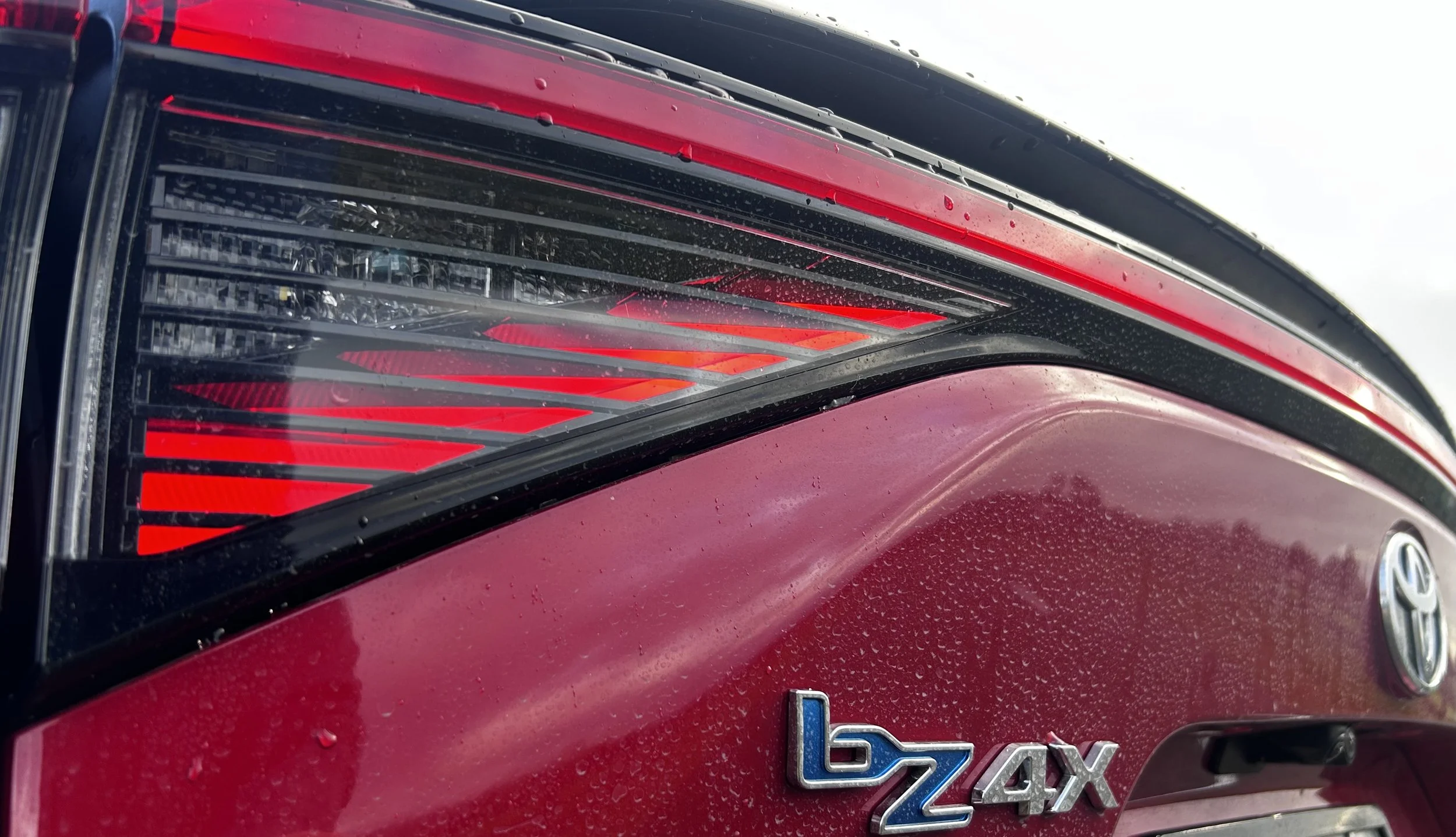
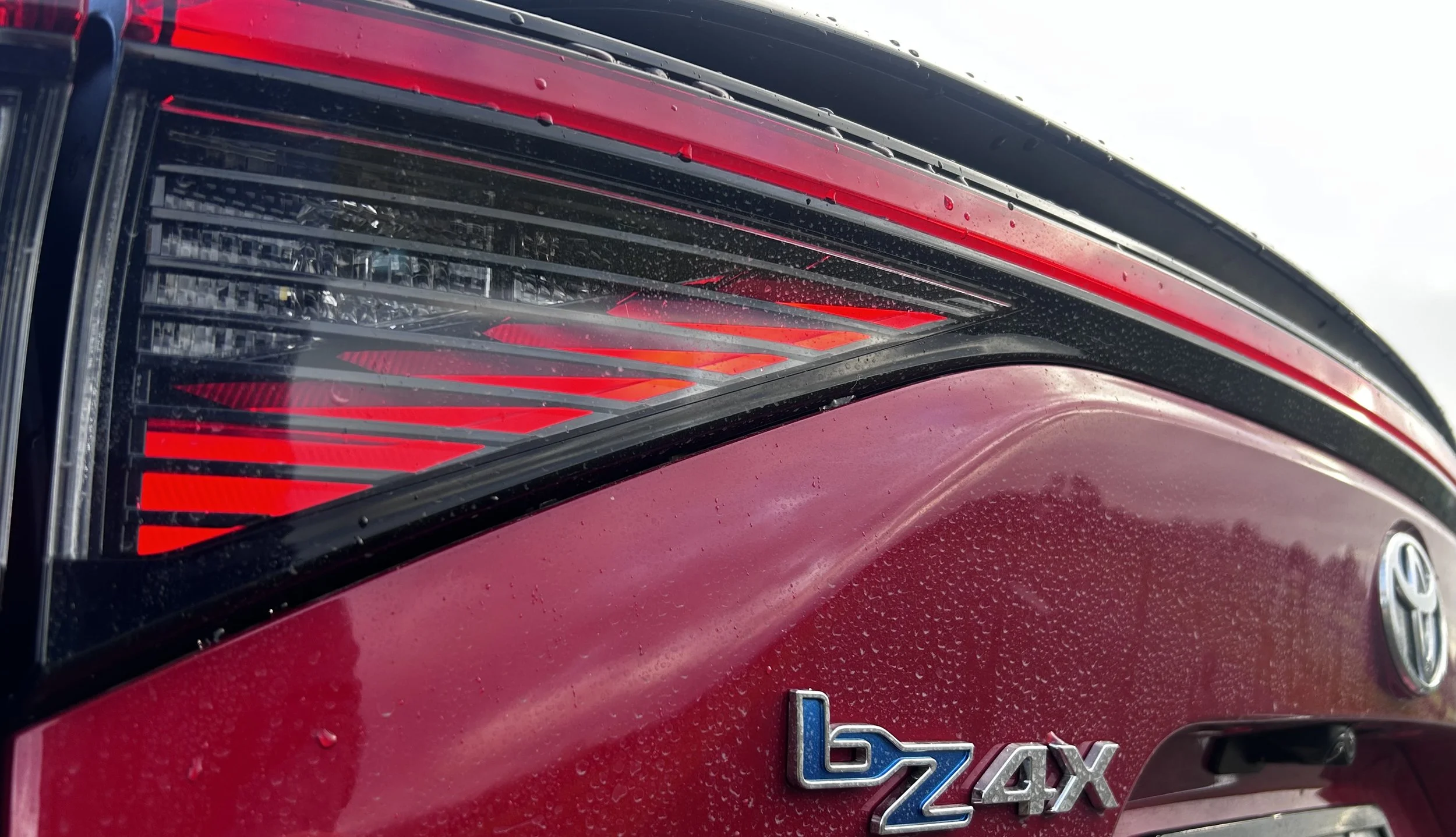
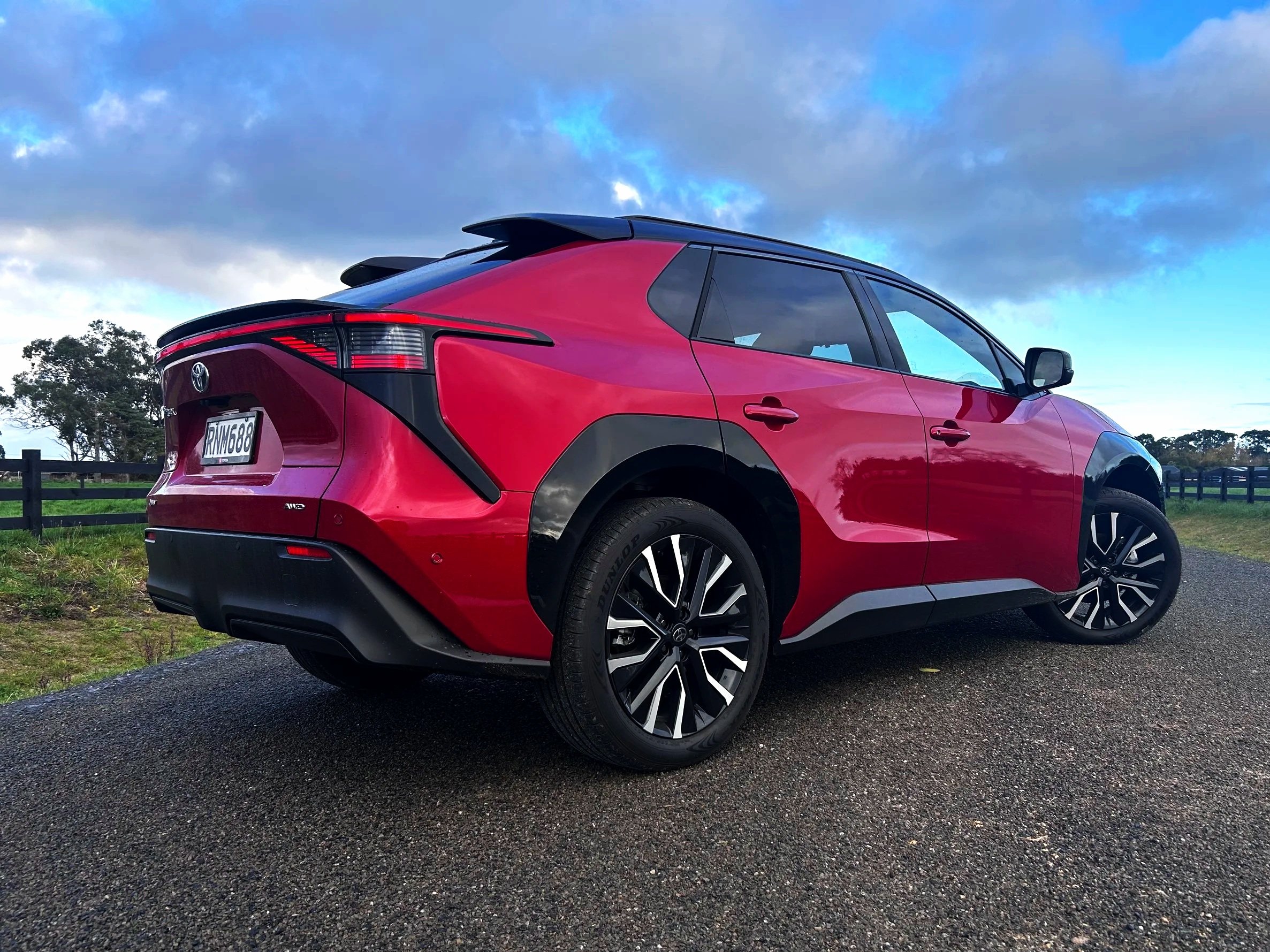
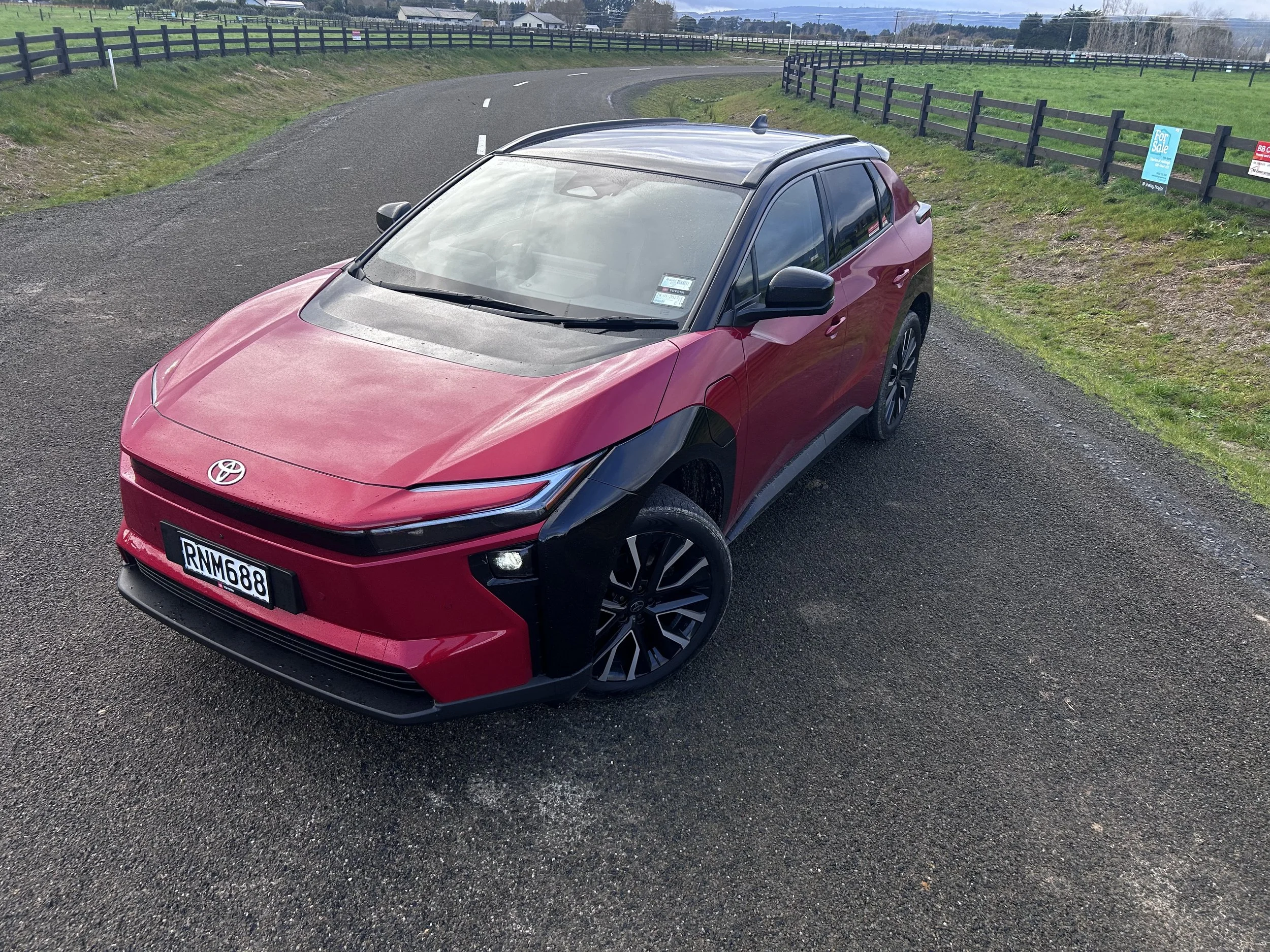
Adoption of the make’s ‘hammerhead’ nose profile is the biggest revision to the original shape. Down the sides and around the back, the standard bZ4X is basically the same as before, except that the tailgate now sports a full-width light bar. The new nose is a much needed modernity, but you can see why Touring grabs the eye more. That longer roofline back to a much more upright tailgate delivers a smarter silhouette.
Toyota says but small detail tweaks to the rear spoiler and the underbody aero package bring the drag coefficient down to 0.27Cd – compared to 0.29 previously. Motion and Touring now take to 20 inch rims - the first was on 18s previously - which also improve the visuals.
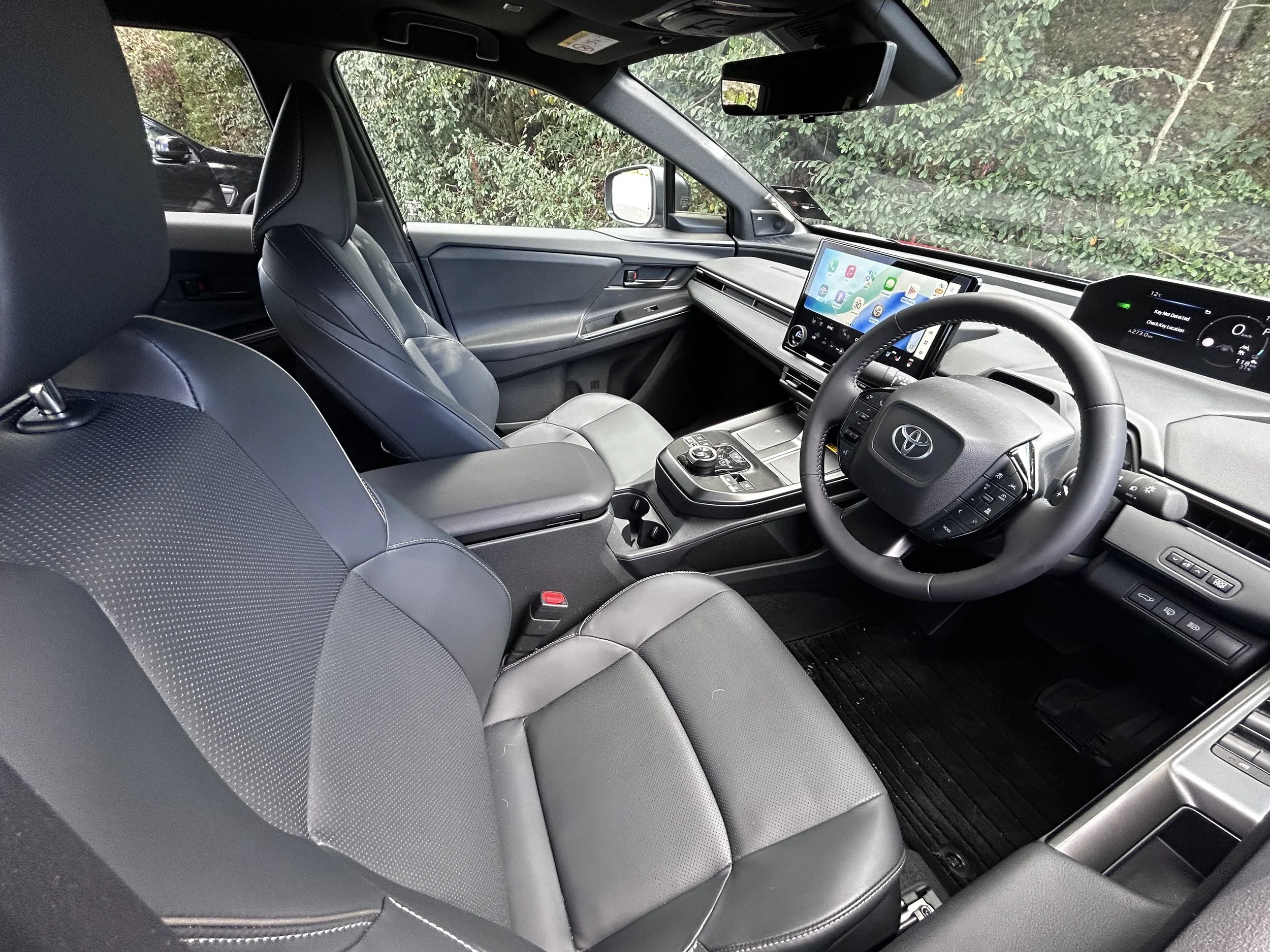
The interior is equally modern, with a futuristic digital instrument display and a massive touchscreen lending a more interesting look than most Toyotas; though the latest RAV4 is a close catch-up.
Material quality inside is fine; it’s obviously built with expectation of having to take some knocks, but the cheaper plastics are largely in places you'd barely ever touch in normal usage.
While the very high-set instrument cluster does look a bit plonked on the dashboard, the 14.0-inch infotainment touchscreen is an improvement in size and clarity on the original’s and responds quickly when you touch any of the icons. The cabin overall is ergonomically sound. Other new inclusions comprise paddle shifters, two wireless phone chargers, a heated steering wheel, a hands-free power tailgate, and a 1500W inverter in the luggage area to power small appliances. Touring has two cabin colour options, the black on test and khaki, for “more outdoorsy feeling”. Synthetic leather is on the seats and steering wheel.
The standard format bZ has decent rear legroom, and headroom is better than you might expect considering the roofline. Really tall passengers might find it a little bit tight, but most will have plenty of clearance.However, switch from there to the Touring and you will find it hard to u-turn, so well played is rhe ace card of extra cabin room.
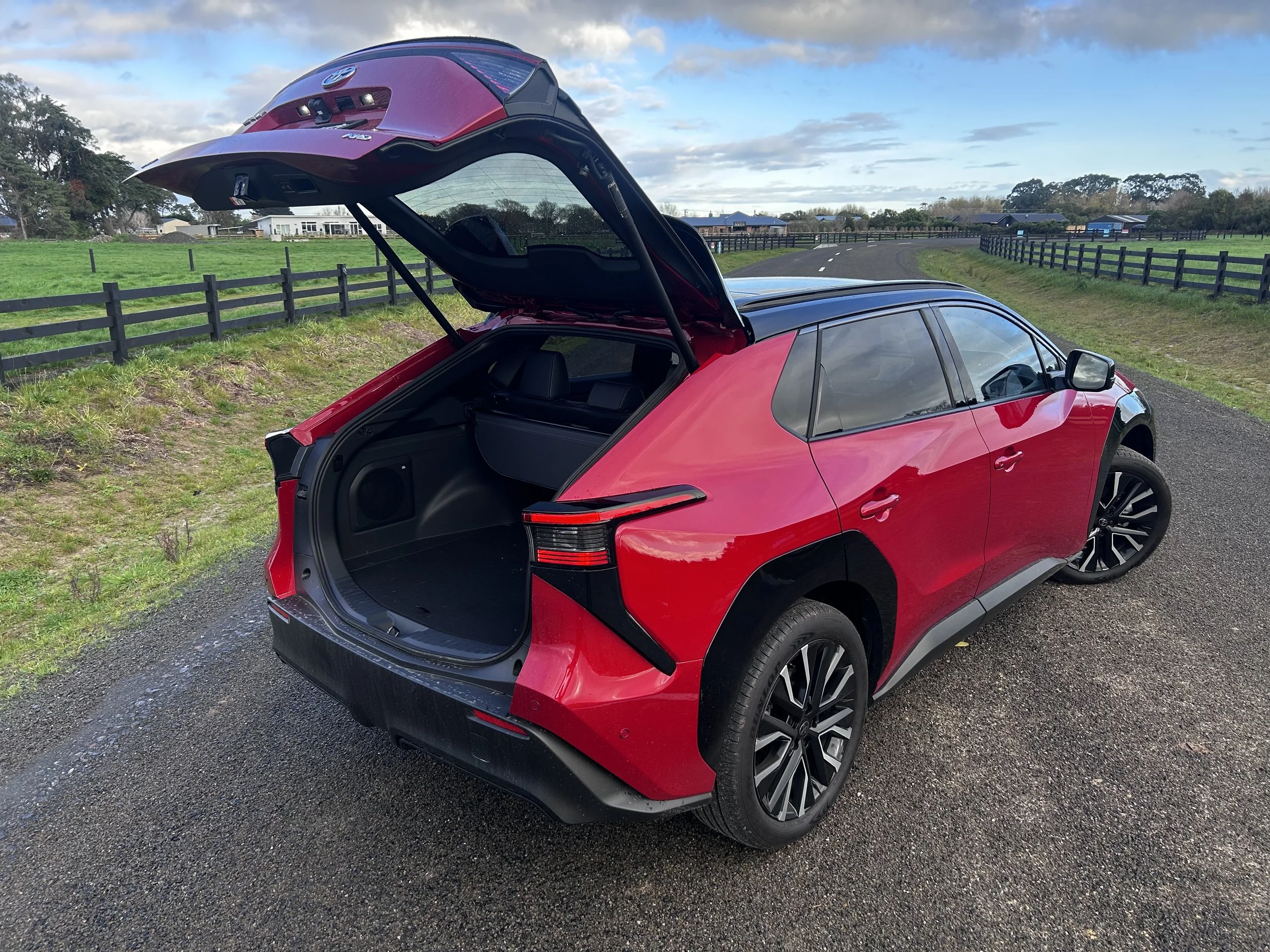
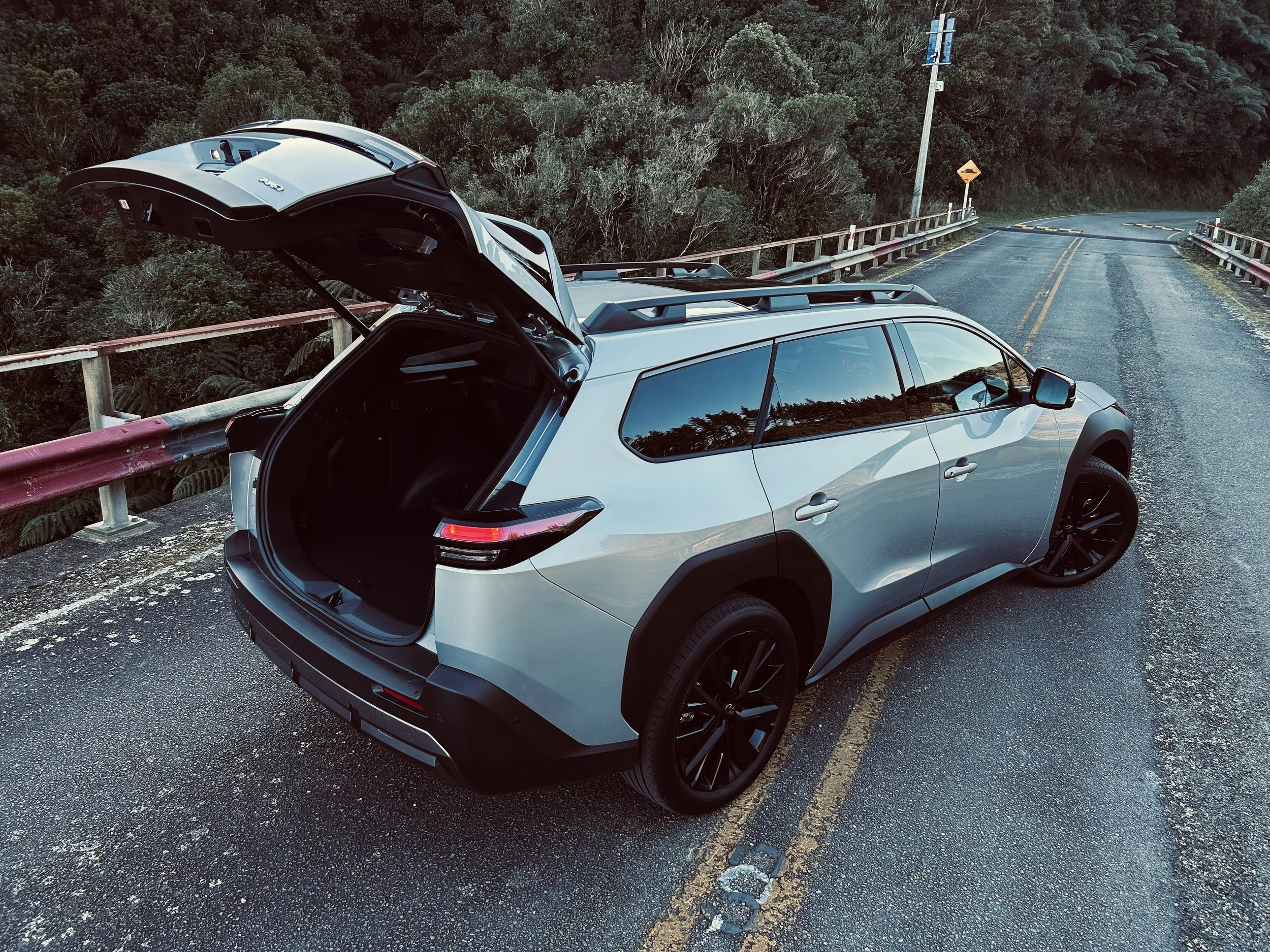
That benefits are greatest in the boot. Need you be told the Touring shape increase load compartment capacity by more than a third? It’s pretty obvious. The brand claims 600 litres’ boot space, which is 148 litres up on the standard car that, in itself, it hardly a tight spot, but also isn’t the best in class.
Few electric cars don’t dedicate to some degree of efficiency and though the updated bZ models are much more useful in their range, what also helps is them also being more honest about their status. In respect to actual consumption, they sill seems a bit up and down, but overall seem appreciably more accurate than before.
In respect to getting the best, Toyota doesn’t go overboard. There’s just the standard Drive mode or a Sport alternate. Also the regenerative braking system that harvests energy while coasting is still either on or off. Less braking means, in theory, at least, more efficiency but it’s not the easiest regen to get a feel for.
The other brand involving in developing this car line makes a lot of noise about their (still to arrive) Touring equivalent as being their fastest-accelerating road-legal product ever. The maker-cited 4.4 seconds (against 5.1s for the Motion) shows the Touring is no less quick as a Toyota than as a Subaru Trailseeker, serving up a significant silent shove in the back as the instant torque propels the car forward.
Overall, Toyota has set up both bZ variants to feel safe and secure, rather than deeply involving, an approach I’ve no quibble with. With the low-slung batteries and motors keeping most of the weight down low, they run corners with little lean and there's plenty of traction to get the power down.
The Touring seemed the have a slightly more natural steering feel to it than the Motion, but in respect to dynamic difference the most obvious is in the ride quality. Both appear to be on the same spring and damper settings but while the Motion in isolation is well sorted for an electric, it’s the one in which the impact from small bumps and ruts is more often felt. The Touring simply by virtue of its length and perhaps, also a slightly heavier kerb weight, is smoother and less troubled on the same sections.
What’s appealing about the dual motor format either way is that it allows for something very few SUV-style electrics actually deliver - some genuine all-terrain capability. The generous ground clearance and a waterproof battery pack that allows it to wade through 500mm of water but it’s the functions served up the Subaru side that really impress. The bZ is not designed to be a full-out equivalent to Forester, but it’s easily as good off seal as a RAV4 and you might be surprised by what it will do thanks to the excellent X-mode and downhill assist.
The bZ4x models, the electric Hilux and an electric C-HR likely to show here next year remind that Toyota does have a stack in the battery game, but of course critics will remind it once proclaimed intent to have 30 EVs out by 2030. Clearly that won’t happen; in 2023 Toyota revised its plans and decided to double down on hybrids instead. As much as the decisions infuriated a certain element, who could argue it didn’t make sense? The world then was experiencing a slow down in the adoption of EVs and, in NZ, demand all but ground to a complete halt.
Now it’s game-on again and the mid-life update of the bZ4X seems well timed. The original’s rough edges are smoothed off; it’s a far better car.
The best of the breed, though, is the extended edition that wasn’t part of the original play. In taking the whole concept just that little bit further, for a very modest impost, the new Touring is wholly deserving of its flagship status snd also reminds China Inc doesn’t hold all the ace cards.