Arcfox T1 Premium first drive: Sly start for smallest cub
/The electric arm of big player BAIC is ‘vixen’ to be noticed by kicking in with its smallest export offer that adds tech edge to a price-competitive zone.
ARCTIC foxes are the main land predator in northern hemisphere polar regions truly doing it tough.
Usual story. Arctic foxes primarily hunt rodents; seasonal irregularities are causing populations to fluctuate drastically.
Not only is the protein source less reliable, but altering Nature is playing a particularly cruel trick. Arctic foxes are affected by coat polyphonism. Meaning a brown in summer coat turns white in winter. But camouflage all year round is ruined when transformation into snow and ice-synching white happens ahead of that actual climatic change. A hunter previously invisible to prey is now impossible to ignore.
Standing out is also the hope for first car here out of the car brand whose name and badge is influenced by animal whose life increasingly sucks. Whose advertising includes its image and whose sales pitch might yet include offering a cute stuffed toy white fox with each car sold. (My idea if realised, triggered by memory of the long-gone Daewoo dog).
Mission statement for Arcfox, the electric car arm of BAIC, another of China’s massive auto conglomerates, is to present premium at especially budget price.
It’s kicking off the proposal with the smallest car it has for export, the T1, a compact crossover with an urban focus.
How high can a car coming in at $34,990, rising to a full RRP of $36,990 in three months - and that’s for the very highest spec afforded by its maker - really pitch?
In meeting, it’s fair to say that the likes of Audi, BMW and Mercedes can stand easy. Compare it to any upmarket Euro, Korean or Japanese model, in fact, and it won’t come all that close.
Yet neither is it overly faux in this undertaking. Suggestion from Simon Rutherford, chief executive of Armstrong’s Auto Distribution Holdings Limited, that T1 deserves cross-shopping comparison with like-sized and similarish-priced BYD, MG, Leapmotor and Dongfeng models seems valid.
With one trim and drivetrain choice in play, decision making comes down to picking interior trim hue, either Soft White or Dark Grey, then a body colour, in which case Dawn White escapes a $750 additional cost applying to Vana Blue, Flowing Silver, Midnight Grey and the extra-brave punt of Twilight Purple.
That done, you’re in a car whose initial price still aligns with the X55, the least expensive BAIC here, which though larger, is also a petrol car, an obviously less affluent product and also set to jump to $37,990 after September 1.
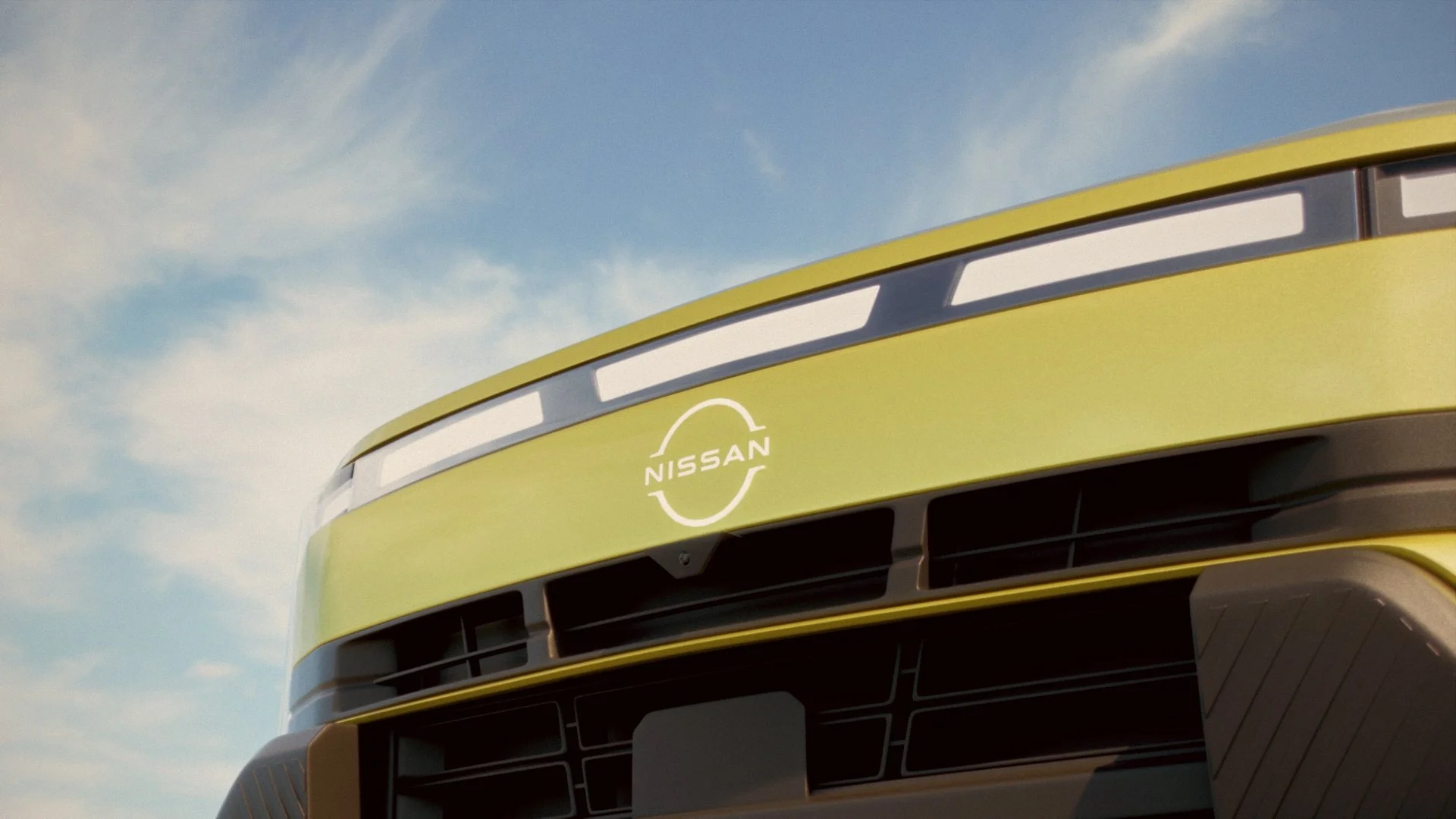
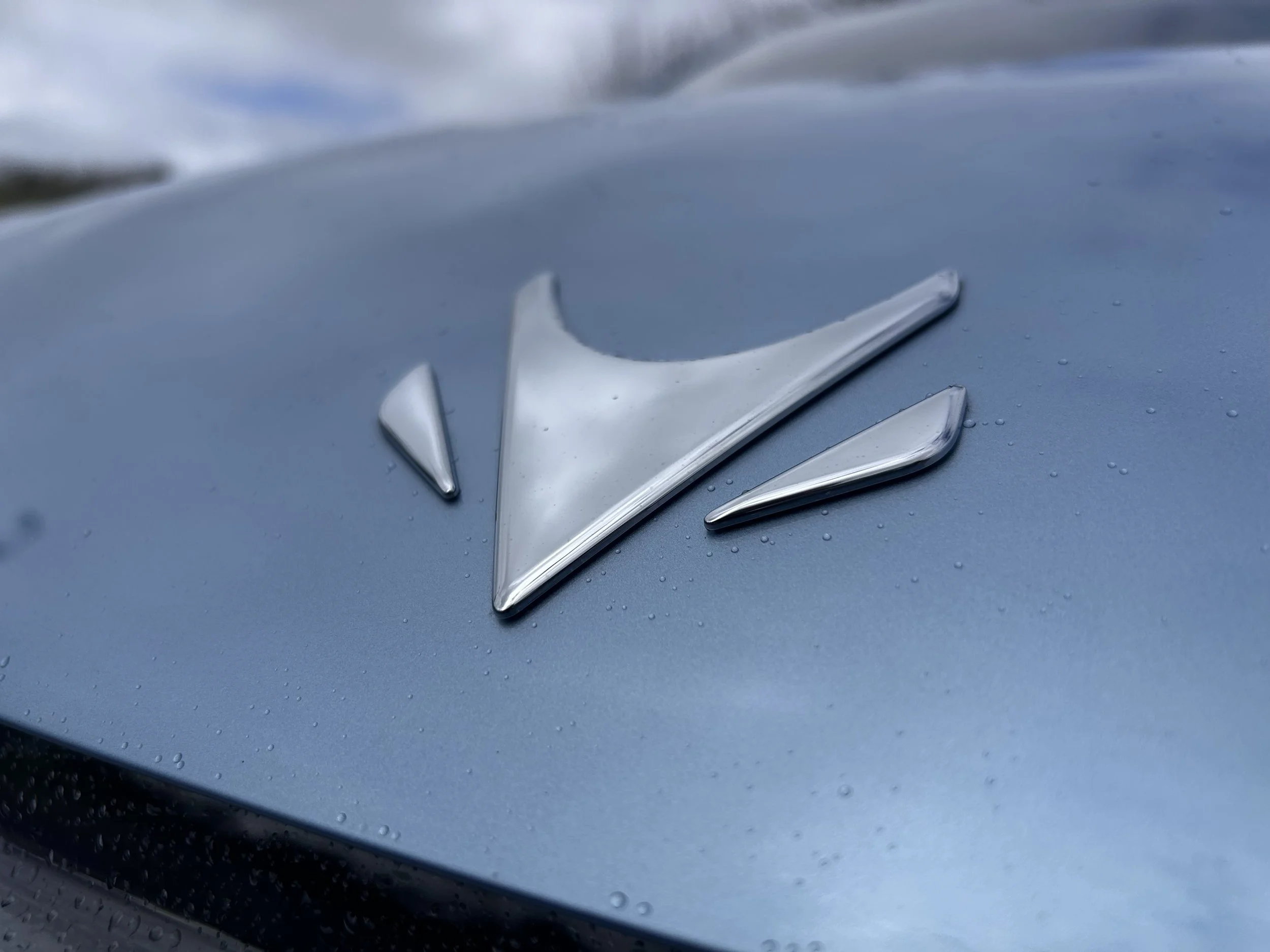
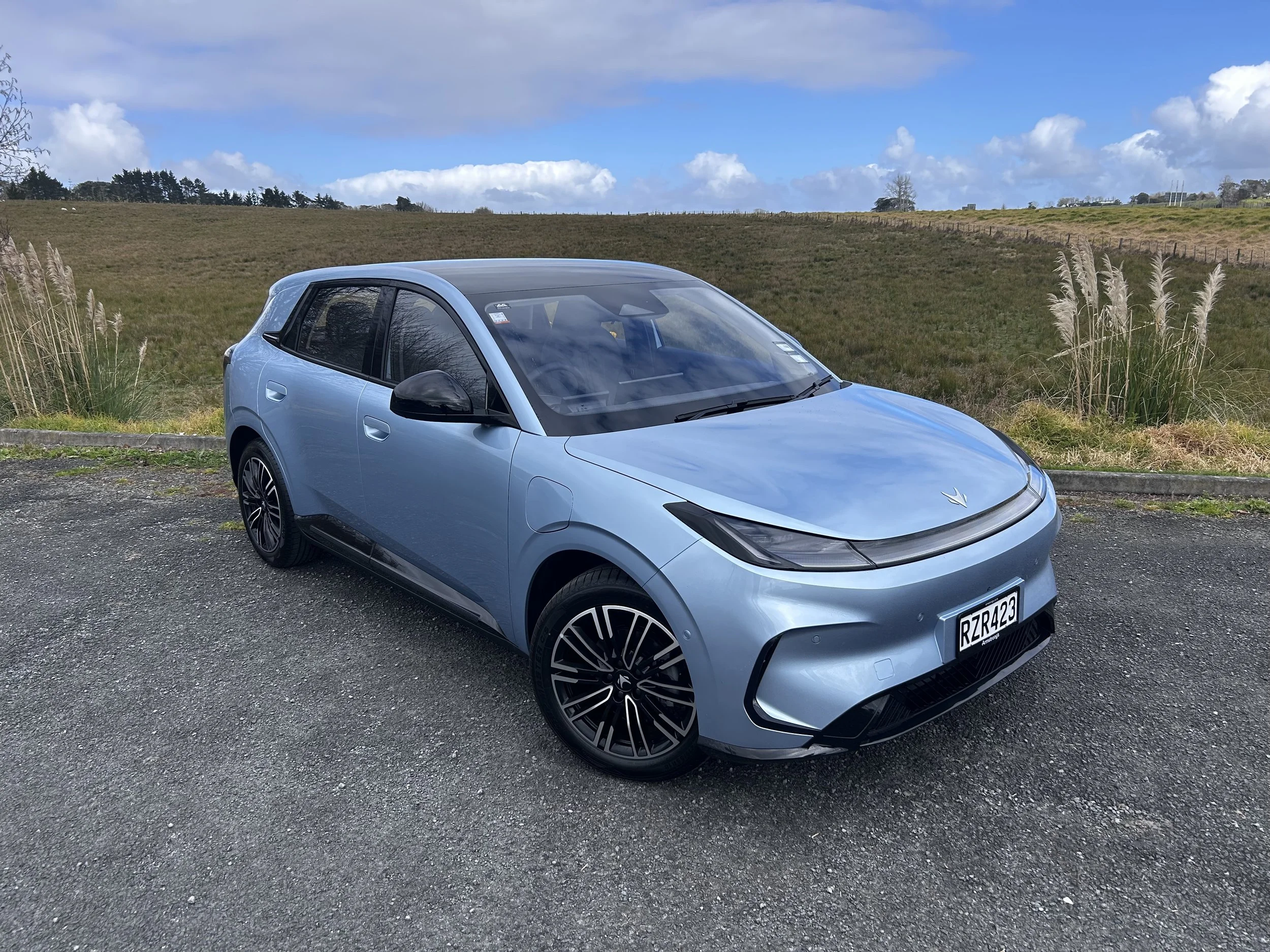
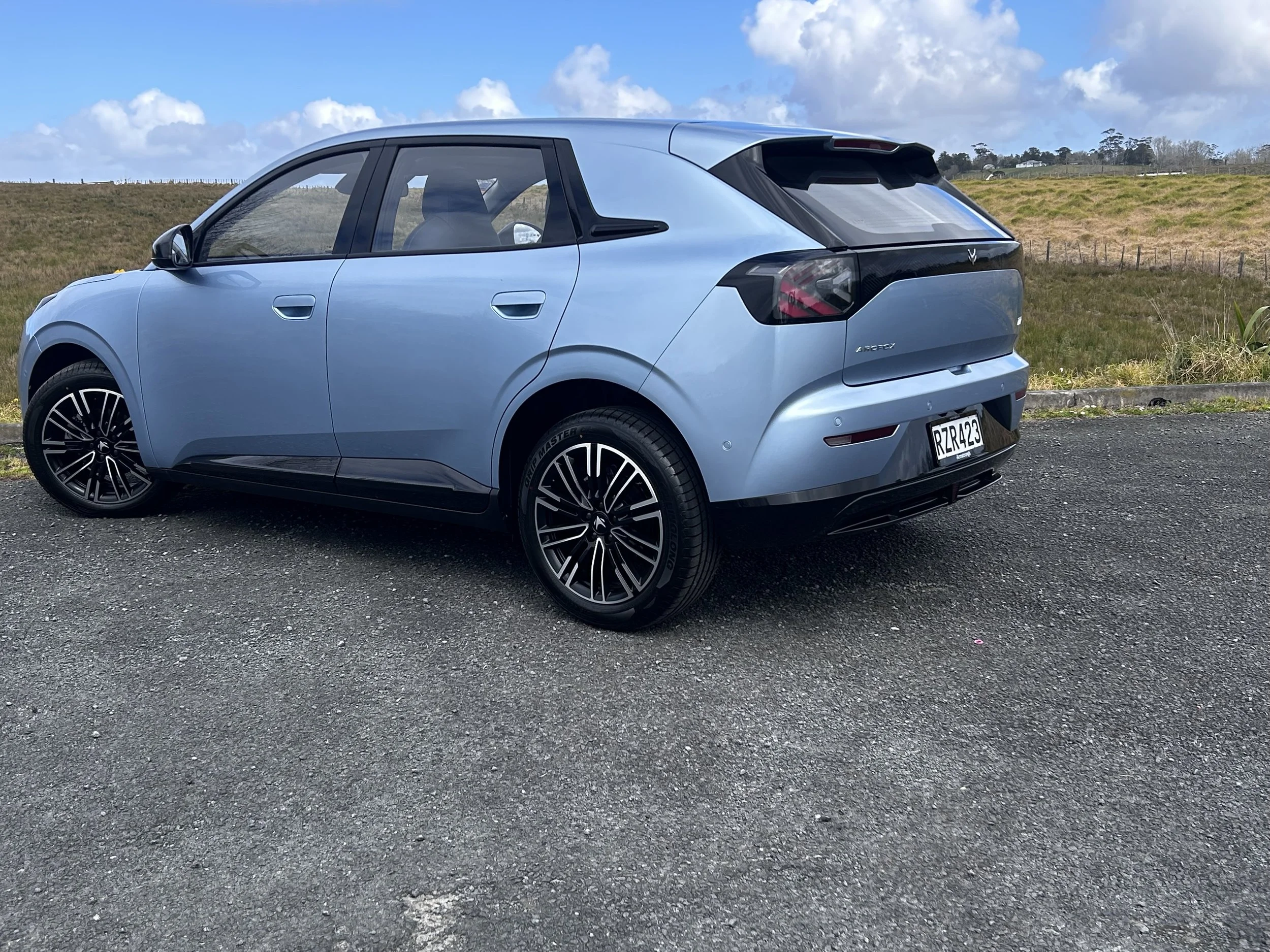
One immediate plus is the visual presence. The tidiness and cohesion of the exterior’s execution suggests getting in legendary designer Walter De Silva to provide guidance was money well spent. The stamp of the man credited to some great Audis (A8, A6, original Q7, Lamborghinis and a couple of the better Alfa Romeos of the past three decades) seems especially obvious in the detailing- that badge, the door handles, the neat kick within the C-pillar shape that is set to be another Arcfox identifying element - of what, overall, is dare it be said, a genuinely foxy-looking car.
The one surprise is that has more ground clearance than some. Arcfox explains the 181mm clearance is all about easy negotiation of steep driveways and gravel roads.
The car’s BE21 platform also suggests merit, this having been co-developed with Magna, a contract manufacturer of Jaguar, BMW and Mercede-Benz products. It’s playing to form with MacPherson struts up front and a torsion beam rear.
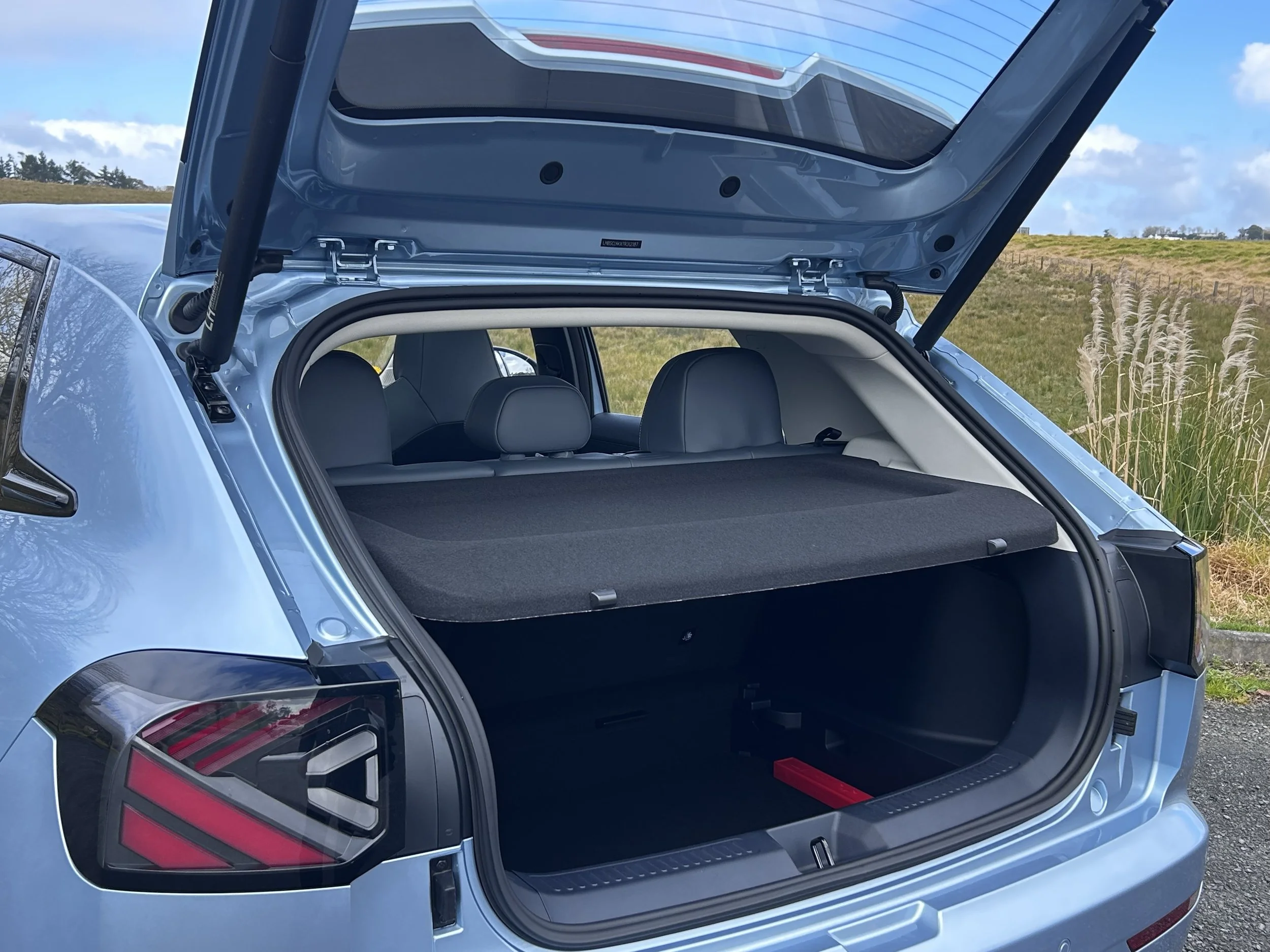
Size-wise, it sits pretty solidly, at 4337mm long, 1860mm wide, 1572mm tall, but its the 2770mm wheelbase that’s being pointed to as this is longer than for some rivals and thus allows for more cabin room, notably for rear legroom, and cargo capacity. The boot holds 459 litres, including the usual very deep hold under the floor, expanding to 1352 litres with the seats folded. The load area is decent in shape, but doesn’t have much to offer in the way of hooks and where to stow the rigid cardboard load compartment cover is a mystery.
Drive modes span the usual Eco and Sport, with Slippery and Individual and an Eco Plus that somewhat retards the progress and will be useful only if you’re in need of eking out best possible range. Which might be a possibility in this instance.
EVs are especially defined by motor and battery size. The T1 demands consideration about potential usage as it pairs a 42.3kWh lithium iron phosphate battery with a 70kW/176Nm motor on the front axle. The outputs are handy but the WLTP-rated range of over 310km is more modest than many offer.
One category contender says it would never consider a car like this unless it could legitimately put at least 400kms between ‘refills’. Rutherford is less concerned, suggesting the average user will find it has plenty, but he also agrees this explains why an even cheaper version citing a mid-200s range on our nationally-preferred scale will never be considered.
Arcfox New Zealand says no bigger battery is coming, which suggests factory talk about T1 being probable first recipient within BAIC of a new sodium-ion battery said to offer much greater range could well be initially just as a domestic choice, assuming it even realises.
The other benefit of the latter would resolve another consideration for the T1. Although maximum DC recharging from 30 to 80 percent is claimed to take but 25 minutes, the maximum DC charging is again modest, at 80kW. Assuming it even gets that; the distributor says it has seen around 56kW charging from a 60 percent state of charge. AC charging is single-phase at around 6.6kW. The sodium battery is designed to deliver a full charge in just 11 minutes.
T1 steps up to latest consideration by furnishing a heat pump as standard and, once the adapters arrive (in a week or so) can facilitate Vehicle-to-load capability, at 3.3kW, and vehicle-to-vehicle charging, at 6kW. As with BAIC product, it includes a factory Wifi facility that does nothing; the car has no connectivity at all nor will it have a smartphone app. The screen menu includes a trailer mode, but a colleague found that’s not a reference to towing - it has no rating for that - but instead is for when the T1 is being towed.
Design consideration in the cabin bases around delivering what is, at 15.6-inches, a super-sized touchscreen at time when a 12.3-inch screen id more par for the course for cars of this class nowadays. This hosts all the usual elements, including the Tesla-akin fascinations of multiple opportunities to finesse far more involvements you might ever consider important.
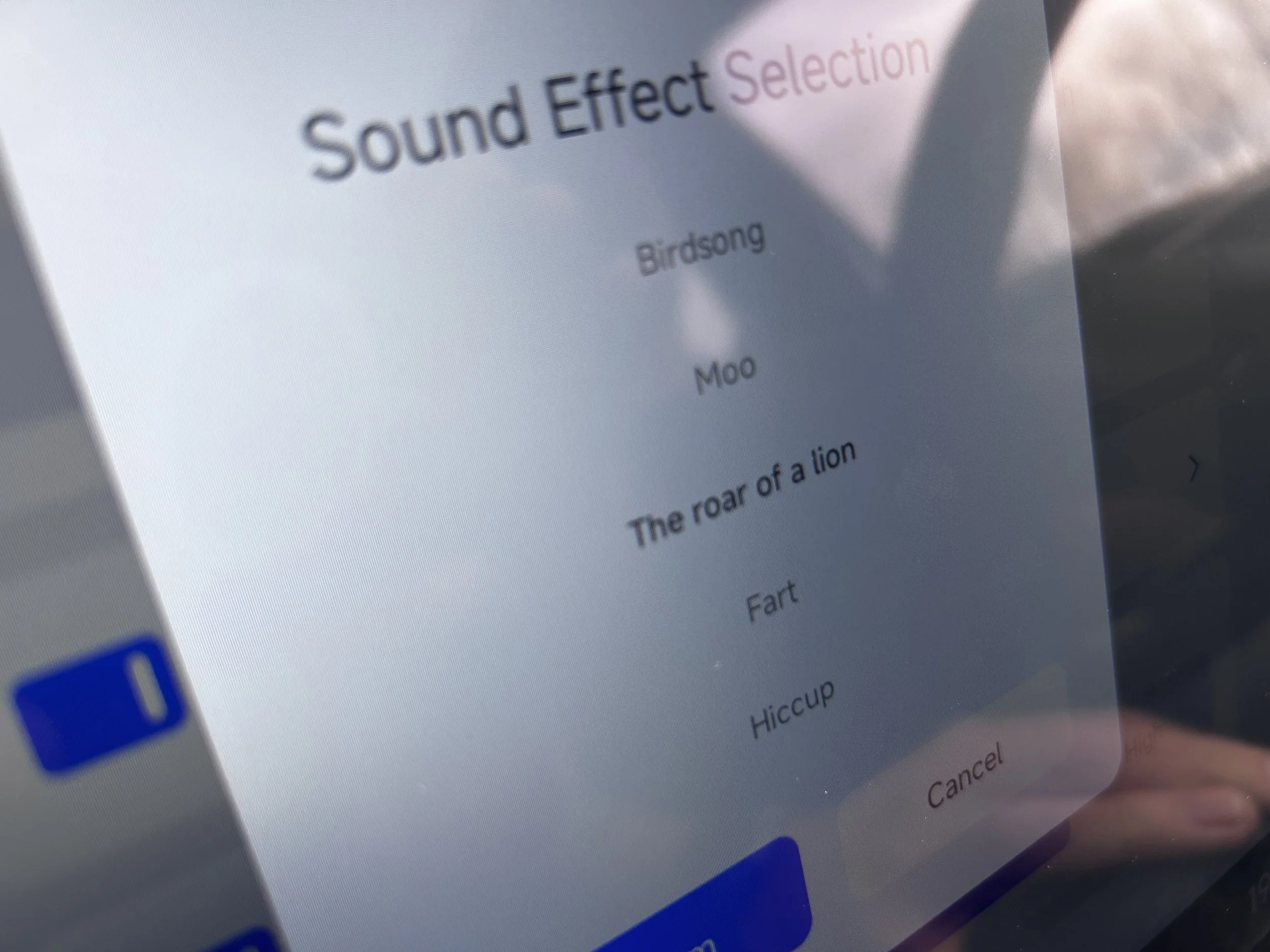
Beyond having to use it to adjust the door mirror placements, it can alter the range estimate from the NZ-favoured WLTP to the nebulous NEDC (but interestingly, not China’s own CLTC) and deliver favourite (if any other) sound effects, from all sorts of animal noises - but nothing from a fox - to the inevitable fart mode.
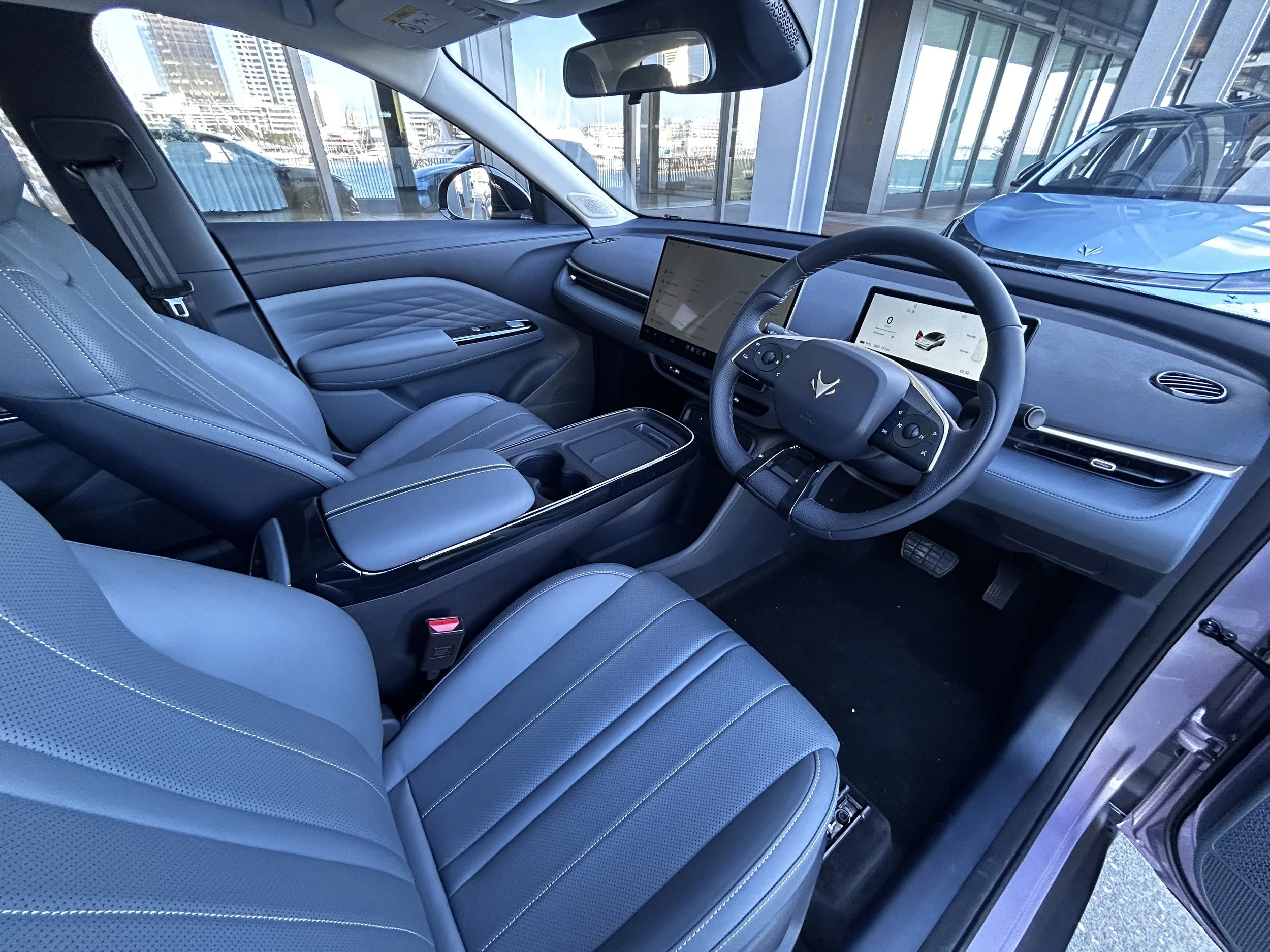
In the T1 the big screen is backed by an 8.8-inch driver display. Some trim treatments are more upmarket in look than in feel; the soft-touch elements on the door are illusionary only, as they’re all hard plastic in touch.
Whereas the one part least likely to be felt, the top of the instrument console, is in a genuinely nice material. It’s nice to find a Chinese car in which the electric window activators operate to Western taste (so, pushing down for once lowers, rather than raises, the glass). Millions of cars are being recalled in China right now because their emergency mechanical door releases have proven difficult to find. The T1 won’t be caught up in that.
Appointment-wise, it lays on a panoramic glass roof, ventilated front seats and a 66W fast-charging USB port, but if you’re not an Apple phone user, go whistle. This provisions CarPlay phone mirroring only. Android users are left with the native system and Bluetooth.
Comfort, convenience and driver assist features are numerous. It has front and rear parking radar, 360-degree surround view and transparent chassis, automatic parking (parallel, perpendicular and exit) and safety systems including Automatic Emergency Braking, On-Off Adaptive Intelligent Cruise Control System and Traffic Congestion Assistance.
Voice control responds to “Hey Fox” and operates the climate control settings, windows and sunshade, among other things, but again it’s quirky, in that it seems to work better for the front passenger than the driver, which suggests the activation microphone didn’t transfer in right hand drive conversion.
Arcfox is among companies in China authorised to develop level 4 autonomous systems, but that’s not a reach felt here - conceivably, the car as we see it is at Level 2, thus allowing for some hands free driving but only for short duration and in optimal, motorway conditions.
Engaging the adaptive cruise and lane keeping and the T1 has initial tendency to meander from one parallel lane marking to the other until it gets its bearing. There is no driver attention monitoring camera, but it is attentive; one annoyance that is set to be tweaked is a tiresome audible warning from the cruise control – we don’t need to be told every time the cruise control deactivates. But right now it does that, with the only cure being to completely mute all its audible warnings.
At 1400kg the T1 is reasonably light for an EV, but no particular dynamic benefit showed from this on an initial driving route that took in motorways, some city driving and a reasonably exacting country section.
If there’s outright playfulness it has yet to be found and performance is also tempered; the car’s nip is perfectly fine for city driving and it has no trouble keeping up with open road traffic, but Sport mode lacks any particular flair. That you can blast off from a standing start without fear of torque steer is an indicator of where it sites.
Punting along on the rural route raised speculation the Linglong Grip Master 215/55 R18 rubber seems a bit optimistically named; they could ask for respect in the wet, but they at least aren’t the noisiest Chinese compounds I’ve experienced over coarse chip.
Where it works better is as Rutherford suggests; as a choice that delivers a sniff of SUV ambience, something of a crossover aptitude and the driving feel of a car that puts comfort ahead of drive charisma. It’s pretty easy going. Based on that, belief that T1 will develop appeal from urbanites to modern families and empty nesters also seems credible.
Potential for acceptance as a company fleet choice is also hoped for, though that will depend on attitude toward it lacking an ANCAP rash test rating, but instead relying on a Vehicle Safety Risk Rating. It achieves five stars from the latter, but the credibility of that score isn’t as solid as an ANCAP determination, which likely will not be sought.
The safety suite includes six - so front, side and curtain - airbags, Automatic Emergency Braking (AEB), Front Collision Warning (FCW), Pedestrian Collision Warning (PCW) and Lane Departure Warning (LDW) amongst others.
The T1 has a six-year/ 200,000km warranty alongside an eight-year/ 200,000km battery warranty.
This first exposure was enough to reinforce why the launch was deemed important enough for Arcfox global general manager Chi Xiaohui to attend.
The message from from Beijing headquarters is that more models are to follow, next off the boat being the larger T5 in the first quarter of 2027. Conceived to take on the likes of the MG S6, it steps up to an 800 volt platform and affords generous performance and range, with between 560km to 705km from charge, though that depends on the battery size, with 64.8kWh, 74.4kWh and 79.2kWh choices.
Arcfox goes fully live on September 1, with 14 dealerships nationally, spanning major centres between Auckland’s North Shore to Dunedin, with Whangarei, Nelson and Invercargill targeted over the next two years.
Of the 100 cars here now, 20 are already spoken for. More are coming next month. Suffice to say the shipping route does not take in the new polar passage just opened by China as an expedient to faster deliveries to Europe, but also reckoned to be another potential threat to the well-being of all Arctic species.
The author travelled as a guest of the brand, with a meal, a notebook and pen included in the experience.