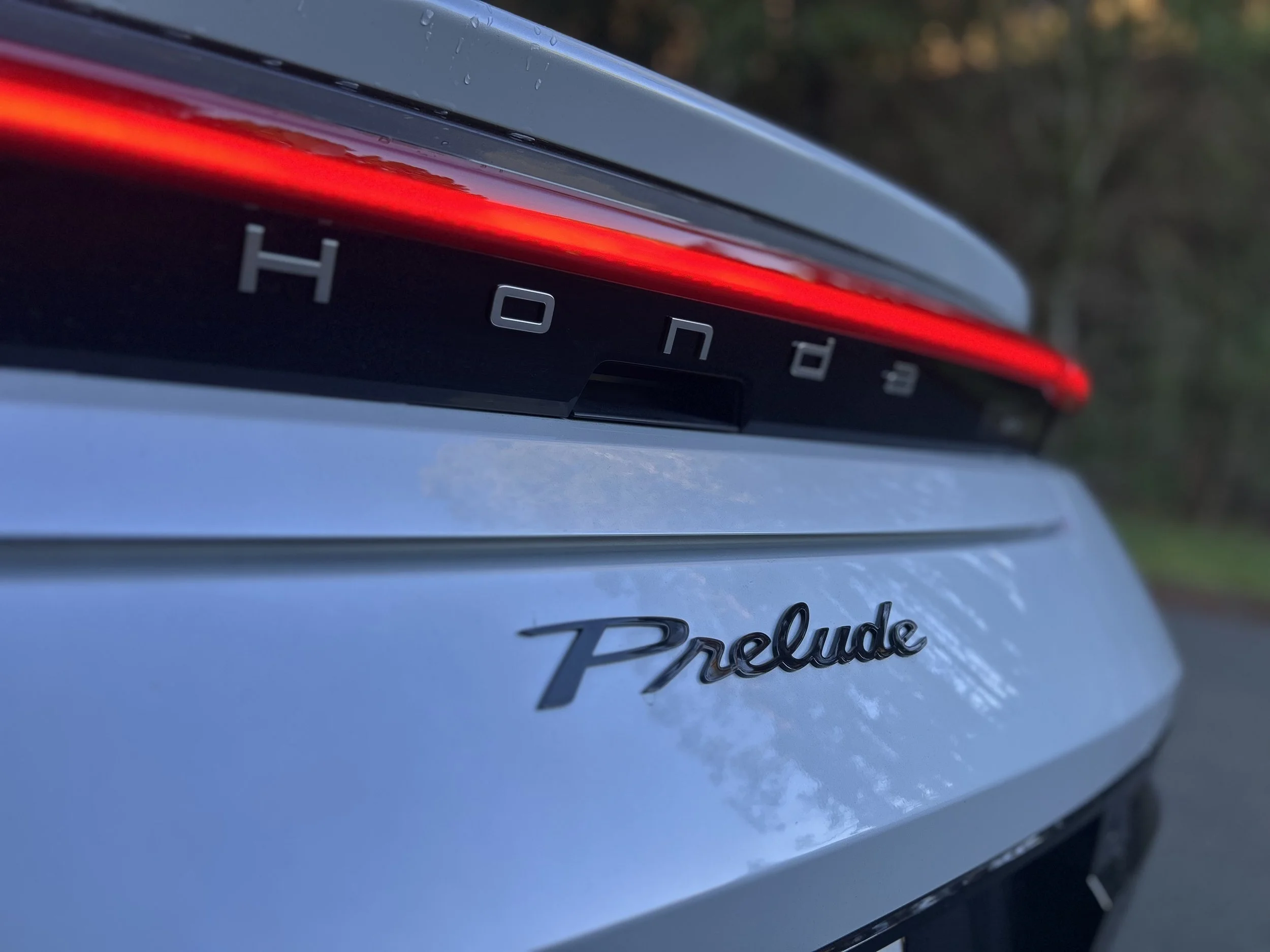
Smart #5 Brabus roadtest review: In with a shout
/The brand once known for being a small star on a watch list has developed a full-sized, fully-muscled electric time attack tearaway.
Price: $99,990.
Drivetrain: Dual permanent magnet synchronous electric motors, 475kW power, 710Nm torque.
How big: 4695mm long, 2169mm wide, 1705mm tall, 2900mm wheelbase.
We like: Everything from the power plant to the 20-speaker 2000-watt Sennheiser stereo speaks to POWER!; 800 volt architecture; suspension tuning; quirky brand story.
Not so much: Over-wrought infotainment (if you need to watch a movie, use a tablet); fake sounds; styling a touch too Tonka for remit.
CHIC, cleverly cheap Swiss watches for the masses, a teensy shoe-shaped city car for two; Mercedes heavy metal models meted massively more muscle, all with earthquake-akin soundtracks ….
That’s a LOT of crazy background packing into the full name of the flagship edition of a modern medium-sized electric crossover from a German-Chinese brand, built in Shanghai.
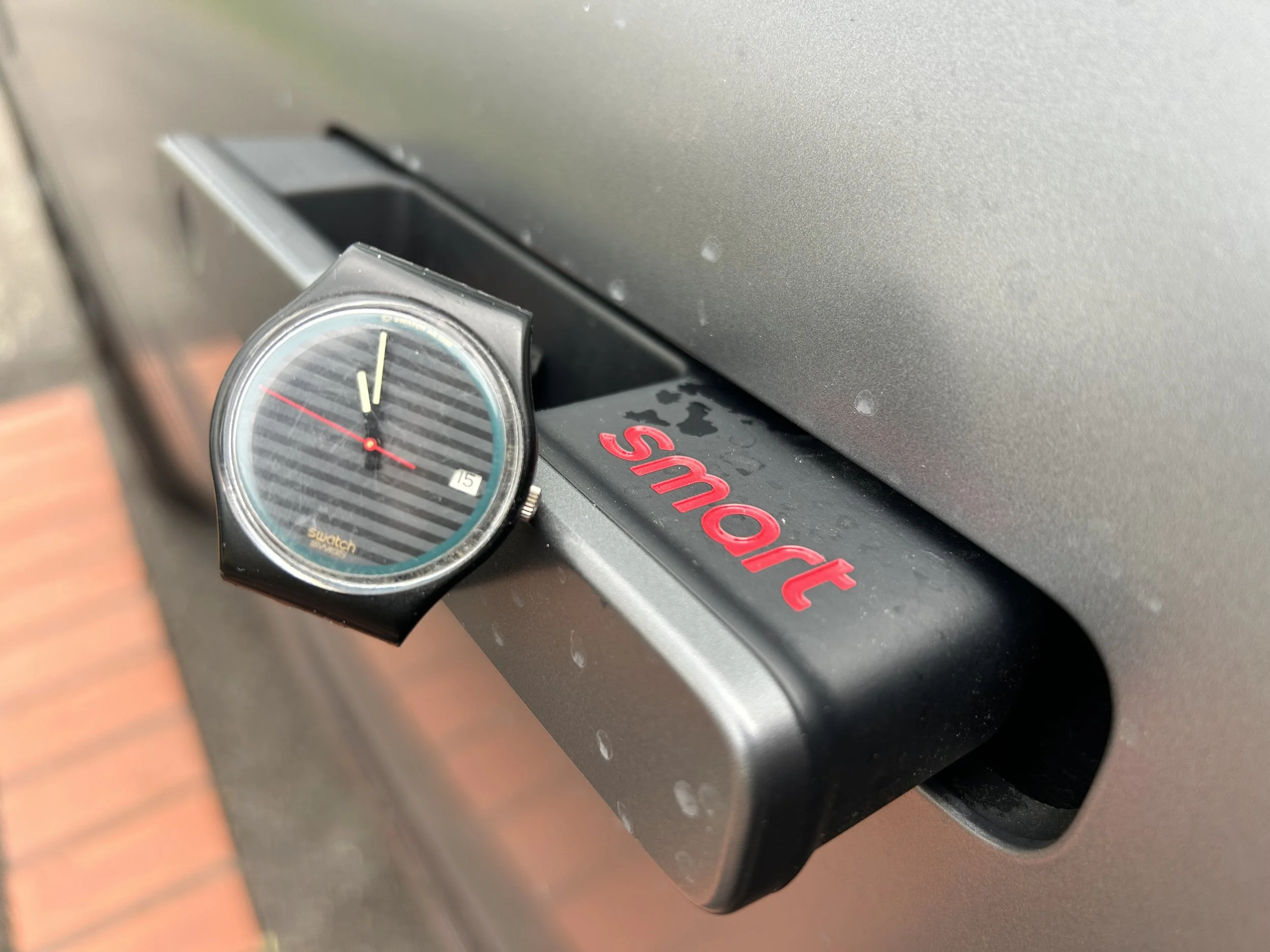
Unravelling the whole back story to Smart - originally ’S’ for watch producer Swatch, ‘M’ for Mercedes and ‘ART … for arts sake’ … is no matter of a moment. So much history, such interesting heritage.
Relating how it has moved now into a new chapter, as a Mercedes Benz partnership with Geely, is also no single sentence dissection.
And whether knowing any of it will help establish the Smart make here in what’s basically a complete restart, with new product and fresh direction, is also awaiting test.
The #5 (yes, pronounced ‘hashtag five’) is the largest Smart yet as the manufacturer moves away from tiny city cars and focus on urban mobility and instead goes after a larger, more profitable audience of SUV buyers.
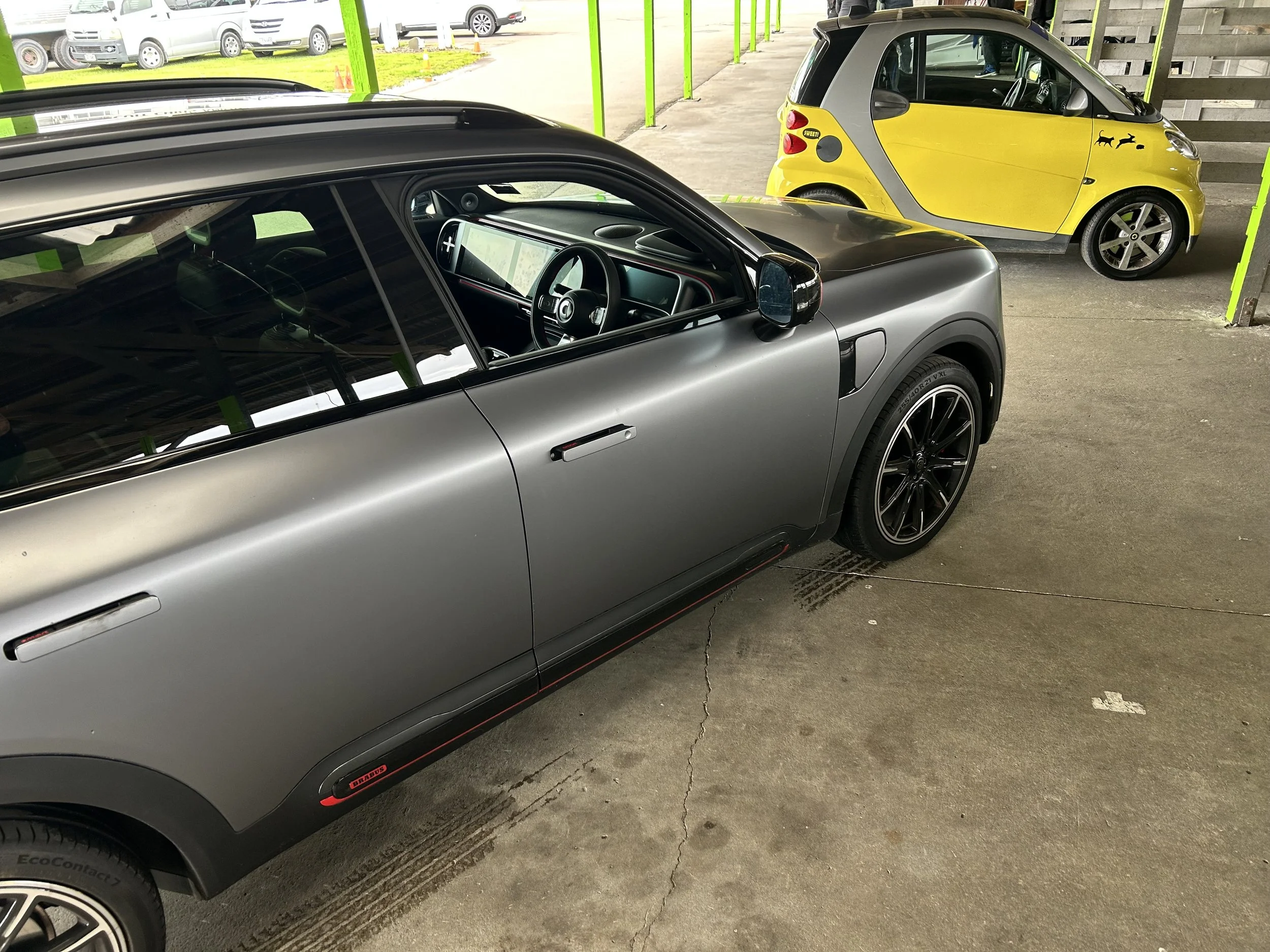
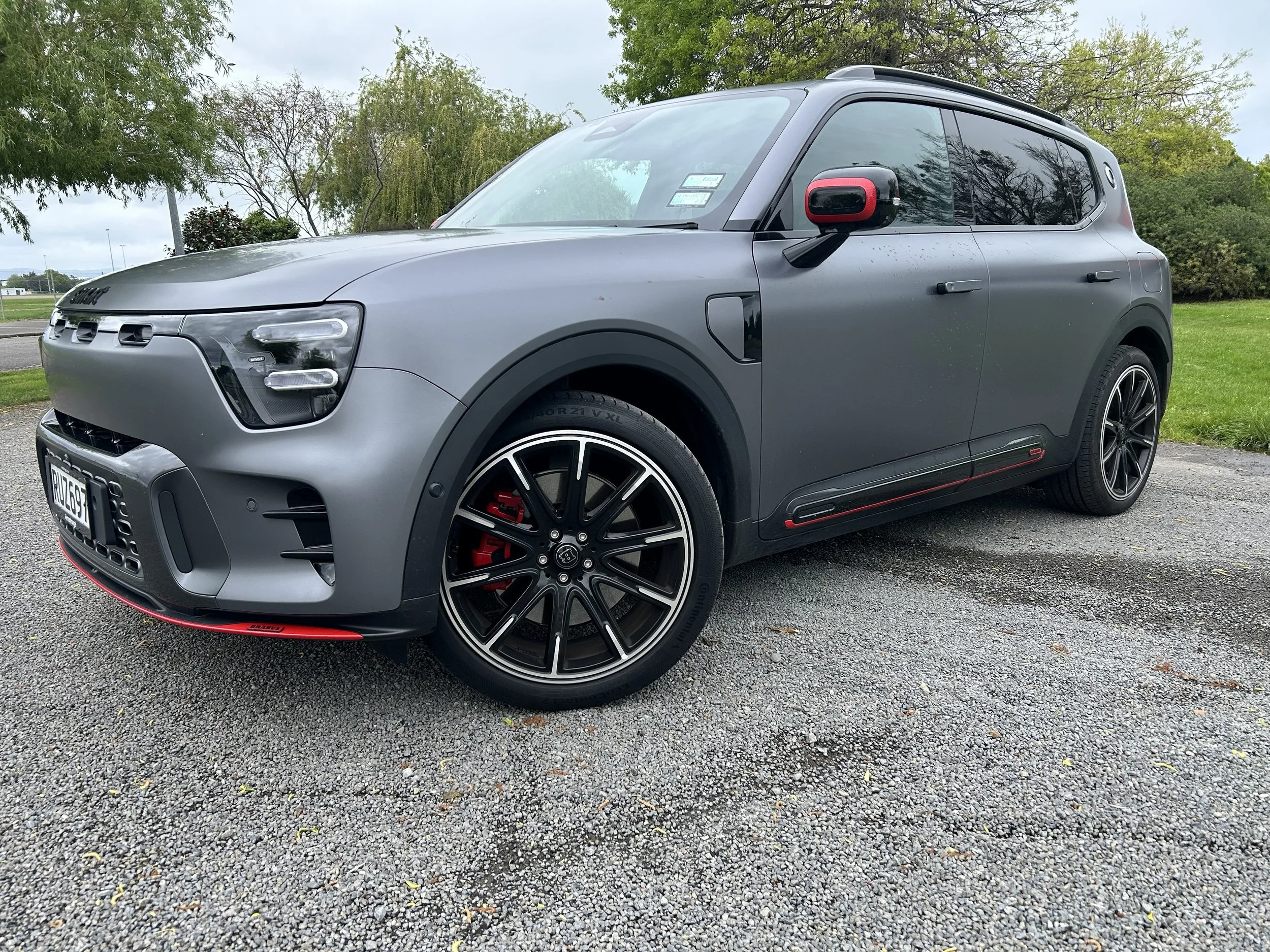
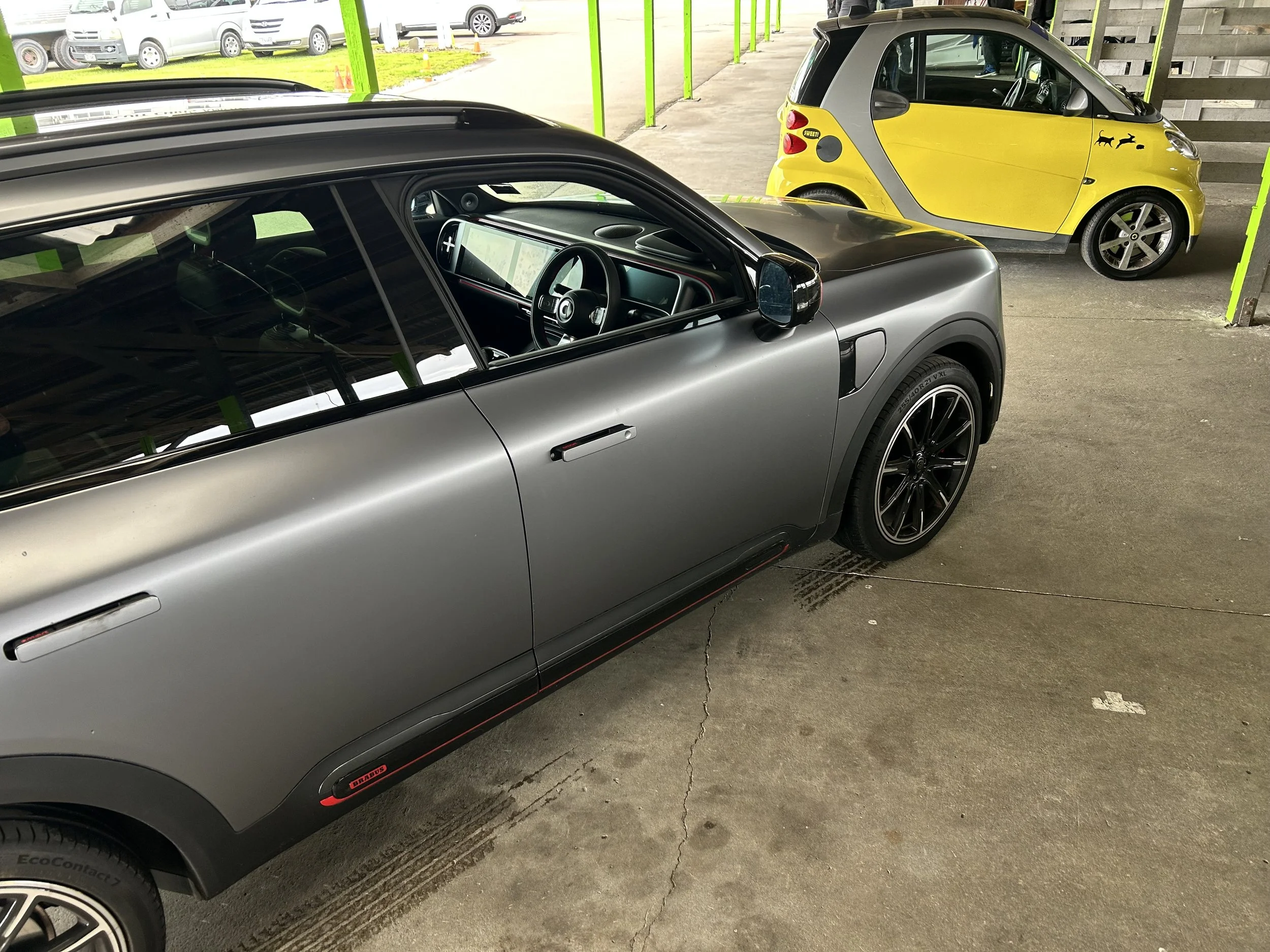
Putting the test car with an original Smart showed how much larger the current size limit is. Though based on a variation of the platform used by the visually more compact #1 and #3, at 4.7 metres long and 1.7 metres tall, it’s a decent-sized box.
And for all that it sits squarely, with more than a slight element of Jeep-ishness to it, there are plenty of distinctive design touches - note those are 21 inch rims - and clever features. It is – if you’ll forgive the pun – a smart-looking thing.
The flagship edition’s identity as the feistiest, most flamboyant and, at $100,000, the most expensive, opportunes revival of another ‘blast from the past’ nameplate: Brabus.
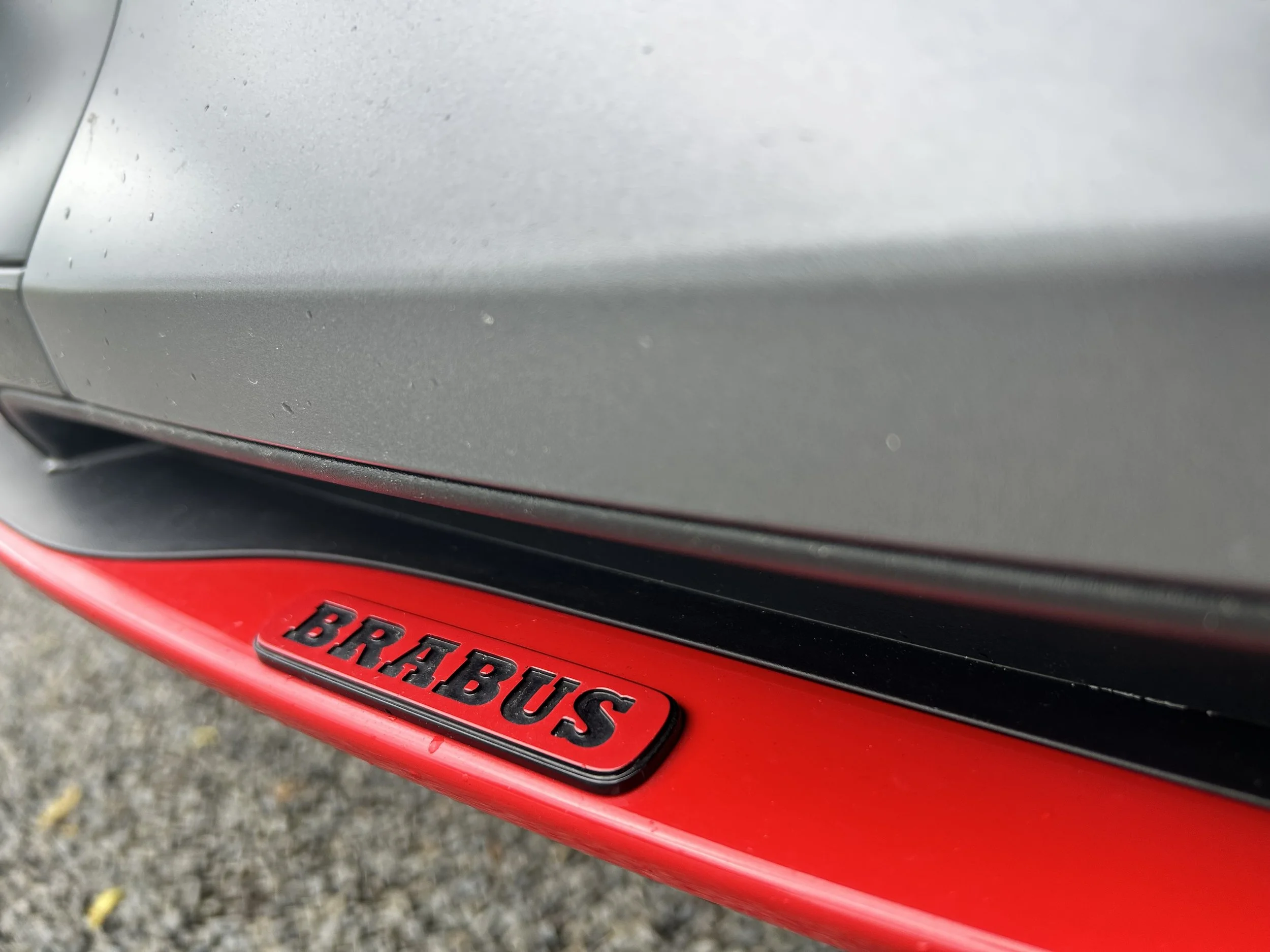
Established in 1977 in Germany by friends Bodo Buschmann and Klaus Brackmann, this German brand began as it has mainly maintained; by modifying Mercedes models for stratospherically high performance.
In 2001 the company set up a joint venture with Mercedes to tune and tweak Smart models for sale through official channels, a collaboration which continued beyond Geely affecting part-ownership in 2019, and Brabus-spec is in all three Smart cars here.
The #5 family starts with an entry $79,990 Pro Plus and longest-range $89,990 Premium, both single motor, rear drive and though performance tinged, are not in the same class as the Franken-werked flagship here.
Regardless it stands as the second fastest Brabus here, (there’s a #3 that nips in 0.1s faster) take off from a standstill to 100kmh in 3.8 seconds when using the launch control is bordering on supercar speed.
As is typical of all thumper electrics, hitting straight into a somewhat uncomfortable experience because the torque arrives all at once. It’s enough to make you feel quite queasy at times. Read the room before trying because assuredly not every passenger will thank you for doing this.
There’s more to the Brabus than its brutality, but the thrust puts in its select group all the same, as a direct rival to the Tesla Model Y Performance and nothing much else unless you want to shop for a Porsche or Hyundai’s Ioniq 5 N, which though a very polished car overall still holds a hard-to-justify $50k premium in this company.
In some other electric cars with such potent performance, you get your straight-line thrills and then there's nothing in the way of superior handling to back it up.
The #5 Brabus is better than that, but my gut feel (yes, I meant to say that) is it’s a car that demands some attuning to. It does have an engagement and genuine playfulness, but those are not elements that immediately open up and until you get to fully know it, you might find it has an element of ‘hang on and hope’.
Once recognising that Brabus talent isn’t just about bombastic punch you can genuinely carry its spirit from the straights into corners with more than a little confidence. Even when run toward its full rampaging effect, it generally feels very composed, with little body roll.
In saying that, there are also times when the zap is slightly out of kilter with the rest of the car. What also raise challenge is that if anything, at first the steering, while quick, doesn’t seem to offer a lot of feedback. Also, it takes some time to get used to the brakes, which didn’t feel as responsive as you’d expect at first. To be fair, both those things are fairly common for the electric genre.
Basically, in those moments when it all seems a bit too much of a rush, it’d be to dial back and regroup your senses. Otherwise there’s potential it could quickly get a little too demented, not least if road conditions start to diminish. Watch yourself on a low adhesion surface.
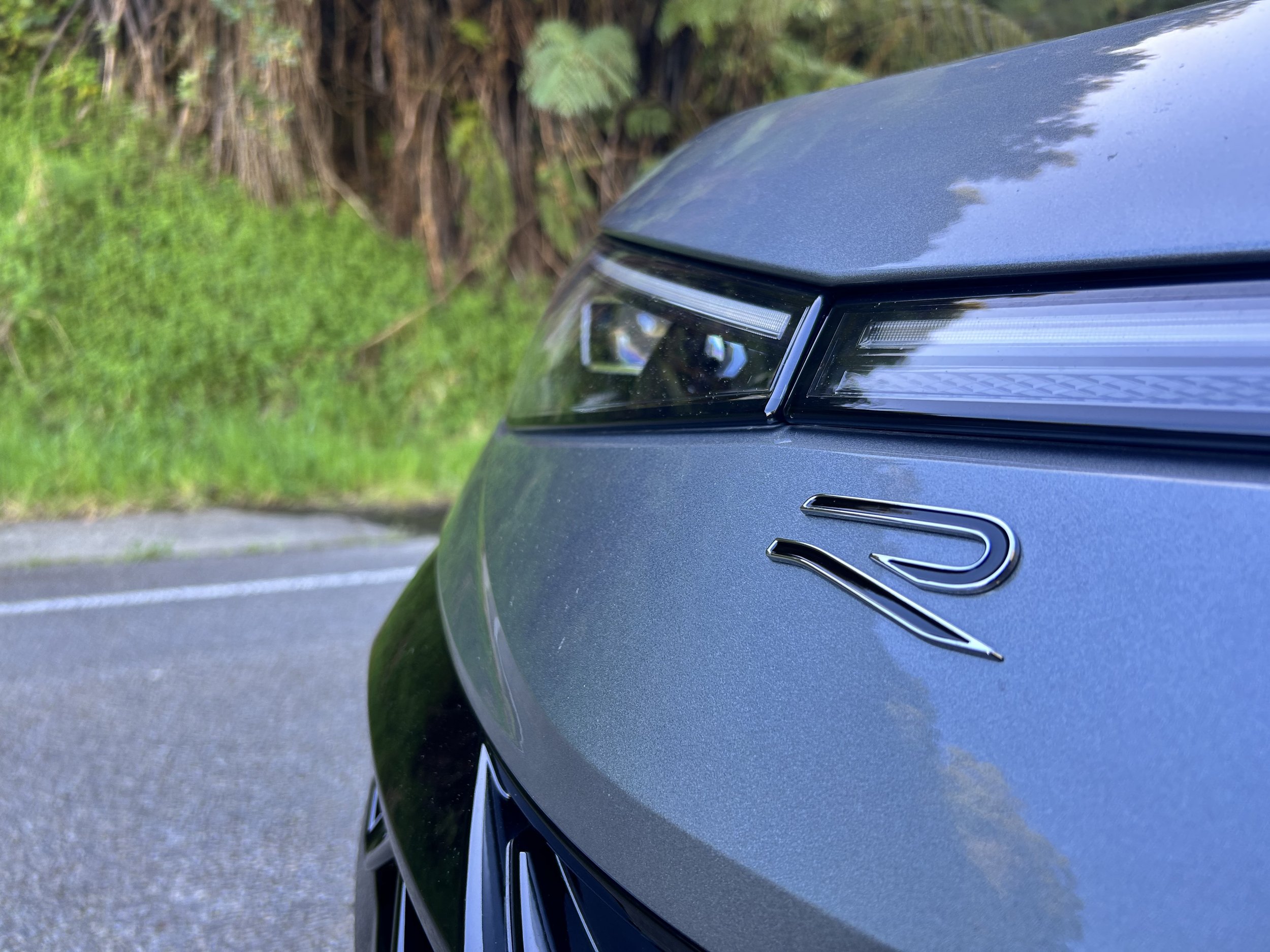
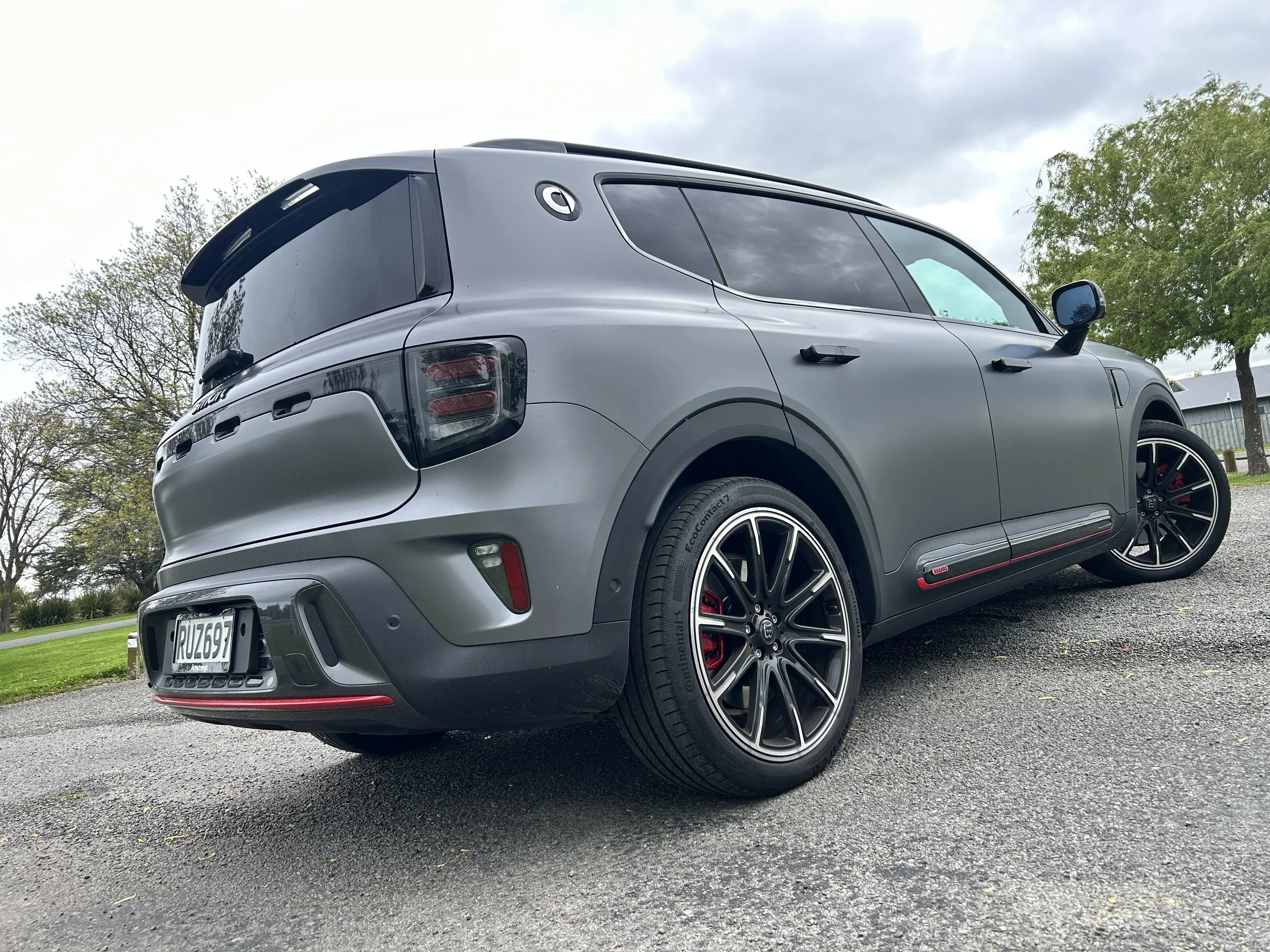
No mistaking the sizzler Smart, It stands out from the standard #5 with a small front diffuser, 21-inch alloy wheels, red accents, red brake callipers and an assortment of Brabus branding.
Plus the exterior finish. Eye-catching paint hues are a Brabus thing. At this level you get the same matt metallic grey that has in the past been a super-expensive option for AMG cars. It looks great but be aware a special wash is demanded; basically nothing with wax. Don’t risk it with any carwash. Even rubbing it wrong risks damage.
Inside, it places an Alcantara steering wheel, heated front and rear sports seats with embroidered Brabus logos in the headrests, into a cabin laden with Benz-quality tactile plastics and soft touch materials, plus some very high-end features.
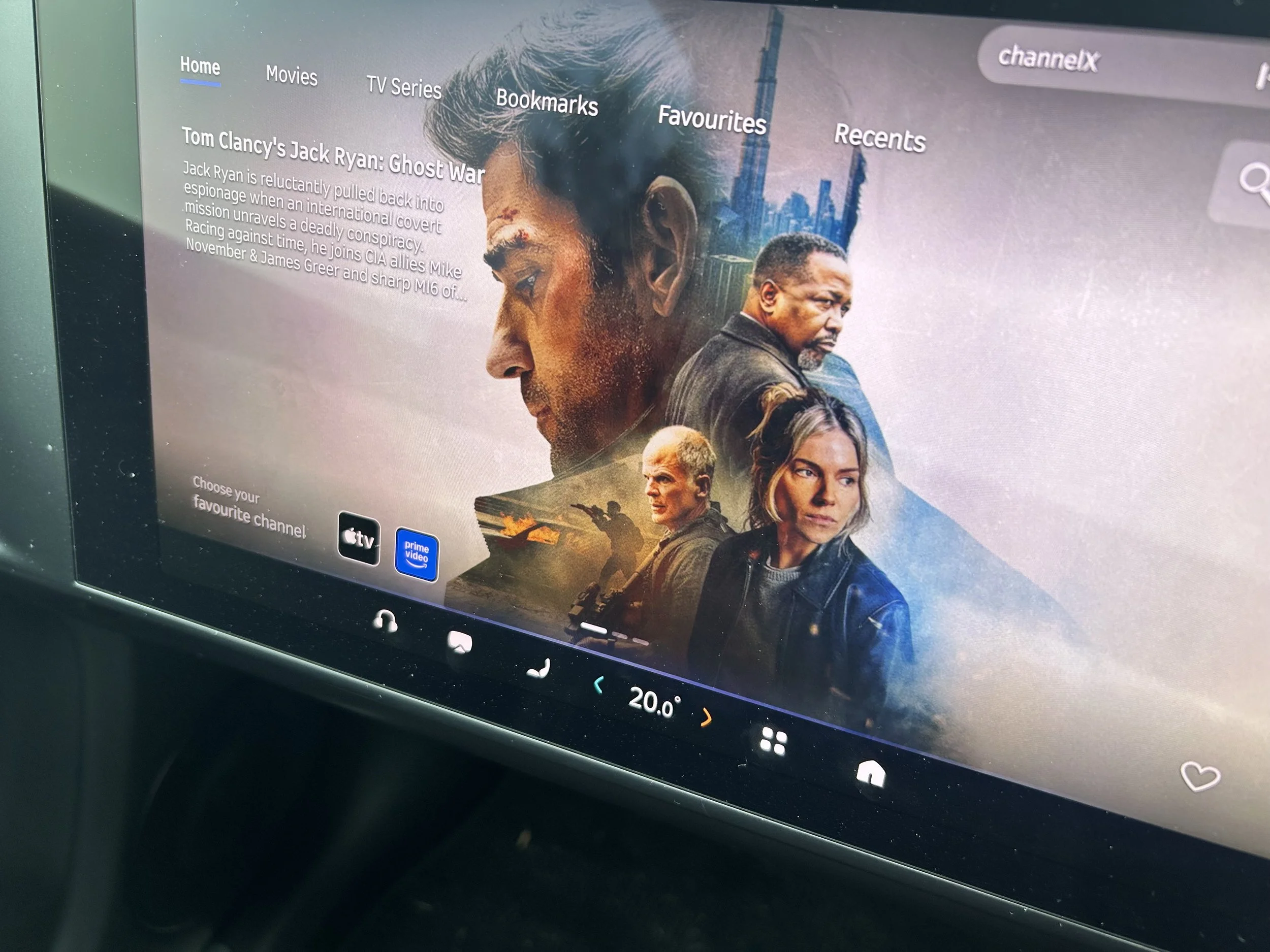
Top of those is a 20-speaker Sennheiser audio system which works brilliantly well in an environment that, while blighted by some road noise, is otherwise well isolated from outside sounds, through use of some very effective suppression including double-glazing.
These factors lend to thought that, while not Benz-badged, it is a car that has an aura of Mercedes’ influence. And even a voice; the ‘don’t forget your phone’ reminder is the very same one you hear in any Merc.
Still, the tech side of things speaks to dual nationality. During the period with this car came news that China’s Ministry of Industry and Information Technology, the same crowd that recently banned flush-closing door handles, is considering mandating makers to downsize screens and diminish functionality, due to potential for dangerous distraction.
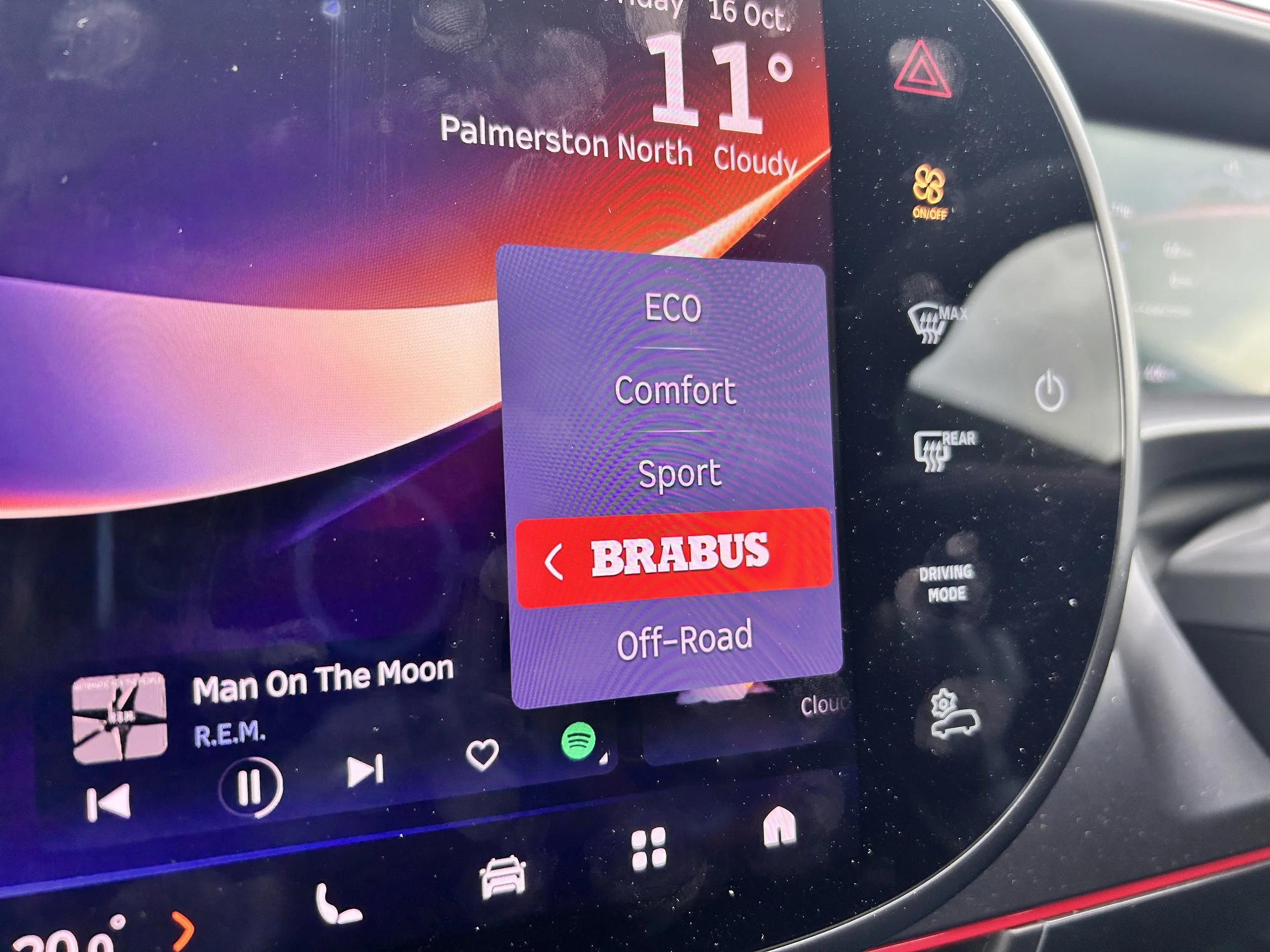
The home turf regulators’ edicts might become bad news for Smart, as it delivers with both fully retracting handles and very dominant, very involving dual 13in OLED infotainment touchscreens dominating the dashboard and a 10.3in digital instrument cluster for the driver.
Buttons can be found on the steering wheel, but there aren't many on the dashboard, where most functions are hidden away in the central touchscreen.
Though the test car wasn’t without some glitches, the technology is, on the face of it, at least, rather good. The processor is quick, so it responds well to inputs and the graphics are sharp, with an animated lion that's part of the AI voice assistant feature. There are plenty of other functions, too, including the ability to play arcade-style games on the passenger display and a host of connectivity features.
Too much? In respect to the car’s primary operation, it’s great that the displays for the driver are clear and coherent in how they impart conventional involvements and all sorts of ways to finesse the car’s operabilities. The centre screen has a busy menu, not the most heinous I’ve used, not the best, either.
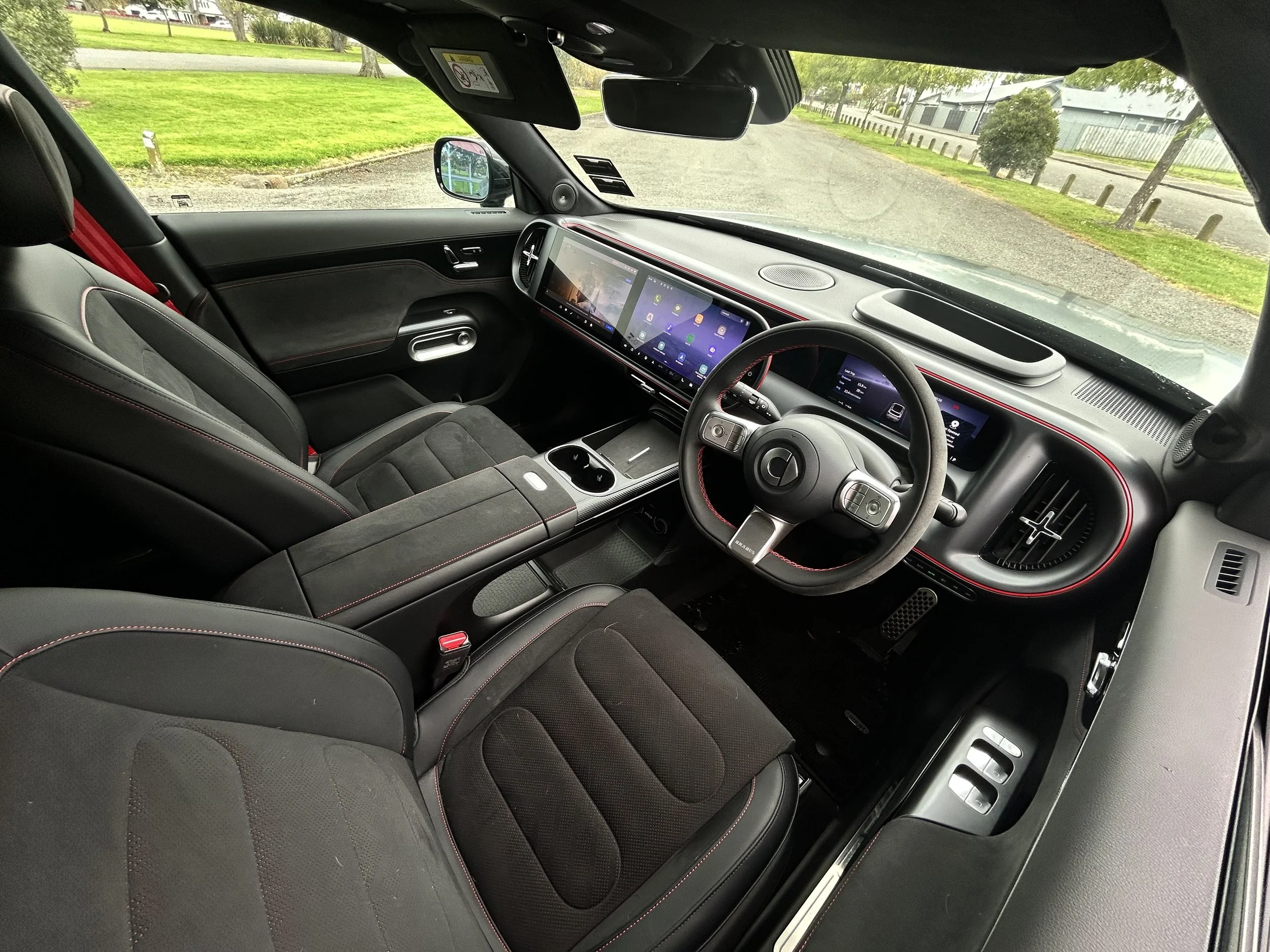
The screen on the far left is a point of contention and will surely sorely test apparatchik patience back in Beijing.
Co-pilots can can adjust air conditioning and sort seat settings, but in the main the attraction are a multitude of interactive media functions, right up to ability to log into Prime and Apple television, which can be watched on the move.
The tech is impressive, but it seems a huge effort for questionable gain, for one because the only occupant treated to a fully unimpeded view is the front-seat occupant. Those behind have to peer around big tombstone seats backs. Whoever’s driving shouldn’t be paying any attention at all, but it’s hard not to.
That it seems to go completely dark during night driving as soon as the auto headlights go into full beam, and that the sound from video only seems to play to a viewer via a headset rather than through the car’s speakers are two failsafes.
Yet the potential to draw attention from the one occupant who shouldn’t be looking is still massive. Whereas some brands put a protective layer in the screen to prevent the driver from being distracted, Smart having done no such thing seems reckless, to say the least.
To enact all of this patently demands an immense amount of computing power from what is said to be an evolved version of Smart's UX system.
It’s very obviously a big brain, but not without headaches on this car.
On the last day of driving, the infotainment screen suddenly froze and thereafter was immune to haptic prompts. Three days into test, I chose to deactivate the reversing camera, as a hitherto extremely clear and flawless view suddenly went haywire. The usual control-alt-delete solution of turning the car off, then on again, seemed to work.
A previous user having implemented their Spotify account made for some light-hearted fun. This was still active when we drove it andI couldn’t find a way to change that. I’d been using it all week and, on a Saturday drive, my wife had a turn. But whoever had the account must have suddenly twigged; our music selections would suddenly be stopped, others would enact. Naturally, we went back to our choices. The to-and-fro went on … ultimately, the account holder simply gave up.
In respect to electronic interaction, the car is wholly reliant on its remote key, with no mechanical interaction. So when the battery in that suddenly went flat, I found myself locked out.
Fortunately, this was at home, so I took another car into town to buy a replacement battery (having first gone online to look up the correct type and also how to open the fob, which is no easy matter).
That experience raised thought that in ownership you might like to keep a spare battery with you, because it’s one of those increasing count of cars that are very active in association with the key. Walk too close and it will unlock and, as you move away, lock again. On both occasions emitting a loud and quite quirky electronic note.
Speaking of sound. Augmented propulsion sounds are also a thing for to elevate a performance electric’s engagement and authenticity credentials. Purely playing to the cabin, the Smart’s four choices of Swift, Surge, Supersonic and Roaring - which most obviously aims to replicate how Brabus V8s used to sound ( surely should have been Rocket, a label Brabus reserved for its loudest product) - are all palpably electronic.
The latter’s least set to site under ‘play once, thereafter ignore forever’; while baritone isn’t at all right, it scores some points for effort into matching cadence and rhythm, plus the faux gear changes are fun for a little while when you’re daring to demo to fresh-to-electric friends how seriously quick this car is.
A fun driving experience all too often comes at the expense of comfort, not least when sports suspension tunes and large, low profile rubber is involved, but #5’s ride quality is a surprise element.
Admittedly, the big wheels and weight - the car tips the scales at almost 2.4 tonnes - sometimes make their presence felt over certain bumps, but as much as it can fidget a bit on poor coarse chip, it also seems adept at smoothing out large speed bumps and around town is surprisingly absorbent. The quietness of the cabin only adds to the relaxed feel.
The #5 comes with a choice of battery sizes, with NZ focus purely on a long-range option with a gross capacity of 100kWh, of which 94kWh is usable.
The optimal range of 589km comes with the next step down model; the Brabus's big wheels and extra power, however, drop that figure to 539km. But in this test observed energy consumption of 20kWh/100km seemed pretty decent.
This battery grabs the headlines with the ability to charge at speeds up to - and even exceeding - 400kW, though perhaps more pertinent to today's drivers is the ability to charge at up to 22kW on an a three-phase AC charging point, allowing recharge from 10 to 100 percent in around five-and-a-half hours. That’s better than full charge time on a 7.4kW domestic 'wallbox' unit, which comes to 13 hours.
A more obvious trade-off with dual motor is a reduced frunk capacity. All the same, it has a huge boot - opened, cheekily, by pressing the centre of the ‘a’ in the boot badge. Which, of course, raises the inevitable giggling …
Smart has always between big on safety. Despite occupying a tiny bit of road space, the original car was truly a hard cell; that being the tridion safety cell that so proved itself in crash testing the brand painted it a separate colour to make it a design feature. This version continues in that vein, with many airbags and all the assists you can name. That some unfortunately beep at you with what seems little provocation is another reminder that it’s made in China, where that sort of involvement is demanded.
When Smart started, it built cars for the city. The #5 is clearly not expected to be anything as constrained; it’s a big car with brash and bold ambition, all the more so in a Brabus format, which is potentially just too expressive for many. If you cannot stand the heat, there’s a more sensible quieter type for smarter money.