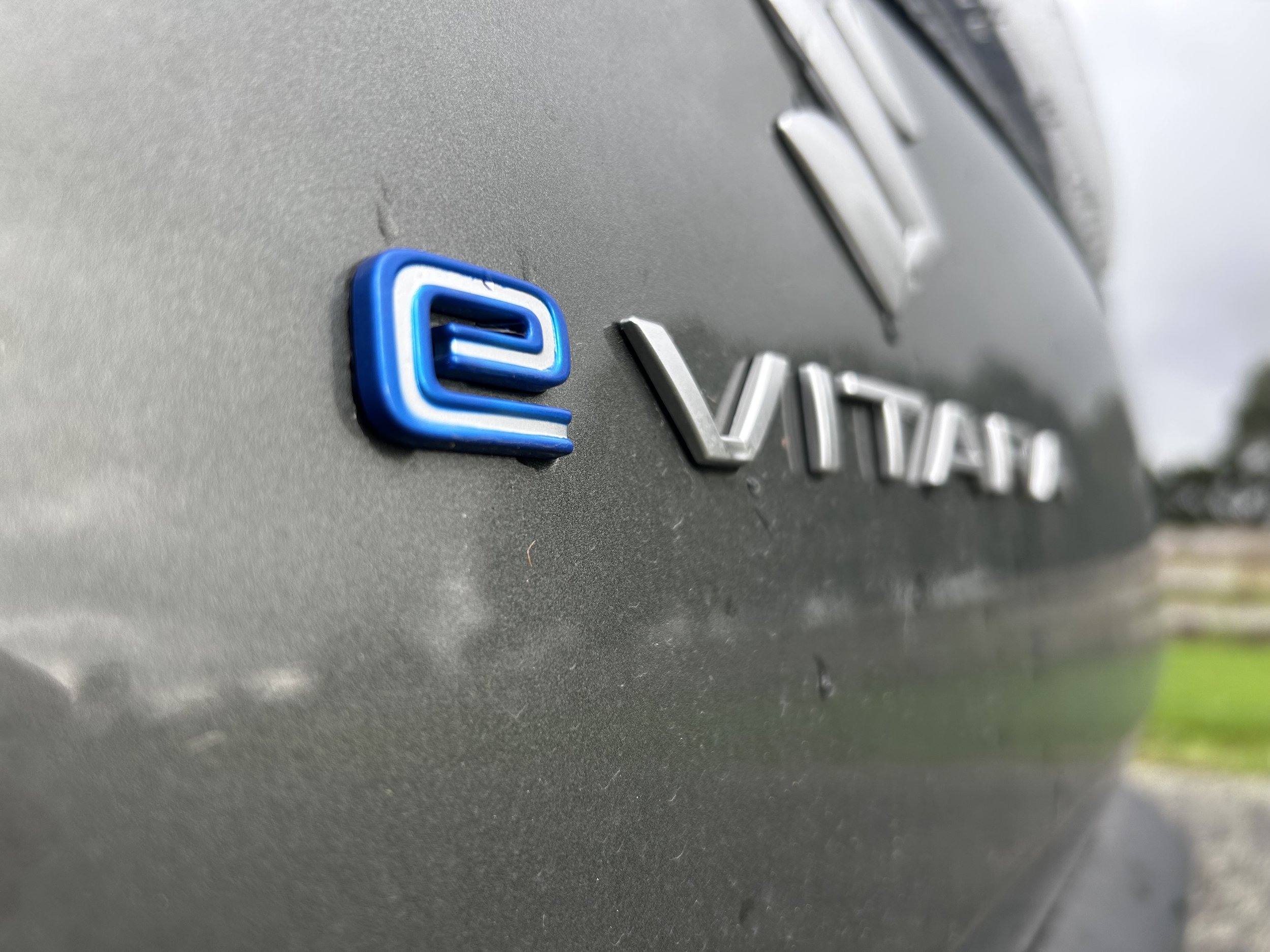
Subaru Trailseeker first drive: Second coming answers prayers
/In addition to being a big improvement on its predecessor, Fuji’s new electric more importantly also proves that ‘same-same’ can still be enticingly ‘same-different’.
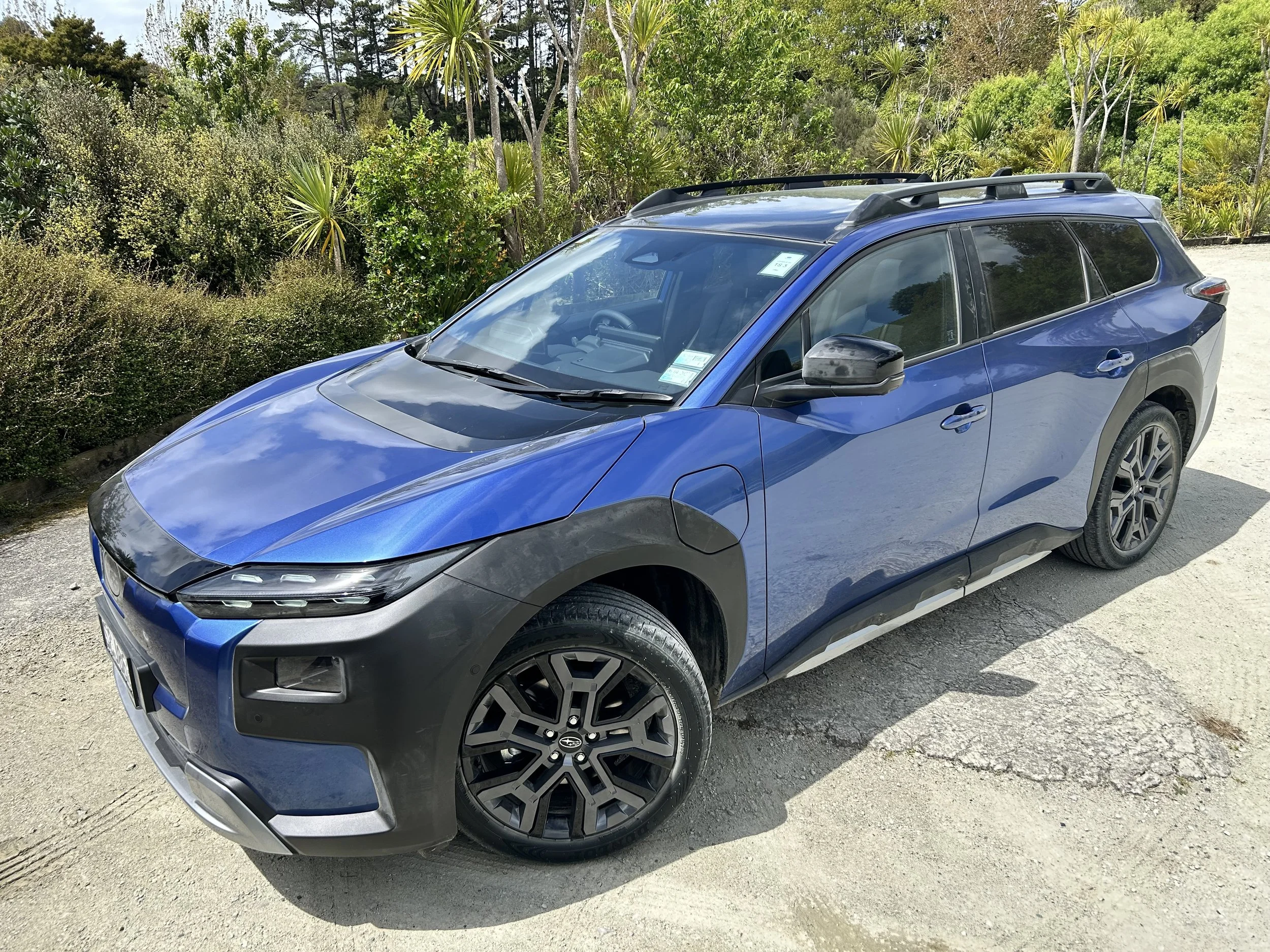
WHEN competition amongst electric medium SUVs is fierce, having any kind of tangible point of difference can make a world of difference.
With the Subaru Trailseeker, that ‘x’ factor is definite - a strong flavour of all-terrain ability is a 101 of all Fuji’s cars here, and the new electric conspires to be as ready for outdoors action as all the established petrol-wed favourites.
That makes it special because even though the category it which it places is absolutely jam-packed with choices, few are tailored for off-seal.
And among the couple that can be driven off tarmac, none have anything to match Subaru’s genuinely clever all-wheel-drive system and its bespoke provisions of drive models for surfaces including snow and deep mud, as well as a hill descent control system.
No other, that is, except this car … as a Toyota.
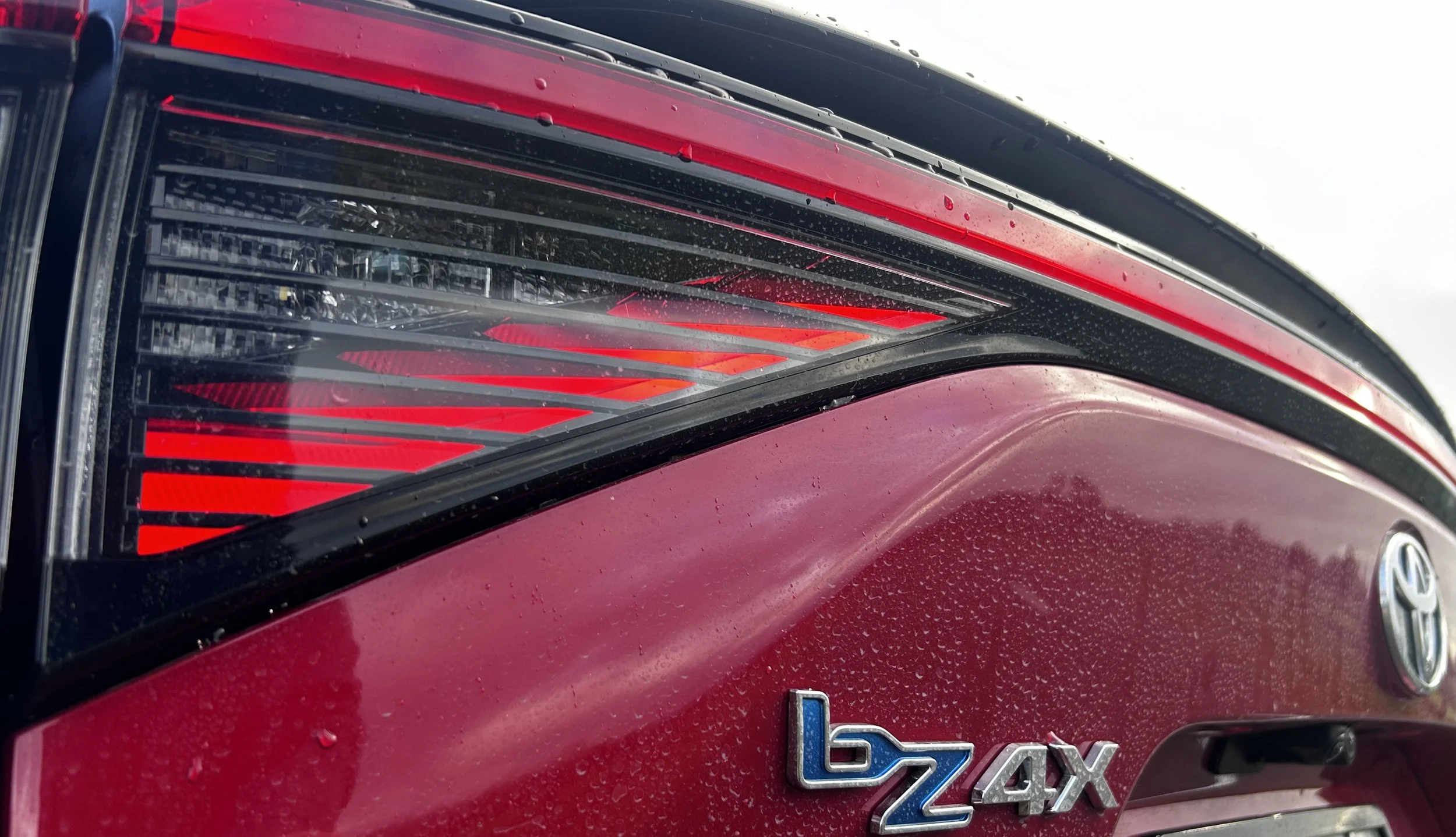
It’s inevitable the latest model from Fuji will be compared the the BZ4X Touring that settled into the market some months ago.
Toyota and Subaru partnered on all aspects of design. Surely that means they’re the same car?
In full naming convention - Subaru’s new product in best-dressed form is also a Touring - and technically, yes.
As with the GT/GR86 and the BRZ, and the standard-sized Solterra and the BZ4X, the Trailseeker and Toyota’s product are on the same platform and have the same drivetrain elements.
That means a 74.7kWh CATL battery a pair of 167kW motors, one on each axle, for a combined 280kW in either case.
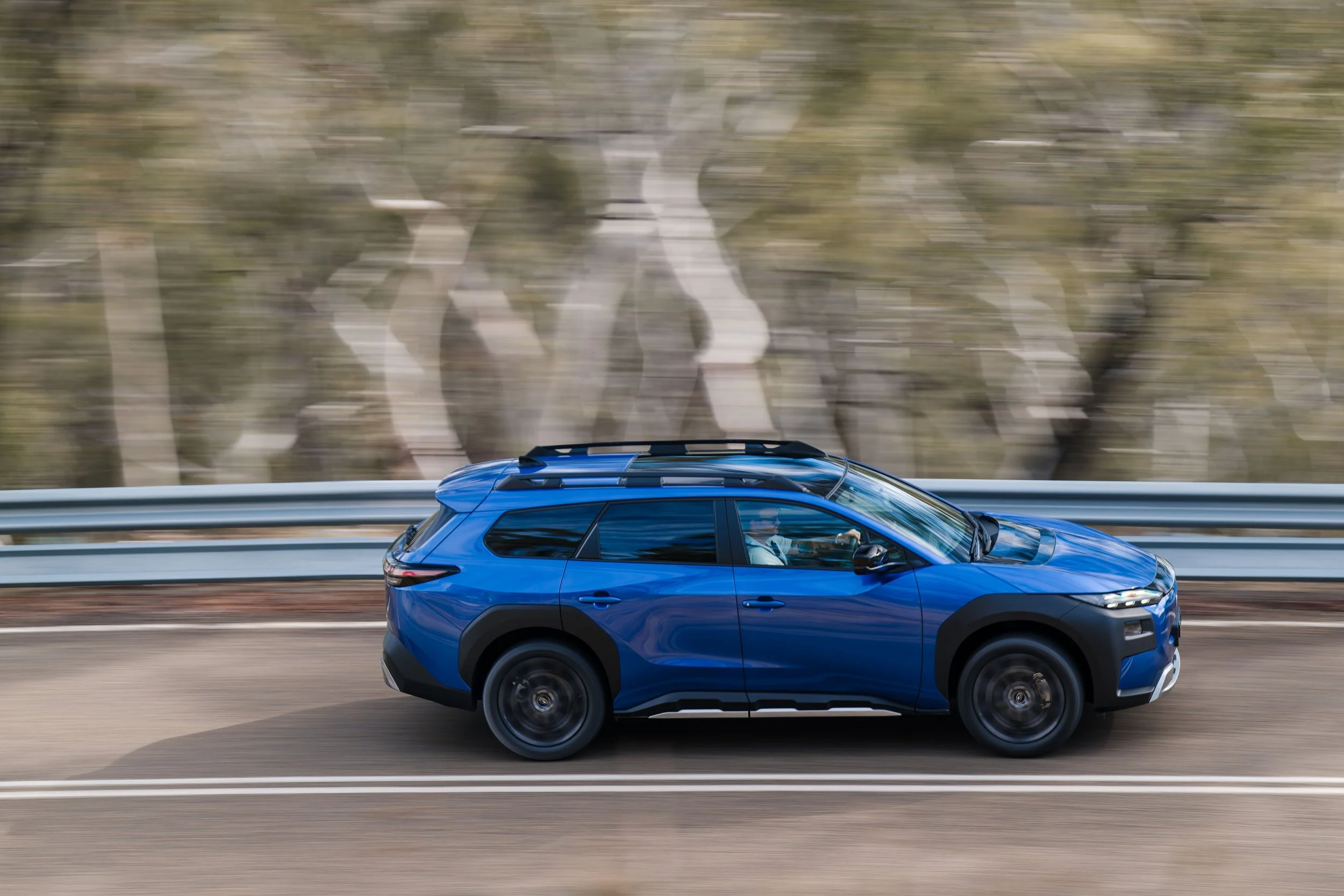
Subaru claims 0-100kmh in 4.5 seconds, which it says makes the Trailseeker the fastest production Subaru sold here. But it’s neck-and-neck with the Toyota. And the WLTP range estimates for like-on-like also absolutely concur.
Still, anyone who has taken the time to pitch the two brands’ sports coupes and predecessor electric SUVs into head-to-head contests will surely testify that same-same can nonetheless be same-different.
It’s not just because the brands’ respective styling departments have ensured each has something of a bespoke look (while keeping absolutely the same silhouette). It’s also due to the specialists who sort the dynamic tune.
Judge the Trailseeker simply by kicking its tyres and you’ll be ignorant of the potential benefits of the latter.
Indeed, if any decision-making is simply based on what you see, rather than feel, then the list of specific alterations will be pretty short.
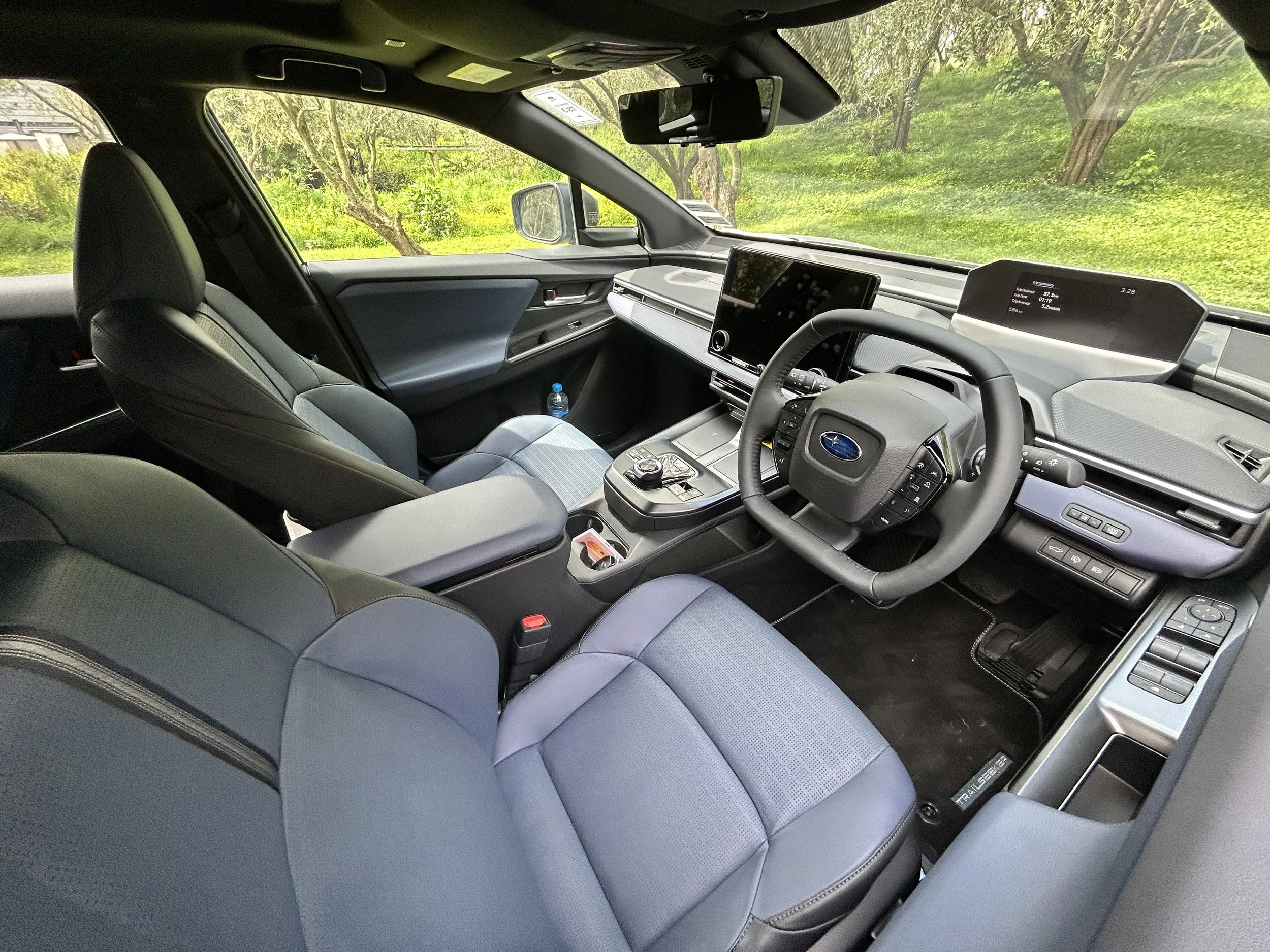
Most obviously, within the cabin, Subaru has gone for a steering wheel that’s squared off at the top and bottom in preference to the perfectly round kind in the Toyota.
It has also chosen for some different seat trim materials; a primarily cloth type in the base which looks hardy feels good and a blue leather in the Touring that’s visually an acquired taste but is also of good quality. Subaru also offers a spare wheel kit that, because it was distributor-developed, is not available to the Toyota. That’s about it.
Subaru NZ having decided to offer two variants - a Trailseeker AWD that costs $68,990 and a AWD Touring at $72,490 - avails choice, whereas Toyota doesn’t. But its Touring matches Subaru’s flagship on comfort spec but costs a few hundred dollars less.
Subaru NZ’s media day delivered a generous and thoughtful driving experience; a solid 200 kilometre drive south from a Bombay Hills conference venue out to Port Waikato, then inland onto gravel to Waikaretu, then back out to the venue, via a lot more country roads, all sealed.
The gravel bit was a special stage in a real sense, having been used for Rally New Zealand. It was a choice not by chance. Subaru NZ general manager Paul Mallard used to manage the international event. His dad and late grand-dad are also huge identities in NZ motorsport. Dad plotted our drive route. I sense everything based on getting to use that road.
Medium-sized family-themed cars with genuine off-road credibility; you need only check out how many Foresters and Outbacks still cram into ski field and tramping track carparks to understand how well-received that concept has been. And they also acquit well for the first stage of those getaway journeys, which invariably means running on metalled roads.
All Subarus are great on gravel and, indeed, on any kind of winding roads. The electric era equipment maintains that tradition, but sense from this initial experience is that Trailseeker has more edge than the Solterra SUV we’ve known since 2022 and is also different in driving feel to the Toyota Touring I tested for a week in September.
To understand why, requires getting a handle on the newer car’s development. The Trailseeker and Toyota’s Touring, the Solterra and bZ4X, and the Uncharted, a third more compact crossover under consideration that twins with Toyota’s C-HR+, all share a common platform.
But the Trailseeker alone is said to have been conceived purely as a Subaru. Inoue Masahiko, Subaru's EV product manager, says this new model features more Subaru parts than the others. About 70 percent, roughly, are from Fuji. It is also built at one of the firm's factories, whereas the others are from Toyota factories.
Trailseeker and Solterra, and their Toyota equivalents, have the same four-wheel drive and the same 211mm ground clearance, but the larger bodied cars have a different motor set.
In Solterra engineers provisioned a smaller motor on the rear axle; on the new product they are of identical output. Inoue-san says this decision was made by Subaru to optimise the all-wheel-drive performance.
In layman’s terms, on a low-adhesion surface I’d imagined difference between an original Solterra and the Trailseeker would demonstrate most obviously at point of mid-corner to exit behaviour.
Conceivably, the original car should be more prone to understeer, though having more ‘pull’ than ‘push’. That’s potentially the case, but in broader sense, the Trailseeker’s behaviour when skimming across loose dusty stones was different again to that of the Outback Wilderness which was leading the way.
With the petrol product, the single weightiest combined element is the engine and transmission, all located forward. In an electric, it’s the battery, low and mid-ships.
Insofar as dynamic behaviour goes, the electric is patently the faster car when the surfaces are suitable to it achieving clean traction. That, the high levels of grip and the sudden intensity of its power make it a rocket on seal. This enforces why Subaru here calls it a sports SUV.
On the metal, though the lovely, slightly tail out flowing behaviour I was witnessing from the Outback was challenging to emulate in the AWD Trailseeker; more care in throttle application into and out of any bend was needed to keep the nose direction true.
Some finessing with the throttle helps behaviour - eco is too lardy, performance too instantly reactive, the un-named mid-point seemed right - and also progressively thumbing the regenerative braking paddles into greater interaction when approaching corners delivered a settling effect.
But overall, the potentials that might enable to mirror the ICE cars’ lovely balance have yet to be tapped. And as much as it has the upper hand on every famous Subaru Technica international car from the rally era for outright off-line alacrity, it would be whupped by them all on roads like this. At least until the electric side now can emulate the effects delivered by STi’s brilliant differential adjusting DCC.
While there’s work to be done there, another element of in-house adjustment has already borne fruit. Driving the car on two very different tyres was interesting in itself, with the 20-inch rubber offering stronger grip but the 18 acing for stronger feel and less surface noise. Either way, it’s clear Subaru has gone for a sportier spring and damper setting than the other crowd.
Earlier this year I had a week with the Toyota model, and for some of that time it was taken onto country roads like these. Back then, I noted that the suspension had a surprising level of fluidity; it was good for soaking up bumps and ruts, but in return demanded the car be driven with tempered enthusiasm, due to propensity for lateral movement and pitch.
There’s considerably less of that with the Subaru, and ask result while it can be more fidgety on coarse chip, it also appeals for having greater dexterity and more coherent chassis messaging. Toyota’s touch of suppleness might appeal a bit more to passengers, but conversely the Subaru makes a stronger case for players.
As for its off-roading ability? That side wasn’t touched on the drive day, but I’d been there, done that in the BZ4X Touring and been impressed.
Just in itself, the the dual motor format is that it allows for something very few SUV-style electrics actually deliver - some genuine all-terrain capability. The generous ground clearance and a waterproof battery pack that allows it to wade through 500mm of water also appeal.
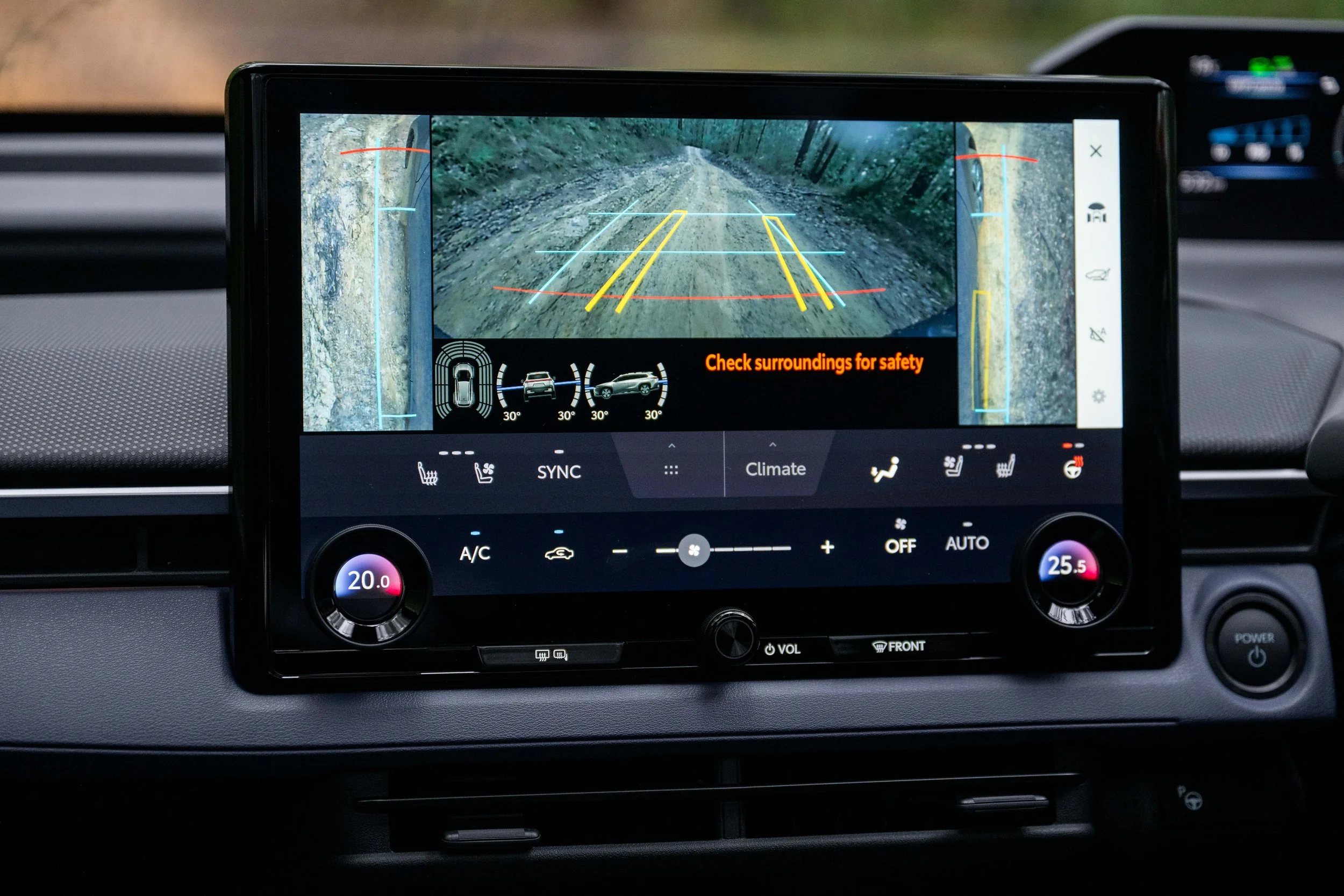
As much as the Trailseeker is probably not designed to be a full-out equivalent to Forester or Outback, from my Toyota time I’d say you should stand to be surprised by what it will do thanks to the excellent X-mode with its new grip control function, those surface-specific modes and the downhill assist. None are there just for show.
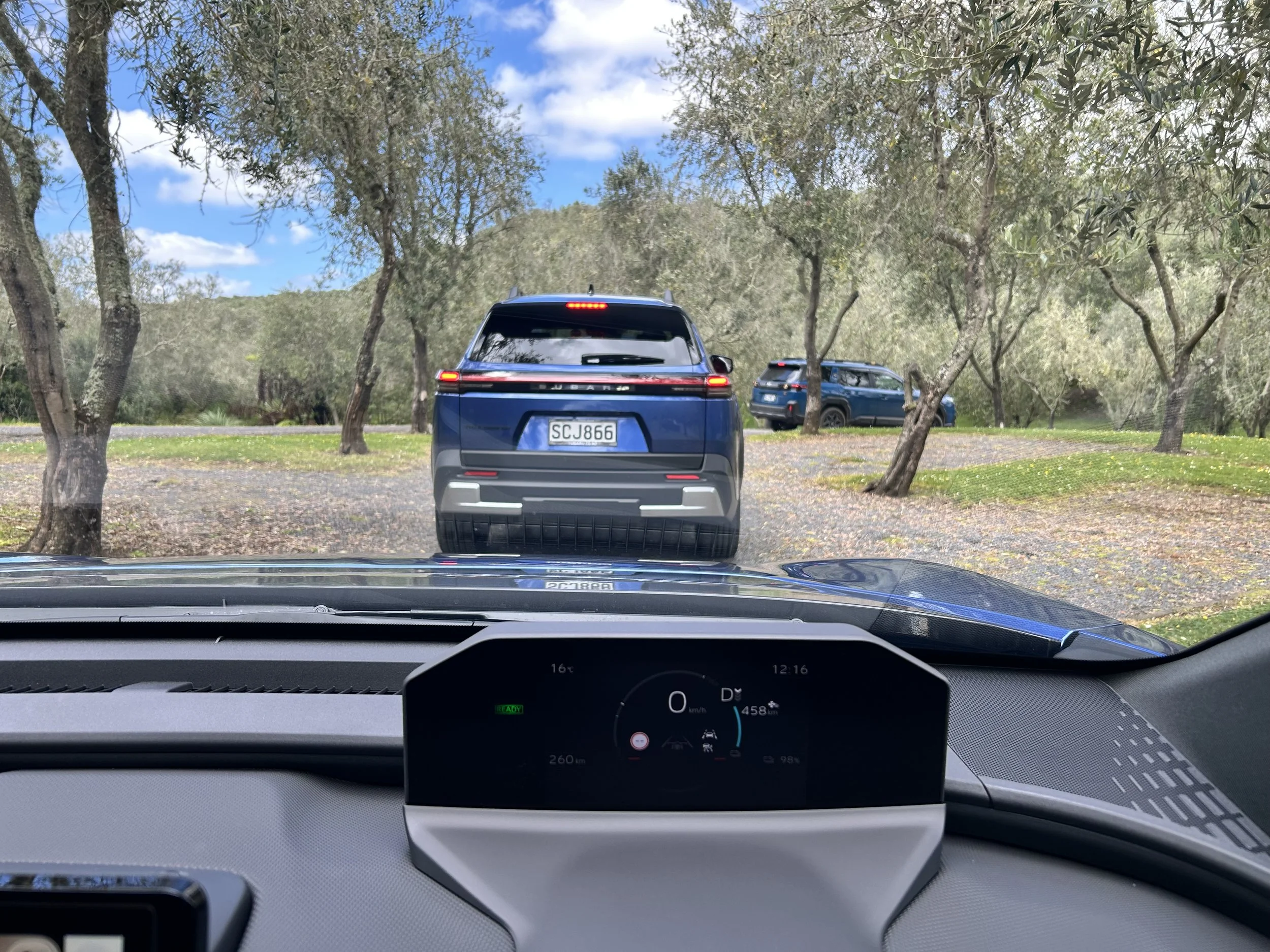
AWD or full-blown Touring? The smaller wheels having taller tyres means both have equally well-filled arches and the WLTP range of 533km is appealing over the flagship’s 488km when the accuracy of either is still subject to challenge. The cars I ran in used more than 50 percent of charge on our admittedly briskly-driven endeavour.
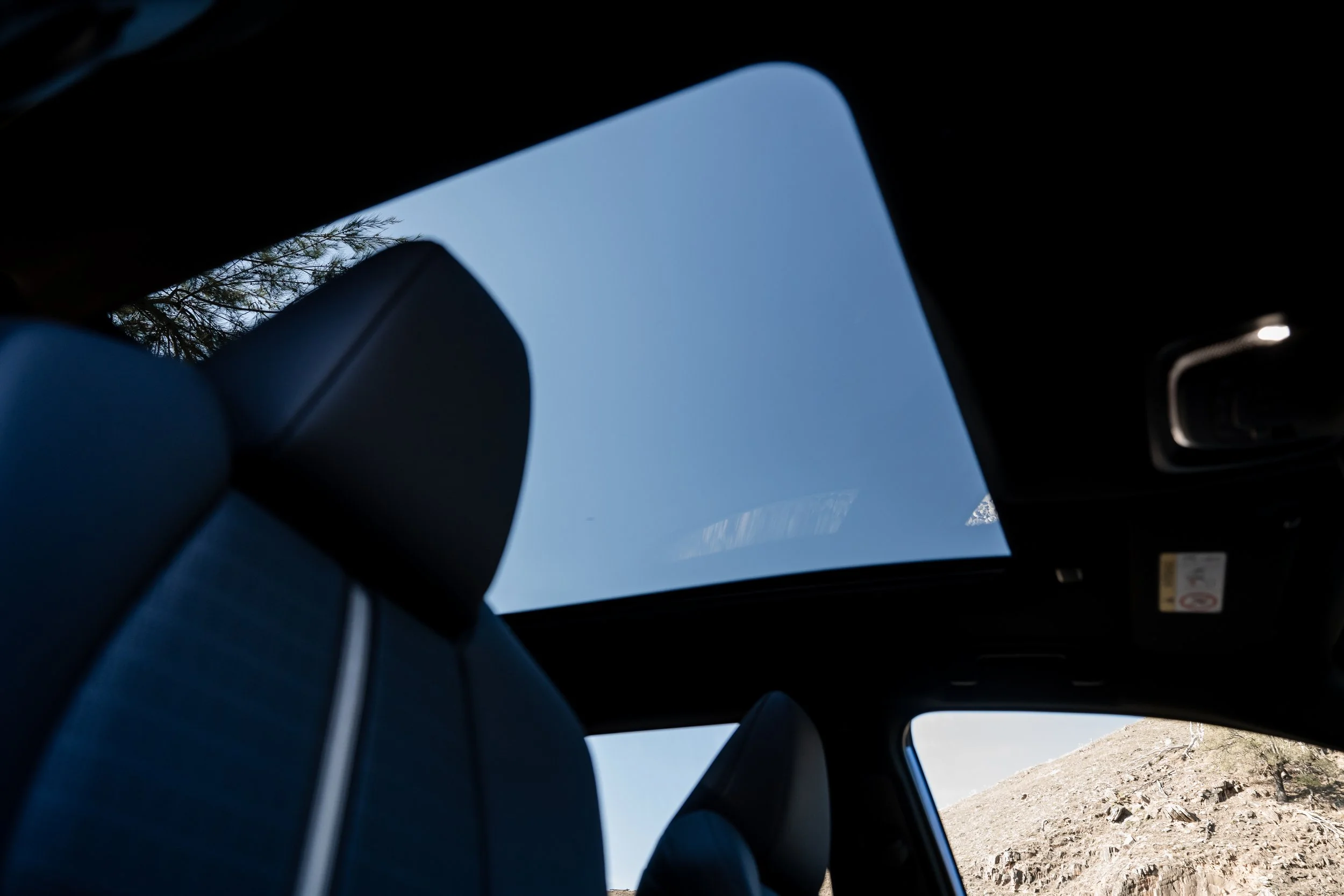
The Touring’s add-ons of a panoramic glass roof, a 10-speaker Harman Kardon stereo, leather-accented seats with front ventilation, memory for the driver’s seat and mirrors, Advanced Park Assist and a 1500W vehicle-to-load outlet are clearly appealing to early birds; it’s the car they are overwhelmingly favouring. But it’s easy to understand why longer term buy-in might start to swing back toward the AWD and its $3500 saving. It’s still a highly competent, very comfortable car.
As much as Trailseeker is Subaru’s second EV here, why the brand sees its introduction as a relaunch rather than a revival of a very real electric ambition is also understandable.
As much a original Solterra was a truly excellent idea. But high prices tags and disappointment in respect to the driving range subdued the potential.
Trailseeker’s entry chimes with Solterra’s facelift and in bringing to both a larger battery, longer range, increased power, improved towing (up to 1500kg now), faster recharging - taking feed at rates of up to 150kW, so a 10-80 percent fill can take less than 35 minutes - and sharper pricing very much addresses salient criticisms.
On top of that, as understandable as it is for Subaru NZ not to attach the alternate ‘e-Outback’ identity to Trailseeker, you can see why it stands as a more alluring alternate now for those owners of Subaru’s largest wagon.
Anyone keen to stay with the brand and the operational talents it promises but also desiring to quit allegiance to fossil fuel will find the Trailseeker very amenable.
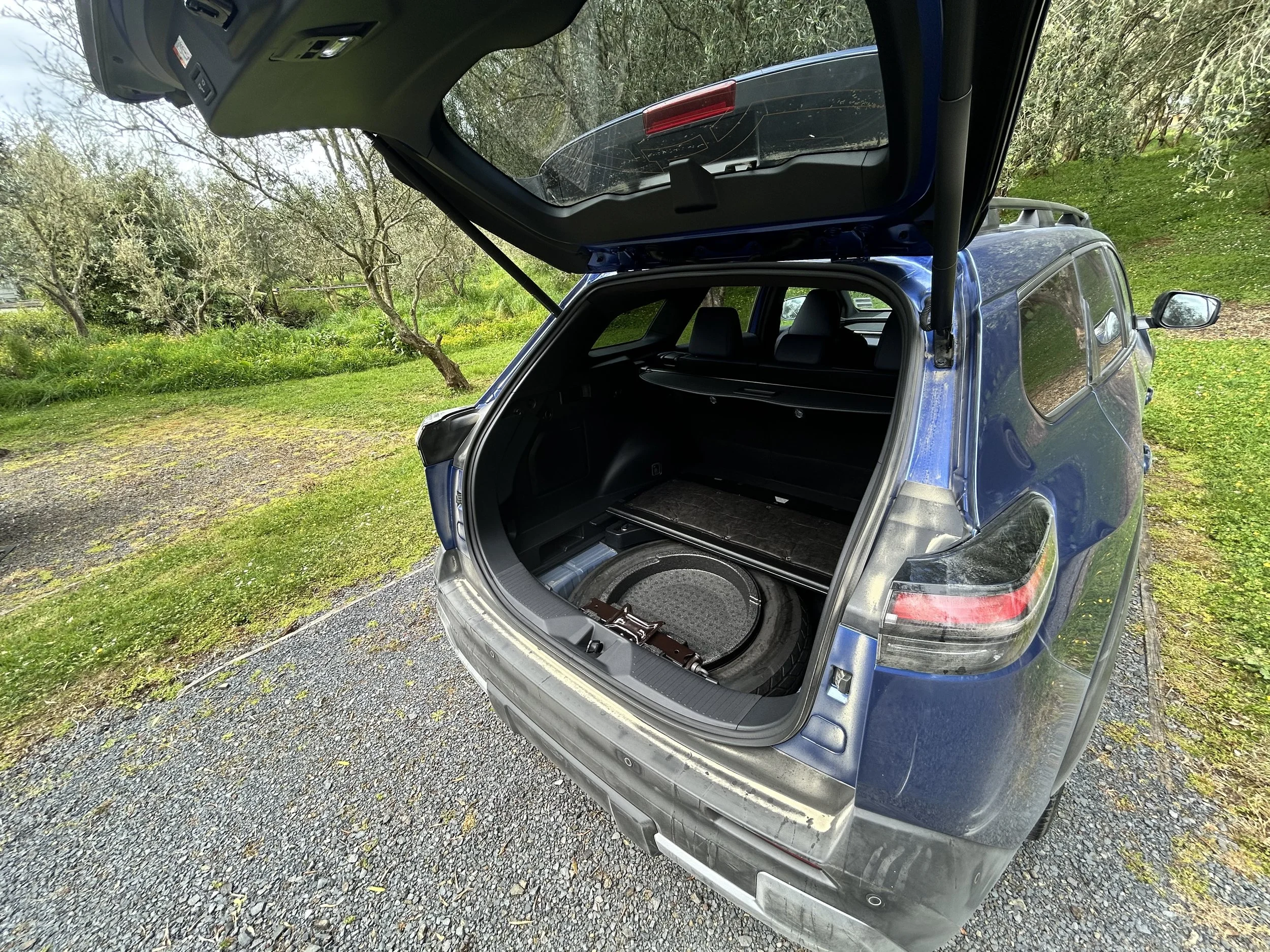
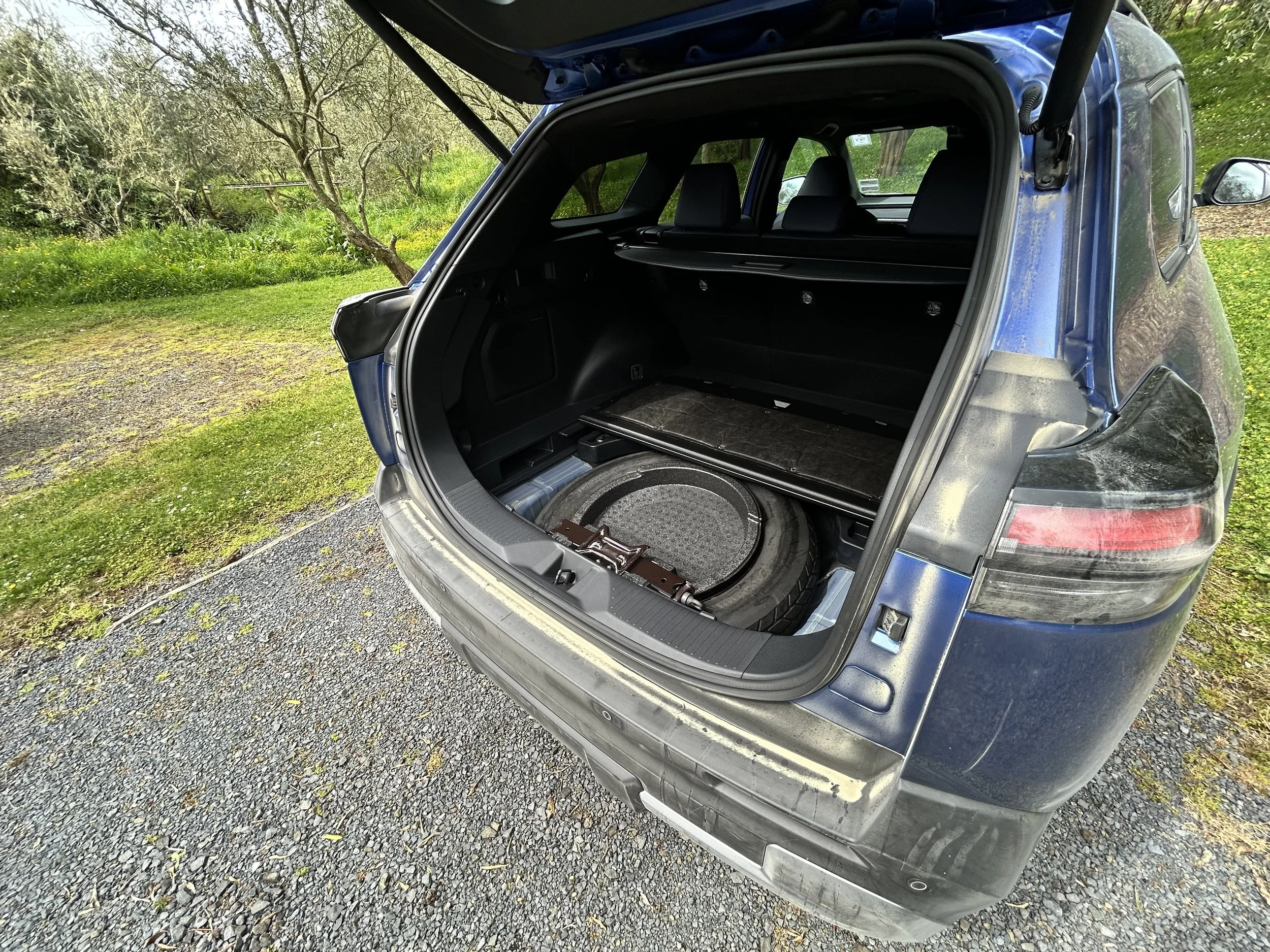
The 140mm longer, 25mm taller body style over the Solterra makes it close to Outback-sized and all that added length being behind the rear axle delivers benefit. With 609 litres, the AWD has better boot space than the flagship, though the latter’s 595 litre capacity still beats the Outback. Drop the rear seats and load scape rises to 1230 and 1216 litres, with a nice cubby for the parcel shelf. As reported, Subaru has concocted a space-saver spare as a cost-extra option to the standard puncture repair kit.
While cabin room itself still favours the Outback, in isolation Trailseeker is commodious and more comfortable than Solterra. It has oodles more practicality, regardless there is no frunk - lift the bonnet and you see the forward drive system.
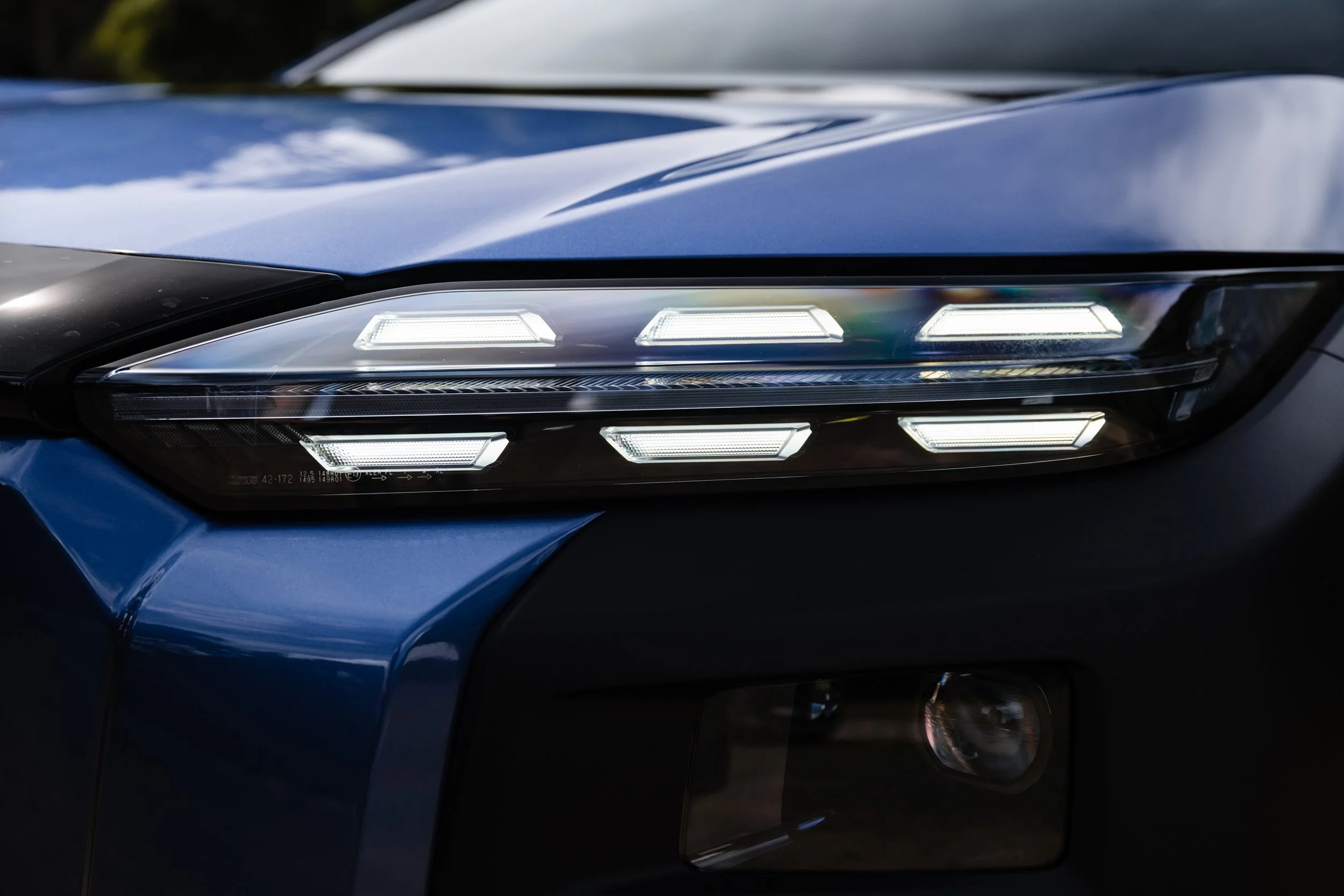
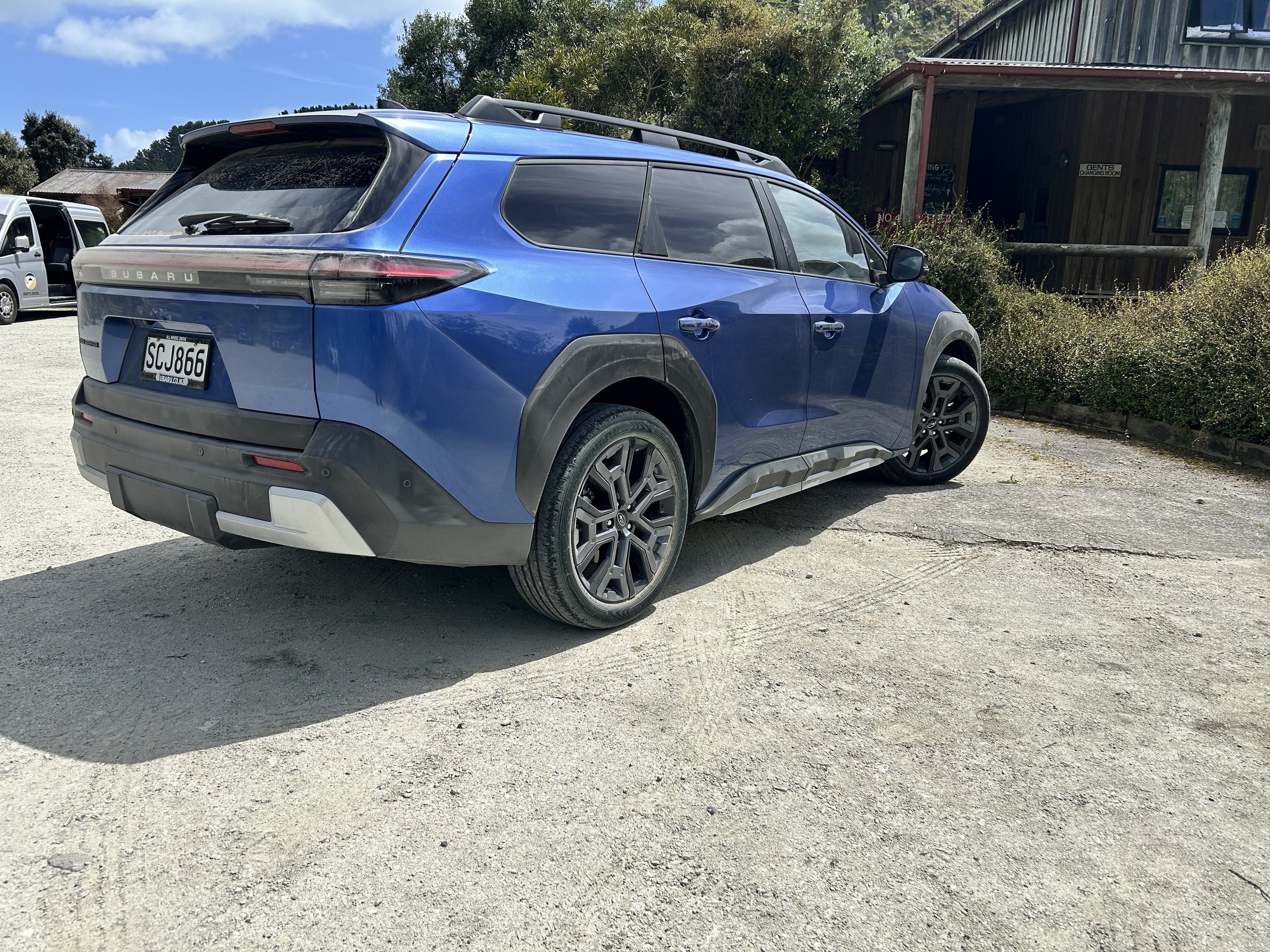
The altered shape is somehow just the little bit more visually appealing and while the jury is out about whether Subaru’s distinctive nose styling, with those squinty LED lights and blanked frontal panel, is better than Toyota’s ‘hammerhead’ appraoch, there’s no doubt the Fuji look is a much needed modernity. Also the long roofline back to a much more upright tailgate delivers a smarter silhouette.
That we had a very generous first drive and still hankered for more time in the car is surely a good sign. From everything so far learned, high potential of enticing a broader buyer base than Subaru has been used to is apparent.