Toyota Mirai roadtest review: Hard road, easy drive
/Here purely to spark discussion, this silent five-seater makes a loud statement.
Price: Off the table.
Drivetrain: Permanent magnet synchronous electric motor fed by 125kW fuel cell via 1.2kWh lithium polymer battery, 134kW power, 300Nm torque.
How big: 4975mm long, 1885mm wide, 1470mm tall, 2920mm wheelbase.
We like: Fast refills, top trumps for environmental friendliness; impressive technology; ride quality.
Not so much: Hydrogen scarcity and fuel capacity compromise; restricted rear seat and small boot.
USING the most abundant chemical element in the universe, a clean fuel with absolutely no harmful side effects - water vapour and purified air the only emissions.
At one level, fuel cell seems so logical, not least for New Zealand, where hydrogen can be easily created, wholly by various Green means.
At another? Simply a no-go. Setting up a truly national hydrogen refuelling network, accessing vehicles themselves, creating, pricing the fuel. All so challenging.
Above that, questionable need. obviously, alternates to fossil fuels are needed. Yet, at least in respect to light transport, when mains-reliant electrics are going so well and have a reasonably solid support base, why even consider going further?
There’s a saying about how better tools help us accomplish more. With petrol at $3.50 a litre, and diesel not much cheaper, isn’t time we got more serious about viable replacements?
For all the actual and perceived obstacles, there are solid reasons why hydrogen vehicles have been a buzzword for years and why major fuel supply involvers and car manufacturers keep beavering away.
Putting aside the pros and cons of fuel cells in cars, utes and vans, the idea of hydrogen-powered heavy vehicles bumping out diesels on regular routes has long been seen as a good enough concept here to provide impetus to grow an infrastructure.
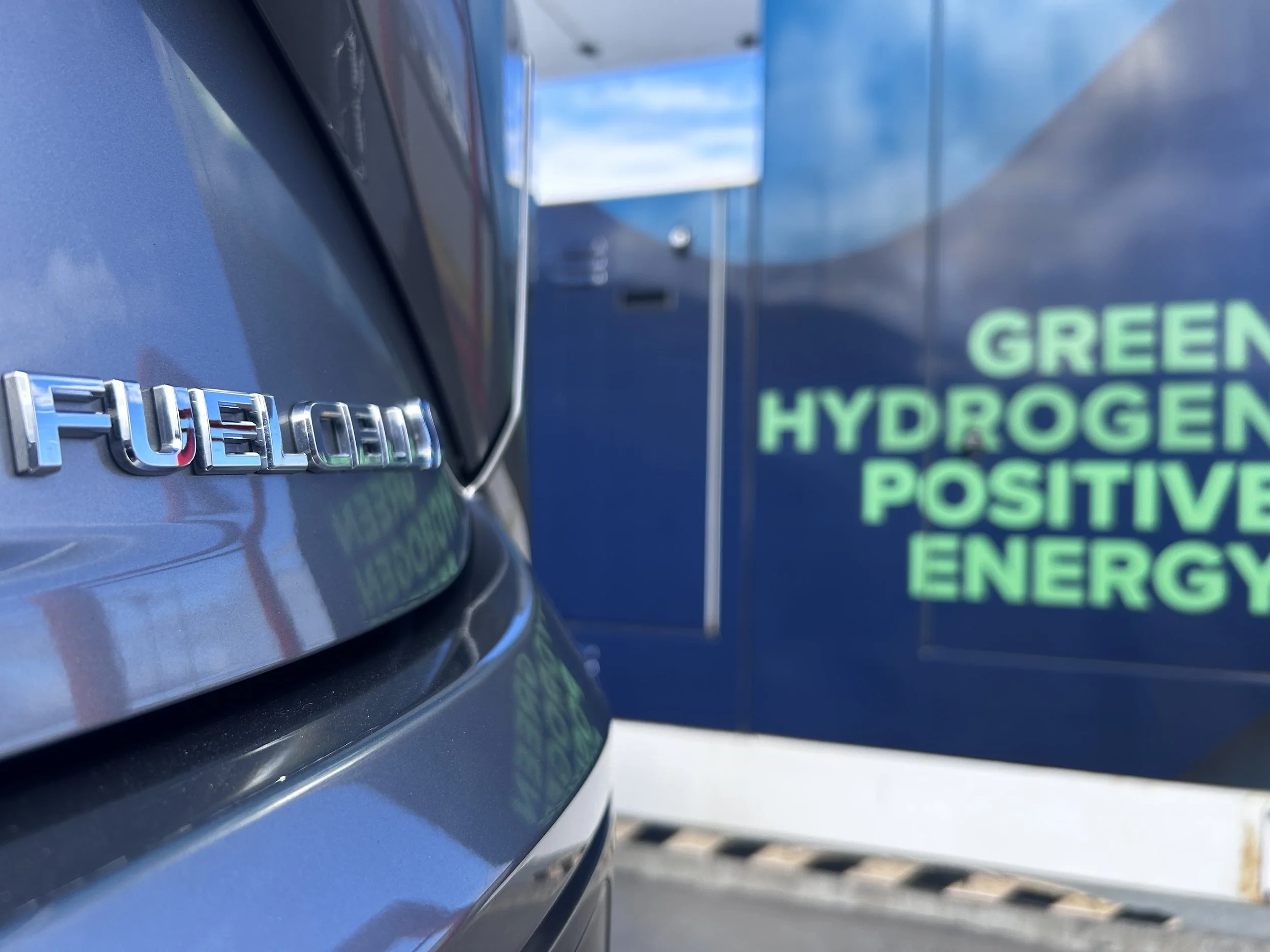
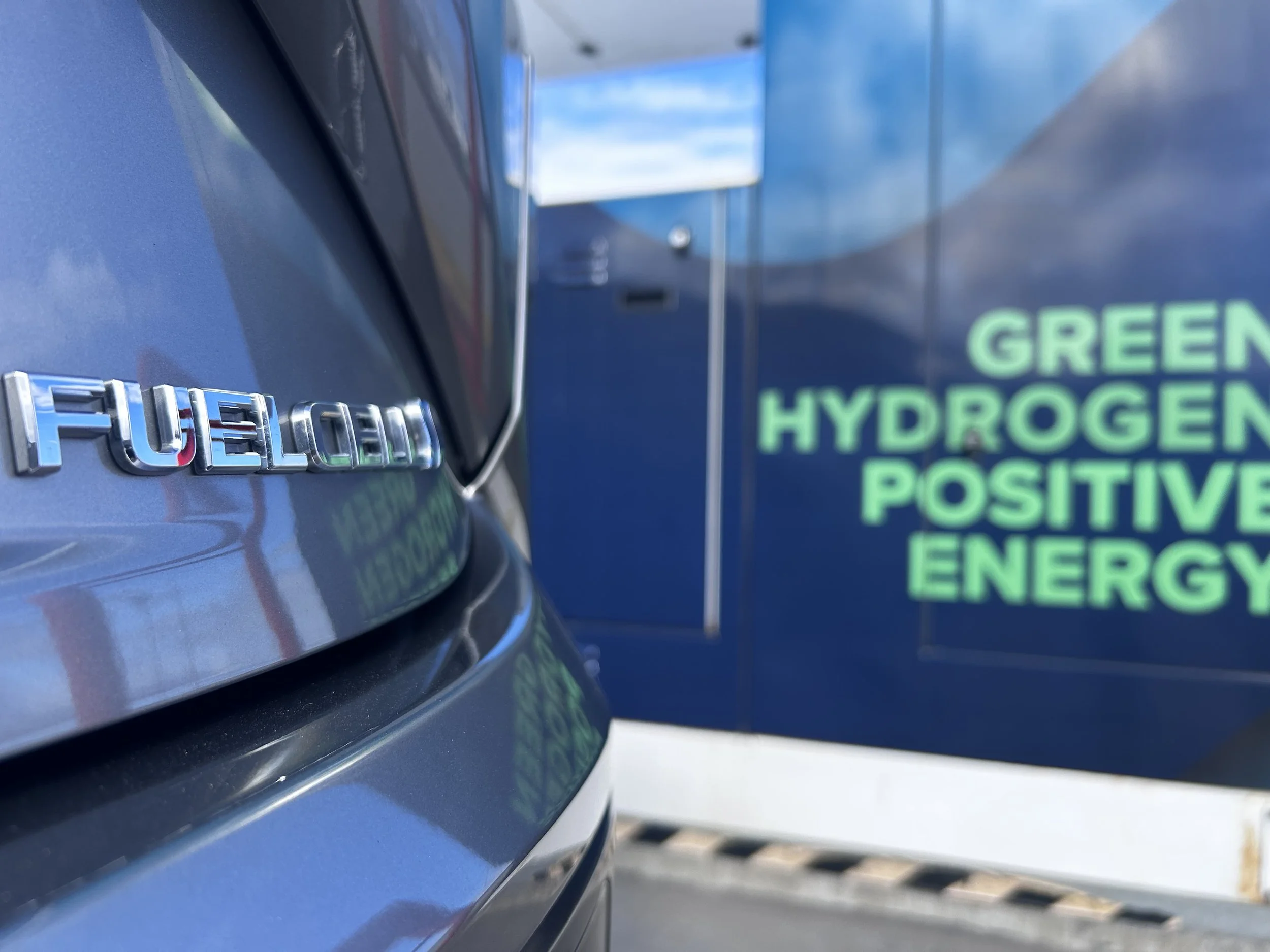
True, it’s early days. In stark contrast to electric charging stations, which are abundant and continue to be rolled out, there are just three operation hydrogen stations nationally, all in the North Island: Wiri in Auckland, Te Rapa, Hamilton, and Palmerston North.
But as any fuel cell vehicles, including cars, can use the same Hiranga sites, Toyota New Zealand has taken advantage.
The southernmost brings onto home turf a flag-waving exercise it has mostly run since 2022 in Auckland.
NZ’s high potential to create ‘green hydrogen’, so-called because it is produced from renewable energy, is fuel for TNZ’s passion.
At same token, it’s not yet committing to selling a vehicle. And if that does happen, likely as not it won’t be the Mirai. Sentiment is that this large five-seater sedan is too far from the mainstream to ever warrant retailing here.
But keeping it from the showroom doesn’t inhibit using this model to advocate the potentials of a pathway that simply won't yet suit the vast majority of motorists today, but in tomorrow’s world might.
What’s it like to drive? I’ve been hankering for years to find out. And now I know.
The Mirai as you see it here is the second-generation edition still in production. It has latest Toyota hydrogen tech, but not by any means it’s latest car. This model came out in 2021 and while still very much in production, is no longer the be-all for overall advancement.
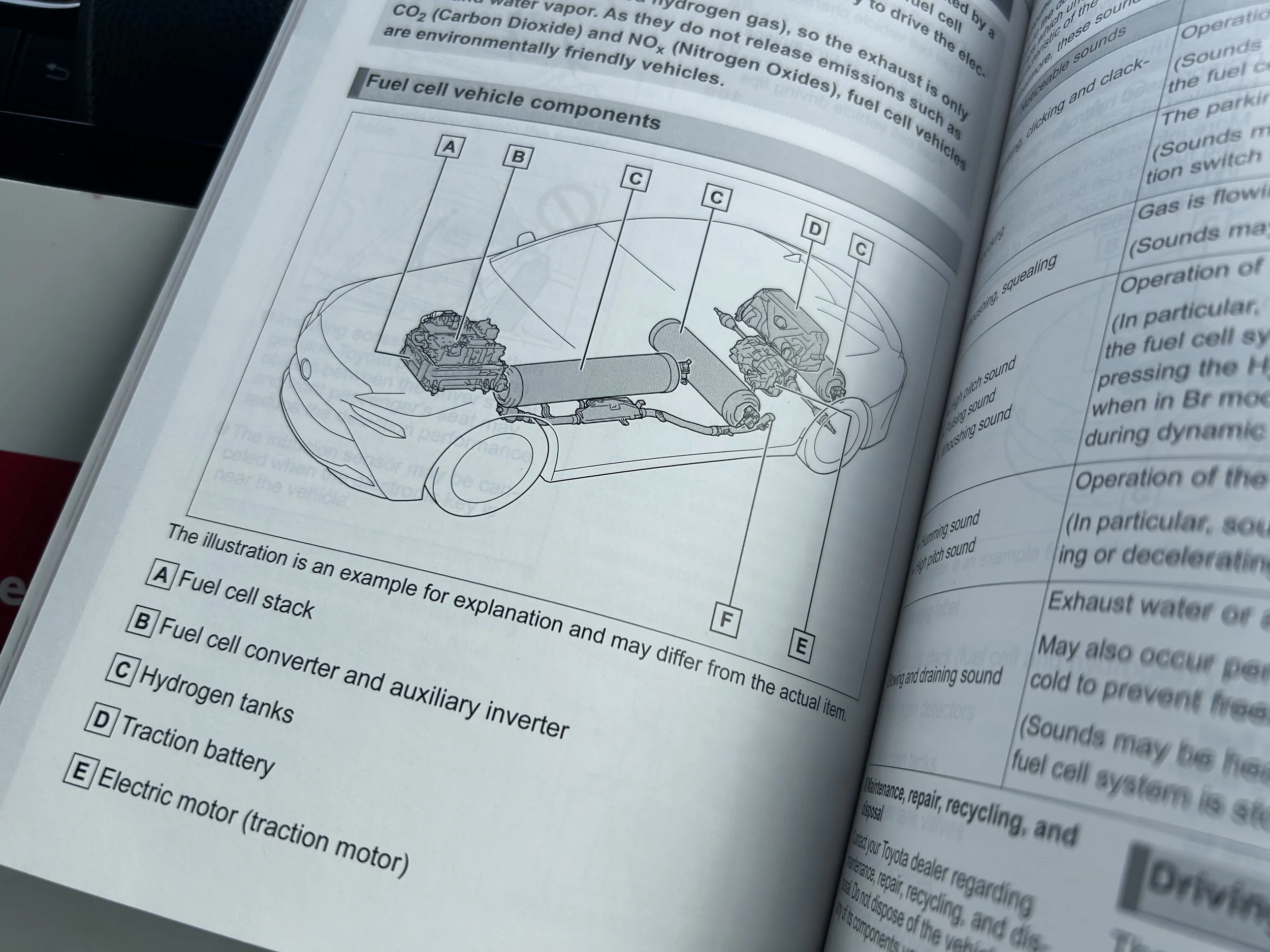
A 134kW/300Nm motor is powered by electricity that’s created by combining air and hydrogen in a 125kW fuel cell. Zap from the clever chemical reaction charges a small battery and powers an electric motor driving the rear wheels.
Press the start button, slot into gear and you’re off .… if you are one of the growing count of Kiwis who’ve come to know electric cars, Mirai’s operability action won’t seem new.
In respect to newness, the car I drove was registered in 2022, when a job lot landed, but had just 3550 kilometres on the clock, to which I added a further 373km. The factory-fresh aroma had dissipated but it still had an as-new ambience.
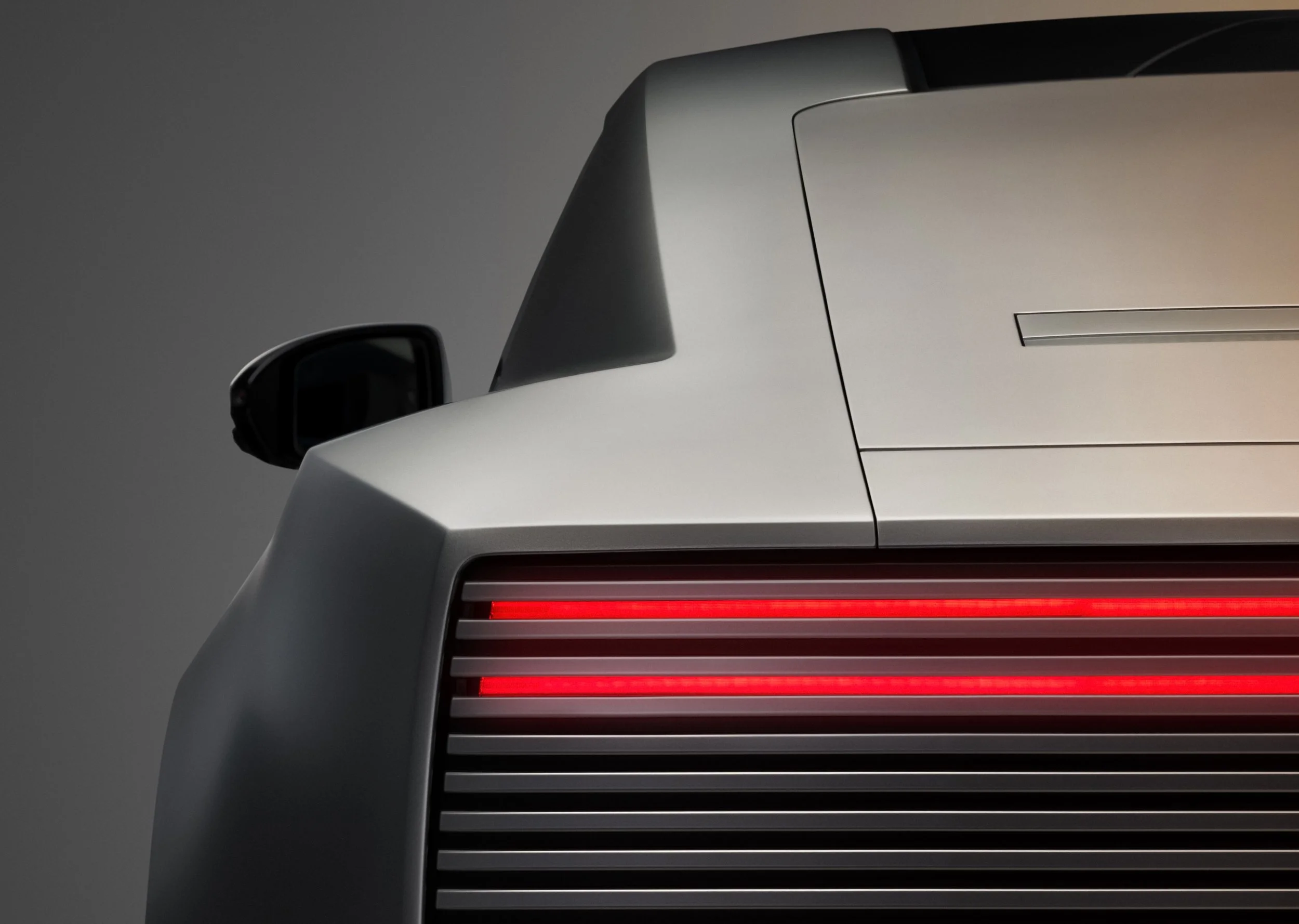
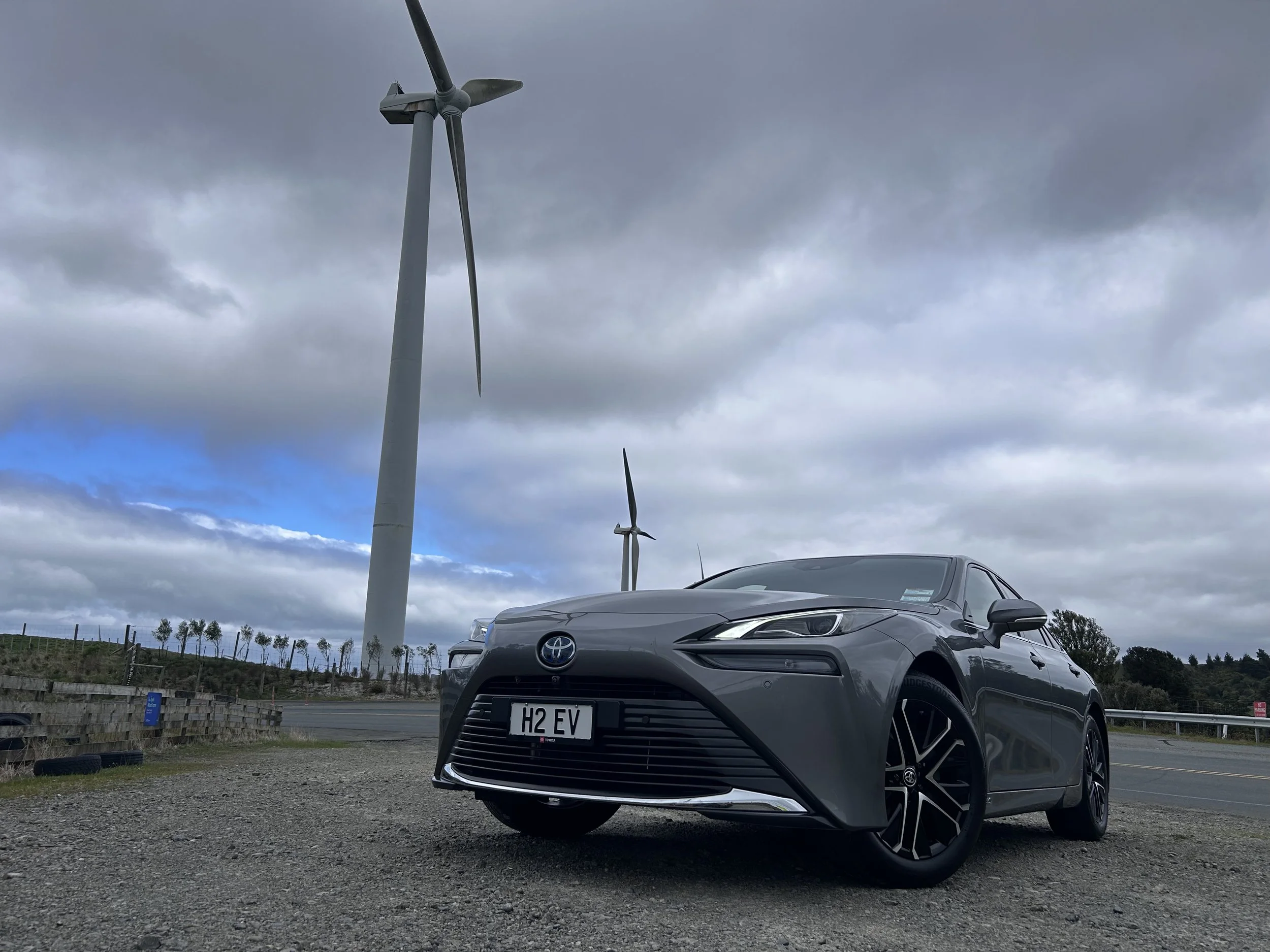
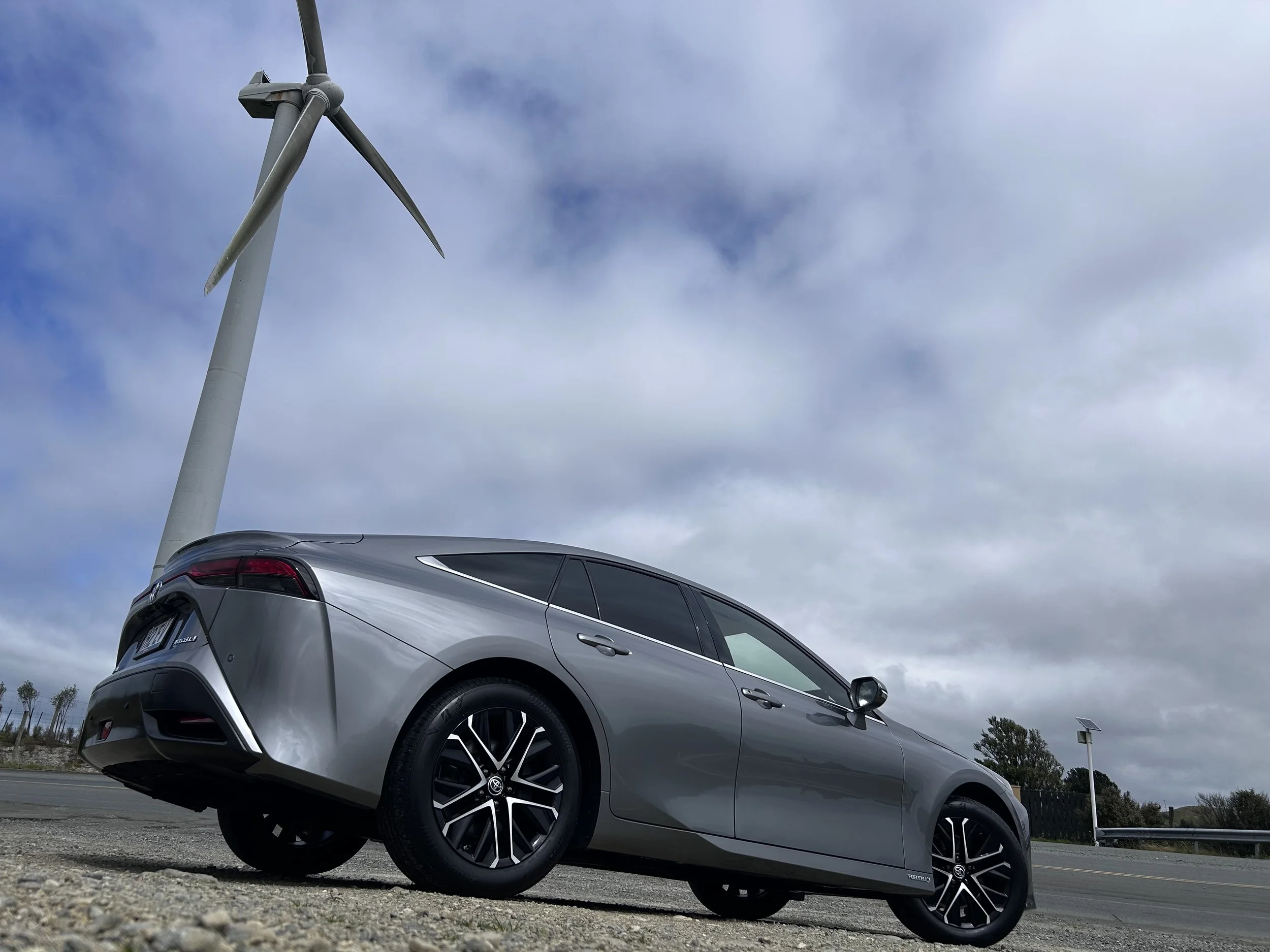
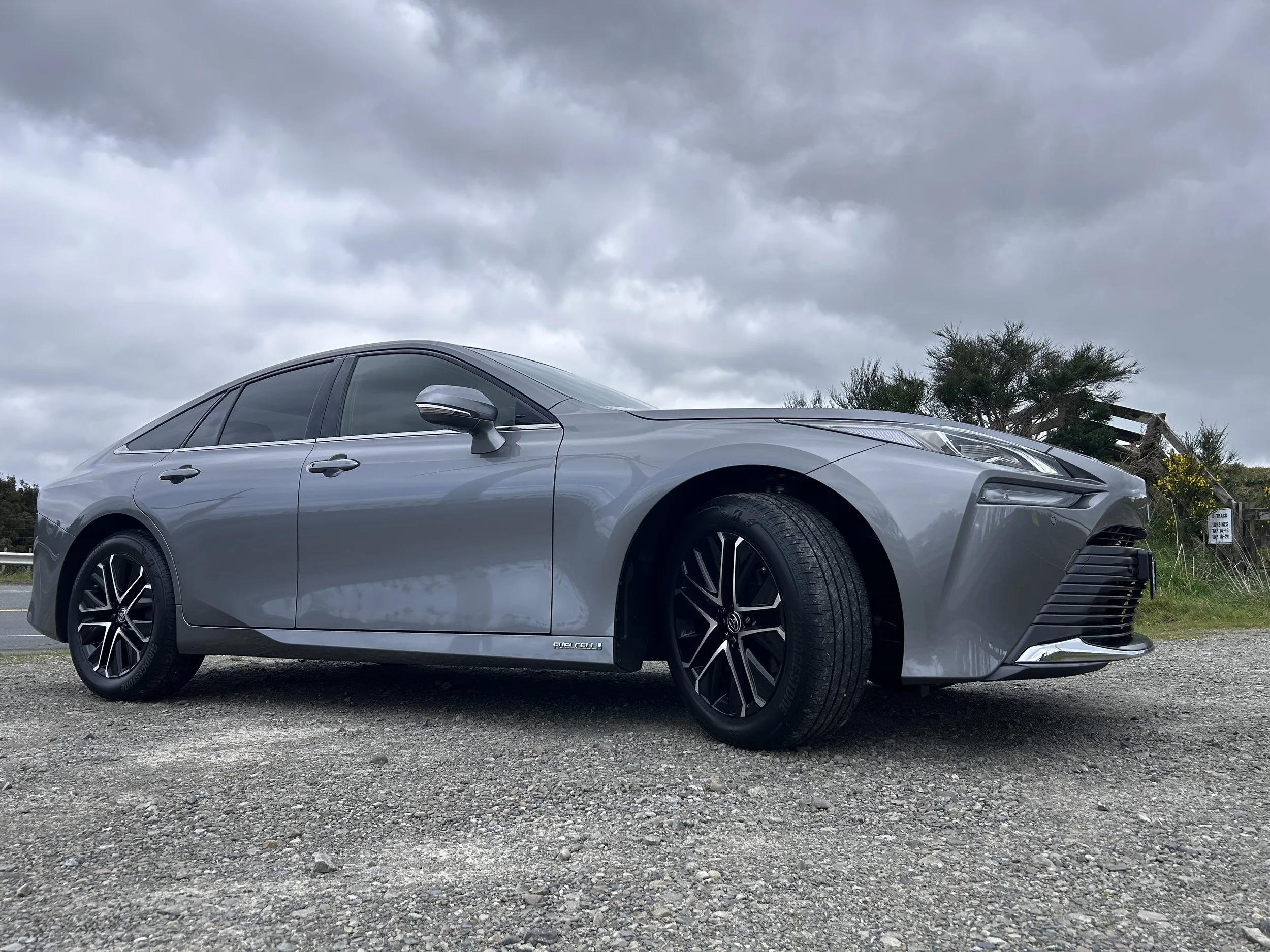
Styling-wise, it looks good in company of more modern Toyotas, regardless the general design theme for those has changed.
As a large, elegant car that looks as though it might belong in a Lexus showroom, it is a more convincing banner waver for hydrogen than the first edition, which TNZ also stocks in its fleet, a gawky-looking medium sedan unveiled in 2014, a positive time for this fuel.
Back then Hyundai and Honda were also in for keeps and Mercedes-Benz was foremost among European brands, to point of talking of total commitment by 2030.
Since then … well, it all went a bit awry. Enormous investments in mains-derived electrification took priority; most brands scaled back ambitions. Benz u-turned.
Of the handful of stayers, Toyota is strongest in commitment to an all-encompassing vision for a workable zero-emissions transport system of the future and the only one still working the local beat with a car, with Hyundai NZ having dropped its Nexo interest to instead focus on a heavy transport pitch.
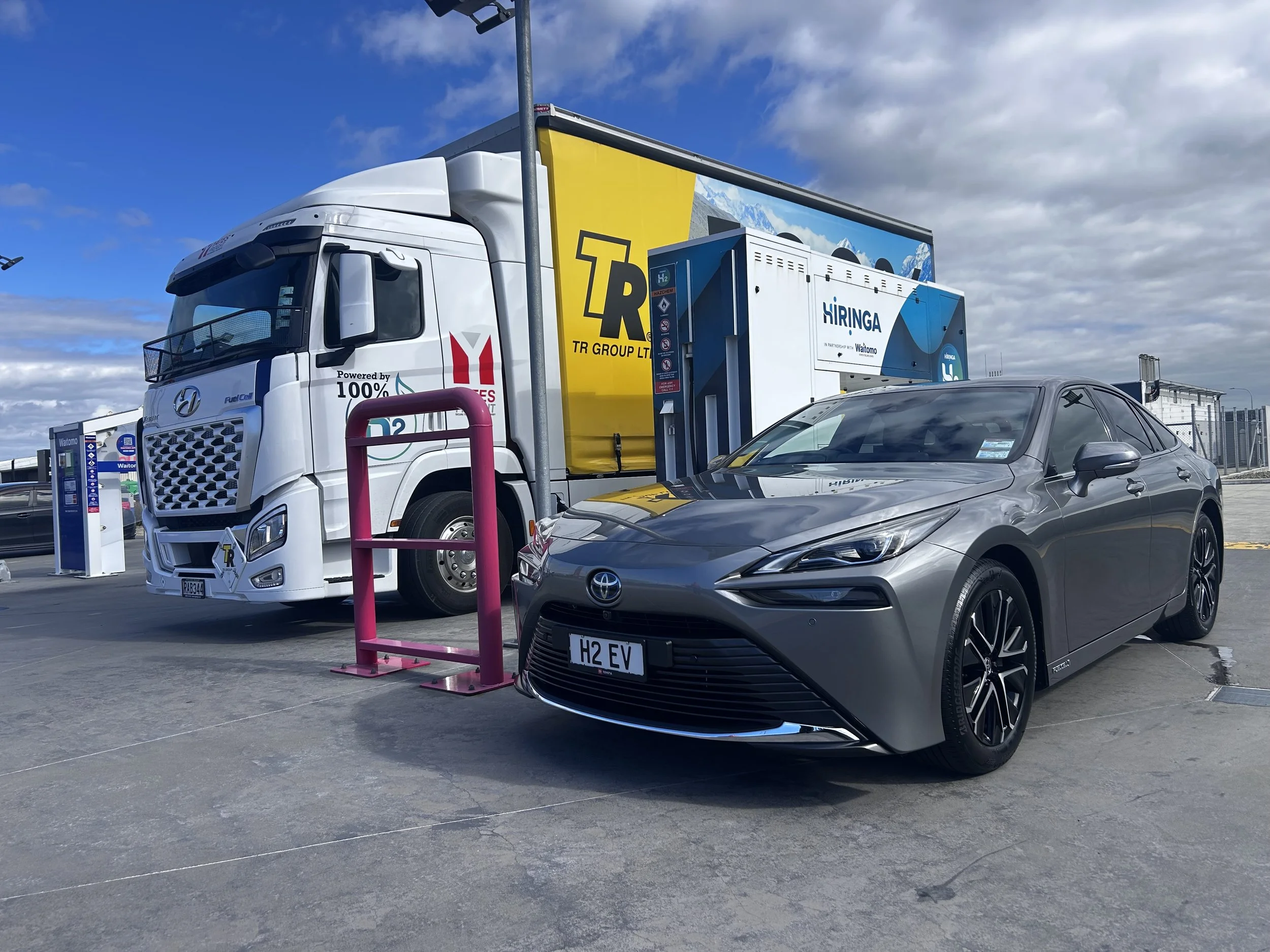
By pure happenstance this Mirai was at the Manawatu hydrogen station when it was being used by the Hyundai Xcient six-by-two fuel cell that runs a nightly return run between Palmerston North and Wellington for TR Group.
It was interesting to swap notes with the rig’s cheerful driver (her positives: It’s easier to drive, with less vibration than out of a diesel. Not so good: Greater awareness of road noise, little appetite for very steep inclines).
Like everyone else, she was interested in what the Mirai might cost. That’s unanswerable. TNZ is mum, on grounds there’s no intention to sell the car here.
Also categorising as a guesstimate is how much has gone into the Mirai programme, but it’s probably the largest amount Japan’s No.1 has put into any one nameplate.
The car’s association with Lexus is real. The Mark II is on the same underpinning as the $300,000 LS sedan. The platform is slightly shorter here, but it is patently larger than the first Mirai, not least in wheelbase.
More distance between the front and rear wheels normally spells more cabin space for occupants; the LS back seat is one in which you can truly lounge. But not so in Mirai.
Concentration of the motor, battery and fuel tanks under the rear part of the car make interior space an uneven spread.
As result, while front row occupants enjoy the same room as that provisioned by Japan’s landmark limo, there’s considerably less rear leg and headroom for adults behind.
Also, it’s really shaped for four as there is a huge bump running through the centre, like a transmission tunnel but bigger, to accommodate one of the hydrogen tanks. This almost renders the centre seat useless. Another hydrogen tank at the rear compromises boot space; at 321 litres it’s in Yaris territory.
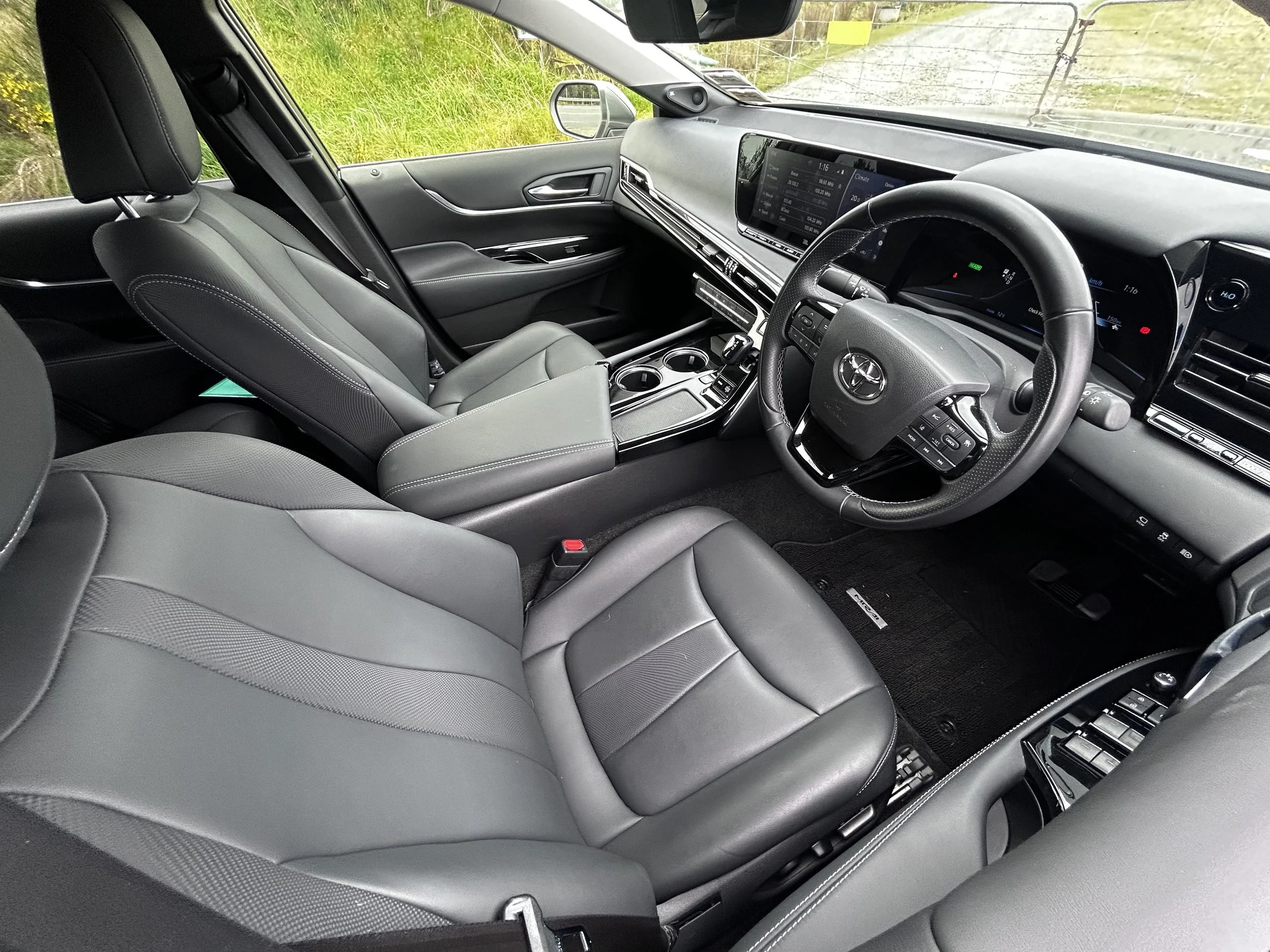
Toyota deciding greater material quality and static appeal would raise this car’s desirability beyond pure sustainability credential shows in its build. The cabin fit out isn’t outright affluent, but doesn’t feel cheap, either.
The car I drove was in a medium level trim, but having 19 inch rims rather than the optimal 20s didn’t seem a styling sufferance. Swapping out natural leather for synthetic and losing the panoramic glass roof was no issue, either. It still had keyless entry, dual zone air con, a very good JBL stereo and as much as the top spec’s front and rear heated seats would have been nice keepers at this time of the year, the front seats being fully power adjusted was a nice plus.
The standard feature list includes an 8.0-inch digital instrument display and a 12.3-inch infotainment screen, but . this trim level excludes a head-up display. The absence of untethered phone charging and wireless CarPlay and the infotainment’s low res screen and outdated fonts have been addressed by a mid-life update, which occurred after the NZ shipment landed.
It hasn’t very latest driver assists, but nonetheless gets the most crucial ingredients of the Toyota ‘Safety Sense’ advanced driver assistance system are in place.
Autonomous emergency braking, lane departure warning and rear cross-traffic alert and a very good radar cruise control include. Rear vision is a little obscured, but there is a 360-degree camera monitor to help with parking.
Seven airbags, hill-start assist, driver attention alert and ISOFIX child-seat mounting points feature. And, because you’re going to ask … yes, the hydrogen storage tanks are extremely strong with a three-layered structure comprising glass fibre reinforced plastic, carbonfibre reinforced plastic and a polyamide resin liner. They’ll not only take a bullet, but can withstand larger calibre projectiles. Hindenburg scare-mongering is baseless.
I’ve driven hydrogen product before - from a V12 BMW 7-Series that burned it and some Honda fuel cell prototypes - but always overseas. This was the first chance to try it on NZ soil. If Toyota’s set-up demands a one-word synopsis, then ‘wondrous’ is the best choice.
Lift the Mirai’s bonnet and you see something engine-ish in appearance but is anything but. This is the fuel cell, which in the old car placed under the front seats, a remarkable feat. As much as the new unit is smaller, 42 percent lighter and 12 percent more powerful than before, it still very much fills the engine bay.
As said, that stack takes compressed air from the atmosphere and combines it with the compressed hydrogen gas, held in three incredibly-reinforced tanks arranged in a T shape within the wheelbase.
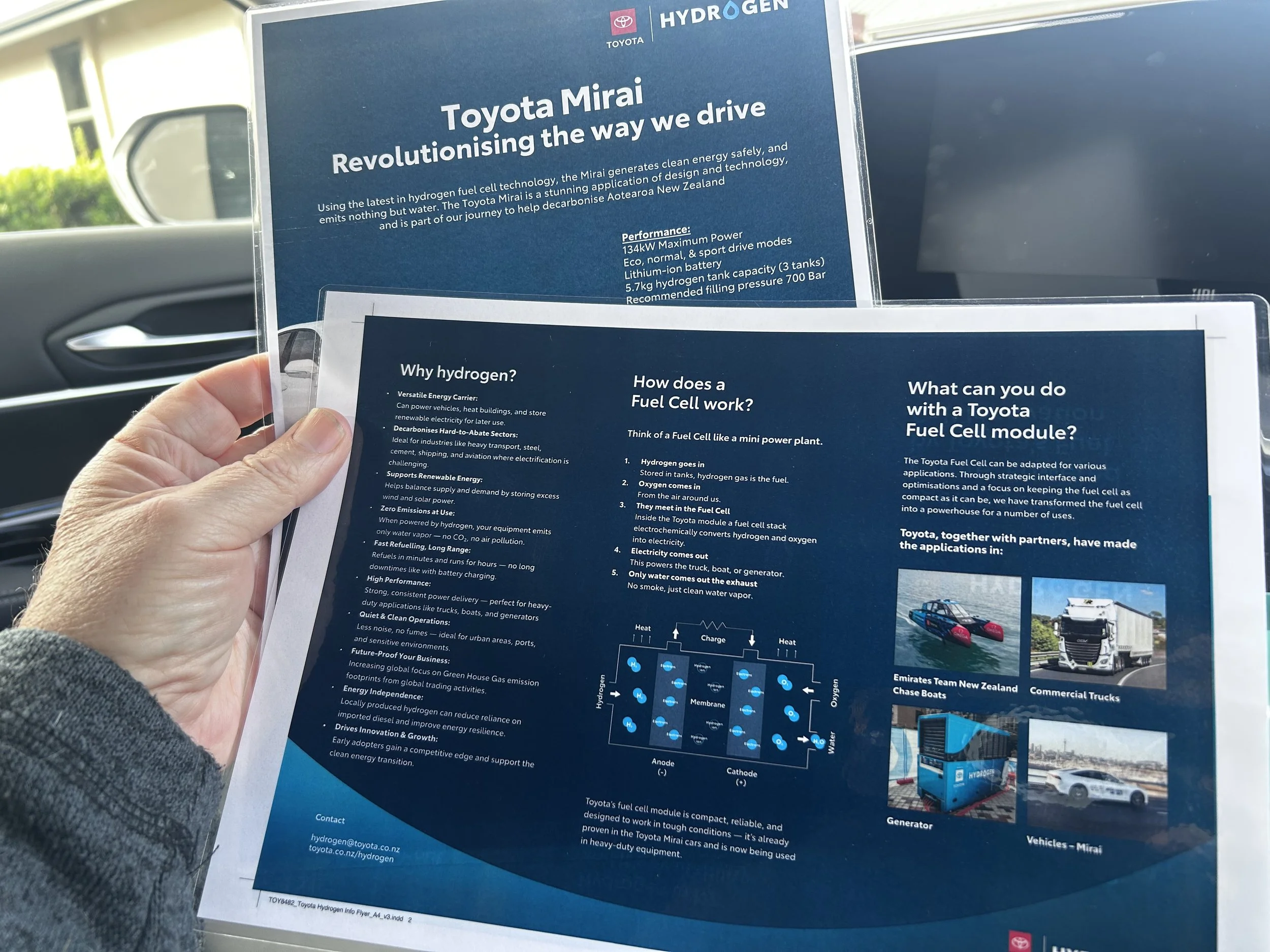
The electric motor is housed just above the rear axle channeling drive through a single-speed transmission. Power is drawn primarily from the fuel cell stack, but is buffered and topped up by the 1.24kWh lithium ion battery, located just above the drive motor and rear wheels.
Less weight, more range, faster replenishment: Those are the oft-voiced fuel cell strengths over battery cars. Mirai ticks those boxes.
A kerb weight of 1905kg is not insubstantial, but it’s a lightweight compared to any comparable electric, because batteries are always the bane.
Taking the Mirai in for a drink ( or should that be ‘re-gas’?) is a quick turnaround. EV owners talk about how access to a truly fast charger will allow time to enjoy a quick coffee; so around 10 minutes if all goes really well.
With hydrogen, you’ll barely have time to put the kettle on before it’s good to go; actual replenishing this car was completed in less than two minutes. More time went into hooking it up.
Hydrogen is not to be messed with so it’s reassuring that, compared to stations I’ve seen in the past, Hiranga’s is highly logical; not dissimilar to a regular fuel forecourt and just as easy to fathom.
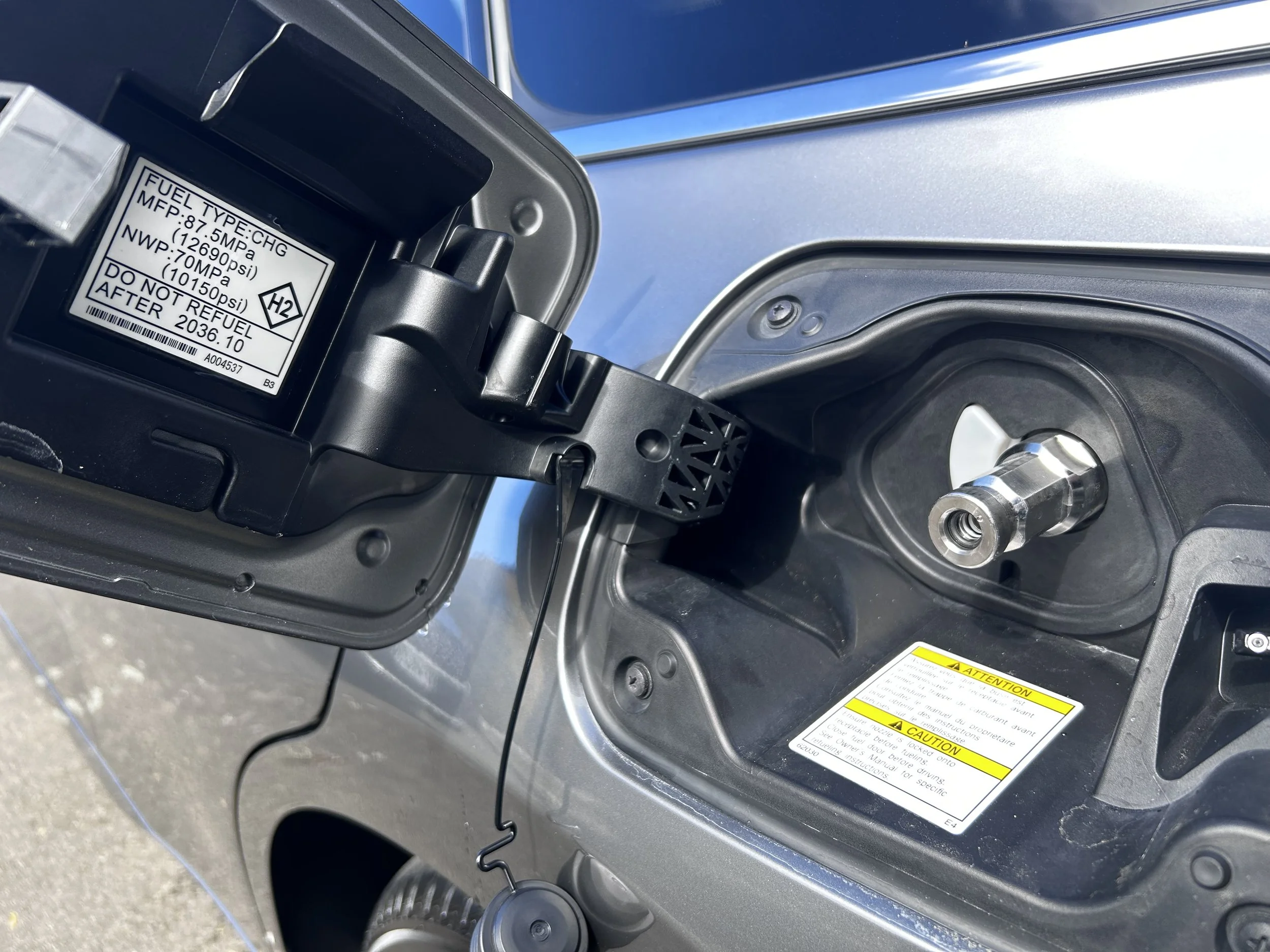
You pull up to a refuelling island that has a pump at one end and an operating control board at the other, hook a shrouded light hose to the car’s refuelling port (infrared sensors ensure a secure coupling) then scoot around to the operating panel and press a green button.
Hydrogen is made on site and channels from what looks like a small city of stacked shipping containers, some distance away and within a security zone. It chunters away, culminating with a short, loud burst of decompression to signal job done.
For what price? The Hiranga set-up is cashless I wouldn’t be surprised if the rate Toyota pays might not be reflective of commercial value.
Mirai has capacity to take 6.6 kilograms of hydrogen. TNZ senior hydrogen programme manager Rodger Spillane suggested a from empty fill would cost around $140.
In theory. It can’t happen, due to a fundamental factor. Hydrogen stores at very high pressure; Mirai’s designed to hold it at 700 bar. Hiranga prioritises for heavy transport systems set at 350 bar. Accordingly, Mirai cannot achieve more than half a tank.
This is why a recent deal to provision the car for hire from Palmerston North airport caps mileage at 250 kilometres. That’s not an absolute do-or-die. On delivery, my car showed a range of 262km. After this refill, it attested to 274kms’ range. But 250km is as far as you’d risk going without chance of being caught out and having to call up a flatbed.
Were it able to fully refuel, a Mirai here would reliably achieve 644 kilometres, which is better than most EVs can manage. The day that happens will be one to celebrate.
Energy consumption accuracy with fuel cell seems more reliable than with an EV; but hard to say if it’s absolutely bang on on. According to its official fuel consumption rating, the Mirai consumes 0.7kg per 100km. While driving locally, the car was recording 1.0kg/100km. At complete of the single long drive, this rose to 1.07kg/100km. Spillane said that’s in line with most user outcomes.
Taking it out on the open road was a must-do, but that required careful consideration. At 190kms’ all up and around eighty minutes’ driving, a return run from my Manawatu home to Masterton, in the Wairarapa, worked out fine. But assuredly I wasn’t tempted to stray from that route.
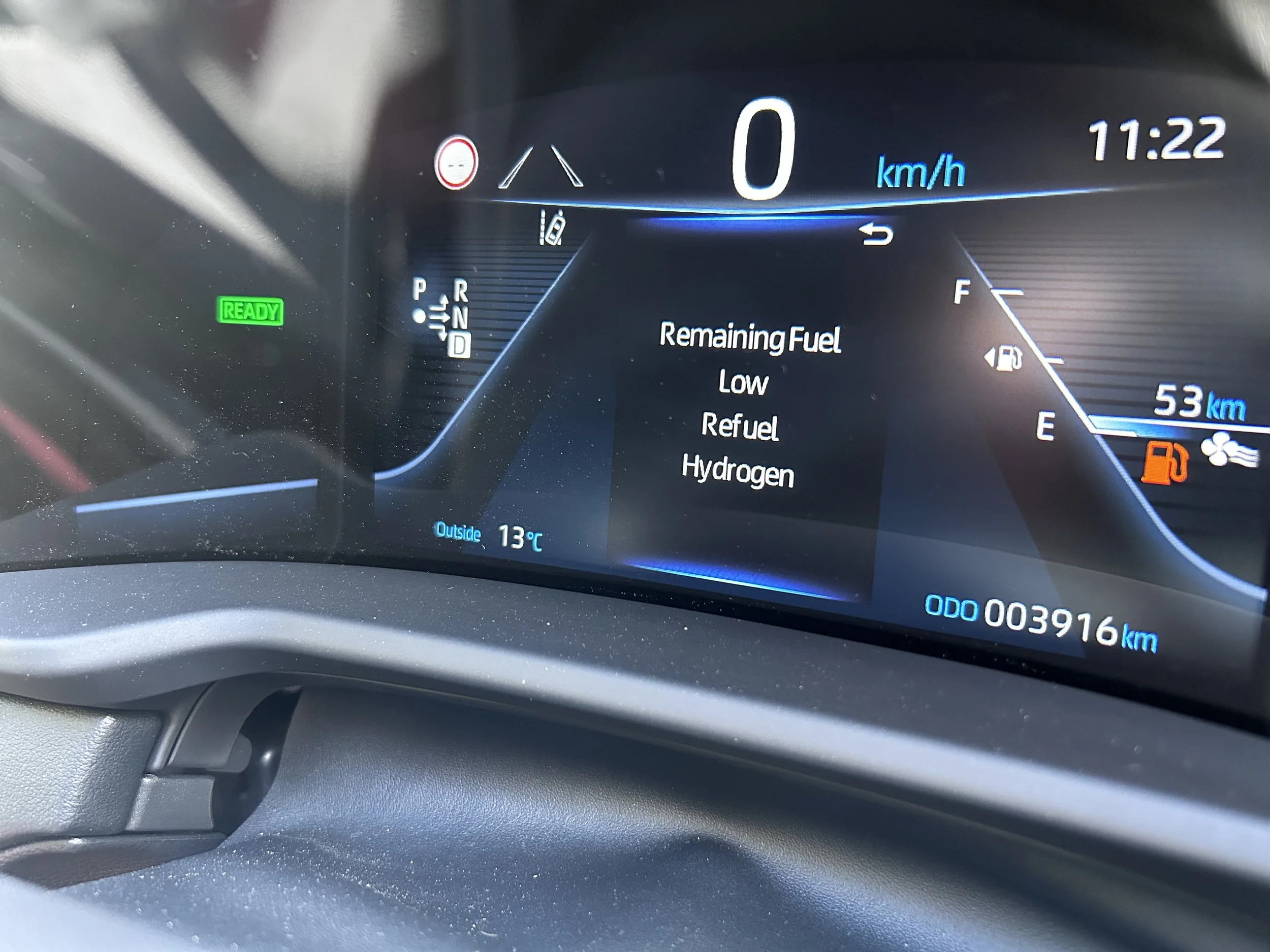
Having started with 260kms of range, I got home with 75km left. This diminished further between then and the car’s return to TNZ. Once range dropped under 52km, the low fuel indicator was permanently on.
So it’s not without challenge, clearly. But neither is it so inconvenient as to seem pointless.
Also, wherever you stand on the whole hydrogen matter, you’d need to be especially one-eyed not to accept how brilliantly this mobile science laboratory has been conceived. Displays dedicating to the operability allow you to keep a good eye on what it’s up to. Toyota claims the Mirai purifies the outside air as it drives along, with a graphic to keep track of this.
Driving-wise, it’s not a bad car, but it’s not a sharp mover.
The 130kW and 300Nm on tap is similar output to a six-cylinder petrol engine, but whole it has enough gumption to move sharply from intersections, there’s no reason to doubt the make-attested 0-100kmh time of 9.2 seconds.
That achieves in Sport mode, which enlivens the reactivity you get from running in Eco, the default, or Normal, but even then it doesn’t have that head-jerking jolt of a fully electric car.
Overtaking urge is measured and it leaves impression the open road limit is a perfectly happy place to settle into.
Fair to say the smooth mannerism of the powertrain is carried through to the dynamic personality; Gazoo Racing treatment would be a waste of time here.
But that’s not to say it needs that. The abiding feel of modestly detached elegance suits the Mirai. Even though there’s not a lot of precision, it has a lovely planted feel, and while pushing the car’s dynamics will reveal decent grip from the 235/55 Bridgestone Turanzas, there’s less in the way of communication. The ride quality is the big plus point; while it missies out on the Lexus level final touch of electronic adjustability, there’s a pleasant suppleness to the multilink, coil sprung suspension.
That it’s not a car for hands-on involvement is emphasised by the gear selector. It’s effectively the same multi-direction shifter found in the Prius, with a ‘B’ mode to enact regenerative braking (though not anywhere as effectively as in the hybrid).
The upside of this measured calmness is that you get to enjoy the quietness; wind noise is low and even on coarse chip, the tyres are reasonably muted. The power flows seamlessly through the two-step transaxle transmission. This is the sort of thing Lexus does so well, so maybe it’s in the bones.
Insofar as ‘hydrogen-isms’ go, you’ll find one or two, but not many. Most obvious is a momentary clicking at start-up. It’s the fuel cell sorting itself.
Other than this, there’s what it expels; water and purified air. I’m told the water is potable. But also that it’s pretty unpalatable, having been completely de-mineralised.
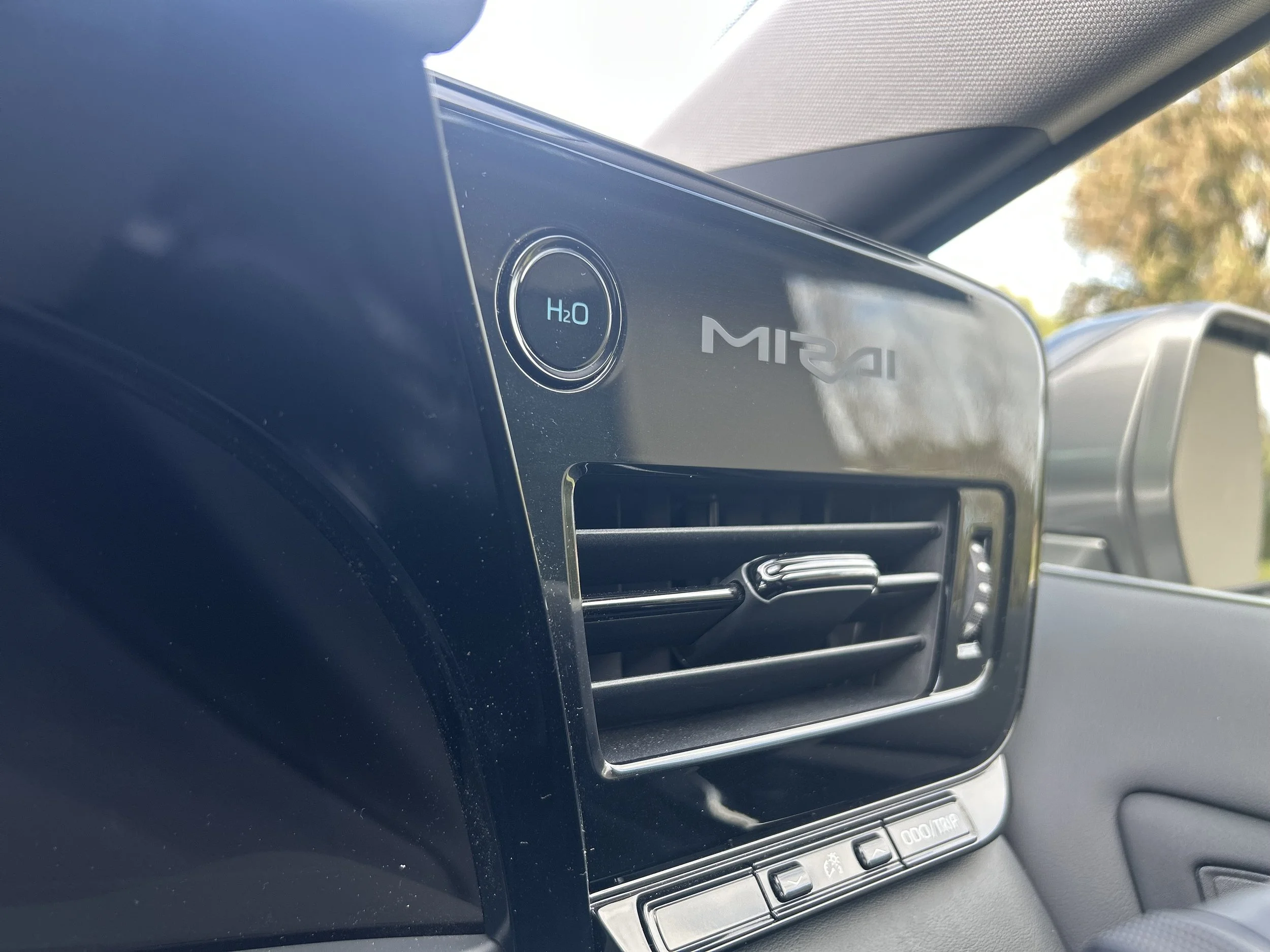
This byproduct of operation stores in a small container under the car’s rear. It can manually emptied by pressing the H2O button on the dashboard, not that there’s need to absolutely do so.
I noted it let off steam from behind the rear bumper from time to time. Awareness of another trait came on the final night before return. Relevance of frost being forecast became apparent at 3am, when I was awoken by subdued mechanical clanking from the car, parked just outside our bedroom. The noise went on for several minutes.
What gives? Turns out Mirai’s sensitivity to the cold is such it will, on sensing potential for water freezing, awaken and self-purge to protect the fuel stack.
Would you if you could? TNZ plans to keep its Mirai programme going for quite some time yet. Honestly, if the chance arises, jump at it. As much as it’s clearly different to anything else, there’s nothing about it that feels remotely experimental, let alone quirky.
I’m fully aware of the sentiment of some EV owners about hydrogen being some kind of threat. It’s not. This whole ‘one or the other’ argument is daft. Reality is that EV and FCV could, and should, be complimentary. Both do a great job of getting us off fossil fuels.
My last outing with Mirai was to a local cars and coffee morning. With the Toyota and Mazda’s new 6e electric standing as the only non-ICE offerings at an event running very much on eight cylinders and rotaries, I feared it would be a tough crowd, but found it to be an encouraging litmus test of public sentiment.
The Mirai was hardly treated as the enemy. On the contrary, interest was genuine, comment surprisingly positive. More than one person offered thought it would make a great, clean daily driver.
That’s heartening when two more products using Toyota’s tech that could also be seen here. A true Kiwi favourite, Hilux, is about to join this revolution. So too the next generation of a high-profile BMW.
Munich started a hydrogen development partnership with Japan’s No.1 some time ago and has decided what the Mirai offers is largely perfect for the iX5 Hydrogen, coming out next year.