
FSD sharper, but H3 products still excluded
/Tesla’s impressive driver assist is even smarter now.
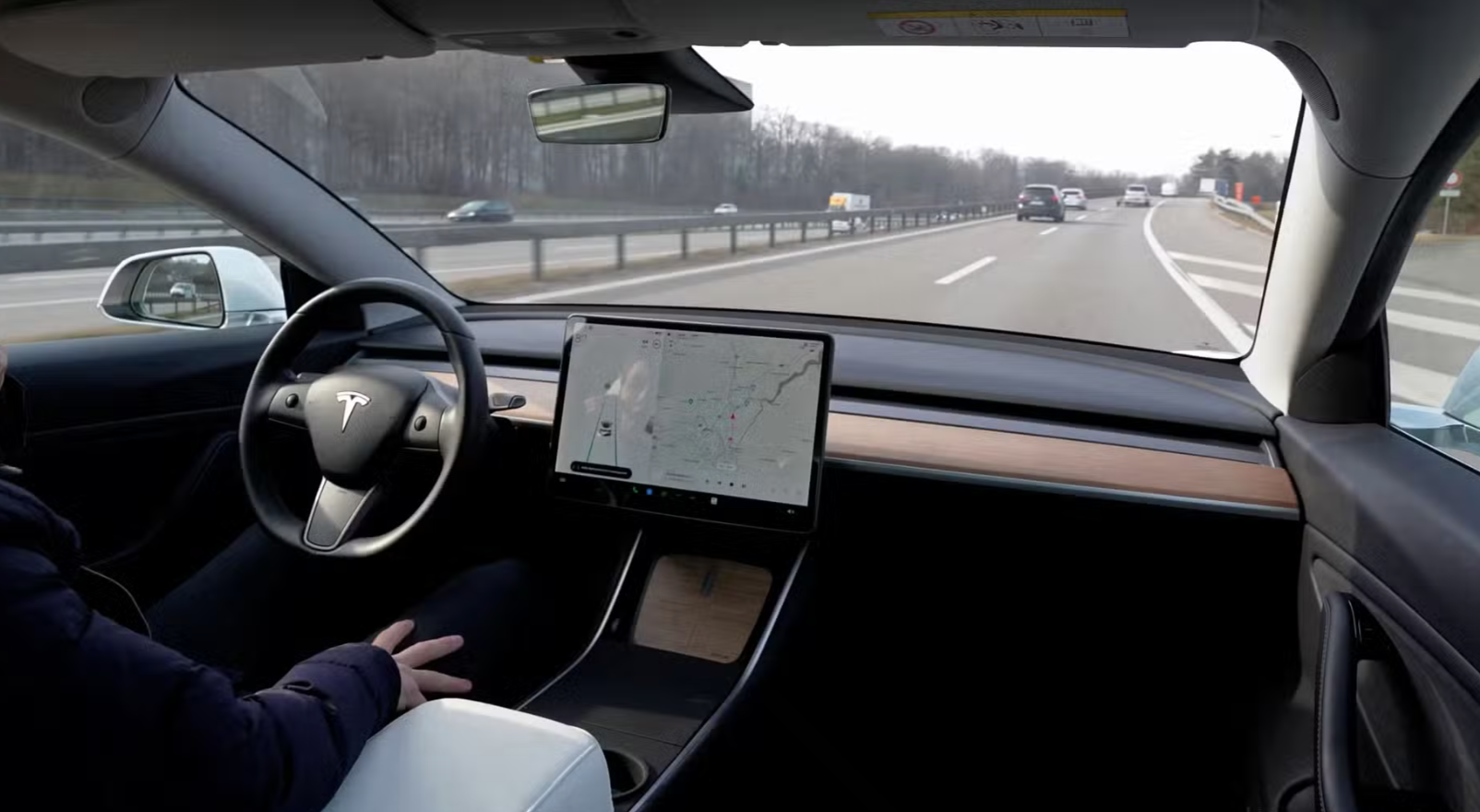
REFINEMENTS to Tesla’s market-leading FSD (Supervised) driving assistant that allows for hands-free operation, but with requirement for a driver to be ready to take over if required, have enacted here.
Version 14 of Full Self-Driving (Supervised) software is the biggest update to the system since it launched locally last September.
Cars with compatibility for the new build, v14.3.3 - which landed as part of vehicle software update 2026.16.6. - began receiving it seven days ago.
The update from the v13 software that has previously operated is limited to vehicles fitted with Hardware 4, which covers two of the three cars Telsa sells here - the current Model Y and the Model 3 Highland,.
The six-seat Model Y L that arrived just recently is also a H4 product, but remains exempt from the update until validation is sorted. Tesla says cars in circulation here will receive the update automatically once that testing is complete.
Older Tesla cars running the Hardware 3 protocol are also excluded from the latest software, just as they were for the original v13 install.
When v13 initiated, Tesla communicated thought it might have a solution to allow H3 cars - which are the majority of Teslas here - to run some degree of FSD by mid-2026. That hasn’t happened.
It now says it is developing a slimmed-down “v14 Lite” build for that hardware, but there’s no shared timeline. The lack of FSD for H3 cars has caused widespread disgruntlement with owners, including in NZ, and some legal actions are brewing.
Meantime, Tesla says those who can access the new programming will find it is slicker and more intuitive.
They say v14 reacts approximately 20 percent faster than the previous version, the result of an upgraded neural network that reads traffic signs more accurately.
It promises smoother behaviour through roundabouts, fewer unnecessary lane changes - an issue that blighted when on test with this writer - and improved handling of complex intersections and roadworks.
Response to emergency vehicles is also said to improve, along with the system’s ability to detect small animals in proximity of a vehicle’s pathway.
The update introduces a new Speed Profile called Sloth, which drives more slowly and selects lanes more conservatively than the existing Chill, Standard and Hurry modes. Tesla says the differences between profiles are now more pronounced.
The Full Self-Driving app has also been updated to display the driver’s longest period without intervention. The in-cabin camera now better reads drivers wearing sunglasses or operating in poor light. Navigate on Autopilot has been renamed Navigate on Autosteer.
The local release differs from a version for North America, in that it omits a higher top speed for Smart Summon and the unification of the Summon, Full Self-Driving and Robotaxi models.
As before, the system is now available on subscription only, with pricing unchanged.