
Audi, Lotus supercar scene strategies revealed
/Bullish intent to rival Ferrari, Lambo and McLaren expressed.
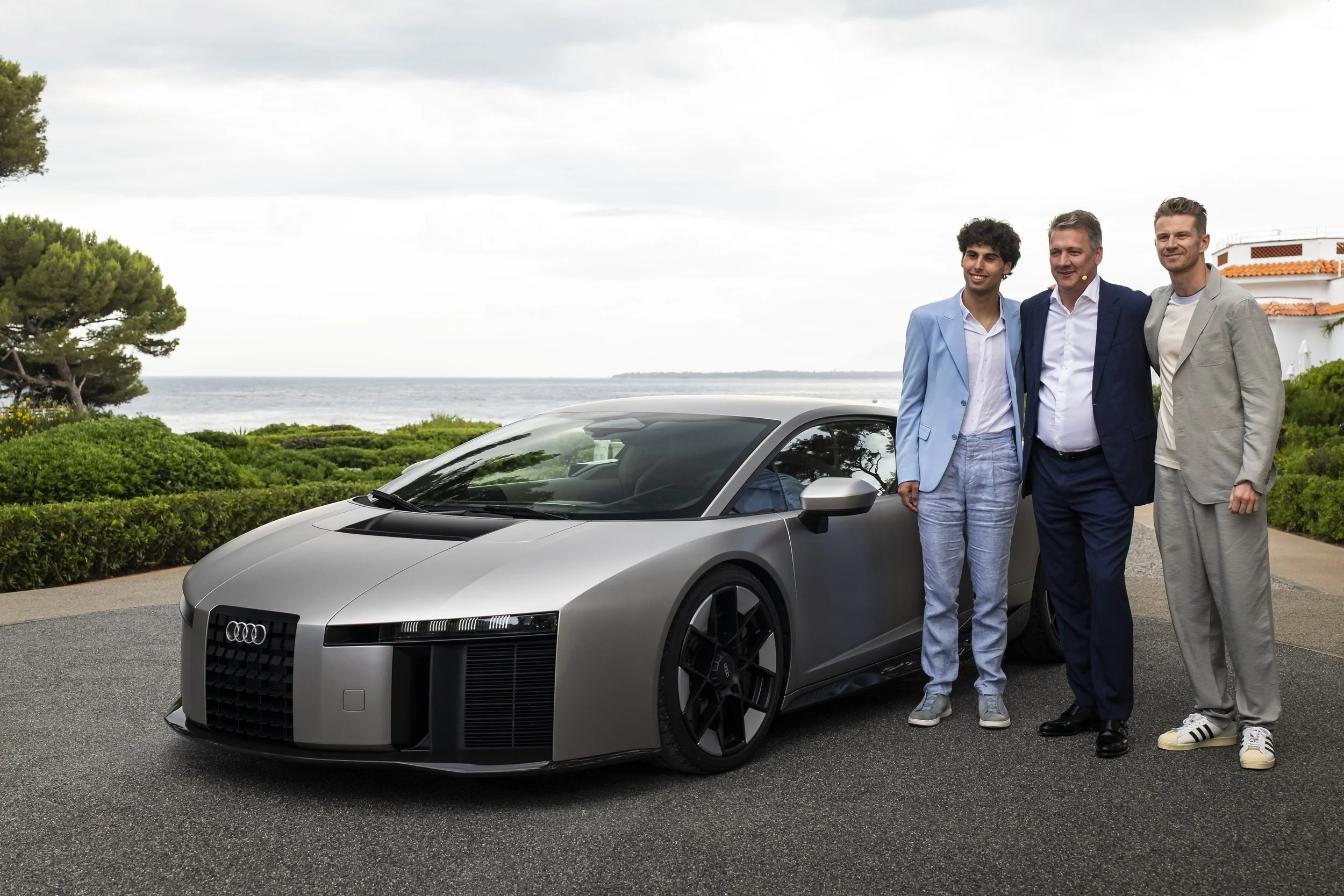
HYBRID supercars are right in vogue, with Audi and Lotus entering the game with impressive all-new contenders.
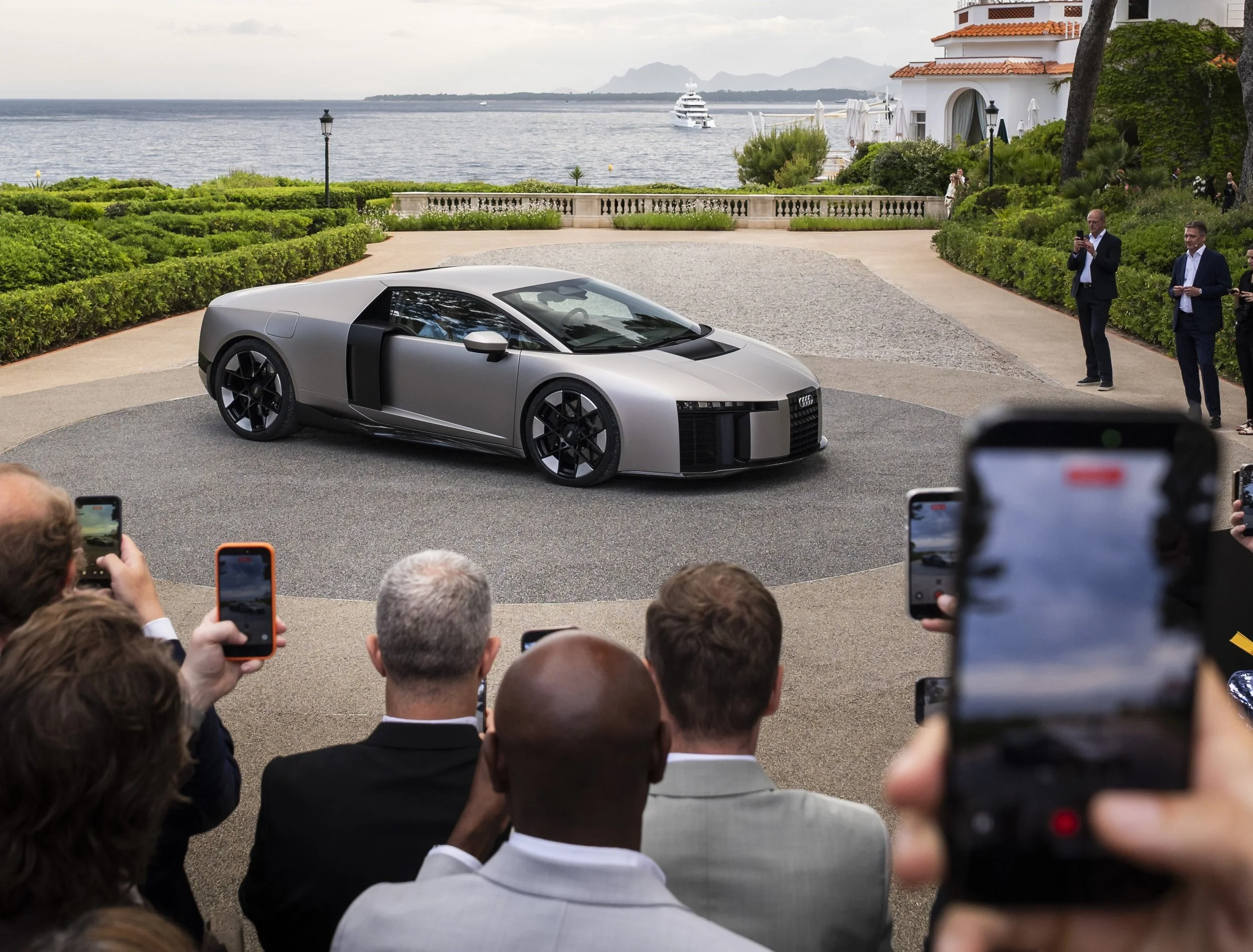
Ingolstadt’s 736kW hybrid supercar is called the Nuvolari (top), named after driver Tazio Nuvolari, who raced for Auto Union in the 1930s.
It’s a sort-of successor to the mid-engined R8 but way more potent - and far more exclusive, with just 499 in build and expensive.
European deliveries will commence in the first half of 2027 and it seems all will be in left hand drive, each selling for more than $1 million.
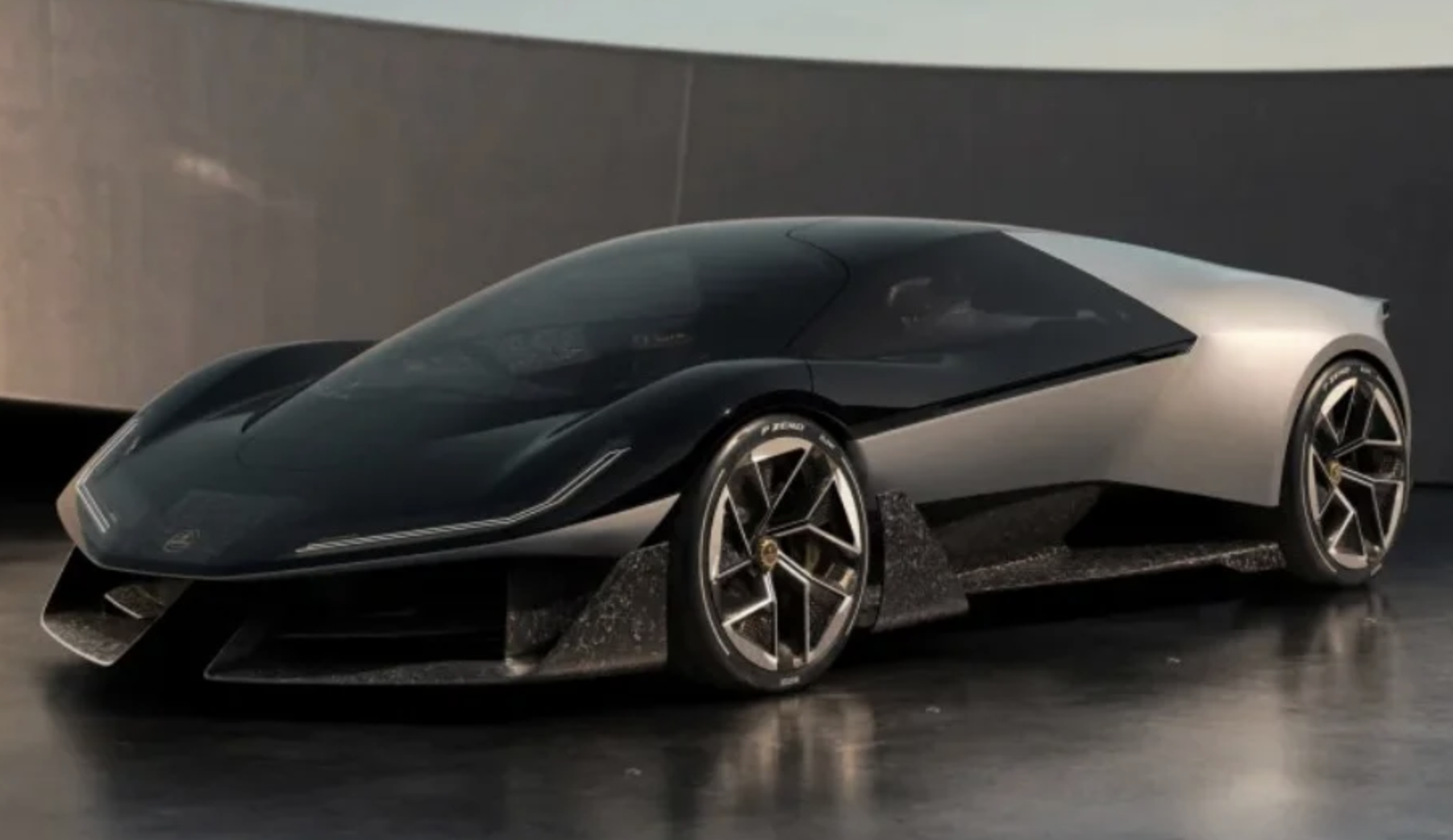
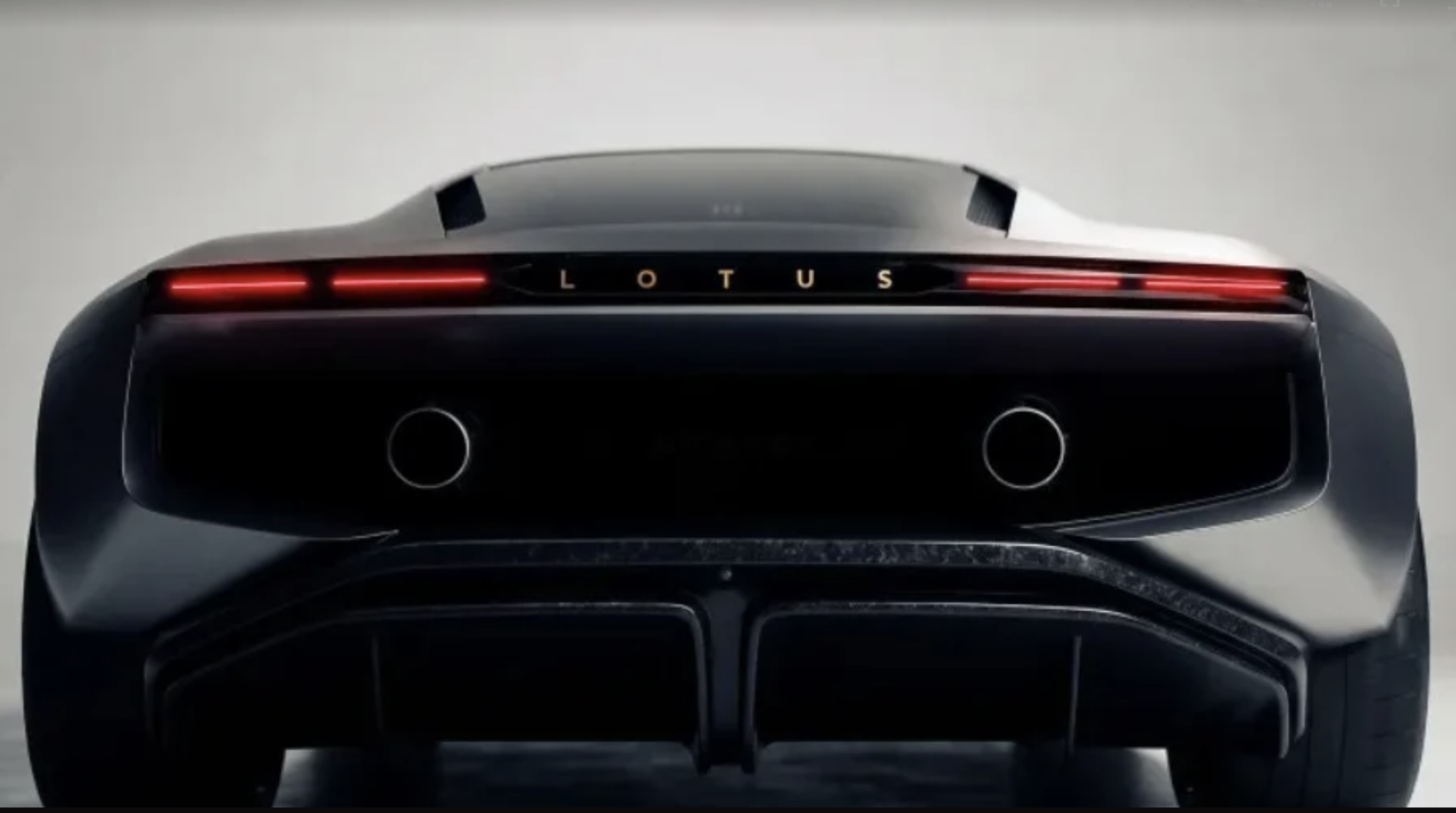
Nuvolari’s unveiling timed for the Formula One Grand Prix in Monaco - hence why the brand’s F1 drivers were in on the action - has been followed by Lotus parent Geely announcing it is s preparing a new flagship supercar (directly above) that could produce more than 745kW from a hybrid V8 powertrain.
Known internally as the Type 135 and widely expected to revive the Esprit name, the new model is set to become the most technologically advanced road car in Lotus’s history.
The Nuvolari is the first production car to feature Audi’s new design language, which debuted on the Concept C study in late 2025.
It also takes inspiration from the F1 motorsport programme, with extra openings and vents to help keep the engine cool, and more movable aero parts to help deliver up to 400kg of downforce. The moving rear wing features DRS, there are staggered 20- and 21-inch alloy wheels, and carbon ceramic brakes also feature.
The Nuvolari’s cabin is driver focused and aterial quality looks to be top notch, with milled and brushed aluminium used for almost all the interior’s hard components.
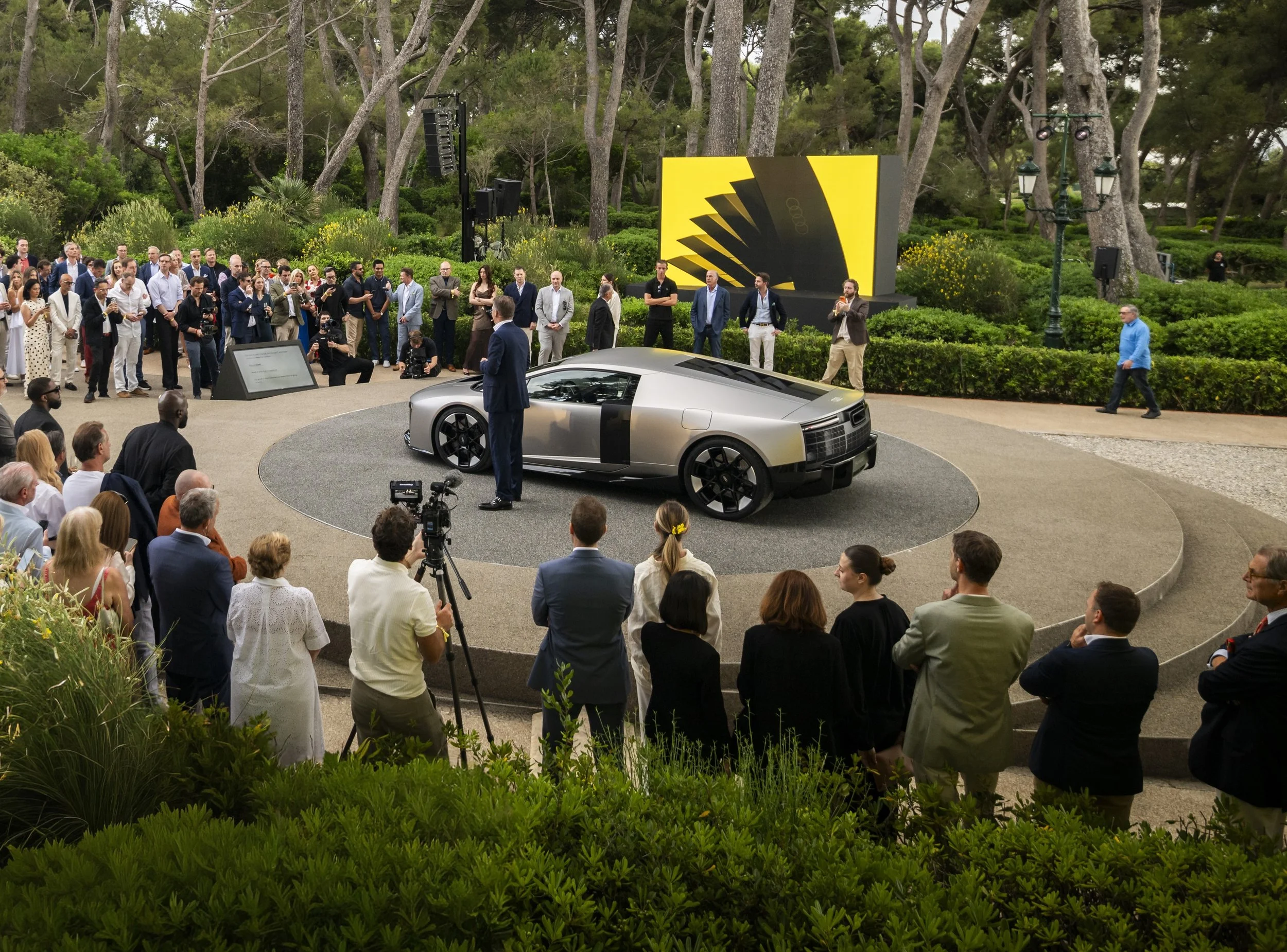
The heart of this aluminium and carbon fibre-bodied mid-engined supercar is a twin-turbocharged 4.0-litre V8 engine, which is paired with three electric motors to help boost the overall maximum power output to 736kW.
The engine itself makes 588kW/730Nm outputs and revs to 10,000rpm, while the three electric motors produce 110kW each. The lithium-ion battery has a gross capacity of 7.3 kWh for short all-electric driving capability and to also feed the electric motors.
A 0-100kmh sprint in just 2.6 seconds, 0-200kmh in 6.8 seconds and a top speed is limited to 350kmh makes it comfortably the fastest production Audi ever made. The quickest R8 took 3.1 seconds to reach 100kmh and had a top speed of 331kmh.
Nuvolari’s driving characteristics are variable depending on which of the five drive modes is chosen. ‘E-Hybrid’ will run the car in all-electric mode as much as possible. Normal driving will be served by ‘Balanced’, with ‘Dynamic’ and ‘Dynamic Plus’ all turning the power up slowly in turn. At the top is a ‘Track’ mode.
Meantime, Lotus chief executive Qingfeng Feng says his new product is powered by an all-new twin-turbocharged V8 engine derived from a recently unveiled 3.0-litre V6 developed through Horse Powertrain, a joint venture between Geely and Renault.
The V6 is expected to produce up to 400kW and weighs just 160kg, with the V8 variant likely to deliver substantially more performance when paired with hybrid assistance.
Rather than a plug-in hybrid setup, the Type 135 is expected to use a smaller battery and energy recovery system similar in principle to F1’s kinetic energy harvesting technology. The system would capture braking energy and redeploy it to boost acceleration and performance.
All-wheel drive is under consideration, with electric motors potentially powering the front axle while the engine drives the rear wheels. Advanced torque-vectoring software would allow the system to vary power delivery depending on driving conditions.
Lotus is expected to combine carbon-fibre and aluminium structures, drawing on lessons learned from the Evija electric hypercar.
The Type 135 will also introduce a new generation of electronic architecture capable of controlling active suspension, continuously variable dampers and active anti-roll systems in real time.
These teaser images circulating the internet suggest the new supercar will adopt a cleaner and more restrained design language than the Evija, with a wide stance, minimalist rear lighting and subtle aerodynamic elements integrated into the bodywork.