Mitsubishi Outlander 2026 road test review: Business as usual
/Updates to Japan’s go-to big family bus keep in it the spotlight, but it’s a crowded scene now.
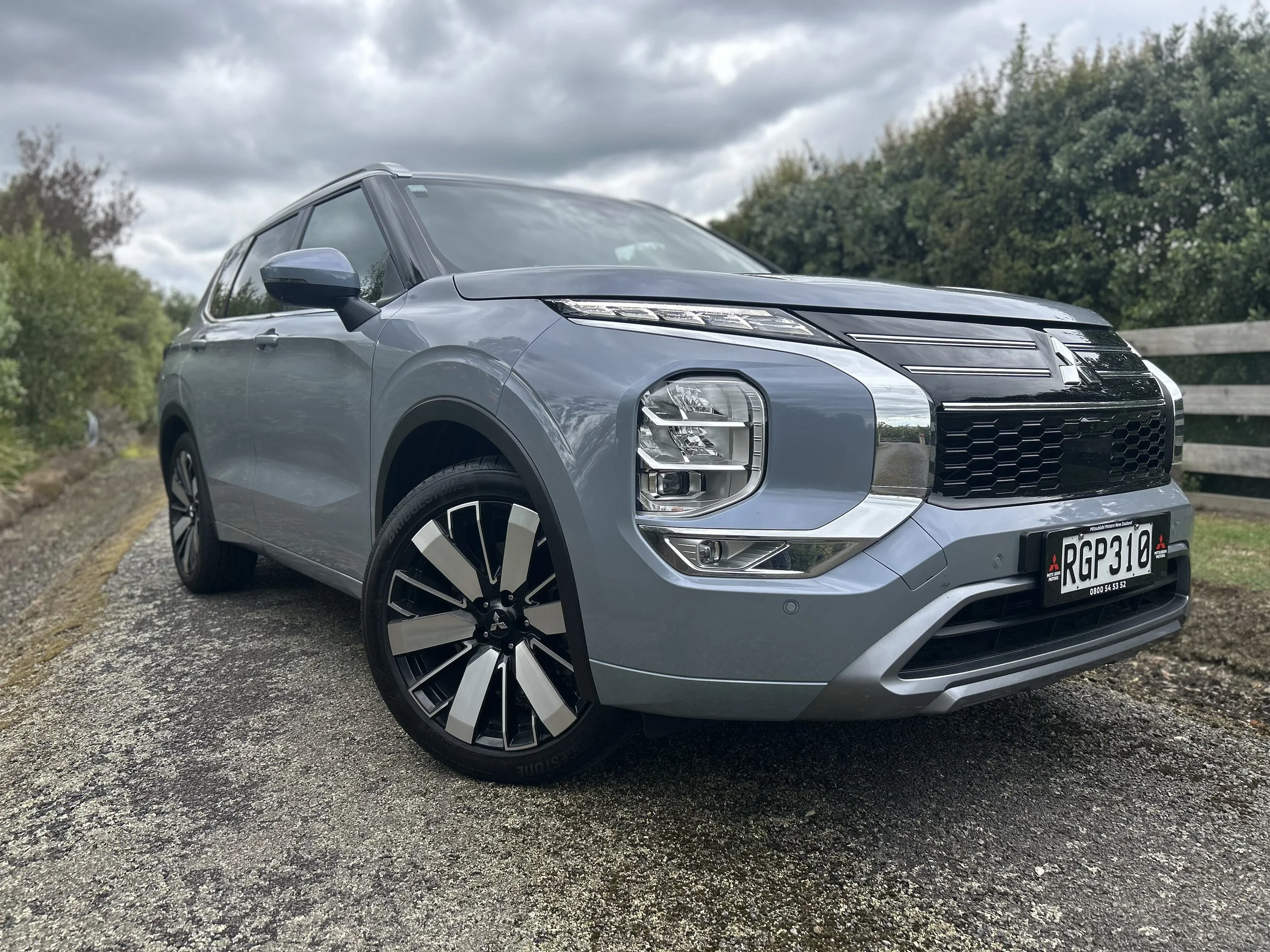
Prices: $59,490 and $77,990
Powertrain: Petrol, 2.5-litre four cylinder making 135kW power and 244Nm torque; PHEV 2.4-litre petrol four-cylinder with 98kW/195Nm and dual electric motors, 85kW/255Nm front, 100kW/195Nm rear, constantly variable transmission.
How big: 4720mm long, 1862mm wide, 1751mm high.
We like: Comfort, roominess, improved driving feel.
Not so much: New ADAS demands more fine-tuning; over-eager CVT; powertrain price gap.
SAID it once, said it a hundred times: A plug-in hybrid really only makes total sense when you can make the most of the electric part of the car.
So, if you can plug it in regularly to keep the battery in good health, happy days. And if not? Well, it still works … just not as effectively.
That whole side of things has always been the way with the Mitsubishi Outlander in its electric-influenced format.
Even though one of the big changes for the 2026 model, introduction of a bigger battery to feed the electrics, is truly relevant and very important, at the end of the day, nothing changes. The story remains the same. Just as it does with any PHEV.
They all remain cars around which you have to fit your life, rather than vehicles that slot seamlessly into your schedule. Basically, like a smartphone, you just have to keep them all plugged in as much as possible.
Does that leave the technology behind the newest long-range electric cars?
Logically, yes, but one major point in favour of a petrol-electric with plug approach is greater versatility.
It’s an ongoing shame on our legislators that the double-whammy of being hit by both petrol tax and Road User Charges hasn’t been addressed. That situation simply doesn’t do any favours for cost efficiency, more’s the pity.
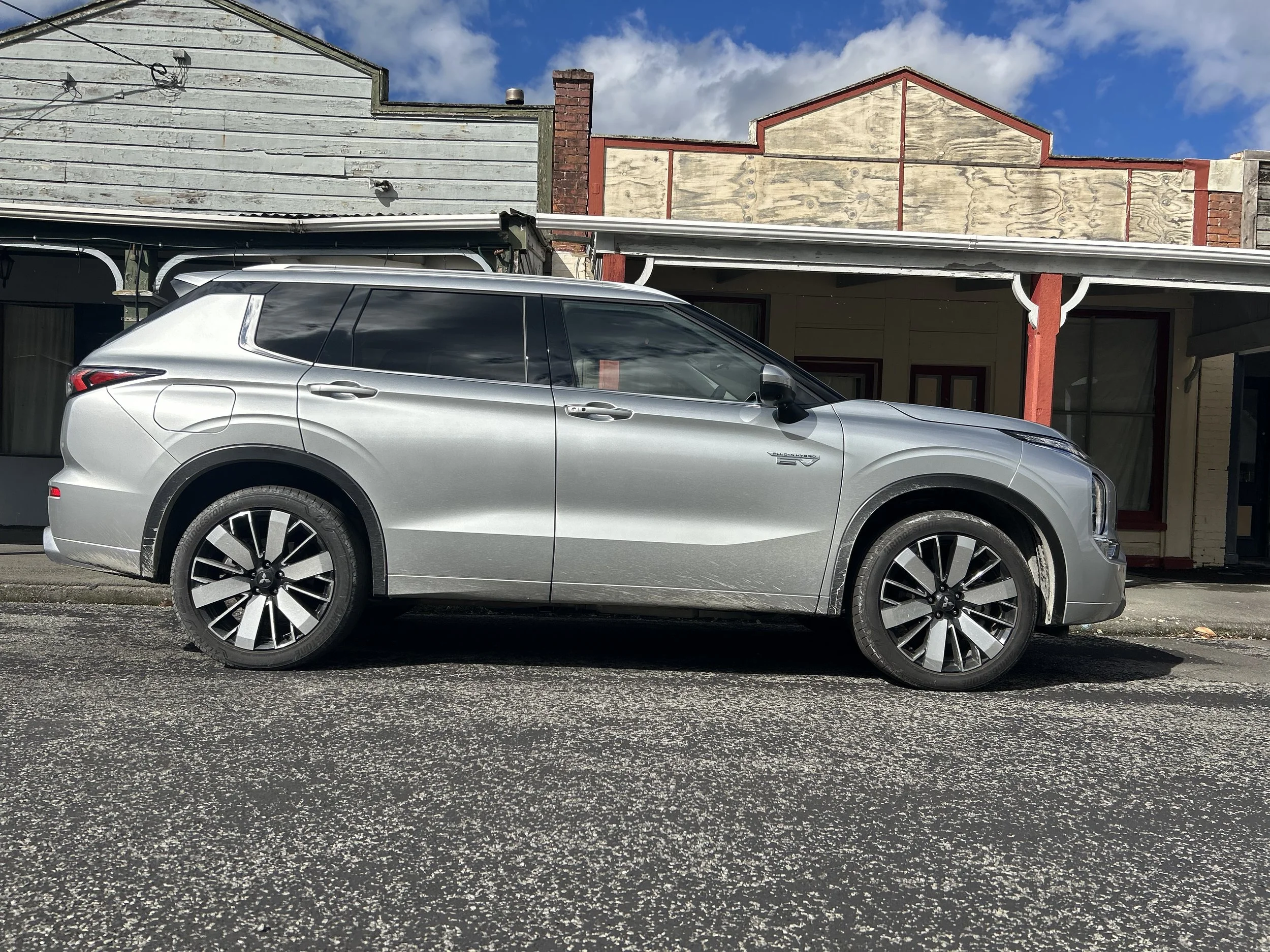
On the other other, with now cemented concern not just about the price of fuel but also the certainty of supply, it’s nice to have a car that will operate with either petrol in the tank and zap.
Taking a step back, Mitsubishi was one of the first brands to introduce a plug-in hybrid to the market, it was so far ahead of the pack that the first was a category contender of one.
These days it is well into a second generation in a market condition far busier thanks to an influx of Chinese models offering competent rivals at competitive prices. So the latest update is timely.
Mitsubishi Motors NZ has kept the faith with eight variants, four in front drive, four in all-wheel-drive, in five and seven seat formats, across LS, XLS, VRX and Exceed trims.
Prices have lifted, but not greatly. The VRX front drive copped the biggest individual hike, of $2500, but the petrol and PHEV editions in this grade on test went up $1500. Overall, it remains a large budget and family friendly choice.
To get a handle on how improved the PHEV version is, it made sense to first spend time with the one that isn’t. At VRX level, these cars pick up identical same exterior tweaks and interior refinements and picking every one of them asks for nerd-level skill.
Mot obviously, there are updated bumpers, a change to the front grille insert, fresh 20-inch alloy wheel design and the alloy wheel styles alter. LED rear turn signals and smoked tail-lamp lenses involve now.
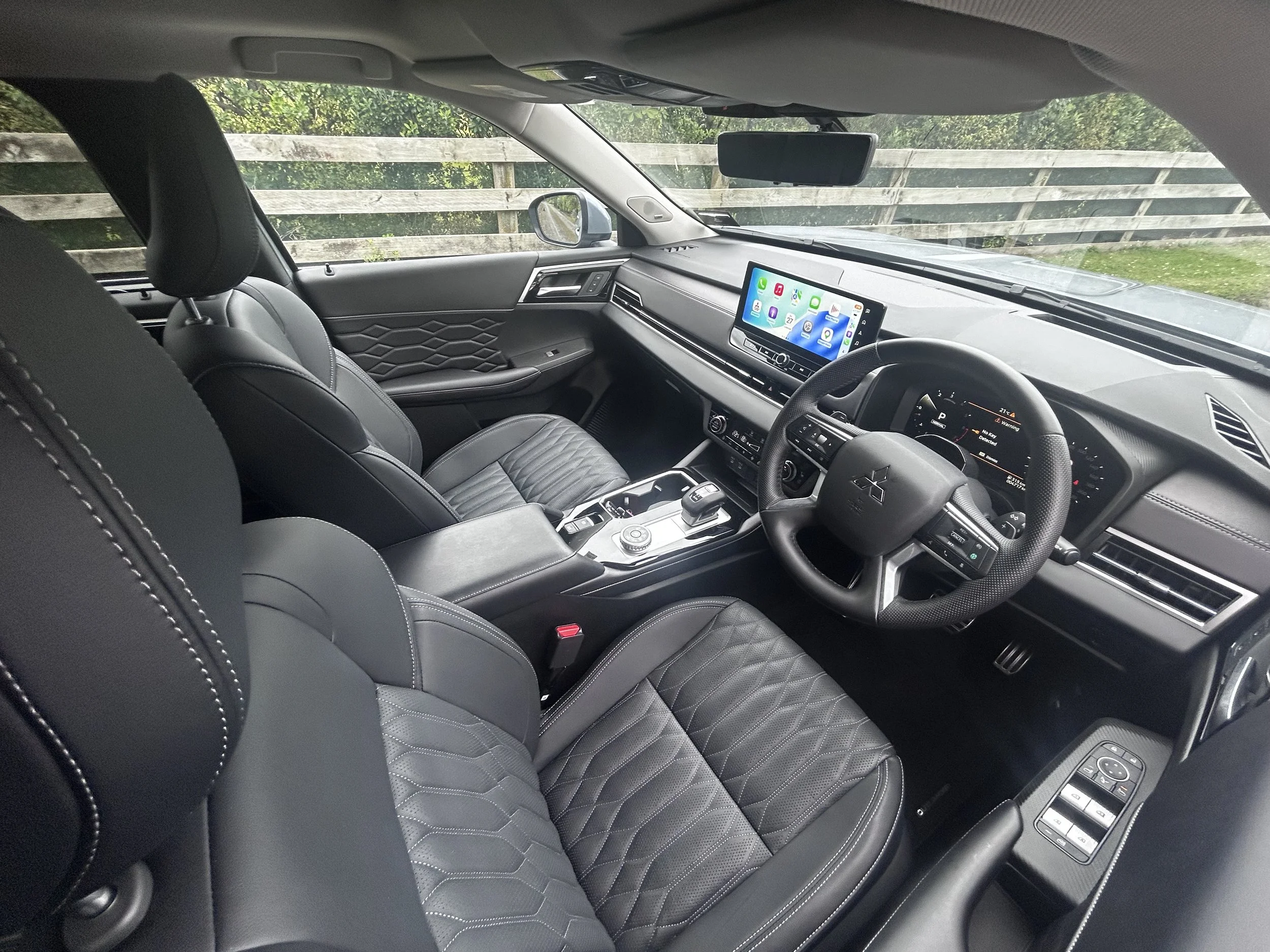
Inside, the cabin sees ergonomic and material upgrades including repositioned cupholders, expanded central storage, extended rear seat padding and a new Brick Brown leather. A digital rear-view mirror, touch sensitive LED lighting and a new Yamaha sound system arrives.
Technology has been elevated with a new 12.3-inch touch-activated infotainment screen from the related Nissan X-Trail that introduces wireless Android Auto alongside the existing CarPlay function. Multiple USB-C outlets are included for all rows.
The car also gets camera-linked rear auto braking, enhanced blind spot intervention, and an updated 360-degree camera system, all of which are useful.
That funny little nodule atop the steering wheel hub is a sign of the times that is less welcome. Mitsubishi is another brand that has felt compelled to add a Driver Monitoring System. This one involves to annoying degree; it’s not always satisfied when you are truly paying attention and is certainly triggered to act as soon as you dare glance away toward to infotainment screen for the merest of moments. It can be deactivated, but of course re-sets to maximum def-con as soon as the car revives from being turned off.
With either drivetrain, you get a quiet, well-finished product that drives with a relaxed but confident attitude. Comfort is a big thing with Outlander; quilted leather seats are not a usual find at this level of spend and they are really, really good; baby’s-butt-soft and supportive.
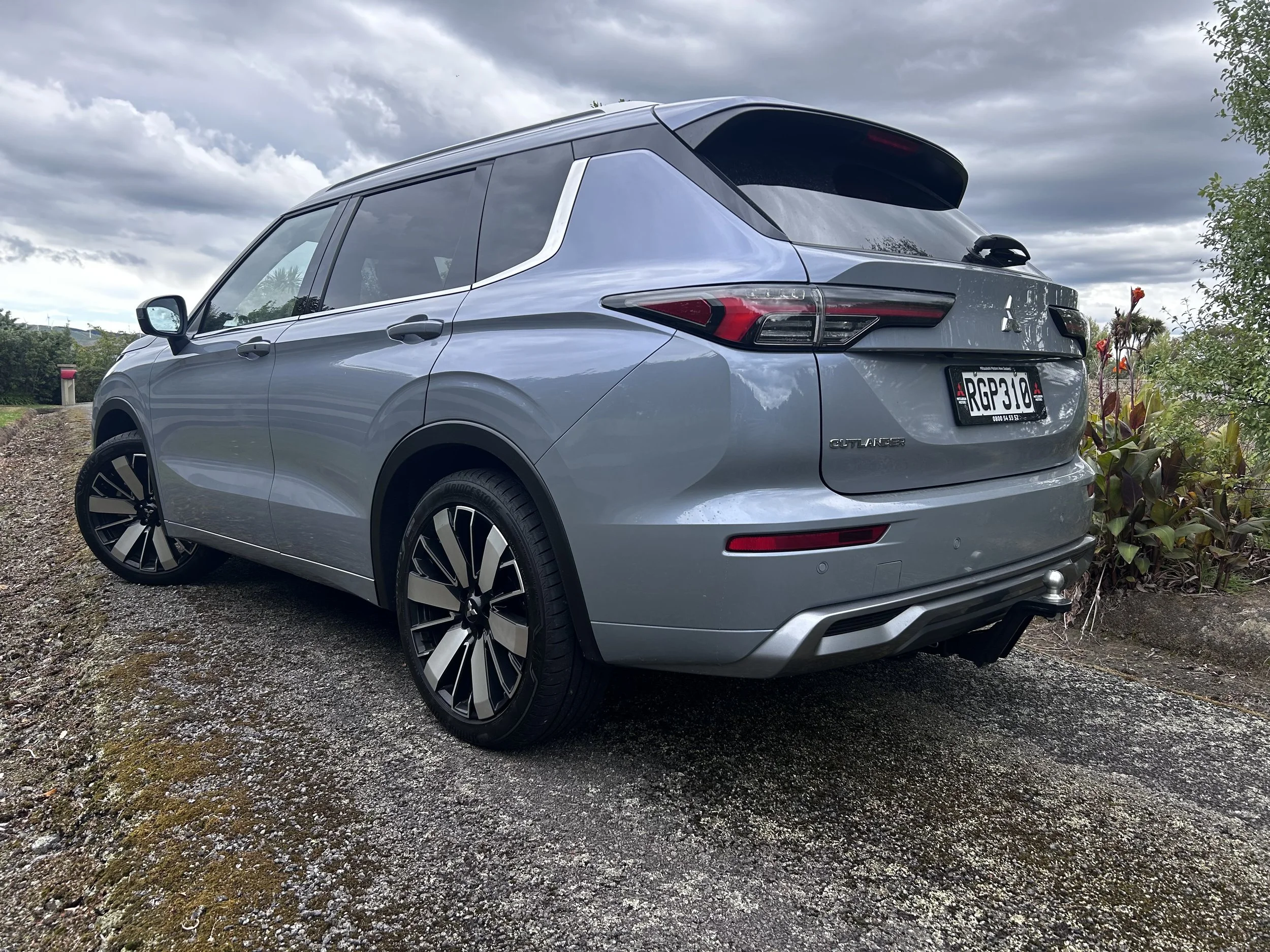
Their presence really lifts the ambience of what’s still a slightly dull and dour cabin for a straightforwardly spacious car. But when weighing up loses and minuses on that side of things, the interior is probably its single strongest point. It has rather a lot going for it in respect to family-minded functionality.
The middle row of seats has decent levels of legroom and headroom, but it's not what you'd call stretch-out roomy. It does help that the rear doors open up wide, which makes getting in and out much easier. Meanwhile, the folding third row of seats in the back is quite tight on space - as is common in this seven-seat SUV class - meaning that they're for children only. You can adjust the middle row to help free up a bit more knee room for those in row three.
The driving side needs dividing into two elements; the powertrains’ aptitude and the dynamic prowess.
Powertrains haven’t altered, so with ICE it’s a 2.5-litre engine, still producing 135kW and 244Nm, and with the PHEV it’s 2.4-litre, making 98kW/195Nm in isolation, married with electric motors producing 85kW front, 100kW rear and 255/195Nm, both again mated to a CVT and capable of running on 91 octane fuel. though peppier on higher grades.
Front-wheel drive is standard on lower trims, but more appealing is the Super All-Wheel Control (S-AWC) that’s available across the range and standard on upper models including this one.
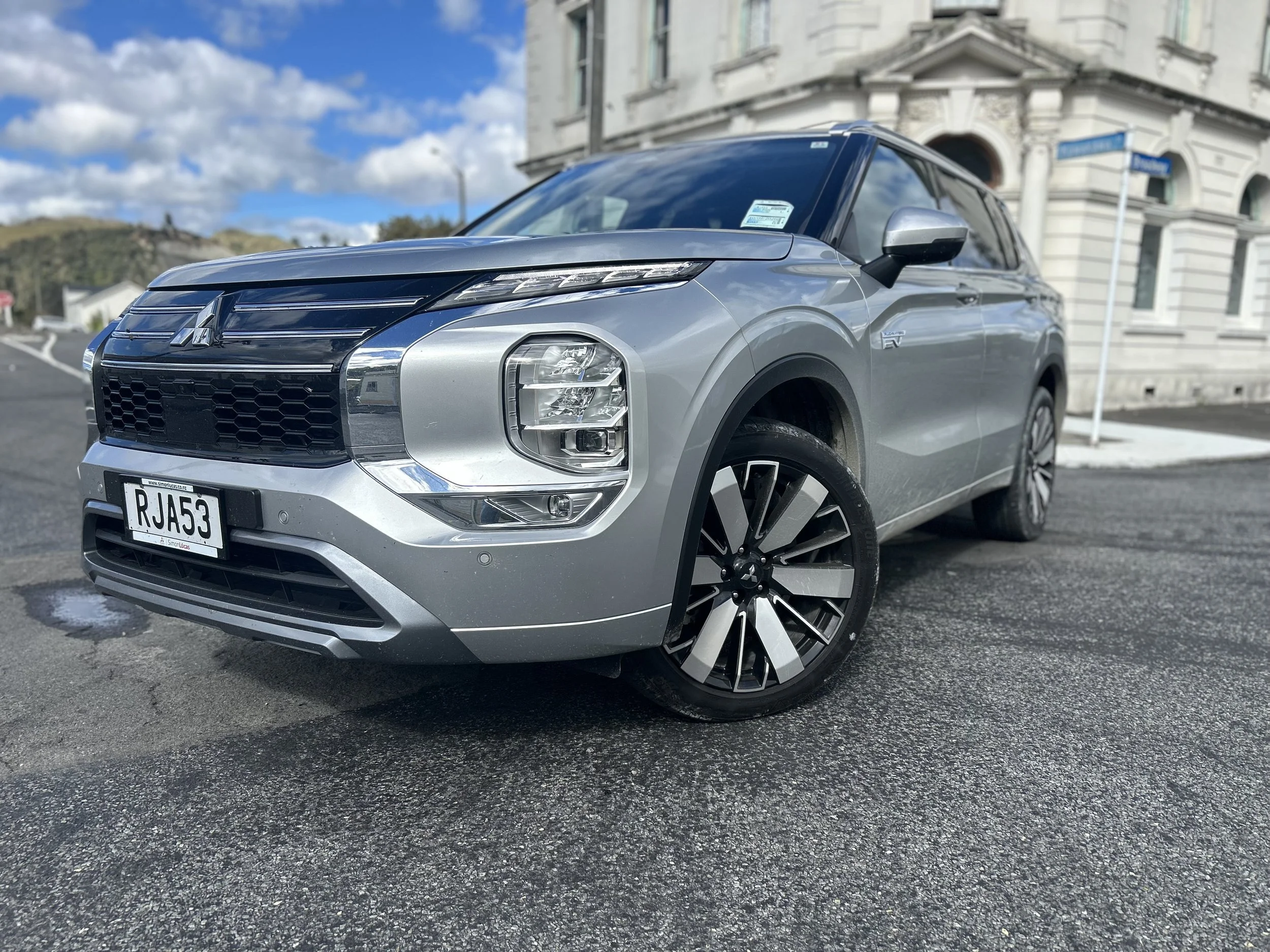
The main purpose for evaluating the petrol VRX was to achieve a sense of what it might return in respect to consumption over an average week of operation, which included a mix of low speed urban and open road pace driving, with a daily ingredient of both plus a 300km open road run. The average from that was 10 litres’ per 100 kilometres, which is in line with previous outcomes from this type under test and still reasonable for this size of car. The caveat is that the big run was with just a driver aboard; would it work harder and drink more with a full complement? Hard to imagine that not being the case.
Several weeks later, time to reacquaint with the PHEV, now with a battery capacity up from 20kWh to 22.7kWh, which enhances the model’s fully electric range to a WLTP-rated 86km, with Mitsubishi Motors New Zealand also contending this drivetrain can lend up to 950km combined range.
This experience didn’t explore the veracity of the latter, but after covering 430kms across most of the same roads taken by 4th petrol VRX, the tank was still half full, a good sign.
Overall economy of 7.0-litres per 100km shows the benefit of electric enhancement; as we’ve found in the past, the ratio of involvement changes very much depending on driving style and overall speed.
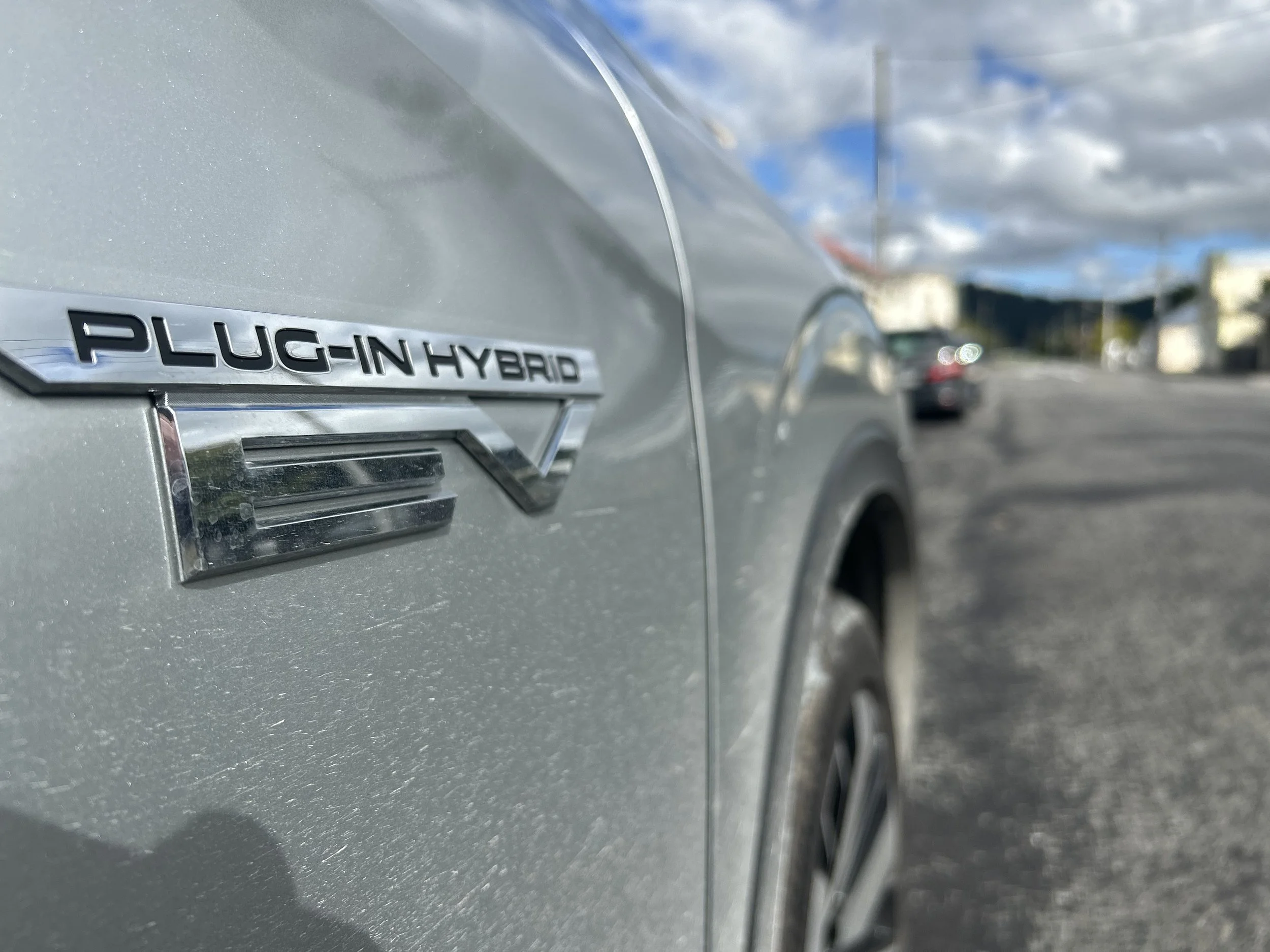
The trip computer showing an EV driving time ratio of 48 percent reminds that when left to its own devices, this system will effect very broad influence.
A period intentionally spent running in EV mode suggested you can get pretty close to Mitsubishi's official range on a full charge, if that is, you're driving around town and making the most of brake energy recuperation. Out on the open road, the extra demands on the system still trim that to a rather more limited outcome. Achieving the brand’s estimate would, in all likelihood, require the usual especially light-footed approach.
The Outlander's refinement with both powertrains is pretty decent, but the PHEV has a more consistent quietness, which you'd expect from a half-electric car. Obviously, running on just the batteries means that there's no engine noise to worry about, but the suppression of wind and tyre noise is also impressive.
Once the petrol engine kicks in, that refinement is carried over. With both under hard acceleration you do have to put up with a bit of the usual CVT gearbox roar and bellow until you reach your desired speed.
Your approach to using the drive modes is more important with the PHEV; to really stretch out the Green potentials, Eco mode is the place to be, though with this you get even more tranquil acceleration than with the pure petrol.
Conversely, put either in Sport mode and though there's quite a bit of acceleration either way, it’s more obvious with the PHEV, due to it unleashing the full low-down grunt of the electric motors. At low-to-medium speeds, this edition surges forward with some proper, and enjoyable, vim. That obviously trails off as the speed rises and the petrol engine takes over more of the effort but the off-the-line urge is very pleasant, and useful in tight traffic.
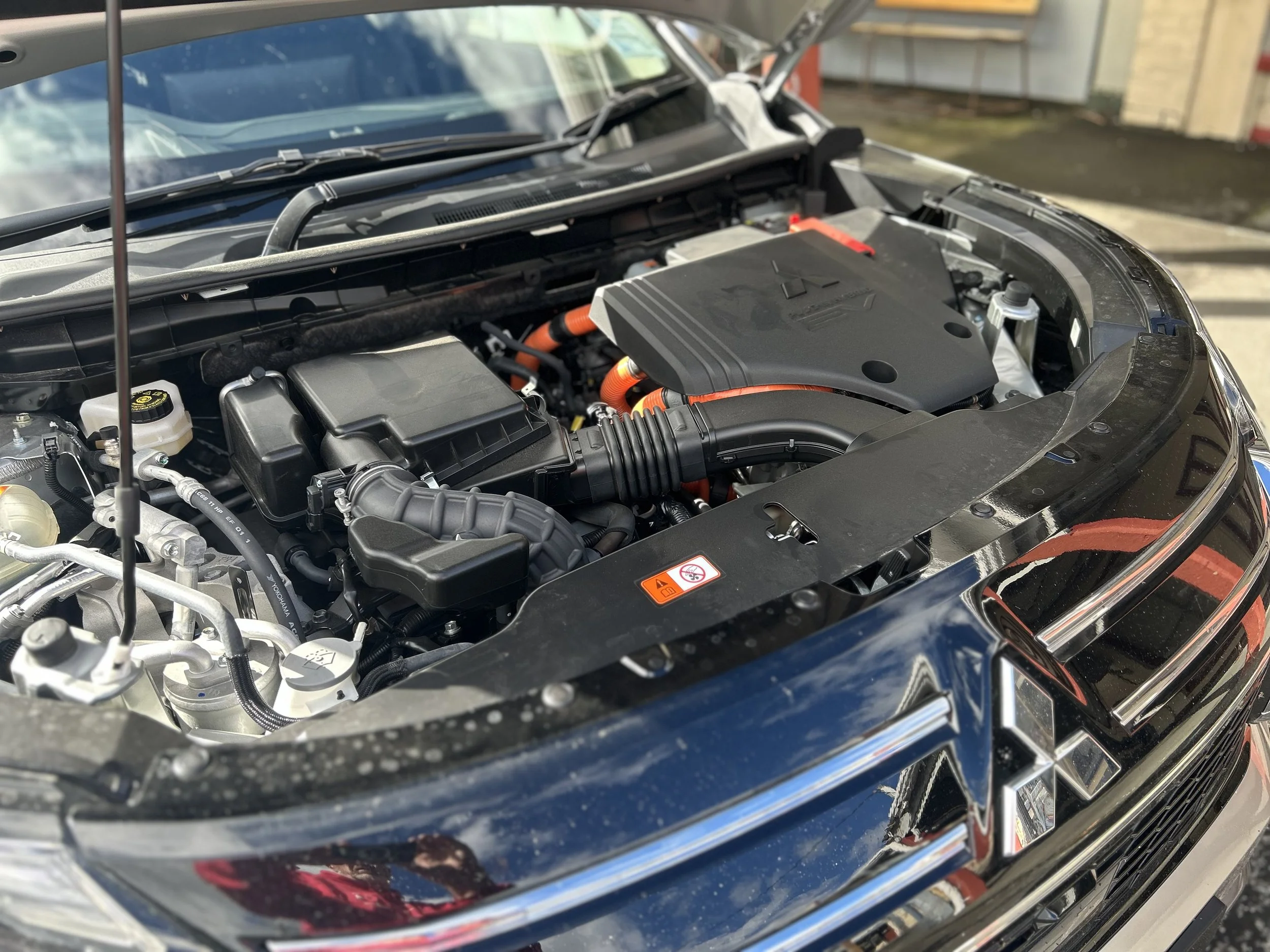
The bugbear with the PHEV here is twofold. One that it is still reliant on AC draw, with a ChadeMo plug; updating to DC uptake to CCS would make for faster charging and access to far more public charging stations. As is, you might find it easiest to replenish at home, which brings the plus of enjoying low cost but the minus of this being a long downtime to effect replenishment if, like me, you’re relying on the provided cable kit hooking into a standard wall plug.
The other irk is the price hike over the petrol model. China Inc forever bringing down the premium for PHEV, but Mitsubishi doesn’t seem to have got the memo.
Now to the other side of the driving experience. Historically, the Outlander has been one of those cars that was considered okay, rather than outstanding.
A major focus of the latest upgrade has been a recalibrated chassis and steering, the result of a collaborative effort between Mitsubishi’s global engineering centre and a research and development team in Australia. The aim was to refine the ride and handling balance.
Head office signed off on front and rear shock absorbers being re-tuned for enhanced bump and rebound control, complemented by a revised front anti-roll bar and steering map. They also allowed a swap to a new Bridgestone Alenza tyre. These enhancements were matched by new measures out of the factory to reduce noise, vibration and harshness (NVH), including 18 structural modifications and the addition of a transmission tunnel isolator.
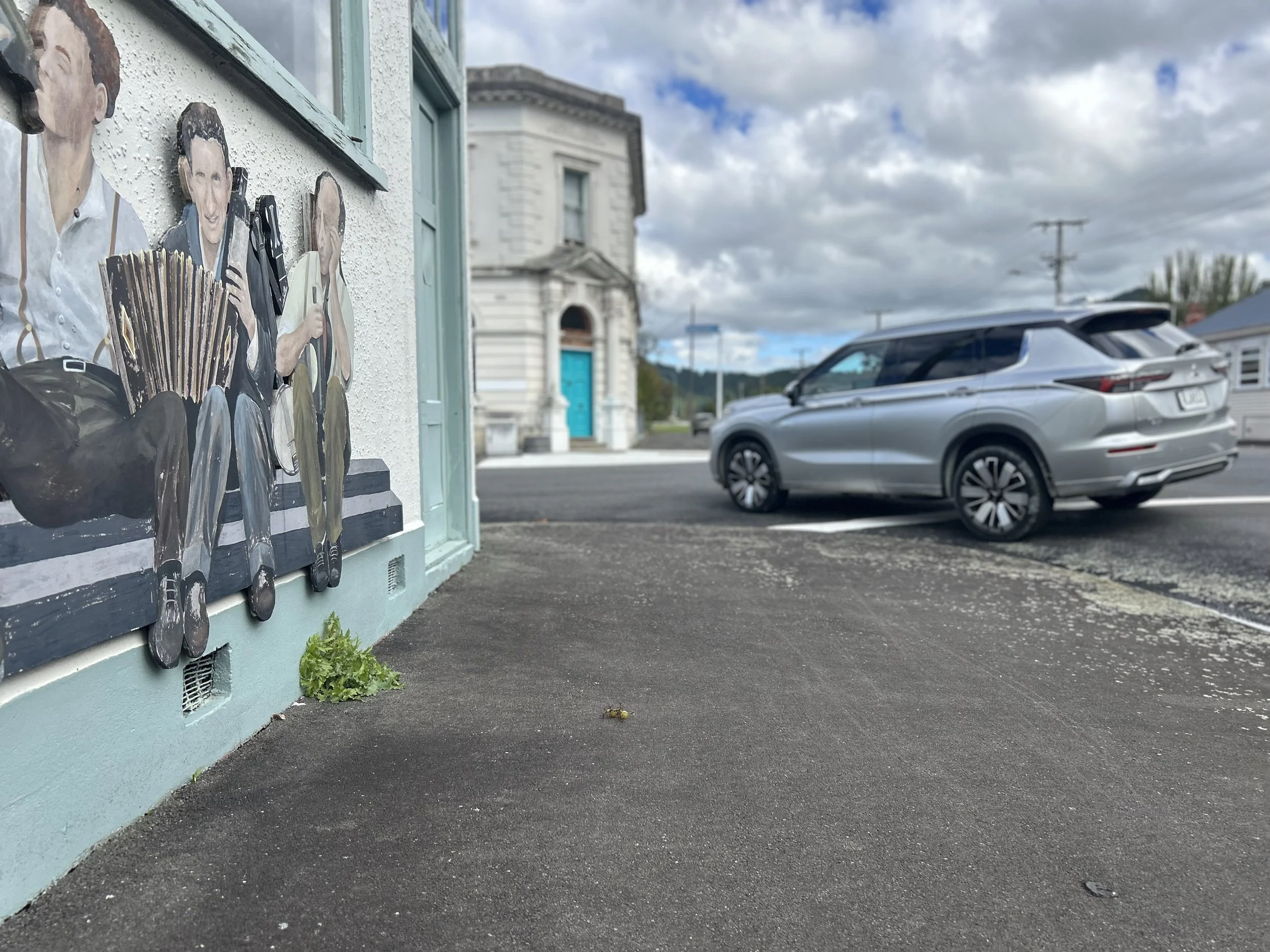
The end result is pleasing. The main benefit is a more composed and responsive drive, and having been pretty lifeless previously, the steering now has at least some weight to it. This is not the sort of revision that absolutely alters the character of the car, but does make it more amenable.
That side of things, plus Mitsubishi having always majored on good value and high standard levels of equipment with the Outlander will surely be enough to keep it in the fight.
It’s good to see the PHEV has been retained, despite there having surely been periods over the past two years when MMNZ must have questioned the logic of doing so. A number of carmakers have walked back on all sorts of electrification commitments, but interesting most have determined to keep their pledge to maintain PHEVs, because the global attitude to them is more positive than NZ’s.
The full ICE model is run of the mill, the PHEV is still the one that is better for the long game - but due to the price difference, you’ll need to be patient to offset that premium in savings. It’s fair to say that if absolute electric range is your primary ideal, then there are others that do better now. But Mitsubishi’s pathfinder is still good enough for most reasonable applications.