
Range Rover zap doubles
/The Range Rover Sport is ready to join the full-sized Range Rover in heading into a full electric phase.
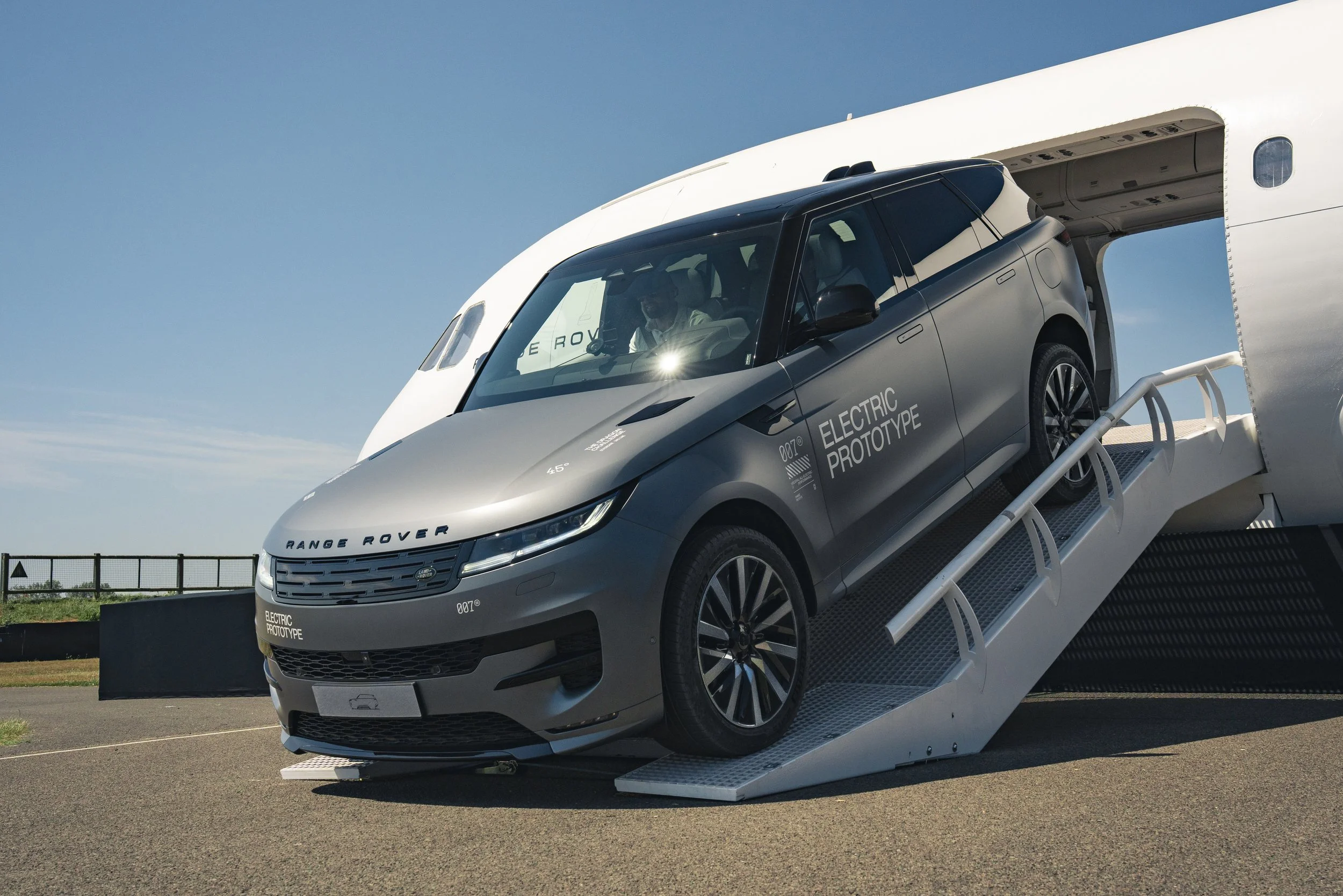
NOT an electric Range Rover, but a Range Rover that happens to be electric.
So goes the mantra from JLR - full name Jaguar Land Rover with the ‘J’ being very silent here at the moment - when confirming the full-fat Range Rover EV will be swiftly followed to market by the Range Rover Sport Electric.
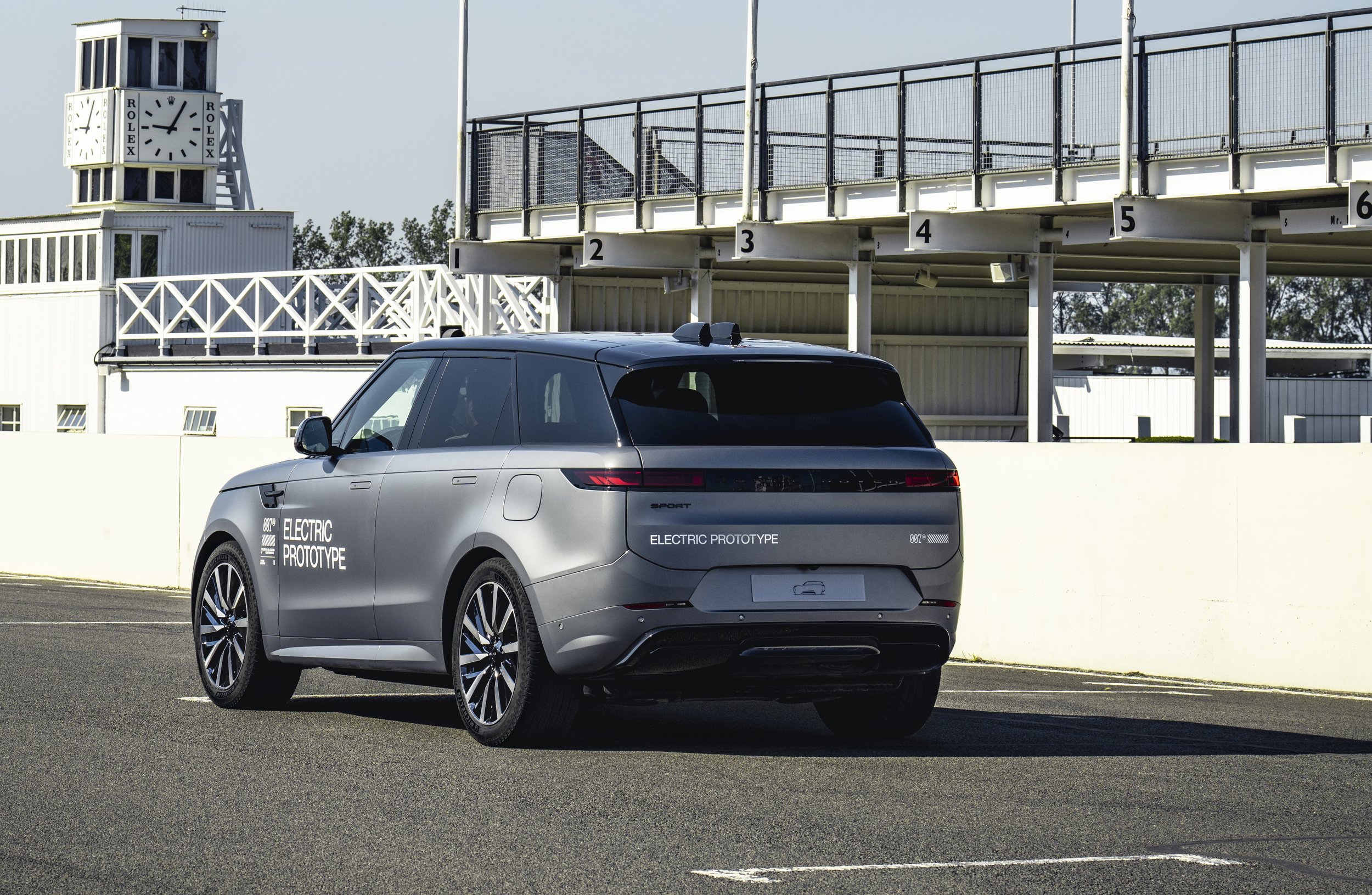
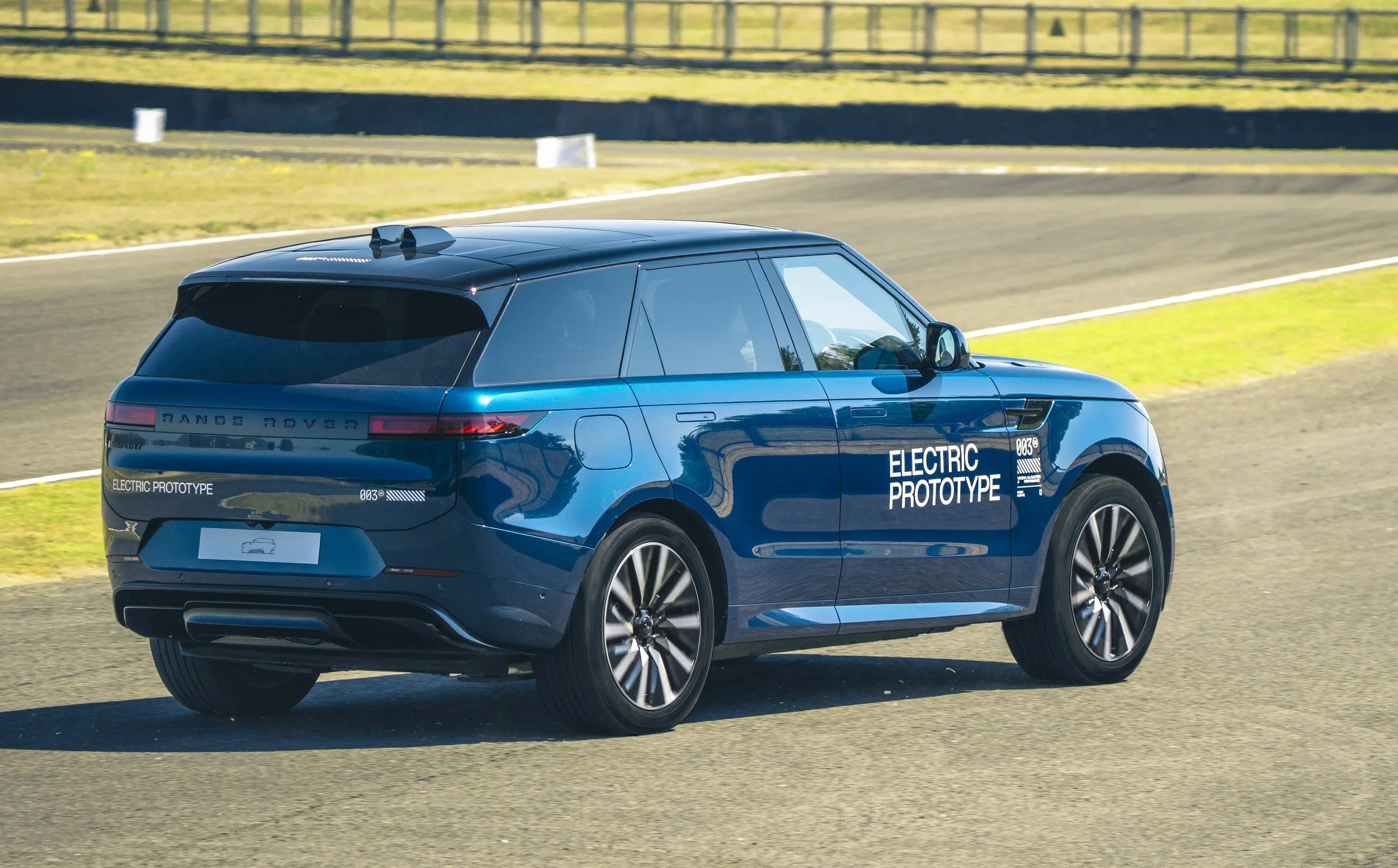
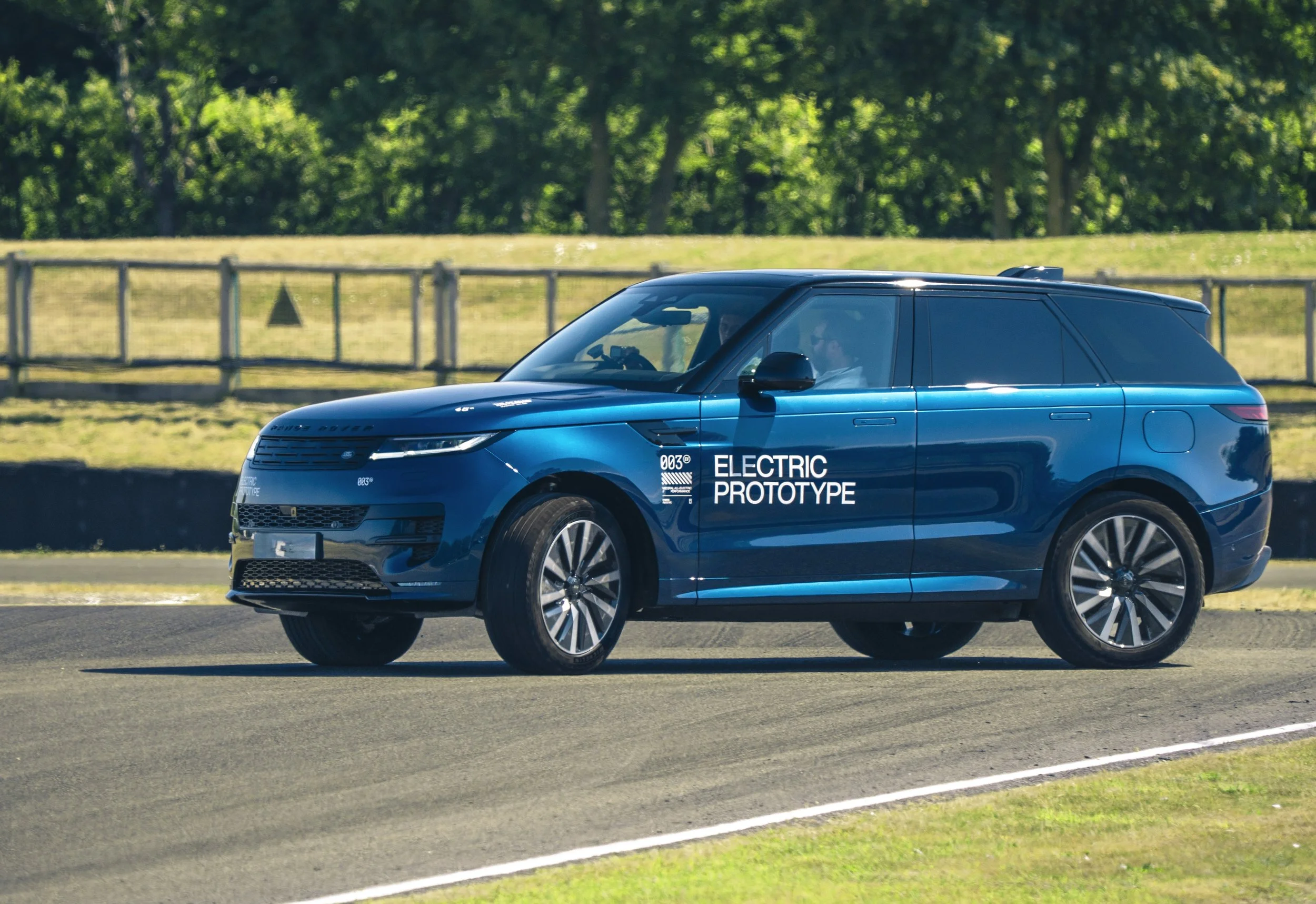
The announcement has been accompanied by these teaser images, which veery much enforce that the new product is not set to look very different from the other models in the lineup.
The only reported changes are a new design of 22-inch wheel, a marginally more closed-in upper grille, some tweaks to the lower rear bumper and, curiously, charging points on either flank.
Further comment from British media who have seen and sampled it is that “there’s little sense this is anything new.” Well, looks-wise.
JLR has also made clear petrol, diesel and plug-in-hybrid variants will remain on the price list for the foreseeable future to satisfy consumer demand.
The EV sites on the the MLA architecture that forms the basis of the sister next size up Range Rover EV, designed from the outset to accept a battery-electric powertrain.
In the space where the propshaft, fuel tank and batteries sit in normal Range Rovers (the last element of that related specifically to the PHEV) is now a big bank of lithium ion batteries.
Britain’s Autoexpress site says the tall stature of the Range Rover Sport’s overall body has allowed these batteries to be stacked in two layers totalling around 118kWh. That’s a generous amount, but not category-leading. The impending new BMW X5 will have 140kWh in a similar footprint .
Anyway, they’re talking of range of somewhere in the region of 530 kilometres. This is also an 800-volt architecture, so expect for fast DC charging up to 350kW.
So long as the Raover Rover Sport is pukka in its sportiness, right?
In respect to that, message from the Gaydon headquarters in the United Kingdom is that we can expect the EV to be “more dynamic and faster than ever” in its limited information.
Whether it means to suggest the Range Rover Sport Electric will be more dynamic and faster than the current top thug Range Rover SV remains to be seen.
On absolute output, the petrol is stronger - it packs 473kW, whereas the electric is cited to have around 404kW.
While both e-motors are the same, they are mounted in different orientations.
The front motor is mounted upright to allow for more interior space in a position similar to that of the existing inline six-cylinder engine, with the rearmost unit placed on its side so it doesn’t intrude into the boot floor. No additional space has been carved out of the chassis. There’s no under-bonnet storage or any more storage under the boot floor.
The e-motors are identical, so there’s a true 50/50 split in terms of power delivery, but being electric there’s no need for bulky transfer cases or locking differentials to achieve the same goals off-road.
Autoexpress says there will be one caveat, though, in that there will no longer be a seven-seat option for the full-sized Range Rover long-wheelbase.