
Electric resurgence established
/March was a windfall month for battery-involved models; cars with plugs are hot again.
THE worst kind of trigger for an electric car resurgence has produced the best registrations results for the technology since 2023, when most popular cars were subject to rebates.
A month of incredibly busy electric activity has transpired, surely wholly resultant from the United States and Israel going to war with Iran, an action that has have radical impact on pump fuel prices and caused concern about security of further supply.
Massively renewed interest in new and used electric cars has resulted.
Monthly registrations data in respect to the new car industry shows that products that were almost moribund for the past two years have again become suddenly hot property.
The challenge for sector involvers is to meet demand - ironically, the reversal in fortune has come about when most have significantly whittled back in-country counts, because until start of March, buyer interest was desultory.
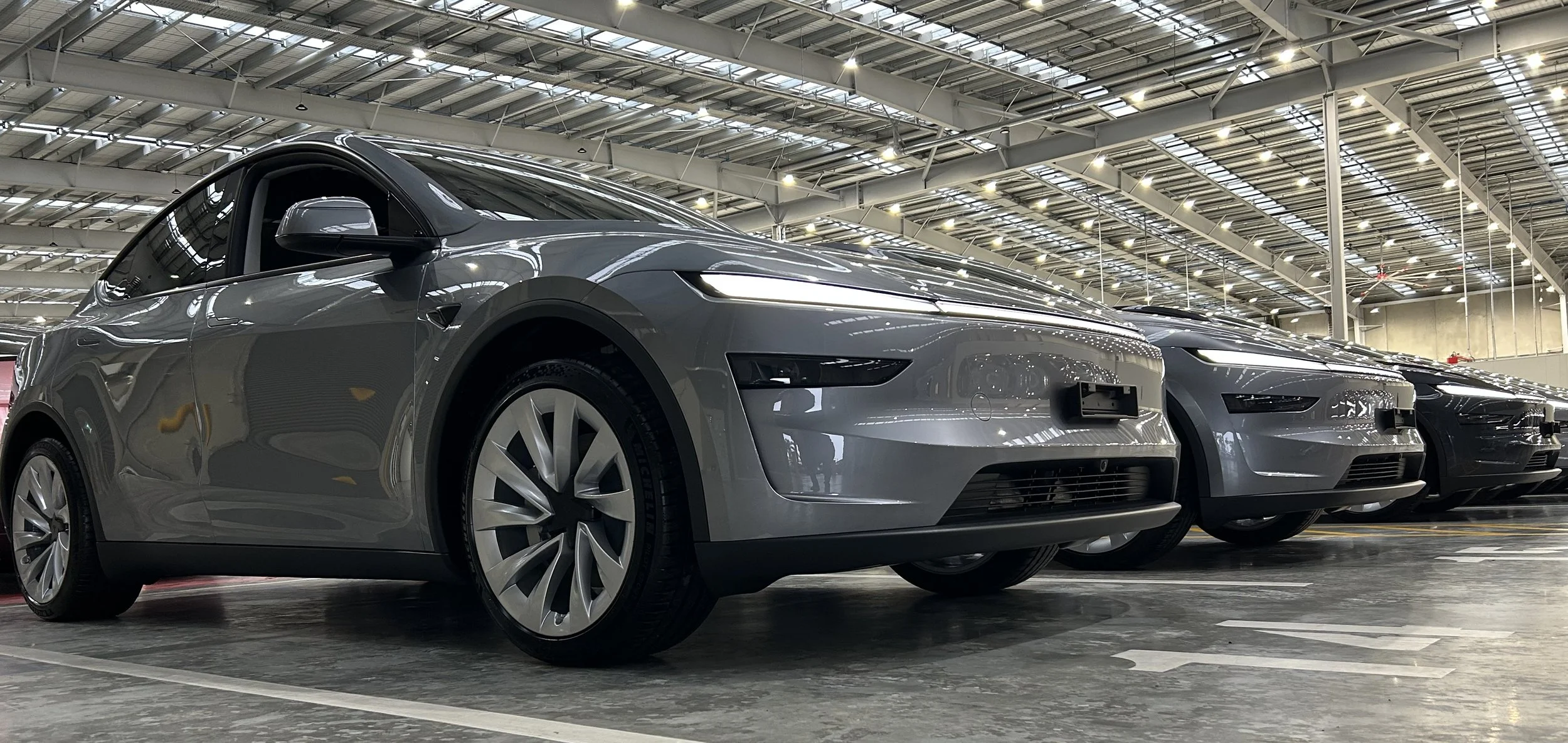
The biggest single winner was Tesla, which sources out of China, an EV producing country that is least impeded by shipping challenges caused by the Middle East disruption.
Tesla’s Model Y SUV was third in the sales ranks, behind the Toyota Hilux and Ford Ranger utilities, but achieved as the top selling passenger car with 480 units out the door.
That’s a massive turnaround on February, when it sold only 10 cars and well up on March, 2025, when it pushed out 145.
With assumption that there is no early or easy end to the fossil fuel disruption, some are predicting that Tesla’s performance could grow stronger this month, when it begins shipments of a new three-row, six-seater ‘L’ edition of the Y.
Preliminary data for March indicates fully electric, electric-involved (so plug in hybrid) and electrified - meaning hybrids that self sustain their batteries - took a big slice of the total new light vehicle (so cars, vans and utes) registrations tally of 14,910 units.
Two out of every three registrations involved a powertrain that relied, to varying extent, on battery involvement.
Within that action, plug-in vehicles accounted for 33.9 percent of all registrations. Not only a massive jump from February, but also three-fold increase on the same month last year.
Battery electric vehicle registrations zapped up by 286 percent, to 2303 units, while PHEV counts rose 273 percent, to 1107 units. Hybrids accounted for 3223 units.
By comparison, vehicles fully reliant on petrol and diesel achieved a 33.7 slice of new passenger registrations.
In addition to the Model Ys, Tesla registered 58 other cars in March.
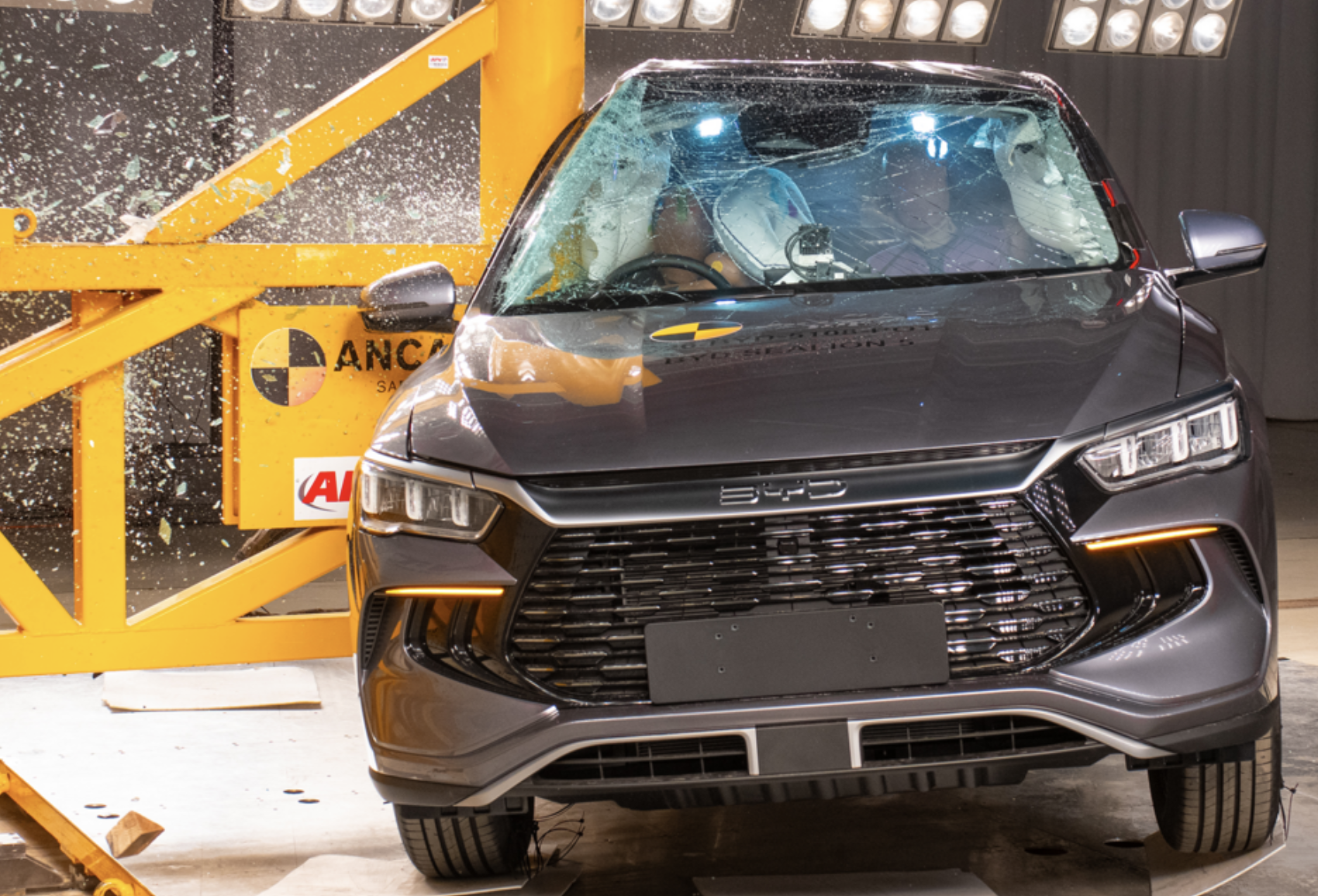
BYD was the second strongest EV performer last month, with 424 registrations spread between the Atto 1, 2 and 3, and Sealion 7.
Dongfeng imprinted as the third strongest performing EV brand, with 336 plated; of those, 260 were the small Box, the country’s cheapest car.
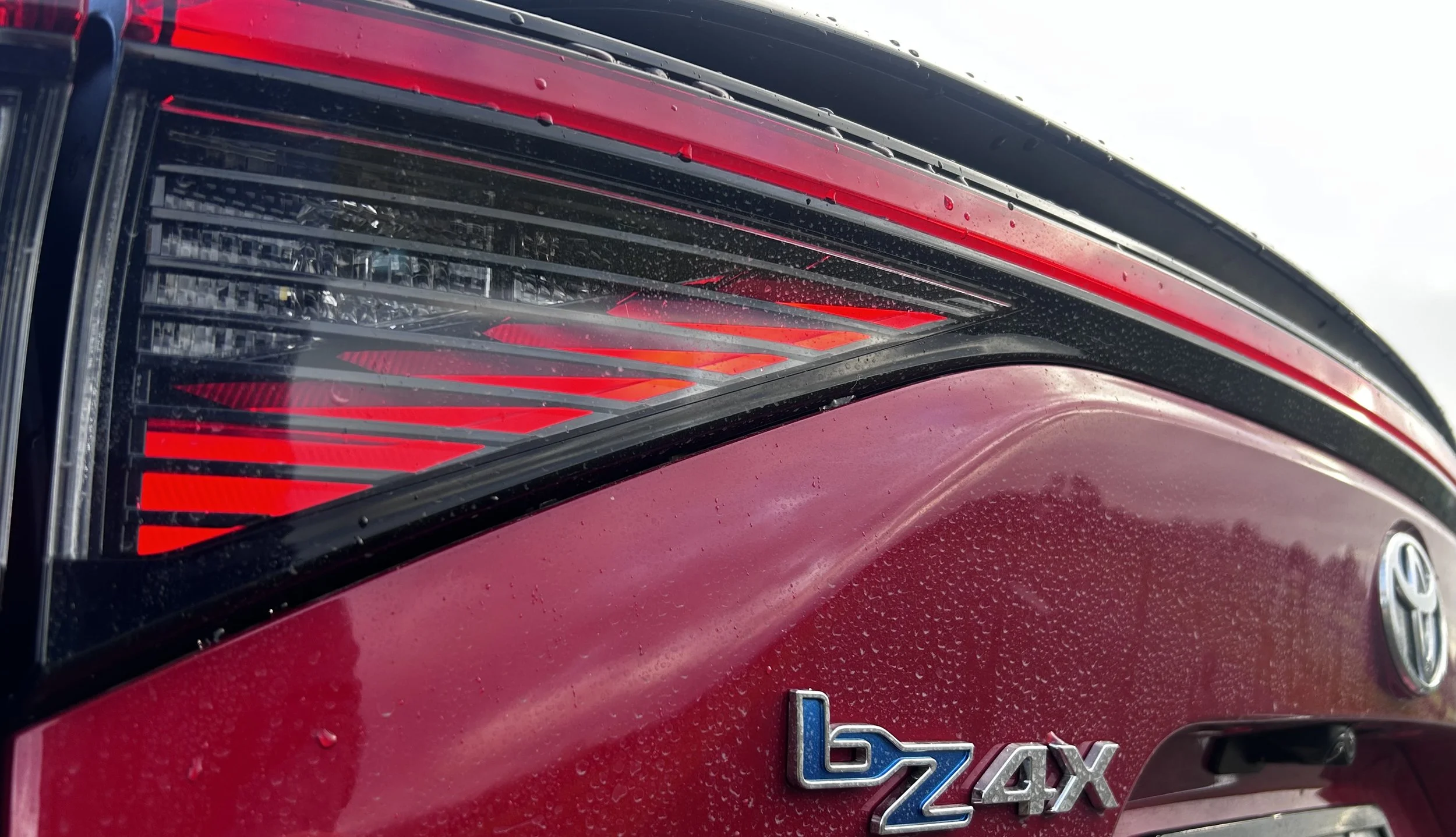
Others EV specialists to show growth, but less substantially, were Leapmotor, Zeekr, sister makes Omoda and Jaecoo, MG and newcomer GAC. Toyota’s bZ4X rose to 59 units, Mini and Kia also saw more sales than in the preceding four week period.
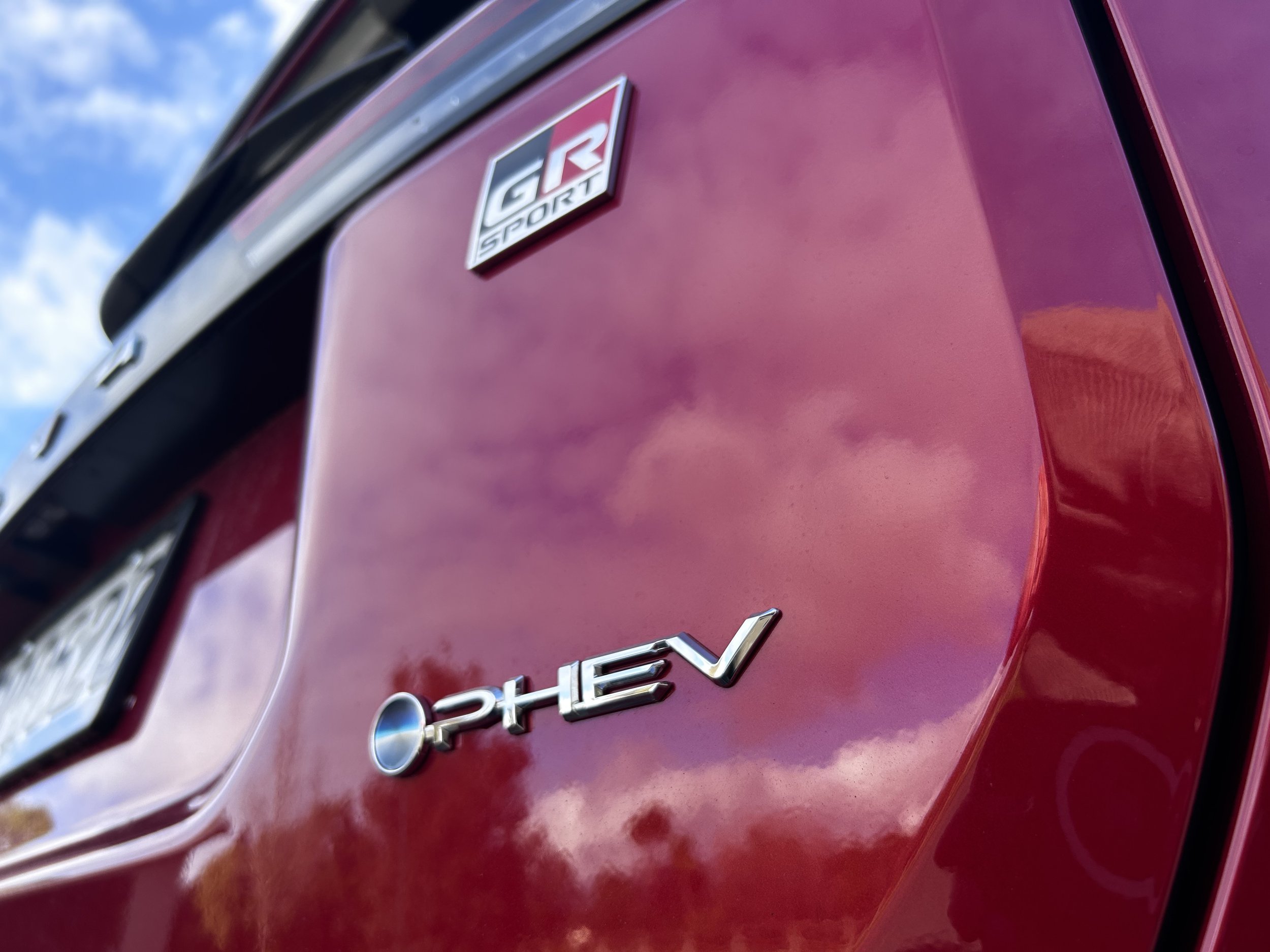
The PHEV segment also saw more action within passenger and commercial, but not to the same extent as full electrics - these models being uniquely hit by fuel tax and Road User Charges still hampers.