
EV demand will outpace supply
/The sudden spike in interest for electrified products has come when many makes had reduced to low stock holdings.
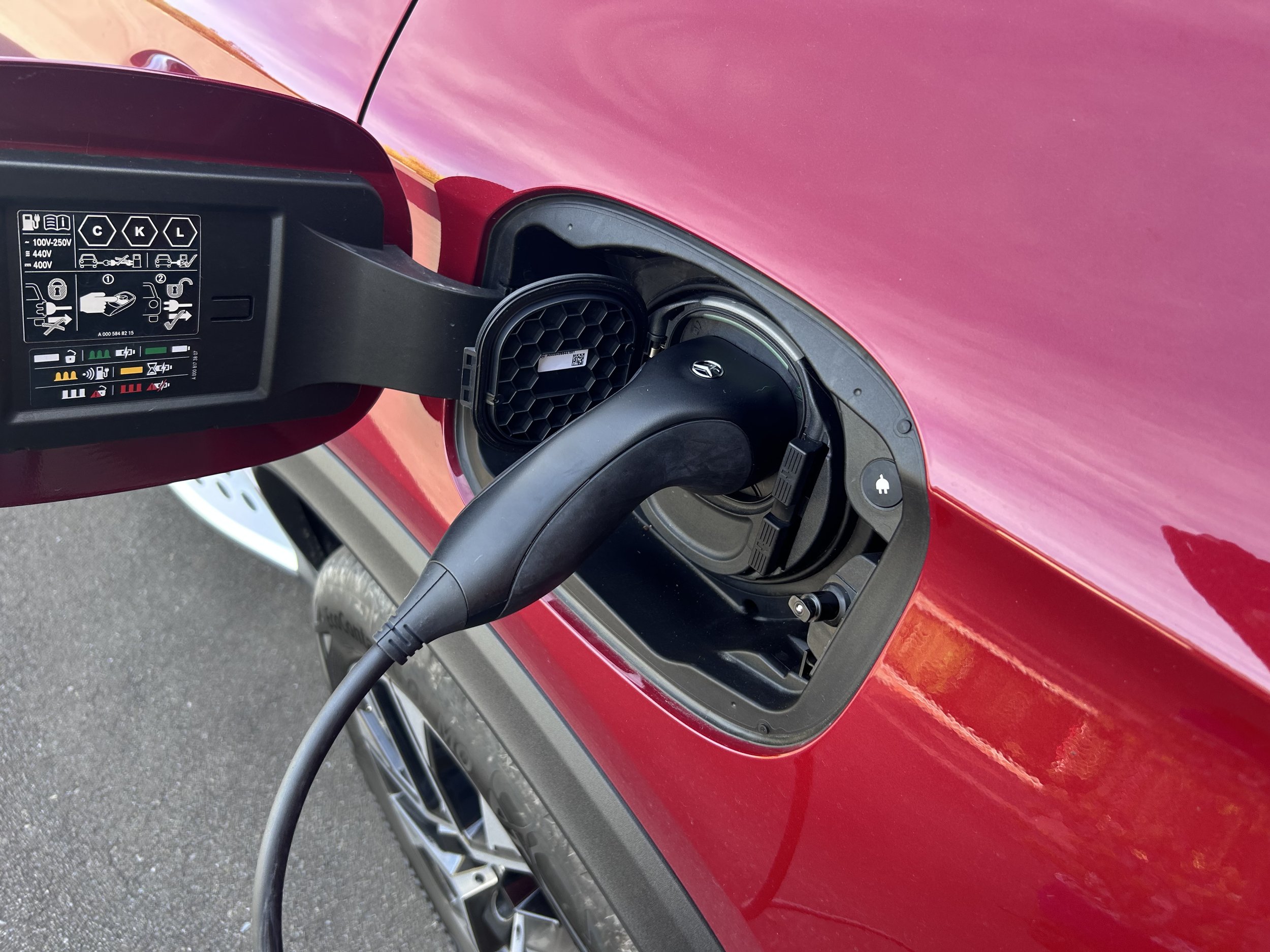
WARNING that the new car industry will soon be hard-pressed to keep up with sudden spike in demand for electrics has come from the organisation acting on behalf of most.
Probability that those wanting to buy brand new electric might have to go onto waiting lists and not see their cars for months seems high.
New vehicle registrations reached 14,908 units in March 2026, an increase of 25.2 percent compared with March 2025, the Motor Industry Association has reported.
Growth was observed across all major segments, but was especially obvious with battery-involved products - two out of every three registrations involved a powertrain that relied, to varying extent, on battery involvement.
Registrations of fully electric cars zapped up by 286 percent, to 2303 units, plug-in hybrid counts rose 273 percent, to 1107 units. Hybrids - which count as electrified rather than electric - accounted for 3223 units.
The fully electric count was the best registrations results for the technology since 2023, when most popular cars were subject to rebates.
Many brand with electric fare were not necessarily well-placed for the spike; with the past two years being a nightmare for the sector - due to interest simply evaporating after the National-led coalition axed rebates at end of 2023 - most had whittled holdings down to minimal counts.
Two makes, Nissan and Opel, completely ceased representation right before conditions changed.
The German brand has gone for good; Nissan has withdrawn the Ariya and a new Leaf which could have been here in weeks has instead been delayed for an undefined period.
The repercussions of distributors being far more cautious about EVs prior to last month will hang over their ability to supply going forward, suggests the MIA, whose members include most brands, but not all.
Tesla, whose Model Y on strength of 480 registrations jumped to being the third best selling car last month and top passenger car, is notably not a member.
MIA chief executive Aimee Wiley says while internal combustion cars still achieved more registrations in March, the swing back toward electrified was significant and occurred rapidly.
“Recent analysis indicates a material increase in electric vehicle uptake during the month, alongside a sharp rise in fuel prices.
“Hybrid and plug in hybrid vehicles continue to maintain a steady presence across the market, while internal combustion vehicles remain the largest component of registrations, although their share has moderated relative to prior periods.”
Wiley says there was increased engagement from both private and business customers.
“Demand for electric vehicles has increased rapidly, as rising fuel costs are influencing purchasing decisions across the market.”
However, she warns the pace of change had been faster than supply conditions could immediately accommodate.
“New Zealand is a long lead-time market, and supply pipelines were set against more subdued demand, so available stock has been drawn down quickly.”
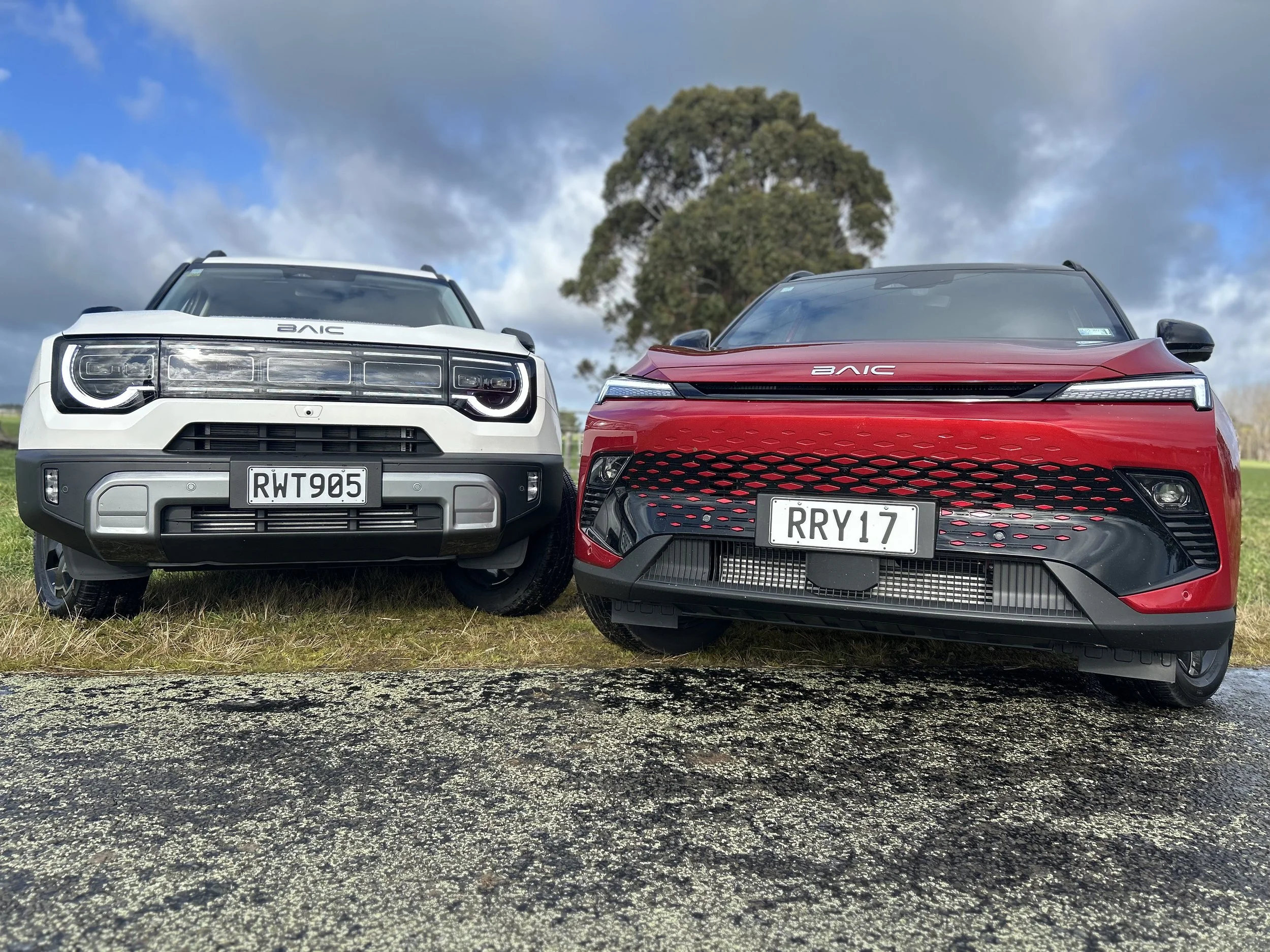
Conceivably, brands sourcing from Asia - particularly China - have one of the least troubled stock replenishment arrangements.
One big performer, BYD, has already suggested it is working to elevate its stock orders. It has also signalled intent to pick up products that were earmarked for other markets, but are not required in those.
The MIA view is that current market performance is occurring against a backdrop of uneven economic conditions, with recent data indicating limited momentum in the recovery and continued softness in household spending and private investment.
“At the same time, fuel price increases linked to ongoing geopolitical disruption are contributing to rising cost pressures across households and businesses.
“These conditions are reinforcing a more cautious operating environment, while supply chains and freight systems continue to function, although at higher cost and with emerging pressure points.”