
MG confirms second electric car, for early 2021
/A competitor for the country’s favourite new plug-in hybrid is coming.

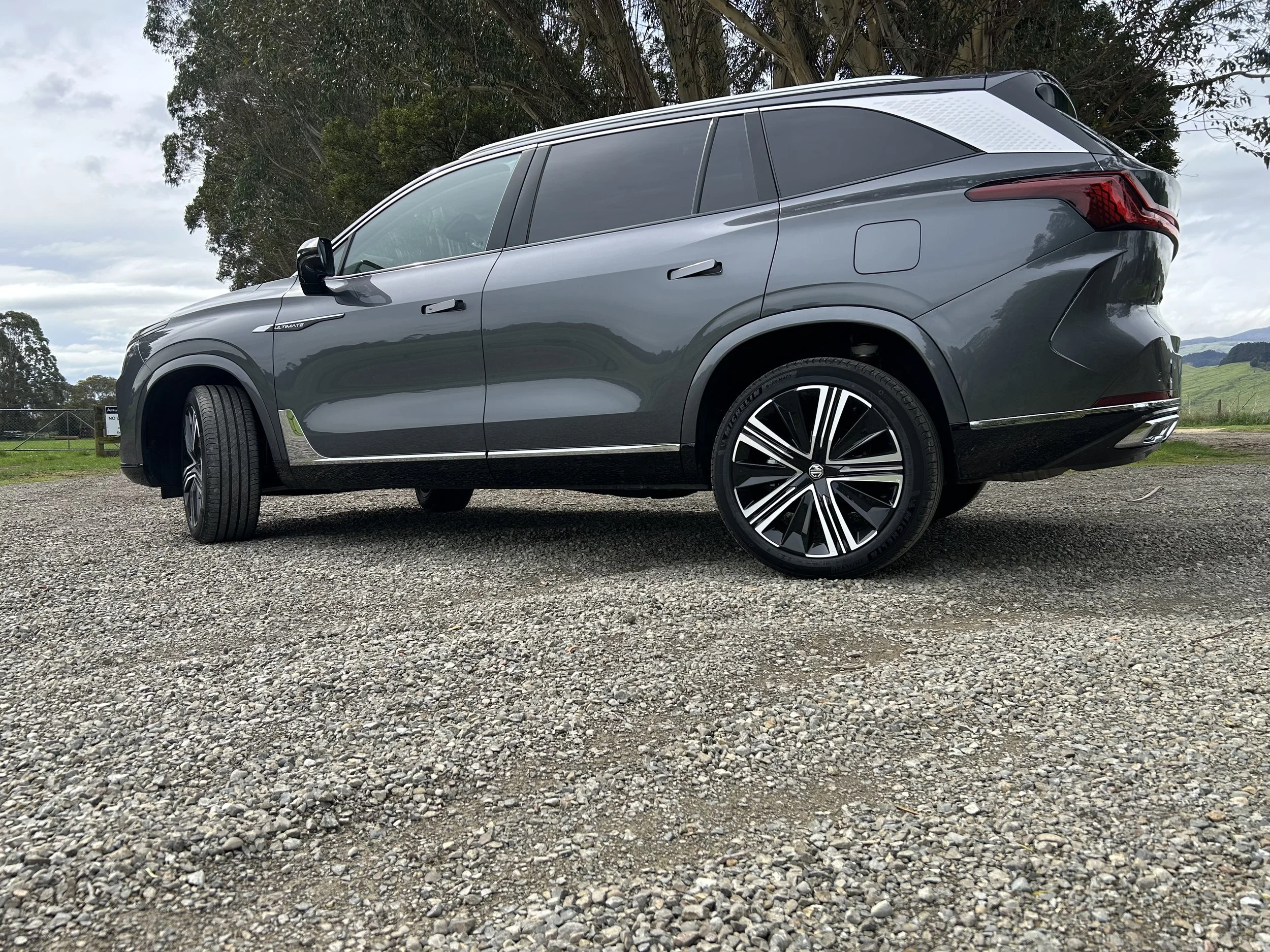
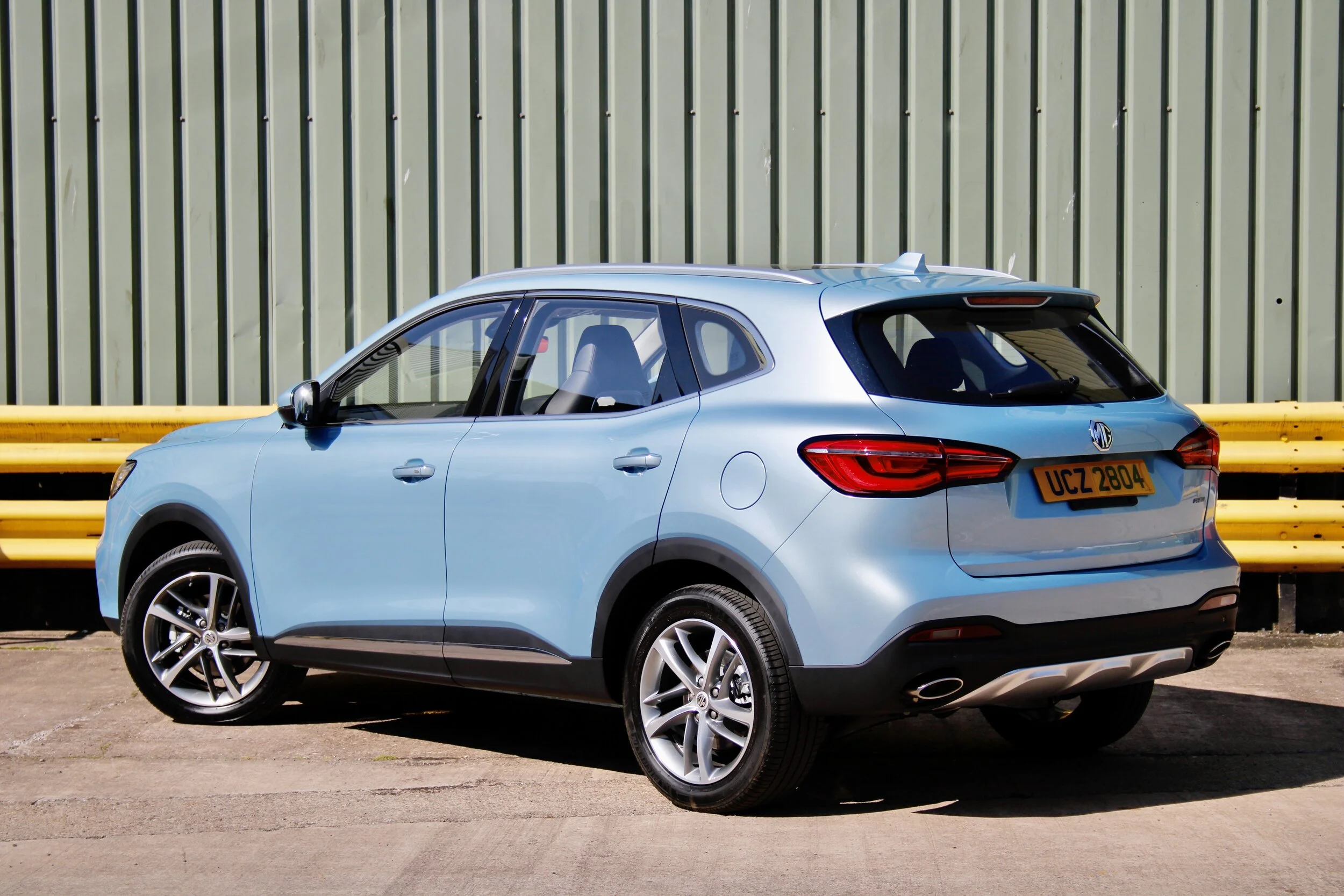
AN electrified variant of MG’s flagship sports utility, the HS, will arrive here in early 2021 to become the second model in an increasingly battery-involved product strategy.
Unveiled just yesterday, the HS EV will present here from the first quarter in highest-trimmed Essence spec with a primary target being a car that has basically had this sub-sector all to itself, the popular choice Mitsubishi Outlander PHEV.
The models’ facedown in present formats will likely rage for all of 2021, as even though the current Outlander is set to be replaced next year by a new generation car, with greater involvement from technology partner Nissan. The next PHEV is more likely arriving in 2022.
They seem sure to become intriguing rivals.
For the past year the Outlander has had a 2.4-litre petrol engine, replacing the original’s 2.0-litre, and updated to a higher capacity (13.8kWh) battery, sells for $52,490 in XLS and $58,990 in VRX, has a claimed full electric range of 55 kilometres, achieves fast charge replenishment in 25 minutes and delivers 1.9 litres per 100km optimal fuel burn, according to the factory.
No price has been set for the HS yet and the local specification has not been finalised, however the drivetrain is known – it pairs a 119kW 1.5-litre turbocharged petrol engine with a 90kW electric motor for a combined output of 189kW and a 0-100kmh time of 7.5 seconds.

Power is sent to the front wheels from both power sources through a newly developed 10-speed gearbox. This involves a six-speed orthodox automatic gearbox while the electric motor uses a four-speed drive unit.
A 16.6kWh battery pack gives an electric-only range of 51km and can be charged to full capacity in three hours using a Type 2 charger. It and emits 43g/km.
Equipment levels are high. The standard car, which is not being considered for introduction, takes 18-inch alloy wheels, electrically adjustable heated front seats, a 360-degree camera, keyless entry and climate control. The flagship trim adds a panoramic sunroof, electric tailgate, leather upholstery, ambient lighting and LED headlights in the specification offered in the United Kingdom, the car’s first right hand drive market. Whether the NZ spec will mirror the British market’s remains to be seen.
Safety features equipped as standard across the range include adaptive cruise control, traffic jam assist, automatic emergency braking, forward collision warning and blind-spot detection.
While MG has so far based its market presence around petrol cars, the corporate aim is to go increasingly electric. How well that realises in New Zealand, however, will ultimately rest on political interest in battery driving, country manager Antony MacLean says.
“The groundwork is there but at the moment it seems the country has taken a breath in respect to deciding what to do next.
“I think no-one (among political parties) has quite decided that so the election and its outcome is going to be interesting.”
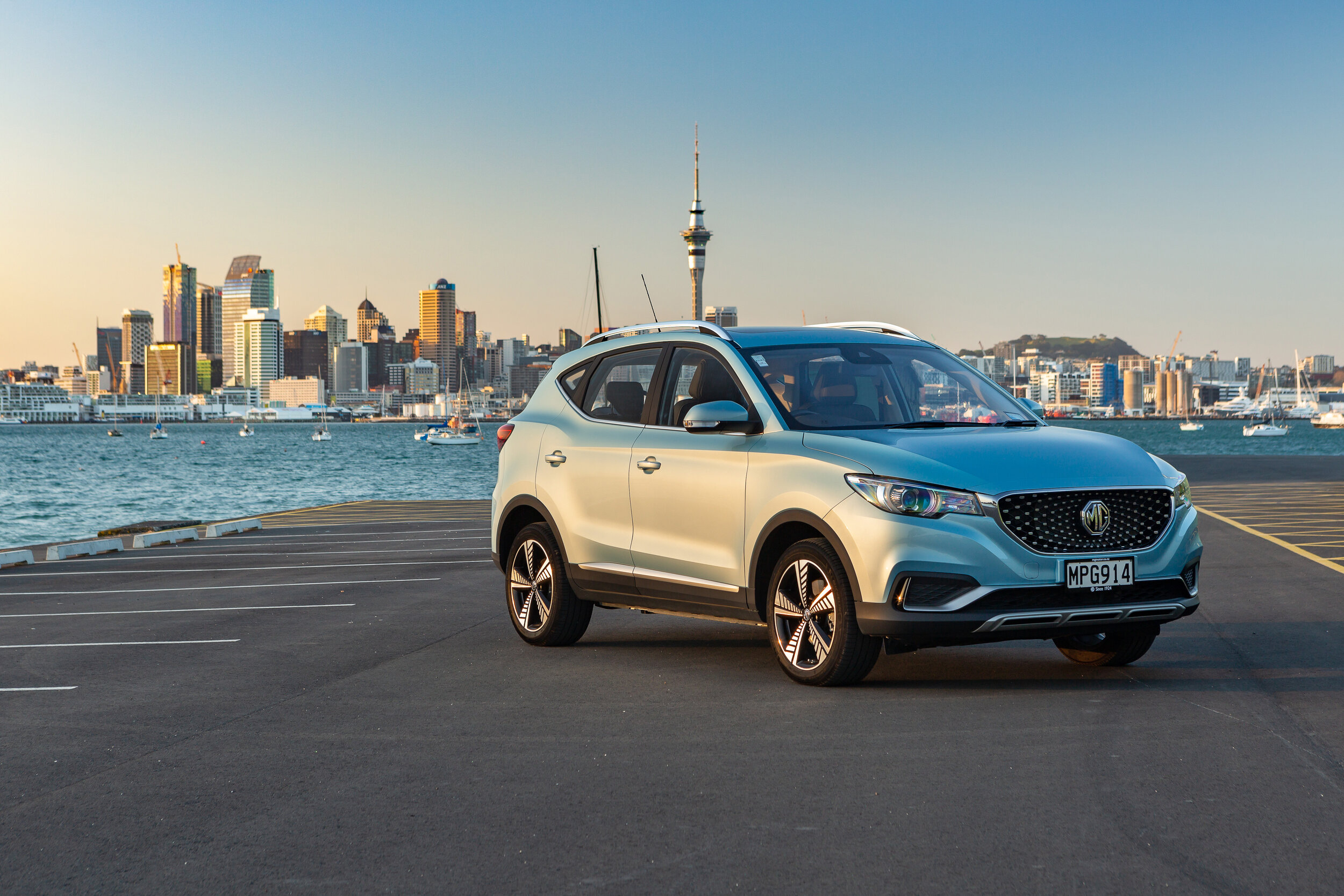
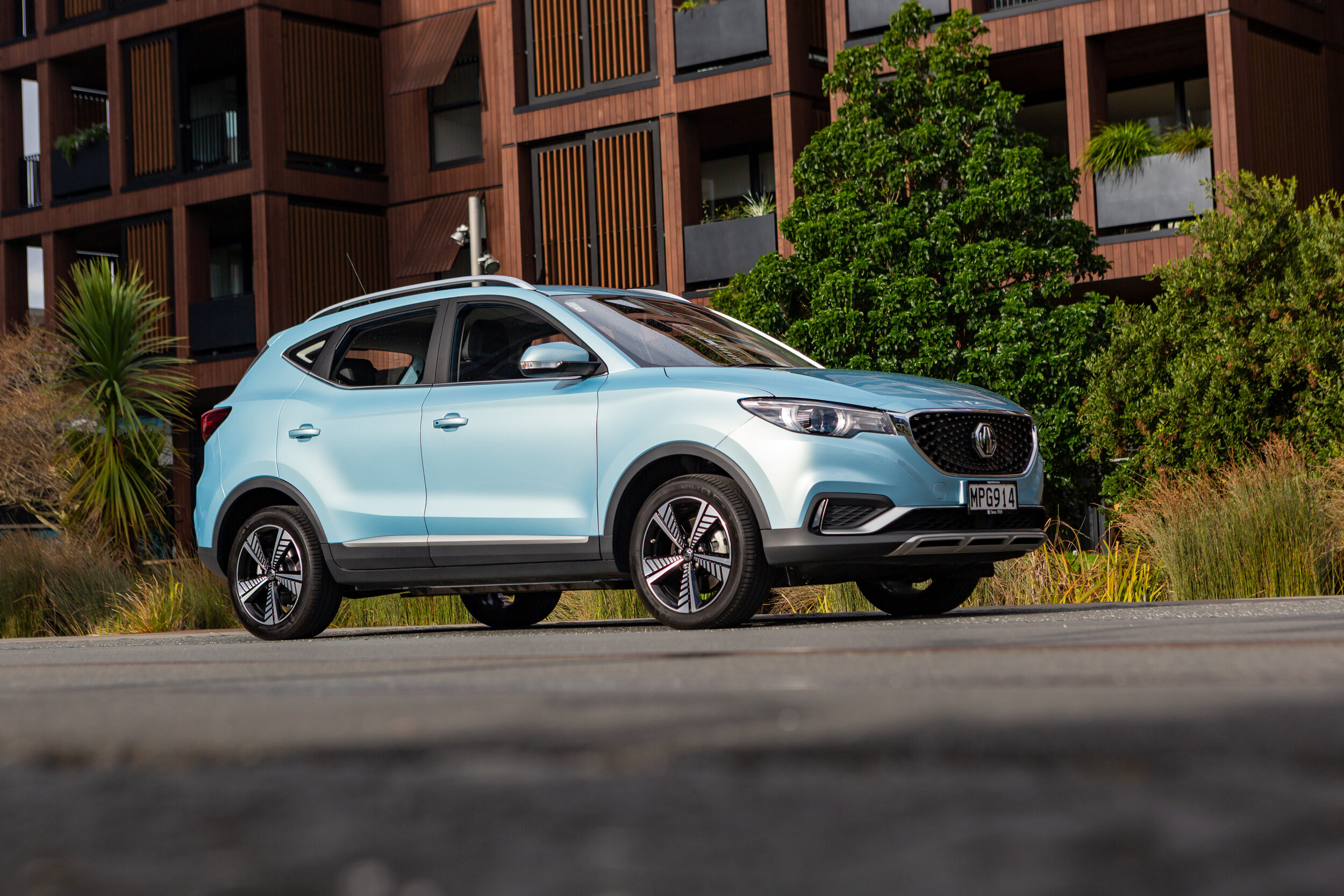
MG here has, of course, already started its electric journey with the MG ZS EV, a smaller crossover car that will go on sale soon. That model has already attracted Government interest as a potential fleet car; the HS is also already on the all-of-Government list, from which tender vehicles are selected.
The medium crossover will release for $55,990 plus on-roads, a sticker that will make it the country’s cheapest wholly battery-driven car – a title presently held by two contenders, the Nissan Leaf and Volkswagen e-Golf. Both currently listed at $61,990.
The only potential hindrance to acceptance, if more than local driving is intended on regular basis, is range: A factory-cited 262kms betters the Golf but bows to size-equivalents the Leaf and Hyundai Kona.
Though full economy and ultimate range figures for the HS EV have yet to be given, MacLean is confident it will be the model that assuages any such concerns.
He also sees the car as having a very solid volume potential. “I’m really excited about this product … it will do an excellent job bridging the gap between pure electric and petrol cars.”

Also potentially available to MG here but unlikely to be taken up unless market conditions change is another full electric, the MG5 (above), which is spun off a fossil-fuelled station wagon sold by sister brand Rowe.
The front-wheel-drive electric edition is powered by a 114kW electric motor and features a 52.2kWh battery, giving a range of 344km. It can accelerate from 0-100kmh in just over eight seconds and can be charged from zero to 80 percent in 50 minutes using a rapid charger.
A large luggage capacity of 580 litres is a positive, but MacLean is wary of offering a station wagon in a strongly SUV-centric market.
“My feeling is that we are an SUV market and ZS EV is better suited. However we are always looking for opportunities so if customers show preference, who knows.”