BMW M5 Touring/Mercedes-AMG G 63 road test review: Spoils of phwoar
/Demented lunacy on wheels; slaps in the face of sensibility. These are Germany’s biggest noises from the wild side.
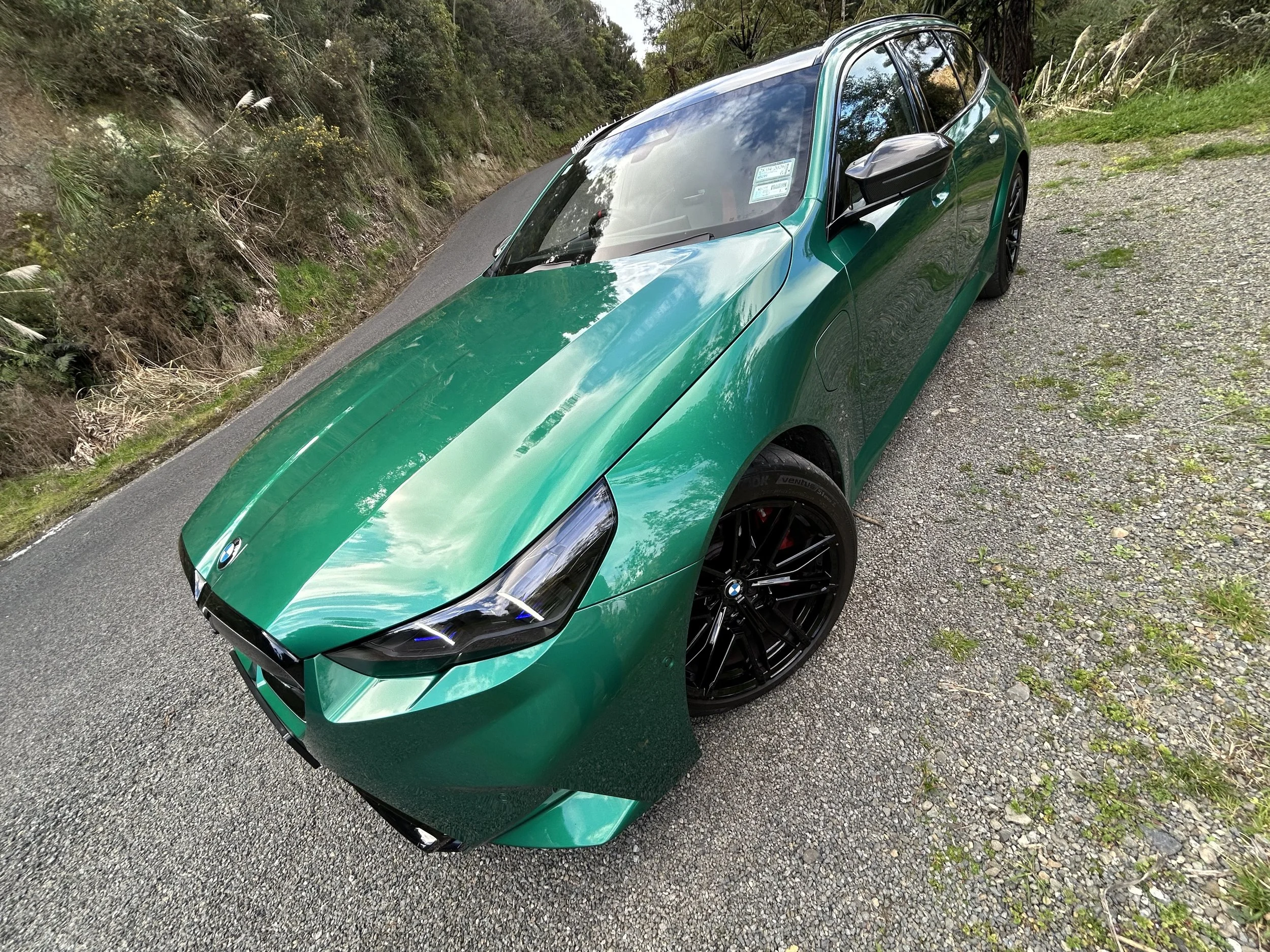
BMW M5 Touring
Price: $248,900
Engine: 4.4-litre twin turbo eight cylinder petrol with PHEV, 430kW/750Nm engine and 145kW/280Nm electric, all wheel drive.
How big? 5096mm long, 1970mm wide, 1516mm tall.
We like: Plug and play integration; fantastic attention to detail; wholly track-ready; better value than big Benz.
Not so much: Large for country roads; Hankook rubber noisy on coarse chip; drive modes take a lot of learning.
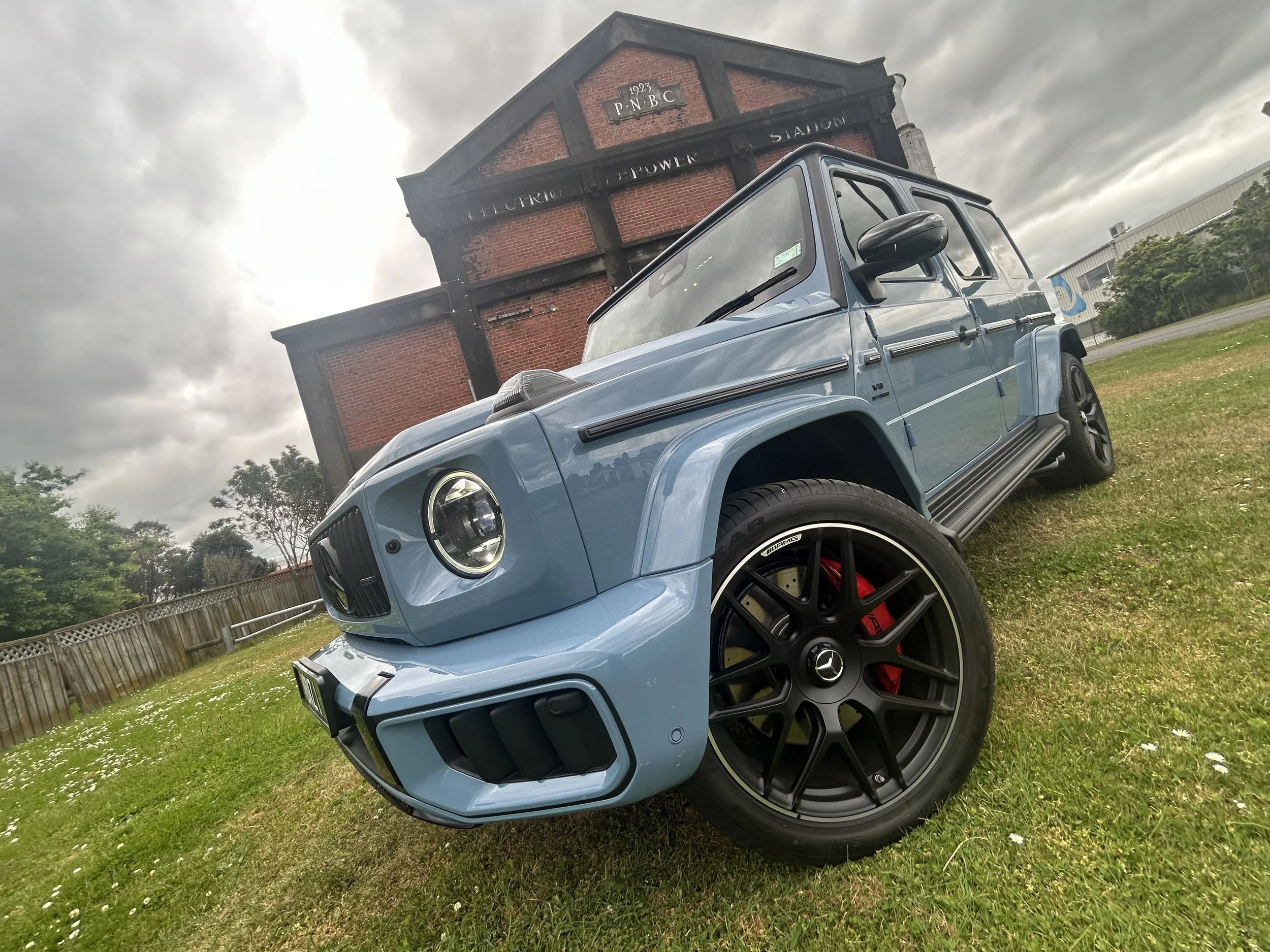
Mercedes-AMG G 63
Price: $343,900
Engine: 4.0-litre twin turbo V8 petrol with 48v hybrid, 430kW/850Nm, all wheel drive.
How big? 4866mm long, 1984mm wide, 1986mm tall.
We like: Impressively outfitted; astoundingly noisy; almost utterly pointless.
Not so much: Indefensibly expensive; outrageously thirsty; entirely excessive; almost utterly pointless.
BEWITCHINGLY senseless and morally insensitive ballistic bombast is something German pedigree brands have really nailed down.
The BMW M5 Touring and Mercedes-AMG G 63 are perfect current examples.
We’re talking old school for the new world, re-adjusted a touch to meet expectations consumer might not have necessarily asked for, but legislators have seen need to implement.
That’s why these V8 petrols now adopt electric assistance tech, more so in Munich’s machine - it now has (shock horror) extending a plug-in hybrid - than Affalterbach’s, which simply adds 48 volt.
If more friends of the Earth, they’re still keeping to core business of being fraternal with urge. When throttle push is to elicit serious shove, eco-enlightenment hasn’t changed a thing.
Still, even if the optimal 1.7 litres per 100km claimed is about as wishful as three consecutive Lotto windfalls, the BMW’s ability to lean out is real and it’s always less hard on the juice than the G 63, which going by some instant guzzle figures seen on test, might still gulp as much fuel in a moment as a city nipper might make last a week.
It’s incredible testimony to the brands’ skunkworks talent that vehicles developed for family-first usage - one of them also designed for serious off-road aptitude - can rebirth into serious, batshit crazy performance icons.
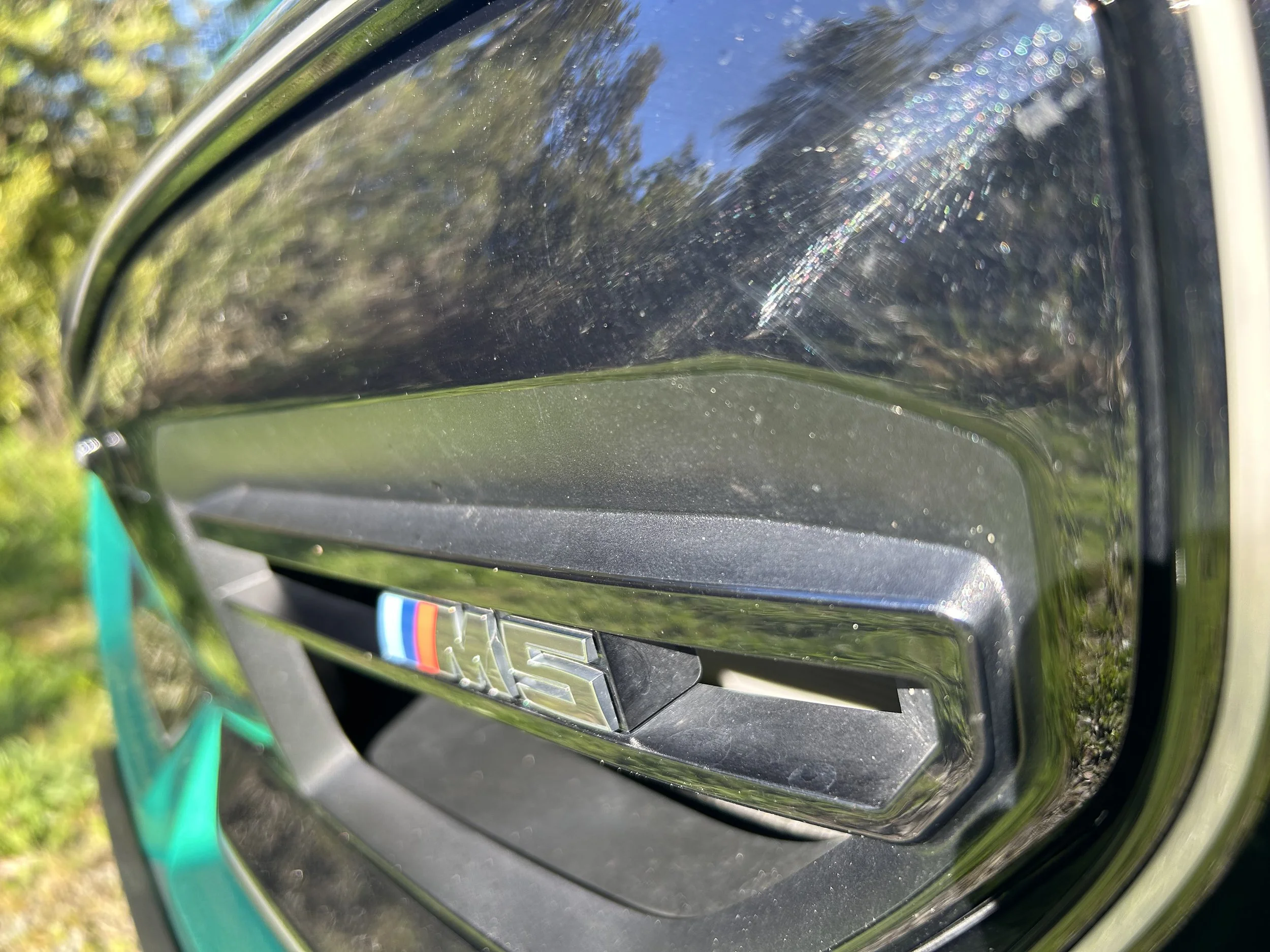
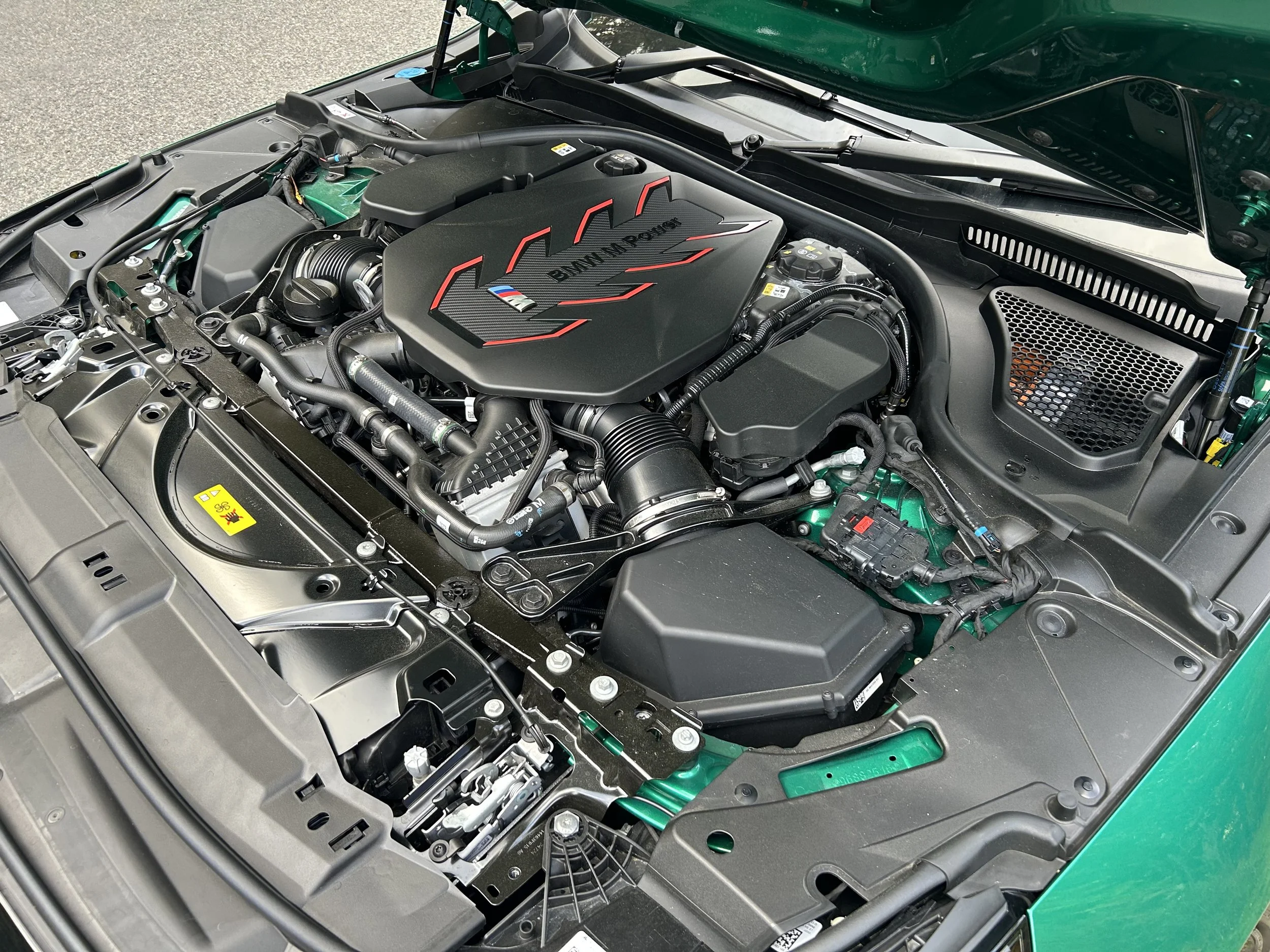
Buy from Munich and you’re spending $251,000 for its biggest product from the ‘Motorsport’ stable, a five metre long station wagon packing a 4.4-litre twin turbo petrol V8 making 535kW power and 1000Nm of torque.
If modernity is your whim, the M5 is the go. It is patently a thoroughly up to date product. In design and technology terms very much a car of this moment that, though clearly developed foremost as a time-bender, at least has some degree of practicality in its make-up.
If you can’t get your head out of the past? Step (quite literally, it’s a tall standing beast) and spend up - by around another $100k - to the G; 432kW and 850Nm from the V8 alone, with the hybrid motor adding 15kW/200Nm as and when appropriate (usually for acceleration).
Putting age before brutal beauty means this story starts with what kicked in an antediluvian military project that has, during 45 years of consistent production under three names - Gelandewagen and G-Wagen before the current one - transformed into a very posh truck. Under AMG revision, the ultimate step occurs; a sizzling set-square brutalist toy abdicating every fundamental - including towing.
Mad, stupid, anti-social, utterly pointless? All of those. Yet the concept is so loved Benz dare not drop it.
Hence why the 2025 is version two, so intense in undertaking it gets a new chassis and only the sun visors, the headlight washer nozzles, the spare wheel cover and those archaic push-buttons on the exterior door handles carried over from the predecessor.
The G comes in three current types; the least pricey being the solely sensible G 450 d with best range, the most sensible sticker and spec and ability to haul a horse float (whereas the others can’t even manage a bike rack), but all eyes this year have been on the mid-pack G580 with EQ Technology.
As an electric enthusiast, I’m hugely impressed by what Benz has achieved with the only G future-proofed if the fossil fuel tap was turned off. It is brilliant in so many ways; beyond being one of the great technological wonders of the era, it is superior off road than the ICE versions and more drivable on it; as much as it is utterly different in engineering execution, it magnificently capture the model’s historic character.
But the G 63 drive reinforced sentiment the electric experiment sadly short circuits at fundamental level. The battery adds huge weight to an already hefty car and efficiency is poor; use the performance with abandon and it will need replenishment in less than 300 kilometres. Be more prudent and you might - might - be able to eke another 100km. Sure, replenishment is cheap. B y rough estimate, the cost of one refill of the G 63 would account for at least a month’s worth of power going into the G 580. But on anything less than a hypercharger you’re stuck for hours.
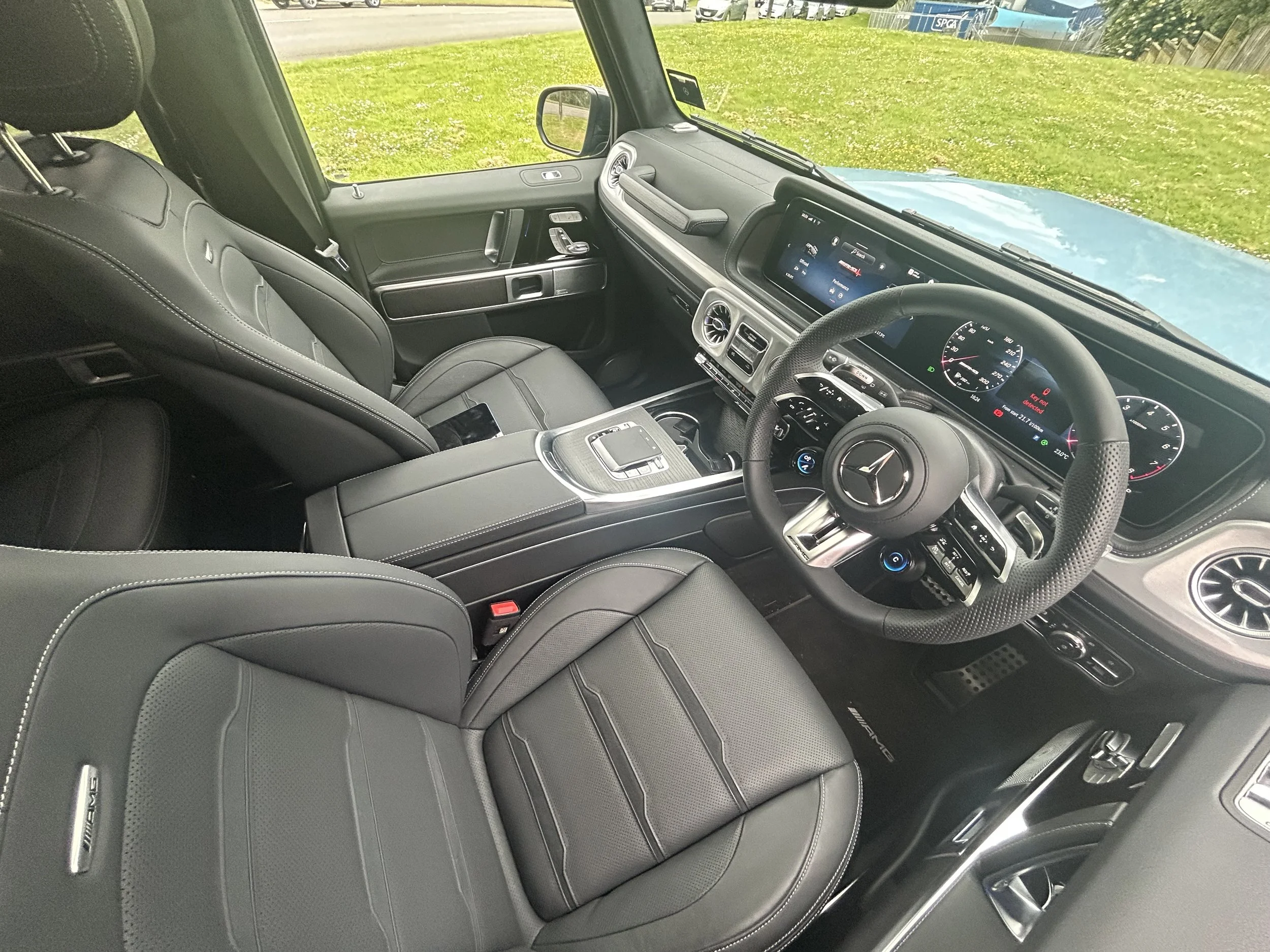
Of course, the ’63’ presents a huge test of environmental conscience. As much as picking up on November 5, Guy Fawke’s Day, allowed for some ‘biggest banger’ giggles, it was also a conscience prick, this being a day when scientists announced Earth cannot avoid an average temperate rise of 1.5 degrees (which doesn’t sound like much, but the implications are enormous) …
Do buyers care? Probably not. Can they avoid the subject? Hard to see how. There was almost joy in discovering the week’s average was a ‘mere’ 15.5L/100km and relief it had managed close to 500kms’ driving without hitting empty, though really that’s silly due to having an enormous fuel tank: 100 litres plus 12 litres’ reserve.
But, then, you get diverted by the model’s sheer theatre. As much as its slower to 100kmh than the EQ, the 63 is so much more flamboyant in storming away, thanks to the sounds emitting from the cheekily located side pipes, that the stopwatch difference becomes inconsequential.
As quick as it is, you initially wonder how brave you need to be to sustain fast driving in this thing.
The bulk, the drag co-efficient of 0.54, the top-heavy attitude. Top speed is 240kmh (with the optional AMG Driver's Package), but who would dare when underpinnings are still a ladder-frame chassis with a separate body-on-top construction. When it has three locking differentials and a low-range gearbox? These are not ingredients expected in a high-performance sports model. Those who judge by look alone will say ‘best of luck and nice knowing you’.
But drive it and … well, as much as it is a big, bulky, lane-filler that intimidates other road users, it still does things it logically shouldn’t.
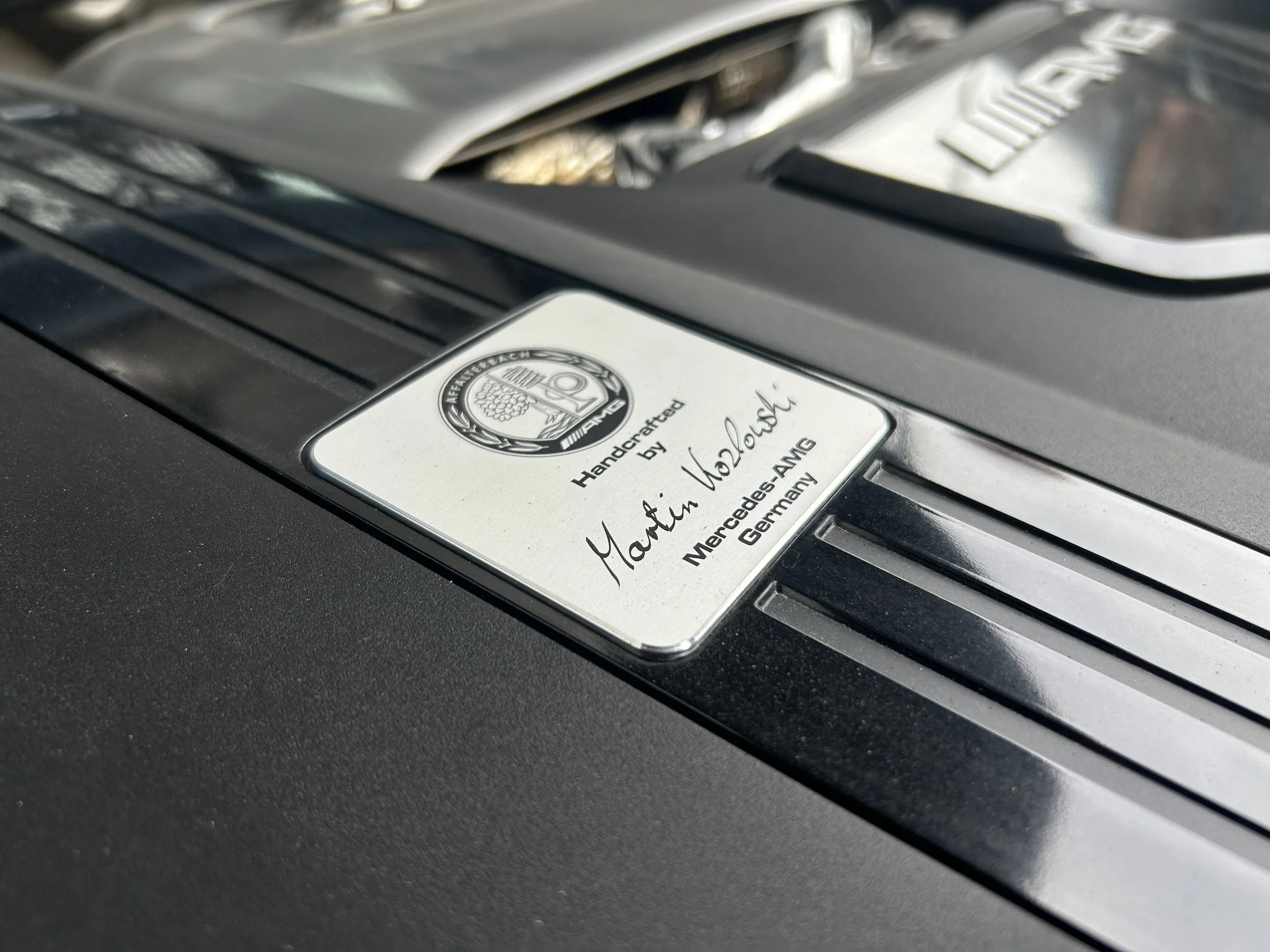
The steering is nicely weighted and surprisingly accurate and though it’s nowhere near as taut as AMG car-based or monocoque SUV product in corners, it's nonetheless also spry for something so large, with a solid, tied down, mostly four-square feel. At least, to a point. The traction control can be switched off, if you're feeling brave … but, no. Banging up to full noise and effect, via Sport Plus, is also a test of nerve.
Dial back and what will surprise is the genuine refinement. Wind noise just isn’t a problem. Likewise tyre noise is kept to the barest minimum levels. That’s perhaps what’s most quite unexpected from this aerodynamic battering ram.
Let’s face it, the slab sides, the cliff-face front end, the exposed door hinges, the bank vault door handles, doors that demand a firm slam, the bulbous indicators perching on top of the vertiginous front wings … nothing about that is shaped for speed.
Can’t say the cabin layout is, either. One big change over the old G is that the driver isn’t pressed against the door, but you still sit tall and high and egress and access is a climb, awkward even with grab handles, but all part of the flavour.
Likewise the vaguely militaristic air that persists regardless most surfaces lesser makers would leave bare are coated in expensive trim materials.
As is to go for all Benz product now, the entire top of the console is given over to digital displays; the twin 12.3-inch TFT screens are a high-tech element in an area shaped by history.
Three-zone climate control, AMG Nappa leather, the pleasure of heated, cooled, massaging and active-side-bolster seats, 64-colour ambient lighting, a 15-speaker Burmester surround sound system with 590-watt output, an electric sliding sunroof and full Comand Online satnav with Apple CarPlay and Android Auto … it has more than a few comforts. But in respect to the seat room and general space, that word is more likely to used by those with dibs on the front chairs than whoever has to sit in the rear, where there’s limited leg room and the seat back is all but vertical.
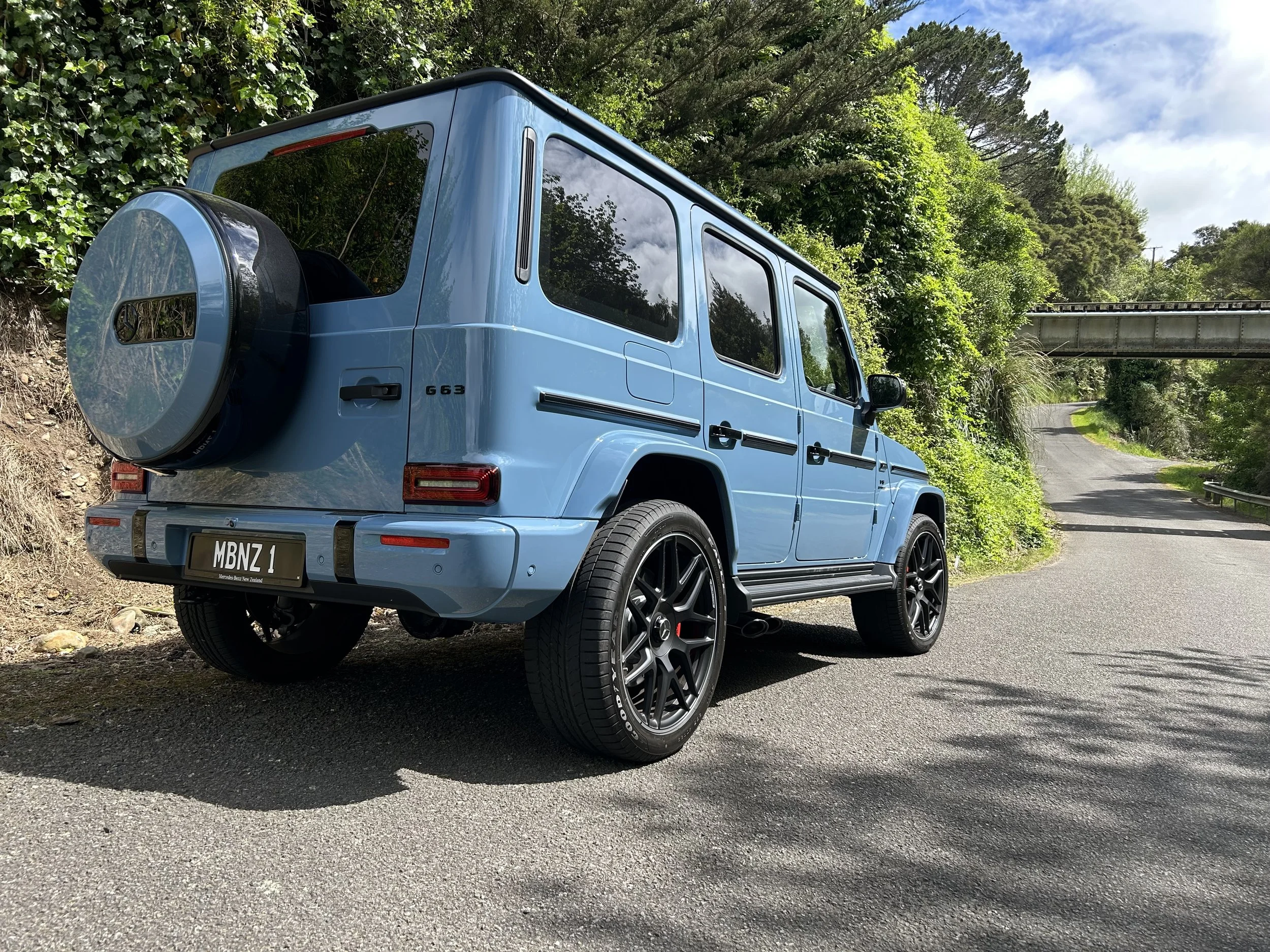
The G-Class has pukka cred, but as an AMG? By now, you might be wondering if there is anything that isn’t bonkers about this product. It’s a ludicrous exercise, one whose credibility for anything useful is at best written in very small print. As for the price? The biggest laugh of all. Yet when I picked up the test example, there were four more being sorted for delivery to actual customers.
Higher pegging on the usefulness scale is assured the M5 simply because station wagons are hard to beat as all-rounder load luggers.
What keeps it controversial isn’t the format but that big change under the bonnet; with this genre having laid down 40 years effortless rule burning purely petrol, having to cope with it going to electric assist has been a rude shock.
As said when driving the sedan format of this model earlier this year, there’s no point tearing up in respect to that big decision. If BMW hadn’t had to do it, they wouldn’t. But it was either take this route, or kill the car. I’m pro-life. Honestly, the car’s still a cool wall contender.
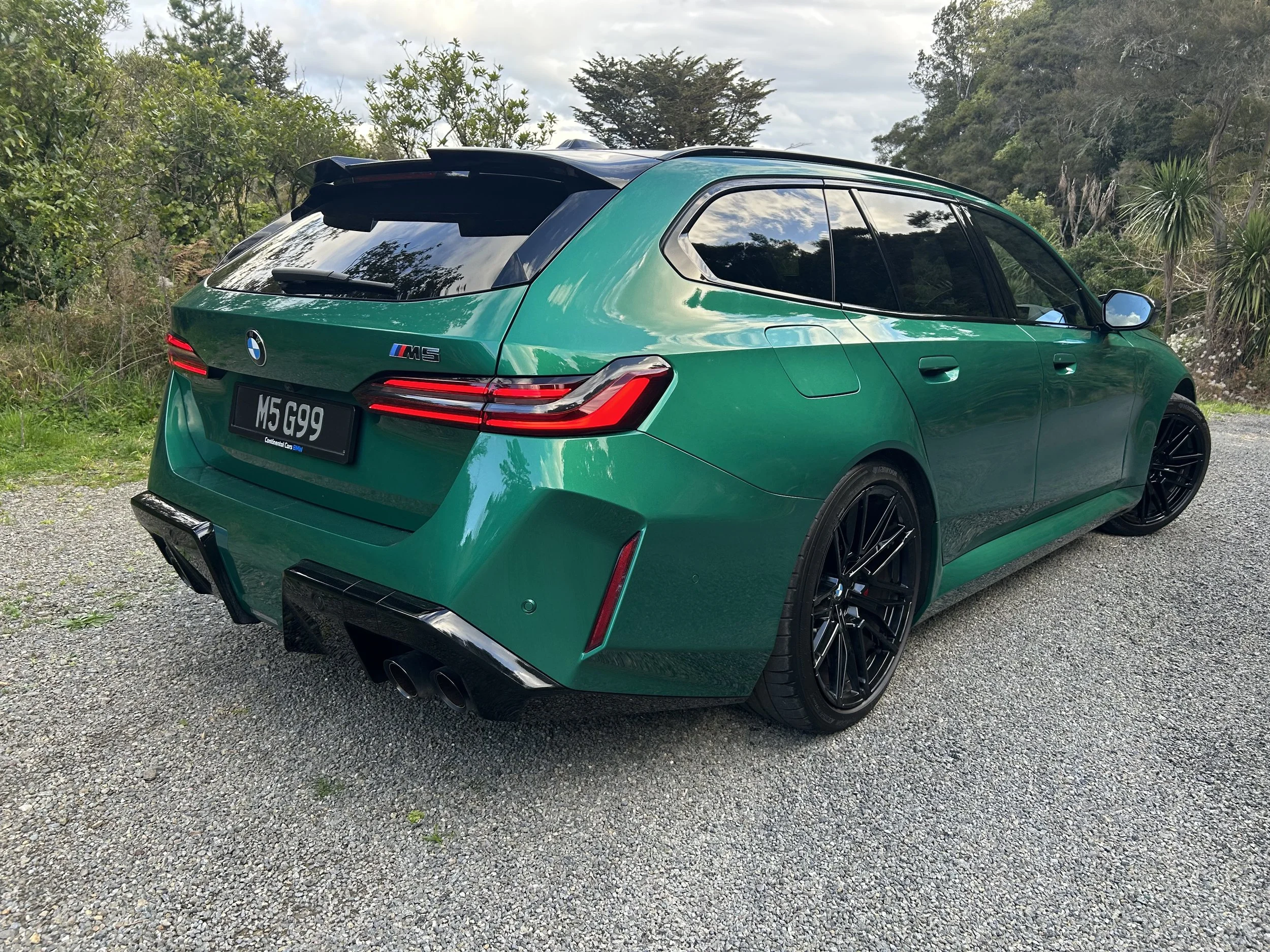
Being a fast wagon only elevates that status and seemed even belter buying as it only elevates the sedan’s sticker by $4k and adds but 50kg to the kerb weight. The first is an easy spend given the additional practicality, the second a godsend given a car that has always been a metaphorical heavyweight is now, at 2.5 tonnes (cough) a phat club fattie.
But station wagons are dying a slow death, ceding more ground with each passing year to the increasing encroachment and popularity of crossover SUVs, and (as a Skoda Superb owner; yeah, just me and the NZ Police keep that flame burning) I reckon Europe does the best ones.
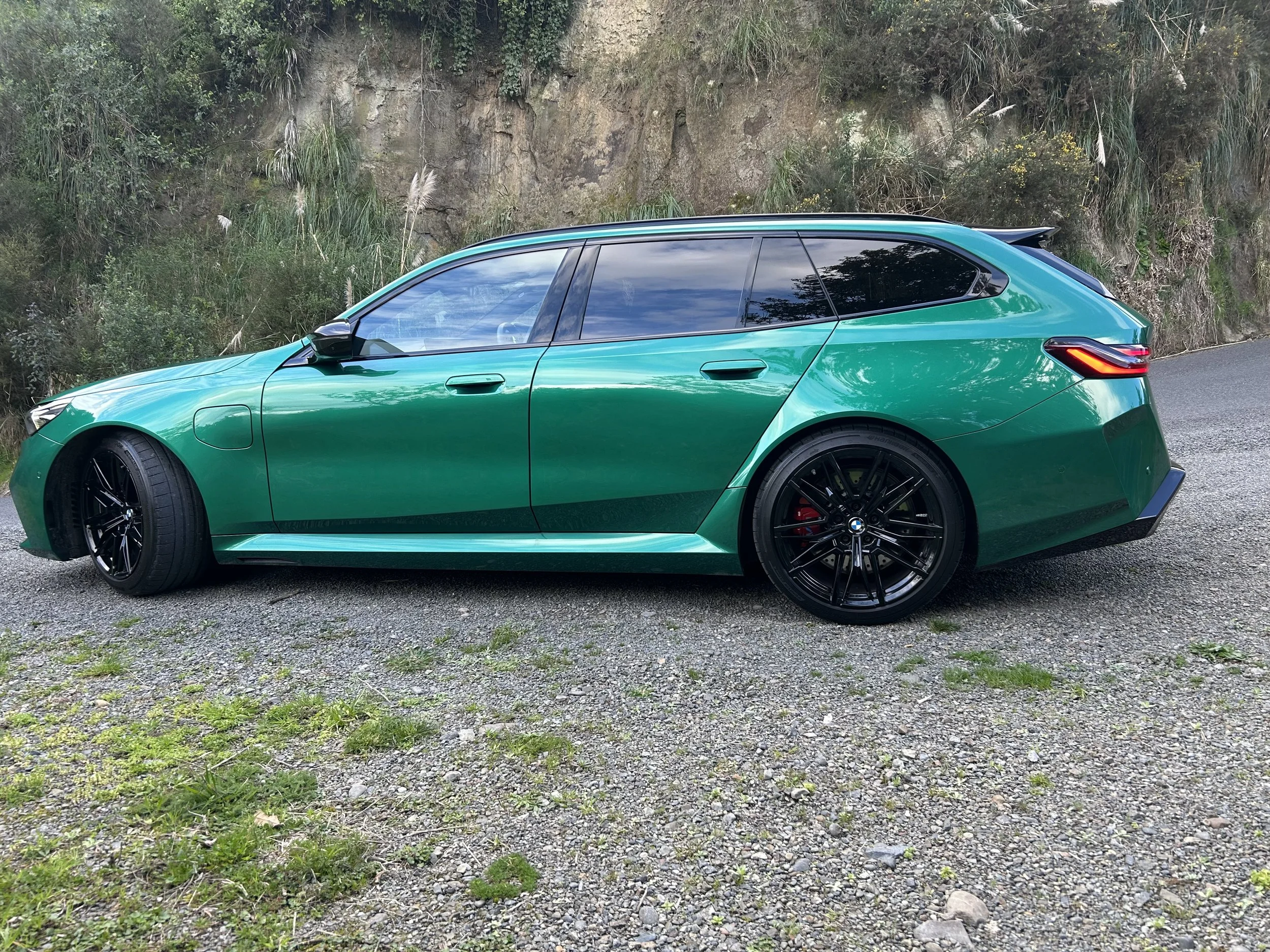
In M form, the Five Touring is the triple patties with extra cheese for sizzle, but it has has special status of being a bit of rarity. You won’t need to order one as seen here - in Isle of Man Green, with cabin treated to BMW Individual leather in Kyalami Orange - to win attention from those who know this is only the third M5 to get a wagon version since 1984 and also the first to come here brand-new. If you see either of the preceding E34 model, introduced in 1988, or the V10-engined E61, introduced in 2003, count yourself lucky: Only 891 of the first were created and just 1025 of the second. Whether this G90 iteration will fare much better in sales terms is hard to say - but certainly, in NZ, it is potentially the rarest M of the moment.
The price, the PHEV? Yeah, both clearly factor into it’s acceptability. On the other hand, if you are cash-able, M-minded and have need for a hard puncher with practicality, this car surely makes a lot more sense than even more expensive XM SUV, with which shares its V8 engine and plug-in hybrid system?
Plus, it’s a car, so far more hunkered in look and attitude. Front on, it and the M5 sedan are identical and the occupant areas are no different.
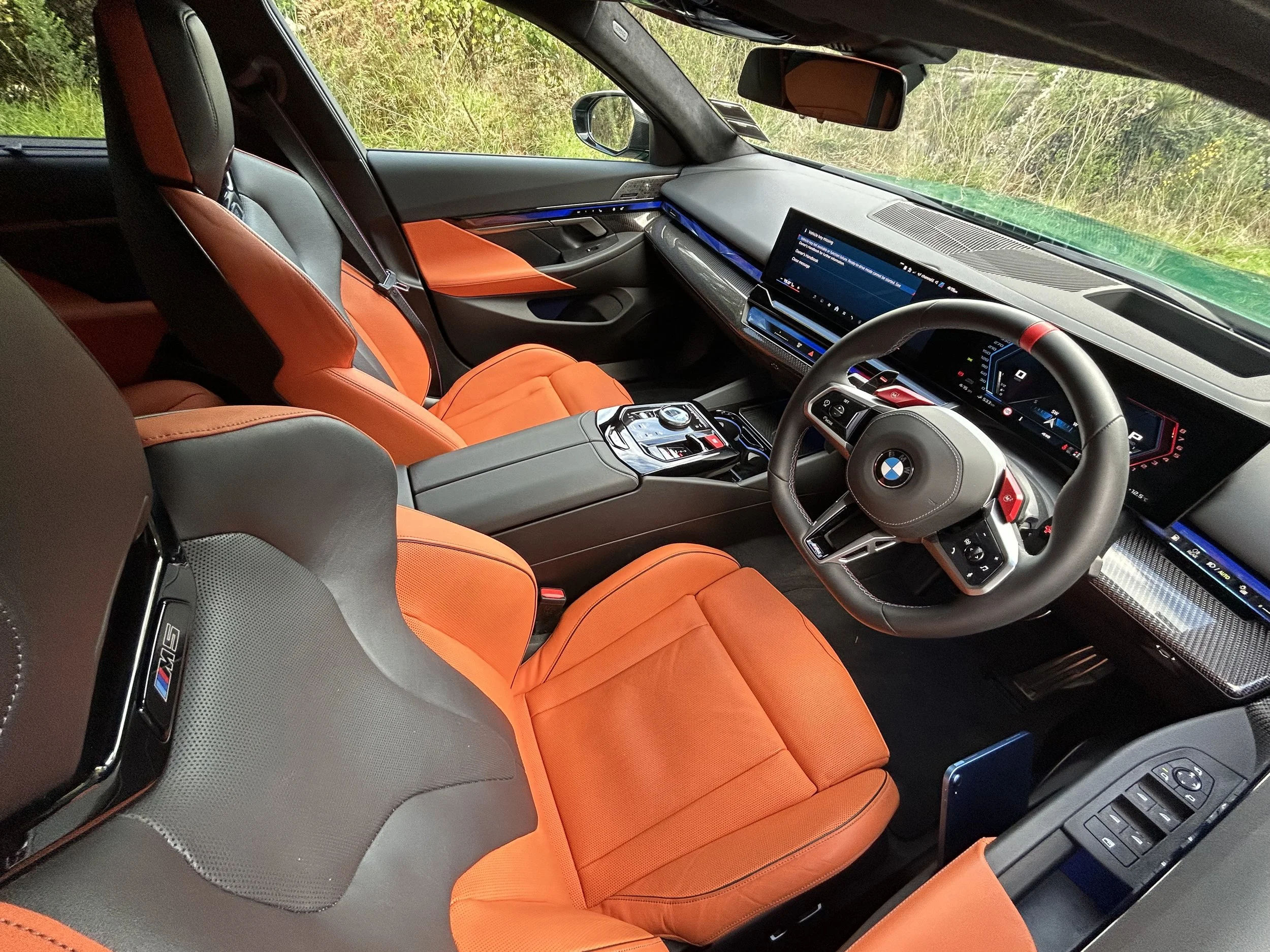
Being an M product, you get the bright red starter button, a matching red 12-o’clock marker at the apex of the flat-bottomed steering wheel, paddle shifters behind that wheel finished in carbon fibre, and the M1 and M2 memory buttons that allow you to save driving mode settings.
Those up front occupy superbly comfy high-backed bucket seats, swathed in Merino leather, which get an illuminated M5 badge in the backrest.
Eyes forward, you see the same big, wide, curved digital display that’s actually two screens in one - a 12.3-inch instrument panel and a 14.9-inch infotainment zone, all touched-operated yet also with the familiar iDrive click wheel for those who prefer not to leave smudges.
Exploring the full gambit of functionality is not a matter of a moment or perhaps even half a day; the array of functionality is huge. The built-in Apple CarPlay and Android Auto connections almost seem a safe zone.
BMW’s own Intelligent Personal Assistant voice control system is a useful aid, but even learning that takes time. The simplest electronic driver aid to sort is the head-up display; even that’s more tech than some, as it has augmented reality navigation, which overlays directional arrows onto a live picture taken from the forward-facing camera in the windscreen.
But the electronics are very advanced. You might not immediately notice it has an interactive LED light bar which can flash different colours for warning or information.
The back seats appear to be no different to those in the sedan, but the whole space feels roomier and airier thanks to the extended roof and the extra glass.
Legroom is much the same with the sedan - the biggest bugbear for those in the back is finding it’s nigh on impossible to fit your feet under the front seats, due to their positioning and configuration. Headroom is probably no better; yet it feels improved. As much as the regular Five is tailored for that count of occupants, the M one isn’t. The mid-part of the rear seats is taken up by a large fold-down armrest; even if you tuck that away, it’s evident the seat is shaped for two, not three.
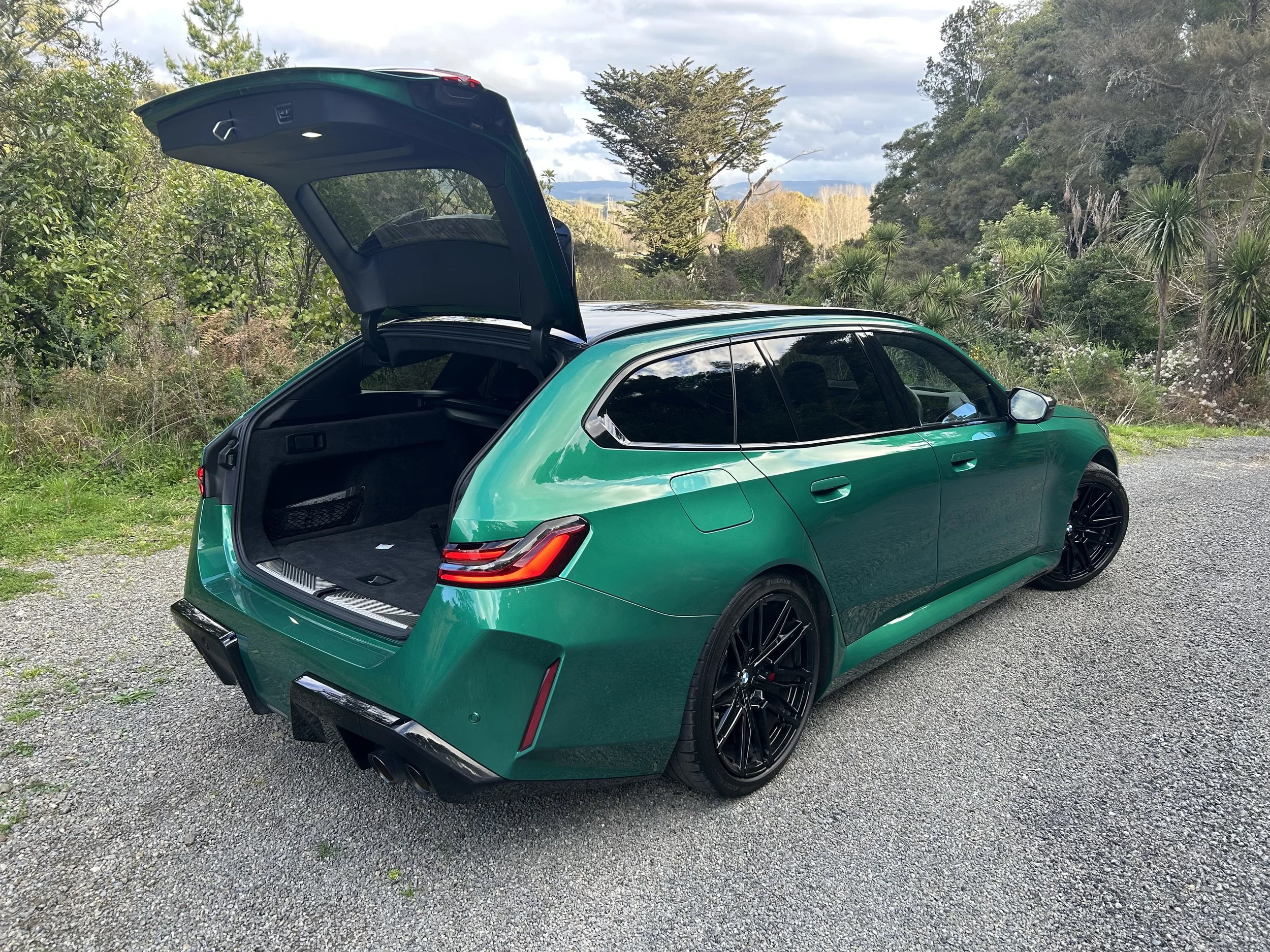
Touring’s load area is actually not all that large - the 500 litres capacity is no greater than offered by the M3 Touring - but its far more considerate than the sedan, and dropping the three-way (40:20:40) split rear seat can expand more pleasingly, to 1630 litres in total. The floor isn’t completely flat in that configuration. and it’s a pity the usual Touring feature of a back window with separate opening operability to the hatch proper isn’t availed, but it will carry stuff that simply cannot (two sets of golf clubs), or should not (family dog) be left in the sedan's boot. Plus it has electric folding tow bar, able to pull up to 2000kg of braked load.
The other attraction is that … well, it’s more attractive as a wagon. The way the designers have extended the line on the top of the rear wheelarch is a neat trick, as it takes some of the bulk out of what is, overall, a very hefty shape.
As much as it does useful things, it is foremost a serious weapon. There are lots of clues that BMW doesn’t expect this to be a car in which ‘L’ plates are displayed. Regular Fives, for one, don’t have M-specific driving modes. There are lots and lots of individual choices, from suspension stiffness to steering weight to gearshift ferocity to augmented engine sounds. The M1 and M2 memory buttons on the steering wheel are to store specific setups; you could make one mild, the other wild and achieve two complete disparate driving experiences.
All of which are quite stiffly sprung because it's a BMW M product running on huge alloys and low-profile rubber, that being required because in some places you can drive this car really fast without fear of repercussion, in which case that stuff is really good. Whereas in NZ, it’s ‘would if I could’ unless you like doing track days. Which, admittedly, would be quite a hoot in this car. It’d be a big fish in the usual shoal, gut assuredly would be far more fit for it than the G-Class.
With mixed 20/21-inch alloy wheels (the bigger ones are on the back), adaptive suspension, massive brakes, switchable four-wheel drive, active steering with rear-axle steer, you would surely approach circuit days with a fair degree of confidence.
Assuredly, too, just because the drivetrain has an electric ingredient don’t imagine you’re going to be looking silly on the outright performance front.
The 18.6kWh battery pack, which gives it a slightly shorter range on electric power than the sedan (falling by 2km to 67km), is primarily just for around town eco-good. Using it here, and also running the car is ins most languid drive settings, and it feels almost docile.
But, of course, it’s really not. You only have to start picking up way through the sports settings and, even before you reach the most patently bonkers ones - all of of which are signalled as being best reserved for track driving - and it becomes a very brutal car, the in-gear acceleration is very strong. The 80-120kmh acceleration is verging on ludicrous. It’s then you recall reading about how this car has 1990s Formula One level power. In a big station wagon.
It is not a car that enjoys indecision. Lack of moral fibre with the throttle risks inducing an uncomfortable driveline-slap effect. The four-wheel-drive is nicely rear-biased, and there is a setting which sends all the power to the rear wheels. Before trying that one, think where you are, what you want to achieve and perhaps how long you intend to keep the back tyres in good state. The confidence you feel about driving it on narrow, winding roads comes down to how lucky you imagine you are. It is beast. And it is not a small car. So it is not dainty. And with all that weight, you can feel the inertia catching up with you at times. At same token, it is a much, much easier car to drive quickly than the G-Class.
So better than the Mercedes? In every respect, really. But in turn, it’s also overshadowed by the ‘other’ fully M-developed Touring that is sold here.
The M3 wagon is simply as quick as the M5, just as sure-footed, but is a far more agile point-to-point car. Being in a smaller package makes it more fun to drive, easier to place, but no less practical.
I’d take one over either of today’s test cars, and spend the difference on fuel, replacement tyres and expensive holidays.