Subaru WRX tS Spec-B: Champion effort
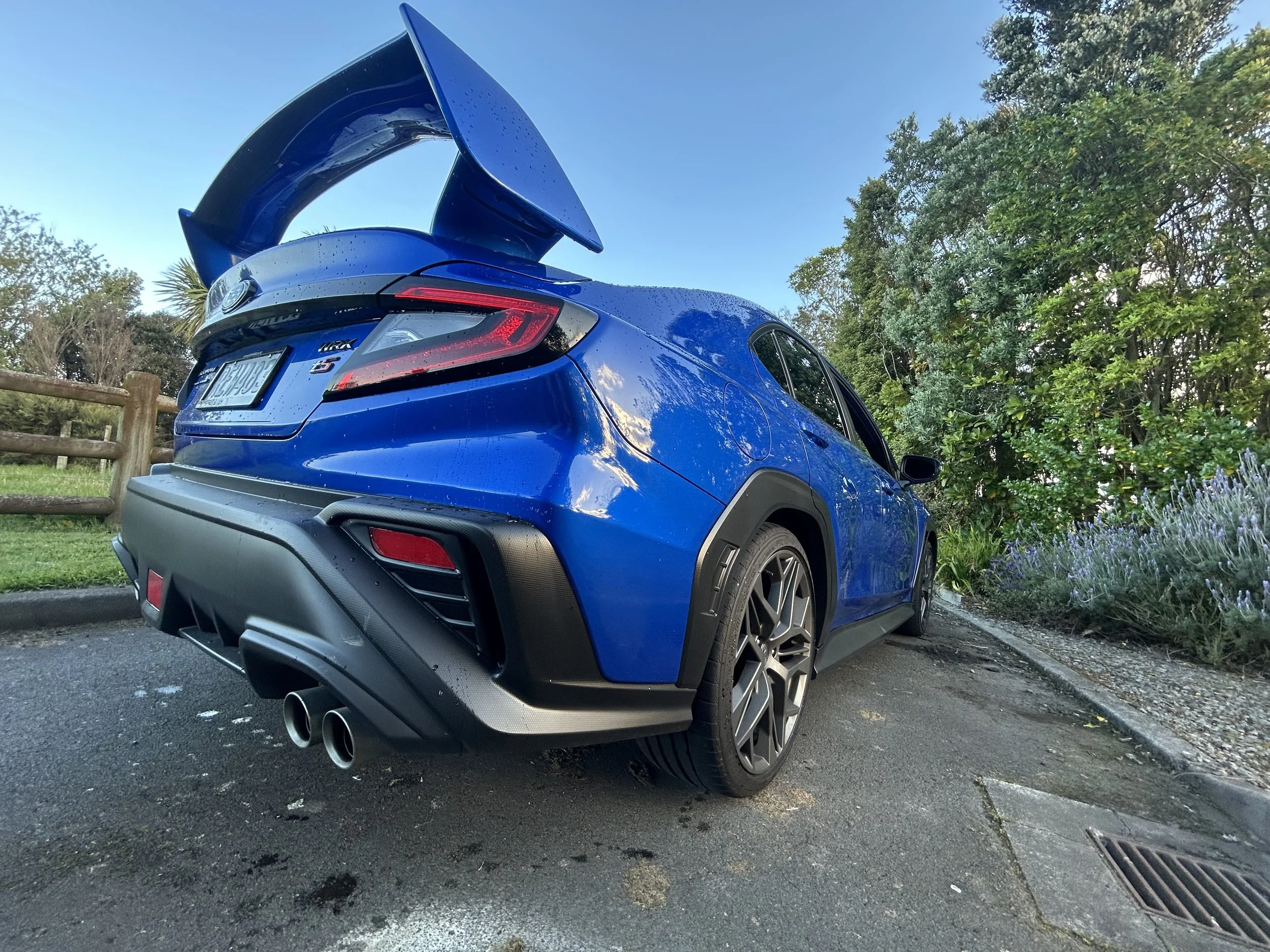
/Placing a comically large rear wing onto a WRX is a great way to rekindle old memories, but don’t expect full-strength old-school spirit.
Price: $69,990.
Powertrain: 2387cc horizontally-opposed four cylinder petrol, 202kW/350Nm, six-speed manual transmission, all-wheel-drive.
How big: Length, 4670mm; width, 1825mm; height, 1465mm.
We like: Pretty good for an ‘STi-almost’ effort; it’s manual; likely the ‘easiest sell’ of its genre if family requirement weighs in.
Not so much: Needs more kapow; has to cede supreme special stage status to the GR Yaris.
IT’S coming up to two decades since Subaru pulled the pin on its full commitment to the World Rally Championship, but who cares about that?
This is the car born for those times - the letters, remember, spell out ‘World Rally eXperimental’ - and even after they stopped funding those extrovert racing weapons for specific WRC duty, the brand kept pumping out road-legal versions of this car that kept the flavour.
Until end of 2021 you could still experience products reminiscent of the incredibly ferocious machines that Possum, Colin, Richard and various Scandinavians - notably Solberg, occasionally Vatanen - hurled around the landscape.
The showroom fare having genuine competition-set ingredients when presented by Subaru Technica International, the factory motorsport tuner made this a great period.
These days STi’s business has shifted to full focus on the future.
The recent 2025 Mobility Japan - what used to be known as the Tokyo motor show - provided a peek at its big project.
It’s a shock to petrolheads, being a fully electric car on a new platform with technology they’re still not keen to talk about.
It’s set to arrive in 2028. And, like it or not, it’s the next step.
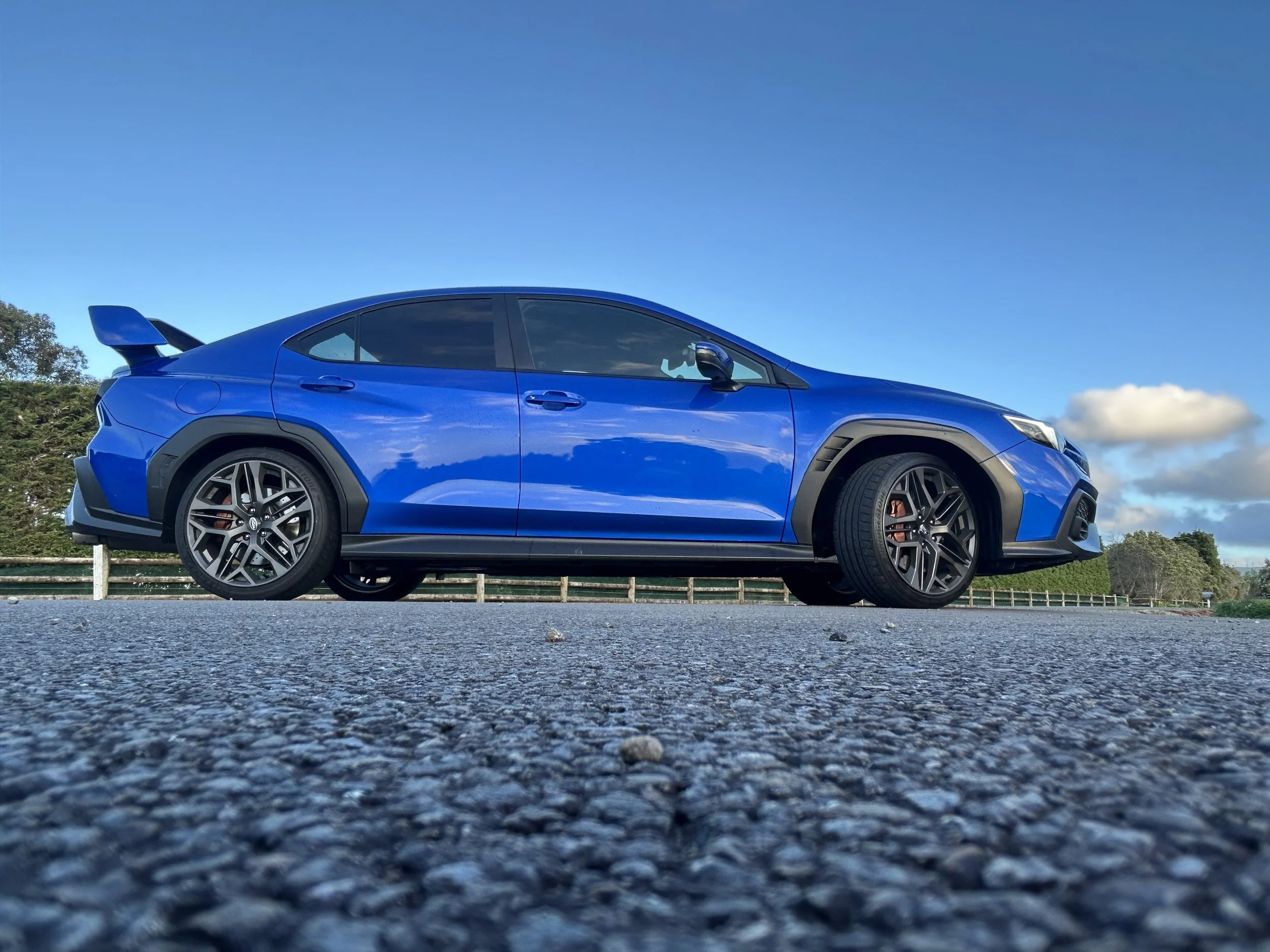
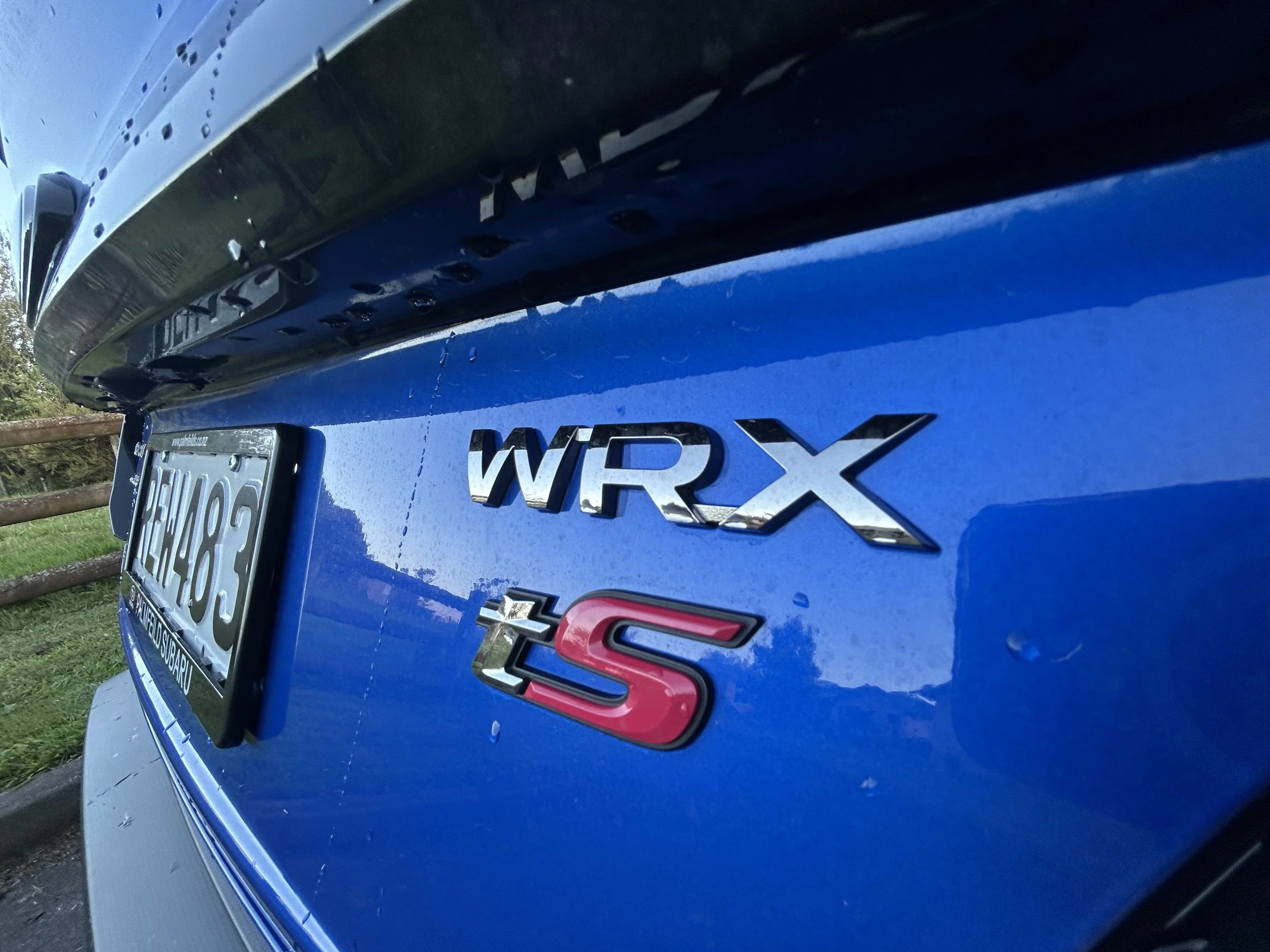
But hang on … if STi last made a car four years ago and won’t have another in circulation for at least another three, explain the Subaru WRX Spec B sedan featured here?
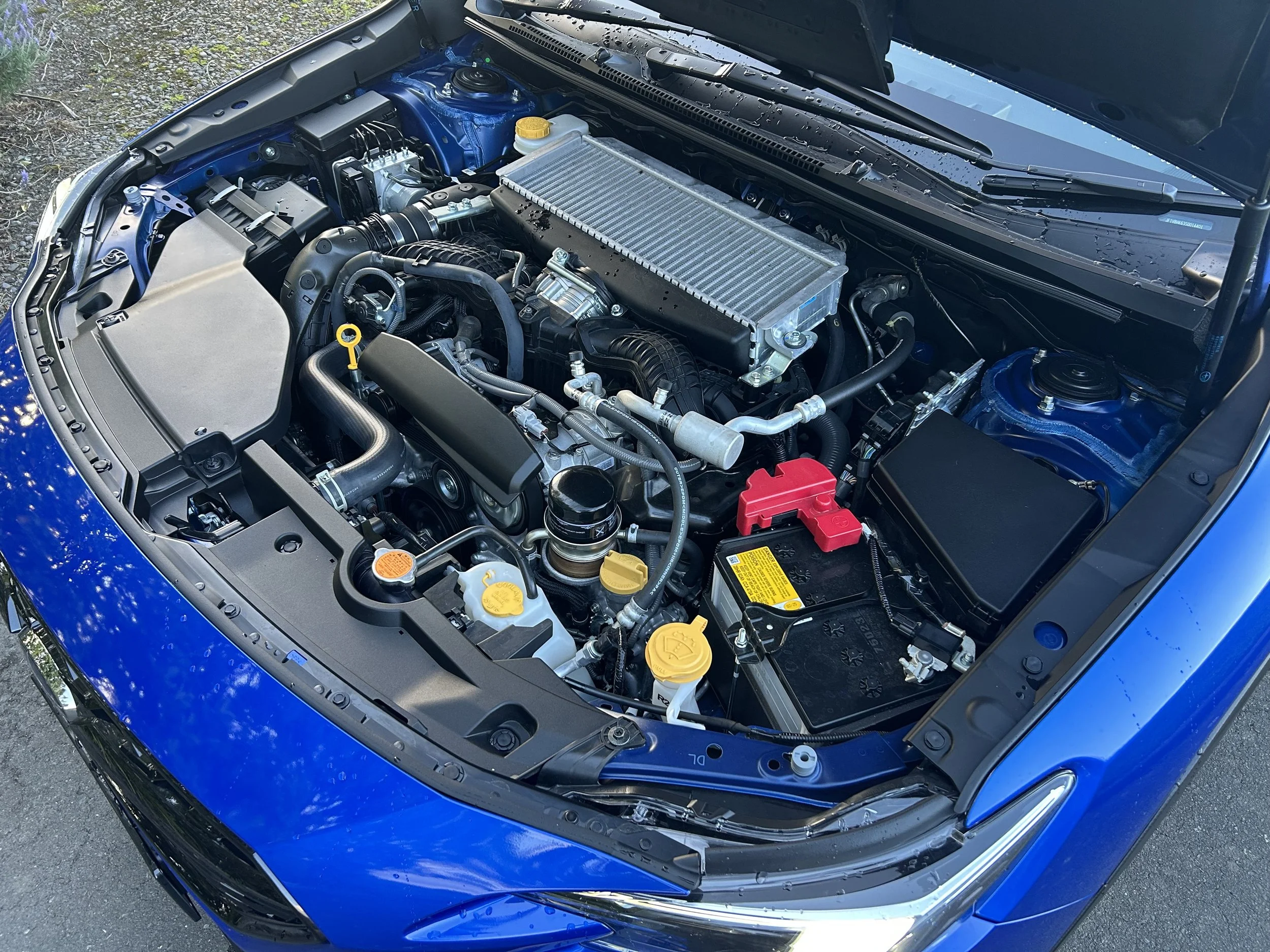
Fair question. From the intake scoop on the bonnet to the various other body vents and that rear wing, Subaru clearly is keen to make a bold statement that it’s special. The driving experience reinforces this.
What is presented here is patently STi-influenced. It is also obviously designed to pique interest from STi fans keen to see what the skunkworks could do with the new evolution of WRX, which came out just after the last STi-treated model (based on the previous WRX) rolled out.
So will it confuse to be told the Spec B is not a complete spiritual successor, by virtue of how it came about?
Probably, but that’s the case. In this instance, while the performances parts DO come from the skunkworks, the car itself doesn’t. It’s a Subaru factory effort, a WRX tS super-treated with special bits but not directly super-heated by the experts.
That just a handful have been allocated to NZ might seem a touch mean, but you can see why they’ve been cautious. AS much as it’s always cool to see a car that leans so heavily on its maker’s competition heritage, you sense that it’ll be a bit too much for many.
What helps the WRX is that it at least the cabin is large enough for it to work as a fast-family hauler. There’s substantial legroom and headroom is also good.
While the weight of the big wing makes opening the boot a bit awkward, the cargo capacity is pretty good, too, with a wide opening, a flat floor and the rear seats split-folding 60/40 for extra flexibility. You even achieve a full-size spare tyre as well.
For all the functionality it could lend to everyday life, the real reason for this car is to make weekends feel just that little bit better.
Is that a reason to buy? If others in the family are involved in this decision, it could well be. Nonetheless, there’s no doubting that it primarily aims at one person, the driver, and is designed to answer one priority.
For an ‘STi-almost’, it sure gets close to passing off as the real thing.
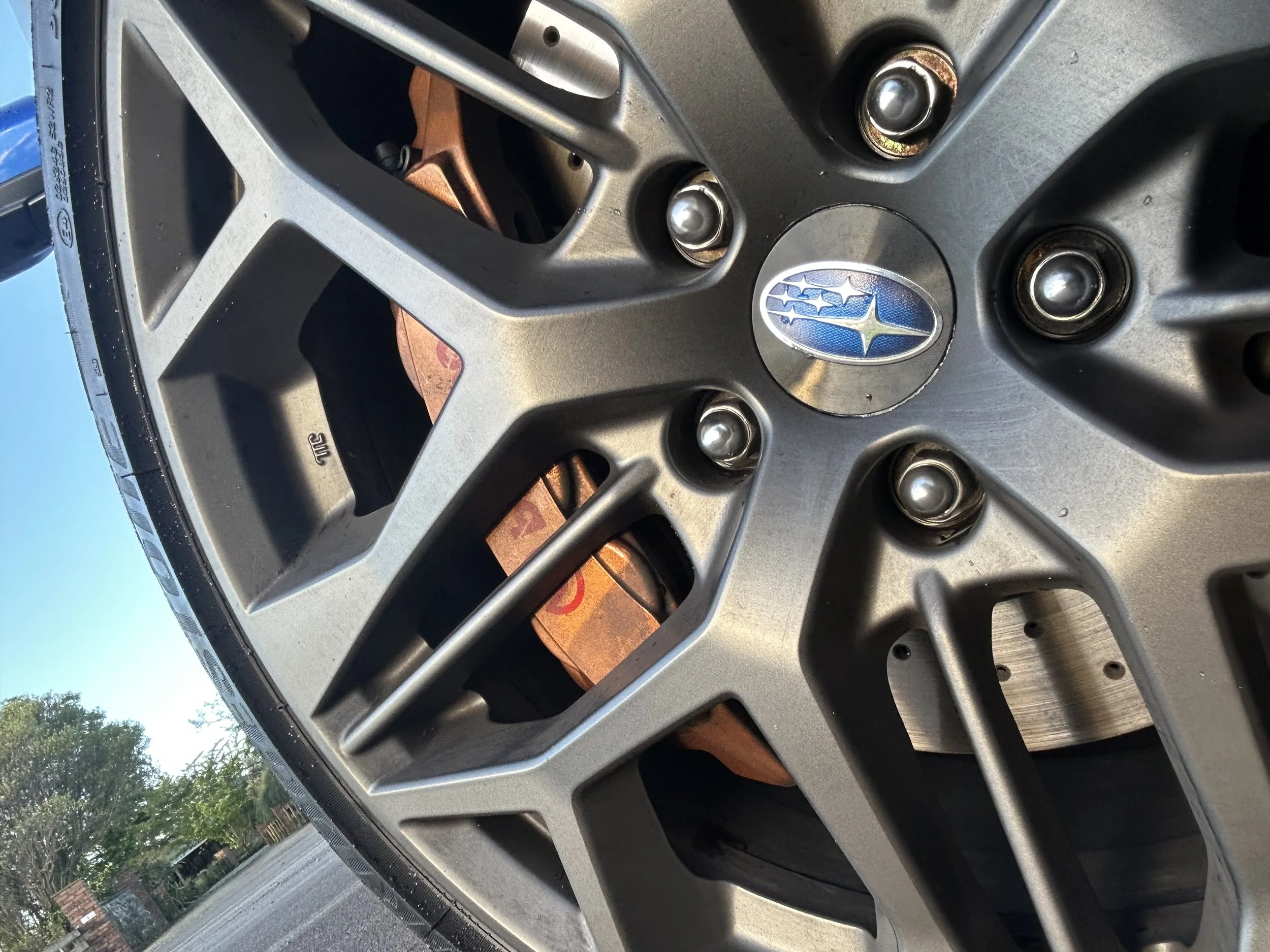
A wing so substantial it’s in everyone’s minds, the driver’s included (by virtue of the top plane occupying the rear view mirror), will win most gawps, but those in the know will nod approvingly at it presenting in WR Blue, the special formulation paint hue once reserved specifically for the competition. the alloys are lightweight types treated to Bridgestone Potenza S007 tyres and, though nerds will point out they should be in gold rather than the fetching matt grey the factory applies, you can point out the 24-carat finish of the Brembo brakes - the reason for the ‘B’ in the naming convention.
These huge callipers, six piston up front, running on drilled front and rear rotors, aren’t the sole treat. This edition also takes three-stage adaptive dampers, allowing the car to go from relatively soft to fully firm.
Plus, it’s a manual. Controversial? A sad but true fact is – ahem – most Subaru buyers now prefer Lineartronic. I can understand it provisioning with all but the WRX. Lineartronic is good by CVT standards … but it’s still a CVT.
But with Spec B, the stepped ratio continuously variable transmission has no chance of ruining the fun. This product only comes with three pedals and six-speed manual gearbox. Fantastic news.
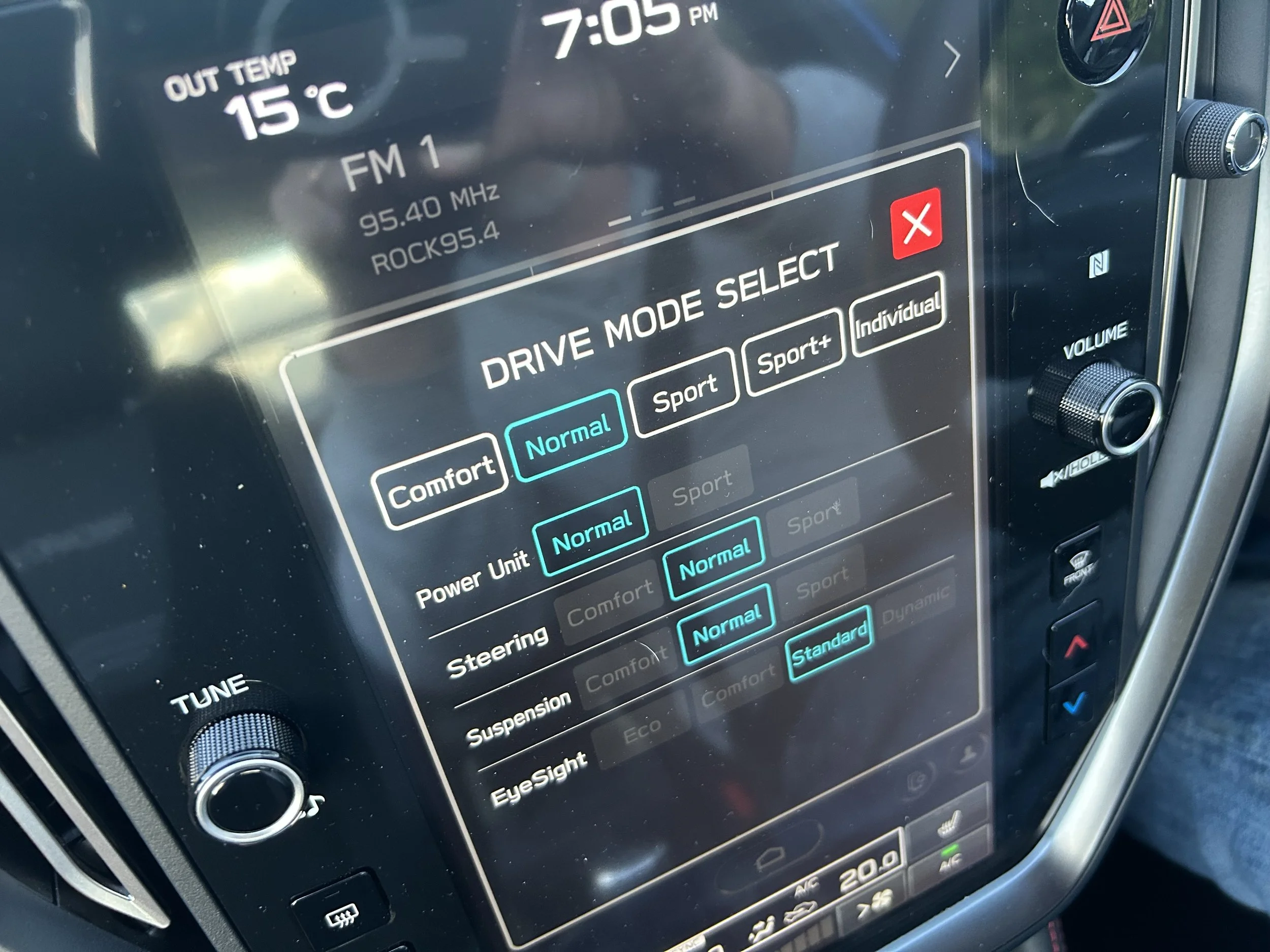
Driving modes spanning Comfort, Normal, Sport, Sport Plus and Individual tailor the rest of the car, including the engine’s responsiveness, will alter the car’s mood, but ultimately your interaction with the transmission will decide how well it goes.
Old days’ assertion that a manual made the STi cars more of a driver’s machine also holds true with the Spec B, but also apparent is that, as manuals go, it’s one that makes you bend to it’s ways.

Foremost, you find yourself wishing the gear shift had a more mechanical feel to it and that the throw wasn’t as long. The gears are stacked so tightly it’s initially easily possible to find third rather than first. Also demanding adaptation of method is the clutch. It has a long pedal followed by a sudden bite just before it release.
So, yes, a couple of challenges. Don’t worry, a half hour or so and you’re on top of it. And if it takes longer? Just keep telling yourself this unalterable truth: If you want to reach right into a WRX’s soul, only the manual is going to get you there.
In saying that, you might wish the engine had a bit more fire to get you there that little bit faster. As much as the WRX still stands as a pukka performance car, it’s not the most potent in its category these days. Ability to see more than 200kmh is impressive (no, I didn’t try) suggests it still has gumption for long straights, but 0-100kmh in six seconds is brisk rather than berserk and, in aspect of utter explosiveness, it’s big bang in lower-case letters. Again, that’s why STi existed. You get impression in the tight stuff that, if a Toyota Yaris GR was in your mirrors, you might as well let it pass.
Regardless, it feels more frisky than the Lineartronic WRX and maybe that’s enough. The manual makes the engine run higher revs at 100kmh, showing around 2200rpm, which probably is why fuel burn sat resolutely around 10.8 litres per 100km on this test. Note, also, it demands high octane fuel.
Still, it was also in a sweet spot for responsiveness when asked to overtake; though above 3000rpm is when you get the very best. It’s then at full boost and the rev counter really gets a move on. You’ve got to be quick and sharp-witted with the gears to keep on that band of muscularity. Fall behind and there’s chance it will lug until the turbo reawakens.
Back in the day, blasting about would have risked getting off side with the anti-noise brigade, but perhaps no longer. Ever increasing noise and emission regulations have progressively removed the bark from Subaru engines. On top of that, this engine installed now is simply smoother and more linear than the old types. The Spec B has a nicely modulated warble as you close into the redline, but it’s no loudmouth. It’ll take a lot more than the sports exhaust it gets to replicate the burbling bombast of old.
WRXs have never been known to squander pace through bends. this one is more fit for going in fast. Yet as much as, at 4670mm long and 1825mm wide, the WRX isn’t a large car, it is clearly not as as small or as compact as the one other choice that competes for you attention in the category.
If zipping around country roads was to be all I ever asked of a car of this ilk, it’d be the Yaris GR I’d prefer. The Spec B doesn’t lapse in its duty, but the alternate being smaller and friskier, is simply now better at it.
Still, the qualities of the ‘Subaru Global Platform’, the MacPherson strut and double wishbone suspension and those adaptive dampers, the 19-inch 245/35 Bridgestone rubber plus the inherent security of four-wheel drive, stand in good stead.
Ability to hold the line in slippery conditions has always been a Subaru selling point and the set-up here, though less sophisticated than Toyota’s, is nonetheless hugely capable, providing all the traction you need with good body control as well. It sits squarely within its lane and is largely unaffected by road surface change.
Light steering is another WRX thing and it initially feels a bit disconnected, but you soon realise that it’s nice and quick, getting the car’s nose into bends sharply. In wet conditions or if you are too eager, and push in a little too hard, the natural tendency is for the nose to run wide, but the car’s well balanced and pretty forgiving.
Driver involvement into what it does and how it does it is encouraged; for instance, ‘Sport Plus’ not only firms the car up, but also adds artificial weight to the steering. You can set up your own ‘Individual’ mode to really tailer your own experience, but don’t disregard ‘Normal’ mode. The name does it injustice because, it some ways, this default makes the car feels at its most special, on most occasions.
It’s definitely the one for around town driving, though even when softened off the dampers remain rigid enough to encourage steering wide of ruts and you learn to treat speed bumps with respect. Tyre roar on coarse surfaces is a given, too. Not unexpected, given the tenor of the car.
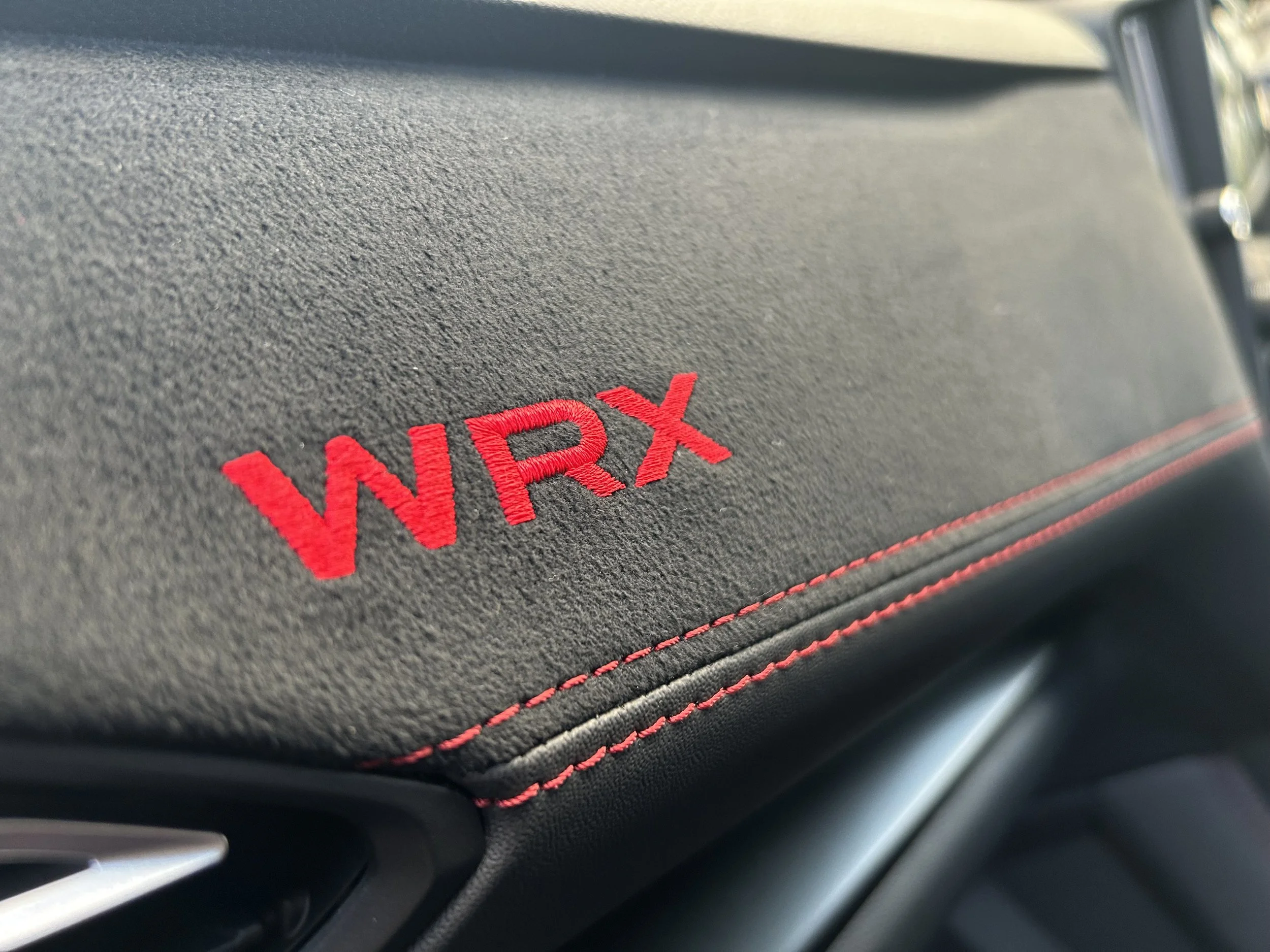
Aside from under the bonnet, the other area the Spec B plays it cool is in the cabin. By and large, everything is as you’d see it in the variant on which it’s based. Sure, it has Recaro seats, but so does the donor, likewise lots of ultrasuede material on the seats and dash, but aside from some STI motifs to abet the standard WRX one and some red stitching, the visuals are largely unchanged. Ergonomics are sound and it’s great to have physical controls for the audio and climate; the seat is excellent.
Spec B now runs a full-size digital instrument cluster and now Subaru has found a way of making the EyeSight safety tech work with manual - it originally couldn’t - that’s included, too.
A Driver Monitoring System has included along with Emergency Driving Stop System, which can bring the car to a controlled standstill if the driver is unresponsive.

Other standard safety tech includes autonomous emergency braking (AEB) with cyclist and pedestrian detection, active cruise control, lane departure warning, lane keep assist, blind spot monitoring, rear cross traffic alert, and a reversing camera.
The Spec B runs the same kit as the WRX, with LED head and taillights, keyless entry and push-button start, dual-zone climate control, heated front and rear (outboard) seats, heated steering wheel and an auto-dimming rear-view mirror. There’s no wireless charging pad and no sunroof ; the first shows up the car’s age and second is to the bring down the centre of gravity. I’d say it’s also to pin back the price.
A portrait-style 11.6-inch infotainment touch-screen neatly within the cabin design runs wireless Apple CarPlay and Android Auto, with provisions for widgets and dedicated climate controls that remain in place for easy access. Theres’s also a 12.3-inch digital instrument cluster.
The Spec B enhancement is a welcome provision for a car that is starting to age a little now. Even though the brand’s international rally days are well done and dusted, you can understand why they like to keep the memories alive. The team was a strong one and very successful; three manufacturers’ titles, three drivers’. And the Impreza/WRX won a record 46 WRC events. Why not keep the candle burning?
The challenge for this car is one of Subaru’s own making; they’re competing in the showroom directly against that one other product that follows the same special stage logic … but with a homage to a product that’s still winning over WRC.
Regardless it was created for a WRC ruleset the pandemic prevented it from competing in, the GR Yaris leans even more heavily on its maker’s competition pedigree to convince buyers it offers the ultimate in driving thrills.
The world’s most powerful three-cylinder turbo production engine, a massively advanced all-wheel-drive system and lots of other latest motorsport thinking crammed into a bespoke three-door body? Tell me that’s not tasty!
The Spec B is special and it’s great fun but it’s starting to feel a bit like a car from the past. The Toyota is from the rally scene as its exists right now. An updated GR Yaris would be my pick.