
Fuel for thought as crisis deepens
/Will lessons from the past help the country get ahead of any future petrol shortages?
A MASSIVE military confrontation in the Middle East, Iran at the centre, threatening our oil supply.
Pump prices are climbing. Some petrol stations have, if temporarily, been run dry. There’s hoarding; confusion. How bad can it get; what are the solutions?
It’s a fresh headline, but the story is familiar.
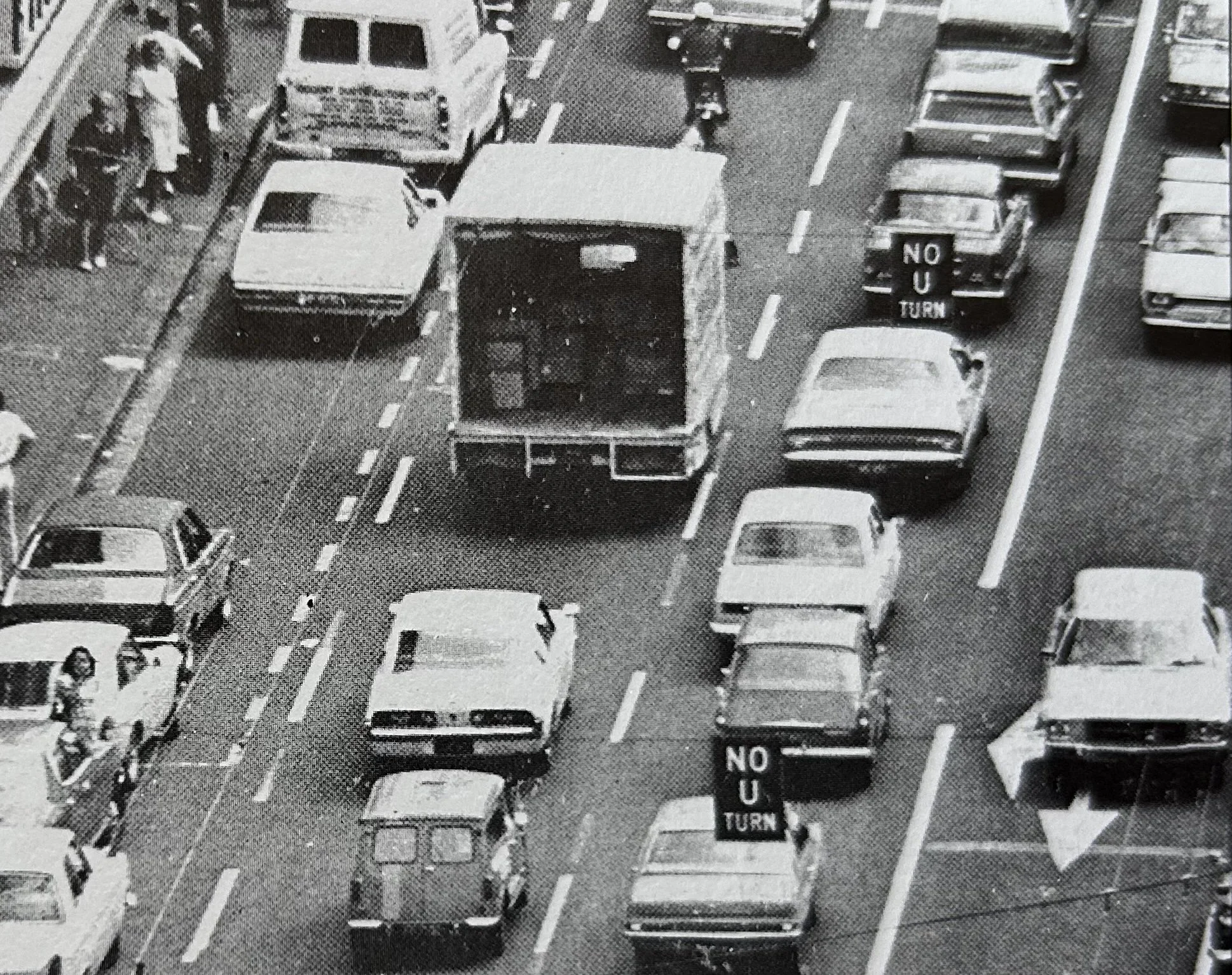
We’ve been here before, back in the 1970s. Might any lesson from the past be useful today?
Carless Days is often mentioned. A simple enough logic:
It worked in reducing fuel use when we had it in 1979 through to early 1980, right?
To understand why we came to a regulation to asked for a single day off from driving every week requires considering more than the period when this exercise was undertaken.
Carless Days topped a messy decade for motoring.
October 1973. Arab oil producing states, led by the Organisation of Petroleum Exporting Countries, decided to limit the production of crude oil. The drum was being banged Iraq, Kuwait, Saudi Arabia … and Iran.
Resentment about how oil barons had been messing about with the per barrel price, which always displays in US dollars, paid to oil-producing countries traced back to the 1950s.
The producers felt they were being ripped off, so decided to act. From now on, they would call the shots.
OPEC’s move came in the wake of the Yom Kippur war with Israel, primarily as a selective embargo on countries believed to be sympathetic to Israel.
OPEC began raising prices: A barrel of oil that cost $2.29 in 1971 would cost $12 by end of 1973 (that same barrel costs over $100 now).
Little old New Zealand was hurt grievously. As now, our economy relied heavily on oil. As now, almost all of it was imported.

Government’s first action was to try to cushion prices. That lasted a year. By then, an oil import bill that stood at $96 million in 1973 had risen to $203m.
By end of 1974, a raft of measures to reduce petrol consumption was introduced.
Industries were encouraged to try coal and gas as substitutes for oil. The sale of bunker fuels, diesel and fuel oil was restricted. Aviation fuel was limited. People were urged to conserve energy.
And, more than anything else, Government looked to how they could influence motoring trends. Cars then were consuming more than a quarter of our imported petroleum products.
That had to reduce. Immediately. A ban on petrol sales between midday Saturday and Monday morning was installed, to discourage people from undertaking Sunday drives. The national speed limit was dropped to 80kmh. Anyone caught hoarding petrol was stiffly fined.
The campaign was largely successful. The lowered open road limit alone is estimated to have saved around three percent of annual usage, a $6m saving (in period dollars) in overseas’ funds.
But it wasn’t enough. So Government turned up the ratchet.
It began to encourage motorists to consider thriftier cars; a graduated sales tax was the stick. This was the period that ‘made’ the original Honda Civic and very much brought small Datsuns and the Toyota Corolla to the forefront. And was massively hurtful to sale of big Australia cars; the Falcon 500 and those Valiants fell from grace.
Just when things were looking better … instability in Iran. The fall of the Shah in 1979 created a new headache. Iran turned off its oil. Just like that, a second oil shock.
The then National Government had to act. There was speculation about whether petrol rationing should be introduced, but that seemed a bit too much.
What if we could concept a scheme that wouldn’t outright prevent people from driving but might keep them from buying too much petrol?
So came into action what was described as a contingency plan to avoid something worse. So was born a novel fuel saving scheme. Pick a day when you kept your car in the garage.
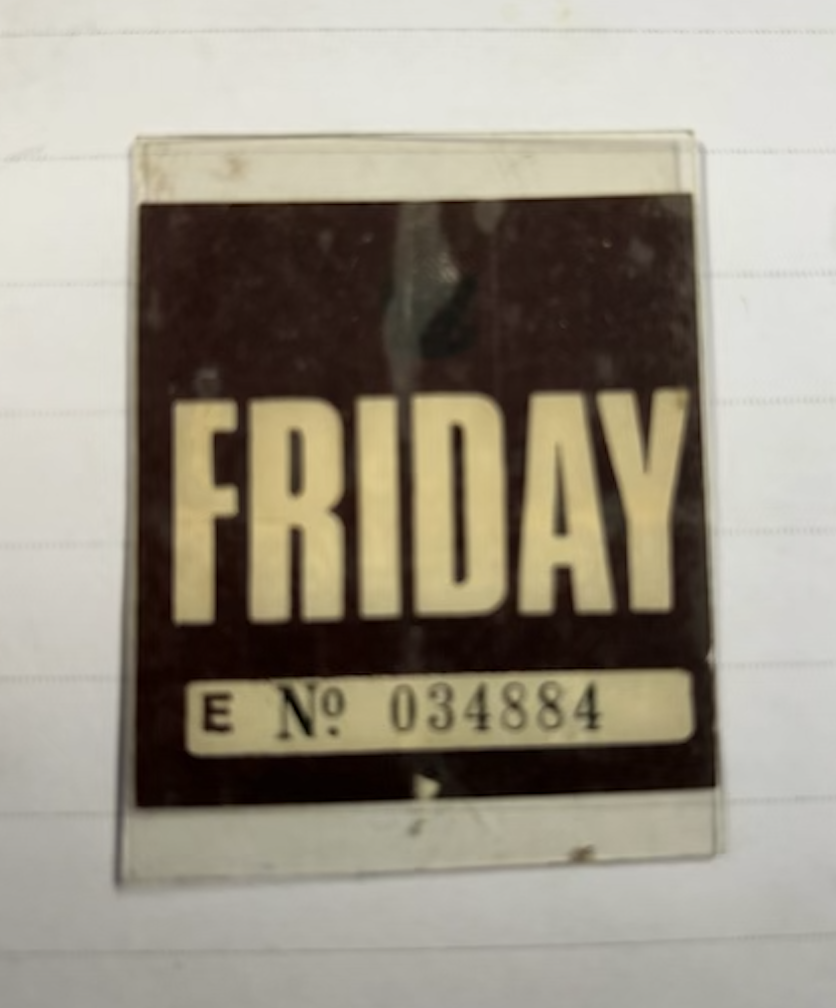
Carless Days had a month of lead-up, with introduction at 2.15am on July 30, 1979, lasting through to May 13, 1980.
During Carless Days, every private car required an official sticker, each day in a distinctly different colour, to be affixed to the windscreen. Whoever chose the hues had a sense of humour; it was literally Black Friday. The Ministry of Transport, now part of Police but then a separate entity, was charged with ensuring compliance.
Despite lobbying against it, notably by the Automobile Association, the severest curtailment of motorists’ freedom since World War II was generally accepted and adhered to.
Interestingly, Tuesday and Wednesday were the most popular choices; hardly anyone picked Saturday or Sunday (despite the resumption of a petrol sales ban then). Why ruin the weekend?
Certain professions could apply for an exemption, and they were given a special sticker. The scheme also allowed for temporary exemptions if someone needed a vehicle on their carless day.
So tidy, so perfect, except ….
There were those who simply ignored the concept and risked the consequences. Plus there was no shortage of confusion.
On July 31, 1979 the Manawatu Standard newspaper highlighted an issue that would plague the scheme.
It cited how the Levin Police station had been extremely busy with applications for temporary exemptions.
With Levin having no public transport, and the nearest hospital being in Palmerston North, the police had been inundated with people who needed to drive to Palmerston North for appointments which were on their carless day.
Media also clocked that the exemption scheme was proving very popular and, for those who couldn’t wangle an official release from it’s constraints, there were other choices.
A black market in exemption stickers quickly developed. Another way around the scheme was to have two stickers, and apparently wrapping them in gladwrap enabled them to be swapped for the appropriate day.
For those families with two cars the scheme had very little effect as they just had different carless days for each car.
Also reported by Palmerston North’s daily newspaper: “Ironically carless days also provided a headache for the Palmerston North bus service.
“Diesel had been allocated to the bus service by the government at the beginning of the year. But due to extra demand generated by carless days the allotment was running out faster than expected and would not last until the end of the year unless cuts were made to services.”
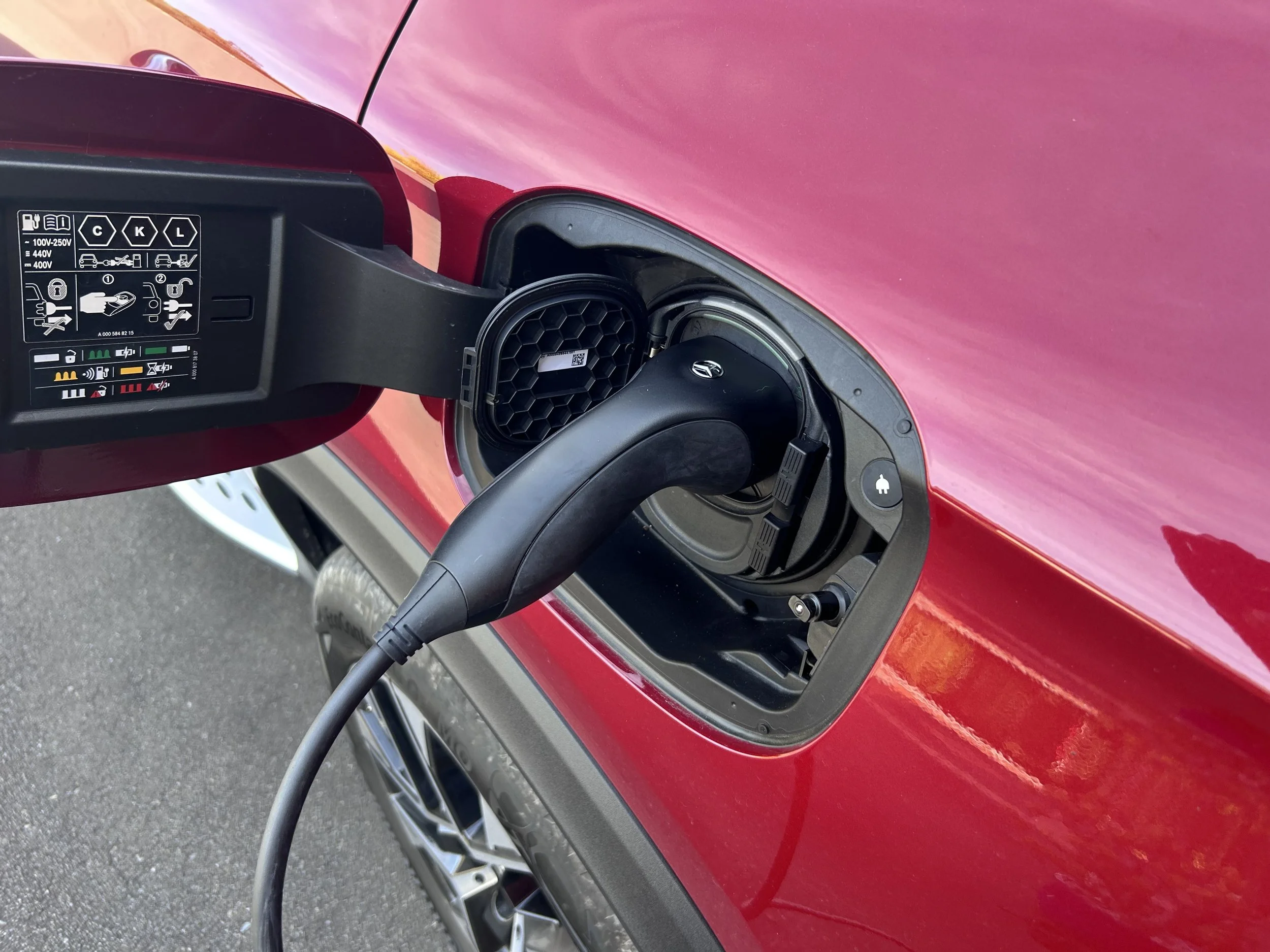
Carless Days spurred an increase in the sale of bicycles and small motorcycles, which despite using petrol were exempt from the scheme.
It also spurred wholesale conversion of cars to LPG and CNG, something the AA was also cautious about.
The fuels were cheaper than petrol, but much less efficient; range and performance suffered. Conversion kits were pricey, installation also came at cost and the kits were so bulky they really only suited very large cars. And, ultimately, it was also a fossil fuel, in abundance at the time due to Think Big, but still not plentiful not long-lasting. It was a short-lived concept.
Did it work? Government believed Carless Days would save five percent of the nation’s fuel consumption. It didn’t. At its height, the impact was about 3 percent; in most weeks, it was 1.5 percent.
Looking back, it’s probably best to consider Carless Days as having been more a hearts and minds idea than any kind of tangible solution.
Whether it would be useful now is a question being raised.
The national motoring scene has very much changed since those days. during the first oil shock, we had 1.1 million cars on the road. Now the count is close to four million.
Then the light fleet comprised cars and vans. Now it includes a category that even exist in the 1970s; one-tonne utes. These are massive sellers. Unfortunately they, along with the sports utility vehicles that account for more than 60 percent of new vehicle sales, aren’t exemplars of economy (or emissions) so, though average fuel consumption is lower, it isn’t as good as it could have been.
Should Marsden Point have been kept? There are arguments in favour of countries having ability to refine fuel. But, again, that’s not really the issue here. The issue is achieving supply of crude oil from source.
People love their cars, and like driving them, but considering ways to drive more efficiently isn’t a bad idea.
One recently-aired proposal for Government to undertake a friendly national education campaign on fuel-saving tips like avoiding heavy braking, checking tyre pressure, and taking things that add weight, like a roof rack, off their vehicle when it’s not needed isn’t a bad thought.
Last time around, national motorsport became a victim of belt-tightening; it was all but banned for several years. Ironically, when numbers were crunched in the aftermath, it was surmised that those driving to and from horse-racing - which was allowed to continue and was then a massive industry, with multiple events - were probably consuming much more petrol than was ever removed from the national supply by competition. These days, gambling is a safer bet for being left alone, as it’s almost all online. Whereas motor-racing is still overwhelmingly reliant on fossil fuels, and generally involves cars that are heavy drinkers.
We’re a little better off now that in the 1970s in that we have more transport options available and a technology that simply didn’t seem feasible five decades ago.
Electric doesn’t just mean cars. We have electric buses in various cities and electric scooters, too.
Sure, electric vehicle sales have been dismal in recent years. The Luxon Government crashed Clean Car and, in doing so, an EV market that showed three years’ solid growth has nosedived since start of 2024. But if people are paying more at the pump, that might change.
Bringing back the Clean Car Discount, which provided rebates for low and zero-emission vehicles, to encourage people to buy EVs would very much help the country curb fuel use and given reason for New Zealanders to think more about their car choices going forward.
# Background information about the oil shock era of the 1970s is sourced from Graham Hawkes’ excellent ‘On the Road: The car in New Zealand.'