Juke’s NZ spec, prices revealed

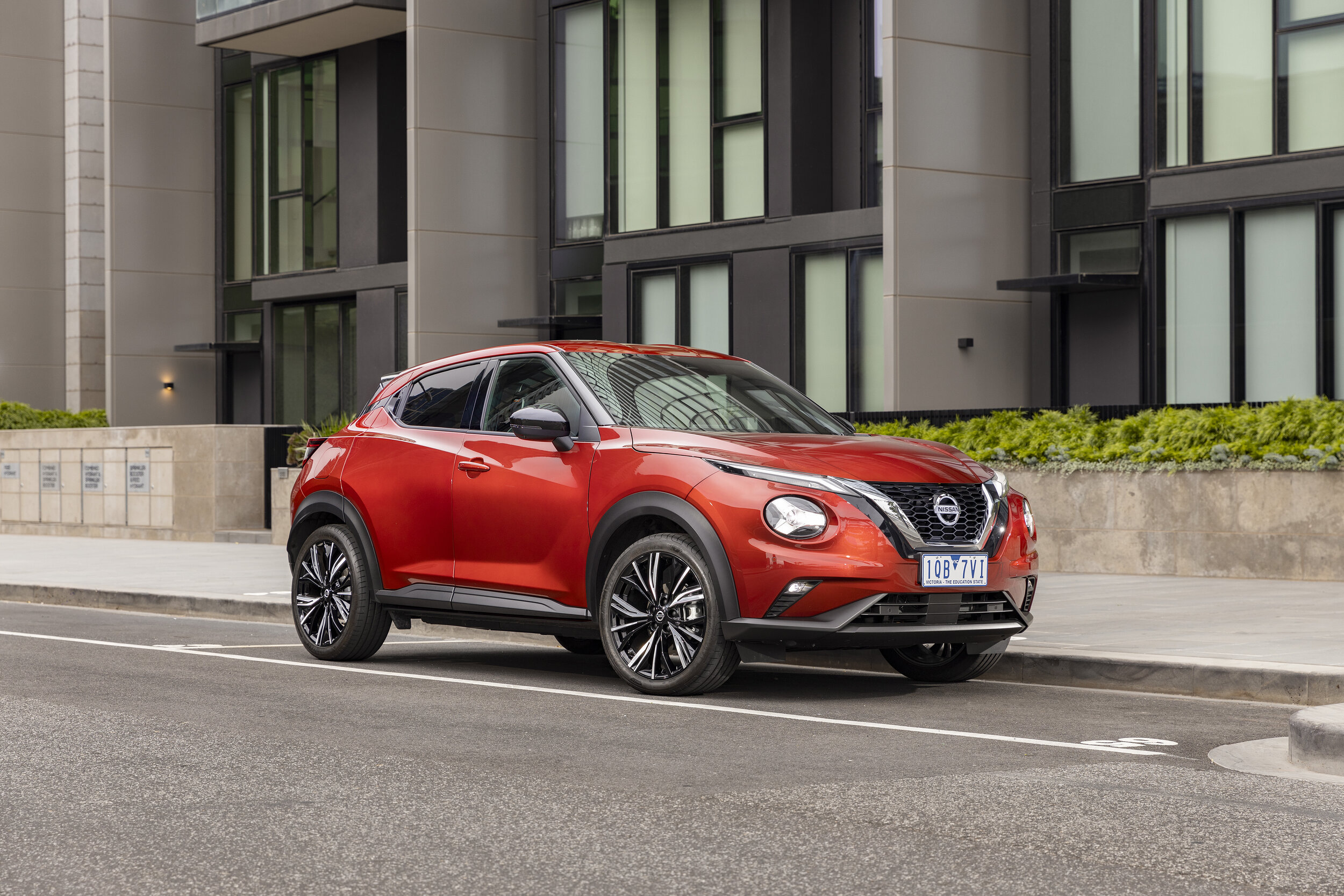
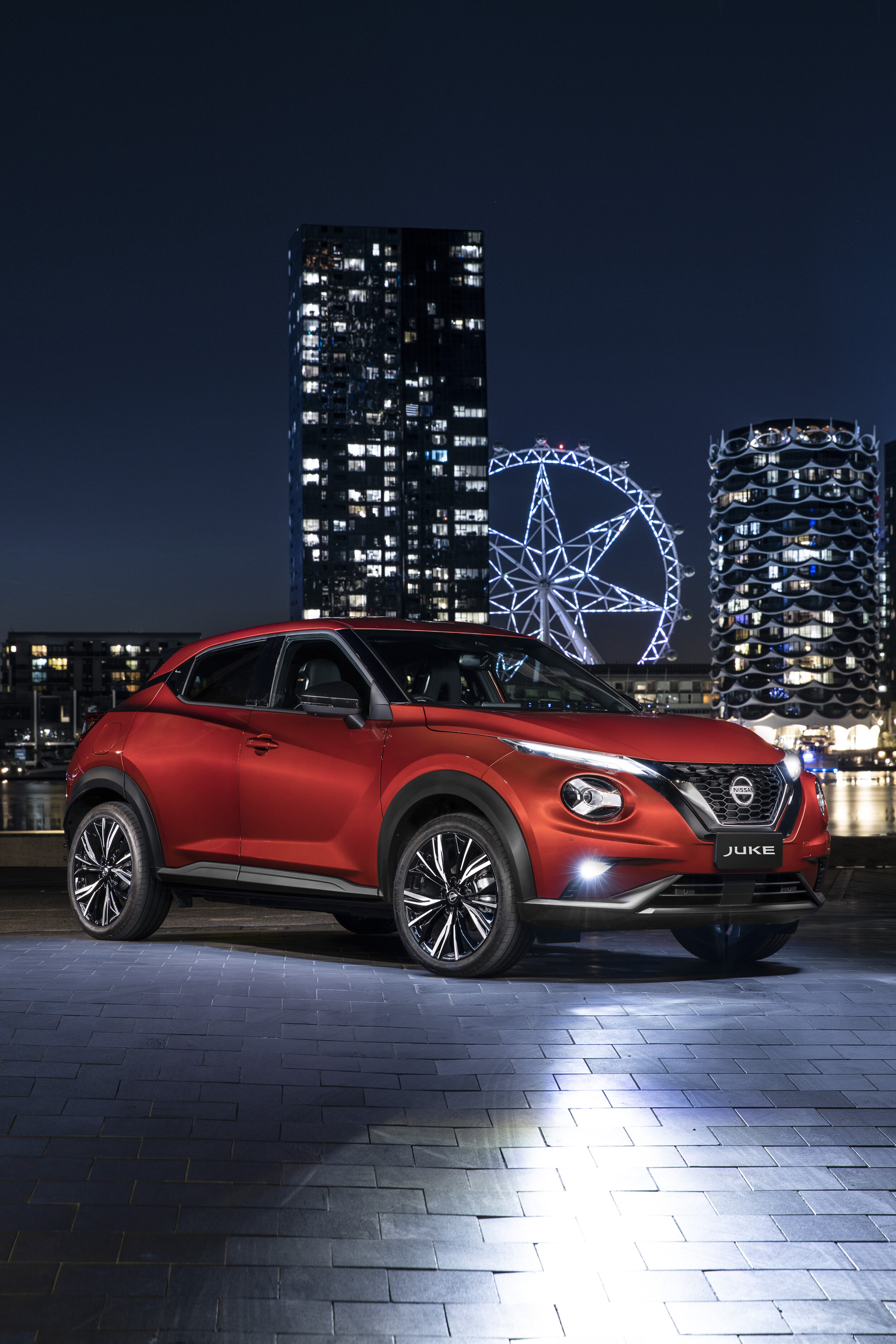
The new Juke represents as a new start in familiar territory.

JUKE 2020 Group (2).jpg


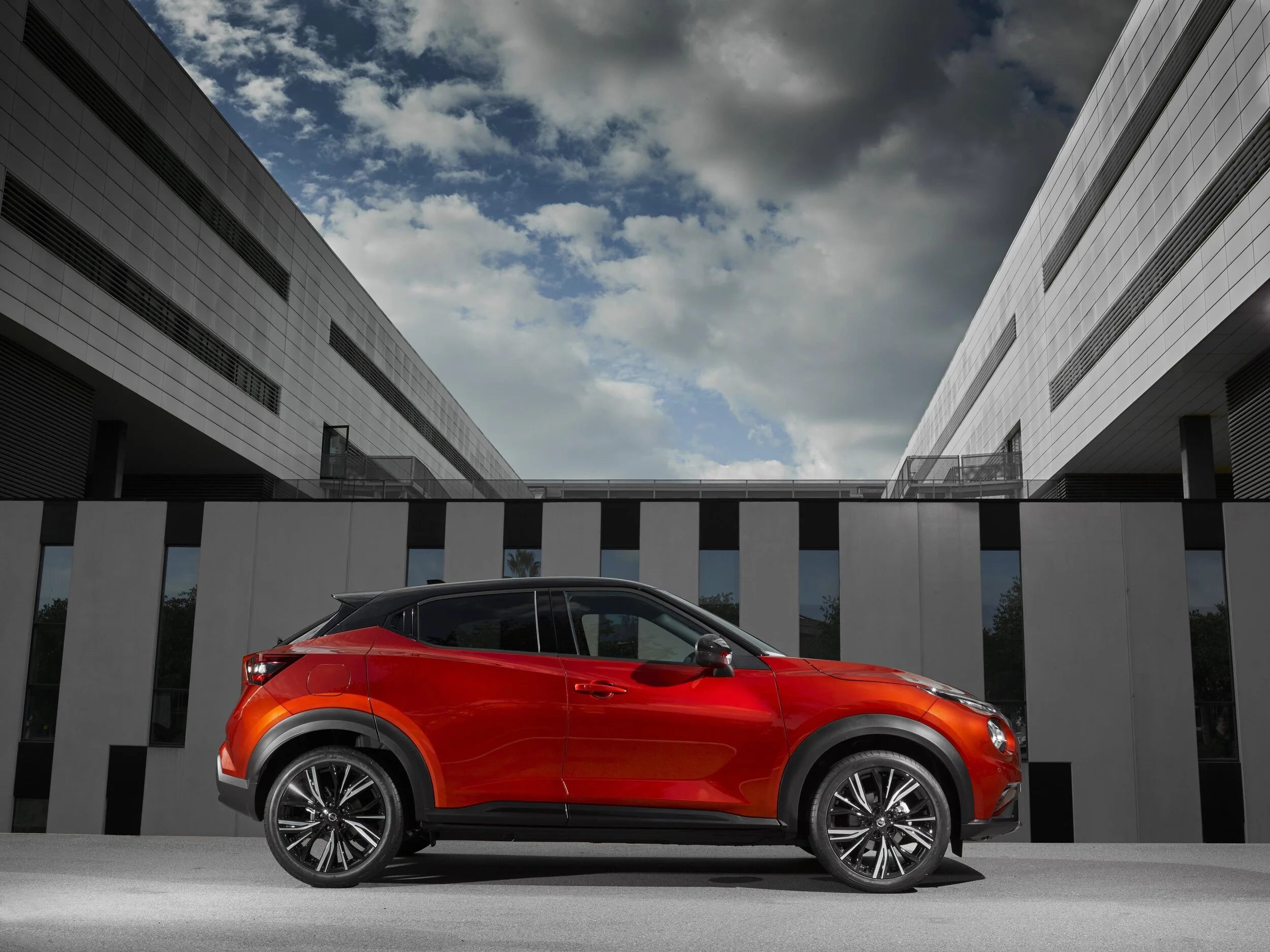
THREE versions of the Juke will hold Nissan’s corner in the compact crossover class.

Pricing and specifications of the model have been announced ahead of launch in June, a process the New Zealand distributor has already admitted will be affected by supply constraints resulting from the plant in Sunderland, England, being closed by coronavirus https://www.motoringnz.com/news/2020/5/6/shutdown-jolts-jukes-nz-arrival.

Nissan NZ has indicated it had a shipment already en route when the factory shuttered, but has not divulged how many cars are coming on that first boat or if every variant is represented from the June 1 release date. There’s no additional comment on when reinforcements will arrive.

The models it will foot this time are an entry ST at $32,990, a mid-grade ST-L for $5000 more and a flagship Ti, retailing for $44,390 – or just $100 short of a Qashqai Ti. The previous Juke Ti was finally selling at $31,990.

This is just the second generation of Juke, replacing a car that ran in the market for 10 years – around two-to-three years longer than most rival makes keep their cars in circulation. However, it’s pretty much entirely fresh in every major facet.

There’s big change under the bonnet. Whereas the previous car presented with a choice of 1.6-litre aspirated and turbocharged petrols, generating between 85kW/190Nm and 140kW/240Nm, this time the entire family runs a 1.0-litre turbo-petrol three-cylinder unit producing 84kW/180Nm.

The constantly variable transmission has gone. Now there’s a seven-speed dual-clutch automatic transmission with paddle shifters, the three-cylinder engine drives the front wheels exclusively and comes with an official combined fuel consumption figure of 5.8 litres per 100km.

The platform is also fresh, being an underpinning developed with Renault, and is said to be stiffer by 13 percent stiffer and six percent lighter. It maintains MacPherson-strut front and torsion-beam rear suspension.

The switch allows for an increase in all major dimensions. In measuring 4210mm long, 1800mm wide and 1595mm tall, it is 75mm longer, 35mm wider and 30mm taller than the outgoing car. This of course allows a roomier cabin and also improves luggage capacity, which increases from 354 litres to 422 litres with the seats in place, expanding to 1305L with the 60:40 split-fold fully utilised.

The Juke being well-provisioned on the safety front has seen it land with a strong ANCAP score. Standard kit includes autonomous emergency braking with pedestrian and cyclist detection, lane departure warning with intervention function, rear cross-traffic alert, forward collision warning, blind spot warning, traffic sign recognition, intelligent driver alert, active speed limiter hill start assist, intelligent trace and ride control, rear parking sensors and a reversing camera.

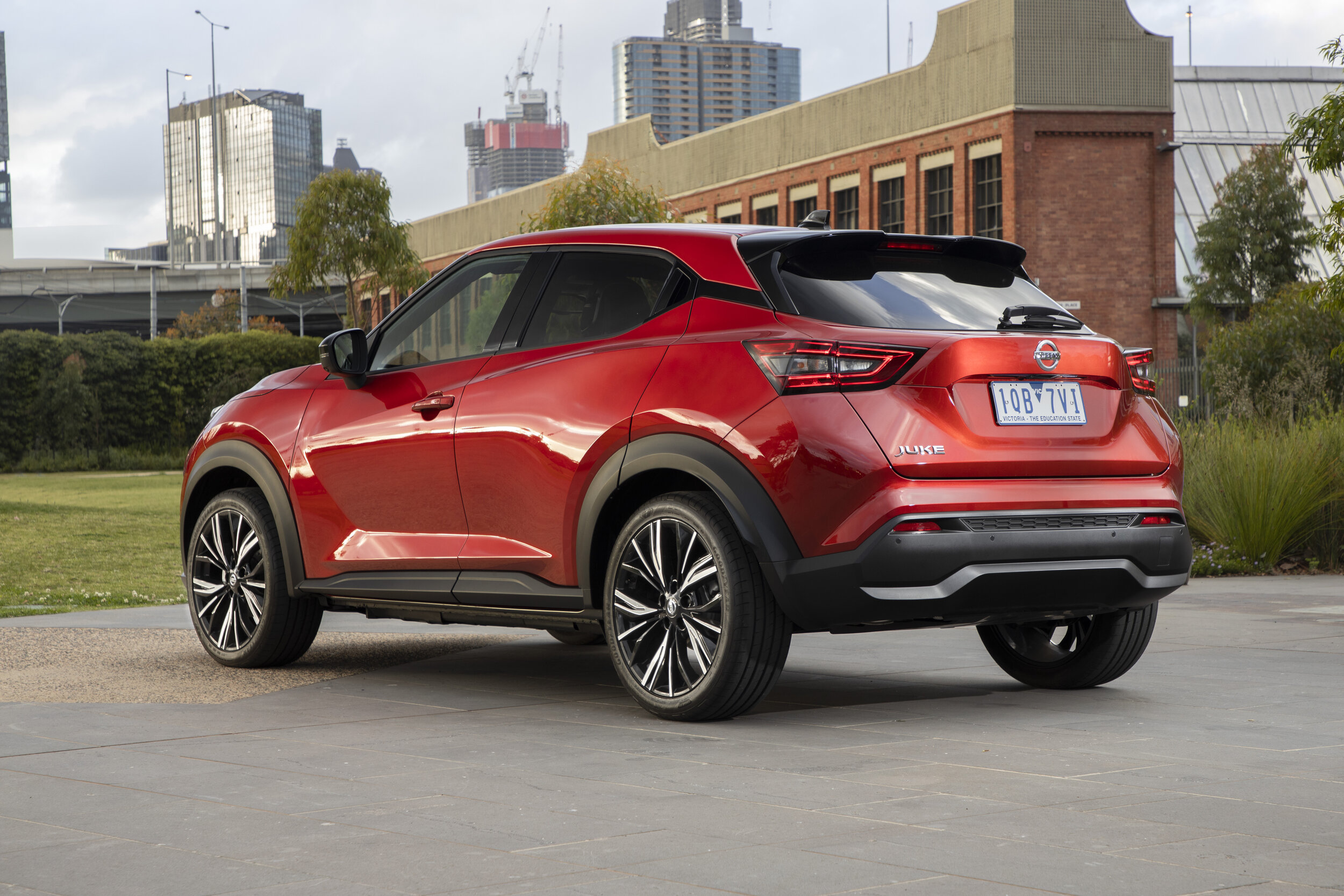
The ST grade has a rear spoiler, 17-inch alloy wheels, daytime running lights, auto- LED headlights with high-beam assist and power-folding and heated door mirrors.

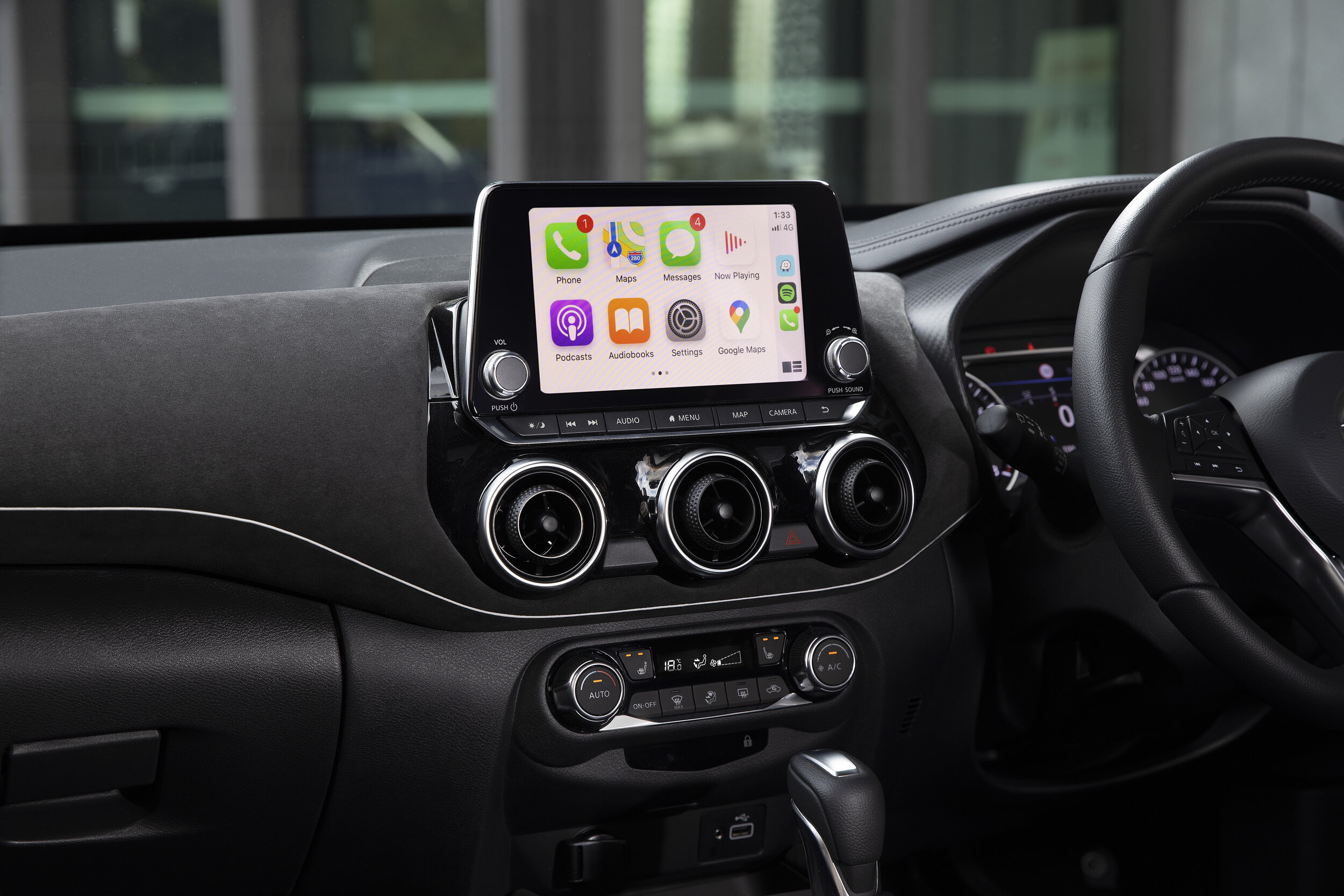
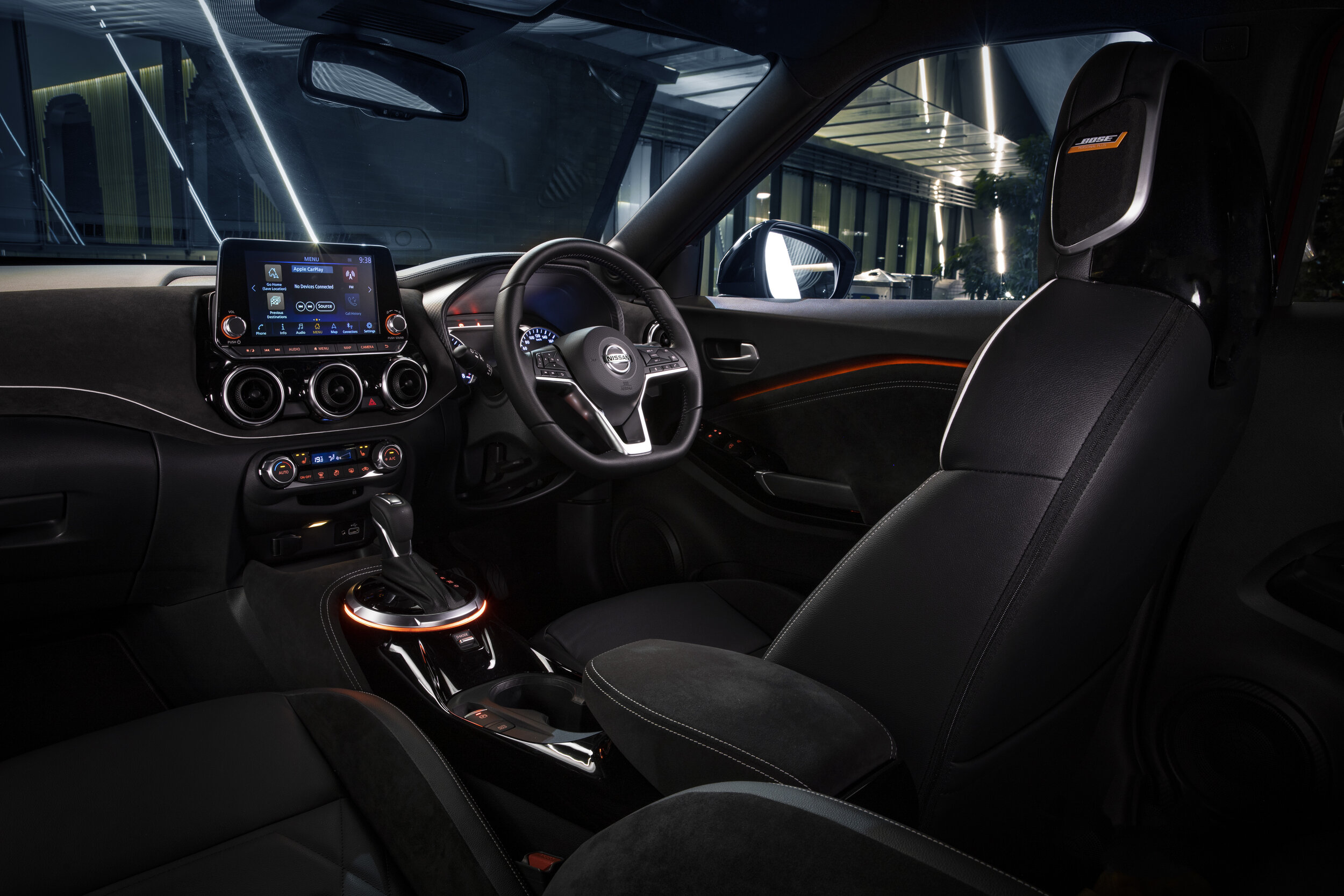
It takes an 8.0-inch touchscreen infotainment system with voice recognition, and Apple CarPlay and Android Auto compatibility, a 4.2-inch instrument cluster display and cloth seats with six-way driver and four-way passenger manual seat adjustment. 

The ST-L builds on the ST’s spec and adds LED foglights, satellite navigation, heated front seats and front parking sensors. 

The ST-L grade lifts up to 19-inch alloys, 7.0-inch instrument cluster display, six-speaker audio, electric parking brake, leather-accented steering wheel and shift knob, cloth/leather trim, rear USB port, three-level drive mode selector, ambient interior lighting, and new safety kit including moving object detection, adaptive cruise control and a surround-view monitor.

The flagship includes adaptive headlights, sticks to 19-inch alloys in Akari style, illuminated sill plates, quilted leather/Alcantara seat trim, Alcantara dashboard, knee pad and door panels, shark-fin antenna, eight-speaker Bose audio system and tyre pressure monitoring. 

Nissan NZ managing director John Manley has expressed confidence the car will set the bar for small SUVs, recalling also that its predecessor was a successful sector disruptor in its early days.

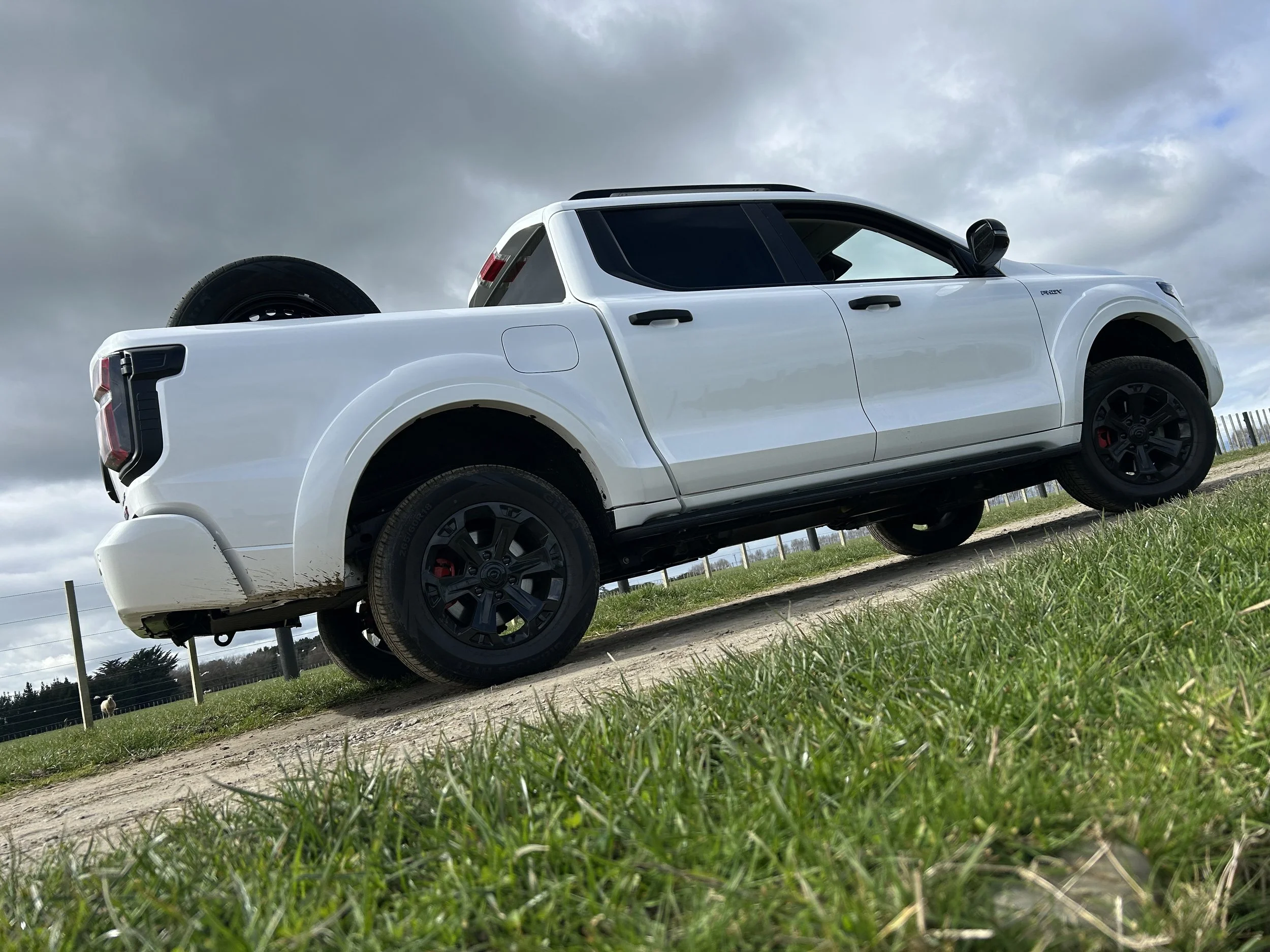
In addition to giving out information about Juke, the Auckland-domiciled brand has also identified intent to sell its special edition Navara, the N-Trek Warrior, for $74,990.


Ute outlook: Part 2 – the big team

Our national obsession for utilities, especially family-minded dual-cabs, knows no bounds. The market is booming at the moment, and filled with plenty of strong options. Yet surely you’re also keen to know something about what’s coming up next, when and from whom? Here’s part two of our three-part analysis.

Are you ready for Renaut’s Oroch Duster?

Are you ready for Renaut’s Oroch Duster?

THE Renault-Nissan-Mitsubishi Alliance is a massive strategic partnership that currently produces better than 10 per cent of all the world’s new vehicles.

That’s a lot of vehicles – close to 11 million a year, in fact – so it makes sense that the alliance has various technology-sharing agreements in place to take advantage of economies of scale. Such as sharing platforms and powertrains for its next generation of vehicles, for instance.

When it comes to one-tonne utes, the first brand-new model to emerge from the Alliance is going to be the Mitsubishi Triton. And a likely special feature of the model, which will probably be launched in 2022, will that it will be electrified.

Probably not pure electric though – that would be a step too far, given the traditional towing and 4WD rock-hopping needs of utes.  But it is known that research is progressing into whether the Triton will become available as a petrol-electric hybrid or as a PHEV.

Triton is a vitally important model for Mitsubishi. It’s the brand’s second-biggest selling vehicle worldwide behind the Outlander, with close to 200,000 annual sales. In New Zealand it is the biggest-selling Mitsubishi by a country mile – last year 5319 of them were registered, close to double the number of Outlander sales.

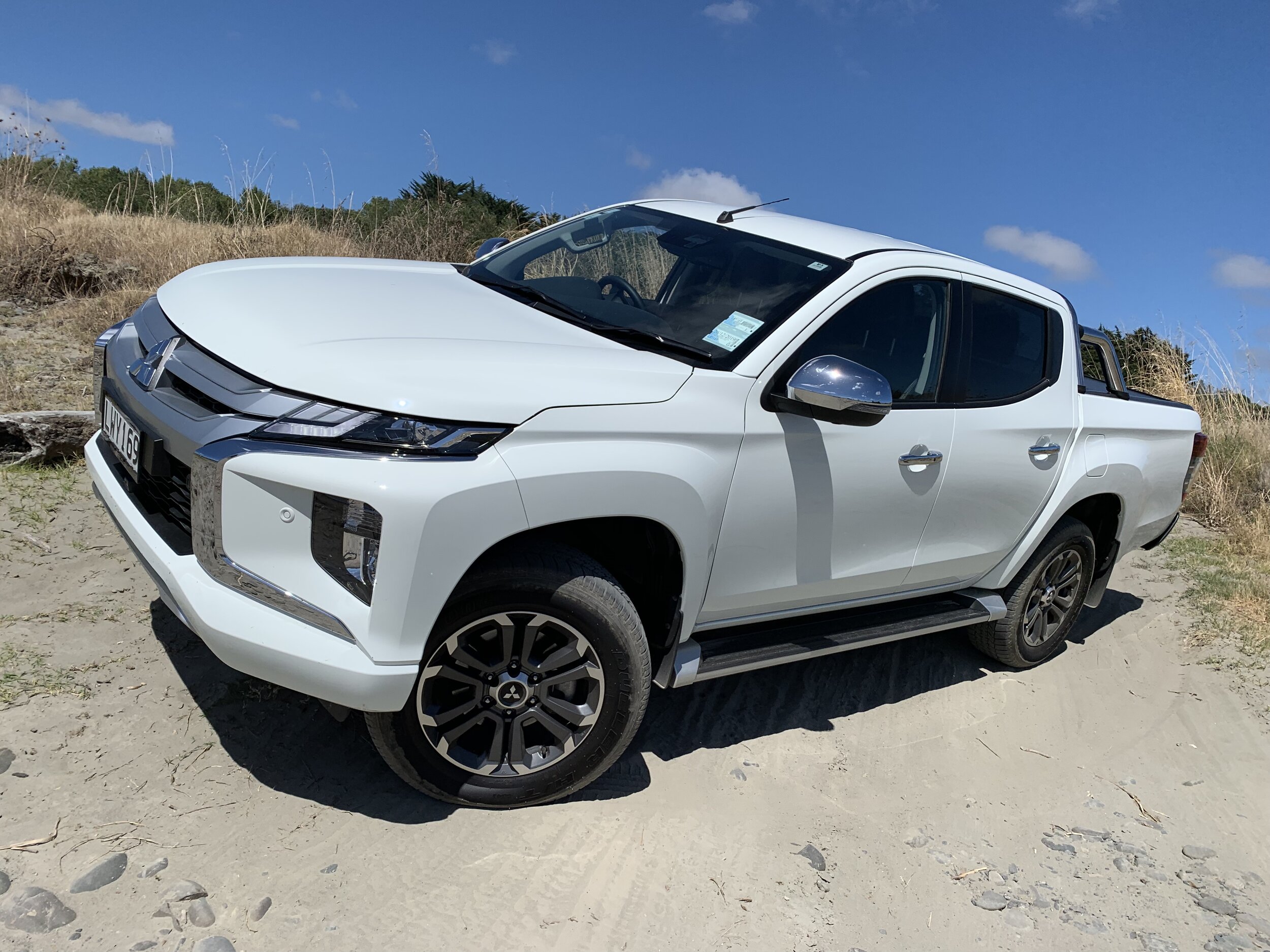
Current generation Triton has done Mitsubishi proud.

Current generation Triton has done Mitsubishi proud.

So in every respect it is important that the new Triton continues the model’s great reputation – and potentially  enhance it via the Mitsubishi becoming the first ute manufacturer to add electrification to its lineup.

Mitsubishi has been investigating the feasibility of a hybrid ute for some years now, and in fact it revealed such a vehicle – a diesel-electric concept called GR-HEV – back in 2013 at the Geneva Motor Show.

While there was no updated concept ute at the Tokyo Motor Show late last year, it was made clear a brand-new Triton is under development – and that Mitsubishi will be the first member of the Alliance to produce it.

Said the company’s chief operating officer Ashwai Gupta at a media briefing: “It’s a matter of each brand’s business decision as to when they will launch (a new ute), but as far as Mitsubishi is concerned...we are going ahead with development of a Triton successor.”

Mitsubishi has already achieve big sales success with its Outlander PHEV, so it is obvious that this plug-in technology is one that the brand is now considering for light commercial use. But it may well be that a more traditional series or parallel hybrid system will be chosen.

Next ute off the Alliance rank will be the Nissan Navara, which is also likely to be offered with the choice of an electrified version. But as with Mitsubishi, no decision has been made on which direction this electrification will take.

The new Navara will probably arrive in 2022. The current model has already received a final refresh, and the New Zealand lineup has just been bolstered via arrival of a version called N-Trek Warrior which was developed by Australian firm Premcar.

N-Trek edition is expected to lift current Navara’s status

N-Trek edition is expected to lift current Navara’s status

N-TREK -ThomasWielecki- 130-1200x800.jpg

In New Zealand, Navara is the most popular Nissan, with its 3305 sales last year beating both the Qashqai and X-Trail SUVs.

At Tokyo last year, the brand’s global head of light commercial vehicles Francois Bailley said for Nissan to consider any form of electrified power, a ute must be able to deliver power, torque and towing abilities.

“We’re looking at different technologies, from full EV to PHEV and so on. But we don’t think our customers will tolerate any compromise in terms of towing, payload, range. We must supply the same capabilities as the internal combustion models.”

Interestingly though, Nissan has already produced an electric ute.  Nissan-Dongfeng, which is a 50:50 joint venture in China, last year launch a new ute called Rich 6, which is based on the Navara and offers the equivalent of about 120kW and 420Nm.

Renault, the third member of the Alliance, already sells two utes on various interenational markets – the Navara-based Alaskan, and a small half-tonne ute called Oroch that is built off a compact SUV called Duster.

Renault New Zealand has been banging on for some years now that it intends importing the Alaskan, but it’s never happened.  Now it is more likely that if a Renault one-tonne ute does enter the Kiwi market, it will now be a brand-new model based off the new Triton.

It also seems likely the Oroch will get here before that. Renault NZ has confirmed that the Duster will arrive in New Zealand during the fourth quarter of this year, and there is talk that the ute version will arrive soon after.

And what about the Mercedes-Benz X-Class? Will a second generation of that ute, which is currently built off the Navara and assembled alongside Navara and Alaskan in Spain, also be built off the new Triton? Or will there be another X-Class at all?

The answer is no.  Mercedes-Benz has been badly burned by being the first luxury manufacturer to enter the world of the one-tonne ute – and as a result ithas announced that X-Class will be axed from the end of this month.

In a statement, the brand simply said: “In our global product portfolio, the X-Class is a niche product which plays a great role in a few markets.” In other words, It hasn’t been selling in anywhere near sufficient numbers – so is being dumped.

Triton2.jpeg


Shutdown jolts Juke release

The first shipment of Nissan’s crucial crossover is incoming. The next? Erm, about that ….

Juke.jpg

JUST an initial, modest shipment of the new Juke will achieve New Zealand landfall in time for its intended launch date and there’s no clarity when more will follow.

This sobering message about the model crucial to Nissan’s pitch to shake up the compact crossover sector comes in the wake of news that would likely strengthen its market acceptance – a brilliant crash test rating.

In condition normal, the five-star accreditation just announced by the Australasian New Car Assessment Programme would potentially offer opportunity for a powerful pre-launch marketing spin. 

Yet these are far from normal times. 

Production of the car having been brought to a screeching halt by the coronavirus pandemic and seems unlikely to resume for at least another month.

That creates a curly dilemma for Nissan New Zealand, managing director John Manley says.

He will certainly have cars here in time to avail the original plan of releasing in June – but exactly when reinforcements for this first wave follow is anyone’s guess.

So do they progress with the launch and, if so, how should that be accomplished: Loudly or low-key, given it’ll involve just a few hundred cars?  That’s being debated right now.

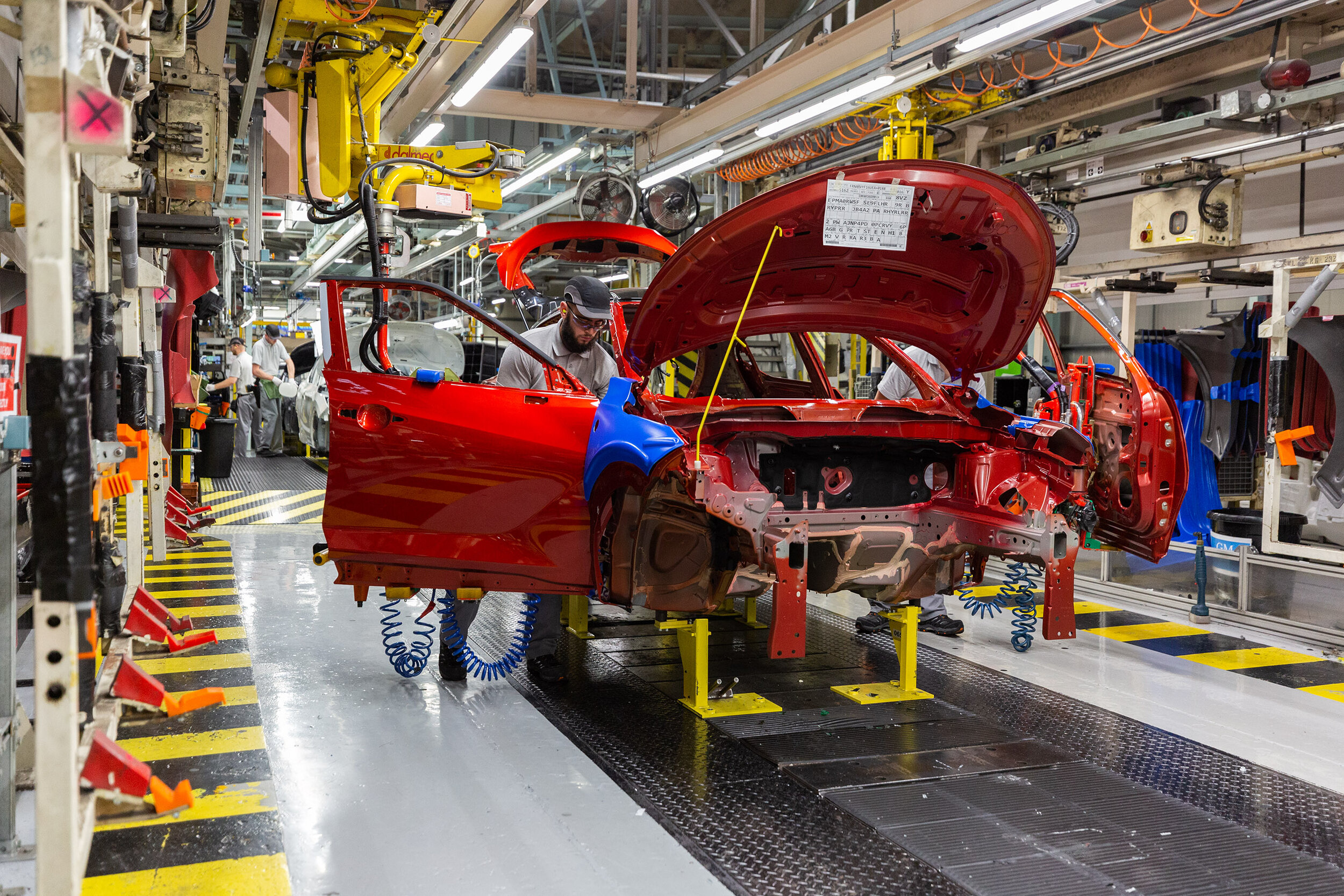
Getting the car from its production source to NZ is quite a journey. Rather than coming from Japan, Juke is again only built in Sunderland, in north east England.

Like all other UK car plants, this massive operation has been idle since March. Sunderland’s management signalling this week an intention to re-start some production is no particular panacea. It’s set to be a small-scale trial involving just 50 of the 6000-strong workforce and none of the tens of thousands in its supply chain. 

Juke2.jpg

Of course, the way the market is heading, having opportunity to slow the Juke rush might become handy. April new car registrations being 93 percent down on the same month of 2019 fuels industry prediction of at least a 40 percent in new car registrations for the remainder of the year looks increasingly certain.

On the other hand, it’s a crucial product and the sector it aims at was showing the most growth potential before the coronavirus crisis hit.

Competitors include the Mitsubishi ASX, Mazda CX-3, Hyundai Kona and Venue, Honda HR-V and the Kia Seltos, which achieved as the top-selling model in April … albeit on the strength of a piddling 95 sales.

“it’s a tricky situation for us,” Manley conceded in respect to Juke supply.

“We just don’t yet know what is going to happen and it might be some time before there’s clarity. Okay, these are exceptional circumstances for everyone, but even so. Not easy.”

The Juke has been on sale in the UK and Europe since last year. That’s where the crash test was undertaken for Melbourne-based ANCAP, the only organisation whose protocols are recognised and funded by New Zealand. The NZ Automobile Association also sponsors ANCAP.

A five-star score is the maximum grade yet because the car has already launched in other regions, its crash testing was carried out according to 2019 standards – rather than a more stringent criteria introduced in Europe and Australia this year.

Even so, the regime required examples being subjected to a full-width front collision at 50kmh, a dynamic offset frontal collision at 64kmh, a side impact at 50kmh, a side pole impact at 32kmh, and a whiplash assessment for front and rear occupants.

The outcome was accredited on strength of it scoring highly across four disciplines, including adult occupant protection (94 percent), child occupant protection (87 percent), vulnerable road user protection (81 percent) and safety assist tests (71 percent).

However, while Juke’s active lane keep assist and autonomous emergency braking systems won praise, ANCAP also suggested those features were not adequate in all scenarios, stating: “the system is not capable of intervening in the more critical emergency lane keeping scenarios”. 

The first-generation Juke – sold from 2012 onwards – also scored a five-star rating when tested in 2011.

The new model is a complete redesign and has grown in length, width and height. It offers more rear seat space and boot space, with the latter increasing from 354 litres to 422 litres. Despite the more generous dimensions it's also 23kg lighter, now weighing in at 1212kg. 

The edgy styling continues, the new model retaining its bulbous headlights and sweeping curves but now receiving LED daytime running lights and the latest version of Nissan's V-motion grille. 

The independent front and twist-beam rear suspension has been recalibrated for enhanced stability and sportier performance, says Nissan.

The NZ specification, model line-up and pricing has yet to be disclosed.

Juke3.jpg

In Europe the car has a 1.0-litre three-cylinder turbo-petrol engine producing 86kW of power and 180Nm of torque (rising to 200Nm in an overboost mode  that lasts up to 25 seconds), for 0-100kmh in 10.4 seconds at best.

European buyers can choose between a six-speed manual transmission or a new seven-speed automatic, the latter replacing the predecessor's CVT, and there are front and four-wheel-drive variants.

Europe’s flagship is the Premiere Edition, which runs 19-inch alloys and has two-tone paint, leather and Alcantara seating and a Bose Personal Plus stereo system.

The flagship also demonstrates new Nissan Intelligent Mobility technologies, such as the ProPILOT semi-autonomous self-driving system, which Nissan says will help the JUKE steer, accelerate and brake itself. 

The safety provision includes autonomous emergency braking with pedestrian detection, blind-spot monitoring, dynamic lane keeping, a 360-degree camera package, rear cross traffic alert, high-beam assist and six airbags.

Other leading-edge tech includes a NissanConnect smartphone app that allows users to access a range of functions, including the ability to push journey plans to the vehicle remotely, and in-car internet, allowing users to utilise the vehicle as a Wi-Fi hotspot. It can also be paired with Google Assistant to access a range of information and allow some functions to be controlled by voice.