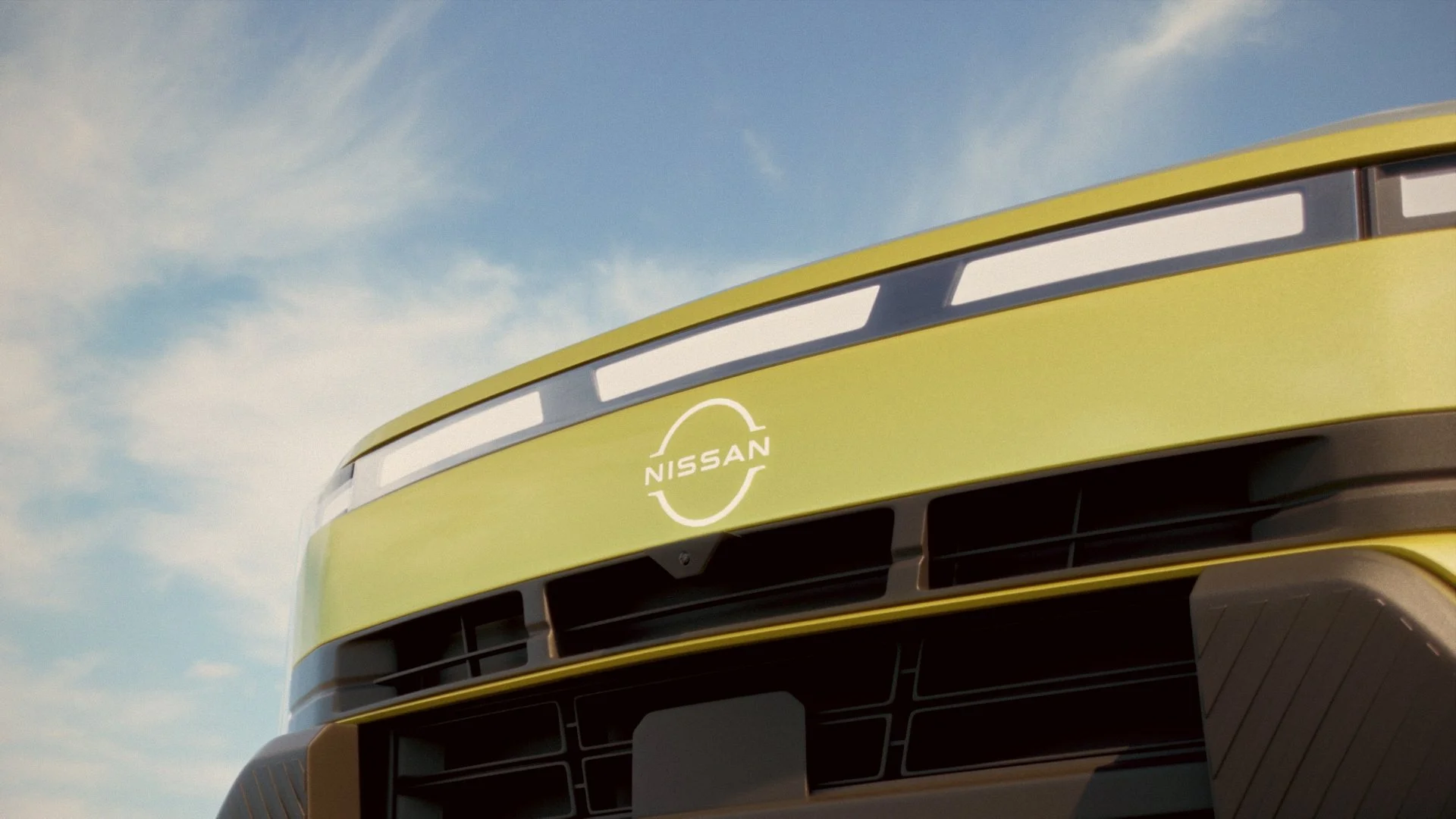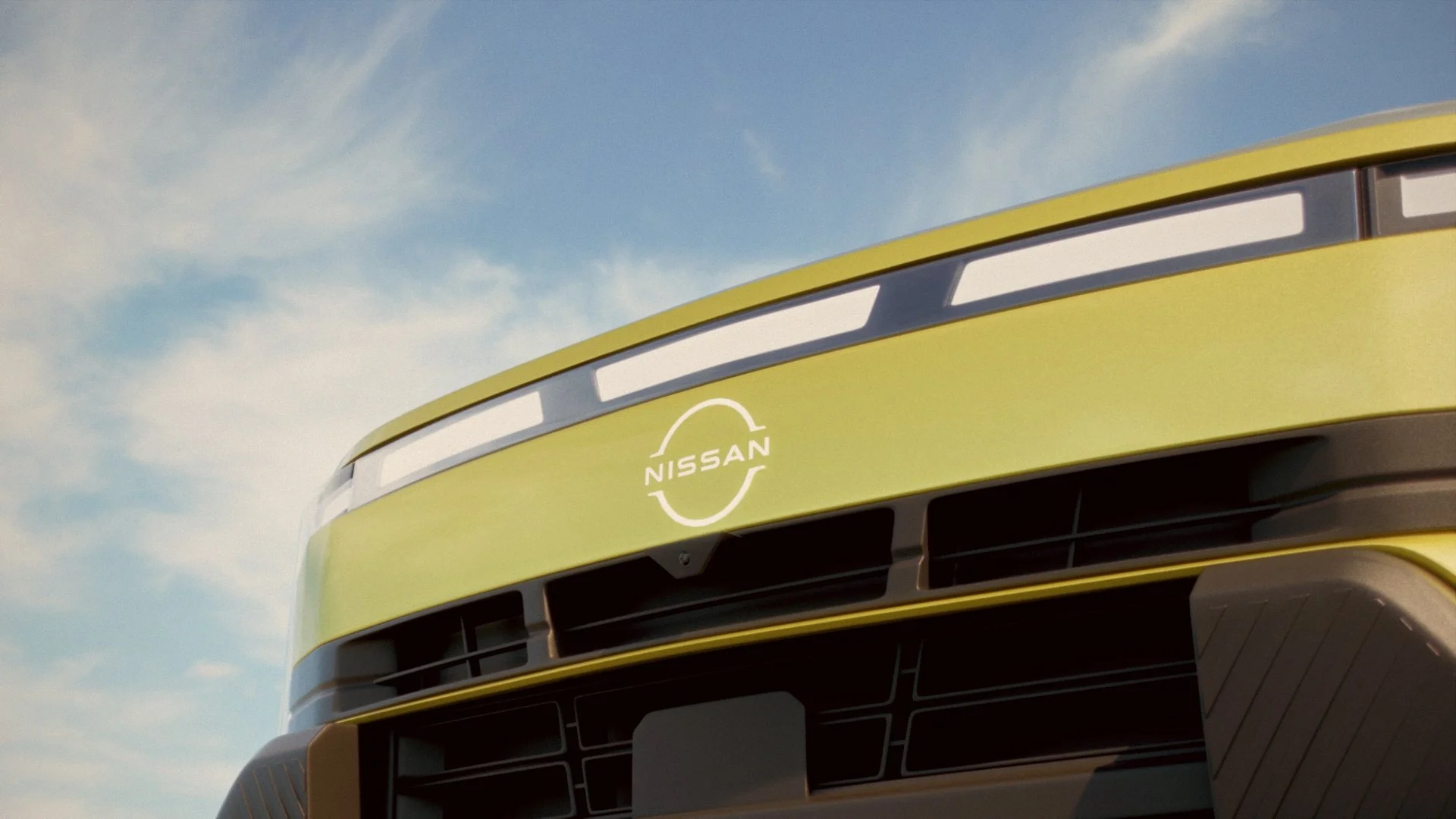

Navara nameplate for Nissan’s electric-edge ute
/Confirmation of 2027 rollout for model already well into durability testing across the Tasman - but many details still be shared.
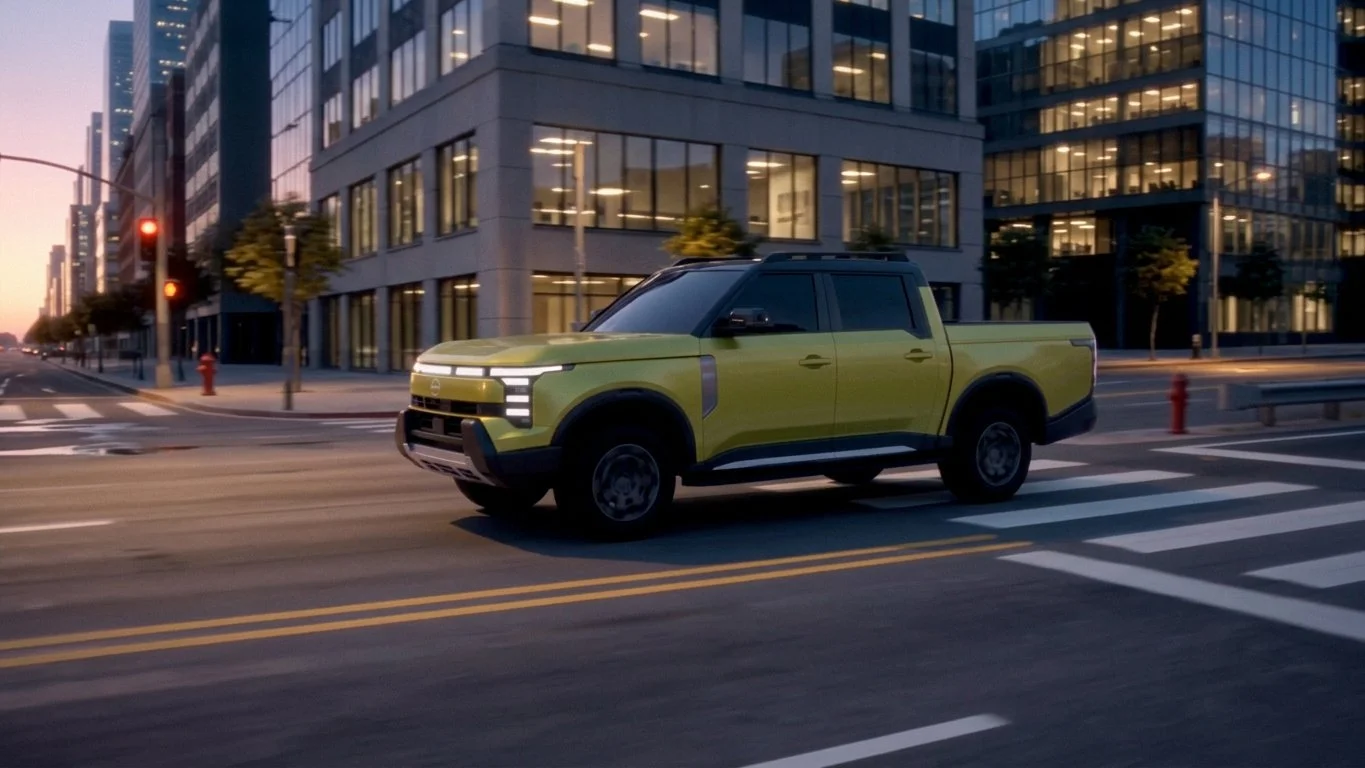
EXTENSIVE pre-release fine tuning of a Chinese partner make’s plug-in hybrid petrol ute coming here as a Nissan has yet to wrap up, with some salient details yet to be sorted - one being how far it might travel on electric impetus.
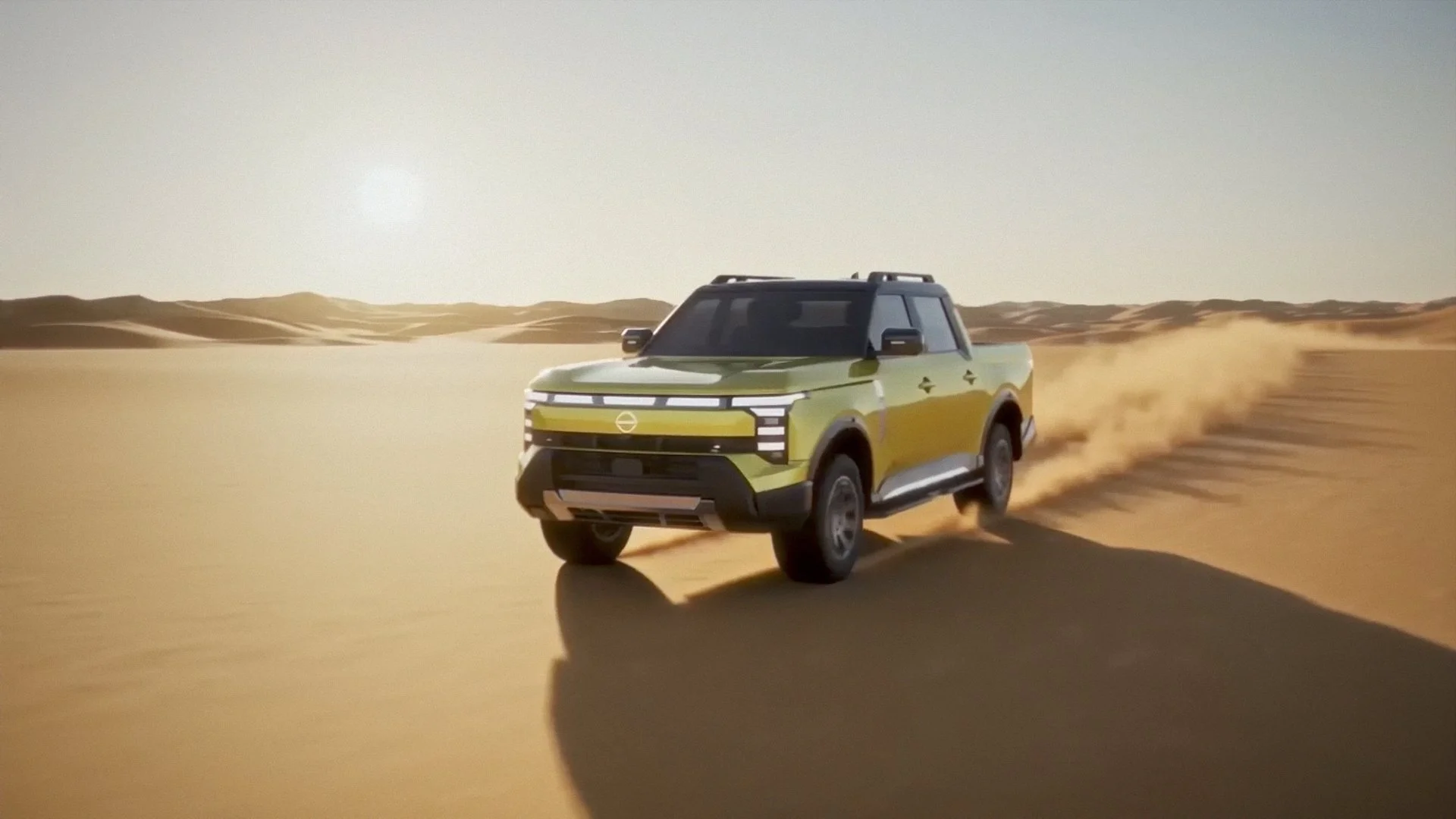
Nissan has now confirmed what was reported on earlier this week; that it will represent from next year what has been until now known as the Frontier Pro PHEV, but will be called a Navara Pro PHEV here.
New Zealand and Australia will be the first right-hand-drive markets to receive the new model, which places a turbocharged four-cylinder petrol with an electric motor integrated into an eight-speed automatic.
Arriving at an unspecified time next year, it will become Nissan NZ’s first plug-in hybrid and the brand’s first electrified ute globally.
Yet to be shared is how many variants are en route or where it will price alongside diesel Navara, a re-engineered Mitsubishi Triton presently pricing from $48,990 to $59,990, let alone other PHEV utes from BYD, Ford and GWM.
The four-wheel-drive double cab is being supplied to Nissan by Dongfeng, whose passenger cars already directly represent here in electric form via a totally different channel.
Dongfeng in China has its own version of the ute, called the Yuanye Z9, but Nissan’s won’t be a doppelgänger, with the Japanese saying the Oceania version will differ from the previously announced global specification.
Dongfeng’s NZ agent is Rick Armstrong’s AutoDistributions has yet to say if it is interested in expanding from cars to a ute as well.
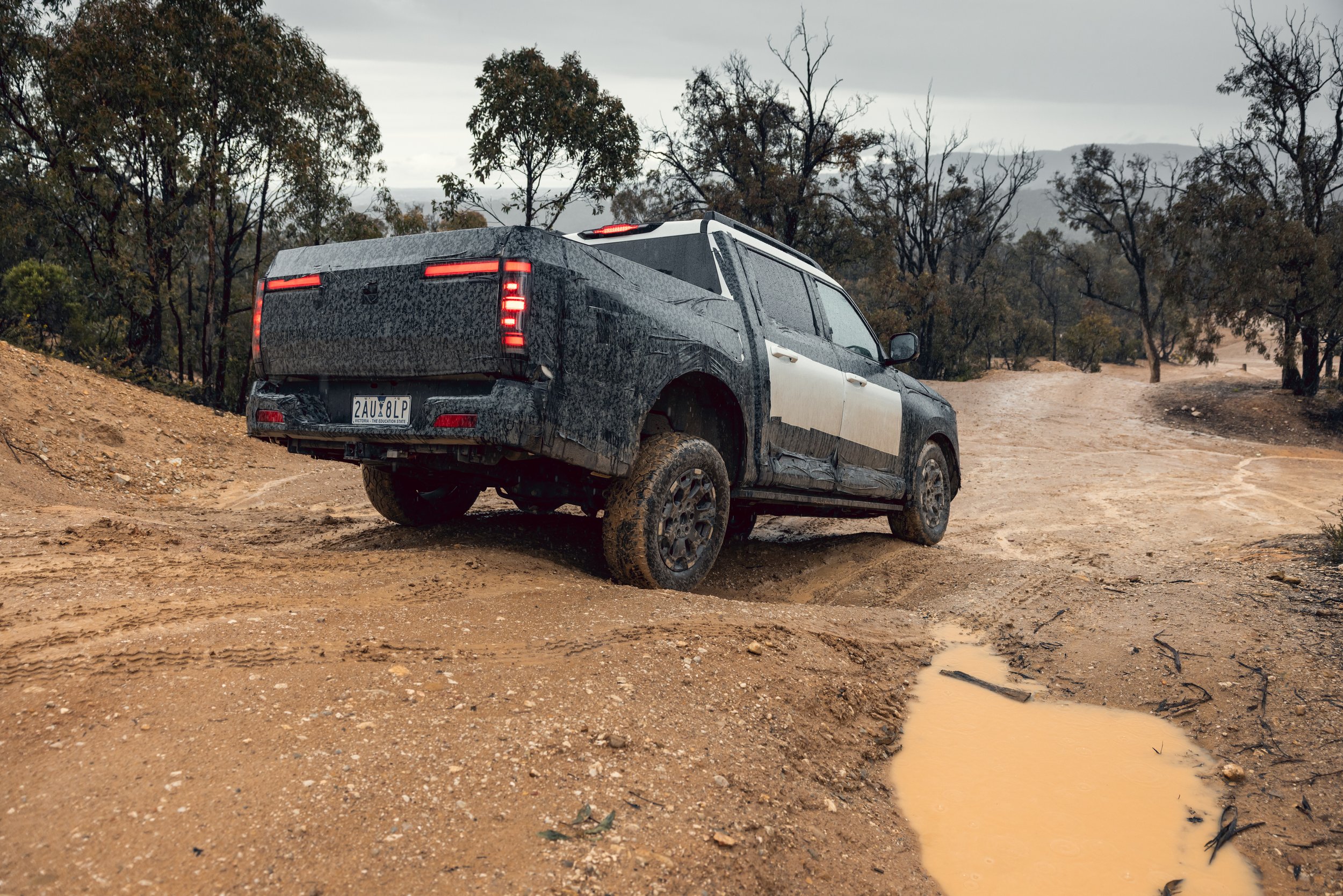
For Nissan’s part, there has so far been talk about how the Navara Pro PHEV has undertaken extensive pre-sale redevelopment in Australia, mainly so that it will meet the Japanese brand’s durability expectation.
They have also released payload and towing data, which equate to Dongfeng’s own figures - so around a tonne on the deck and 3.5 tonnes off the hook.
But more is to come: For instance, the type can configure with leaf-spring rear suspension as an alternate to the previously-announced multi-link coil-spring arrangements. Both have been evaluated, but the final choice has yet to be announced.
Nissan says also says it trialled both a 1.5-litre turbo-petrol PHEV - which was announced a year ago - and a larger 2.0-litre alternative.
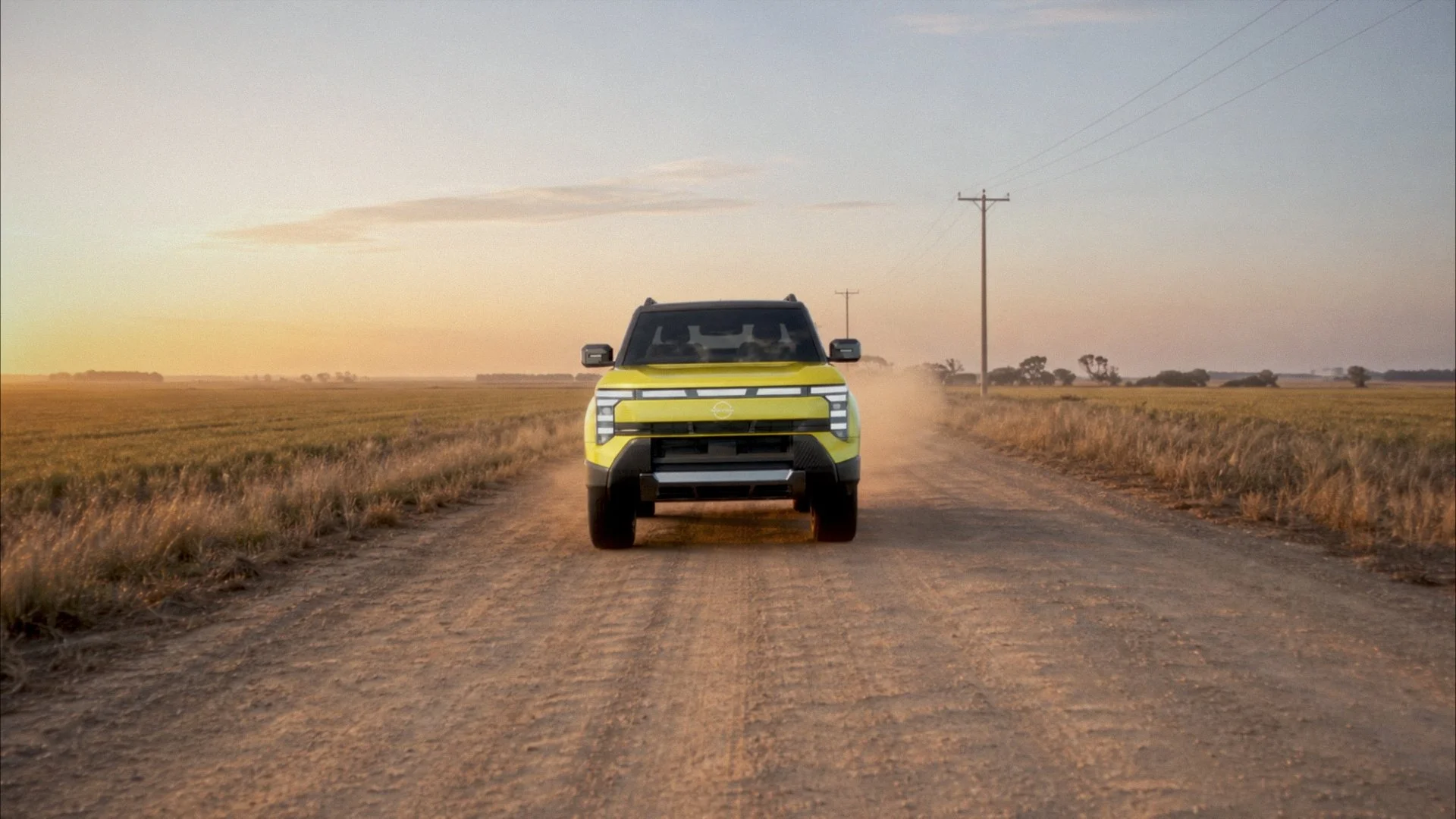
The 2.0-litre was ultimately selected following testing focused on towing, payload and sustained performance.
Exactly how much horsepower and torque the drivetrain develops has yet to be explained.
Intriguingly, Nissan for now is only voicing confidence can generate for this market the 300kW/800Nm previously cited as minimal outputs for the 1.5-litre.
It suggests preliminary analysis says those peaks can also come from the 2.0-litre but says final figures remain subject to final homologation.
Either way, that’s a lot more punch than from the diesel Navara’s Mitsubishi-made dual turbo 2.4-litre, which generates 150kW/470Nm.
The Chinese also say the 1.5 litre-wed Z9 is good for a range of 135 kilometres on pure electric power, 1046km of combined driving range, and fuel consumption of 6.9L/100km.
But those figures were judged from a domestic market scale far more lenient than our own WLTP scale, which is assumed to be the one Nissan regionally will apply in its own calculations. That in itself is not absolutely guaranteed, as in Australia the outdated, and highly inaccurate, NEDC scale is also used.
A mechanical four-wheel-drive system and differential locks underpin its off-road credentials, while Nissan is targeting approximately 1000kg of payload and 3500kg braked towing capacity.
Four drive modes – Eco, Standard, Sport and Slippery – will be complemented by seven terrain settings covering Standard, Deep Snow, Mud, Sand, Rock, Wading and Expert conditions.
Vehicle-to-Load functionality will also be available, allowing the battery to supply electricity for equipment when camping or working remotely.
It will also be available with features including a large central touchscreen, digital instrument display, panoramic sunroof and heated and ventilated front seats, depending on grade.
Australian development began when the first prototypes arrived in 2025. Five development vehicles have since covered more than 20,000km locally, testing suspension, tyres, driver-assistance systems, differential locks, towing and load performance.