
Skoda on the case in commitment to keep on patrol
/Police are tendering for fresh ‘prime one’ stock - the current provider is putting every effort into keeping sweet.
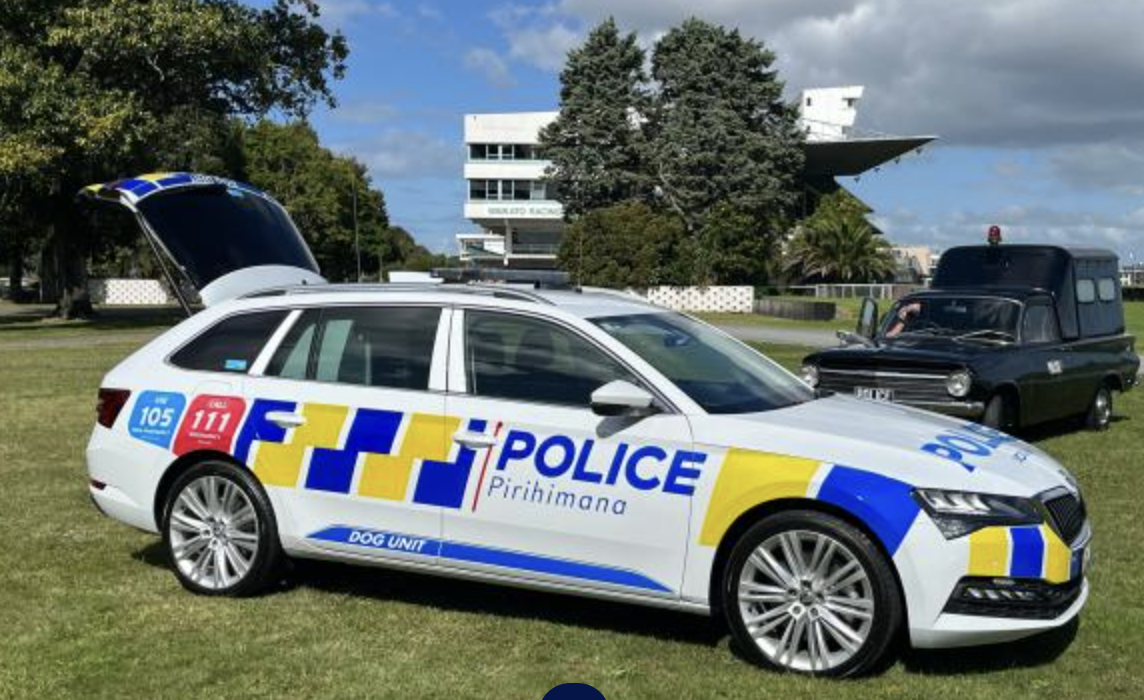
NEW tech, more room and much the same arresting look as before are elements that could favour Skoda as police look to recruit its latest cars.
Volkswagen’s Czech brand has been provisioning almost all patrol and traffic duty cars since 2021 and the outcome of a fresh tender is expected at the end of this month.
The work is lucrative. A fleet of 3700 all up seems to require an annual intake of up to 500 fresh candidates.
Since 2021, most have been Skodas. The last tender specific to prime one patrol cars signed up more than 2000 Superb station wagons and around 70 Kodiaq sports utilities.
However the next will be a make or break for a new generation of those cars, that have been in civilian use here since mid-2025 but are as yet untested on the beat.
If chosen, they will run with original choice cars which look much the same but are less advanced, some of which are now being retired out, but most still committed to the job. The last shipment of those only signed on 12 months ago.
“The cars have served their purposes well,” says Skoda New Zealand general manager Alex Brown.
He believes there is a fair chance his brand will stay on the right side of the law.
“It’s a massively important contract and the relationship with Police is one we value immensely.”
The arrangement has been good for its brand status, has accelerated Skoda’s recognition value and registrations.
It’s also probably been a fantastic earner.
While the total monetary value was not officially disclosed due to commercial sensitivity, the contract has been estimated by industry commentators to be worth as much as $80 million.
Parts provision might also have been a tidy earner, as apart from replacement of all the usual consumables the count of cars being crashed - or crashed into - seems high.
Skoda worked hard to tailor cars to meet ever-changing requirements and believes the models are liked by their users - with comfort and safety being feedback highlights - and also points to its commitment to provide solid back up.
It boasts ability to provide almost any parts immediately from a massive warehouse in south Auckland.
“We have a pick rate of 98 percent … that is, 98 percent of the time the part is on the shelf, in New Zealand, ready for delivery. And anything we don’t have, we fly in,” says Brown.
That is a much better provision than was availed by previous provider Holden, which had the contract for 20 years.
Skoda NZ cites the very latest Superb and Kodiaq as better than the previous equivalents; almost lookalikes yet also almost a fresh start.
The latest models still have 2.0-litre petrol engines in front and all-wheel-drive formats previously selected, and outputs remain close to the originals’ 162kW and ( in all paw) 206kW.
But they deliver with far more advanced electronics and have more spacious bodies atop a more robust platform.
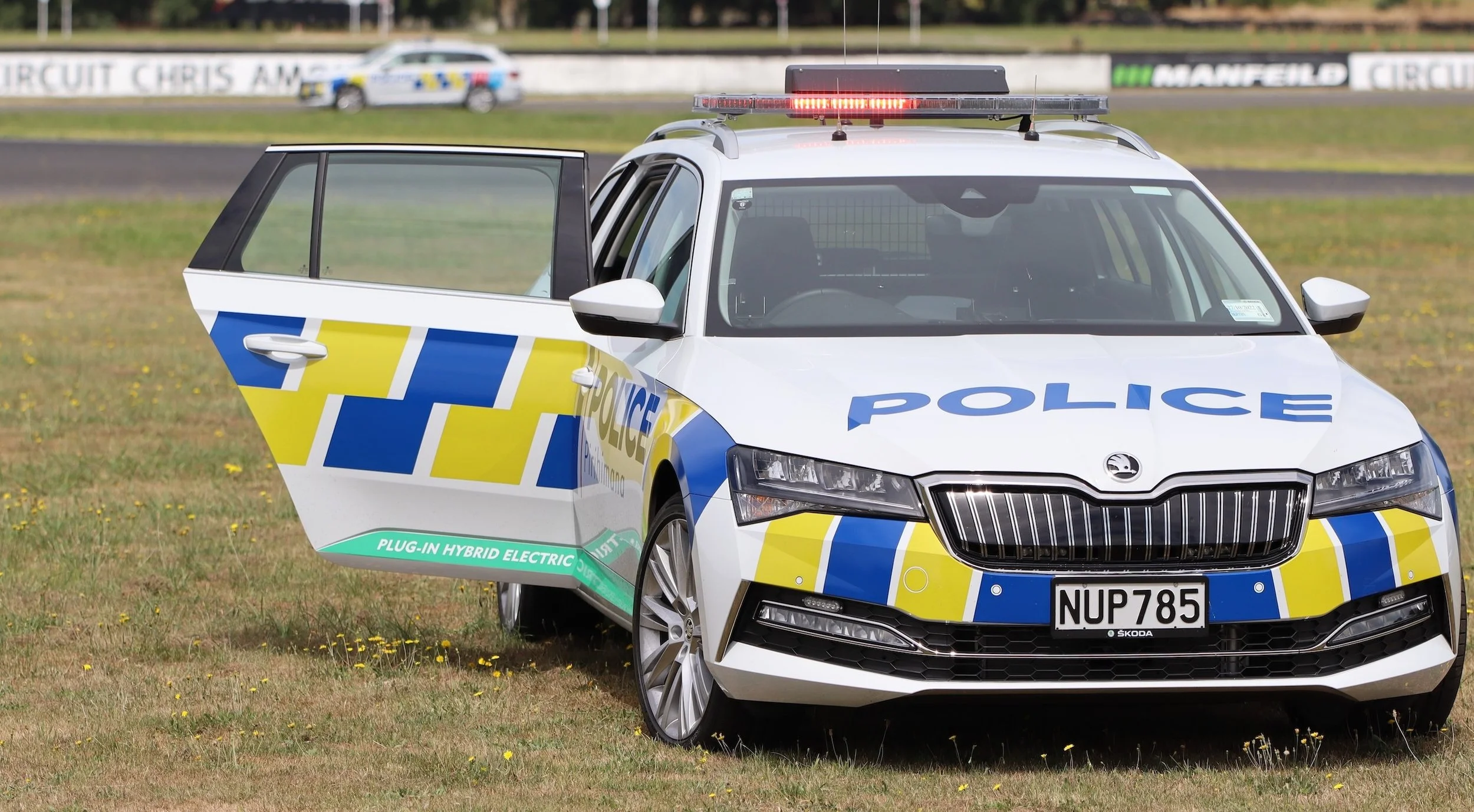
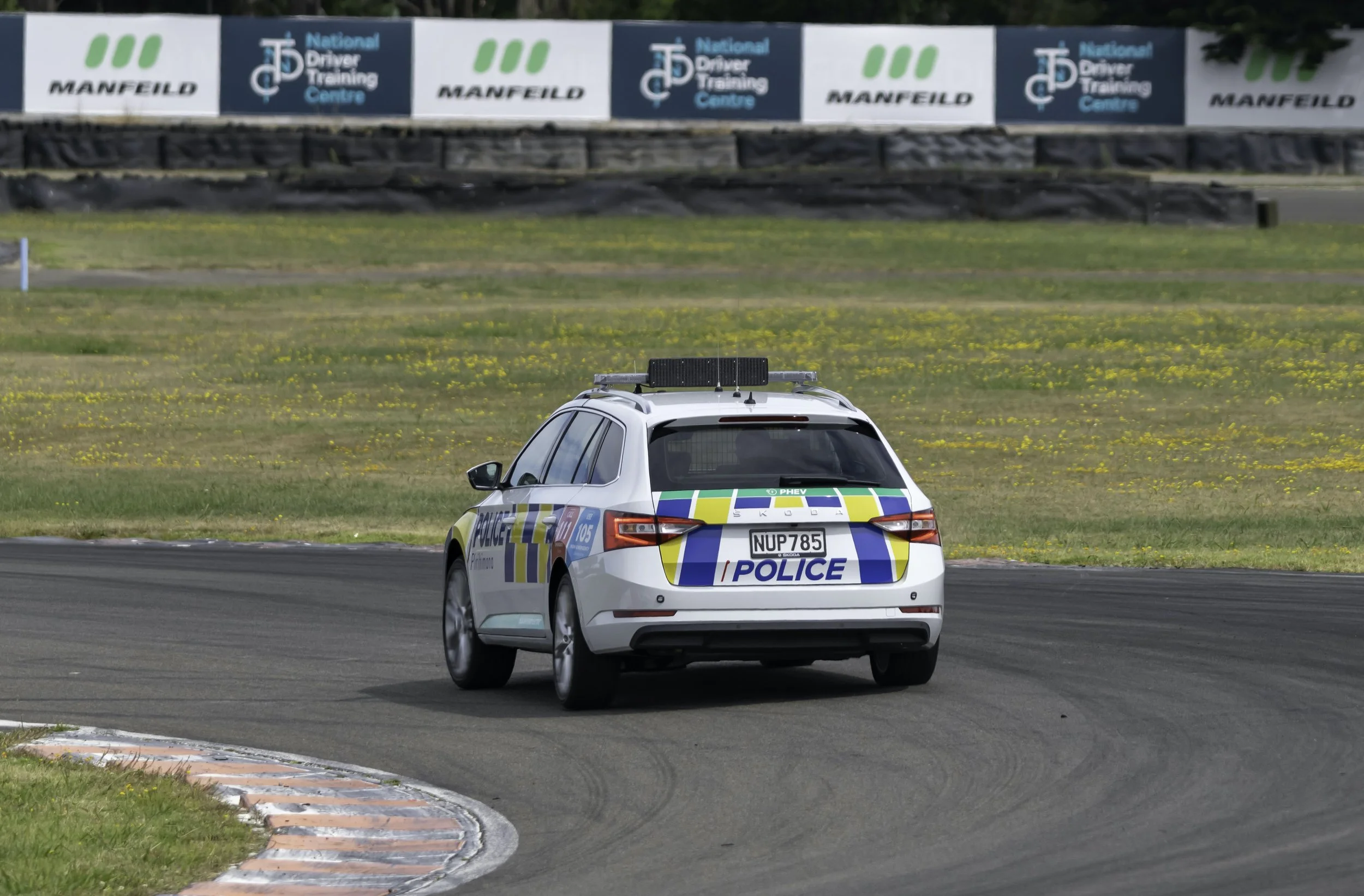
Police have been driving sample vehicles, including a latest Superb that has been tailored to high replication of the current choice.
Feeding product into the force has been a massive fillip, not least over the past two years - a tough period for the entire new car industry, with many top brands losing sales pace.
Skoda NZ was among them; its 2025 registrations total of 960 units was 22.6 percent down on the 2024 tally, which in itself was subdued at 1240 cars.
When it achieved the contract, in 2020, it was selling 1500 cars a year and ramped up higher the following year.
Back then Skoda had been one of seven contending brands, cumulatively offering 27 possible choices of vehicle.
Of those, 12 vehicles were shortlisted and tested by officers under real-life conditions. The force had an eye to an electric future then, so a hot property of that period, the Tesla Model 3, was apparently among those.
The Superb was selected for its performance and improved environmental impact. The model’s five-star ANCAP safety rating and its advanced equipment to enhance driver capability and vehicle safety went down well. Kodiaqs in four-wheel-drive were subsequently taken on for similar reasons.
Skoda is a top provider of police cars in Europe. It is represented in the fleets of 30 European authorities, including Austria, Serbia, Croatia, Portugal, France, the Netherlands and the United Kingdom. It has delivered more than 20,000 vehicles to Czech Republic police and authorities since 1993.
All that experience left the parent brand feeling confident it could meet Kiwi cops’ expectations.
Says Brown: “The factory’s experience with police forces and the relationship we have with them (the factory) and New Zealand police meant we could develop understanding of the very unique set of requirements they have.”
During the course of the previous contract, the cars changed considerably.
The first tranche of wagons were to standard ride height, but after some issues, subsequent cars were elevated and extra underbody protection added.
Firmer suspension has been adopted and the car’s structure toughened once Skoda gained more appreciation of how much weight was carried when gun safes were incorporated.
In 2023, the factory began kitting out wagons for dog handlers. Those ‘delta units’ have an air-conditioned section for the dogs and magnetic water bowls. Around 100 are in service.
“They started off with vehicles that were more akin to a performance car, a low ride height and bigger wheels,” notes product and planning manager Matthew Markby.
“That was the scope of what we were being asked to cater for and that car was delivered.”
Once it got into operational use, feedback from the frontline suggested some running changes might be useful.
The factory met every challenge with unwavering enthusiasm.
“The car that we have today is absolutely brilliant,” Markby says.
“The factory has been delighted to assist and they would still have been working on those cars now if they were required to.”
He and Brown say Skoda isn’t resting on its laurels. If the new Superb reaches service, it will be better than the last.
“For this current tender, we've got to bring a car that is equal to, if not better than, what we've had in the past,” said Brown.
A decision could come out in late February, the men believe. If it’s another win, the new generation cars could conceivably be reporting for duty by mid-year or so.
Says Markby: “We have a supply chain that varies in length between four months, possibly even slightly shorter, up to a maximum of six months.”