
Spendthrift push, more spend for Qashqai
/Wholesale adoption of clever engine-fed electric drivetrain comes at a cost.
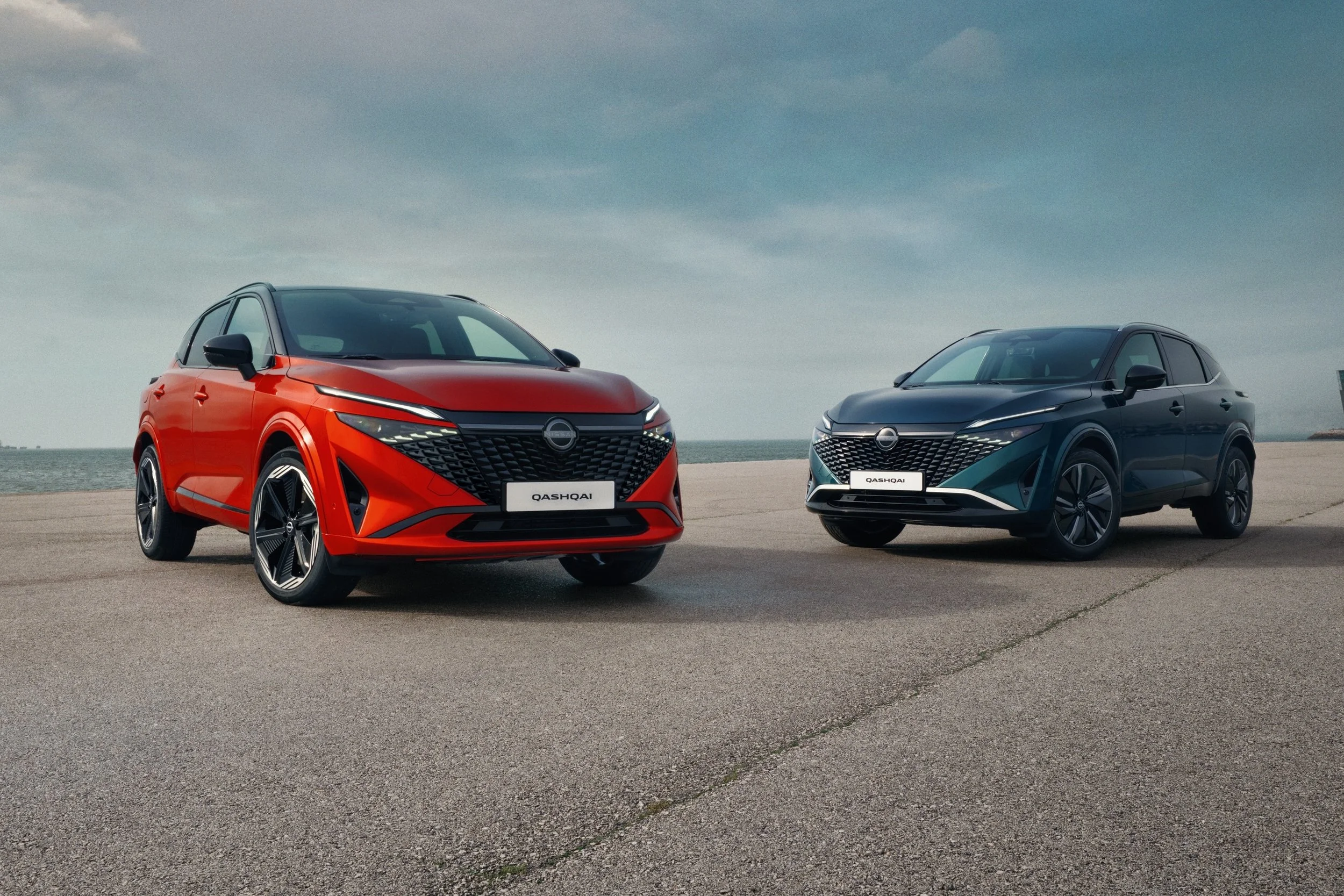
UPDATING Nissan’s compact Qashqai crossover to e-Power might well enhance saving at the pump and lower emissions - but also pumps up pricing.
The clever electric powertrain, the only one not to attract Road User Charges, was expected to come at a premium, but announcement at last of stickers for 2026 products landing in April is a ‘best sit down’ moment.
By taking e-Power in place of the 1.3-litre pure petrol that previously ran at entry point, the cheapest version of the five-seater costs $53,990.
That’s a $18,000 price lift that means the base car, previously called ST and now labelled ST-L, is now just $1000 cheaper than the previous flagship, when dealer-level stickers are compared.
The new range steps through Ti, Ti-L and N-Design phases, for $56,990 and $62,990 respectively.
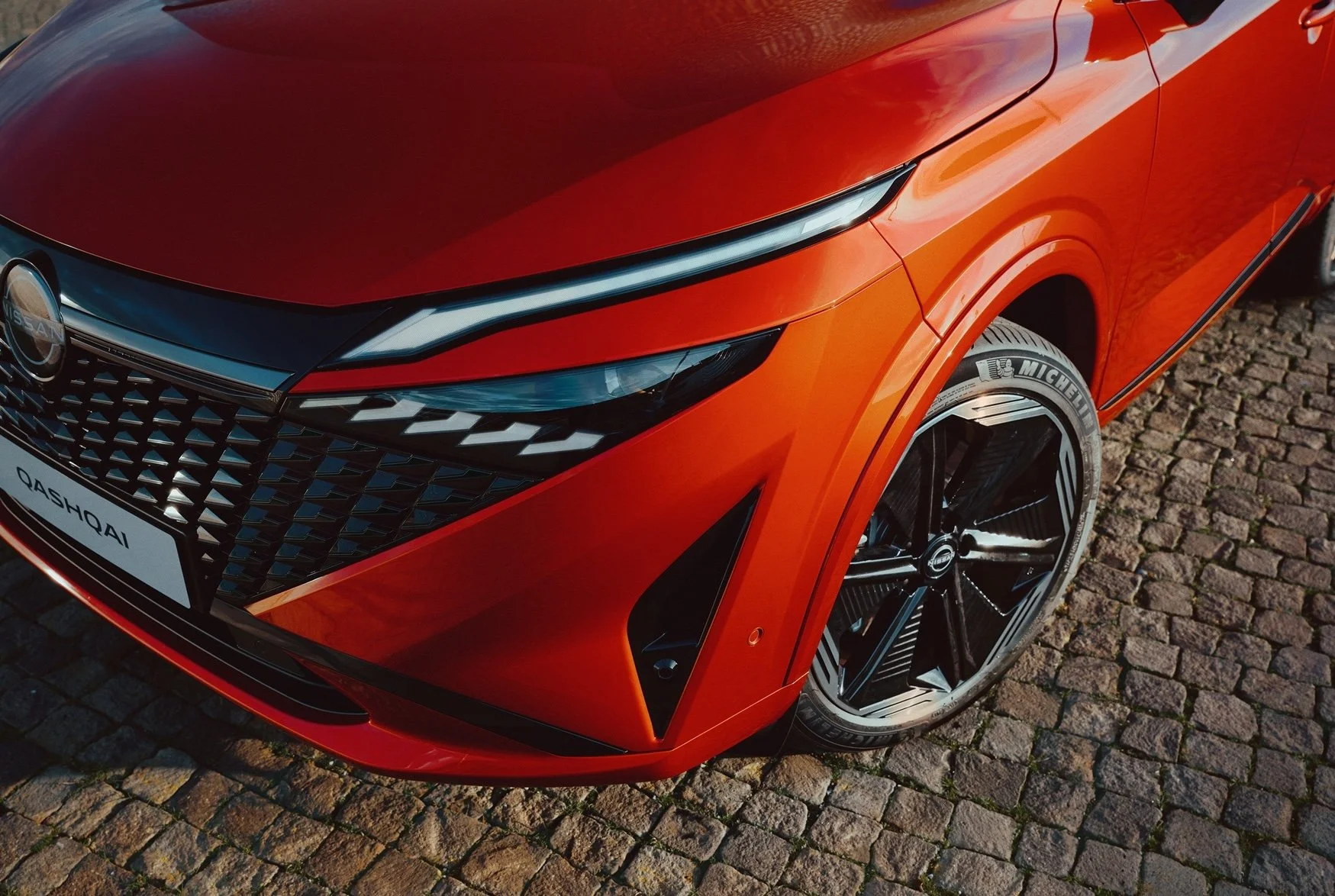
The N-Design is a launch special version of Ti-L availing for just a short period after the launch. It has a different alloy, grille and LED lamps, plus body-coloured bumpers and fenders, and some gloss black highlights, plus a black Alcantara and leather trim.
The previous Qashqai line contained to an ST, then a $38,990 ST-L, $49,990 Ti and $54,990 Ti-L. This was a special pricing, for runout. The full RRPs were higher, but even so. Insofar as the consumer experience goes, it’s a jump.
The old model focus was on a 1.3-litre making 110kW/250Nm. The e-Power delivers 140kW and 311-330Nm with a boost to 151kW in Sport Mode.
Targeted fuel economy is 4.1 litres per 100km, down from 6.4, and emissions as low 92.7 grams per kilometre are cited, down from 116 grams, again when using WLTP calculus. Range of more than 1100kms is claimed.
With a petrol engine running in marriage with an electric motor, but only acting as a generator, and no provision to recharge otherwise (so, no plug), the e-Power set-up is in singular niche.
Although it requires fuel in the tank, it is an uncomplicated arrangement. For instance, there’s no gearbox because the electric motor drives the wheels directly.
Nissan considers e-Power cars can be called electric vehicles; if NZTA Waka Kotahi concurred, it would attract RUC.
However, the rule-setter thinks differently. Because an engine involves, fuel is burned and CO2 emitted, it has determined e-Power is in the petrol class. That’s now the only category to escape the tax. Nissan NZ likes to compare its e-Power cars with hybrids, but realistically that’s a stretch.
Nissan’s unit prioritises electric, and uses an engine to create electricity; a hybrid uses electric, but prioritises internal combustion.
The 2026 Qashqai continues a 1.5-litre three-cylinder turbo petrol engine and single electric motor provision, but it’s an improved version, with reduced consumption and emissions, more power and quieter driving.
The revised e-Power system has a new ‘five-in-one’ electric motor design, which integrates the electric motor, generator, inverter, reducer and increaser into a more compact and lighter package.
The 1.5-litre engine adopts the company’s ‘STARC’ - that's Strong Tumble and Appropriately stretched Robust Ignition Channel for acronym fans - combustion cycle.
This reportedly increases thermal efficiency by as much as 42 percent - which means 42 percent of the fuel burned is turned into power, with the rest turned into heat. It’s a very high figure for a petrol combustion engine. The new unit loses variable compression. A larger turbo has also been fitted.
There’s a bit less chance of hearing it work. Nissan says the new unit is 5.6 decibels quieter than before for enhanced refinement. In the main that’s because it runs 200rpm lower when the car is cruising at open road speed.
There’s also saving at the factory. The latest engine has been developed to be 20 percent cheaper to produce and service intervals have extended, from 15,000km to 20,000km thanks to a new more efficient lubrication system.
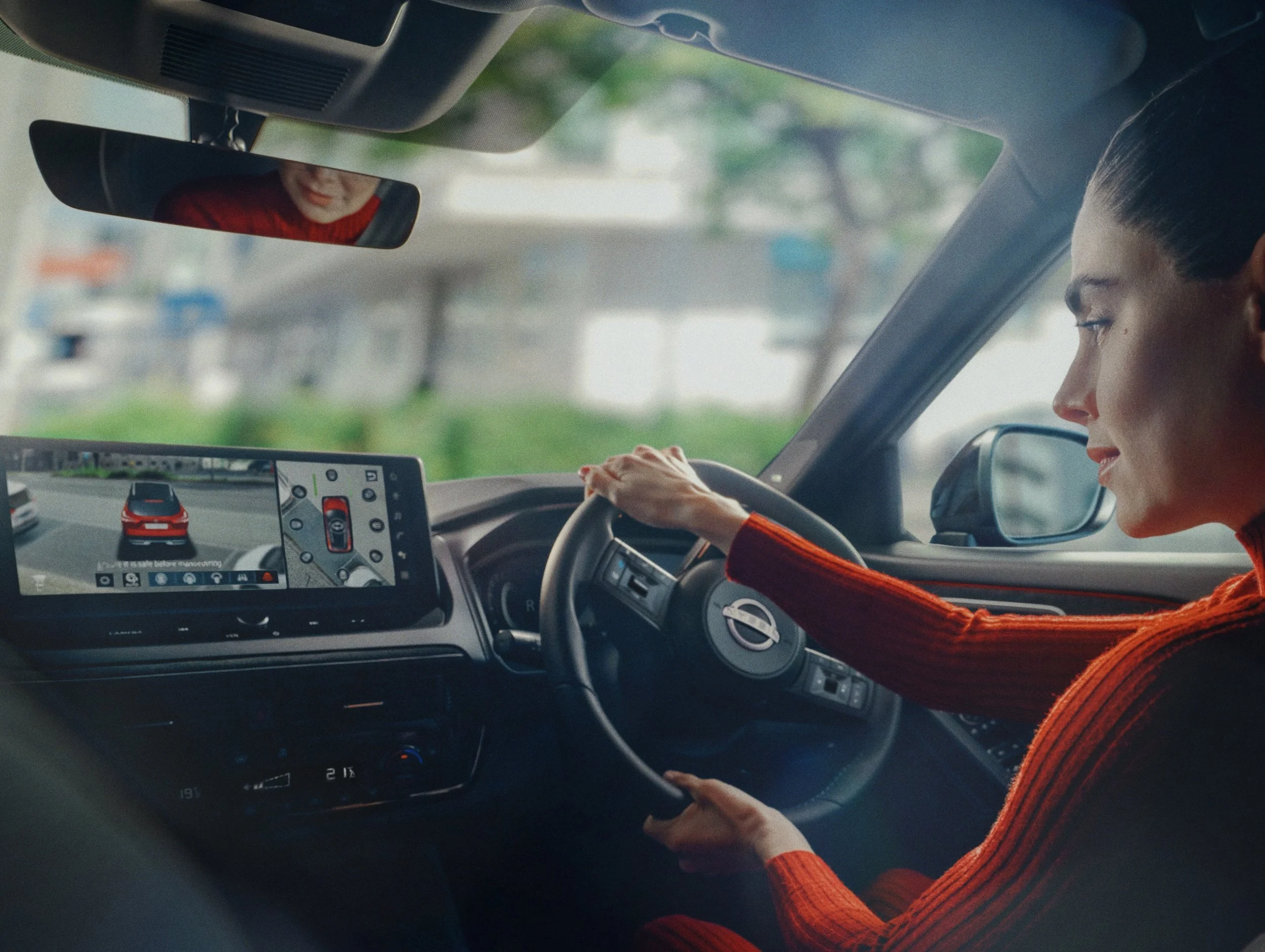
All grades are now equipped with an improved around-view monitor camera system that adds eight preset view angles to see around the car, a ‘skeleton hood view’ that shows a see-through view underneath the car, and T-junction view for improved wide-angle visibility.
The models also include a 12.3-inch touchscreen with wireless Apple CarPlay and Android Auto, Nissan connected services, dual-zone climate control, wireless phone charging, and intelligent key with walk-away lock.