
Extra sizzle, more stars for updated GLE and GLS
/Benz’s big family wagons have undergone a major refresh.
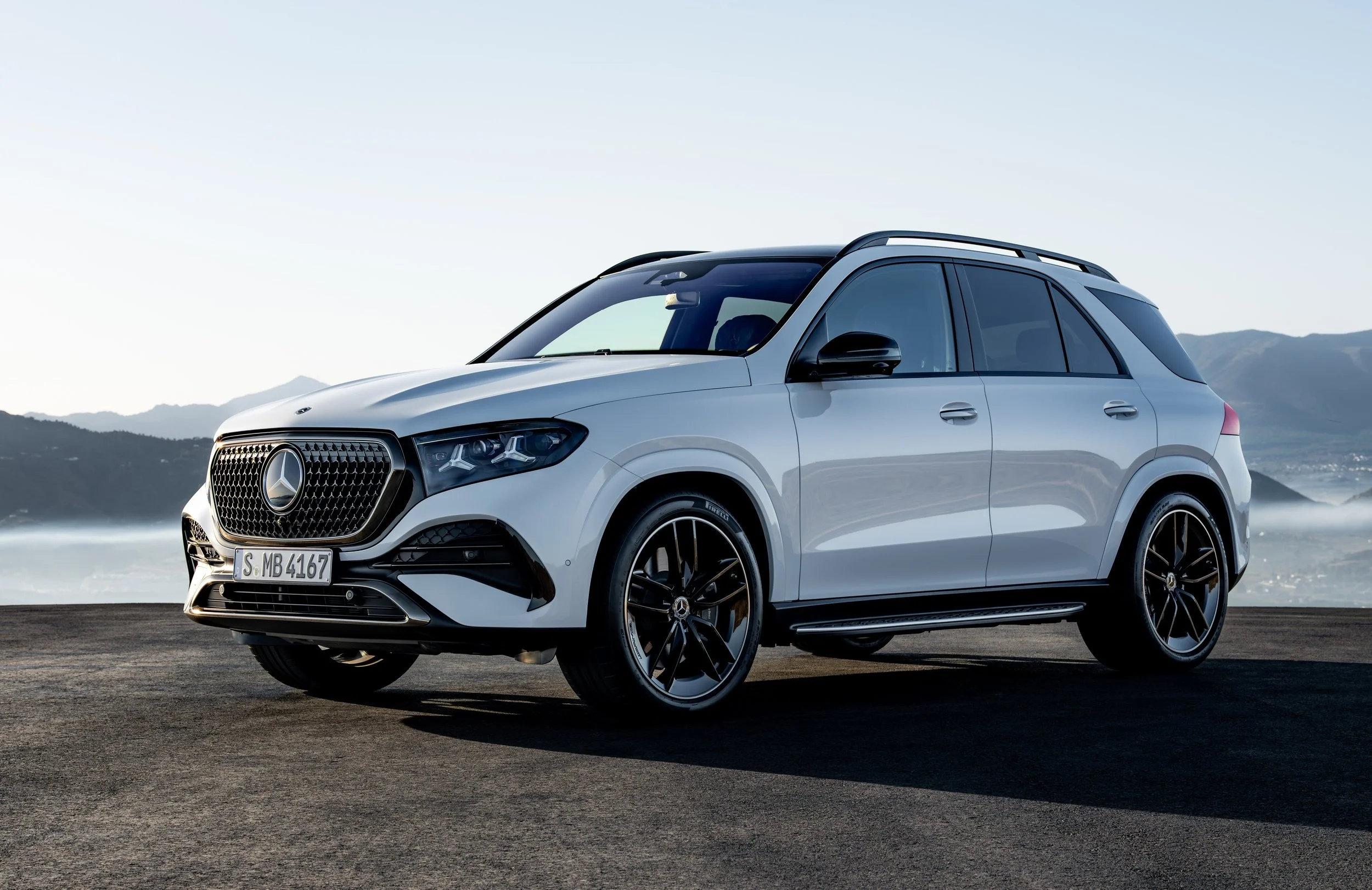
UPDATES have effected to the pair of fossil fuel reliant Mercedes Benz sports utilities in big and extra-large provisions.
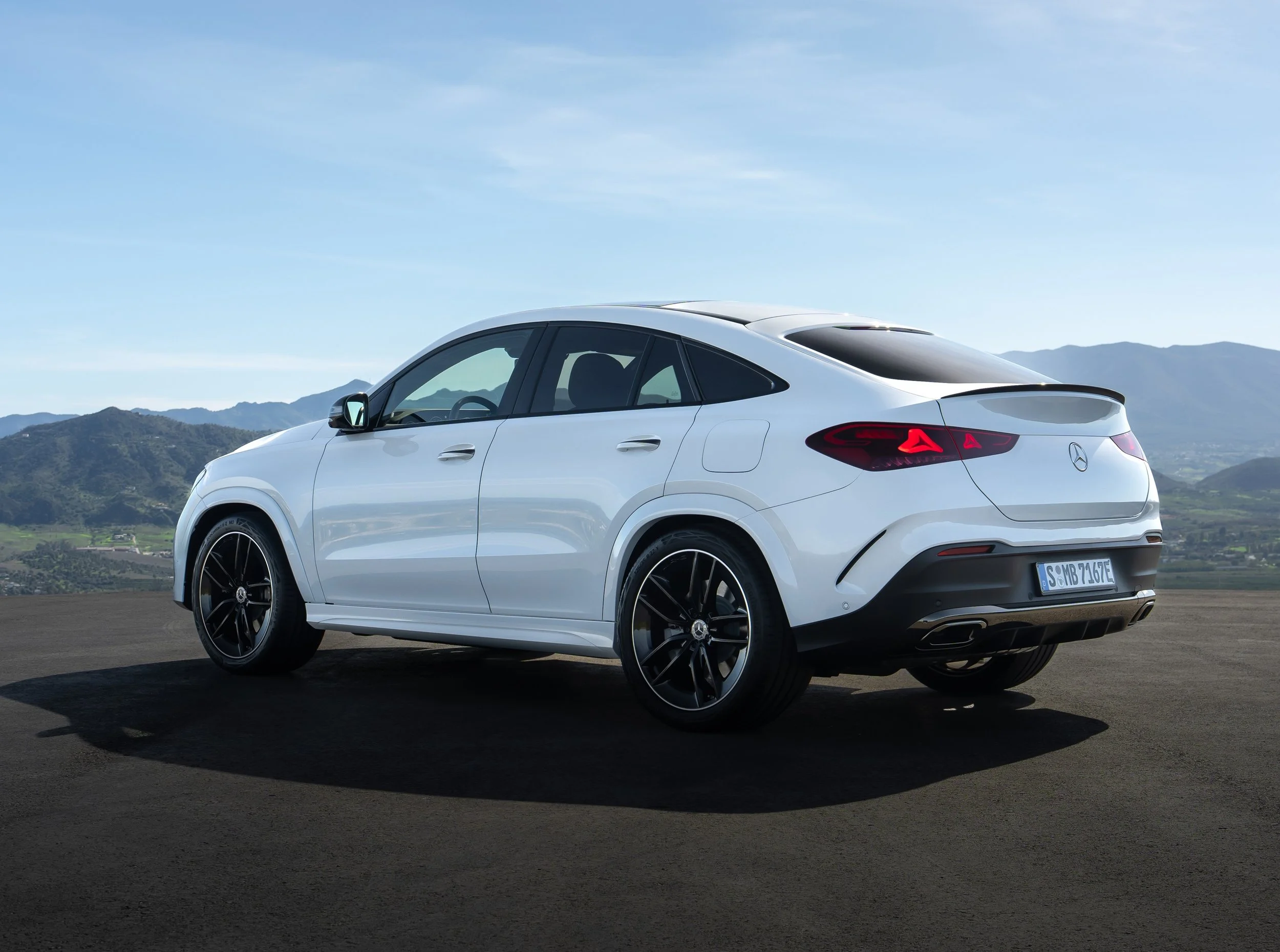
The revisions to the GLE, in traditional wagon and coupe, and the GLS that sits upon the same platform but stretches to deliver a luxury seating capacity for seven (yes, GLE also can provision in three row, but it’s a more compromised space), seem set to hit New Zealand later this year.
Changes are more comprehensive than meets the eye; the light restyling of both is not to be underestimated. Both achieve a new dashboard and GLE especially adopts loads of new technology and revisions to all the various powertrains.
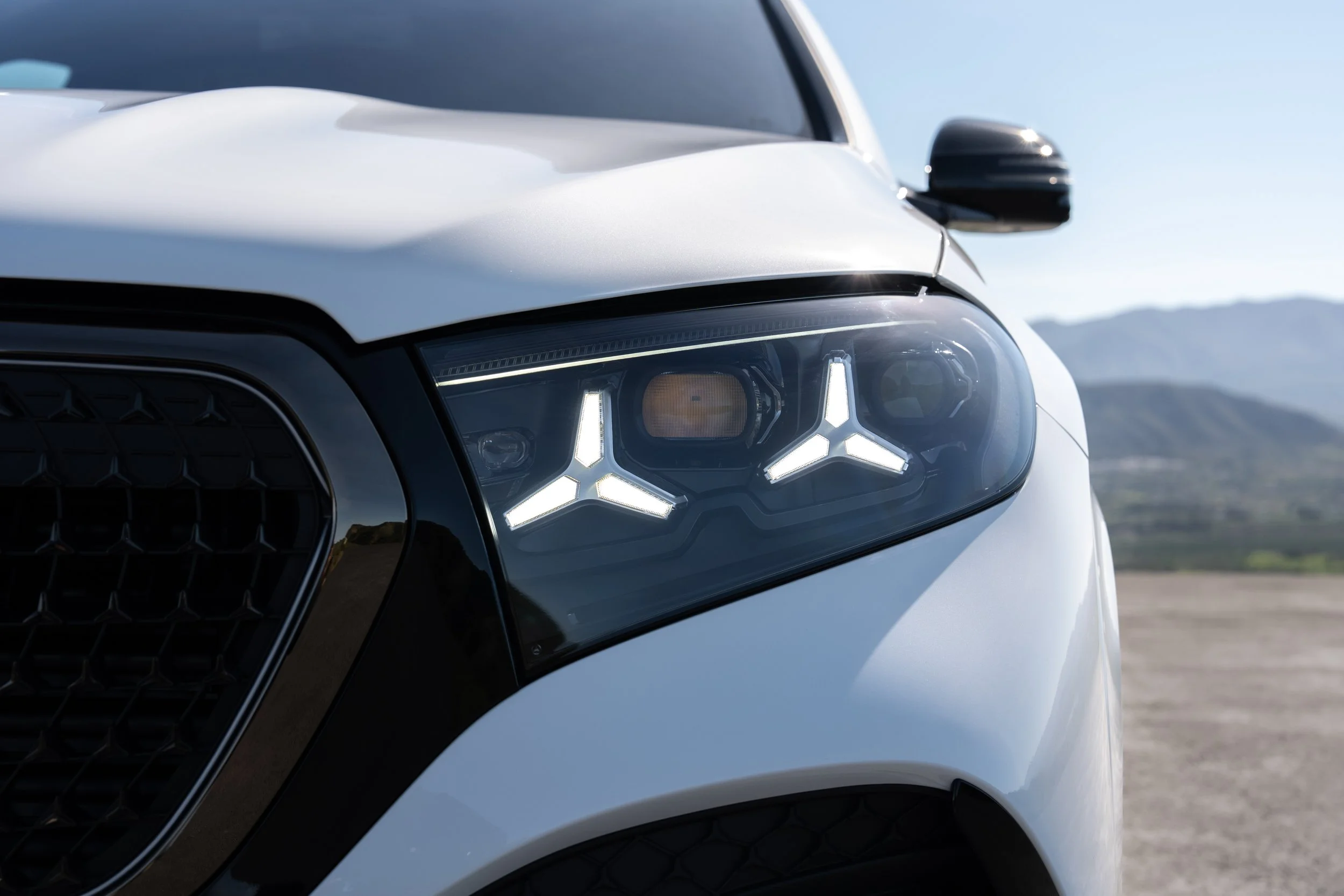
Best clue to these being the 2026 cars is that they have stars in their eyes. And in in a few other places, too.
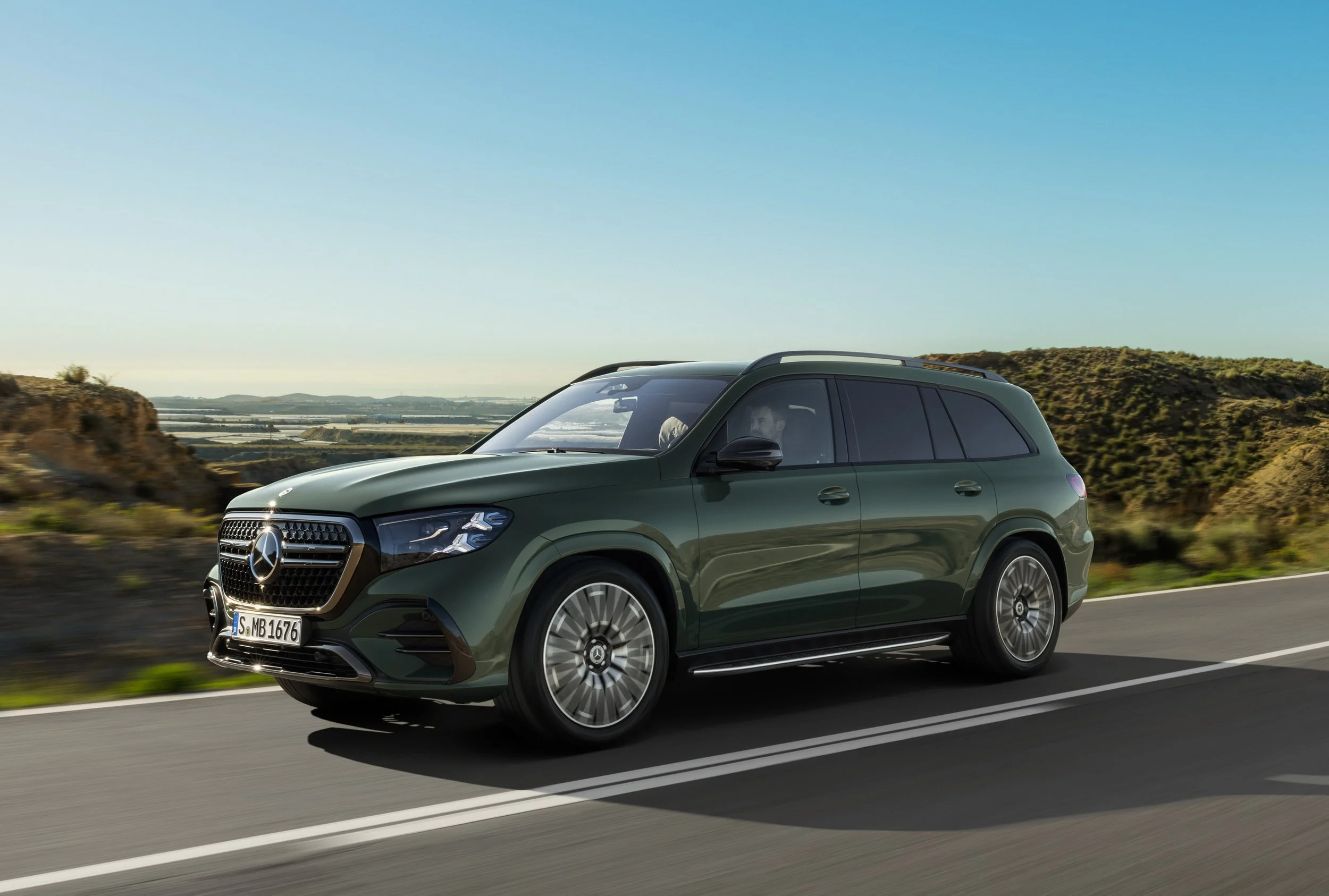
That is, both model lines adopt appearance of the current Mercedes E-Class, with two large three-pointed stars in each of the headlights, plus a large grille made up of dozens of little stars and of course the main badge at its centre - which can be illuminated.
With GLE the new front bumper features a more subtle interpretation of the three-pointed star in the air intakes, while the rear lights are also new, this time featuring 3D versions of the star and joined by a seamless strip across the tailgate. New door mirrors, new paint colours and new designs of alloy wheel complete the visual updates.
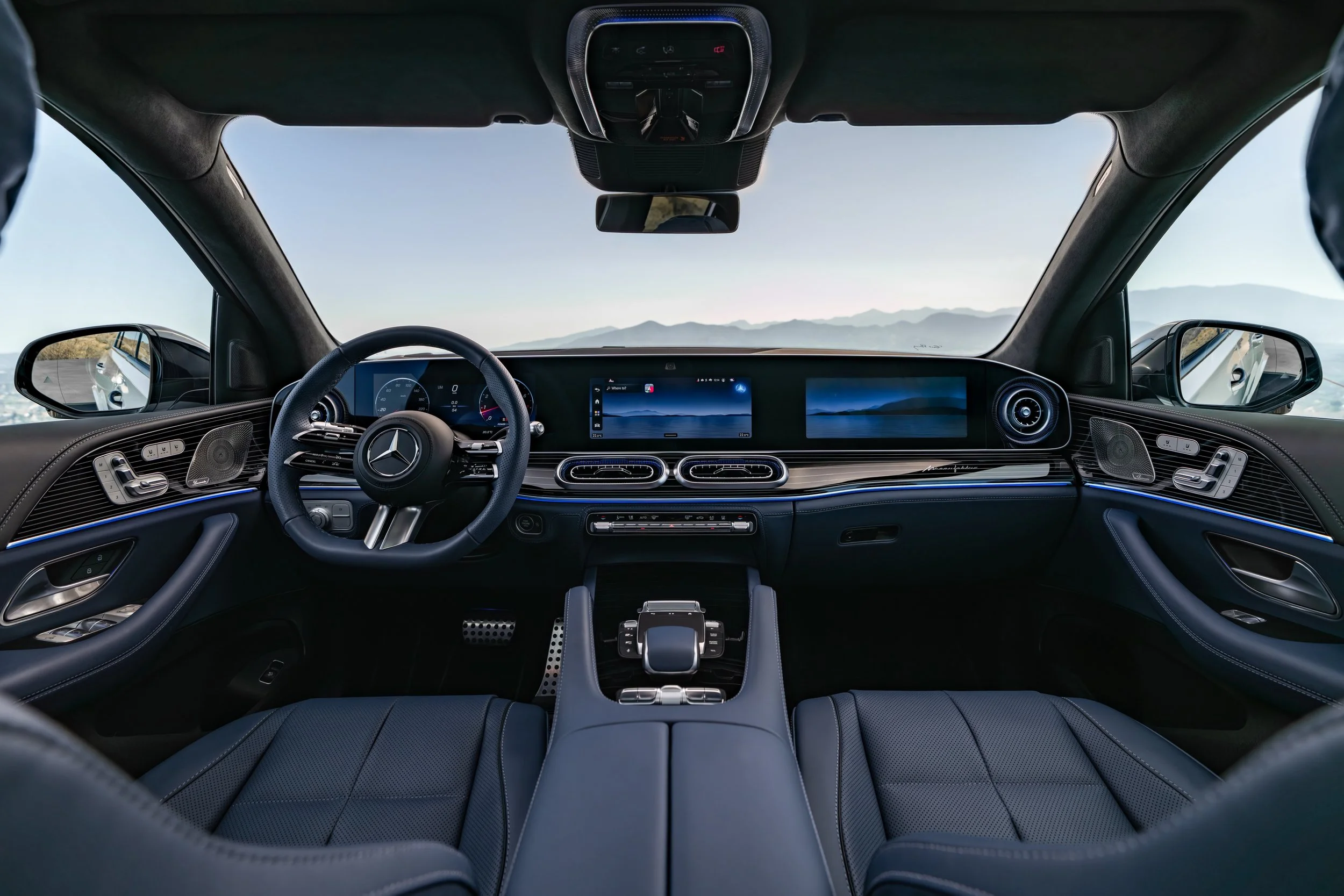
Within the cabins, the MBUX Superscreen becomes standard. This spans the width of the dashboard and features three 12.3-inch screens under a single glass surface.
The driver gets digital instruments; there's a central touchscreen for infotainment; and another touchscreen for the front-seat passenger. Functionality is provisioned by MB.OS (Mercedes-Benz Operating System), which the firm describes as a supercomputer using AI. One example of its tech edge: The navigation now mixes Google Maps with the native operating system and augmented reality.
Mercedes has updated its adaptive damping in the suspension to use information in 'the cloud' via 'Car-to-X' communication. The brand reckons this ‘intelligent damping control’ is a new level; so they’ve applied for a patent. It pairs with Airmatic air springs for variable ride height.
And this is the standard set-up. Optionally, buyers can add the sophisticated E-Active Body Control system, using a 48-volt electrical system and a motor-pump unit for each wheel. A central control unit analyses an array of sensors 1000 times per second and adjusts the spring and damper force accordingly to minimise unwanted body movements.
As previously, the GLE and GLS only format with 4Matic four-wheel drive and a nine-speed automatic gearbox.
Europe takes GLE in five Benz-pure formats, plus there is some AMG action.
The two full petrol models without Affalterbach influence are the GLE 450 and GLE 580, the former using a turbocharged 3.0-litre straight-six producing up to 284kW, the latter a 4.0-litre V8 putting out 400kW, exclusive to the SUV body. The petrol engines use mild-hybrid technology.
There’s a plug-in hybrid GLE 450e, using the 3.0-litre engine along with a 137kW electric motor. Its CO2 emissions rating varies from 72-91g/km, depending on specification. It can run more than 100 kilometres on electric power.
The other two cars have diesel engines, not likely to offer here.
The performance themed Mercedes-AMG GLE 53 4Matic Plus comes in several versions, spanning both body shapes, with sportier styling and four prominent exhaust outlets.
The first is an advanced hybrid, using an electric turbocharger alongside a traditional exhaust turbo, plus a 18kW electric motor in the transmission that can also produce as much as 205Nm of torque to start up the engine and help with manoeuvring. Maximum outputs are 334kW and 600Nm (boosting to 640Nm for short periods of time). The 0-100kmh time is 4.9 seconds.
Alternately, there’s Mercedes-AMG GLE 53 Hybrid 4Matic Plus, using the same basic six-cylinder engine but with just a single turbo. It’s a plug-in hybrid, featuring an 137kW motor in its transmission for system peaks of 436kW and 750Nm of torque. It knocks out 0-100kmh in 4.5s and has an electric range of up to 93km.
In respect to GLS, the same exterior styling enhancements occur, plus there are also two new 21-inch wheel designs, one an aerodynamically optimised pattern and the other described as a 'status-orientated' disc wheel with a black centre, with 22s as options.
The MBUX Superscreen also features and passengers in the rear can stay entertained with the option of 11.6-inch displays mounted in the backs of the front seats.These also run the car's infotainment system and can play various media from movies to music.
There are no plug-in-hybrid versions but all powertrains include 48-volt mild-hybrid assistance in the form of a 17kW electric motor.
The GLS 350d and 450d diesels share the same 3.0-litre six-cylinder engine, with respective outputs of 233kW/650Nm and 273kW/750Nm, respectively. The petrol GLS 450 has a turbocharged six-cylinder petrol producing 284kW/560Nm and above that is a V8-engined GLS 580, with 400kW/750Nm.
AMG-ified editions are also likely, but no details about those have been shared.