
Right time for Hilux BEV?
/Electric vehicle interest has re-ignited and the battery-wed version of a Kiwi favourite is regionally ready, so …
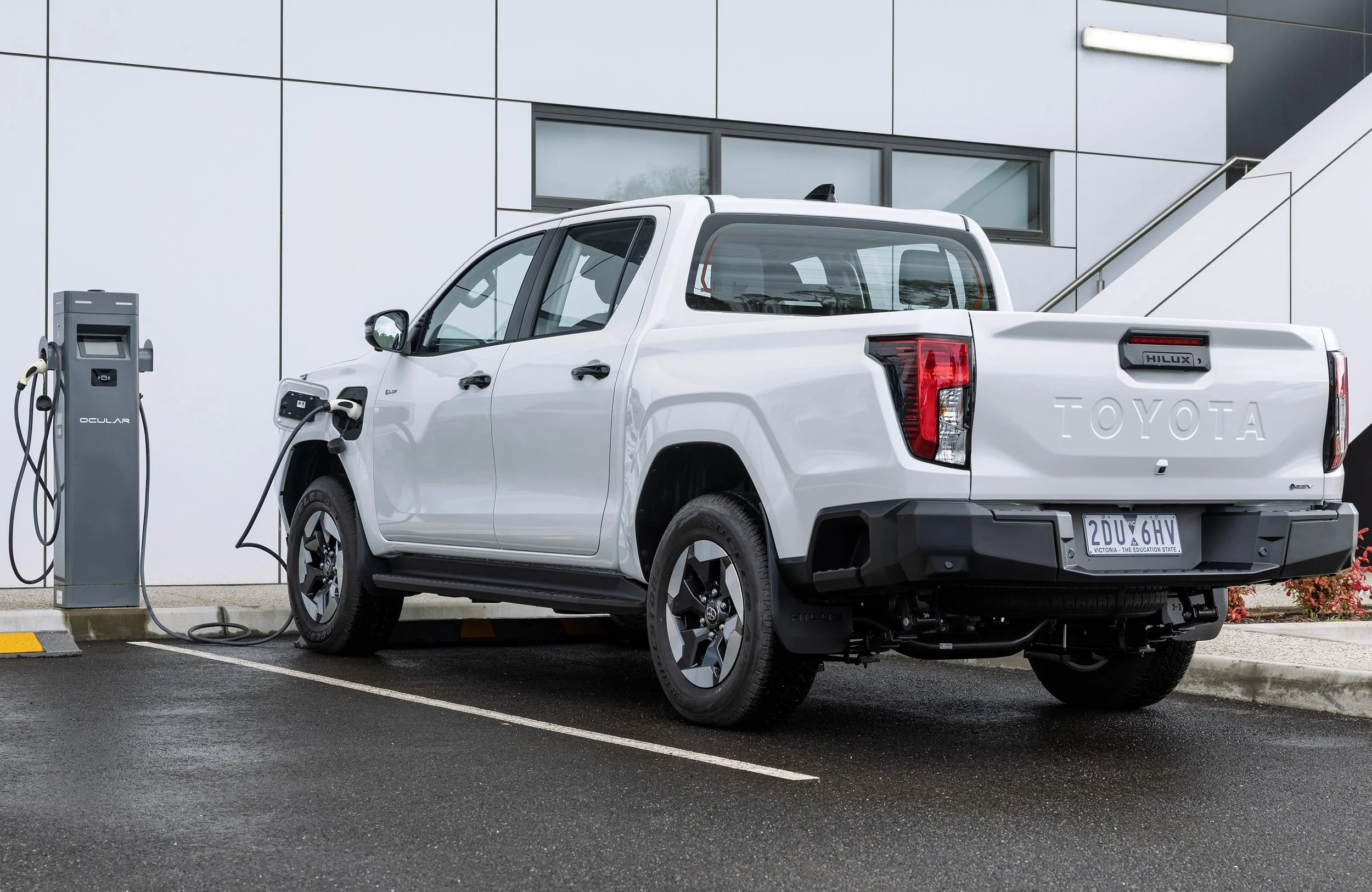
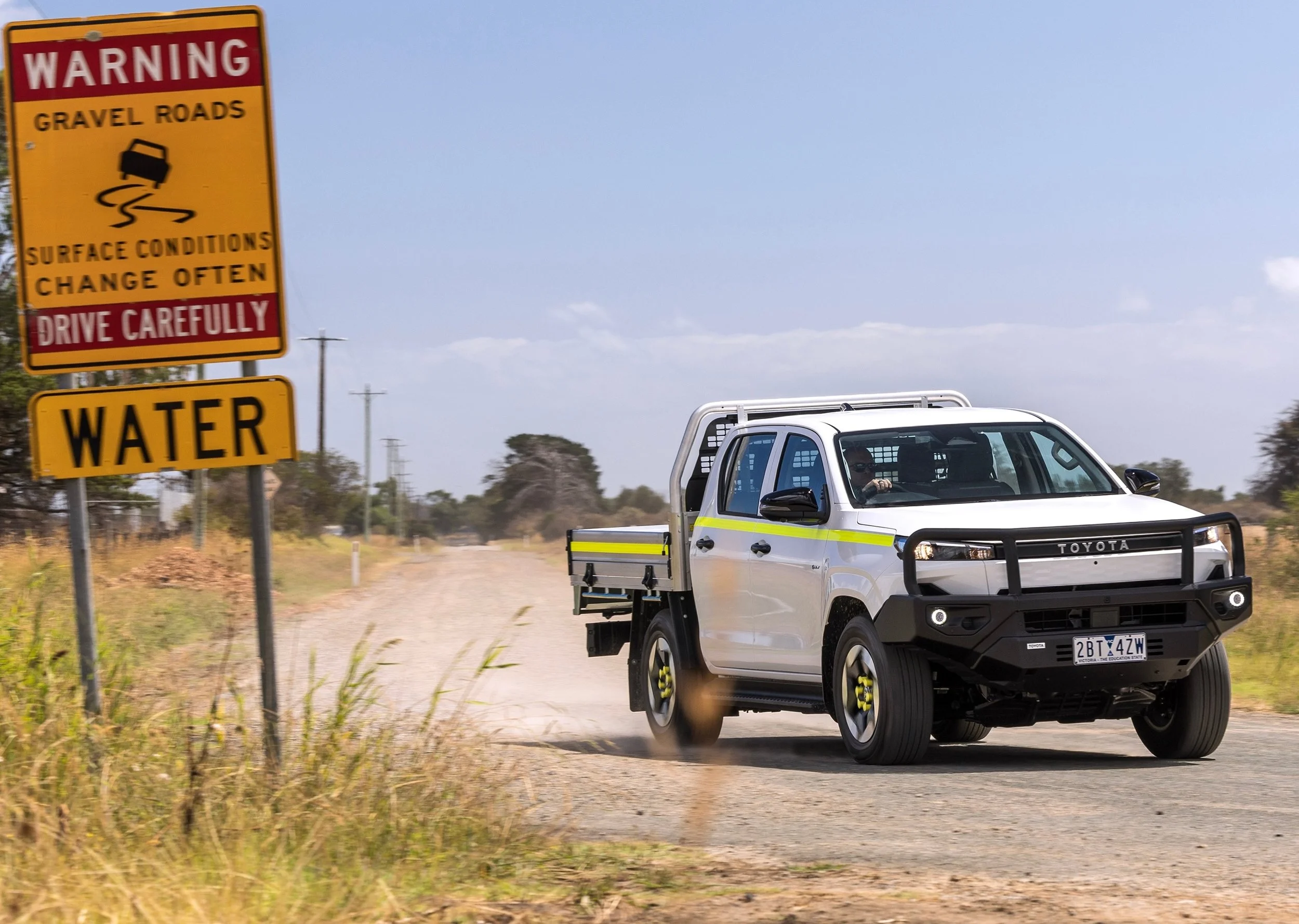
SPIKE in electric vehicle buying, plus announcement of how it prices over at the neighbour’s, makes this a good time to discuss local availability potential for the battery-reliant Hilux, a spokesman for the brand agrees.
However, that sentiment from Toyota New Zealand’s Palmerston North headquarters comes with a further admission - there’s nothing fresh to say.
While further clarity might come soon, for now it’s still a state of limbo for a variant that, if given the Green light, would take the national favourite nameplate to new heights - not just in tech, but also very likely price.
The flagship variant of the Hilux BEV is set to touch down on Australian turf just $10 shy of $100,000 - a near $40k premium over the most expensive diesel Hilux here.
As a wholly electric, Hilux BEV would stand a rung higher on the technology ladder than three high-profile plug-in hybrids - the BYD Shark 6, GWM Cannon Alpha PHEV and Ford Ranger PHEV.
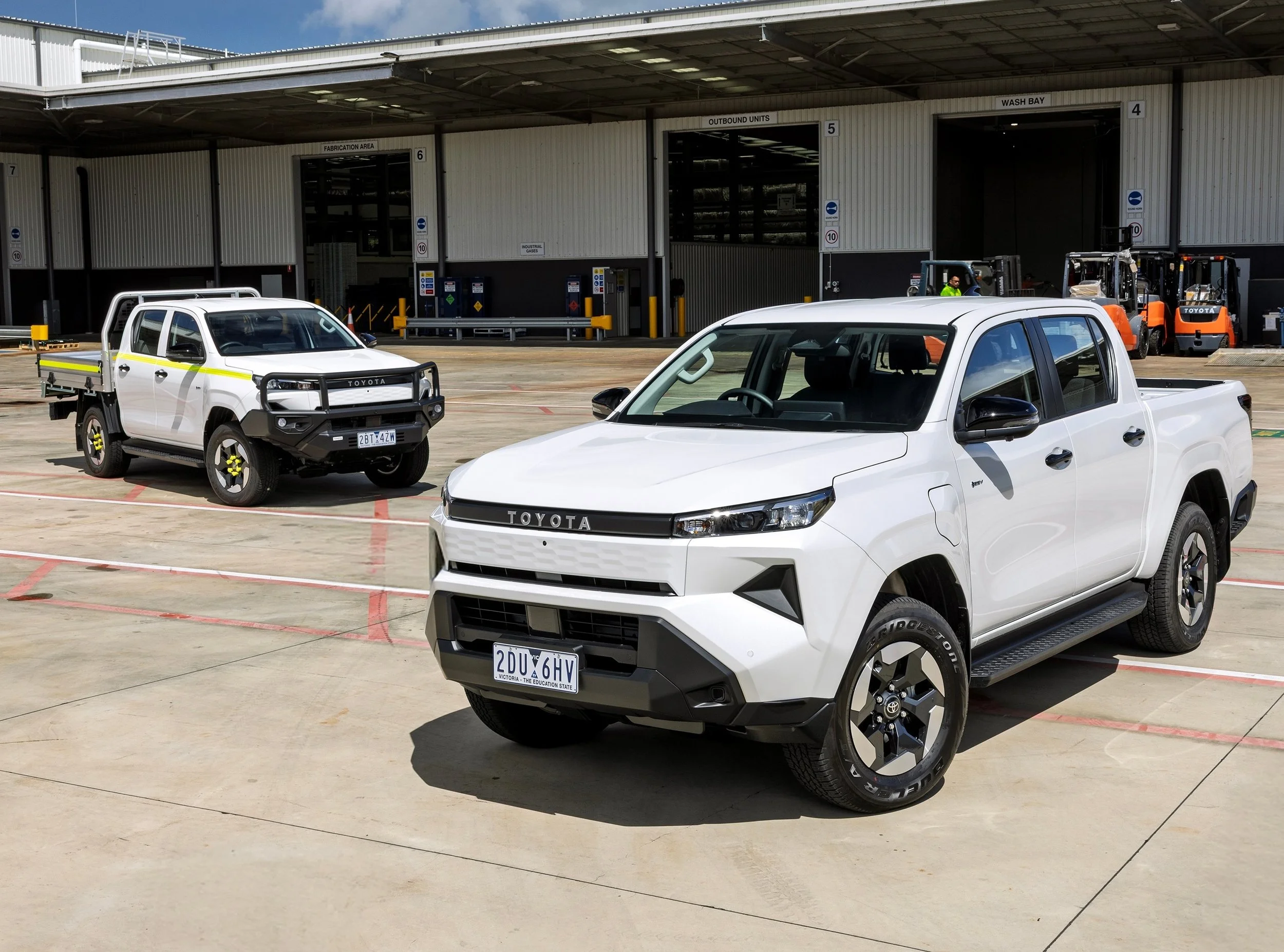
Though Geely’s Riddara RD6 is the sole full electric ute here, battery-wed editions of the MG U9 and its closely-related LDV alternate, the Terron T9, plus the KGM Musso EV, also appear to be limbering up for regional position.
Potential of the Toyota entering a price war with the Riddara, which at $69,990 sites directly against those mentioned PHEVs, seems remote, assuming sticker strategy from Australia is an accurate barometer.
Australia has chosen the BEV in an entry-level SR cab-chassis, the SR pickup and the SR5 pickup, all of which are available as dual-cabs only.
Pricing starts from $A74,990 before on-road costs for the HiLux BEV SR cab-chassis, $A76,490 plus on-roads for the SR pickup, and $A82,990 for the SR5 pickup.
On today’s exchange rate, that works out to $90,275, $92,080 and $99,905.
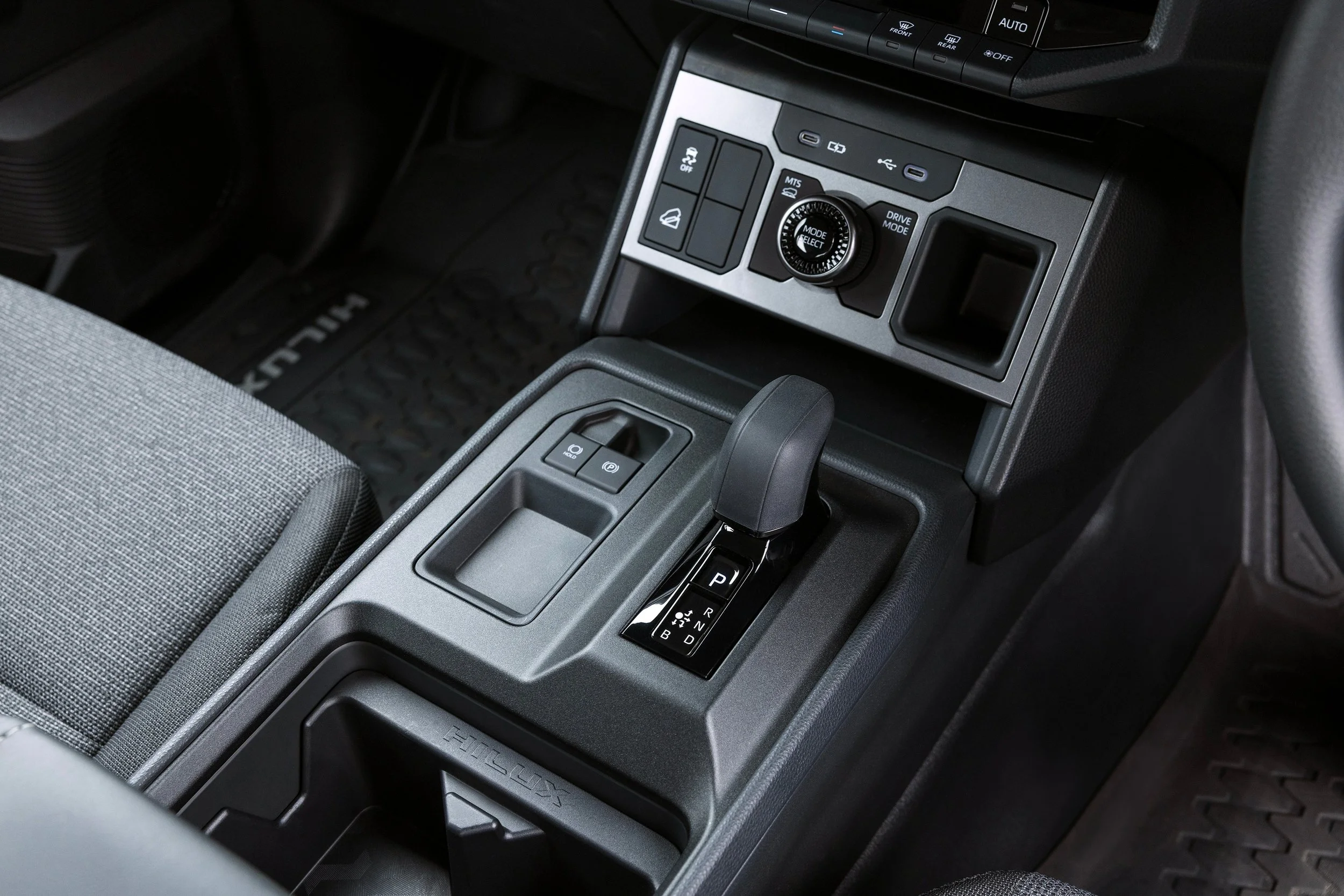
Underpinning the Hilux BEV is a reworked chassis, which Toyota says now features frame frame reinforcements, stronger MacPherson strut front suspension, and a De-dion rear leaf spring setup, which allows a rear electric motor to be mounted.
The Hilux BEV features two electric motors, a 82kW and 206Nm unit at the front and a 129kW and 269Nm motor at the rear, developing a combined total of 144kW and 468Nm (rather than the 474Nm originally announced overseas).
That’s down on the turbodiesel’s 150kW and 500Nm outputs.
Feeding the electric motors is a 59.2kWh lithium-ion battery, which with Australia’s measurement tool can deliver up to 315km of claimed driving range in the pickup and 245km for the cab-chassis.
But those counts come from using the lenient NEDC lab test cycle that has been fully redundant here since end of 2025.
Figures using the more stringent WLTP rating NZ has preferred for some years and now insists be applied as the sole template result in a driving range of just 240km for the pickup.
A Toyota New Zealand spokesman acknowledged that fuel price rises and supply uncertainty over the past month has fuelled a significant spike in new and used EV buy-in.
“So if this model was to come to New Zealand, there would likely be interest in it.
“We hope to know more about this model soon so will be able to have a clearer answer … either way.”