
RAV brings PHEV performance to the fore
/Impressive electric-pure range is cited for incoming flagships, but how trustworthy are figures garnered from a maligned protocol?
ELECTRIC range optimals cited for the impending plug-in hybrid Toyota RAV4 reminds a controversial calculator is still being used.
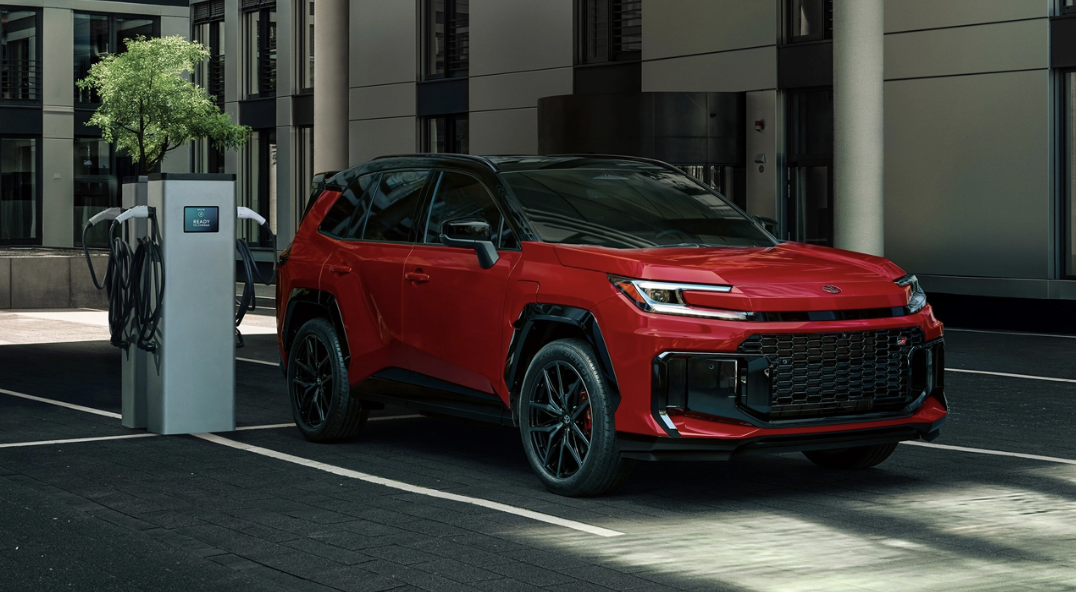
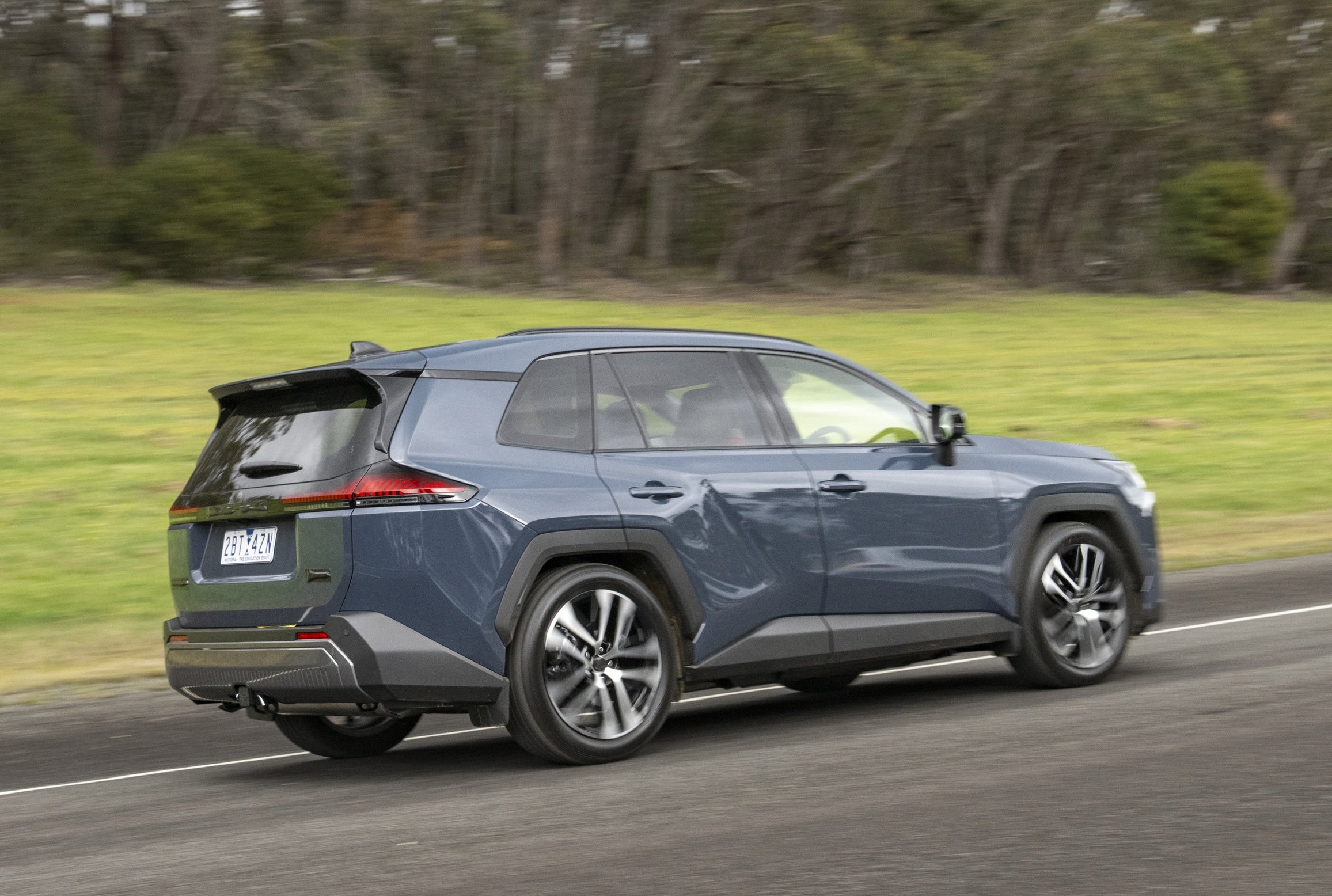
The latest version of the national best-seller, at times New Zealand’s most popular car, is now rolling out, running on the same TNGA platform as before, but with a new body, fresh tech and with impressive frugality as a selling point.
All RAV4s now embrace the hybrid credential that has helped the past version sell strongly. But the most eco-minded editions of the sixth-generation range arriving in June are family price toppers delivering first-time availability of plug-in hybrid to a New Zealand-new RAV4.
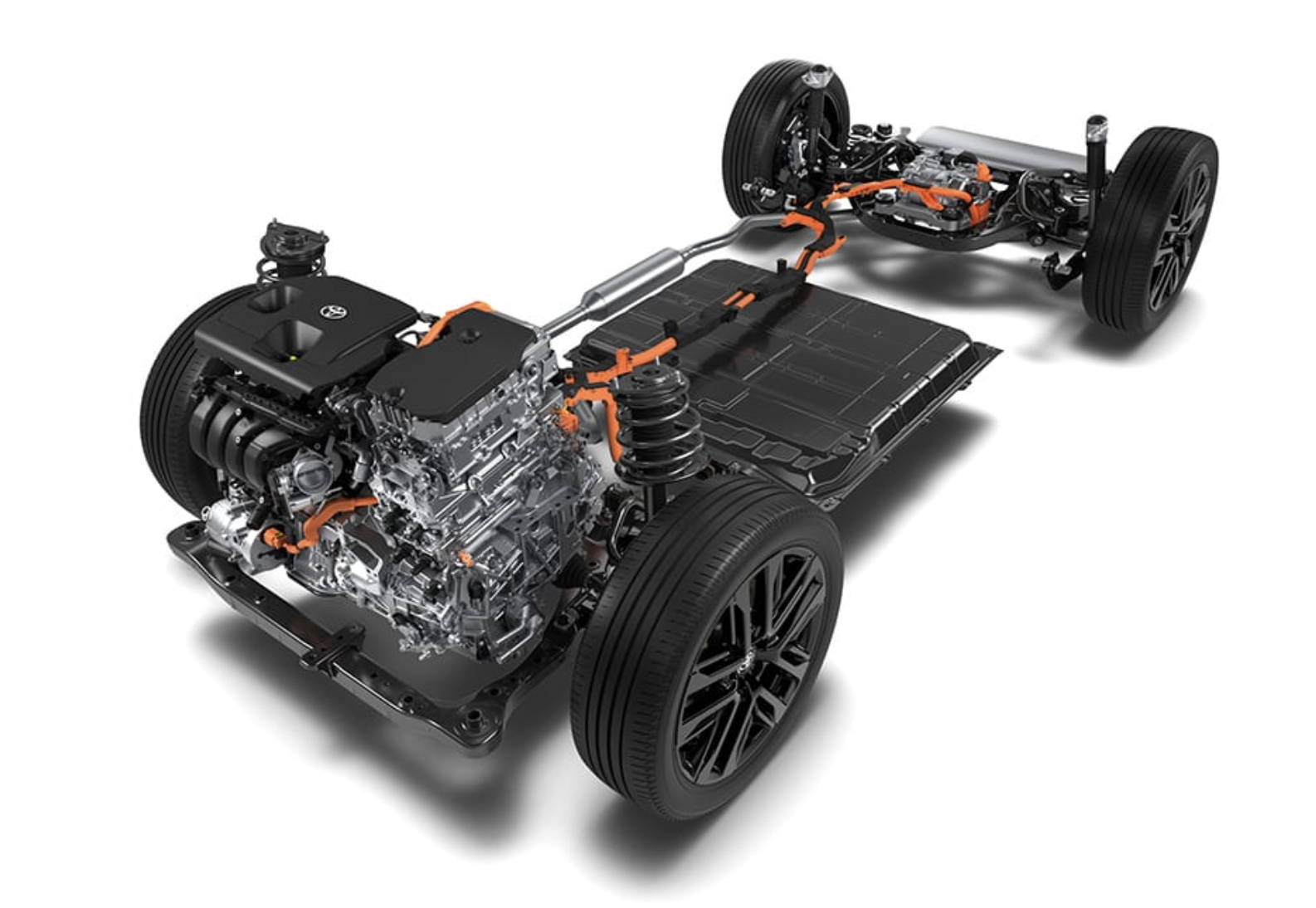
The technology the Palmerston North-based brand has headlined as “no compromise electrification” has potential, it says, to deliver an electric range of 154 kilometres in 201kW front-drive form and 144km in 227kW all-wheel-drive.
Wow, right? Those outcomes place a model which matches a 2.5-litre petrol engine with electric motors fed by a 22.7kWh (20kWh usable) battery competitively against alll rivals, not least the Chinese super hybrids that are the sector’s latest pace-setters.
With fossil fuel prices high, electric’s impact on easing running costs have returned as a selling point, so even though PHEVs are more hampered for acceptance - due to the double hit from pump tax and Road User Charges - than EVs, the positives are obvious.
Buyers nonetheless are always left wondering of actual relevance when all methods used to gauge absolute efficiency are prone to falling short when it comes to real-world experience.
That the market leader has judged this car’s merits by employing the less reliable of two protocols accepted here raises question if its figures risk being proven to be over-stated.
Toyota NZ has explained reason for offering calculations resultant from testing to the New European Driving Cycle, which despite its name’s inference is an outmoded test, from the 1980s.
In responding to questions, Toyota NZ has steered from proposal that in doing so it might risk courting consumer criticism of a car that over its history here has garnered a high level of respect.
However, it’s a matter of record many regulators internationally have long derided NEDC, Waka Kotahi Land Transport New Zealand among them.
Our regulatory body’s dissatisfaction with the older protocol’s inaccuracy is why it determined in 2021 to instead adopt the worldwide harmonised light vehicles test procedure, WLTP.
That shift announced four years after WLTP mandated in its birthplace, Europe, the European Union’s adoption being driven by identifying NEDC was up to 23.5 percent awry, whereas variability with WLTP is more like 4.9 percent.
Now NZ has further refined to its own bespoke schedule, WLTP-3.
Transition from one to another was always going to take time; in 2021, over 96 percent of all New Zealand-new vehicles were still tested to the NEDC protocol.
But five years on it remains incomplete; an initial leniency period stretched due to the bigger imperative of bringing the national fleet up to a more stringent emissions and economy standard, Euro 6, being more of a challenge than had been anticipated. So, regardless that WLTP has settled fully into becoming a primary protocol, NEDC still lingers.
One aspect where it influences is in assessment of electric range. Overseas’ evidence is that, in respect to PHEVs, range assessments calculated by WLTP tend to work out to typically being 15 to 25 percent lower than from NEDC. That seems to apply with RAV4 PHEV. The cited ranges for this car in the UK, where WLTP applies, are 136km in front drive, 120km AWD.
WLTP-3 counts for emissions and economy are now required information on window cards in new cars. Electric range estimates must also show … but there’s no legislative onus about using WLTP.
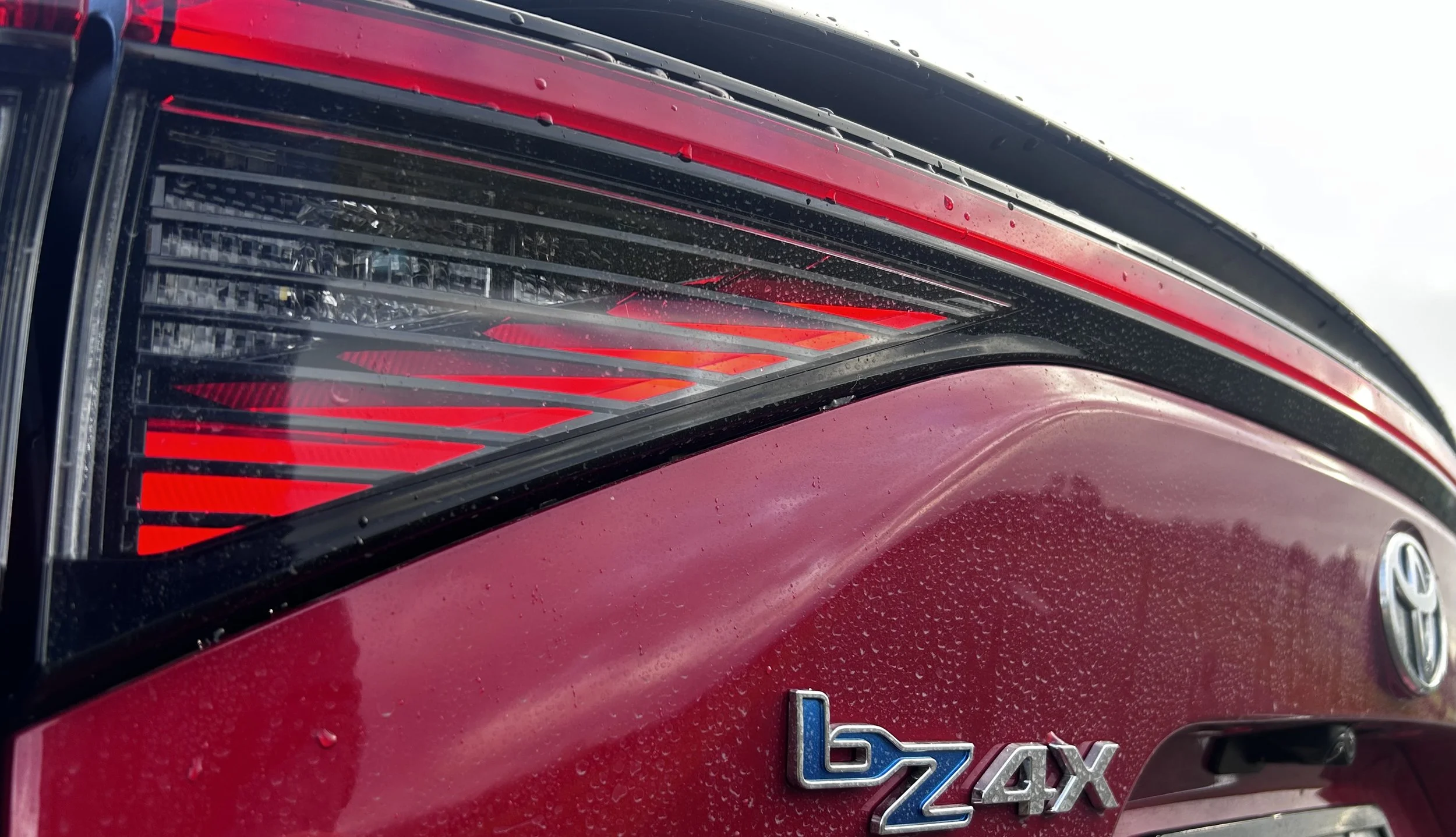
Toyota seems to be a brand playing both fields. With its full electric bZ4X, as example, it has offered WLTP data. In respect to RAV4 PHEV, it is one of a number of category involvers using NEDC outcomes.
Waka Kotahi was approached for comment about whether there is any mandate forcing brands to comply to WLTP, and if penalties are possible, but has yet to reply.
In RAV4 PHEV’s case, everything comes down to Toyota NZ partnering on this car with our neighbour.
Australia is expected to switch fully to WLTP next year, but at the moment it maintains NEDC as part of its Australia Design Rules (ADR) structure.
New Zealand achieves a car that has also had to meet Australia’s requirements. One of those is that it has NEDC calibrations. Full explanation from Toyota NZ is at the bottom of this story.
What also surely weighs in is that brand itself appears to have altered its idea of what the car can achieve.
When unveiling this generation of RAV4 to the world in June 2025, Toyota Japan said it was “targeting up to 100km of electric-only driving range”from the PHEV. In itself that was a useful lift over the previous kind, which only ever came here as a ex-Japan used import.
When the technology went on in Japan last month, the maker was more generous in its prediction, with press material on its domestic web site citing “approximately 95km in conventional models to approximately 150km.”
Toyota Australia has yet to share a domestic market range expectation. Conceivably it would be the same as NZ’s. Yet a recent media report there that appears to rely on brand discussion suggested the front-drive would have potential to deliver up to 130km on electric.
NEDC data is also used by Mitsubishi and Chery in respect to their PHEV SUV products - respectively, Outlander and the related Tiggo 7 and Jaecoo J7 - that might sell against the RAV4. The cited outcomes are lower than those for the Toyota; 103km from the Mitsubishi, 93km and 106km from the Chinese models.

Toyota NZ has not said how much share of overall RAV4 volume it expects the PHEV to take, but is certainly striving to highlights its talents.
The new choice’s battery supports DC fast charging with a 50kW onboard charger, which can replenish the battery from 10 percent to 80 percent in just 30 minutes, while a 11kW AC charger provides recharging in as little as three hours
Toyota NZ believes the range it states will enable many Kiwi drivers to complete their weekday commuting on electric power alone.
It also reinforces there is no range anxiety, as the car operates seamlessly as a hybrid even at point where the battery is too exhausted to provide electric-only impetus.
It contends the average full recharge at home will cost approximately $9 and contends that, as for most people an average driving trip is around 20kms, trips to the petrol station may become surprisingly rare.
The bulk of RAV4 variants continue with a self-involved hybrid, lacking ability for mains replenishment, essentially identical in concept to the previous generation car’s but improved.
Data published by the Australian Government’s Green Vehicle Guide cites the most efficient variant is a front-drive that, in using as little as 4.2 litres per 100km on an urban-cycle test condition, stands as the most fuel-efficient model in the RAV4’s history.
The previous generation was rated at 4.8L/100km in the same test cycle.
Here is the full reply from Toyota NZ:
“In response to your enquiry, it may help to clarify the regulatory context behind the data used for the RAV4 Plug‑in Hybrid.
“While ADRs are not directly enforced in New Zealand, New Zealand regulators accept compliance to ADR standards as an approved pathway. For this vehicle, Toyota New Zealand is claiming compliance to ADR requirements, including the exhaust emissions rule ADR 79/05. That framework underpins our certification position for the model.
“The RAV4 Plug‑in Hybrid supplied to New Zealand is sourced from the same production specification as Australia, and Australia is therefore the destination market that dictates the compliance requirements and associated test protocols. In this case, ADR 81/02 continues to govern fuel consumption and CO₂ certification in Australia.
“Under ADR 81/02, compliance is demonstrated using UN Regulation 101, which is based on the NEDC test cycle. As a result, Toyota Motor Corporation is required to undertake UN R101 testing for Australian‑specification vehicles, including the RAV4 PHEV. That is why validated NEDC fuel consumption, CO2 and electric driving range data exists for this model.

“Importantly, WLTP fuel consumption and electric range figures were never required for ADR 81/02 compliance. As such, WLTP figures for this model were not generated because the Australian regulatory framework did not mandate them.
“This position has been explicitly reinforced by the Australian Government. In correspondence to the Federal Chamber of Automotive Industries, the Department of Infrastructure confirmed that while WLTP figures have been accepted for battery electric and plug‑in hybrid vehicles for energy consumption labelling as a minor and inconsequential non‑compliance, the Department does not consider WLTP fuel consumption and CO2 values acceptable for vehicles not primarily powered by battery under ADR 81/02.
“The Department also highlighted the risk of consumer misunderstanding where WLTP and NEDC values are mixed, noting that ADR 81/02 continues to rely on NEDC‑based reporting until the regulation is formally amended.
“WLTP has been adopted for exhaust emissions testing and, where it is legislatively provided for, Toyota supports its use.
“However, in the case of fuel consumption and electric driving range for this model, the required and available certified data is NEDC‑based, due to the governing Australian ADR requirements.
“We recognise the broader industry discussion around test cycles and transparency, and this is an area where regulators are actively consulting on future changes. In the meantime, Toyota New Zealand’s approach reflects the certification pathway required for the vehicles we are authorised to supply.
“We trust that this information will satisfy your enquiry.”