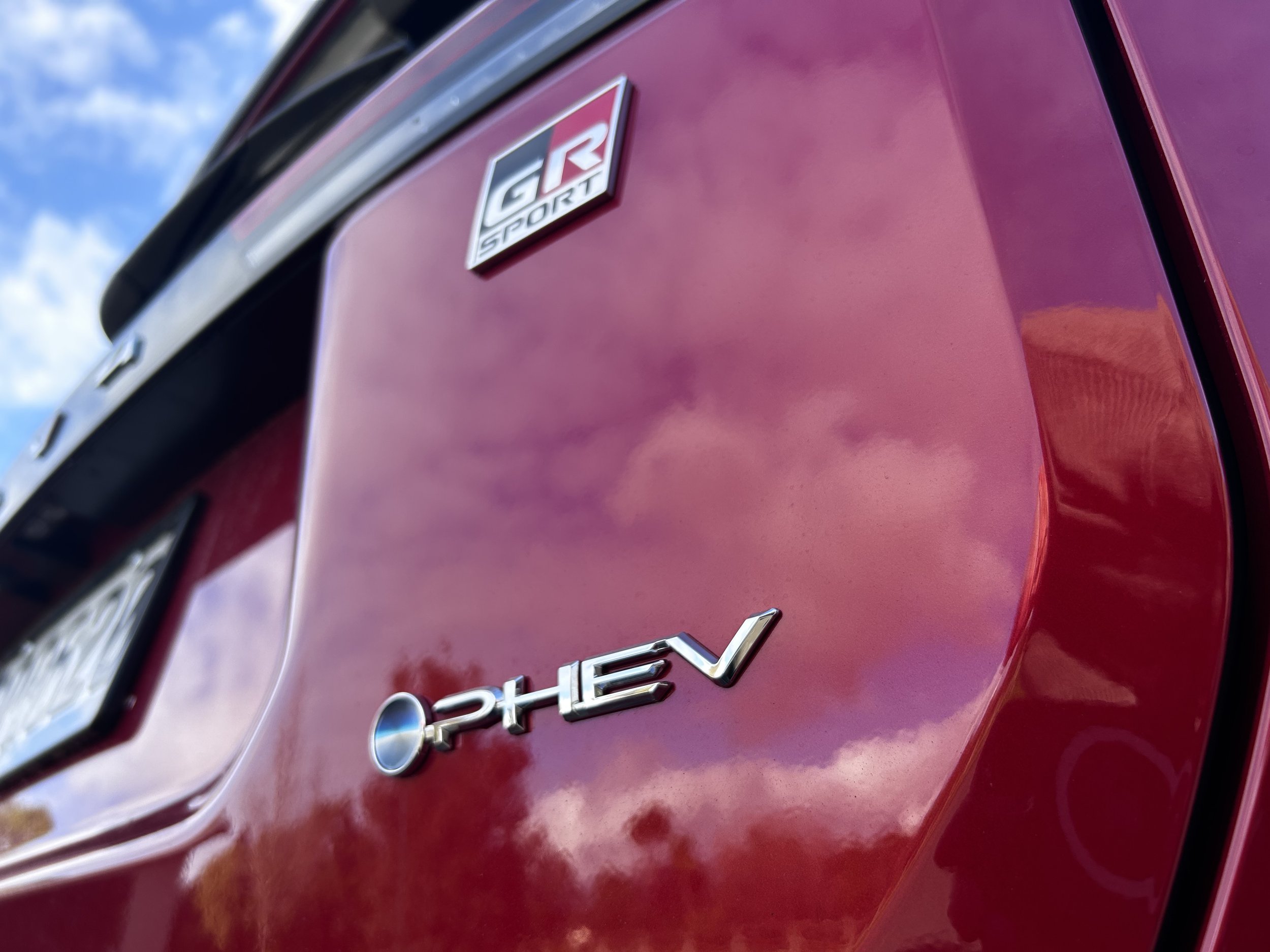

No ANCAP tick for initial arrival RAV4
/Toyota being caught by auditor’s protocol change means only future cars merit whatever safety score is decided.
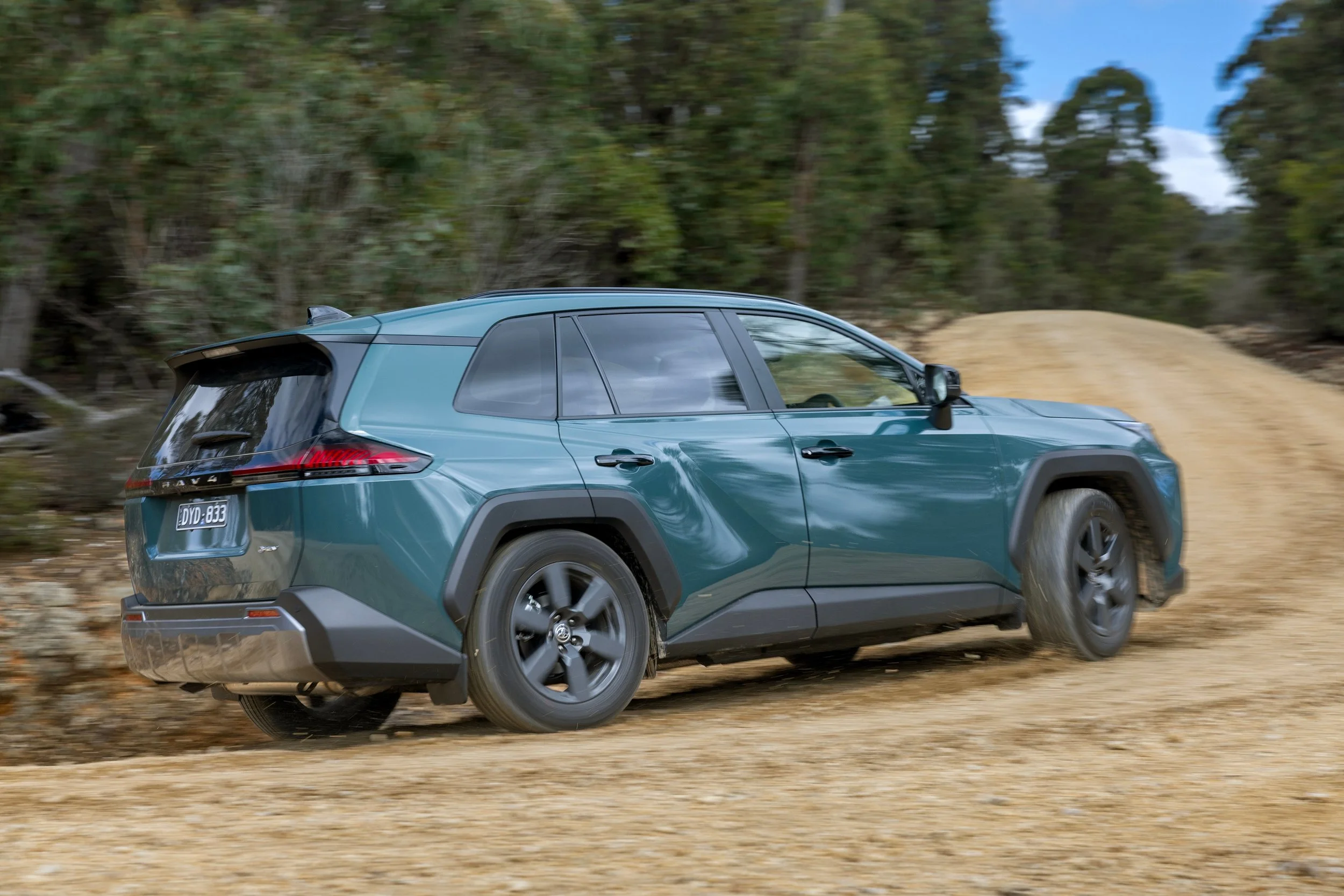
SAFETY feature fine-tuning required for the latest Toyota RAV4 means immediate issue cars here not only lack a crash test score but will be exempt from any rating that is subsequently decided.
Full repercussion of the highly unusual situation for the nationally dominant brand and its strong selling product has only become apparent in the past few days.
It is the second embarrassment for the car within a week, following citing by Toyota New Zealand of questionable data in respect to the electric-pure range from the family star plug-in hybrid.
The safety issue involving the latest, generation six car has just been explained in New Zealand, having first been made public in Australia. The two countries share a common stock.
Toyota says it has had to formulate crucial upgrades to the latest car in its currently available - so mild hybrid - form to ensure chance of earning top marks from national auditor, Australasian New Car Assessment Programme.
Those revisions seem to be some months away from reaching New Zealand.
It told media in Australia quality control delays meant the car will have to be tested to ANCAP criteria for 2026, which are tougher than the independent assessor’s requirements for 2025.
Had generation six RAV4 come on sale in late 2025 as originally intended, it would have been tested to meet less stringent ANCAP protocols than now apply.
The new test has enforced since January 1 and lends more thorough assessment of crash-avoidance technology.
As result, Toyota has been forced to now prepare upgrades to the “active and passive” safety systems to ensure the car meets the more difficult tests without issue.
Testing of the upgraded car is now expected to be conducted later this year.
This won’t occur in Australia, where ANCAP bases, but in Europe.
The process will be conducted by European safety organisation Euro NCAP, with which ANCAP has largely aligned its test criteria.
It means a car that is popular not just as a private purchase but also with fleets, notably rental operators, will circulate initially in the format that was designed for the 2025 examination.
Toyota New Zealand has not said how many examples will be in that state, but going on past launch performances that have tended to kick with with large allocations to fleet users, it could well run to hundreds of examples.
Toyota has expressed belief the current RAV4 in its original state would still perform will in a crash.
However, the issue for those who hang store on ANCAP ratings is that any score that subsequently comes out will only apply to the improved examples, not those set for sale right now.
Those examples cannot be retrofitted with the upgrades the make plans to implement and so will always be considered ‘unrated’, a stigma some might find unpalatable.
The website drive.com.au says Toyota has moved to assure the car’s structure does not need updating.
But it does concede the changes include improvements to “passive” safety, a word used to describe crumple zones, airbags, seatbelts and other aspects intended to protect occupants in a crash.
Media in Australia believe the PHEV which lands here in June will contain the safety upgrade.
That car was in the spotlight last week when TNZ cited it was able to achieve an electric range of 154 kilometres in 201kW front-drive form and 144km in 227kW all-wheel-drive.
Those estimates are far more optimistic than have been given in Japan and in the United Kingdom, which have the same drivetrain configuration involving a 2.5-litre petrol engine and electric motors fed by a 22.7kWh battery.
However, the Palmerston North-domicled operation admitted those figures came from testing to the New European Driving Cycle, a calculation tool of doubtful accuracy.
Waka Kotahi Land Transport New Zealand’s dissatisfaction with NEDC is why it urges use of the worldwide harmonised light vehicles test procedure, WLTP, and has done so since 2021.
That’s in concurrence with the European Union, which formulated WLTP having decided that NEDC was up to 23.5 percent awry, whereas variability with WLTP is more like 4.9 percent.
Toyota NZ said it used NEDC because that schedule still applies in Australia, where all the regulatory paperwork for the car was sorted.
In material sent out this week, Toyota NZ said RAV4 has consistently ranked among the country’s top-selling vehicles and remains a cornerstone of its SUV line-up.