
Honda NZ reckons impending electric kei is one for the crowd
/Nippy, zippy street-wise battery baby aims to win over new buyers as well as old schoolers.
LESSON learned from selling a first, surprisingly short-stay electric will be useful in how a radical segment buster second is positioned and proposed.
This from Honda New Zealand managing direct Carolyn McMahon in speaking about impending transition from the e:N1, a fairly orthodox medium five-seater crossover that has just ceased availability after a single year on sale, to the incoming Super-One, here after June and, all going well, set to be more of a stayer.
It’s also a segment pathfinder.
New Zealand has already seen compact battery-educated cars with the Fiat 500e, Mini and BYD Atto1, and Honda was represented - albeit only as a used import - by the Honda e.
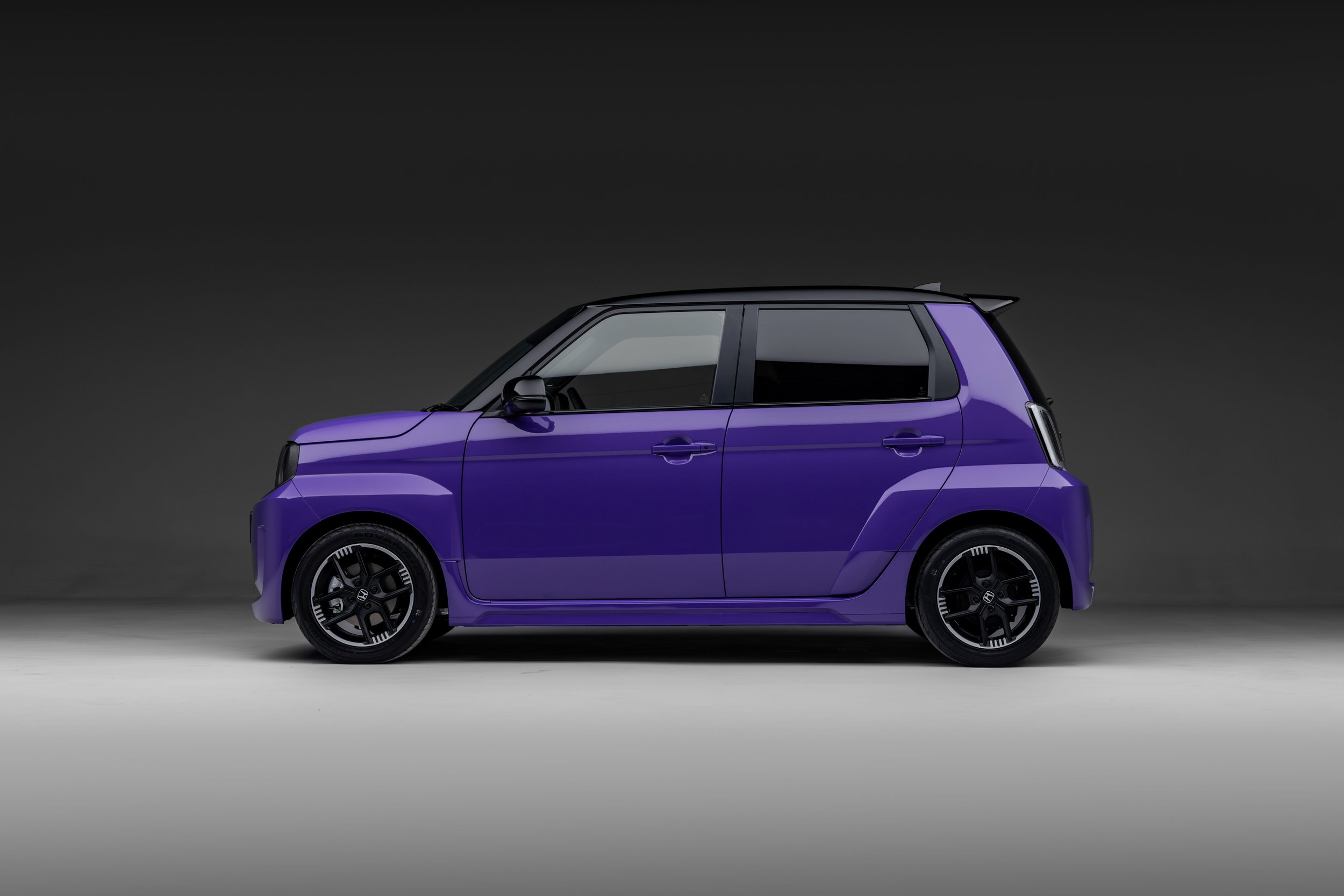
The Super-One scales down even more, being designed to the constraints of Japan’s famous ‘kei’ class.
That’s a midget car category New Zealand has known in the past with teensy Suzuki, Daihatsu and Honda products that historically uses very small petrol engines, mainly of 660cc, and means the car will bump out Jazz as Honda’s smallest product.
Set to go on sale some time after June, the Super-One is already exploring outside of Japan, the United Kingdom being the first export market, where it sells as the Super-N.
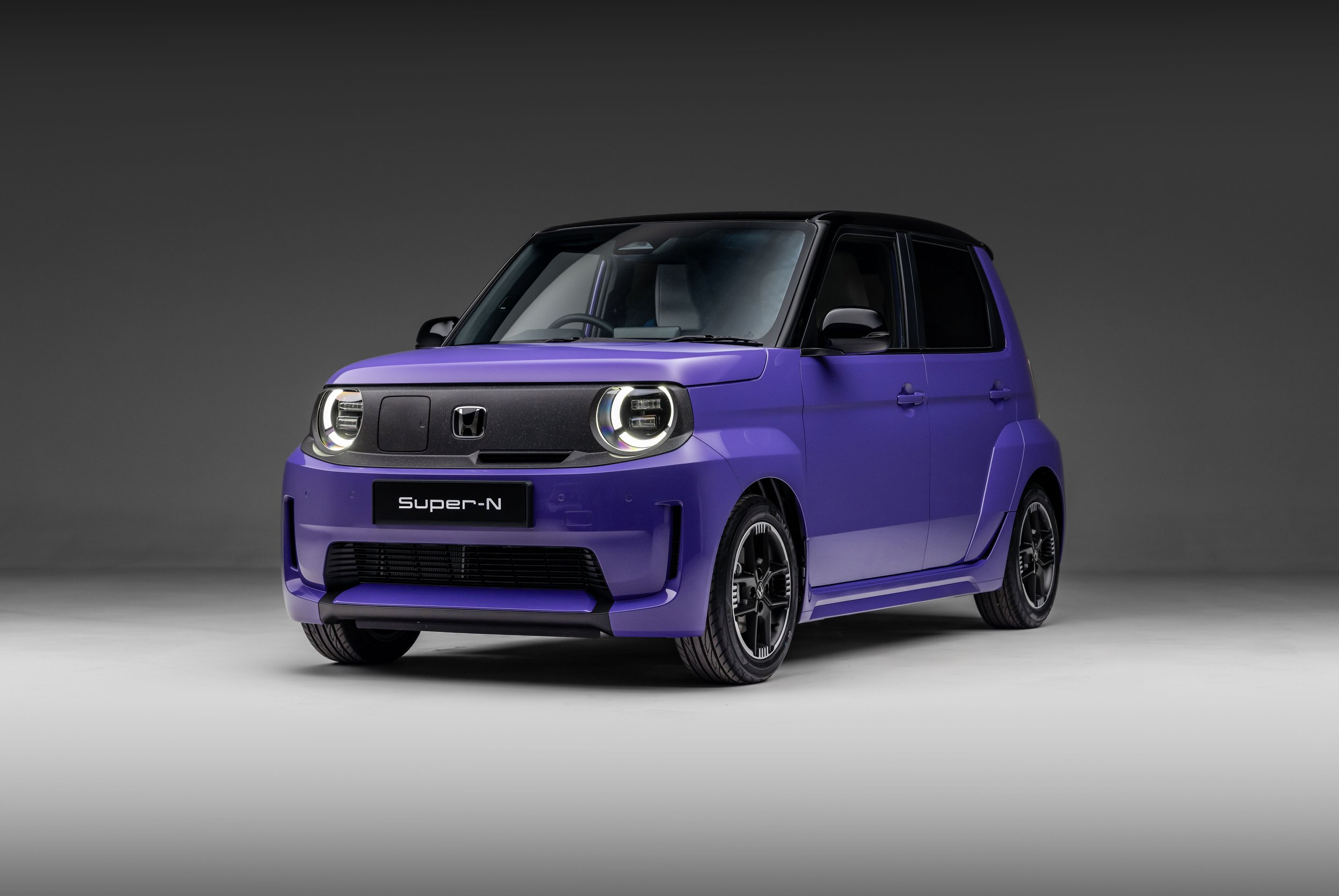
It has been developed with a strong emphasis on driving fun and out to prove a long-argued logic that modest range is no impediment to electric involvement when all owners undertake are short journeys, are seeking unbeatable city-friendliness and want to keep buy in and running costs cheap.
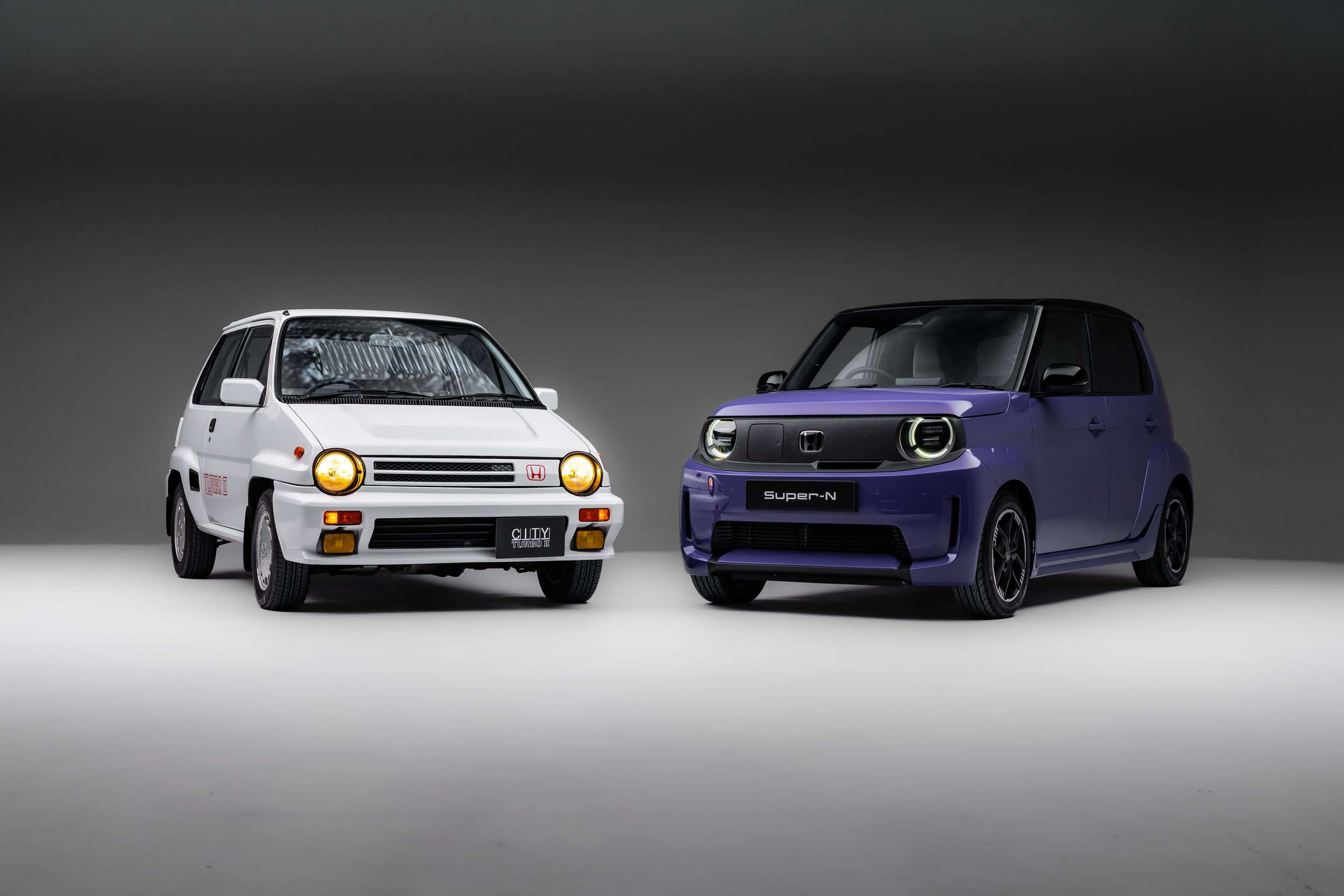
In taking inspiration from the 1980s’ Honda City Turbo II, with a boxy shape, wide stance, and iconic styling elements including chunky bumpers and aero ducts, it is a very different proposition to the E:N1.
The latter pitched as an electric family-sized alternate to the HR-V, ZR-V and CR-V hybrid petrol sports utilities that are Honda NZ’s stock in trade products.
It ran a 152kW/310Nm single motor format fed by 61.9kWh (usable capacity) battery and cited range of 500 kilometres, though in reality even the WLTP figure of 400kms’ seemed beyond realms of real world possibility.
The Super-One, by comparison, is far smaller - packing four at a squeeze - and lighter, has much less power and torque - 47kW and 70Nm - and a teensier battery, expected to be of 26.6kWh capacity. Cited range of 320km at city speeds reduces to 204kms combined on the WLTP scale if open road pace is attempted.
Expectation that it should be cheaper than e:N1 is high, but how much is the question given the latter sold here with a very lower sticker, of just $55,000.
McMahon won’t yet dare to say how much cheaper the Super-One might be, but she hints a car that goes big on funky styling will be pushed as hard at youth buyers as to traditional Honda supporters.
In respect to how the new model is likely to be received, she is highly positive.
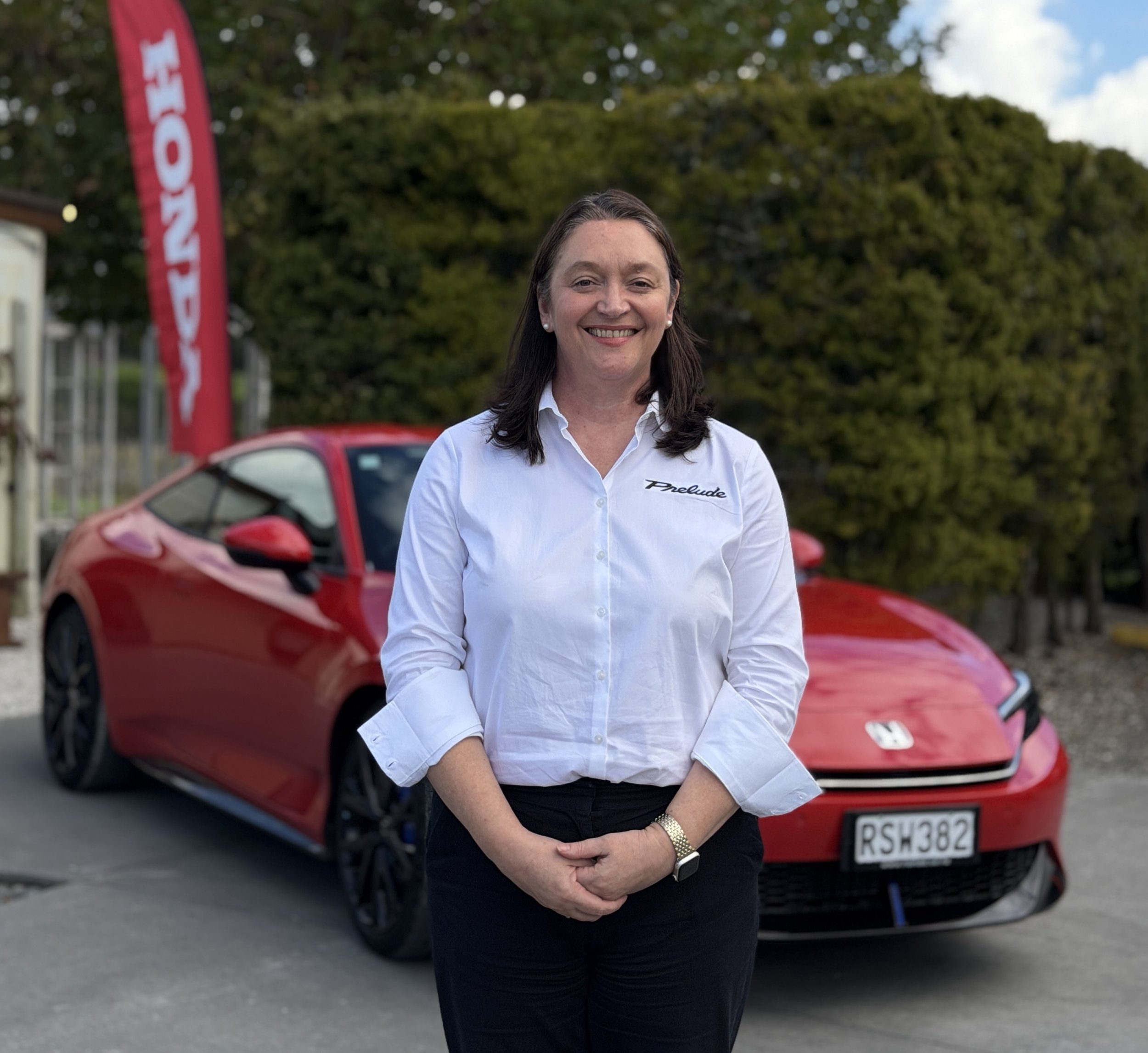
Speaking at an event yesterday for the new Prelude sports coupe and a hybrid all-wheel-drive edition of the ZR-V, she said while hybrids are still very much Honda’s brand butter products and will command the bulk of sales for the foreseeable future, there is need for electrics here as well.
Whether Super One will outsell e:N1 is not being broached, but McMahon says the market condition will likely be easier than last May, when the first product entered the showroom.
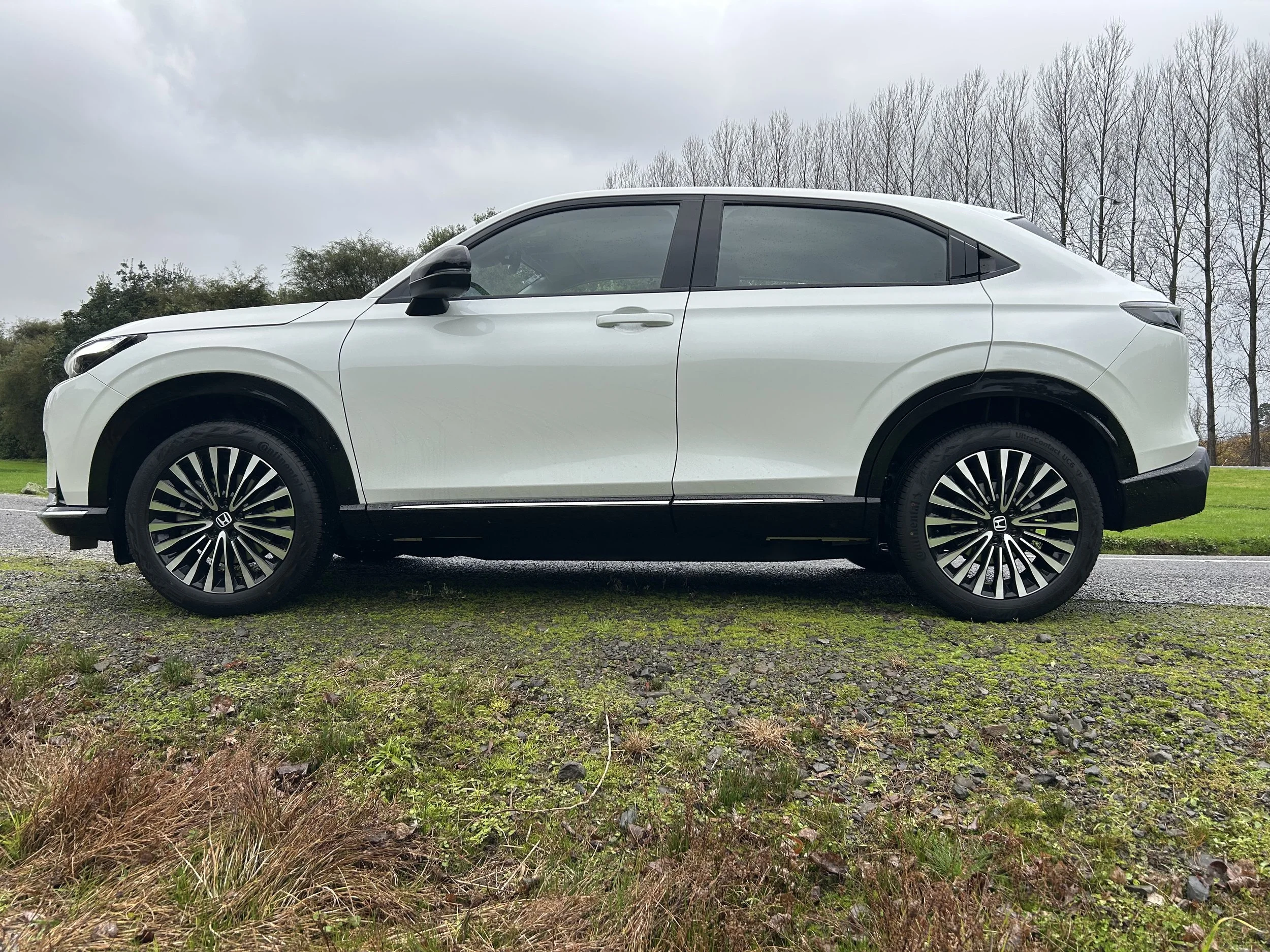
Back then the sector was in desultory state and registrations stats from the time recognise the e:N1 (below) had a hard start - though no tougher than any other product then. Electrics at that time simply weren’t raising much of a spark.
It’s all different right now, of course. The furore in the Middle East and the sudden impact that had on fossil fuel prices caused consumers to reawaken to electrics in February and March this year.
That almost overnight turnaround that hastened clearing out the last of the 240 e:N1’s that were on consignment.
There won’t be more coming, McMahon made clear yesterday, but not because the idea of having two battery-wed cars side-by-side didn’t appeal. Simply, there had been a one-off opportunity to secure e:N1, to a set count of cars, and that was taken.
She’s pleased the larger car gained strong acceptance, and not just from Honda faithful - some of the trades during the past two months have included cars rarely seen by Honda dealers; such as exotic sports cars and diesel one-tonne utes.
“It was a very eclectic type of customer base that was coming in.”
A lot of cars were bought by existing Honda owners, and that exercise has been fruitful in learning and what factors in respect to that transition require education and guidance.
“It (e:N1) was our first foray into electric and it was a good introduction for us. We had a lot of curious customers, very interested about it and that was great.”
“With e:N1 we had a defined count of cars available to us. We took that opportunity but there are no plans at the moment to continue that.
“Hybrid is still our main focus, but you'll start to see us introducing different options in BEVs.”
While NZ had not absolutely committed to the large Zero cars that, having been set for international debut later this year,.were instead entirely axed by Honda Japan last month, McMahon says those cars were certainly on the radar. As will be any other electrics that Japan’s famously engineering-led brand might develop.
“We'll move now to Super-One and we've got other opportunities that we'll continue to look at.”
The car’s chirpiness isn’t just about an extrovert kerbside appearance. The cabin also has a retro-modern theme with blue highlights and ambient lighting that changes colour when performance modes are activated. Extensive personalisation options, including two-tone paint finishes and body graphics, are in Honda Japan’s catalogue.
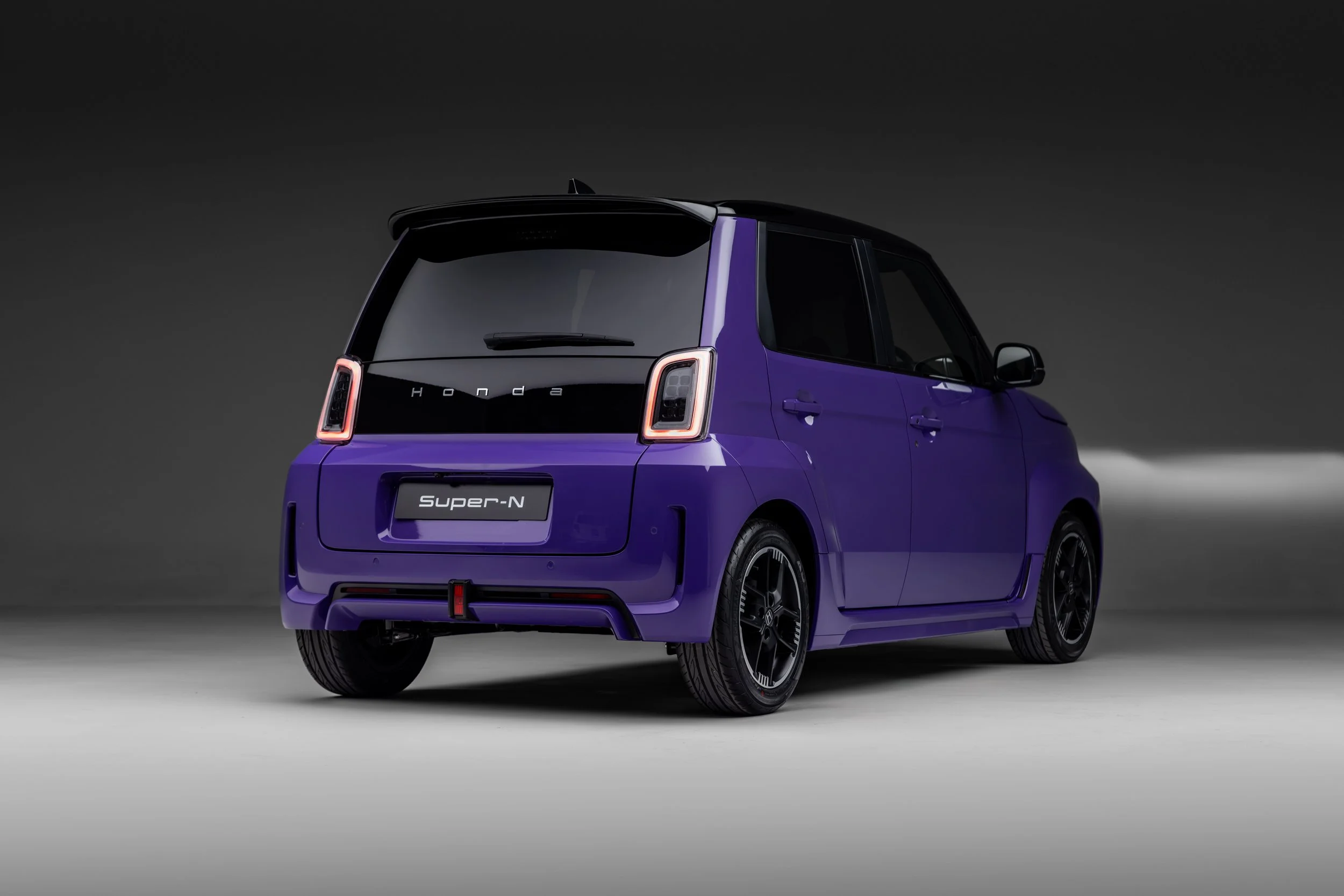
Honda is aiming to differentiate the Super-One with its ‘boost mode’that temporarily lifts output to 70kW and pairs it with a simulated seven-speed transmission. It also picks up a Prelude trick with artificial engine sound.
Honda UK says the system delivers “the instant response of an EV with the emotional connection of a combustion engine vehicle”.
Speaking of ICE, she says one big lesson from selling e:N1 was realising “the importance of helping the customer understand the differences … helping them navigate the whole charging side of things.
“It's very, very important. We partnered with Z Energy for the EM1 introduction, and that was a good move because it gave the customer a very easy option to take up.”
Sentiment that Honda was among Japanese brands perceived to be slow to go electric is recognised by McMahon, but she doesn’t believe the brand has suffered.
E:N1 and Super One maintaining Honda design and ergonomic fundamentals are a bonus, she says.
“Honda is often compared to the newer entry brands that are coming in, and there's often a comparison between what I'll call the ‘bling’ and the ‘nonstop beeping’ versus our ‘man maximum machine minimum’ philosophy.
“We don't need all the touch screens. We need it to be user-friendly, easy to drive, dials that you can quickly access. So I think once you experience a Honda, you understand its different to some of the newer brands coming in.”
Honda NZ recently taking expressions of interest in Super One and the response being immediate and pleasing seems a reflection of current times.
“There's heightened awareness around BEVs at the moment, given the environment. It's very, very interesting to see a sort of a spike in interest.
“We're going to go in with a volume that I can't tell you today, but we're going to go in with a volume and, obviously, if we get a stronger take up of that, then we'll be able to order more moving forward.”
Price is still being worked through and has required consideration of many factors beyond the potential rivals.
“We’re looking at what's happening in the market at the moment, what's the demand like, what's the best pricing.”
While a different car to Jazz it isn’t so divorced conceptually; for instance, the Super-One also aims to provide good compact city driving and it also has the vaunted magic seats that flip and fold down to maximise stowage.
Honda’s share of the new car market in 2025 came to just 2.7 percent and year to date it’s holding only 2.4 percent. McMahon says aspiration is to grow, but it’s not easy.
“We’re realistic about the current competitive environment. I think it's over 70 brands in a market of 140,000 new car sales (annually), so it's super competitive.
“When we have a look at year on year, it's a difference between 3300 last year versus 3400 the year before, so we're pretty steady.
“In a really competitive market, being steady is not a bad thing. We would like to be growing, and we think the opportunity with so much new product coming in this year will help us with that.”
In respect to that, the Civic will received a few changes this year and there’s another grade extension for HRV.
“There may be one or two other things that will come through as well.”
Is is a regional or Japan head office concern that several very ambitious newcomer Chinese brands have matched or bettered Honda’s market performance?
“Look, on the one hand, it's great for customer choice. The industry's never been more competitive and better for the customer.”
“Our job is to bring good product to market and try and introduce new customers to the Honda brand.”
Honda here also a 70 percent owner retention rate, the highest anywhere in the world for the brand “which reflects years and years of hard work from the Honda team.
“It's now about making ourselves a bit more visible … we need to introduce the next generation (to Honda). It's inviting customers in to actually try out the product.
“Our conversion of test drive to sale is very, very high. So it's just getting more visible and helping the general public think about Honda as a consideration.”