
Outlander Sport kicks off Mitsi product roll
/Compact hybrid five-seat crossover to challenge Toyota’s turf will be followed by an EV and, perhaps, new Pajero.
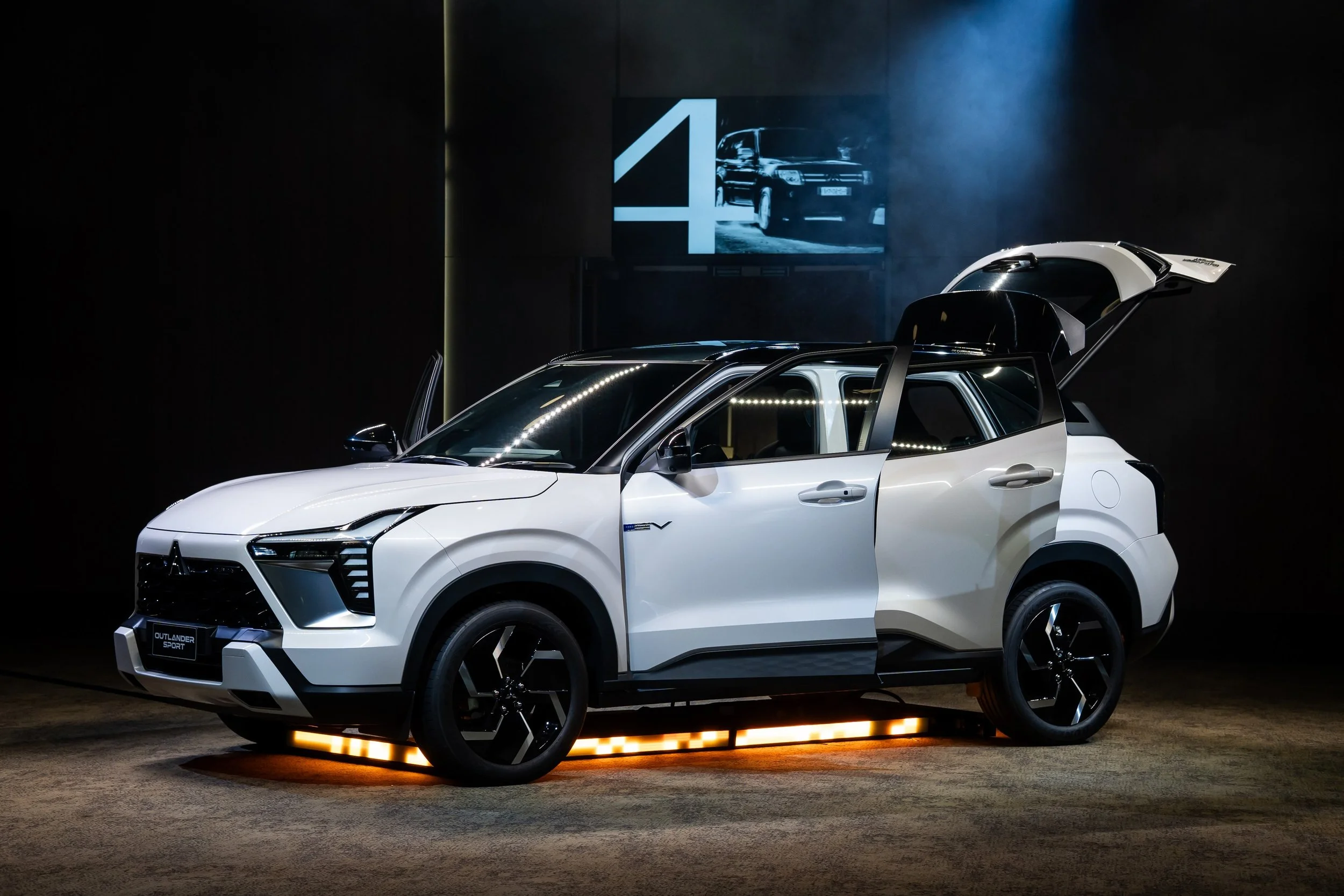
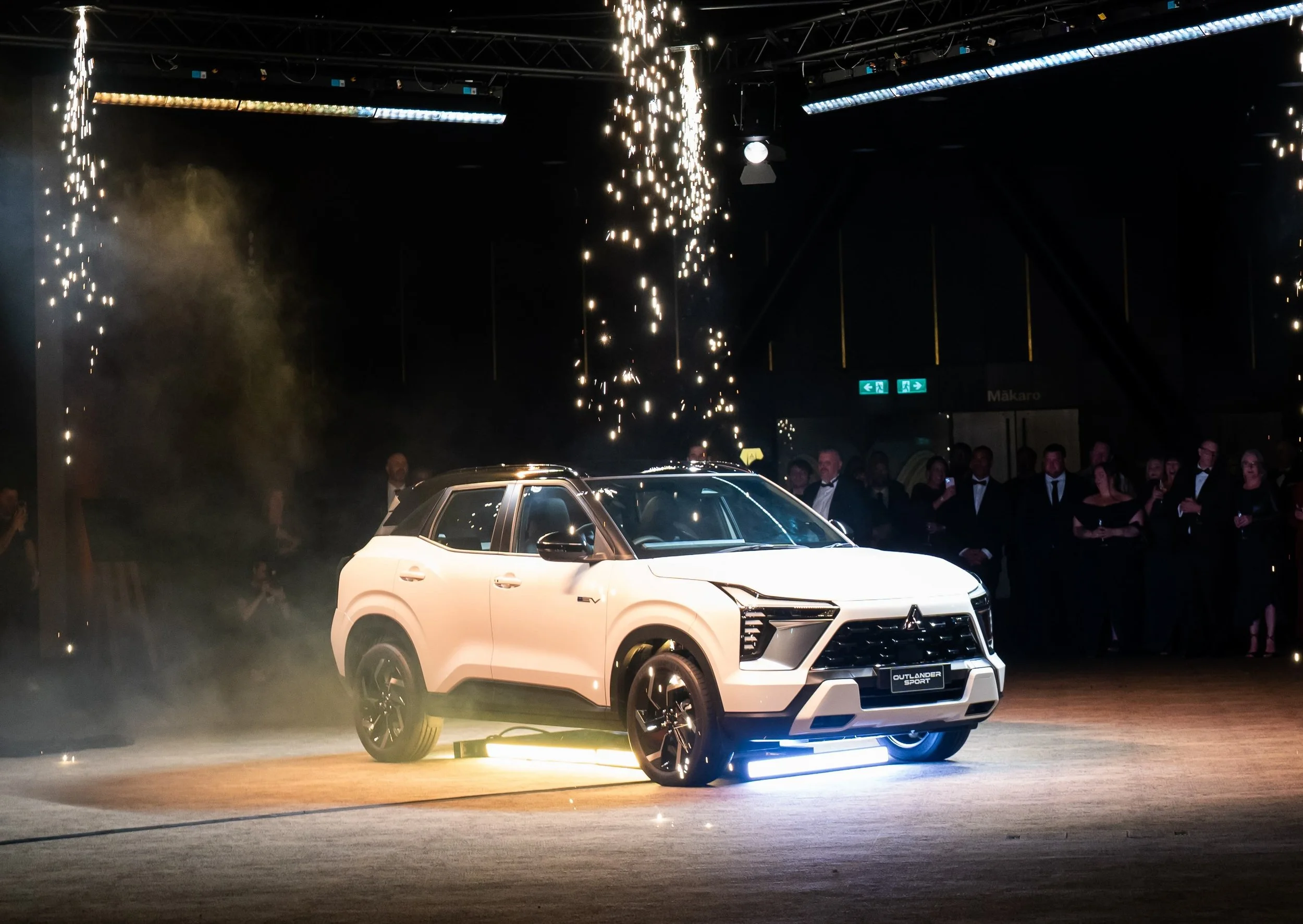
A FIVE-seater 1.6-litre petrol compact crossover will take Mitsubishi here into the hybrid sector, which Toyota dominates but is also being infiltrated by new brands from China.
The Porirua-based maker has confirmed it will add the Outlander Sport, which sells as the Xforce in other markets, to contest a segment that attracts the most passenger volume at present, but is dominated by Toyotas such as the Corolla Cross, a likely rival for the Mitsubishi.
How many versions, full specifications and the likely price have yet to announce.
An early example of the five-seater car, whose availability was confirmed by MMNZ last year, was shown at a dealer awards’ night last week and will display at Mystery Creek Feildays, which kicks off on June 10.
It is the first of three new products coming this year, the others being an electric car from Taiwan and a third model, labelled a mystery product but potentially the new Pajero, which is set for global release before Christmas.
All MMNZ will say is that the new models will open the door to entirely new segments - a suggestion that conceivably holds true for Pajero as it is a very different vehicle to the predecessors Kiwis have known well.
“It’s about making sure we’re offering the right vehicles for where the market is heading, while continuing to build on the strengths that have made us such a popular and reliable choice for Kiwi drivers,” MMNZ brand chief operating officer Tony Johnston said in supplied comment.
MMNZ has been intensely involved in the plug-in hybrid market, with the Eclipse Cross and Outlander, but Outlander Sport will be the first car it has tilted into the sector in which cars have electric assisted internal combustion engines, but no ability to replenish electricity from external supply.
Outlander Sport pairs a 1.6 litre MIVEC petrol engine with what Mitsubishi says is its latest-generation hybrid technology, automatically switching between EV, hybrid and engine drive modes to optimise efficiency and performance.
It incorporates multiple hybrid operating modes – including parallel and series hybrid configurations – with the system automatically selecting the most efficient set-up based on driving conditions and battery charge.
“Designed to maximise electric drive in everyday conditions, the vehicle uses regenerative braking and intelligent energy management to reduce fuel consumption while maintaining smooth, quiet performance,” MMNZ said in its media share.
News of Outlander Sport raises conjecture about when MMNZ will share local availability detail in respect to a car likely to be more important still in a period of uncertainty about fuel pricing and supply - it’s first electric car in almost two decades.
Commitment to an electric car out of Taiwan made for Foxtron Vehicle Technologies, a subsidiary of Foxconn, whose business activities include being the maker of Apple iPhones, was signalled last year.
The electric product is drawn from the Model B, a crossover styled by Pininfarina that has been in production since 2023 and avails in single-motor rear-drive and dual-motor all-wheel-drive forms in Taiwan.
Today MMNZ restated commitment to have that car here this year.
It will be built by Taiwan’s biggest carmaker, Yulon Motor, rather than Mitsubishi itself, and will be the Japanese make’s first electric offer here since the teensy iMiev, which when here 16 years ago was the world’s first mass-produced electric vehicle.
Massive popularity of hybrids means the Outlander Sport, meantime, might have potential to outsell the Eclipse Cross and Outlander, which have done it tough for the past two years but seem more popular now.
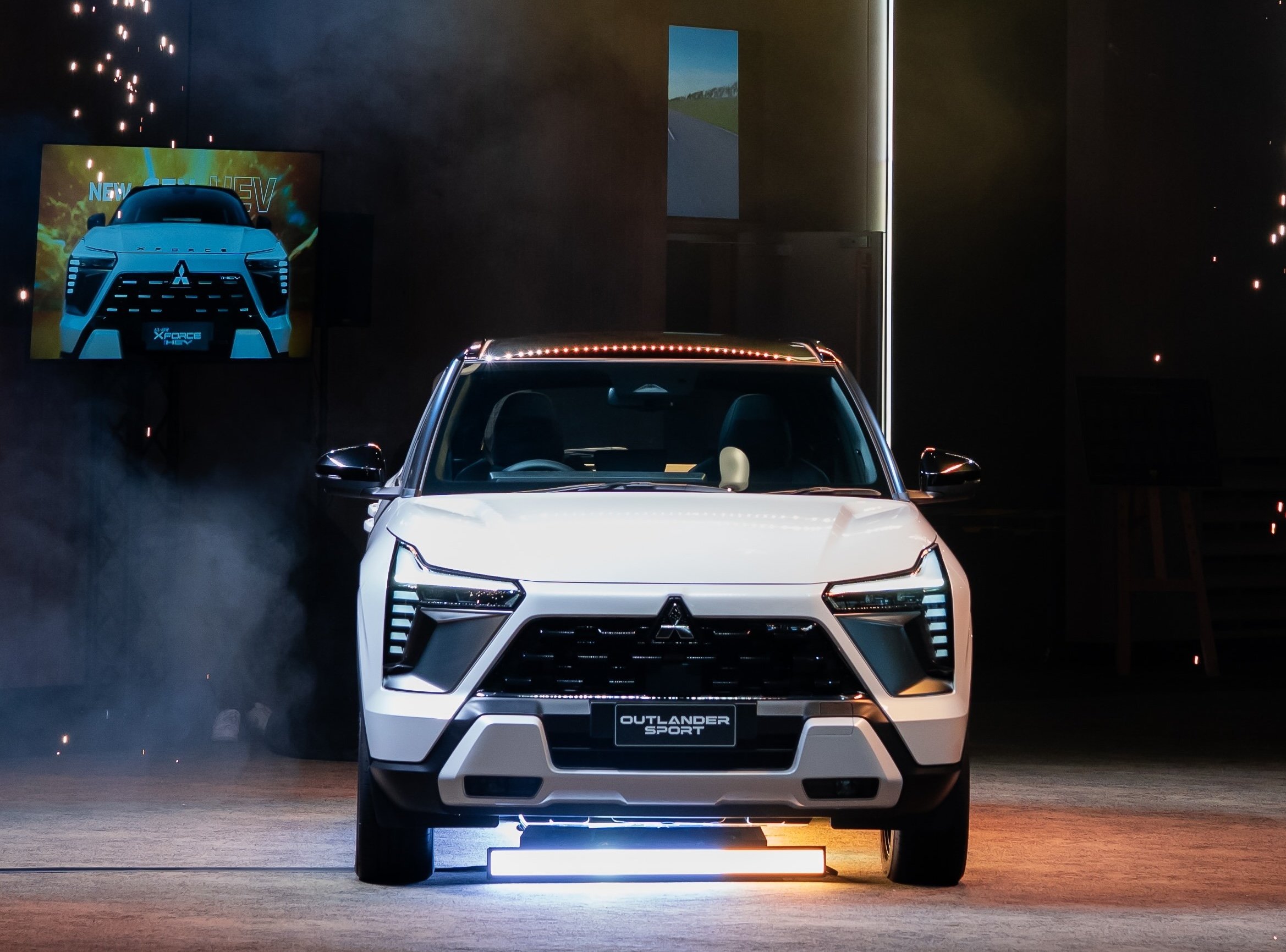
Johnston said Outlander Sport’s availability from later this year reflects both changing customer priorities and a broader transition within the market.
“We’re seeing more and more New Zealanders looking at electrified options, but not everyone is ready to make the jump to plug-in or fully electric vehicles,” he said.
“Outlander Sport HEV gives customers a highly efficient, practical SUV that delivers the benefits of electrification in a way that fits seamlessly into everyday life.
“The strength of this system is that it does the thinking for you,” said Johnston.
“It’s constantly adapting to how and where you’re driving, so you get the efficiency benefits of electrification without needing to change your habits.”
The model seems determined to offer some level of light off-road capability at best. A ground clearance of 212mm is reasonable and the brand says the drive modes - Normal, Wet, Gravel and Mud - are finely tuned to optimise traction and stability across different surfaces, “helping maintain control in a range of road and weather conditions.”
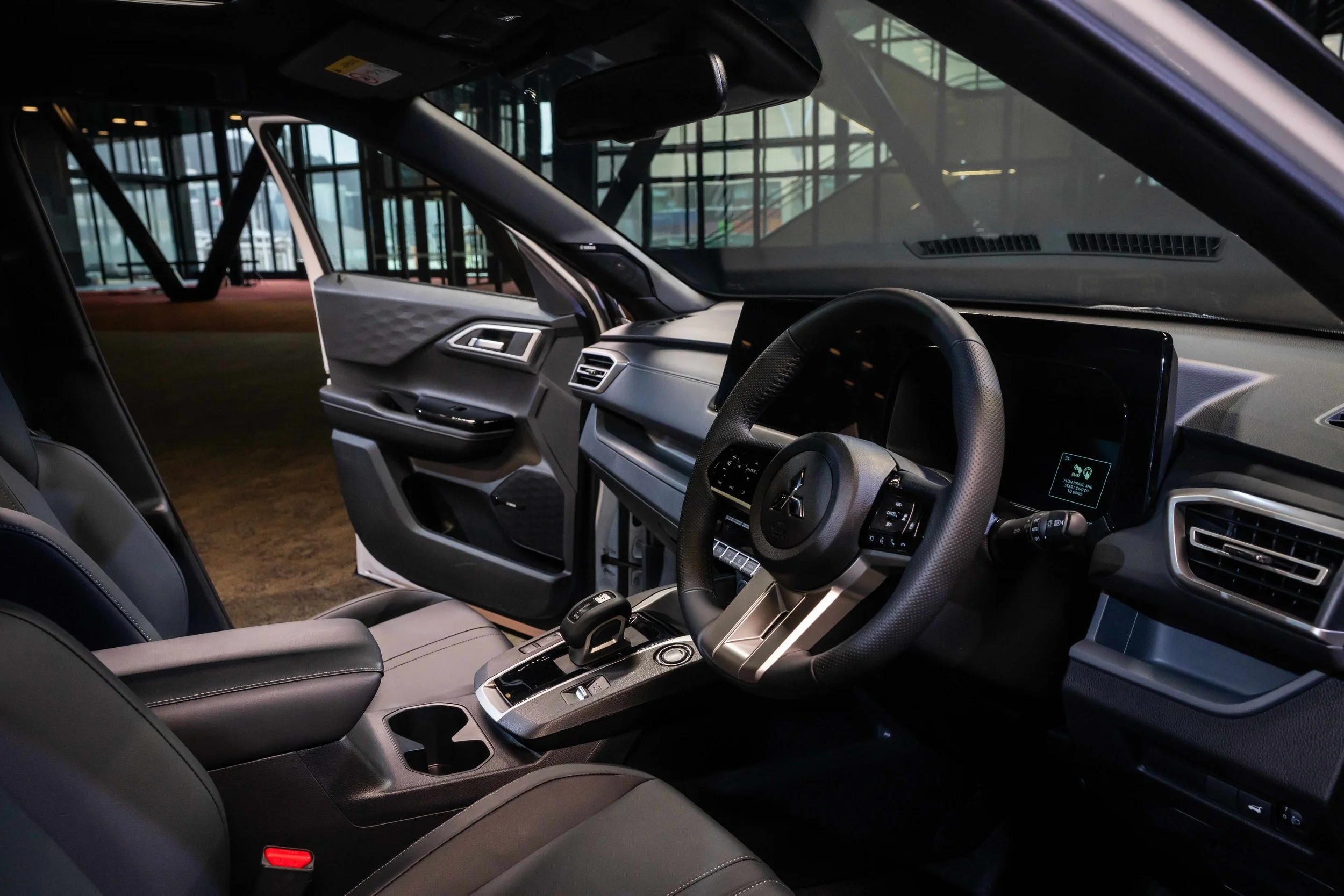
A wide instrument panel and high-quality materials create a more open cabin feel, supported by a 12.3-inch display system with wireless smartphone connectivity and a digital driver display that provides real-time energy flow, EV driving ratio and regeneration data. Several variants seem in line, all with a panoramic glass roof.
In commenting about the new models, Johnston reiterated continued commitment to the current ASX, which is not only the make’s oldest passenger product but also now the longest-lived Japanese car sold here.
ASX’s age is such that it was pulled from some countries, Australia and Japan included, because it fails to meet their latest safety regulations.
The car we see introduced in 2010, and though there have been two major facelifts and many minor revisions since then, the core technology has never changed.
Johnston says “ASX continues to play a key role in our line-up and remains a very popular option for customers.
“Outlander Sport sits alongside it, giving buyers another choice within the compact SUV segment.”
Outlander Sport might seem a familiar name as it has been used previously by Mitsubishi, the most recently for a version of the actual Outlander, in 2020.