
Plug-in hybrid, fuel cell Hilux intrigue Toyota NZ
/With diesel feeling heat from toughening emissions standards, Japan’s top brand is considering other options.
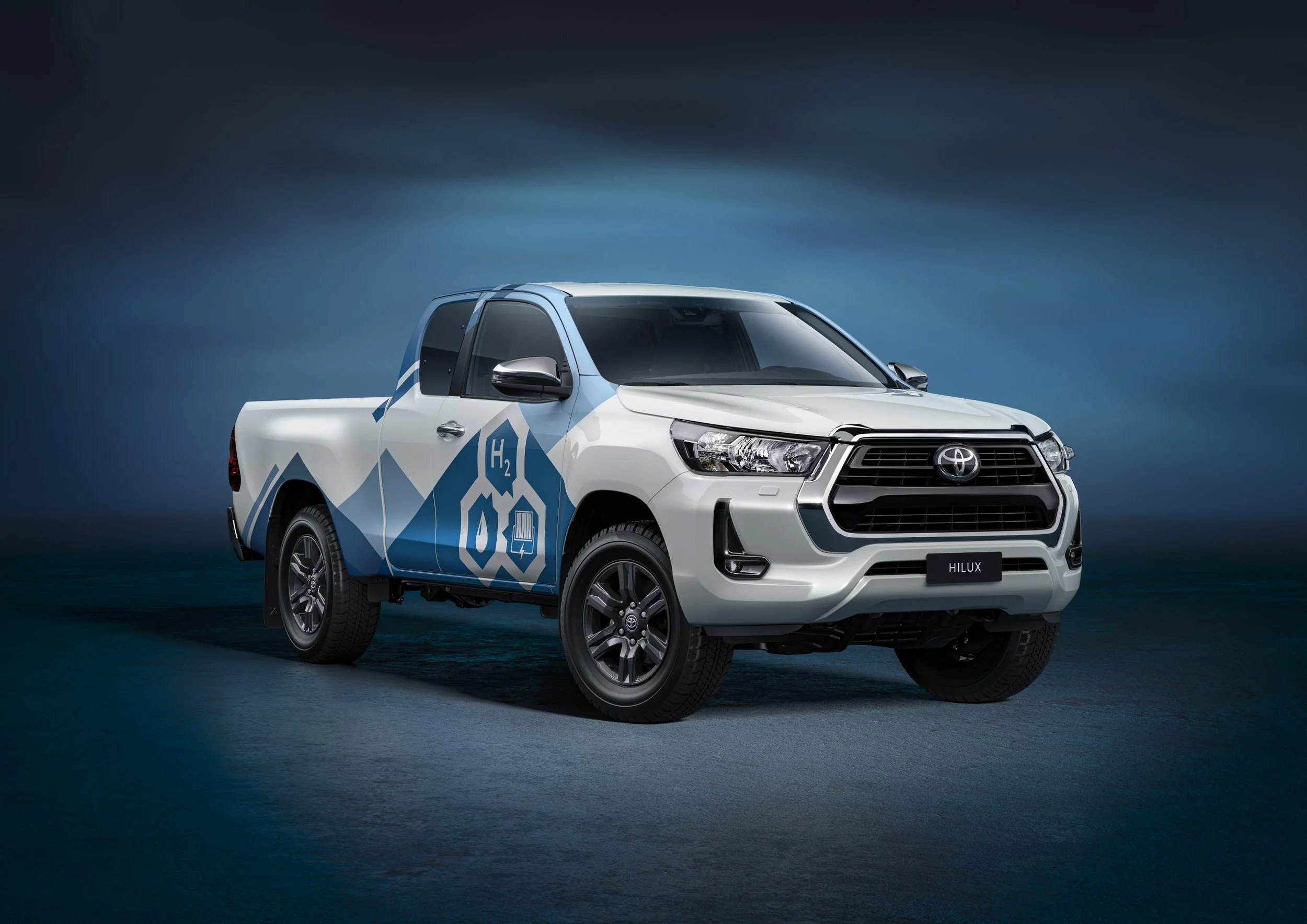
THE hydrogen fuel cell variant of the Hilux set to enter production in 2028 is on Toyota New Zealand’s radar, and any plug-in hybrid development would also be of interest.
This today from the brand before it introduced media to the fully electric variant, another breakthrough technology for the nameplate in its 50th year, joining editions of the ninth edition line using the firm’s well-sorted 2.8-litre diesel.
Toyota Motor Corporation in Japan has confirmed the hydrogen edition is a go and TNZ product specialist Sven Tulicic says it would be of obvious interest.
“I think the answer is yes, because as you know, hydrogen is an energy that's being considered (for NZ).”
He reminded TNZ has been deeply involved with hydrogen in New Zealand, with the Mirai here on long-term trial for some years.
The brand also backed a hydrogen fuel cell high-speed support boat for the America’s Cup campaign, of which it is a primary sponsor.
“We would be trying to see how we can use hydrogen energy as another alternative in our line.”
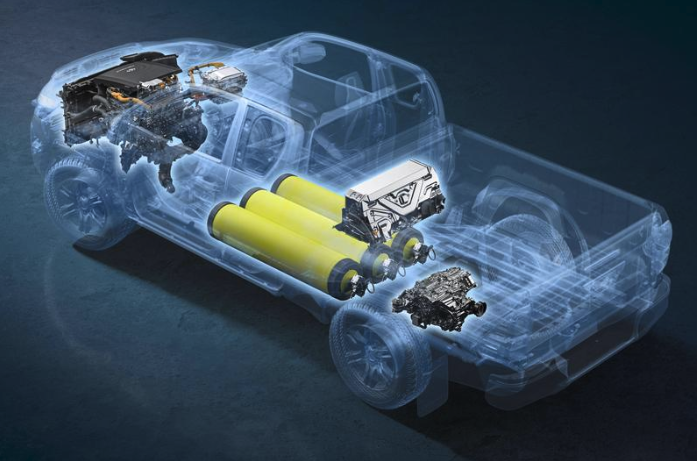
Toyota’s foray with fuel cell application into Hilux has been long term, starting with a 2022 project that created the running prototype pictured today, which was rear-drive and used technology from the Mirai.
The ideal now is to deliver the same ingredients, but improved, into a four-wheel-drive dual cab.
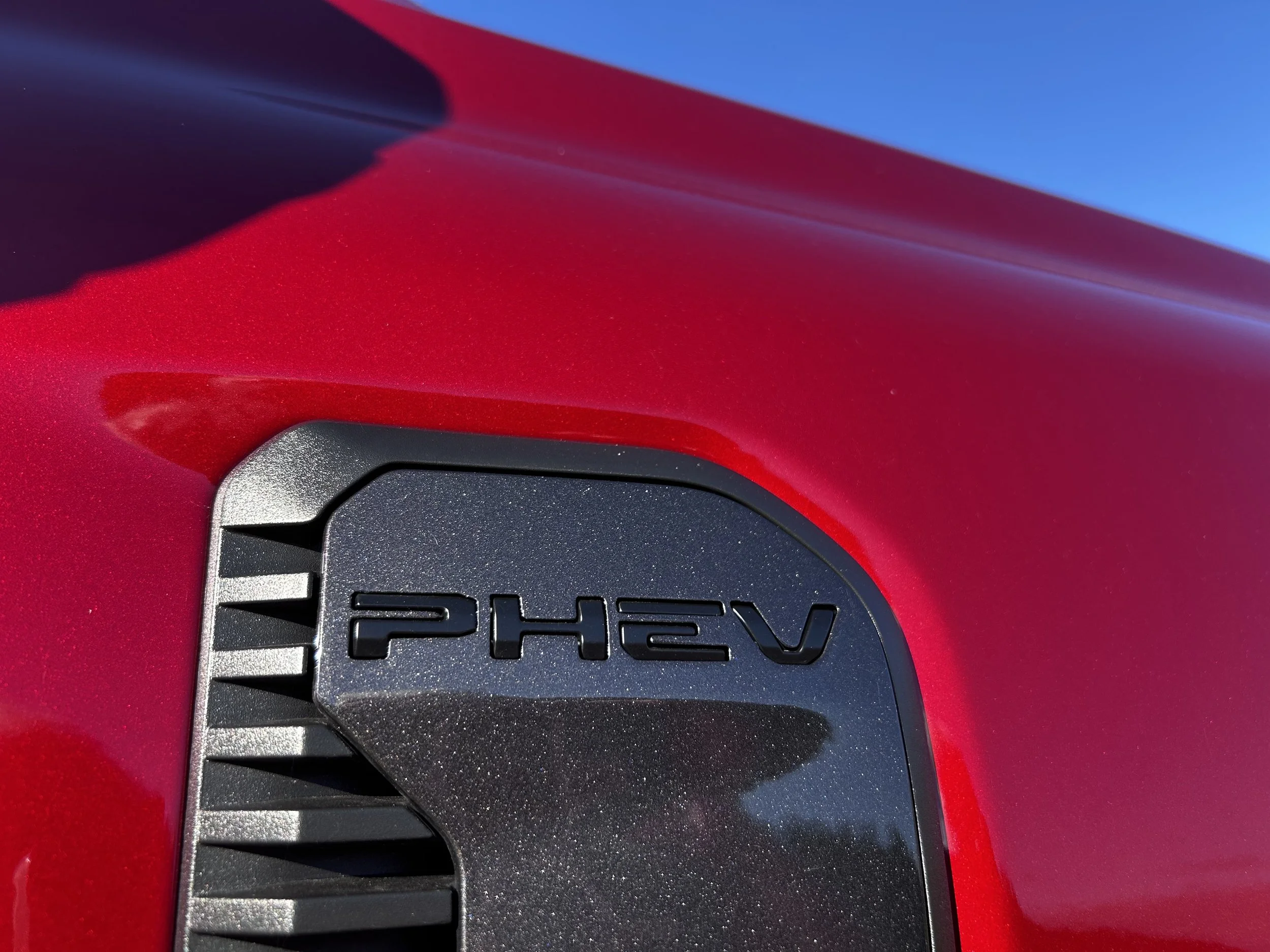
Meanwhile, in Australia - where latest Hilux was mainly developed - there has been from senior management of admission of interest in it becoming a plug-in hybrid as well.
Toyota having the latter would allow it to directly combat the growing popularity of Ford Ranger PHEV and products from China, notably the BYD Shark 6 and GWM Cannon Alpha.
However, it was also require the type to re-introduce with something it hasn’t had in New Zealand for some years, petrol engine.
Toyota still puts two in Hilux, a 2.7-litre four cylinder and a 3.0-litre V6, but both are only availed to regional markets, none close to here.
It does not seem inconceivable that the PHEV Hilux could apply a 2.5-litre petrol four from the passenger range.
Conceivably, the most obvious candidate as a donor, perhaps for a complete PHEV system, is the plug-in hybrid edition of the RAV4. But that’s a light crossover. Would it work for a built-tough one tonne ute?
Tulicic said today there are no timeframes to announce for any new powertrains beyond those availed already to Hilux.
But in respect to the PHEV, he commented: “Like the global team has said, it is something we are considering and looking into.
“We have already spoken to some of our customers who reacted positively to petrol power moving forward. So it's definitely something that we are considering.”
There’s thought from overseas that the fuel cell model could well have similar outputs as the new electric, which pumps out 143kW/518Nm, so close to the diesel’s 150kW/500Nm.
While hydrogen availability is still emergent here, the advantages of the fuel cell is that it would resolve a weak point of the battery electric, limited range.
Toyota NZ claimed a fortnight ago that the battery model will deliver up to 315km for the wellside and 245km for the cab-chassis, but those figures come from using the controversial NEDC scale.
Under WLTP calculation, the wellside will optimally achieve 240 kilometres, the cab chassis 180-190km.
Tulicic said today that while diesel is set to remain a mainstay engine for Hilux for the foreseeable future, compression ignition powerplants are facing pressure to conform to Euro 6 and Euro 7 emissions regulations.
Most versions of Hilux take the 2.8-litre with a 48 volt hybrid assist that slightly eases its CO2 count, but it by no means in the clear for emissions. No diesel utes are.
TNZ has enforced that including battery electric and hydrogen fuel cell variants is a sign of Toyota’s commitment to “de-carbonisation”.
Hilux diesel and Hilux BEV were driven today but product information and drive impressions are subject to an embargo that lifts at 10am on May 27.