
EV fan pitch to Government gets Toyota tick
/Country’s largest new car seller says it agrees with sentiments delivered by Drive Electric in a report to Parliament.
BROAD agreement to argument presented to politicians about how helping more people into electric vehicles would benefit the nation, including our energy system, has come from the country’s largest seller of new cars.
Toyota New Zealand is known best for being the market dominant provider of hybrid cars, but also is bringing out more mains power-involved product, both plug-in hybrids and full electrics.
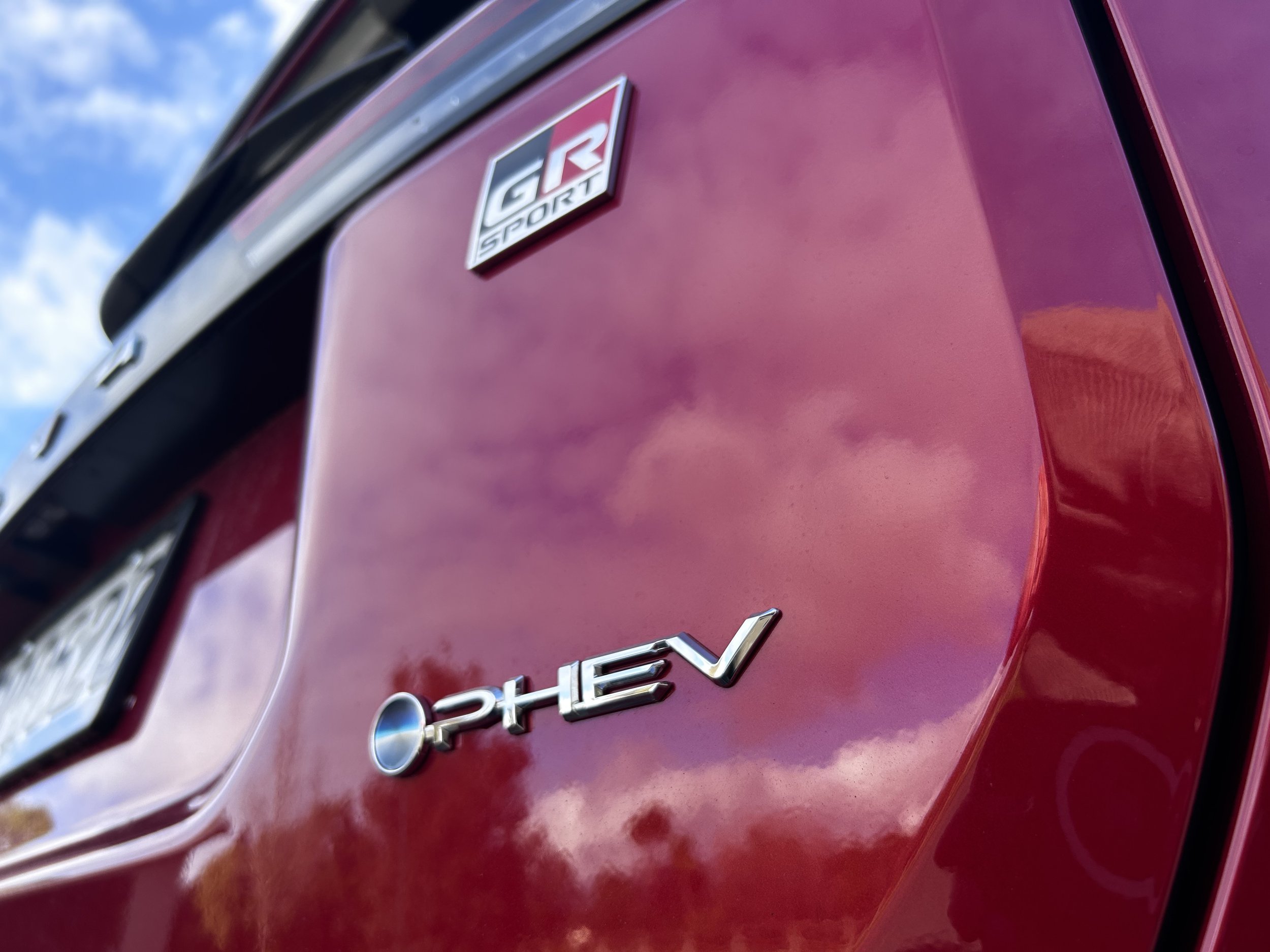
The latest PHEV push is with a flagship version of RAV4, the country’s top-selling car last year.
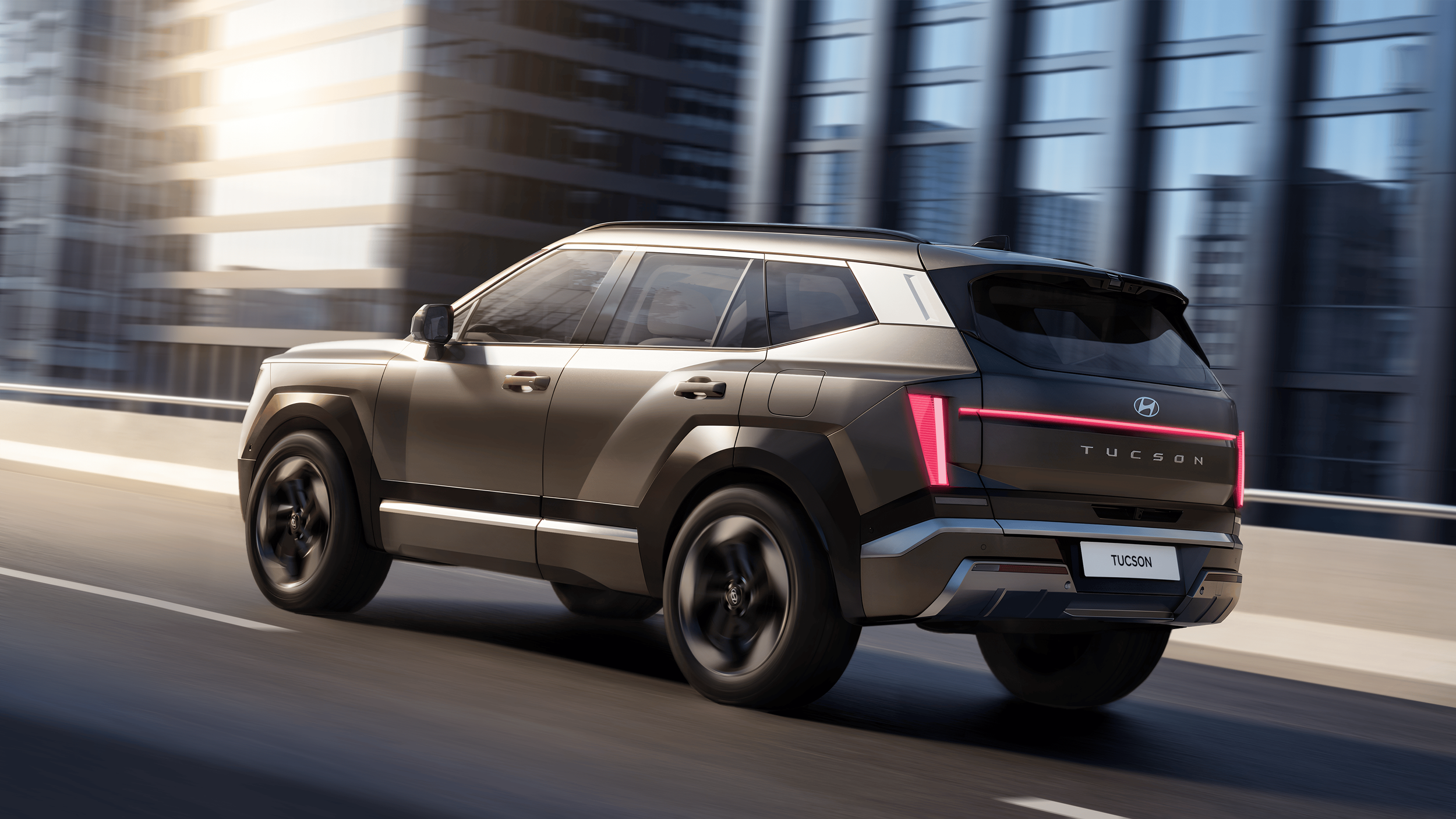
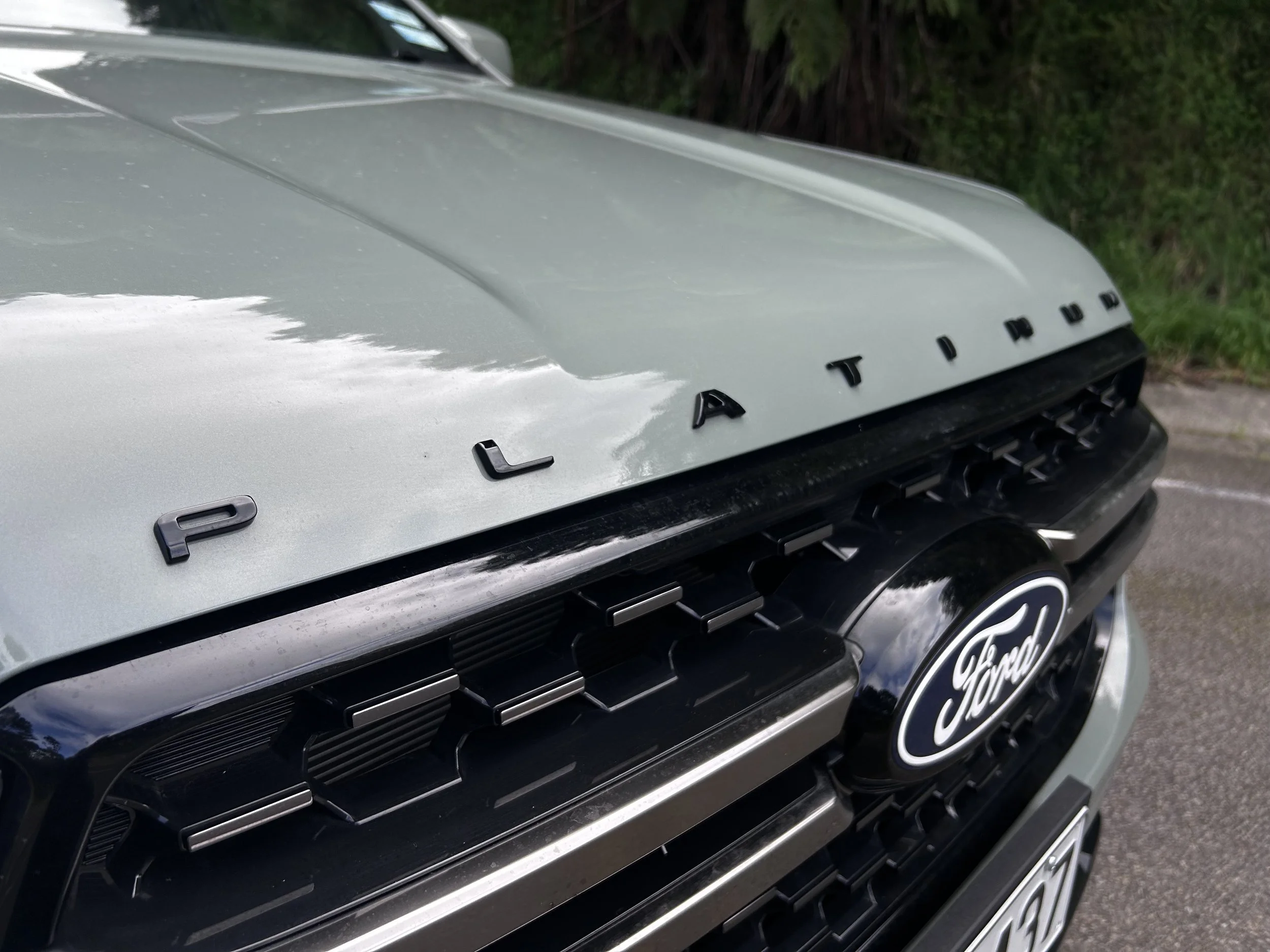
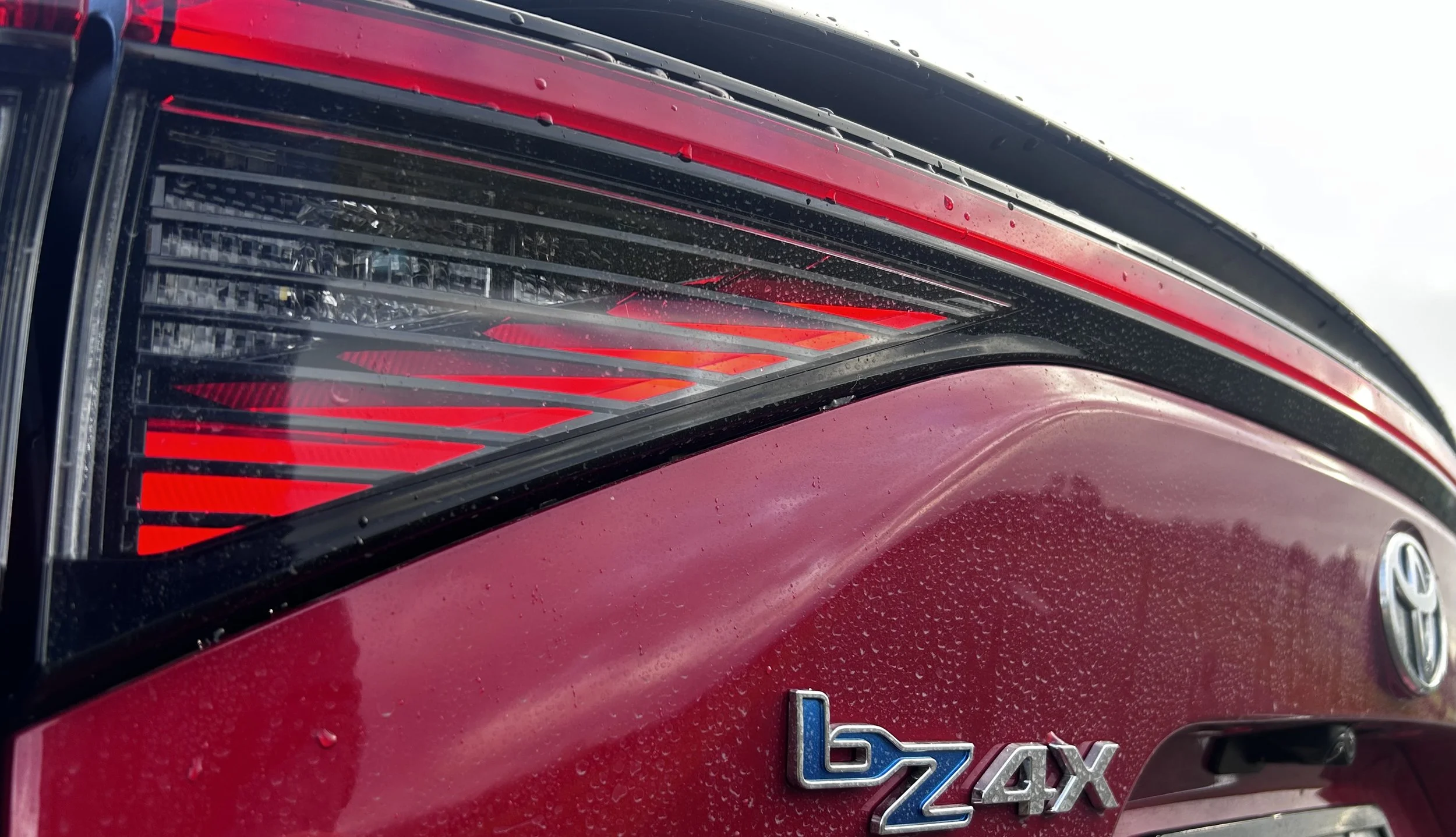
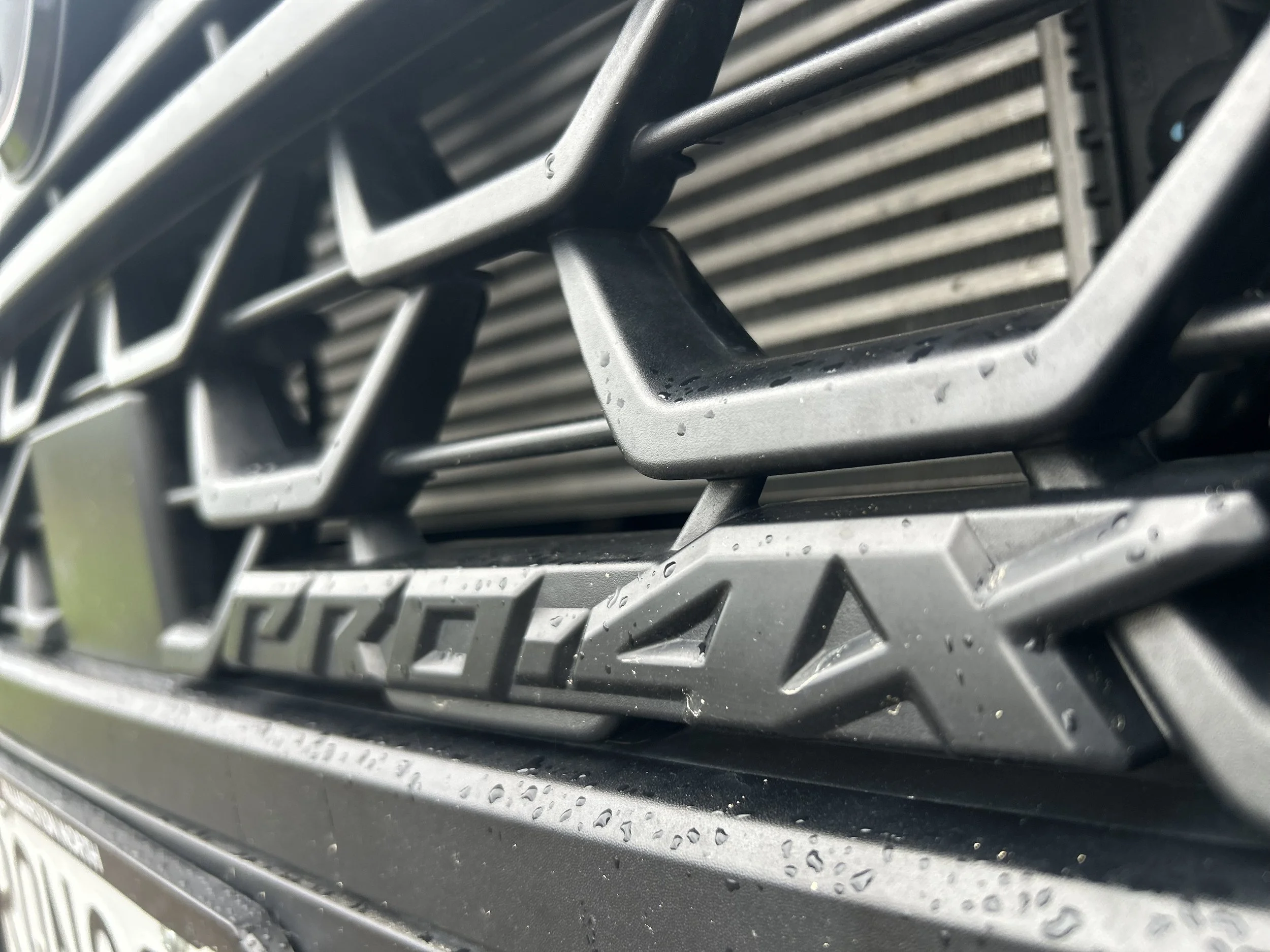
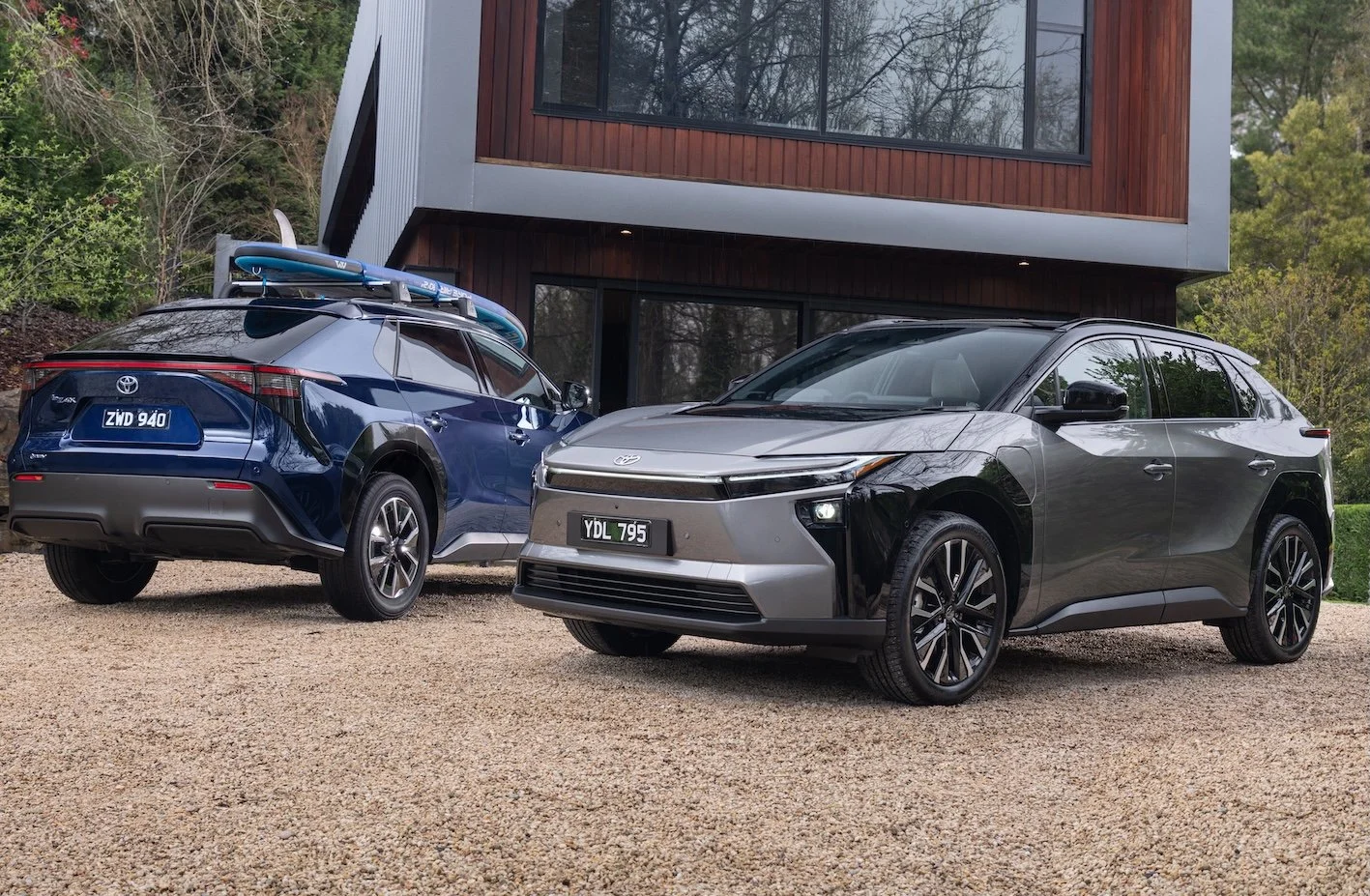
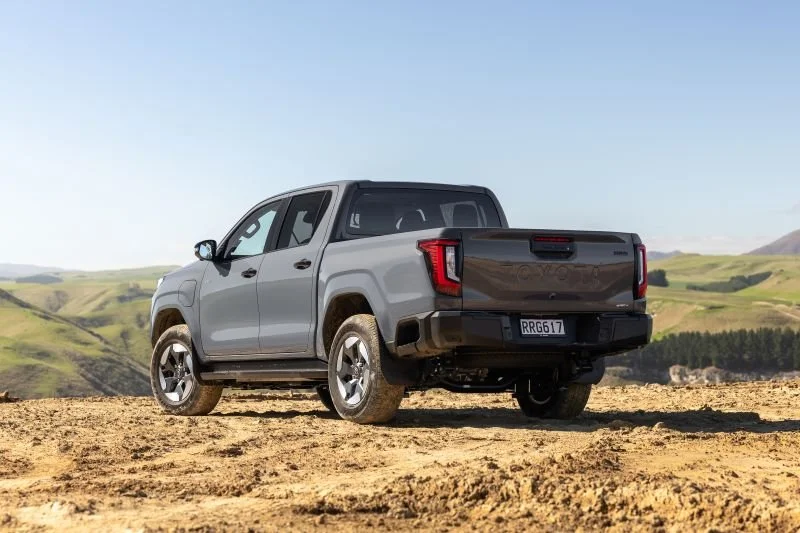
It has just broadened its fully electric suite, notably with introduction of a battery-dedicated version of the Hilux one-tonne utility (below), the first in all-wheel-drive to offer to the serious end of the off-road sector, plus a refresh of the bZ4X electric sports utility (above) that includes a new Touring flagship.
At a briefing to media about the new Hilux, Toyota New Zealand vice president Andrew Davis said he anticipated consumer interest in battery-involved cars to continue to rise in light of the ongoing unrest in the Middle East.
In subsequent comment, he also said thoughts shared by electric vehicle advocacy group Drive Electric in a 'State of the Nation' report presented Parliament yesterday were of relevance and largely in line with his brand’s thinking.
The Palmerston North-based market leader is the sole new car brand here to have committed to carbon reduction targets across its business, from its operations to the lifetime carbon emissions of the new vehicles it sells.

That strategy has seen it consciously limit availability of high CO2 emitters, notably all the off-road capable vehicles it sells, despite knowing it would be able to easily sell more.
Drive Electric has called for consistent, cross-party policies to get more battery EVs and charging infrastructure on the road, saying electrifying transport will do far more than just helping New Zealand meet its emissions reduction targets.
“It strengthens energy security, reduces reliance on imported oil and allows more of New Zealand's transport system to run on locally produced renewable electricity,” it said in a report.
It also believes policy changes under the current Government that axed many incentives means uptake is now lagging.
Davis says TNZ’s viewpoint is that country needs a clean car standard “because for the country to reduce emissions that's important.”
But more is required, he adds.
“The second thing is we think we need a longer term perspective on that.
“ … we need to think longer term because as you know, it takes longer for us all to try and look at product roadmaps to pursue.
“The third thing we're advocating for is we need a system that is unique to New Zealand.
“What we're saying there is we don't think we can just adopt another country’s legislation, say like Australia’s.
“We have to consider best practice, but New Zealand's got a car park that's aging now more than 15 years old and that's made up of New Zealand-new and imports, which lots of countries don't have.
“So we have to consider that in whatever the policies are we develop.”
He took note of Drive Electric criticism of how cessation of rebates for new EVs and PHEVs costing less than $80,000 at end of 2023 had been a factor in the desire for those technologies having seriously derailed since, with buy-in only picking up again from February when fuel prices rose and there was concern about supply disruption.
The spruik group says that despite the benefits of electrifying transport, and building momentum around the world, NZ’s own transition has slowed.
The report pinned the blame firmly on the Government's decision to axe most incentives, including the Clean Car Discount and road user charge exemptions for EVs, along with weakening the Clean Car Standard established by Labour that penalises importers for bringing in higher-emissions vehicles.
EVs fell from 27 percent of all new vehicle sales here in 2023, to 11 percent last year, although increased to 18 percent in the first quarter of this year as result of the fuel crisis.
Davis said his brand had noticed the effects, but added the scenario presented by Drive Electric required perspective.
“I think in defence of the Government, when you're trying to balance lowering emissions both globally and locally and then you've got to work within the constraints of the economy with cost of living and some of those elements that crop up.
“(But) we think there needs to be good stewardship from the Government. The biggest thing you need is time.”
A further review of emissions standards is expected in June. With a general election in November, there is thought from some within the automotive sector that this might not happen. Davis hopes that isn’t the case.
Drive Electric has also pushed for using electric cars to help create energy resilience, focusing on the potential of 'vehicle-to-grid' technology, where off-peak electricity can be stored and then exported back to the grid from parked household and business EVs at times of peak demand.
Australia had gone from piloting the concept, to having it ready to launch this year, in just 18 months, the report said.
NZ could do the same, with vehicle-to-grid capability available in many EVs now but not enabled, the organisation says. “The constraint is not hardware. It is co-ordination.”
Household and business EV owners should be allowed to earn revenue from vehicle-to-grid technology, and there had to be consistency across lines companies, Drive Electric believes.
Enabling vehicle-to-grid could help balance supply and demand across the electricity system.
"If 30 percent of New Zealand's fleet were V2G-enabled, the combined output would be comparable to all of New Zealand's power stations running at full capacity.”
Davis agrees with the concept and says while Toyota and Lexus cars sold here do not provision V2G capability, their equivalents in Japan are equipped for that.
However his operation is working with Toyota Motor Corporation in Japan to find a way to make it operative in future products.
“The obvious thing is if you've got a battery source that's sitting in a vehicle that you can keep reusing … well, why wouldn't you? It just makes sense. So … we would support it if it was available.”
Even without full vehicle-to-grid capability, there were huge benefits to individual households and businesses from increasing the number of EVs, Drive Electric said.
The stored energy could be used to power appliances and tools and run household and building electricity systems, including during network outages.