
Cannon PHEV goes Shark hunting
/GWM set to be first ute distributor with two sizes of tray deck in PHEV configuration.
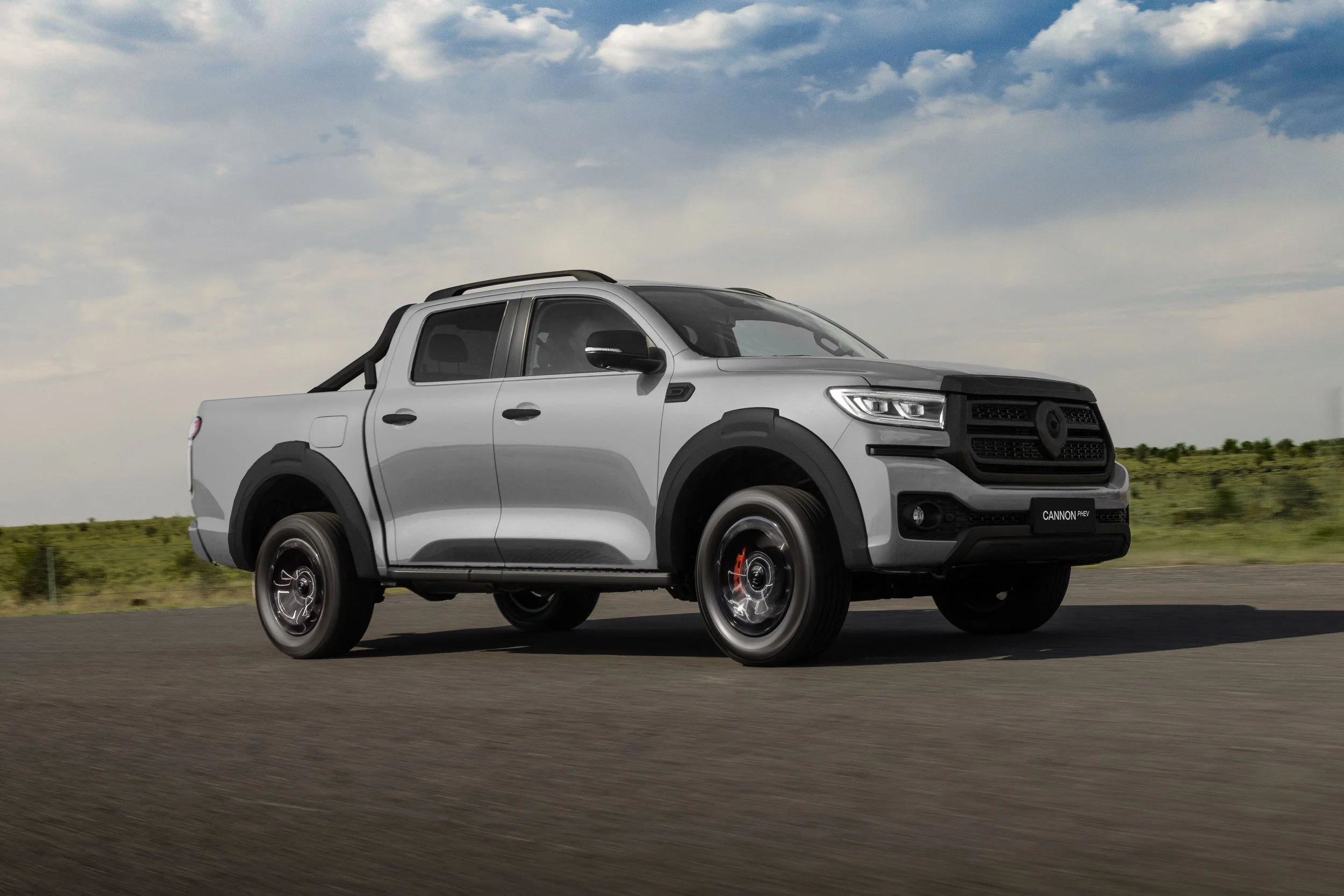
SUPERIOR towing and slightly more torque than the strongest rival, but a touch less power and potential reliance on Kiwi consumers accepting highly-suspect range and efficiency data.
These are some of the known factors in respect to the new entry to the plug-in hybrid utility sector here.
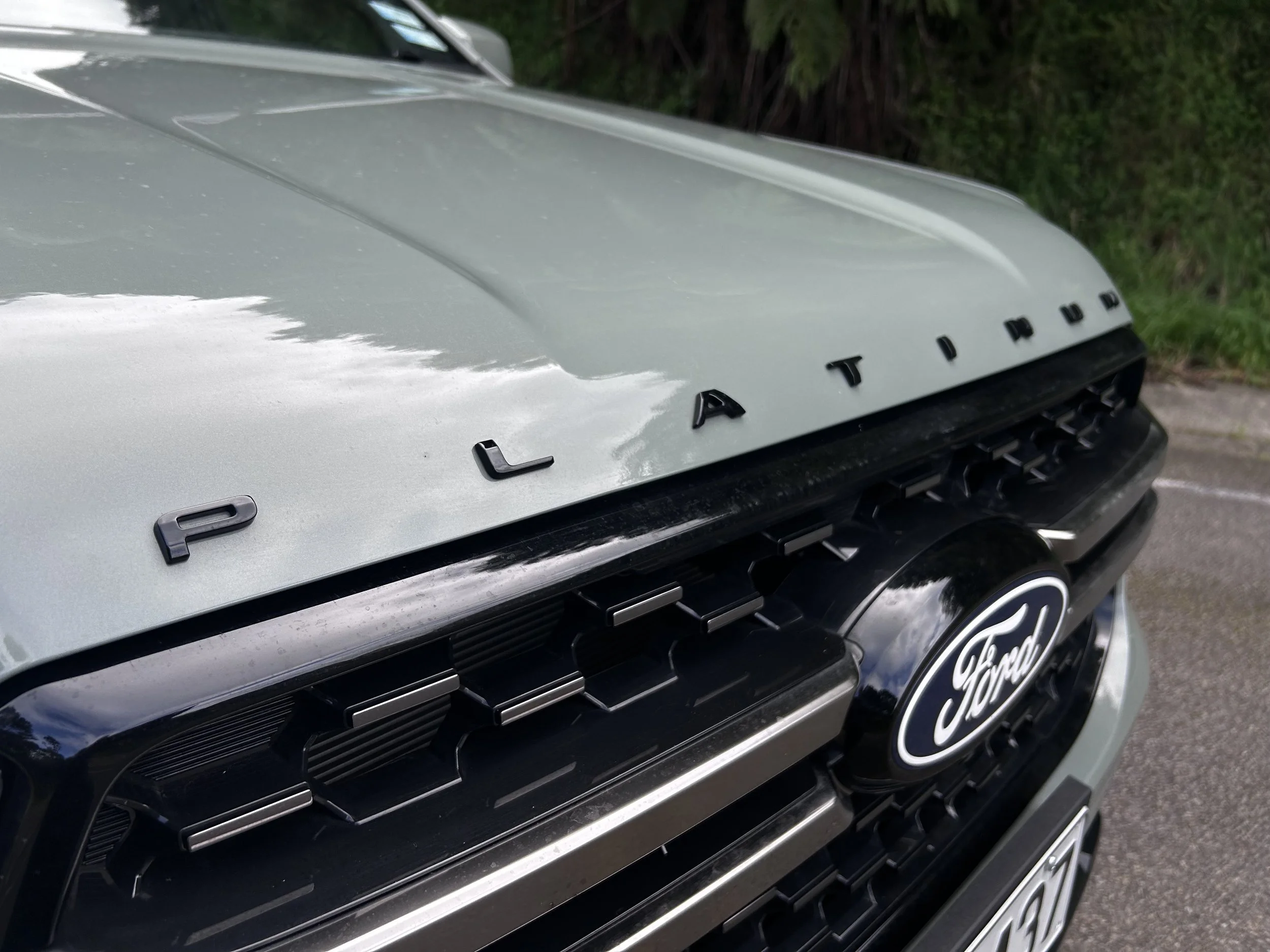
A plug-in hybrid version of GWM’s Cannon ute has been announced for introduction here later this year, with expectation it will go head-to-head on price with the BYD Shark 6 in a category in which the Ford Ranger PHEV also competes.
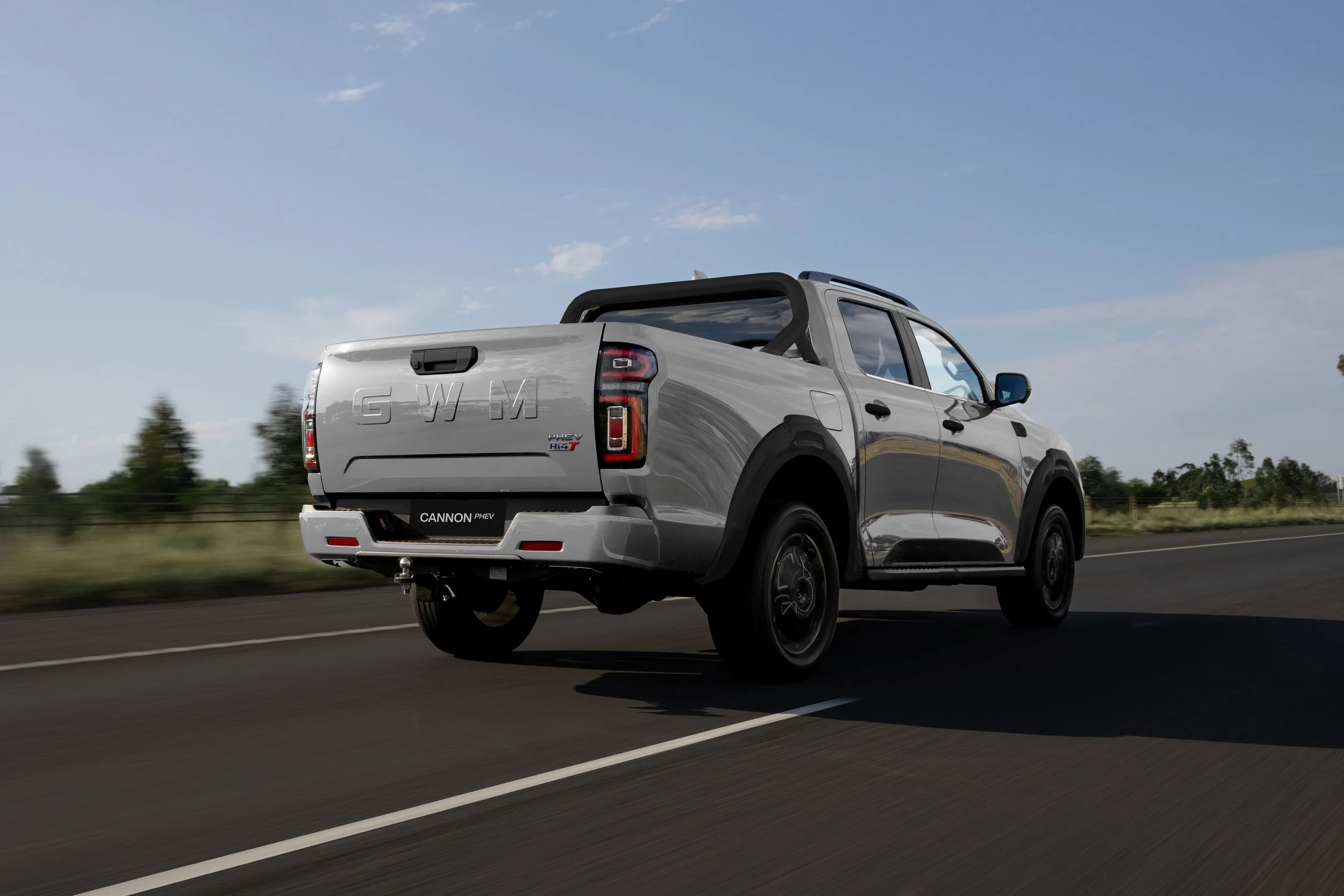
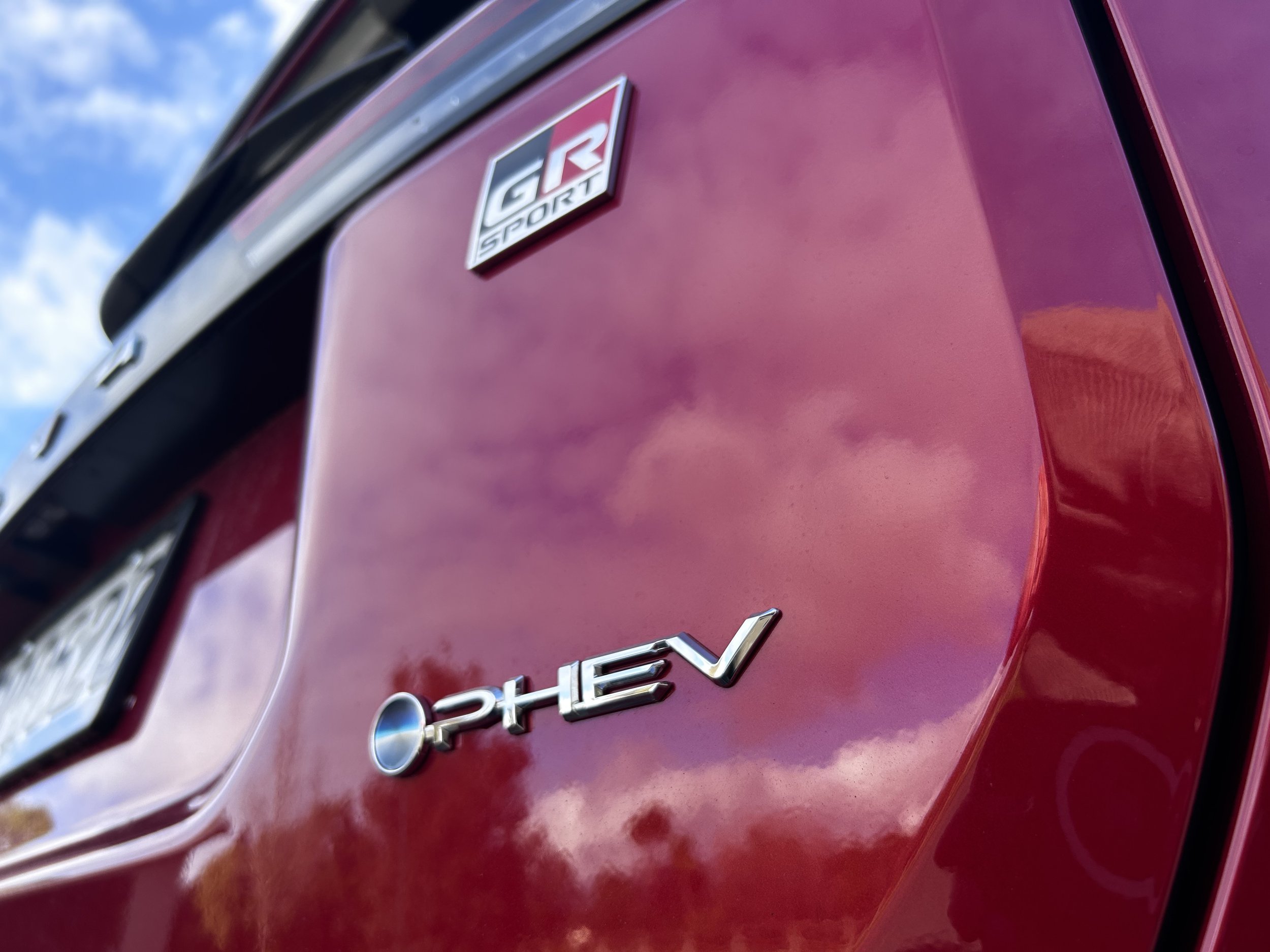
The Cannon Hi4-T PHEV joins the larger Cannon Alpha Hi4-T as the second plug-in hybrid ute in GWM’s local line-up, making the Chinese brand the first manufacturer to offer two PHEV utes here.
The new edition means GWM now offers two Cannon model families across multiple body styles and four different powertrains, spanning petrol, diesel, hybrid and plug-in hybrid options.
GWM has not announced NZ pricing or full specifications but says the Cannon Hi4-T will be positioned among the country’s more affordable plug-in hybrid utes when it arrives.
A sign it will undercut the Ranger, which already sits in a higher price band to Shark 6.
GWM the new model has been developed to bridge the gap between traditional diesel-powered work utes and fully electric vehicles by combining battery-electric driving with conventional four-wheel-drive capability.
Power comes from a 2.0-litre turbocharged petrol engine paired with an electric motor, producing a combined 310kW and 750Nm - so, slightly more power than the same capacity unit in the Cannon Alpha. The drive system’s battery capacity in the Cannon is also slightly smaller than for Cannon Alpha, at 33.1kWh.
The plug-in hybrid system is matched to GWM’s Hi4-T drivetrain, which retains a conventional transmission and mechanical four-wheel-drive system rather than relying solely on electric motors to drive one axle.
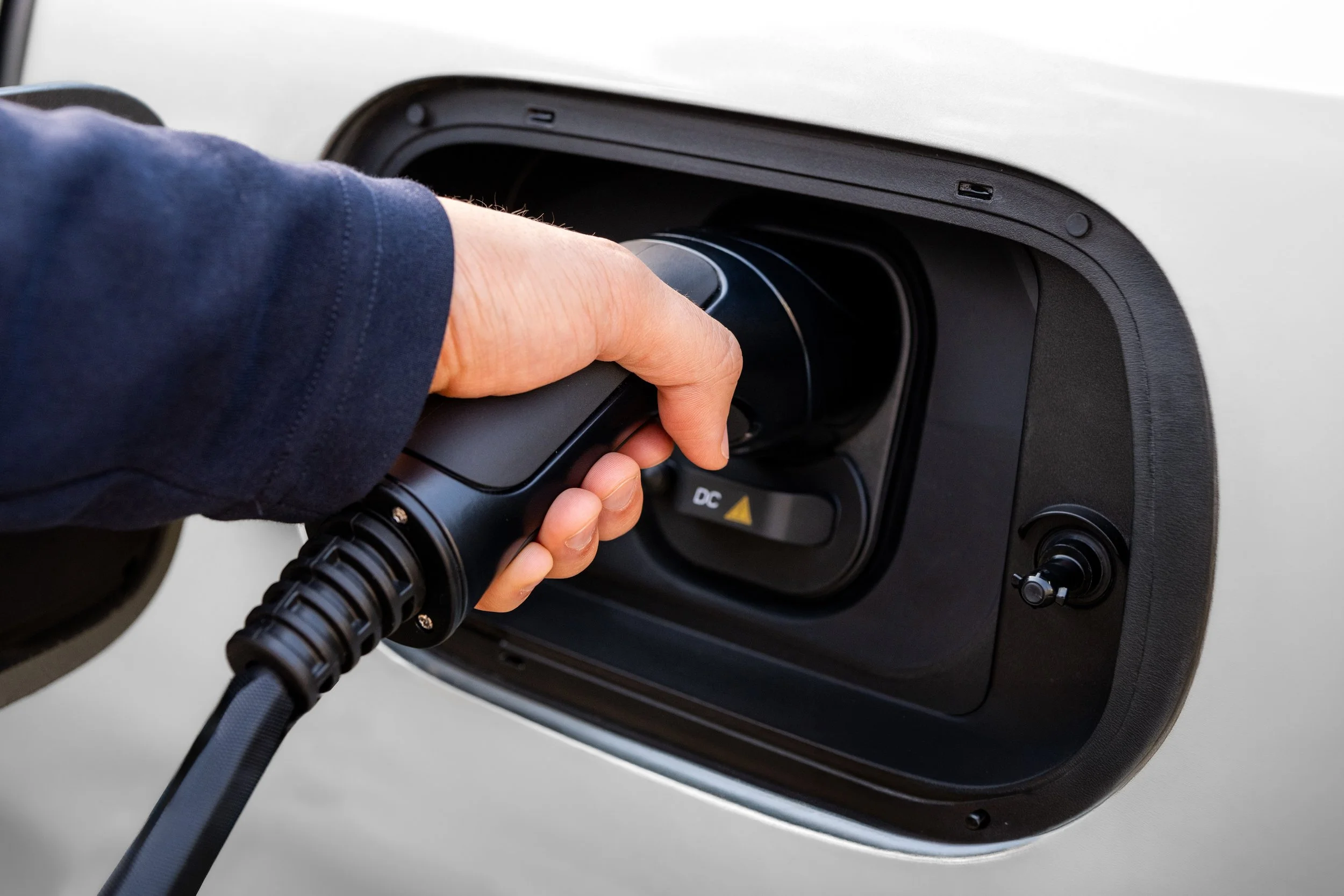
GWM claims combined fuel consumption of 2.4L/100km, but frustratingly that and the cited electric-pure range of 115 kilometres - come from using the NEDC formula which still applies legitimately in Australia, but is not preferred here.
Since start of 2026 regulators have desired brands to supply data to the WLTP standard, but some - GWM included - simply ignore that hope, and there has never been any move by Goverment agencies to enforce the shift.
WLTP always delivers less optimistic counts than NEDC, which has been decried as being highly inaccurate for the past decade.
GWM says its configuration will allow many owners to complete daily commuting without using the petrol engine.
When both power sources are combined, the company claims a total driving range of 1037km … but again, that’s a NEDC rather than a WLTP figure.
BYD use WLTP data for Shark 6; it says the Premium with 321kW/650Nm will achieve 100 kilometres’ driving on electric alone while the Performance, with 350kW and 700Nm from a larger petrol engine, is good for 80kms’ electric-only range.
GMW points out that, unlike many electrified passenger vehicles, the Cannon Hi4-T has been engineered to retain its towing and off-road credentials.
It offers a 3500kg braked towing capacity, while the traditional four-wheel-drive system is intended to preserve off-road capability in challenging terrain.
The new model also features Vehicle-to-Load (V2L) capability, including 230-volt power outlets integrated into the ute tub, which has a payload capacity of 830 kilograms.
The V2L system allows the vehicle’s battery to power equipment such as tools, camping appliances or household devices when parked.
Unlike the Cannon Alpha, it does not have the inconvenience of stowing the spare wheel on the deck, but instead has a conventional under-body location.