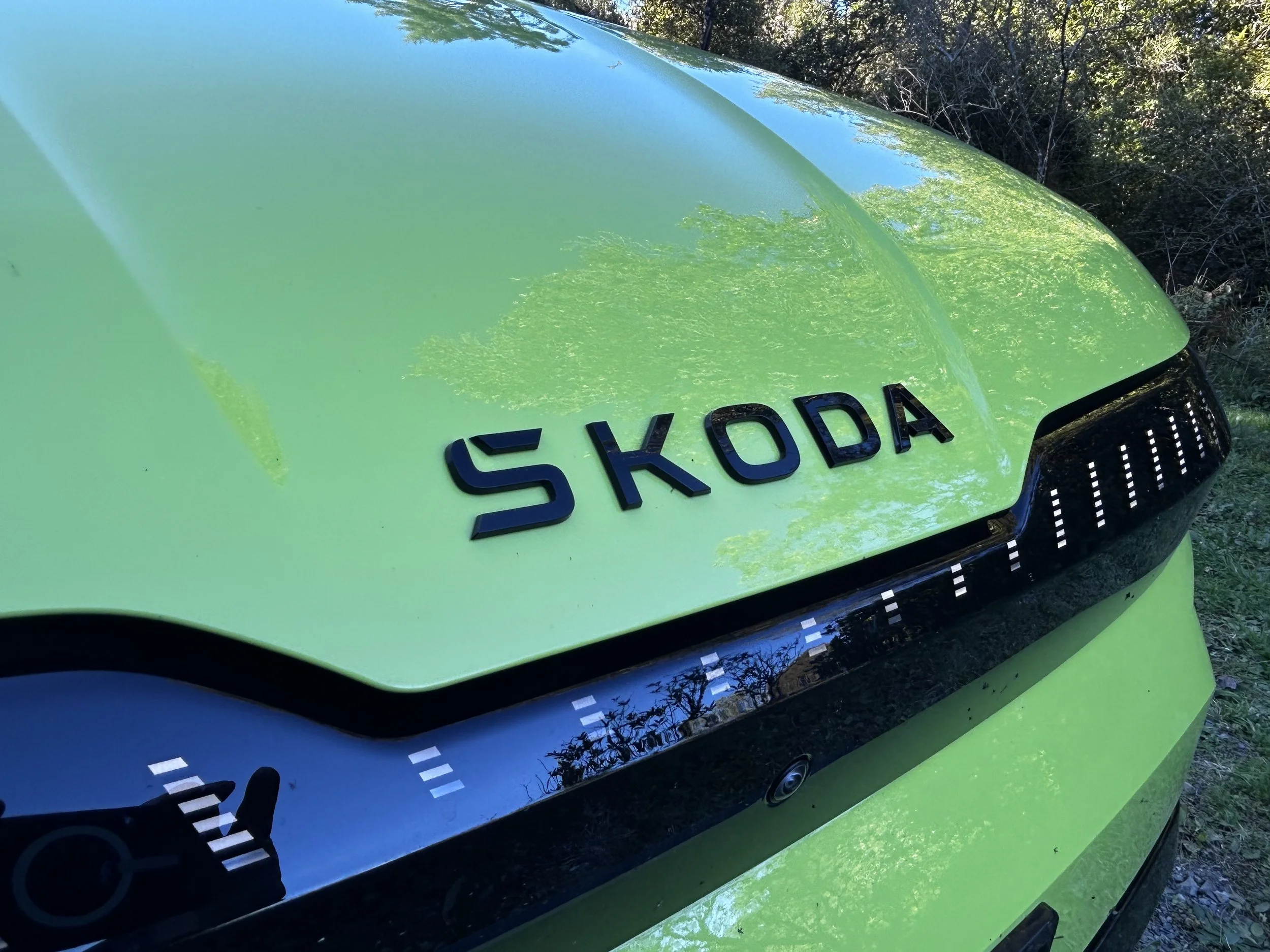

Hydrogen for hire - Mirai now a rental
/For basically the same daily hire rate as a Corolla you can sample a Toyota no amount of money here can buy outright.
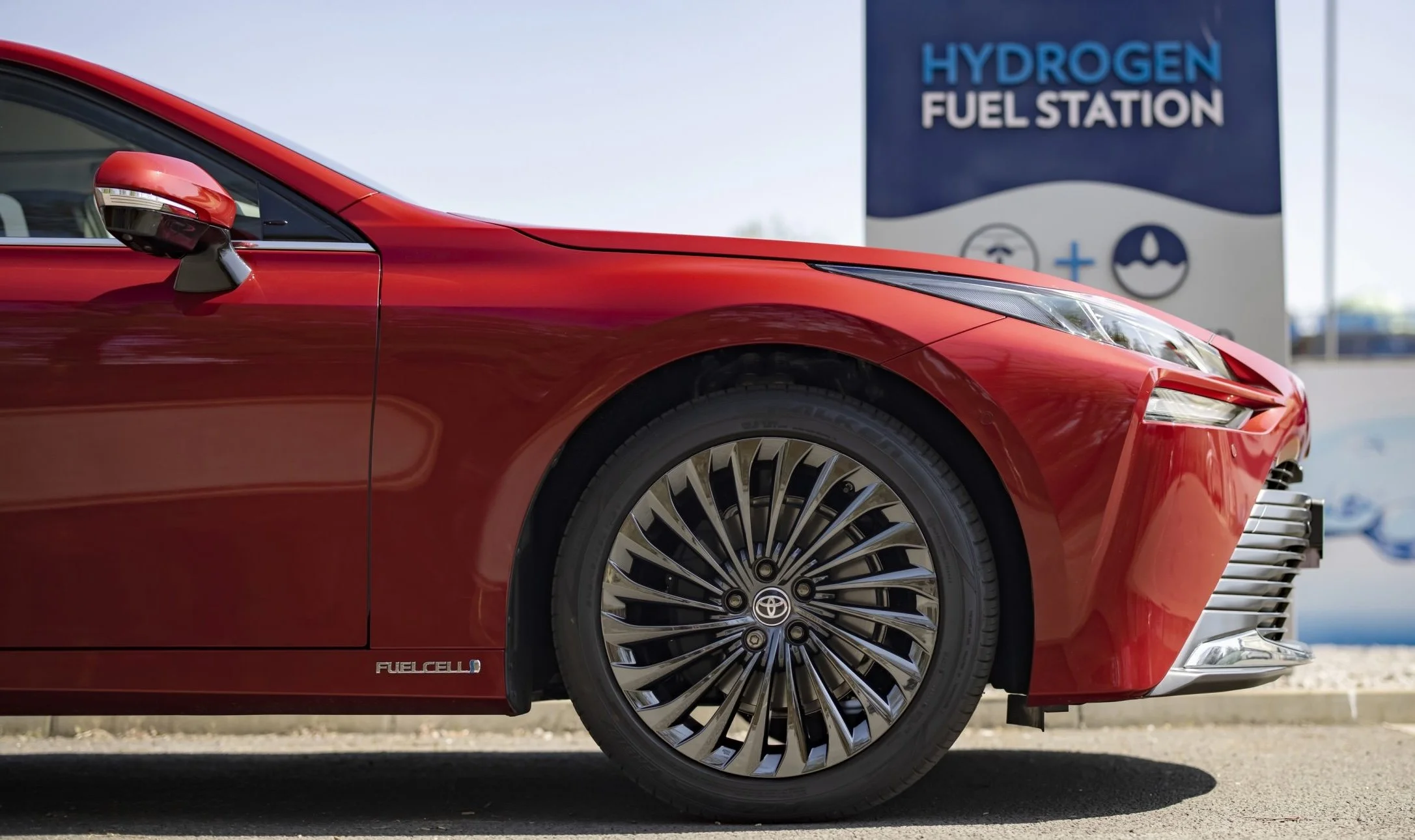
PERMANENT ownership of Toyota’s fuel cell car is no closer, but the experience of driving on hydrogen can now be experienced short-term.
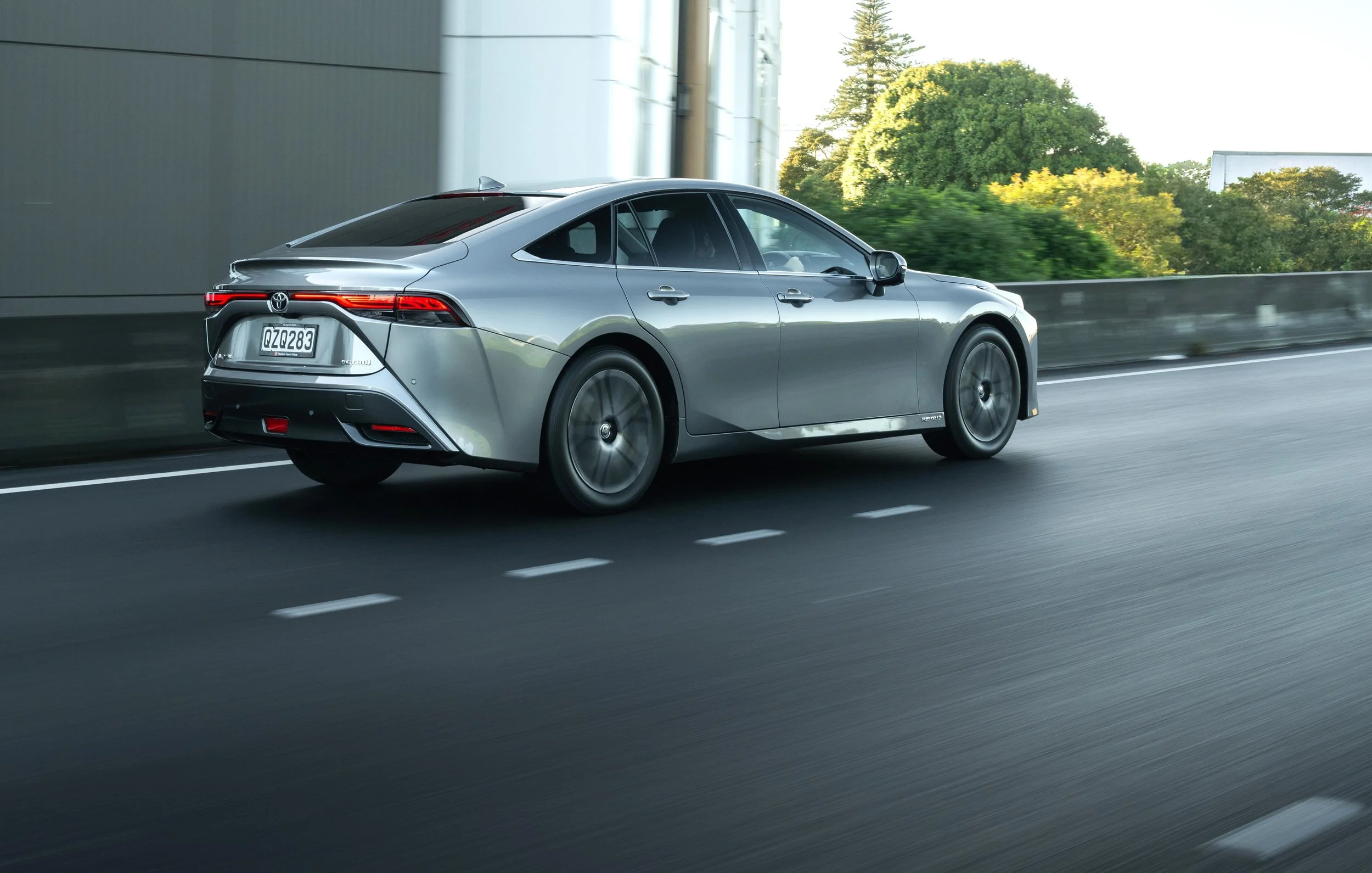
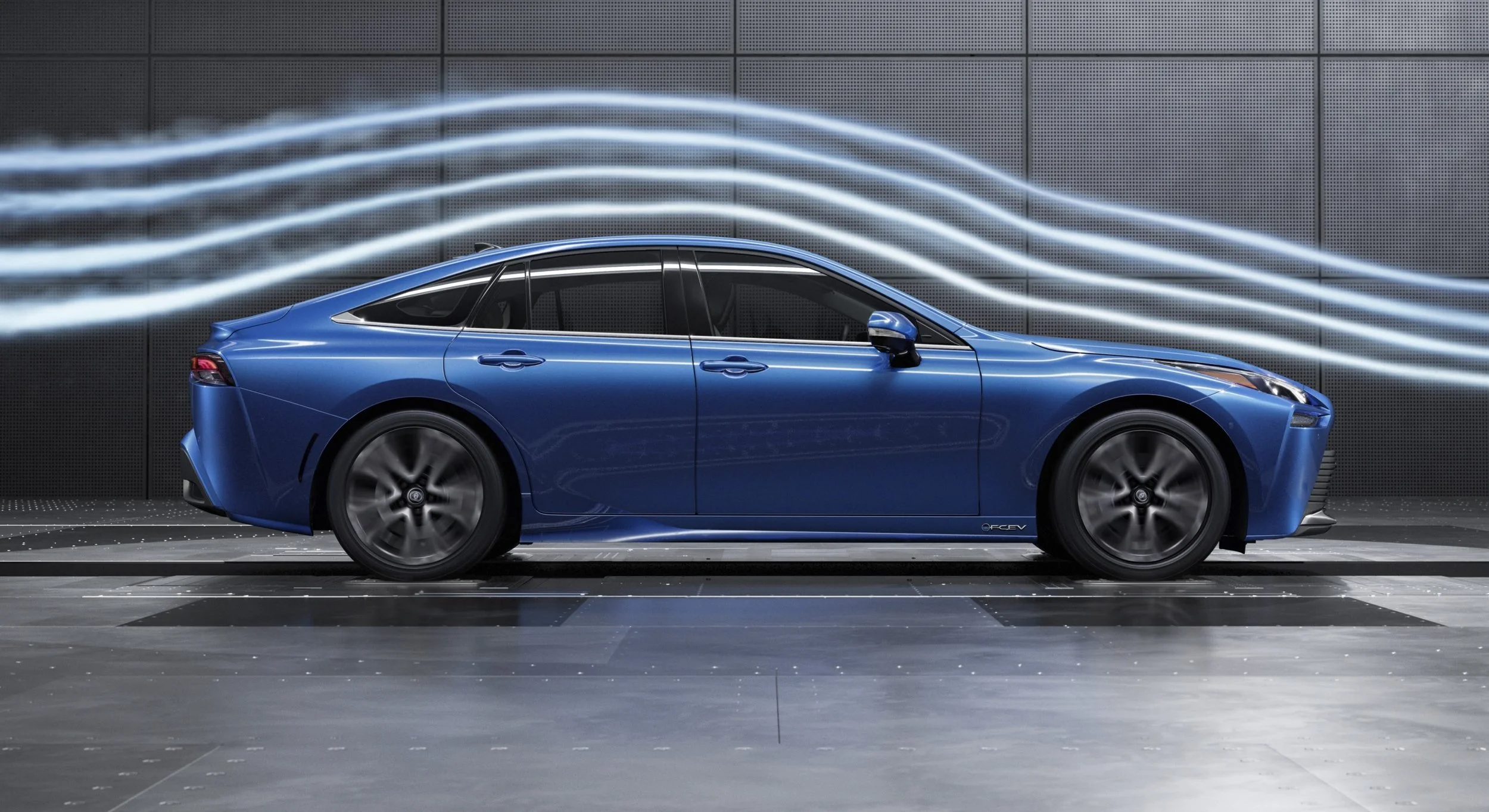
Toyota New Zealand has opened up access to its Mirai car via a hire scheme running until February next year. The opportunity is specific to just one location, Palmerston North, and comes with caveats, but cost is low, way less than hirers typically charge to drive full electric premium cars, which Mirai logically compares against. The brand is hoping for strong uptake from the curious.
Three examples of the five-seater medium sedan - which in size and shape is similar to its Camry sedan but in operability is more akin to its fully electric bZ4X car - are being provided by Toyota New Zealand to Ezi Car Rental, owned by Toyota Financial Services. Hydrogen supplier Hiringa Energy also involves.
Mirai is designed as a premium pitch yet the cost of accessing is akin to the usual rate for run-of-the-mill Toyota hybrid, like a Corolla Cross or RAV4; $99 a day, discounted to $79 until September 30, with hire up to two days. With Mirai, fuel is included, but there’s a catch to that - it’s an incomplete fill of hydrogen.
The last is reflective of a limitation to refuelling, which BTW will be left to experts, and also dictates the maximum driving distance of 250 kilometres, which amounts to less than half the car’s factory-cited optimal range.
Rodger Spillane, senior manager of TNZ’s hydrogen programme, said that mileage is still comfortably enough to make it well suited for business travel throughout Palmerston North and the surrounding Manawatū region.
He is confident the exercise will be an eye-opener for those who have always wondered about fuel cell technology, which the motoring world has dabbled with for years but has yet to fully embrace.
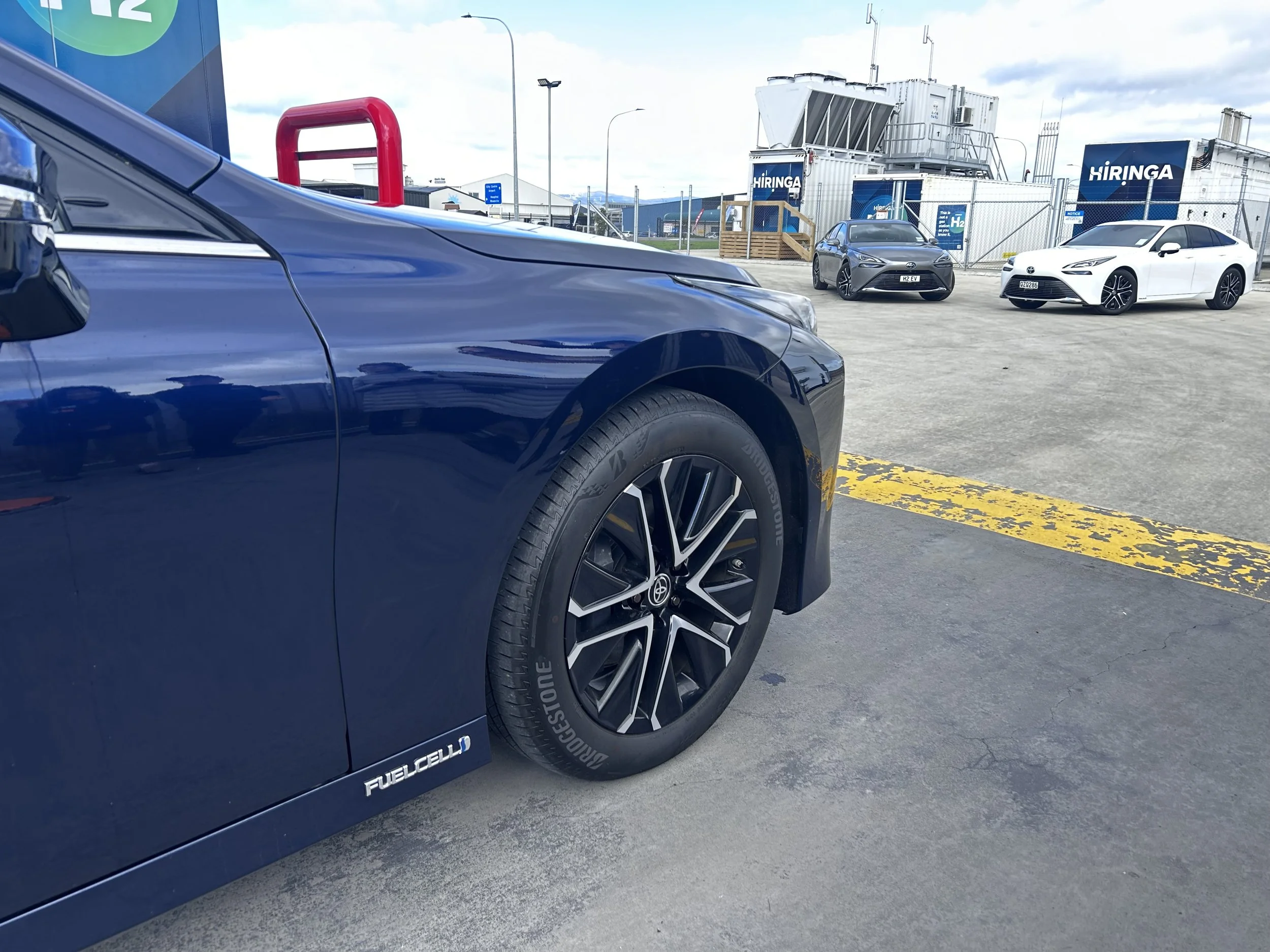
“It’s a great opportunity for Ezi customers to experience the Mirai, so increased awareness and enjoyment of hydrogen mobility, and a test of the rental model during the pilot period.”
That sentiment is share by Ezi chief executive Anthony Kearns, whose thought that most of his customers might have never seen a hydrogen vehicle, let alone driven one, is statistically well-founded.
Within the national fleet of almost four million cars, utes and vans, just 40 vehicles here are hydrogen-involved, and three quarters those are Toyota Mirai cars.
Says Kearns: “The Mirai is a special experience, and renting one takes no more effort than hiring any other car with us.
“Once people try it, it will change how they think about travel.
“We’re to be the first rental company in Aotearoa to pilot this and we’re excited to see the reaction from our corporate customers.”
Renting is as far it goes for Mirai. TNZ remains adamant it has no plan to ever put it into the showroom.
But it certainly embraces the technology, being as enthusiastic about the potentials as the parent brand, which has been studying hydrogen’s potential automotive applications for several decades. Years ago released around 5000 fuel cell patents it held in forlorn hope that a critical mass of cars would bring hydrogen breakthroughs closer.
Mirai alone results from a programme into which it has sunk billions.
TNZ started with Mirai in 2022, with the first generation type; it still has a couple of those but mainly has the second generation model, a big step up from the original revealed in 2015.
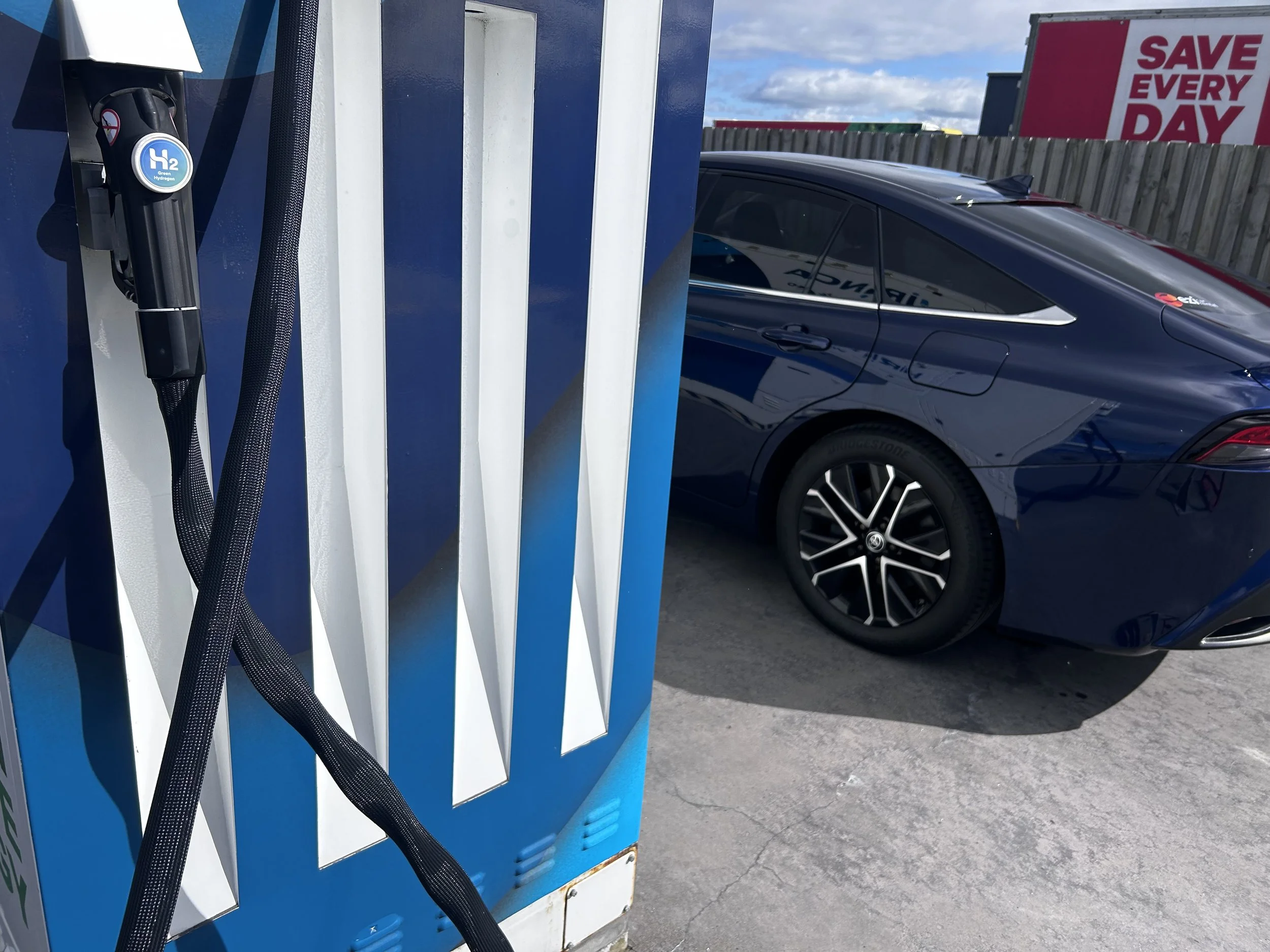
The firm believe fuel cell vehicles - cars, heavy transport, even forklifts - are relevant to NZ due to our high potential to create ‘green hydrogen’; so-called because it is produced from renewable energy.
Showing how FCV can stand as an alternate to the hybrids that are TNZ’s bread and butter and the expanding choice of orthodox battery-fed electrics feeding a sector now returning to growth might seem all the more relevant at time of fossil fuel price and supply uncertainty.
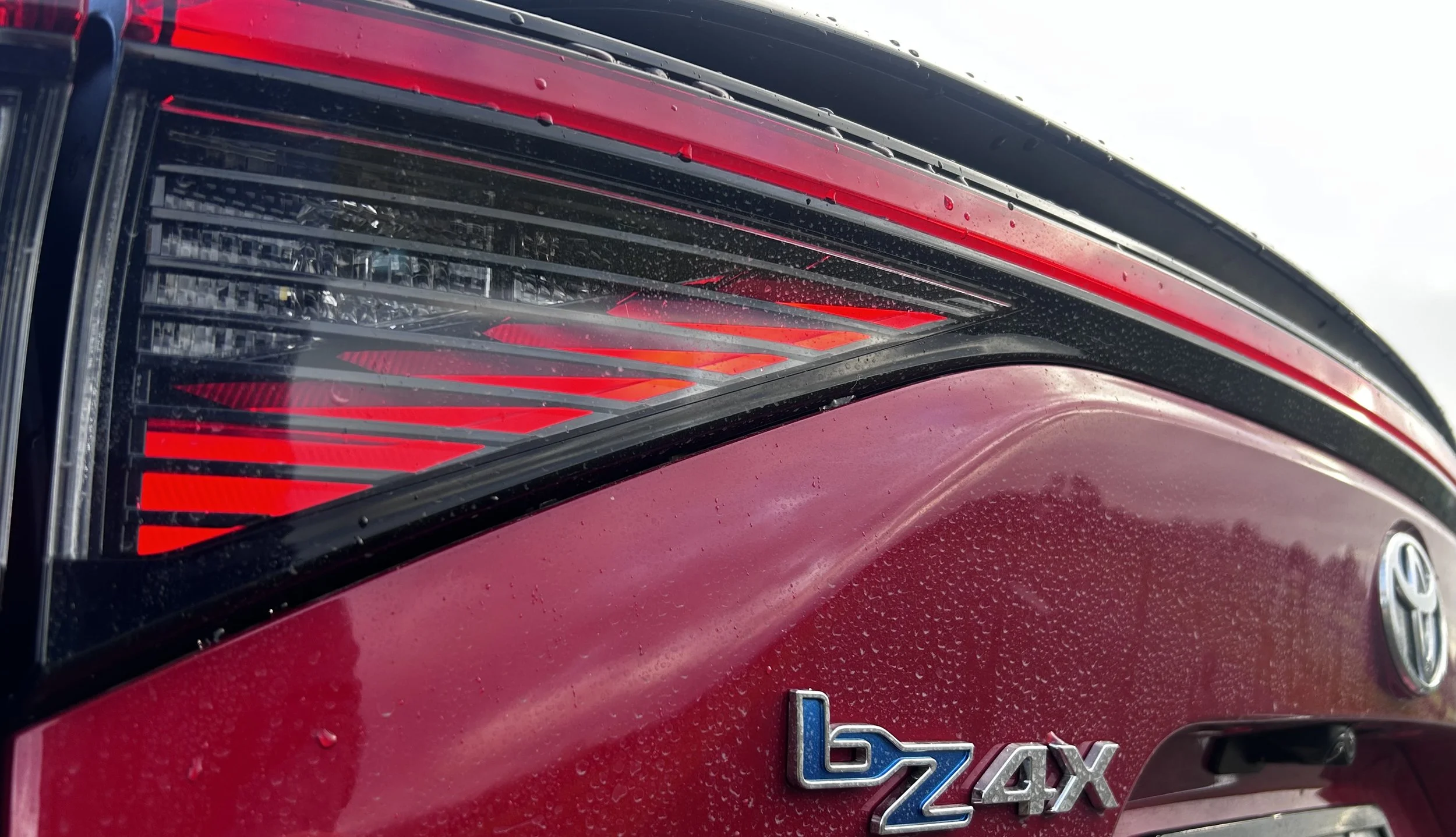
TNZ chief executive Tatsuya Ishikawa sees this programme being an extension of another, centred in Auckland, whereby hirers can experience the battery electric bZ4X.
The aim is to give more people the opportunity to experience different powertrain technologies and understand how they can fit a range of lifestyles and transport needs.
“The best way to understand new vehicle technologies is to experience them first-hand. Whether it’s battery electric, hydrogen fuel cell, experiencing these vehicles helps people better understand the role they can play in New Zealand’s future transport mix.”
In addition to building up a Mirai fleet to 30 examples, TNZ has involved in the conversion of two heavy trucks for line haul work - thus matching a pitch rival Hyundai has undertaken - and also placed a fuel cell into an America’s Cup chase boat.
This trial follows the Toyota Hydrogen Project, a two-year endeavour in central Auckland that wrapped up in mid-2025 involving corporates. The Warehouse, Air New Zealand, Saatchi and Saatchi, TVNZ, Beca, Westpac NZ, Spark and Z Energy were chosen for that.
Ezi has 18 airport locations but Palmerston North’s was chosen because it’s close to TNZ where some Mirais are kept, others being in Auckland. Palmerston North is also the technical support base. Plus the city is also home to the southern-most of Hiringa’s four national hydrogen stations.
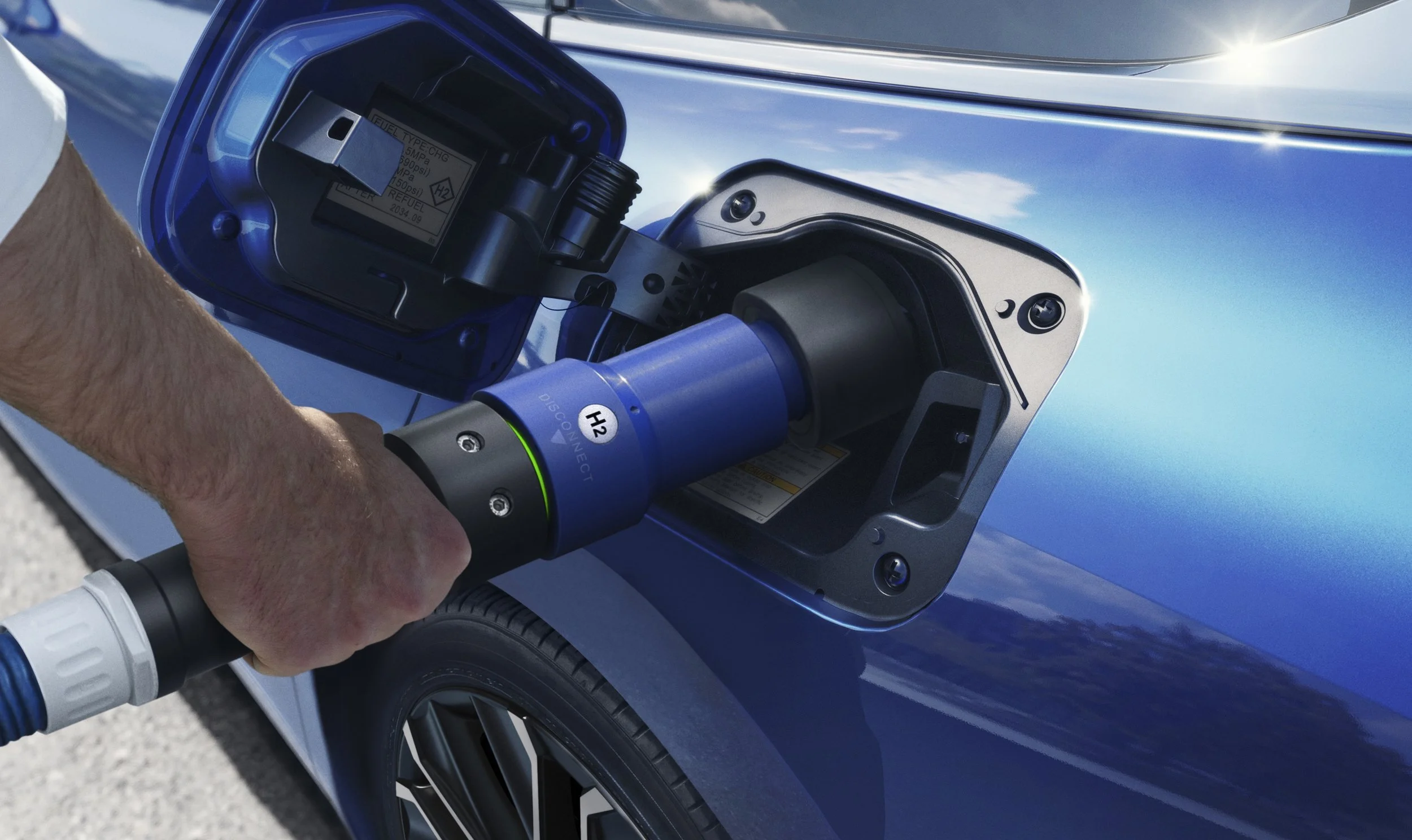
The fuel is made and stored at those sites but, because they were originally configured for heavy transport, the Manawatu one - all but next door to the car hire premises and only couple of kilometres from TNZ headquarters - has required further redesign to accept the car as well.
In respect to that, though, there has had to be a concession: Fuel cells require hydrogen gas to be kept under very high pressure, both in supply and when in the car, where it converts into electricity through a chemical process, electrolysis.
Mirai has three high pressure storage tanks holding 5.6 kilograms of hydrogen.
To fully fill these hydrogen has to input at 700 bar. The Hiringa apparatus is prioritised for truck tanks, which cap at 350 bar. Hence why the mileage limitation.The car is basically being loaned half filled.
Still, it’s a quick uptake. Replenishing Mirai takes around the same time required to fill up a conventional fossil-fuelled vehicle; a major advantage over an EV.
In Toyota’s car, the conversion of the fuel into electricity occurs through a 128kW multi-cell polymer electrolyte fuel cell stack that feeds a 1.2kWh lithium-ion battery than in turn runs a 134kW/300Nm electric motor on the rear axle.
The purity of hydrogen is reflected in the car emitting not one atom of carbon dioxide or toxic emissions, just a small amount of pure water, which collects in a catch tank.
Of curse, mention the ‘h’ word and you’re going to hear … stuff. It’s worth pointing Mirai has been crash-tested and passed with highest accreditation; it holds a five-star ANCAP score here.
Also, the hydrogen tanks are far, far more robust than any in a internal combustion car, being made of carbonfibre and other exotic materials. They’re tested against explosions and gunfire, can be dropped from a great height and can withstand huge crushing weight.
Speaking of hefty …. TNZ has never spoken to a potential sticker price for Mirai, but there’s acceptance the technology has enough of a premium for it to site above a like-for-like EV.
But, even so, in the few places around the world where it is, or has been on sale - Japan, parts of the United States, the United Kingdom and some countries in Europe included - the stickers simply don’t reflect to development cost. Even if the car was rendered in gold, it’d come up short.
In NZ availability of hydrogen is also a big challenge and its cost is another consideration, though with a kilogram of hydrogen at around $12 to $17 in today's market, brimming a Mirai would conceivably cost much the same as fully replenishing a big battery EV at a commercial recharging station. Of course, most EV owners prefer home charging, which is much cheaper.
In addition to overseeing the Mirai fleet, Spillane and his team are also immersed in a truck venture with TR Group, which plans to have 20 big rigs running on hydrogen fuel cells.
This project advanced last year with display of a 50-tonne hydrogen prime mover based on a DAF truck. In this the original diesel engine was transplanted by two Toyota 85kW fuel cells, a 124kWh battery system, and 52kg of onboard hydrogen storage.