
Electric surge for car registrations
/July delivered a lift in battery-involved vehicle deliveries.
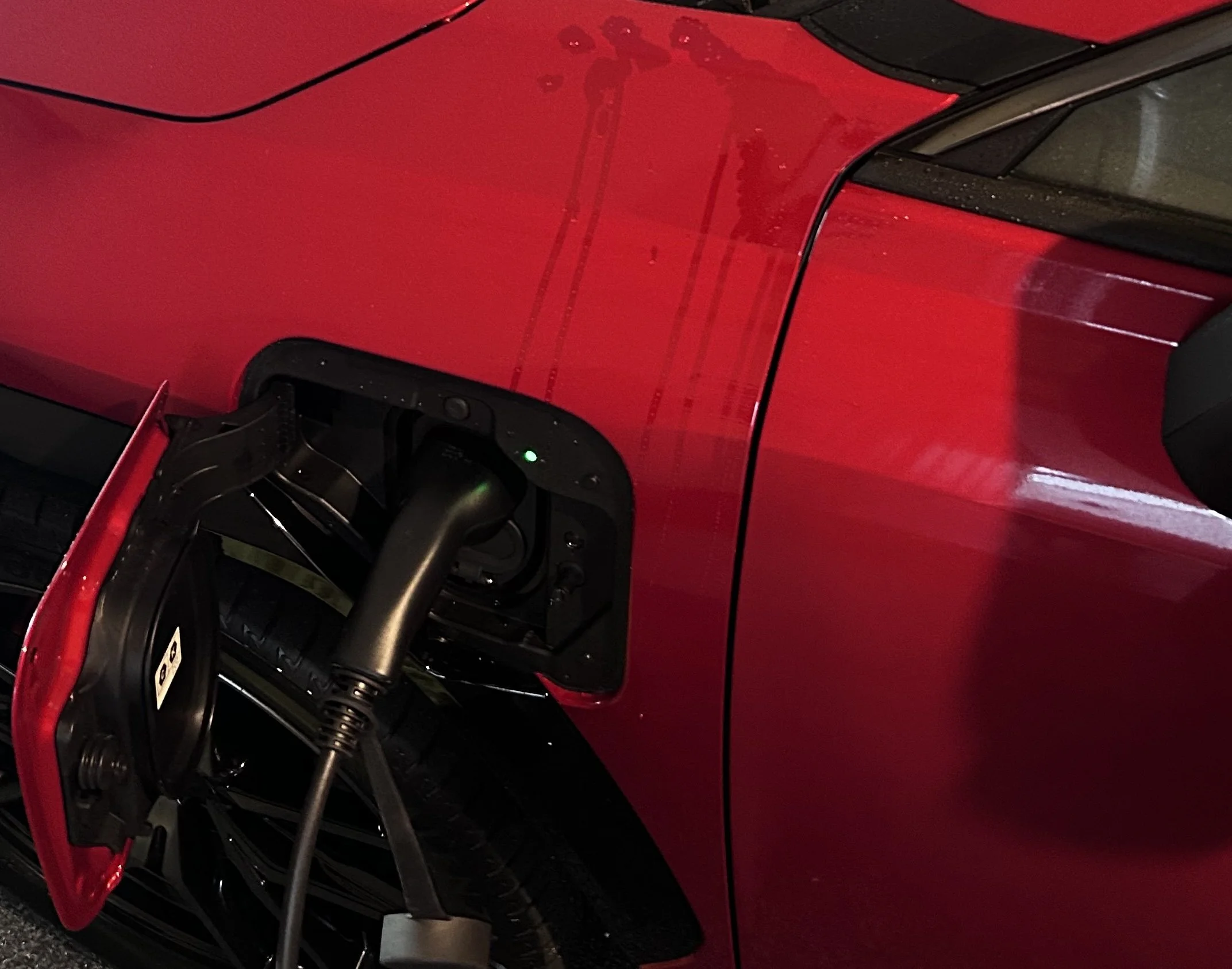
ACCELERATED interest in passenger cars, mainly in electric-involved formats, and a slowing rate of commercial vehicle buy-in coloured new vehicle registrations for last month.
With 11,663 vehicles registered, the count was relatively stable for the period, but market performance varied considerably by vehicle type.
Passenger vehicle registrations increased by 14.7 percent, while light commercial registrations - the zone in which utes play - declined by 28.2 percent and heavy commercial registrations were 20.9 percent lower.
Within that passenger element, a growing interest in electric product has registered.
With 1195 and 1479 registrations respectively, battery electric and plug in hybrid vehicles accounted for 29.8 percent of all new vehicle registrations. This compared with 11.8 percent in July 2025. The majority of that growth isolated to the passenger segment.
Just within passenger, battery electric vehicles accounted for 22.3 percent of registrations and plug-in hybrids accounted for a further 14.4 percent, giving the two technologies a combined share of 36.7 percent in July.
Industry figures say this wasn’t so much representative of purchase patterns specific to the month but more about orders placed earlier in the year now being fulfilled by fresh shipments. This will likely also affect the August return, some believe.
Non plug in hybrids claimed 3135 registrations. With that count included into the electrified vehicles tally, the battery-involved count represented 56.6 percent of the total new vehicle market.
Still, fossil fuel price fluctuation and concern about the ongoing Middle East ruction affecting supply has clearly seen some with back to electric, a big change after two years of desultory sales.
Year to date, battery electric and plug in hybrid passenger vehicles represented 28.5 percent of registrations, more than double the 12.8 percent share recorded during the same period in 2025.
Year to date, total new vehicles registrations are 10.6 percent ahead of the same period in 2025. This growth has been concentrated in the passenger vehicle market, with commercial registrations comparatively subdued. A concern for Ford, given its heavy reliance on Ranger? The one-tonner was still the country’s top selling model for July, with 738 registered. Then came two Toyotas, the RAV4 (on 699) and Hilux (608), then Tesla Model Y, siting as the top selling EV for the period, with 403.
“The July result reflects a resilient market, but with increasingly divergent performance across vehicle segments,” says Aimee Wiley, chief executive of the Motor Industry Association, a lobby group representing most new vehicle distributors here.
“Strong passenger vehicle registrations offset a significant decline in commercial vehicle registrations during the month.
“Although the total market remains well ahead of last year on a year-to-date basis, the underlying results point to different purchasing conditions across vehicle segments.”
In an economic content, this means the outlook is gradually improving, creating a more supportive foundation for new vehicle demand over time, she believes.
The MIA also thinks lower fuel cost pressures and a more moderate interest rate outlook are expected to improve affordability and support household purchasing and business investment.
“Passenger vehicles are currently providing the strongest support to the market, while commercial registrations remain subdued,” an analysis from the MIa said today.
“Further improvement in household spending and business investment would support demand across a broader range of vehicle segments.
“However, geopolitical instability, elevated freight costs and pressure on business confidence remain important risks for a sector that depends on global manufacturing and international supply chains.”
Wiley believes last month’s interest in vehicles with a plug reflects broader model choice, more competitive pricing and continued customer focus on operating costs, with battery electric, plug in hybrid and hybrid vehicles now available across a wider range of transport needs.