
Electric surge for car registrations
/
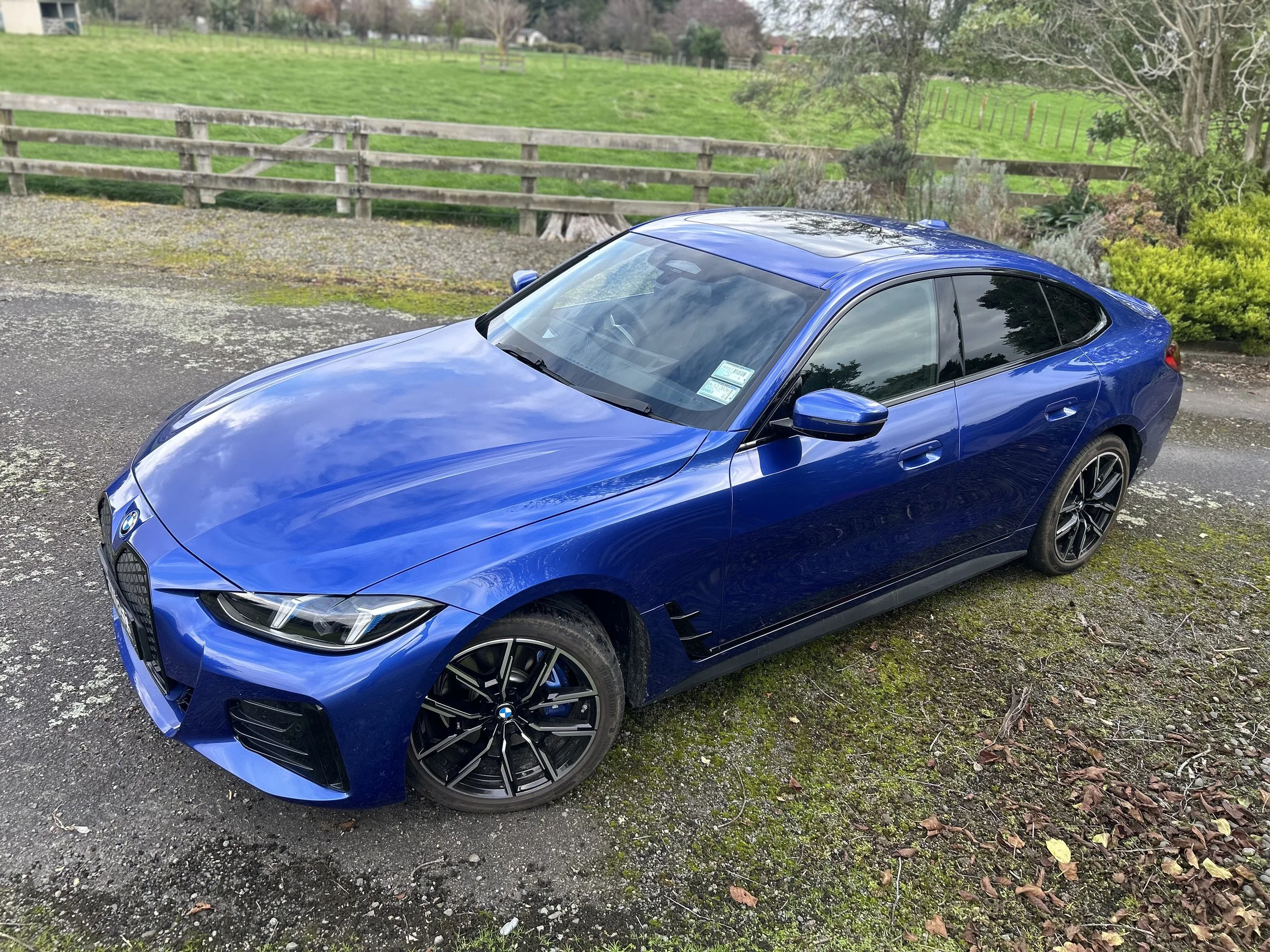
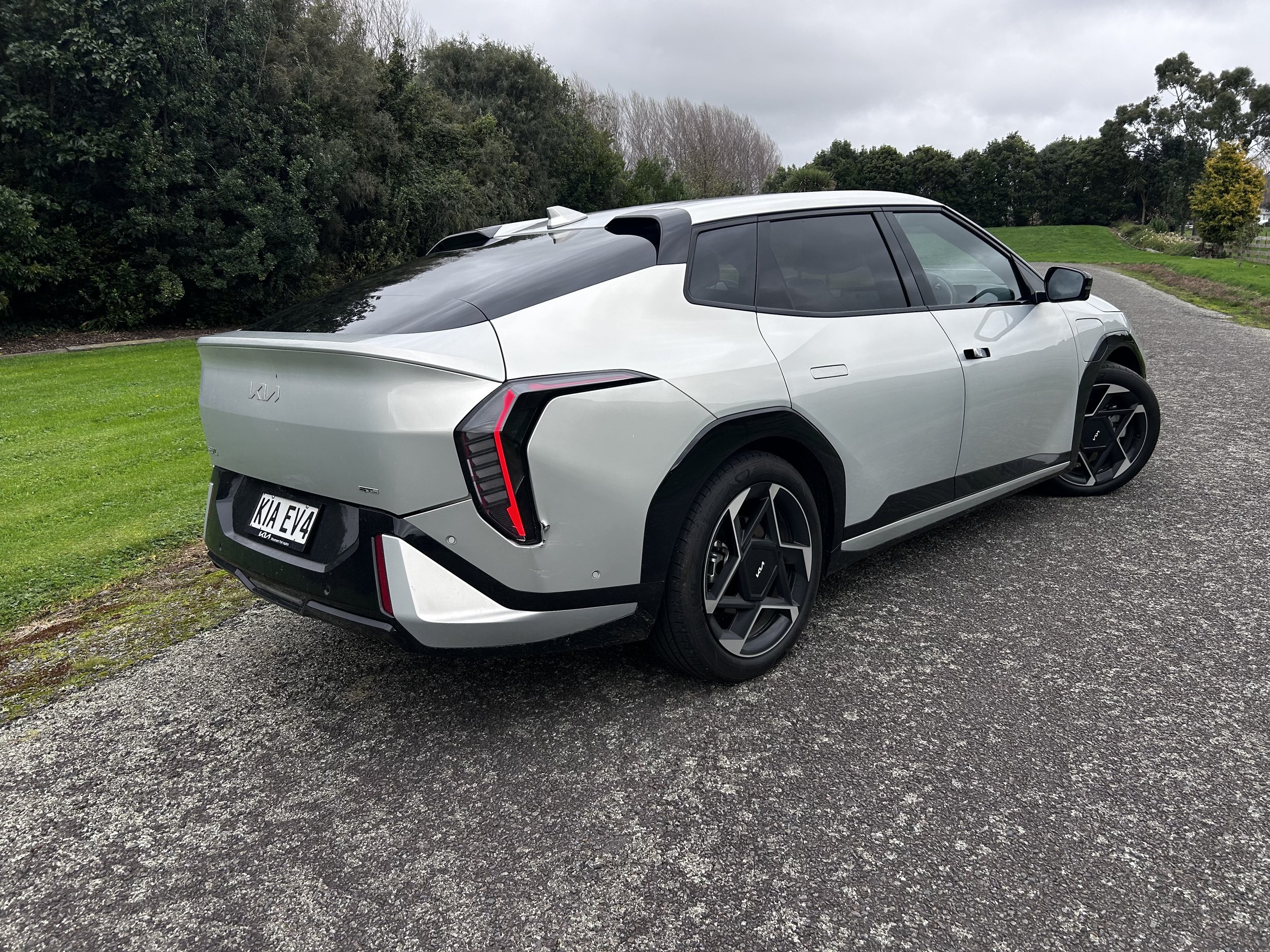
July delivered a lift in battery-involved vehicles.
Read MoreToyota’s RAV4 was the month’s most popular model.
JUNE’S new passenger vehicle registrations count is proof the country is in a Covid-caused recession.
The easing of the coronavirus lockdown saw Kiwis resume buying new vehicles in June – but the rate is much lower than for the same period of last year.
Registration statistics supplied by the Motor Industry Association show 11,514 new vehicles being sold last month.
That represents a 17.5 percent or 2438 unit decline on June last year, although it’s also an improvement on counts for April and May, when 1039 and 8313 registrations were respectively recorded.
Theyear-to-date rate is down 29.1 percent on 2019, says MIA chief executive officer David Crawford.
“The first six months of the year has been a year of two quarters,” he said. “The first quarter saw sales of 32,833 new vehicles – while the April to June quarter has seen just 20,866 new registrations, a reduction of 11,967 units for the quarter.
Crawford added the month of June reflected a steady but weaker market compared to 2019. Sales of both passenger and commercial vehicles were down, confirmation the market is tightening its belt in a recession.
Of the total number of new vehicle registrations in June, 7411 of them were passenger vehicles and SUVs which was down 15.3 percent on 2019 volumes, while registrations of 5103 commercial vehicles were down 21.2 percent on the same time last year.
But commercial vehicles continued to dominate individual sales, with the top three models all being utes – the Ford Ranger with 641 sales, Toyota Hilux with 595 and the Holden Colorado with 482.
Easily the most popular passenger vehicle was the Toyota RAV4 medium SUV which achieved 403 sales, followed by the Kia Sportage and Toyota Corolla.
But while the top three models for the month were the one-tonne utes, overall the top segments for June were dominated by SUVs. Top spot went to medium-sized SUVs with a 19 percent share, followed by compact SUVs with 18 per cent.
Toyota remains overall market leader with a 16 percent share via 1874 registrations, followed by Holden with 9 per cent and Ford on 8 per cent.
Top 15 in June
Ford Ranger 641 registrations
Toyota Hilux 595
Holden Colorado 482
Toyota RAV4 403
Mitsubishi Triton 390
Kia Sportage 287
Toyota Hiace 275
Toyota Corolla 271
Nissan Navara 251
Suzuki Swift 227
Mazda CX-5 216
Kia Seltos 202
Hyundai Tucson 191
Nissan X-Trail 179
Mazda BT-50 170
The prognosis for new vehicle sales is bleak and post-lockdown recovery will be a long road.
SALES to essential services have helped some new vehicle distributors since coronavirus hit New Zealand, yet the industry fears April will deliver the lowest registrations count on record.
The tally anticipated might be just 10 percent of the count for April of 2019 which at 10,640 units established a new high water mark for the industry.
If that outcome eventuates it will be the worst in living memory, an expert says.
This scenario and thought that even after the Covid-19 all-clear is given it will be many months before a new vehicle trade currently in complete shutdown in respect to public trading regains the same level of vitality enjoyed before coronavirus, has been expressed by the distributors’ organisation.
Comment from David Crawford (pictured), the chief executive of the Motor Industry Association, comes after release of March data signalling passenger and light commercial (meaning ute and van) registrations were down 4954 units, a 37.3 percent decrease, compared to the same month last year. In all 8317 new vehicles in those categories were registered compared to 13,271 in March of 2019.
The commercial sector lapsed far more than passenger; already in decline, it almost halved (down 40 percent, 1945 units) compared to March 2019. Even though the Ford Ranger remained the most favoured product, in category and overall, it did so with just 444 registrations – half its usual monthly tally.
Toyota remained the overall market leader with 18 percent market share (1515 units), also topped for passenger and SUV registrations and saw its RAV4 position as the best-selling passenger car, albeit with 318 units. Interest in Holden vehicles seems to have lifted in wake of General Motors’ announcing the brand will be gone by year-end; Holden car volume was perky and its Colorado was the third most popular ute.
Year to date, the passenger market is down 15.6 percent (6075 units) on the same period in 2019.
Supply constraints factored but, obviously, the swift move into shutdown, which took effect at midnight on March 25, also effectively reducing March to a three-week trading month in which the ‘vast majority’ of business was conducted, Crawford says.
With April set to be effectively wholly impacted by the Level Four enforcement, it’s only going to worsen, he adds. But how bad can it get?
“We think April could be as low as 10 to 15 percent of last year. The only thing that has been sold at the moment are vehicles required for essential services operations.”
That has brought some business. “I’m aware, for example, of a district health board requiring 40-odd vehicles. But there’s just these little spots of activity.
“But we’re expecting April to be probably the lowest month in living memory.”
The MIA has been collating data since 1975.
Some distributors have laid off staff but the industry is not at a point where operability has ceased, but there is recognition that for some the bills will be piling up. Distributors often have to buy product in advance of delivery and, even if that doesn’t happen, once landed cars are subject to goods and services tax.
“So everyone is working hard on cash flow. It is a testing time.”
Even though most of the world’s vehicle makers have frozen their assembly lines, there is product in the pipeline that might sustain demand if and when it picks up.
However, at present a number of vessels are set to off-load vehicles here over the next few weeks.
The MIA is pleased this seems to set to happen.
“There has been some discussion with officials about can and cannot be done. The ship will have vehicles and parts and some of those will be required for essential services activity.
“It doesn’t make economic sense to the industry or the Government for those ships to be turned away.”
He says procedures put in place by Ports of Auckland that Government is content with for the time being will allow vehicles to be off-loaded then sent to containment, Crawford says.
That will allow access to vehicles on an as-required basis during the lockdown which, he personally fears, might well extend beyond a April 22 release.
The longer it is in place, the more severe the impact could be. But even then it is not as simple when it is lifted, he says.
The disruption to the global vehicle industry will inevitably means that some products will be subject to delayed availability.
“There are stocks around but these will be cleared and it’s the availability of new stock beyond that which is going to be patchy.”
Even if New Zealand is deemed free of the virus, it is very likely our borders will remain closed for travel, which has obvious implications on the national economy.
“The recovery of vehicle sales going forward is going to be dependent on how quickly New Zealand can recover.
“We think it is going to be a slow, fragmented and painful recovery.”
MotoringNZ reviews new cars and keeps readers up-to-date with the latest developments on the auto industry. All the major brands are represented. The site is owned and edited by New Zealand motoring journalist Richard Bosselman.
NEWS | FIRST DRIVE | TESTED | VIDEO | CONTACT | THE CREW | TERMS + CONDITIONS