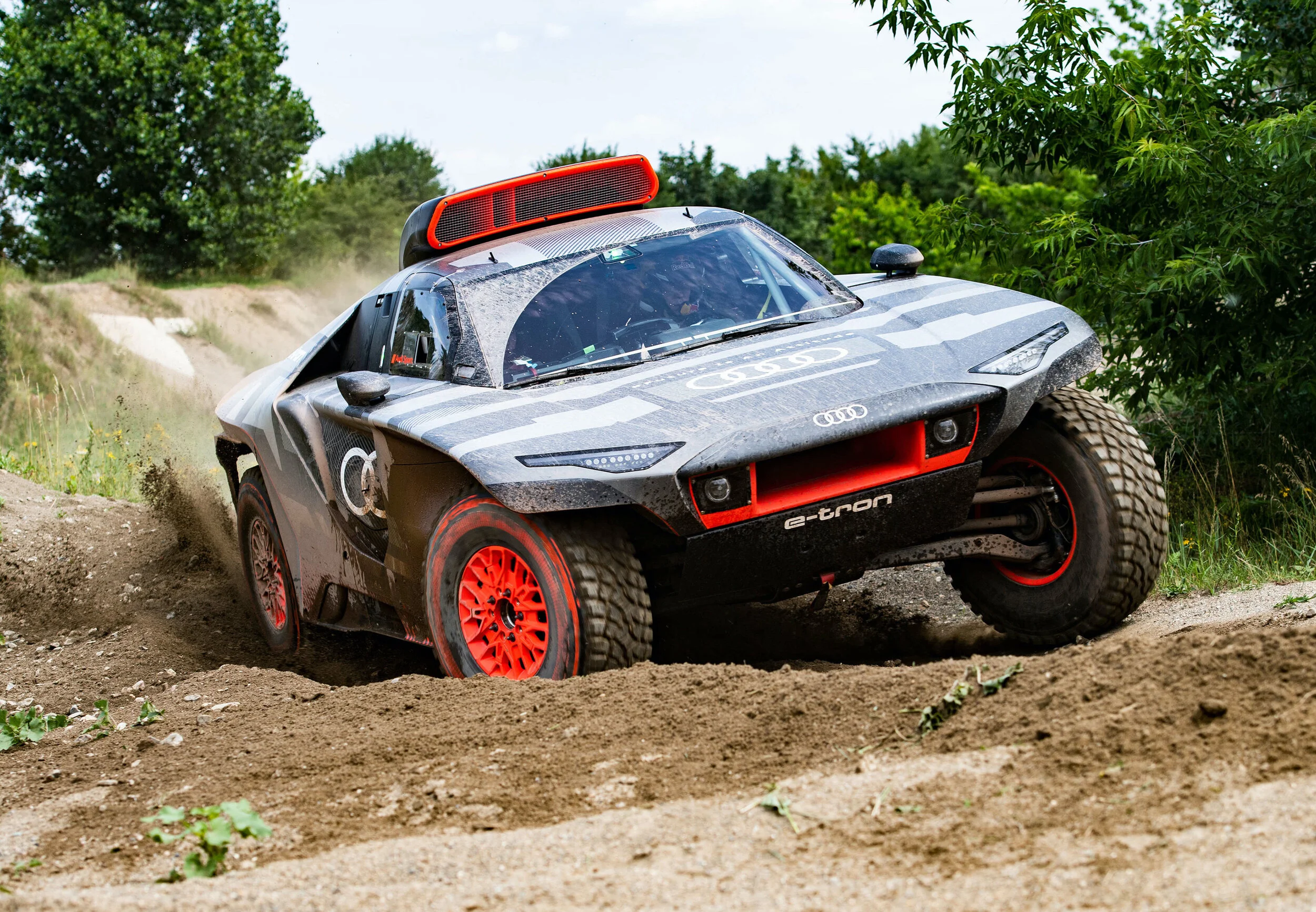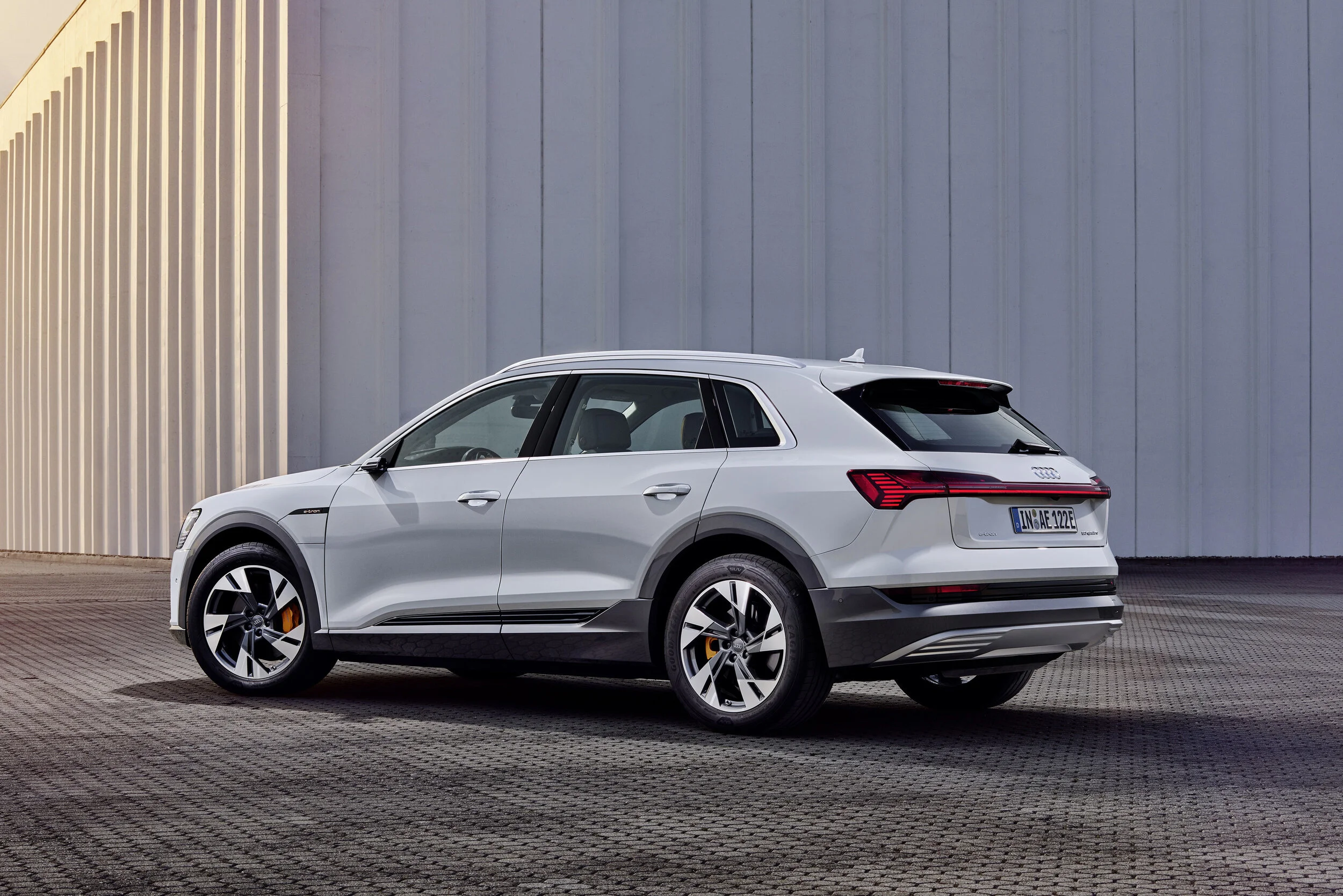

Q4 on sale from 2023, Audi NZ says
/
Quirky Auckland-centric kick-off to car’s release.
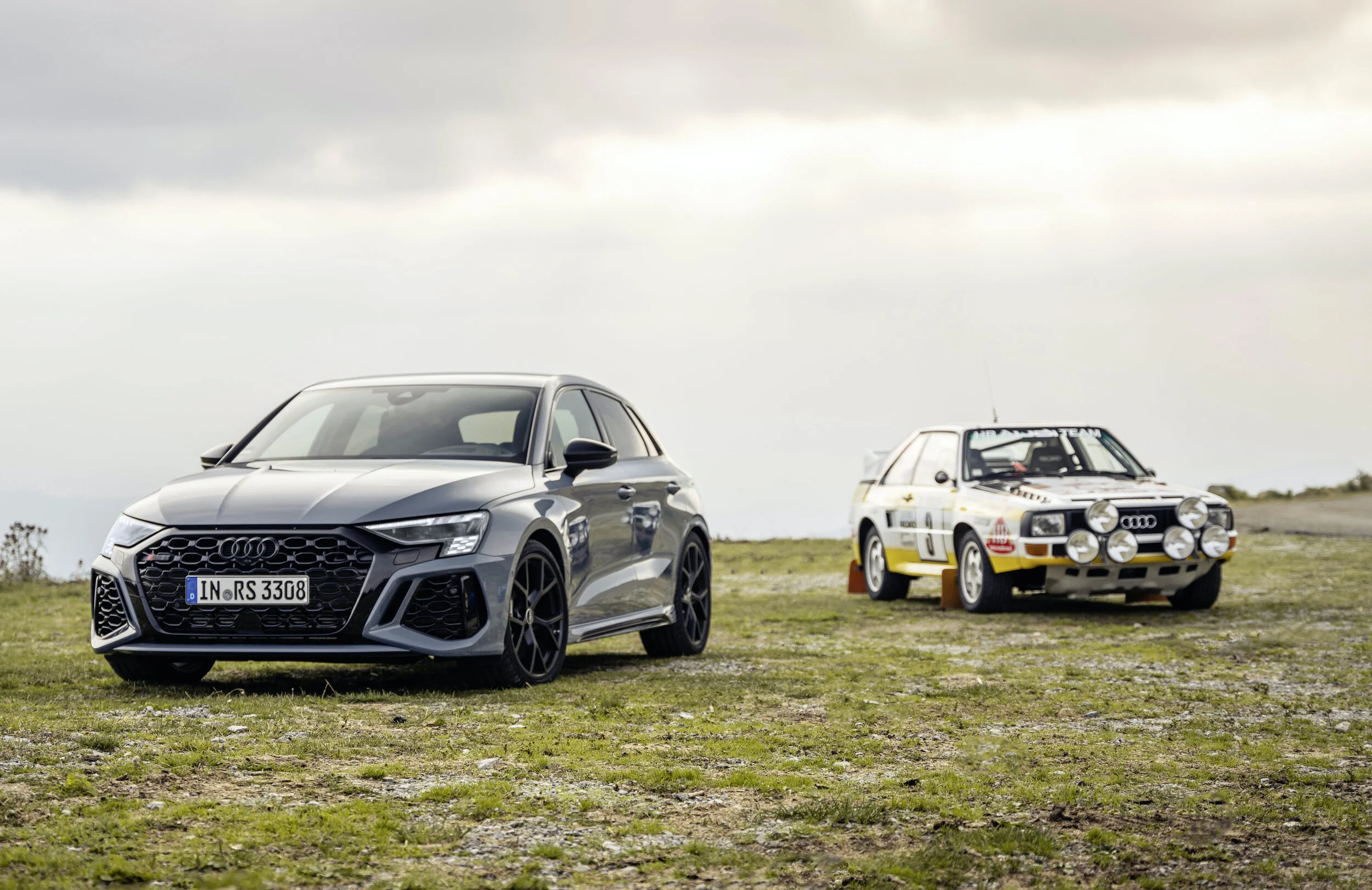
Read MoreBig controlled slides from a quattro? That takes some talent. Actually, no … not really. Not with the RS3.
Read MoreSlippery wagon set to be a year behind an electric sedan entering production next year.
Read MoreSome Audis are to become virtual reality rides for back seat passengers
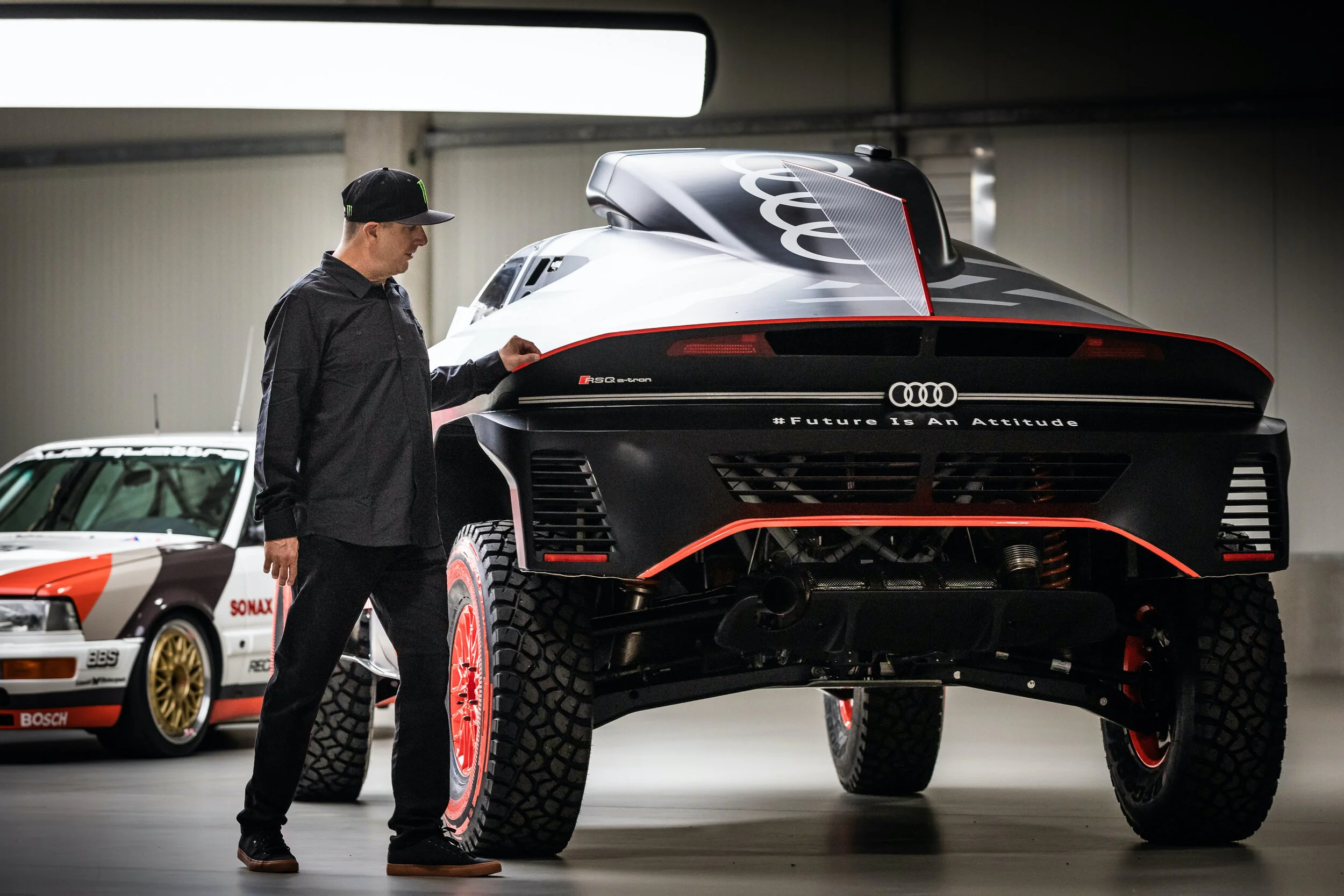
Read MoreKen Block needed a car for an upcoming ‘Elektrikhana’ video. Audi has obliged.
Read MoreSome extra tech and some minor cosmetic surgery will see this car through.
Read MoreFinal shot edition delivers more power and a trick differential for AMG A45-matching spend.
Read MoreGermany has signed up the Hoonigan for motorsport development role.
Read MoreMore talk about level four automation as Audi reveals second ‘sphere’ concept.
Read MoreIt’s conceivable that in four years’ time Audi’s electric car push will conceivably reach a ‘grand’ scale – and New Zealand will stand ready to benefit when that occurs.
Read MoreAudi Sport has revealed the monster cousin of the RS GT sports sedan now releasing here.
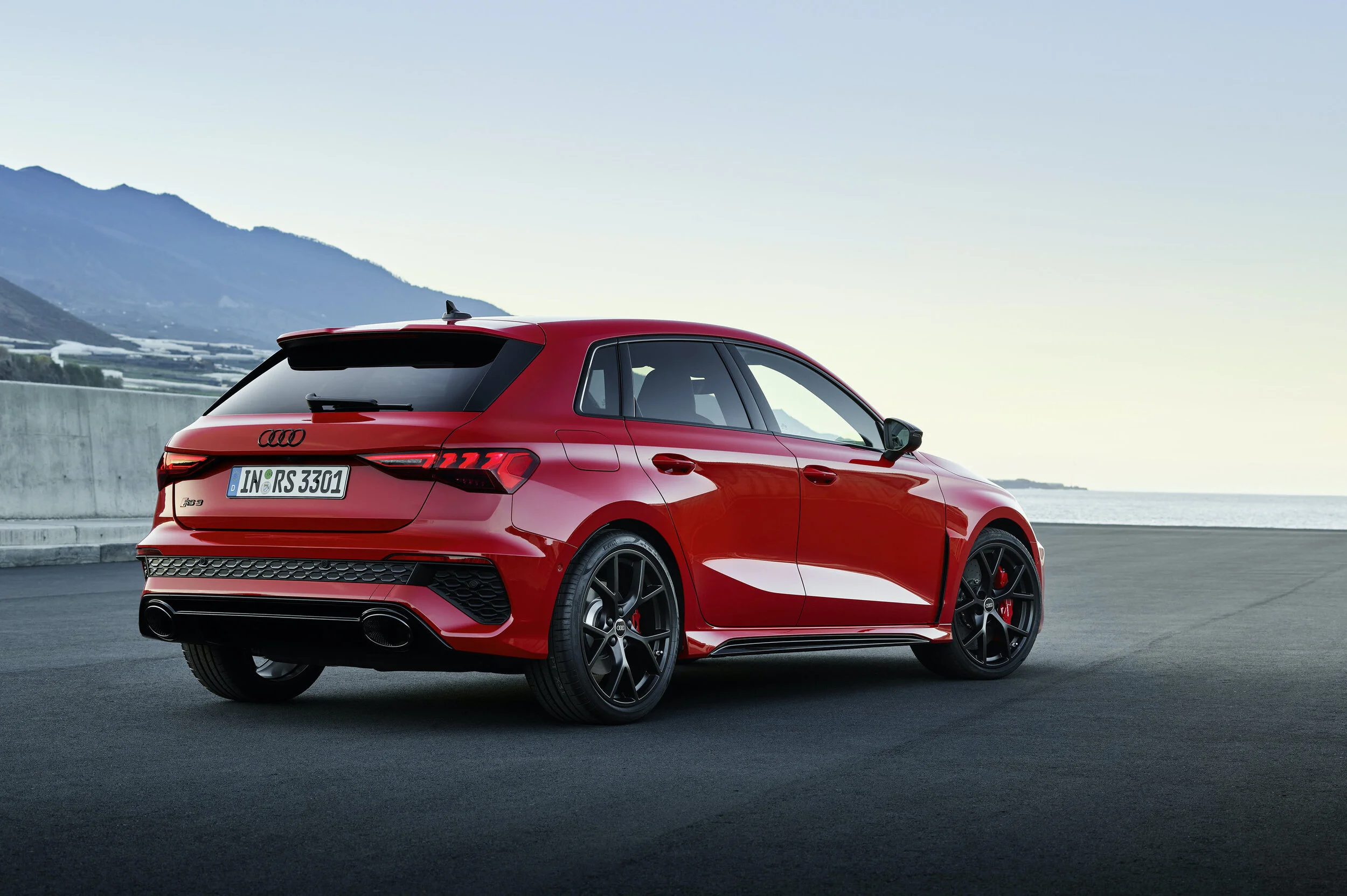
Read MoreKNOWING that it will be the last of its mighty mite breed to be fully reliant on fossil fuel will likely further leverage the special status of the new Audi RS3 arriving early next year.
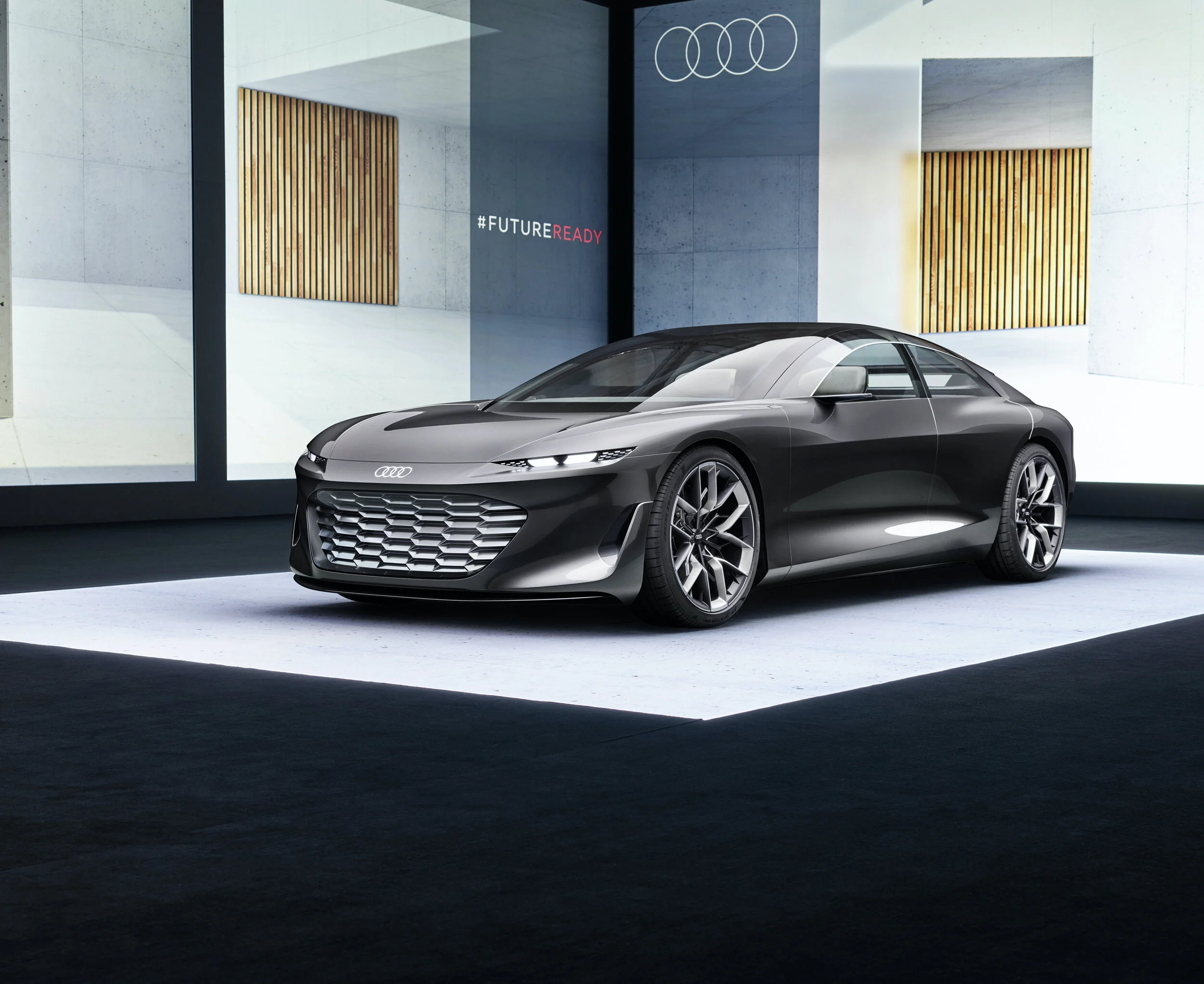
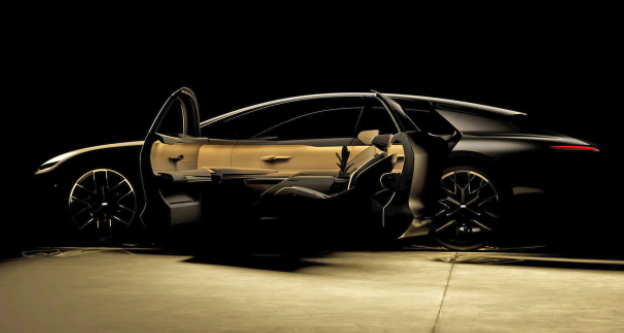
Read MoreHow to describe the Grand Sphere, Audi’s latest concept? Think of a large fastback similar to the brand’s A7 … but on a bigger scale and with more tech. Plus, it’s electric.
Read MoreA more powerful battery is said to be among improvements coming with next year’s facelift of Audi’s core electric car.
Read MoreTHE soon-to-land e-tron GT sedan and its RS flagship are good reminders that Audi’s electric brand isn’t just about sports utilities – but just in case that message hasn’t resonated, here’s another passenger car concept that enforces it all the more.
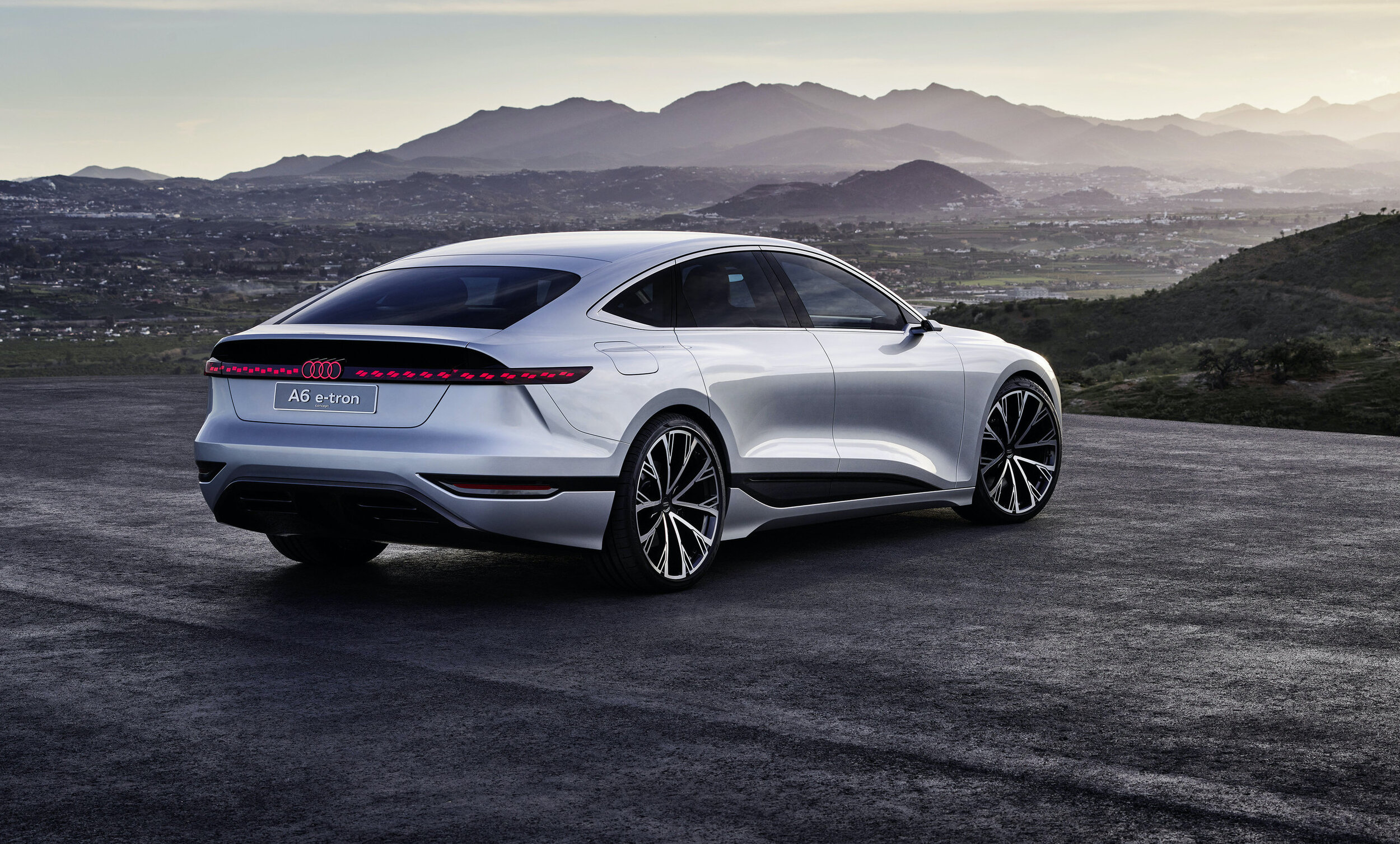
The e-tron A6 styling study revealed by the brand doesn’t just serve to preview how the next generation of large Audis will look – which, in this instance, is sedan-ish but with a dollop of influence from the A7 Sportback. It is also a debut for a new electric platform designed specifically for bigger models.
In respect to exterior dimension, the A6 e-tron is very similar in size to the current Audi A6 and A7, though the concept's wheelbase is longer, and the overhangs shorter. Audi has dropped fat hints that these proportions will make it through to production.
Audi has only released images of the exterior. The display car rides on five-spoke, 22-inch alloy wheels, has cameras instead of door mirrors and no visible door handles. Dig the flared arches and an interesting black design element that breaks up the 'Heliosilver' paint and stylishly links in with another black section in the rear bumper.
Viewed from the rear, a significant diffuser can also be seen. It's part of a suite of aerodynamic measures to reduce drag. Audi quotes a coefficient of just 0.22.
The A6 e-tron's head lights use Digital Matrix LED technology and can even project a high-resolution display onto a wall or screen in front of the car. To demonstrate this, Audi has created a smartphone game that can be played on the projected screen. The lights can also maximise illumination of the road ahead without blinding other road users, and project various symbols and patterns to enhance safety.
The tail lights use digital OLED tech, allowing customisable light signatures and start-up light shows in 3D. Indicators are also high-res LED projectors, with the ability to project signals onto the road. Projectors are integrated into each side sill, to display welcome messages.
The most important aspect of the A6 e-tron is one you can’t see. The car is on the new PPE - Premium Platform Electric – underpinning which designed for large Audi and Porsche electric cars. Production models using PPE roll out in late 2022. It’s thought the first will be the Audi Q6 e-tron SUV, followed by an A6 e-tron in 2023.
The concept's battery pack is said to hold about 100kWh of energy, fuelling an electric motor on each axle. Maximum outputs are quoted as 350kW and 800Nm of torque.
Audi says that the most powerful versions of the A6 e-tron will do 0-100kmh in less than four seconds, while the most efficient models, using just one rear-mounted electric motor, should achieve more than 700 kilometres on a charge.
Like the e-tron GT and RS, the PPE cars will use an 800-volt architecture, allowing rapid charging at up to 270kW.
Thought is that other PPE cars in the Audi pipeline will include an A4 e-tron, a Q5 e-tron, a Q7/Q8 e-tron and perhaps an electric A8 e-tron.
INTRODUCTION here of the Audi Q4 e-Tron unveiled overnight has been blown apart by the same issue that has delayed sister cars – maker determination other countries are initially more deserving.
Forget the early 2022 timeframe touted previously by Audi New Zealand. Local boss Dean Sheed says any hope of that occurring has gone. At very best the new crossover model, set to hit Europe’s roads in June, ‘might’ be available for launch here at the end of next year, though it could yet have to be a 2023 sighting.
“It definitely won’t be early 2022 … it will be late 2022. At the earliest. Potentially even flipping it to early 2023 is a possibility. We are down the pecking order and the challenge is securing volume.”
It’s a story that also already been told for two close cousins, the Volkswagen ID4 and Skoda Enyaq and seems increasingly likely to be aired for two others indicated for eventual NZ availability, the next-generation Porsche Macan and the SEAT/Cupra Born.
In addition to being Audi’s seventh electric vehicle the Q4 it is also the first on the MEB platform, the structure upon which all key VW Group electric vehicles set for NZ introduction are based.
Basically, when it comes to the release of MEB models, VW Group is calling the shots.
New Zealand does not have priority – as much as anything else, Sheed believes, it’s because VW Group has decided our national policies are not up to the pace of other countries pushing electric car adoption.
Audi NZ has been promoting the early 2022 release schedule for Q4 for some time and some months ago began to back that up with a viral warm-up campaign, now seemingly shelved.
With three powertrain options, offering up to 520km of range, and in sports utility wagon and more rakish, also five-door, Sportback body stylings, the Q4 has long been touted as being the model that would achieve as a best-seller for Audi.
The new car will sit below the e-tron in wagon and Sportback styles, the impending S editions of those, plus the more performance-oriented e-tron GT, which shares an underpinning with the Porsche Taycan and includes an RS edition.
Sheed says it’s a disappointment not achieving Q4 to the original timeframe because a lot of groundwork for its release has been laid by his brand, but fact is that VW is giving preference to countries that have a stronger Green attitude and are doing more to encourage electric vehicles.
“A lot of the volume is going to the countries with legislation and requirements for CO2 (reduction). Our country doesn’t have those yet so we are down the pecking order.
“With these (MEB) cars, demand is in excess of supply. So it comes down to rationing … VW Group has to prioritise and those countries with very strong Governmental pressure typically get the product first.
“So it’s Europe first and then they will go outside that to other countries.
“Are we (Audi NZ) ready for it? Absolutely are. However, when it comes down to prioritisation, the Government and the country does not have a sound pathway yet.”
While MEB-based cars are particularly affected, he believes this issue will also disrupt availability of many other EVs and potentially also plug-in hybrids.
However, the e-Tron GT and RS cars that will go on sale in June are not affected, being on an Audi (and Porsche)-specific platform. Also, product planning for those was signed off months ago the factory has begun production of NZ models.
The Q4 family is headed by a 50 Quattro, offering 220kW and 460Nm through dual electric motors, sending power to all four wheels for a 0-100kmh time of 6.2 seconds. It also involves an entry-level 125kW/310Nm Q4 E-Tron 35 and mid-spec 150kW/310Nm Q4 E-Tron 40. These use a single electric motor to power the rear wheels, for 0-100kmh times of between 9.0 and 8.5 seconds depending on the variant chosen.
Audi quotes 341km of range from the E-Tron 35's 52kWh battery on the WLTP cycle. The E-Tron 40 and 50 Quattro have a 77kWh battery pack offering 520km and 488km of range respectively.
The E-Tron 35 can support fast charging up to 100kW, with 125kW charging available to the 40 and 50 Quattro models. The company says in ideal conditions, the E-Tron 40 can gain 130km of range in around 10 minutes of charging.
The SUV body is 4590mm long, 1865mm wide, and 1613mm tall. Boot space is 520 litres, or 1490 litres with second-row seats folded down. The SUV shape has a drag coefficient of 0.28, whereas the Sportback variant has a 0.26 Cd signature.
The car runs disc front and drum rear brakes; the latter is to enable a regeneration cycle from the rear electric motor under braking, meaning less mechanical braking force is required.
The provisions to expected luxury level. It rides on 20 or 21 inch wheels and provisions a 10.1-inch infotainment screen with voice control, with an 11.6-inch screen as an option. The driver gets a 10.25-inch digital instrument cluster with an augmented-reality head-up display.
Buyers can also choose from nine equipment packages, each offering different trims, accents, stitching, headlining, and door sill combinations.
Those who opt for the sportier S Line interior can choose between standard natural/synthetic combination leather, premium nappa leather, Dinamica artificial suede, and Puls artificial leather – the latter two which are created from recycled plastics.
Haptic-touch buttons feature on the steering wheel, while seat heating, ventilation, and massage function can figure.
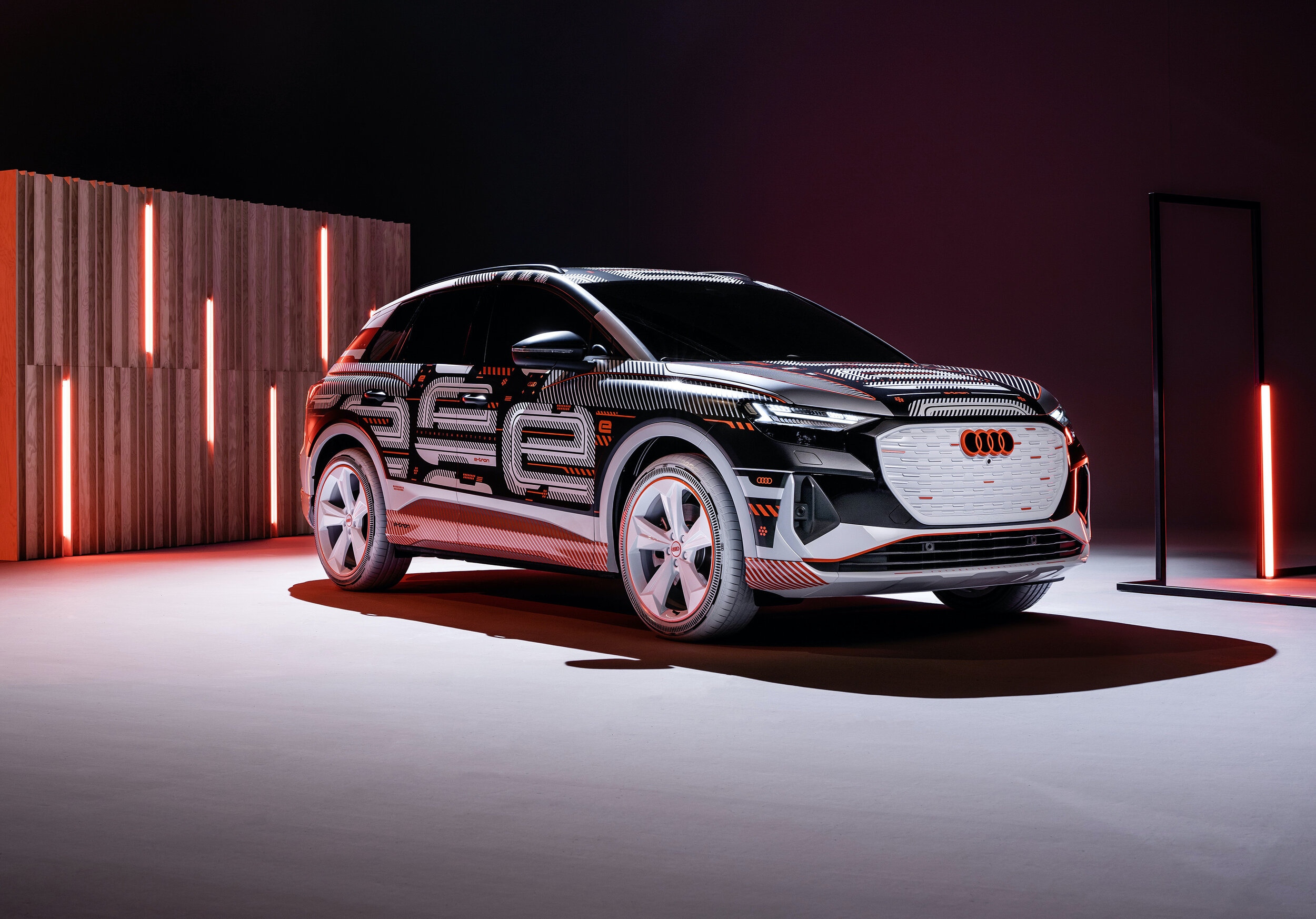
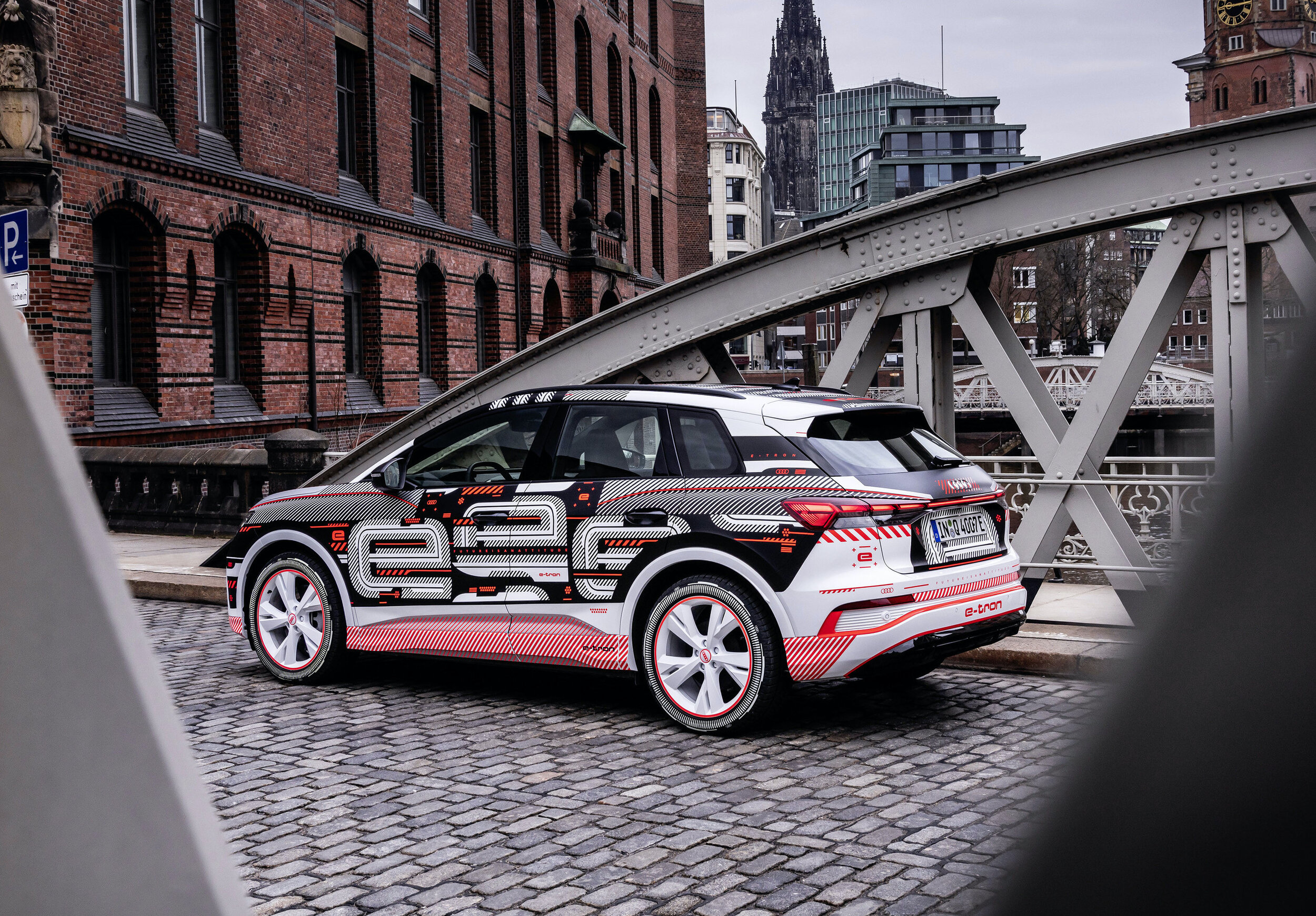
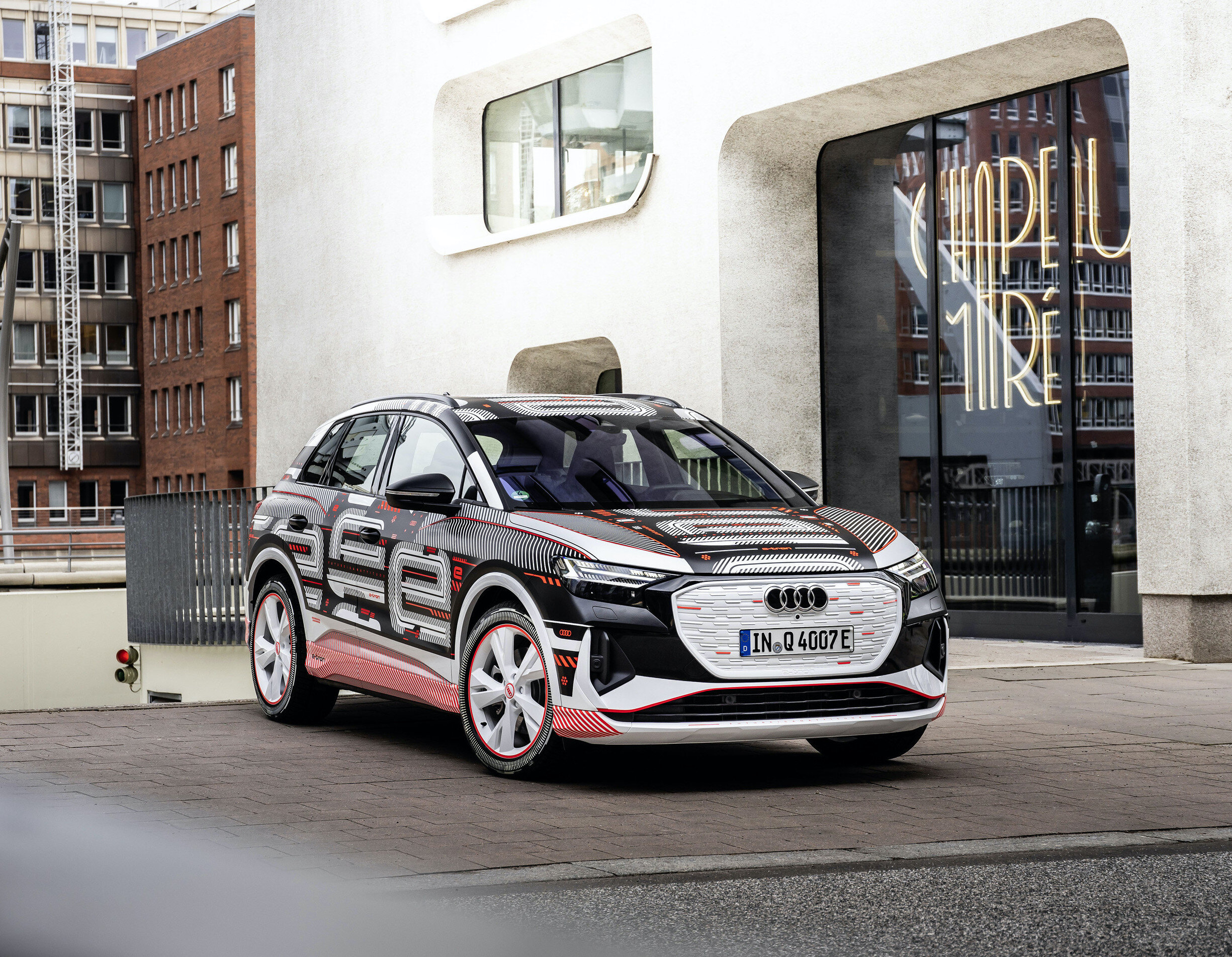
AUDI has allowed a sneak peek of what will likely become its most important new electric car of the immediate future, the Q4 e-tron – not just at its styling but also at some of the technology.
In respect to the electronic whizz-bangs, there’s particular pride in a new head-up display landing with a model that Audi New Zealand has previously said is intended be fully settled in by early 2022 to sit below the e-tron in wagon and Sportback styles, the impending S editions of those, plus the more performance-oriented e-tron GT, which shares an underpinning with the Porsche Taycan and includes an RS edition.
This is regardless that other NZ-destined cars on the MEB platform (VW ID.4, Skoda Enyaq and SEAT El-Born) have all been significantly delayed for local introduction because of VW Group’s desire to satisfy demand in Europe before releasing them elsewhere.
Anyway, if things change for the Q4 e-tron, Audi’s first MEB car, we’ll let you know.
Back to the tech. Projecting information such as speed and navigation directions onto the windscreen so that the images seem to be hovering somewhere over the bonnet, and the driver can keep their eye up and out on the road, rather than looking down at an instrument panel, is nothing new.
Audi is now taking that to the next level, in two ways.
First, it has vastly increased the size of the projection. The HUD in the Q4 appears to be 178cm (70 inches) across.
Secondly, it’s relaying much more than the usual basics. New prompts that appear to float in space around 10 metres in front of the car include a navigation direction graphic - a series of bright blue chevrons - that point you down the right turning, or pick out your final destination.
It can also keep an eye on other traffic, warning with little red or green lines if you're too close to the car in front, and even predicting where other cars are going to go next, by reading the car's 'body language.' The lane keep assist function gains a visual element by showcasing the position of the Q4’s wheel tracks on the road ahead.
Worried this could become too distracting? Audi’s engineers involved in this project say the exact opposite is their goal: "The data itself is chosen to be contextual and situational.
“So actually we don't want to overload the driver with a lot of information. The meaning of augmented reality and the use of it is to show the information you need, when you need it. And this is exactly what we're doing.”
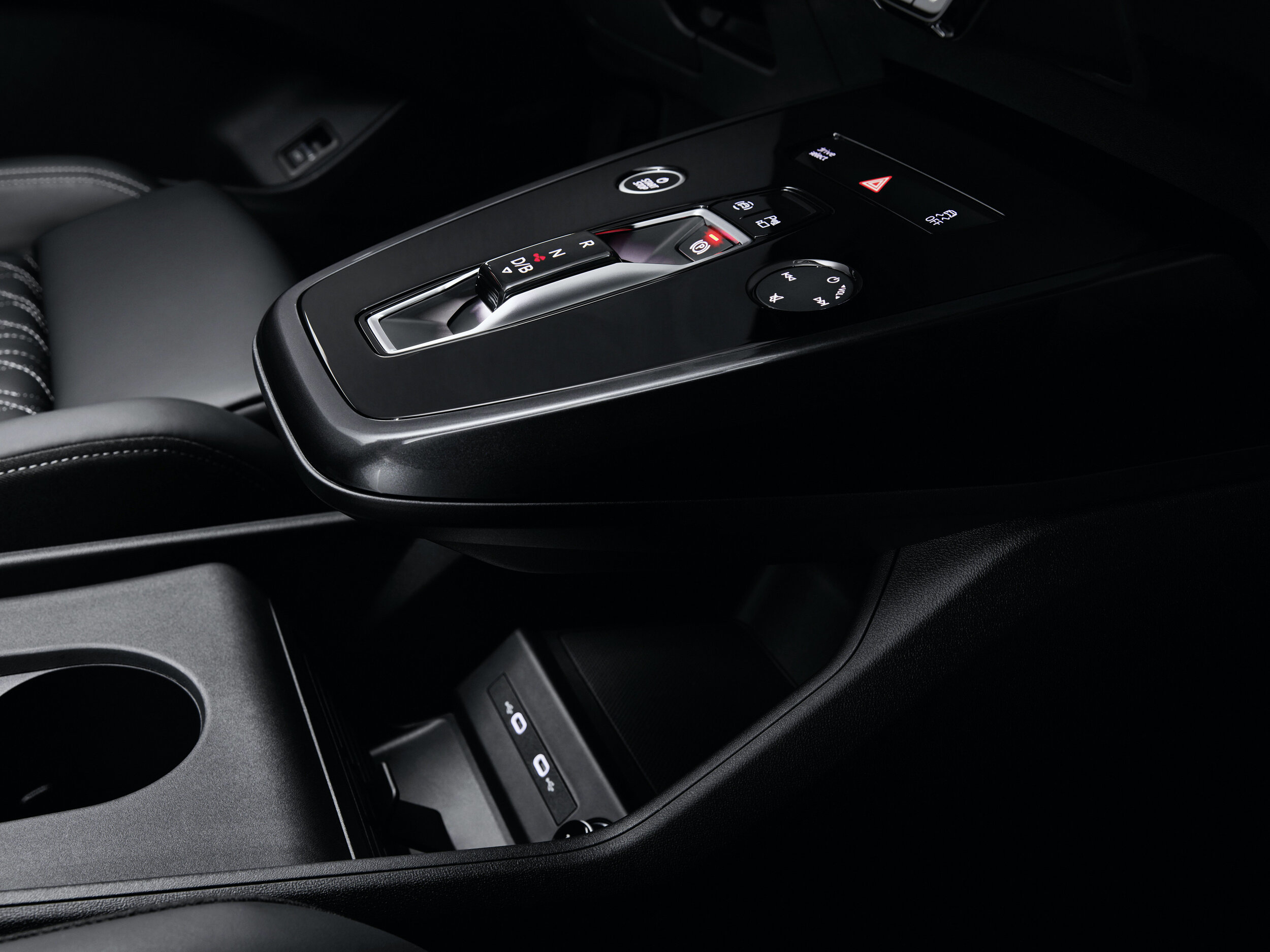
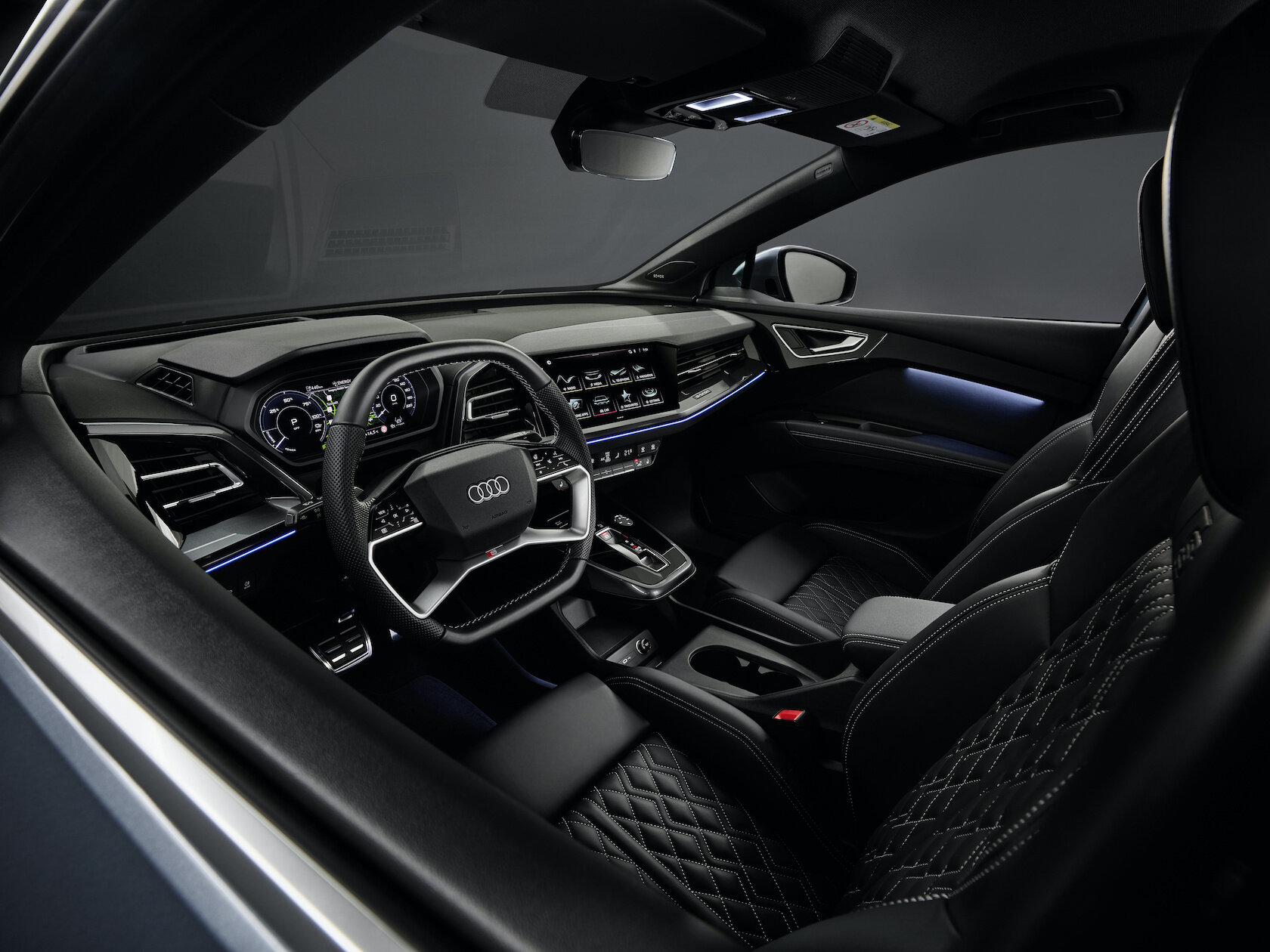
The tech upgrade doesn’t there. The main touchscreen in the centre console is, at 29.5cm (11.6 inches) across, one of the biggest screen Audi has yet put into one of its cars. The Q4 e-tron also lacks a gearstick and achieves a funky new steering wheel, flattened off at the top and bottom, featuring touch-sensitive haptic pads on the spokes instead of traditional buttons and roller switches.
At 4590mm long, 1865mm wide and 1,613mm tall, Q4 e-tron appears similar in physical size to the Audi Q3, regardless it is intended to slot between that car and the Q5 and despite but the wheelbase being long, at 2760mm.
The benefits of being on the MEB architecture is that will be a lot roomier that the compact and medium orthodox ‘Q’ models: Some who have seen the car already say it has the kind of space you'd expect from the Audi Q7, with lots of rear legroom and stadium-style seating in the back.
What it doesn't have is a seven-seat option. Does this seem odd, given that it has a massive 541-litre boot (with a 40:20:20 split rear bench opening up 1490 litres with the rear seats folded down) and also, of course, three-row formats are popular with consumers. Audi has indicated only that a dedicated seven-seat electric car is on the way, but is vague in respect to that model being part of this family. One other point of interest is that this model eschews a 'frunk' under-bonnet storage area; that space has been filled by ancillary systems, such as the air conditioning unit, to maximise cabin space.
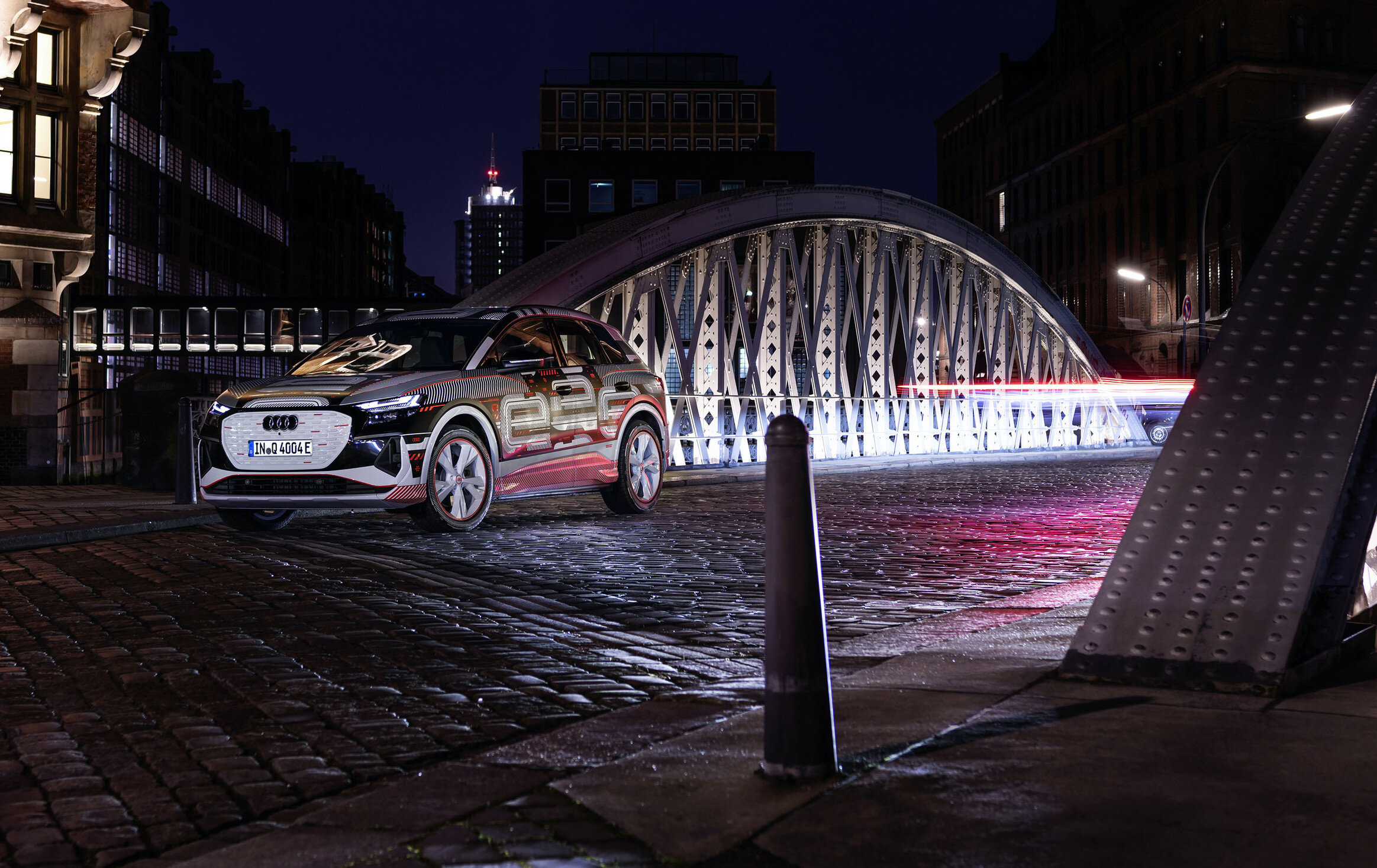
Audi intends to keep the Q4 e-tron’s shape wrapped in camo tape until next month, however it’s surely quite obvious the car in today’s images still roughly matches the original Q4 concept, in general dimension and look, with many of the production vehicle’s surfacing and lines are taken directly from the concept. The obvious revisions cited by overseas’ media are changes to conventional side skirts, smaller vents at the front, a toned-down rear diffuser and smaller wheels.
Drivetrain specifications have not been revealed, but it will share the same range of electric motors and battery packs as the ID.4, with a range topping quattro variant sporting a 225kW twin-motor, four-wheel-drive powertrain and a 77kWh (usable) battery. A 0-100kmh time of around six seconds, a top speed of 180kmh and a maximum WLTP range of 500km are expected.
UNVEILED fully today in all its four door coupe glory and potentially on sale here as early as June – Audi’s near-twin to the Porsche Taycan electric car is wasting no time making its big trip to New Zealand.
As previously reported the new all-electric four-door will be offered in two configurations – an entry-level Quattro variant, the grey car pictured, and top-spec RS, seen in a dark hue.
Local pricing and our market’s specifications have yet to be shared by Audi NZ, but at technical level the variants roughly align with the Taycan 4S and Turbo respectively.
Porsche’s cars cost from $203,900 and $289,900 but there’s nothing to suggest the Audi’s will be lineball – quite potentially, there could considerable air between them.
The GT is Audi’s fastest car since the combustion-engined R8 and the flagship is the first electric car from Ingolstadt’s famous RS division.
Both versions send power to all four wheels, thanks to an electric motor on each axle, and have plenty of spark.
In normal driving mode the Quattro derives 350kW/630Nm from its dual axle-mounted motors, whereas the RS has a claimed output of 440kW/830Nm.
Engaging the launch control function lends both a brief but significant power bump off the line – the Quattro has 390kW for up to 2.5 seconds, while the RS achieves 475kW for the same duration.
This feature allows the Quattro variant to accelerate from 0–100kmh in a claimed 4.1 seconds on the way to a top speed of 245kmh, Audi’s media information says.
The RS completes the sprint in a claimed 3.3 seconds and tops out at 250kmh.
Both models run with an 85kWh lithium-ion battery, with an estimated real world range of 488km.
Keeping the performance in check is a comprehensive suite of chassis technology.
The GT gets adaptive damping as standard, while the RS model adds air suspension and an active rear differential.
All-wheel steering is optional on both, as are carbon ceramic brake discs. The RS version does get tungsten carbide coated discs by default. Under braking, the electric motors provide approximately 0.3 g of regenerative deceleration, which Audi says can achieve a maximum recuperation of 265kW.
The GT offers with 19-inch rims, but can be optioned to adopt the 21 inchers the RS runs with.
The car is 4990mm long but also low, with a height of just 1410mm. The body is 1960mm wide (not including mirrors), and Audi says the overall shape has a drag coefficient of just 0.24.
The standard cabin features leather-free "sustainable" upholstery, while a leather package can also be optioned. The cabin uses some of the current Audi switchgear and detailing, but it debuts a lovely new steering wheel and has a simpler centre stack than some models in the range.
A stepped battery layout under the floor has been designed to maximise cabin space, while boot capacity sits at 405 litres.
The Pre Sense Front and Pre Sense Basic safety systems are fitted as standard on both models, as is lane departure warning. Three optional safety packages are on offer, these being “Tour,” “City,” and “Park.”
Matrix LED headlights are fitted as standard on the RS E-Tron GT and offered as an option on the E-Tron GT Quattro, while Audi’s laser light high beam feature can also be specified on either model. It’s not clear if the camera rear vision mirrors that debuted on the e-tron SUV as an option carry to the GT.
In a brief comment, Audi NZ described the GT as being “a demonstration of how fascinating and exciting electric mobility is – the start of a new era, the Gran Turismo of the future.” It says the car will be here mid-year.
With coronavirus making the usual glam international media launch impossible, Audi ran its launch as a video presentation. That’s included here. There’s a fair bit of chat, but also some interesting video of the cars in action, including a sprint between a Formula E racing car and the RS GT, the latter driven by Nico Rosberg.
MotoringNZ reviews new cars and keeps readers up-to-date with the latest developments on the auto industry. All the major brands are represented. The site is owned and edited by New Zealand motoring journalist Richard Bosselman.
NEWS | FIRST DRIVE | TESTED | VIDEO | CONTACT | THE CREW | TERMS + CONDITIONS