NZ pulled into BMW PHEV fire risk recall

An urgent global remedial action for plug-in hybrid BMWs and MINI cars has hit this market.

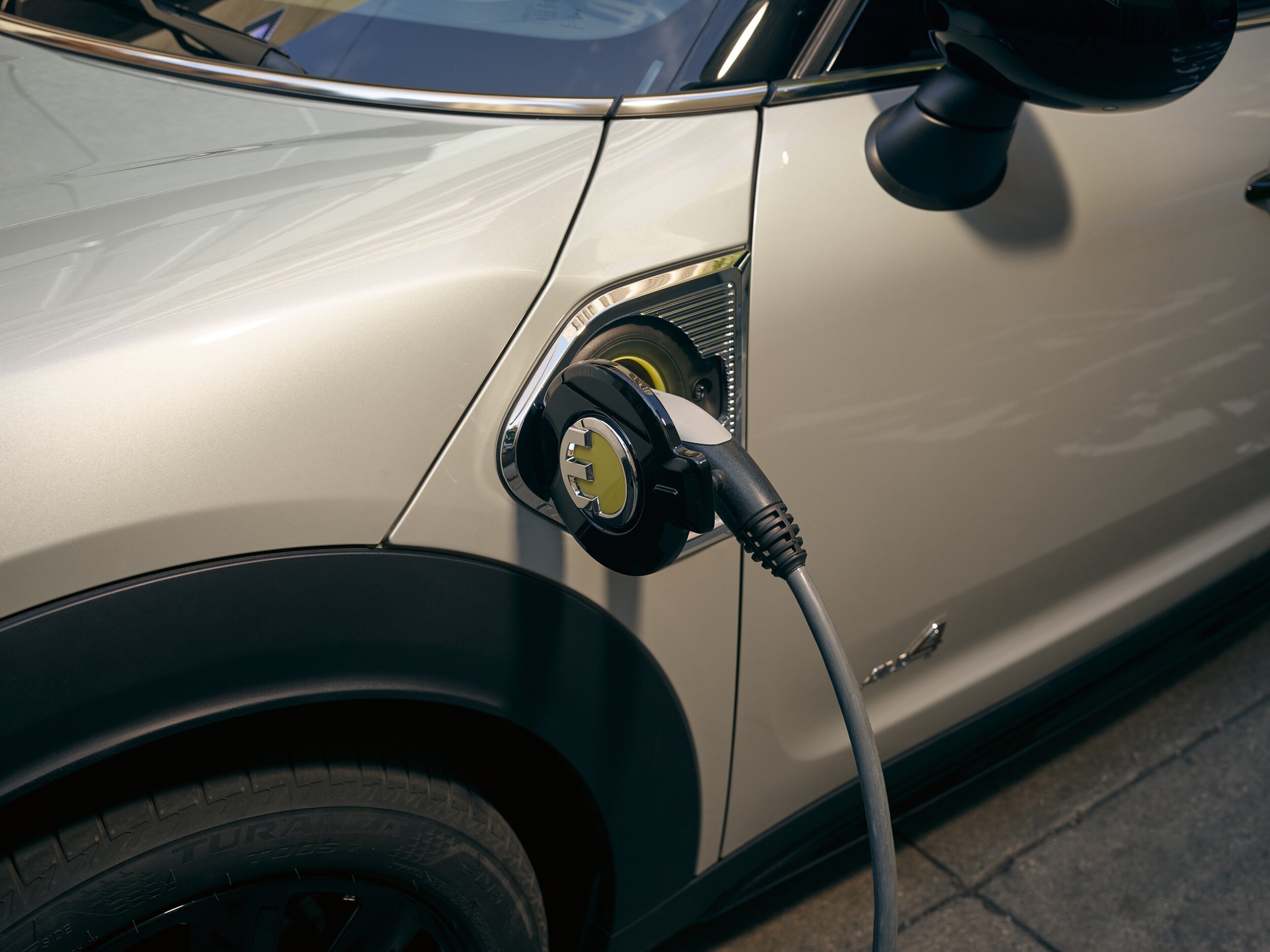
P90389041-highRes.jpg


JUST a handful of plug-in hybrid BMW cars in New Zealand are thought to be drawn into a battery pack problem which could result in a short circuit and potentially cause a fire.

The maker has nonetheless issued a widespread recall for all of its plug-in hybrid vehicles.

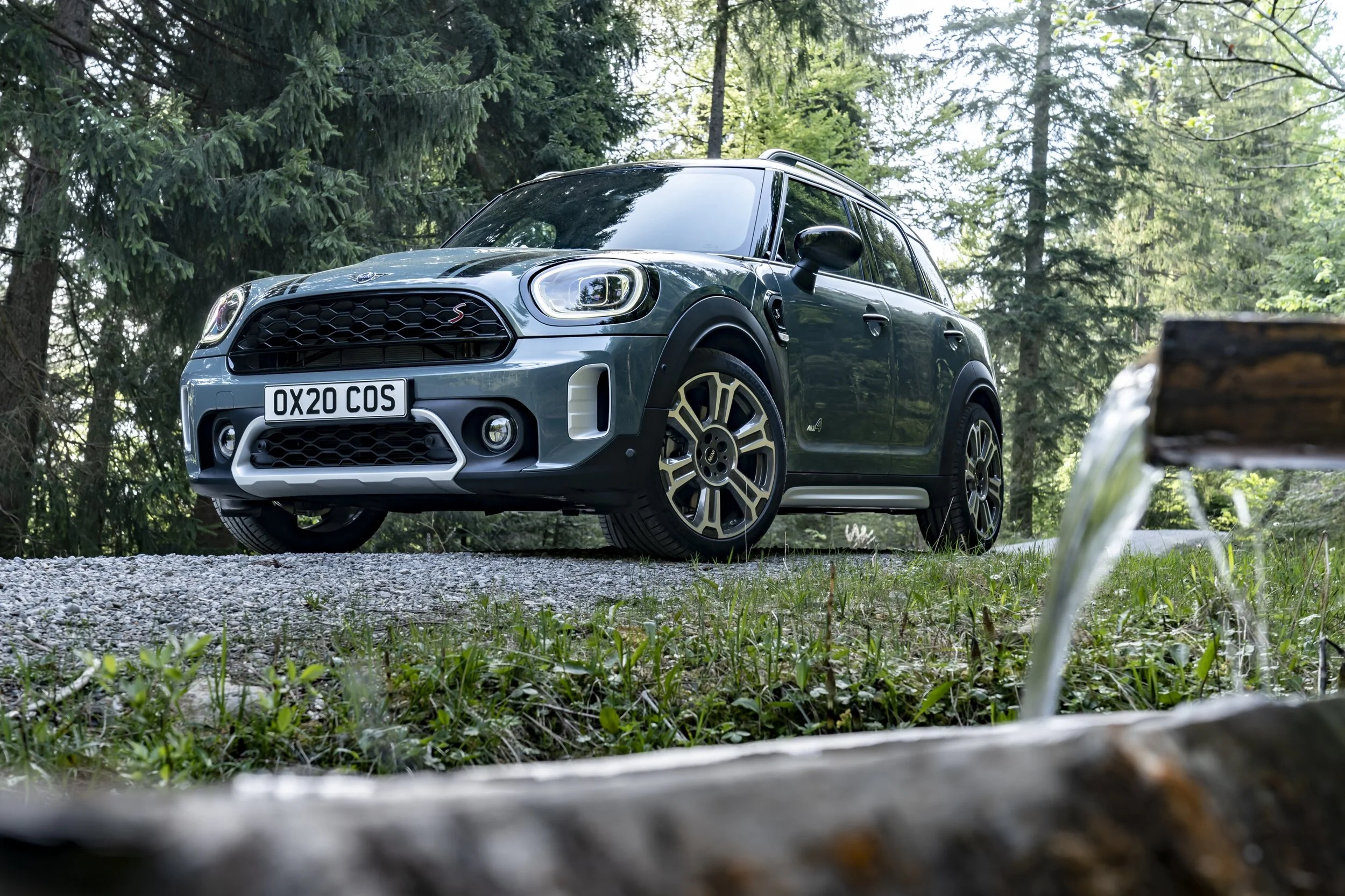
The list of affected models includes the X1, X2, X3 and X5 SUVs, the 3, 5 and 7 Series saloons, the 2 Series Active Tourer, the i8 and the MINI Countryman.

The recall applies to any of these PHEV models that were built between 20 January and 18 September this year.

BMW estimates roughly 26,700 vehicles have been affected worldwide, but it seems just 12 of these are in this country.

Comment in respect to the New Zealand situation has come from BMW’s regional head office in Australia.

“We can confirm this safety recall relates to a small limited amount of PHEV variants of the BMW 3 Series, 3 Series Touring, X1, X2, X3, X5, 2 Series Active Tourer, 7 Series, 5 Series, 5 Series Touring and MINI Countryman models,” a spokesman related today.

“An inspection of the parts involved is currently being carried out.”

Any customer who wishes to check if their car is affected by a recall can visit the recalls section of the BMW New Zealand website now and key in their 17-digit VIN numbers to find out. 

Asked how many vehicles were subject to the recall, he said the count was 12, and all owners have been contacted. 

“Replacement loaned vehicles have been provided to these customers while their vehicle currently undergoes an inspection.” 

The initial remedial action comprised a 30 minute quality inspection. “Further action may be taken if needed.”

The spokesman did not respond to the proposal that some vehicles are expected to be off the road for weeks, due to delay in securing components.

Asked if BMW/MINI has suspended sale of PHEV product and what impact, if any, this issue had on the brand’s fully electric cars, the BMW i3 and the e-Mini, the spokesman responded: “This action does not affect full EVs, only PHEV models listed. This safety precaution recall does not affect all PHEV products. 

“It affects only a small amount of vehicles from one specific production line produced in the period 13/03/2020 – 06/08/2020.”

BMW Germany announced overnight its engineers have found some discrepancies in the manufacturing process of its battery packs, which the company sources from the third-party supplier Northvolt. 

The concern is that foreign contaminants may have been sealed into the units during their assembly, which have the potential to short circuit the battery pack and cause a fire.

A spokesperson for the brand in Germany said: "BMW Group has launched a worldwide safety recall and stopped delivery of a small number of plug-in hybrid vehicles as a preventative measure to check the high voltage battery.

“Internal analysis has shown that in very rare cases particles may have entered the battery during the production process.  

“When the battery is fully charged this could lead to a short circuit within the battery cells, which may lead to a fire. BMW apologises for the inconvenience caused to customers, but of course safety must come first."

German media reports that a fix is expected to start being rolled out by the end of the month. 

It is not the first recall to affect BMW's plug-in models. All of the above models bar the i8 were subject to a recall earlier this year to remove welding beads left on the battery.

Of course, BMW isn’t the only company plagued by battery-motivated recall issues, though. Ford, who uses the same battery supplier as BMW, issued a similar notice for the Escape PHEV after four vehicles short circuited and caught fire. 

Hyundai also issued a  recall for the Kona Electric after 16 reported cases of cars catching fire, which forced the Korean brand to recall more than 25,000 vehicles in South Korea. Whether the issue concerns NZ-delivered vehicles has not been made clear.


Hello darkness my old friend

Mini pitches black.

MINI Nightfall Edition (1).jpg

LOOK up ‘Mini special editions’ on line and the list seems … well, endless.

And now there’s another.

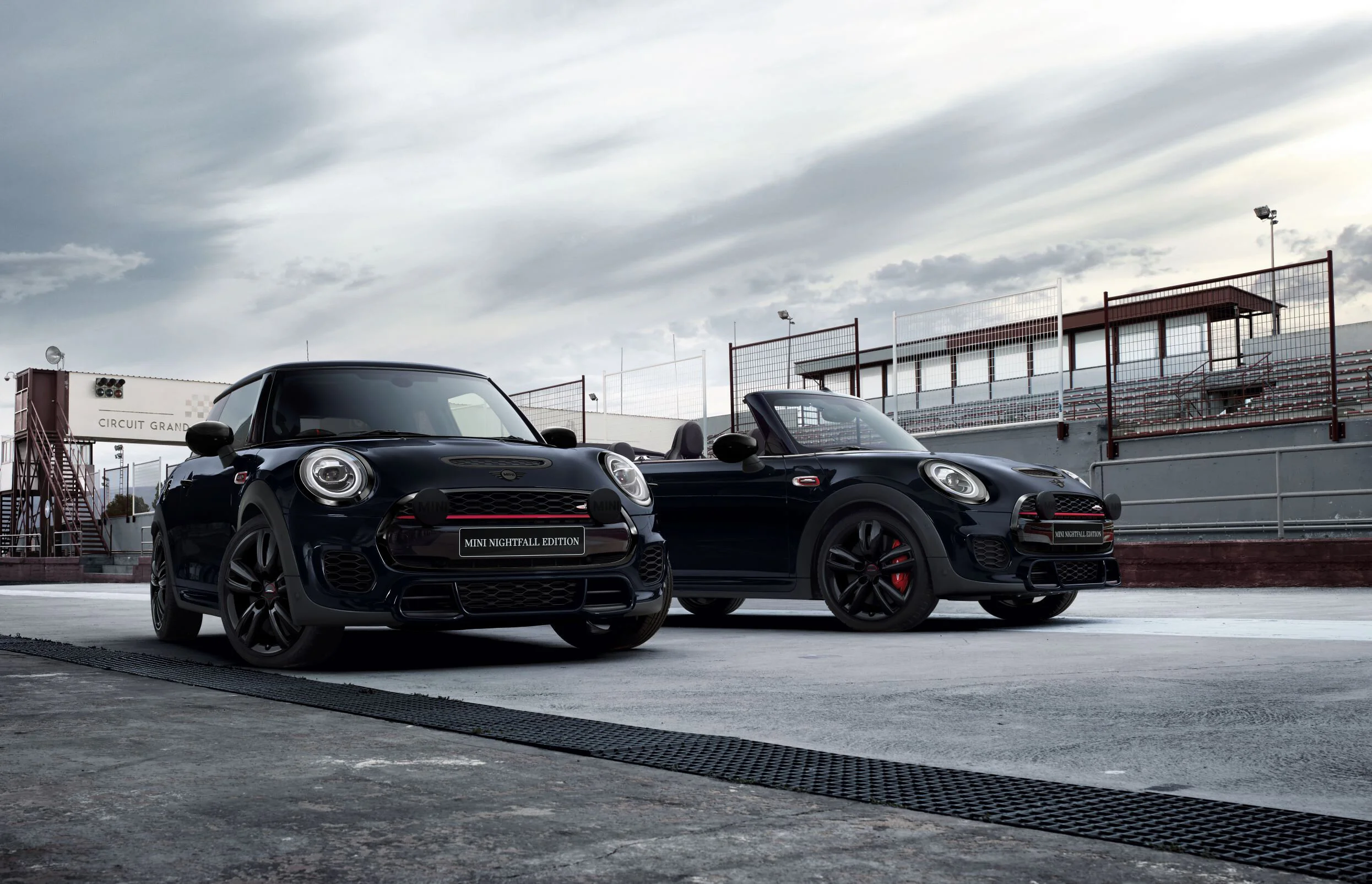
Mini New Zealand has confirmed that some Nightfall Edition models are coming in.

The Auckland-centred distributor has secured 13; all but three in three-door John Cooper Works hatch format, for $70,990 apiece. The others are John Cooper Works convertibles. You’ll pay $75,990 for those.

They’re based on JCW variants, so have the 2.0-litre turbo producing 170kW of power and 320Nm of torque. The transmission choice is … well, no choice. Just the eight-speed automatic. Not having to change gear makes it easier to pose, right?

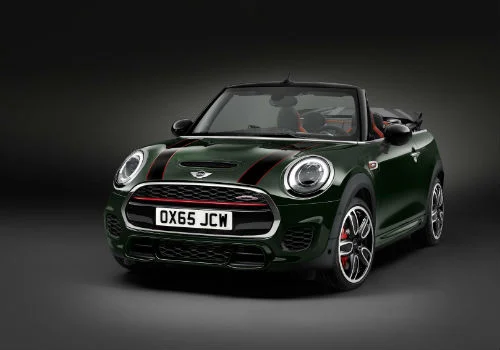
The JCW element is also about dress up, so a carbon-fibre bonnet scoop, brake package upgrade, bespoke 17-inch wheels, and branded exhaust surrounds. Not the fog-lights attached to the grille as pictured. Australian Design Rules has done for them.

The Nightfall Edition presents in Enigmatic Black Metallic paint and all the bits usually chromed are gloss black, as is the badging.

The interior also has more black elements, plus there’s a JCW steering wheel and handbrake, 12-speaker Harman Kardon audio, wireless phone charging and Apple CarPlay.

MINI Nightfall Edition (3).jpg


Countryman PHEV's range improved

Cleaner engines, technology and styling changes come with a refresh for the biggest Mini.

MINI Cooper SE Countryman ALL4 (1).PNG

IMPROVED range from the flagship plug-in hybrid drivetrain is promised with a mid-life update to the Mini Countryman.

The biggest model to bear the Mini badge continues with the current engines choices, though all have been reworked to improve economy and efficiency. Yet there are no alterations to outputs.

So, the entry Cooper’s 1.5-litre three-cylinder continues with 100kW and 220Nm; the Cooper S 2.0-litre four-cylinder still puts out 131kW and 280Nm and the Cooper SE ALL4 maintains total outputs of 165kW and 385Nm.

However, the unit that uses a 65kW/165Nm electric motor powered by a 9.6kWh lithium-ion battery pack now claims an electric-only range of up to 61km, against 40km previously. 

The engines all have particulate filters and the engines in the Cooper and Cooper S now have an exhaust manifold integrated into the cylinder head. A more efficient starter-generator system is standard across the range.

With the cars not coming until the end of the year, Mini isn’t yet keen to lend details on local market specification and, of course, there’s nothing yet on pricing. The hit shouldn’t be too extreme, though, given that sticker revisions in its home country have been modest.

External revisions are similar to those already meted to the three- and five-door hatchback two years ago the the Clubman in 2019.

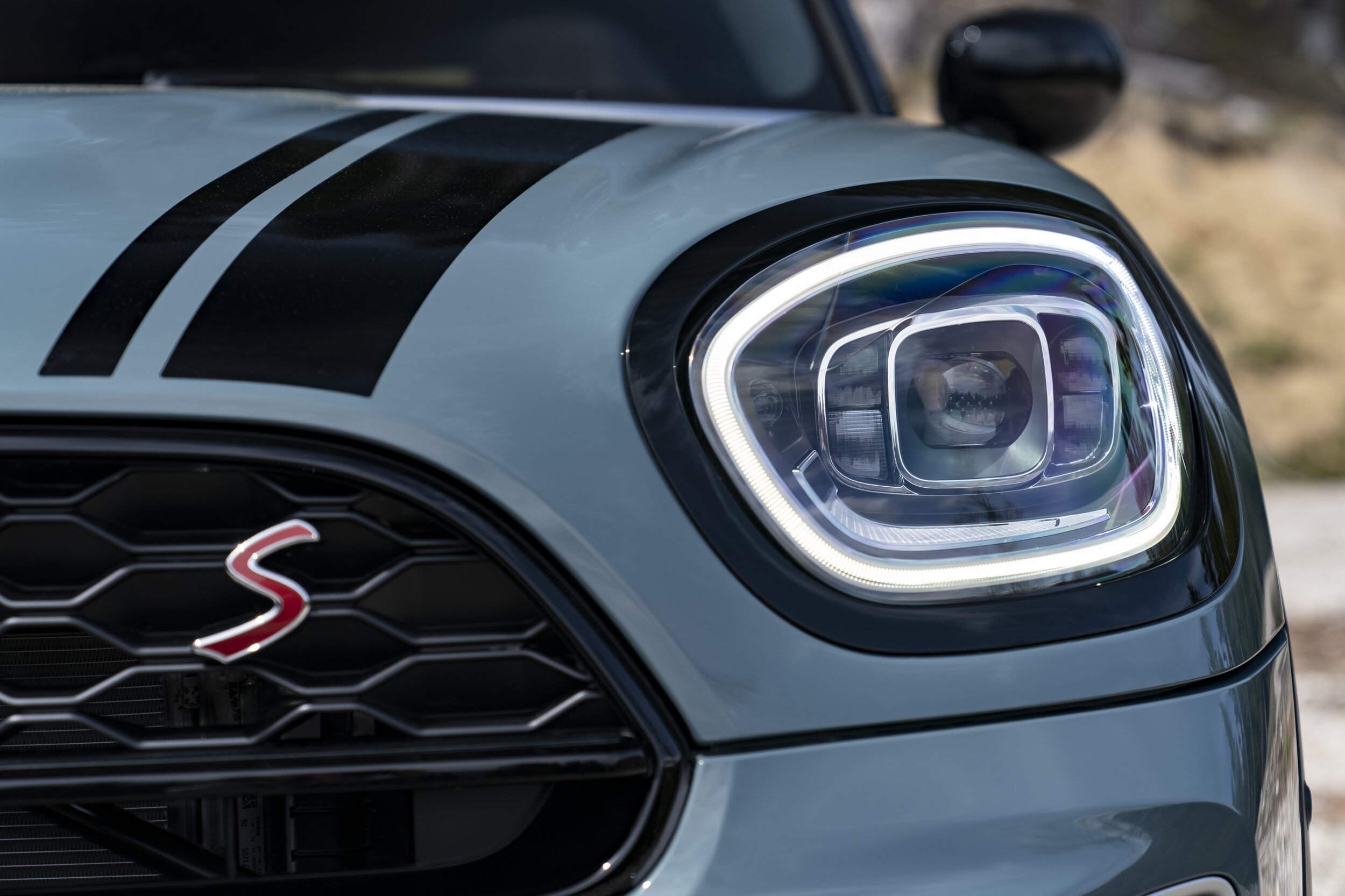
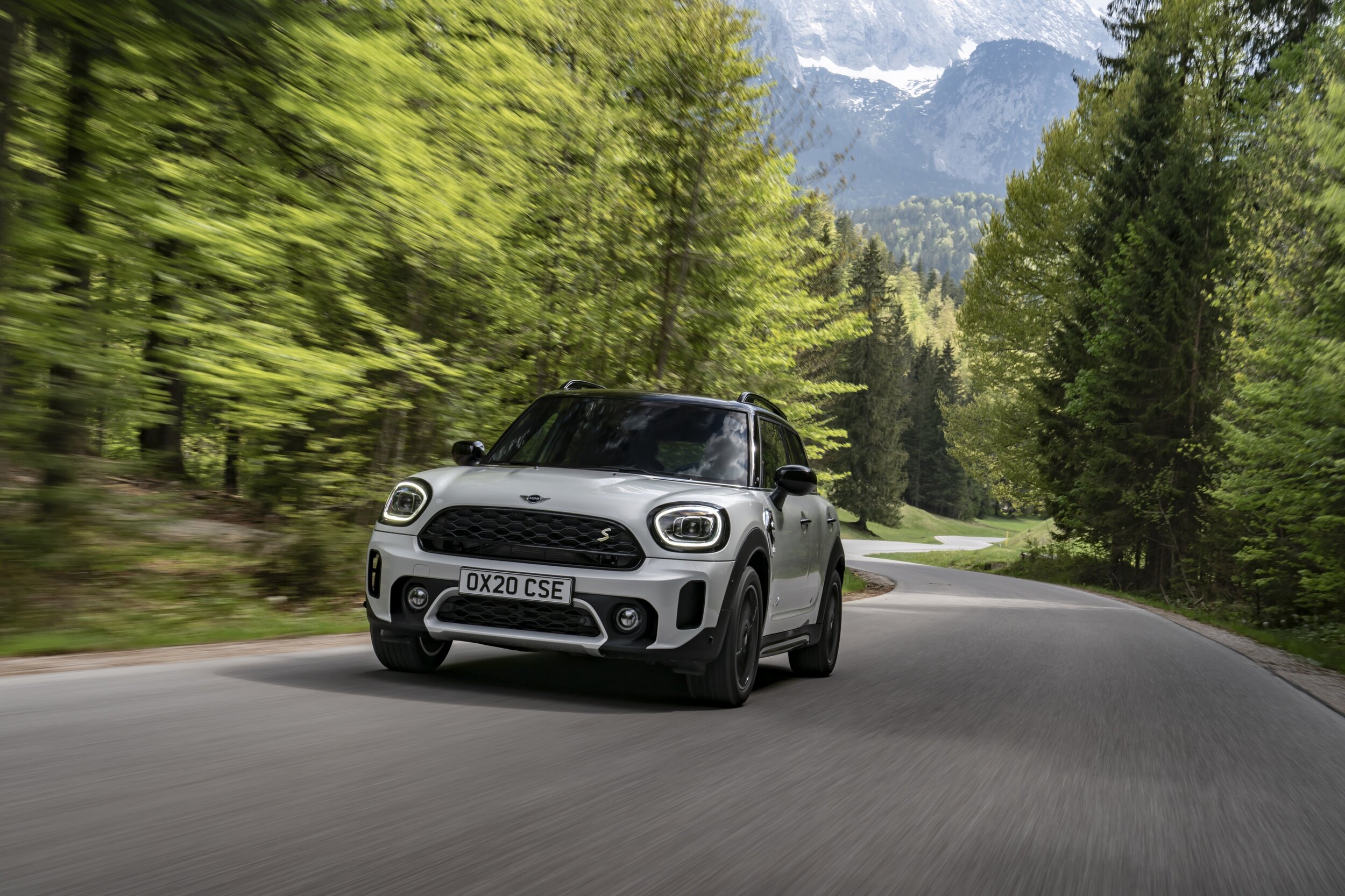
A new grille with hexagonal comb mesh and a new bumper below differentiate the incoming line from the 2017-released originals. The rear also gets a nip and tuck with Union Jack taillights. 

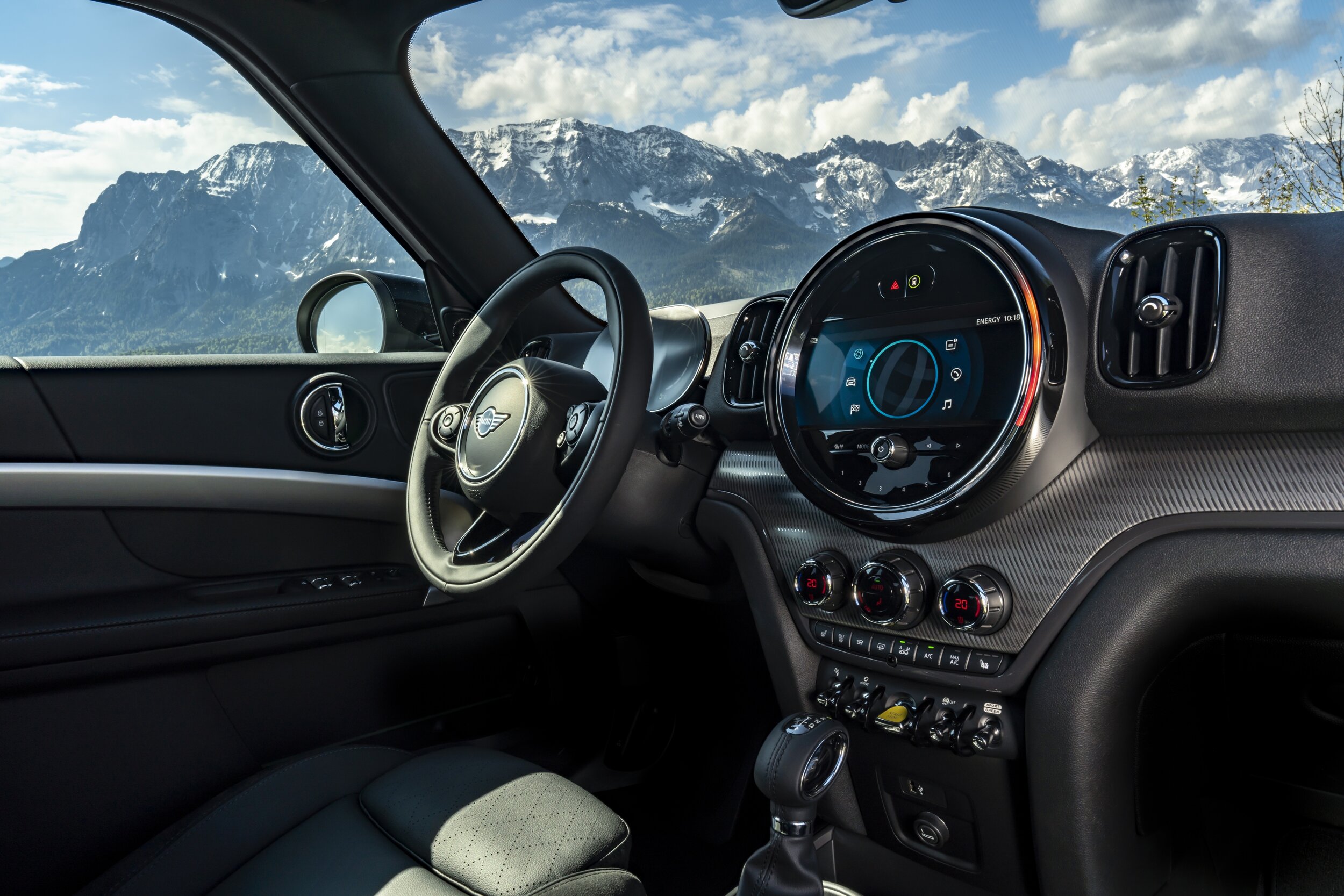
The interior delivers change with redesigned dash and layout, including a “refined surface around the circular control unit” which measures 8.8-inches in diameter and hosts MINI Connected features including Navigation Plus and Amazon Alexa integration and Apple CarPlay.

Equipment on the three trim grades includes 16-inch, 17-inch and 19-inch alloys, digital instrument display, roof and side mirror caps finished in either body colour, white, black or silver depending on model, piano black exterior and interior trims, plus a new range of materials and leathers is offered, including new blue and brown seat colours. As always, there’s an extended range of personalisation options and Mini accessories, including a rear bicycle rack, roof box, luggage mat and all-weather floor mats.


$60k for battery-pure Mini

The Mini that plugs into play will be here in August.

P90381035_highRes_the-new-mini-electri.jpg

ANOTHER small electric model is set to slot under $60,000 when it lands in August - if by just $100.

Still, Mini’s first fully electric car, the Cooper SE, is set to intrude into a price space occupied by two more utilitarian plug-reliant products, the Nissan Leaf and the Hyundai Ioniq.

As much as they both of which hammer the wee BMW-Brit bauble for range (the official cited max is 233kms) and in size, both arguably falls well behind for visual chutzpah, premium-ness and social standing.

How they will stack up for specification? Yet unknown. Even though there’s just going to be the single variant, that today’s announcement enforces that this is the start point for pricing is good reminder that it will, as always, cop a decent options list.

Even so, the local starter spec looks good. Mini is kicking off its campaign with a First Edition whose fittings include some fancy gear: adaptive LED headlights, bespoke interior trim, heads-up display and a Harmon Kardon audio. Intriguingly, Australia also takes the same thing for $A59,900 – which comes out to just under $NZ64k on today’s exchange rate. So, a Kiwi win, by the look of it.

Of course, you can tick boxes for all that in combustion-engined Minis and still save, as almost all are cheaper; not just all the variants in the same three-door styling but also the substantially larger Countryman and Clubman.

That just reminds that there’s still a degree of expensiveness in buying into a mains-reliant drivetrain consisting a 32.6kWh lithium-ion battery and a 135kW/270Nm electric motor. 

Even so, there’s lots of optimism, with Brett Waudby, general manager of MINI New Zealand and Australia, reckoning the car “heralds a new chapter for the brand - a charge into the future of electromobility without compromising the marque’s core values of creativity, vibrancy and smart urbanity.

“It is wonderful to see such a positive response we are getting to the car. Our dealers are extremely excited to add this model to our customer offering, which is sure to be an absolute thrill to drive.”

P90384545_highRes_mini-cooper-se-04-20.jpg