NEW vehicle importers support a clean car standard but believe the mooted deadline of 2025 is impossible to achieve and have labelled electric vehicle uptake forecasting as a fantasy.
The Motor Industry Association, which speaks for new car distributors and has more than 44 members covering 81 different marques, is more partial to a 2028 deadline, as suggested in a Climate Change Commission report.
However, it is also particularly scathing of the commission’s considerations about the pace of EV uptake in New Zealand, saying its modelling “enters the realm of fantasy and wishful thinking.”
This is the MIA’s biggest concern, though it is also questioning the agency’s projections about when EVs will achieve price-parity with conventional internal combustion engine vehicles, saying that forecast is also seriously awry. Predictions of low emission vehicles also run ahead of what the MIA believes is possible.
“We consider that the commission’s target of 50 percent of vehicle imports to be electric by 2027 are overly optimistic, as are the projections for price parity.”
It highlights that the world’s EV makers are primarily concerned with meeting demands in markets where hard-and-fast deadlines for reduced emissions and ICE car availability has been established. It also points out that with the exception of the United Kingdom, which plans to ban new ICE cars from 2030, these are predominantly left-hand-drive markets, so as result production for right-hand-drive countries is limited at best.
The Association also believes the commission undervalues the role of carbon sinks, synthetic fuels – that could keep internal combustion engine (ICE) vehicles in circulation - and hydrogen technologies.
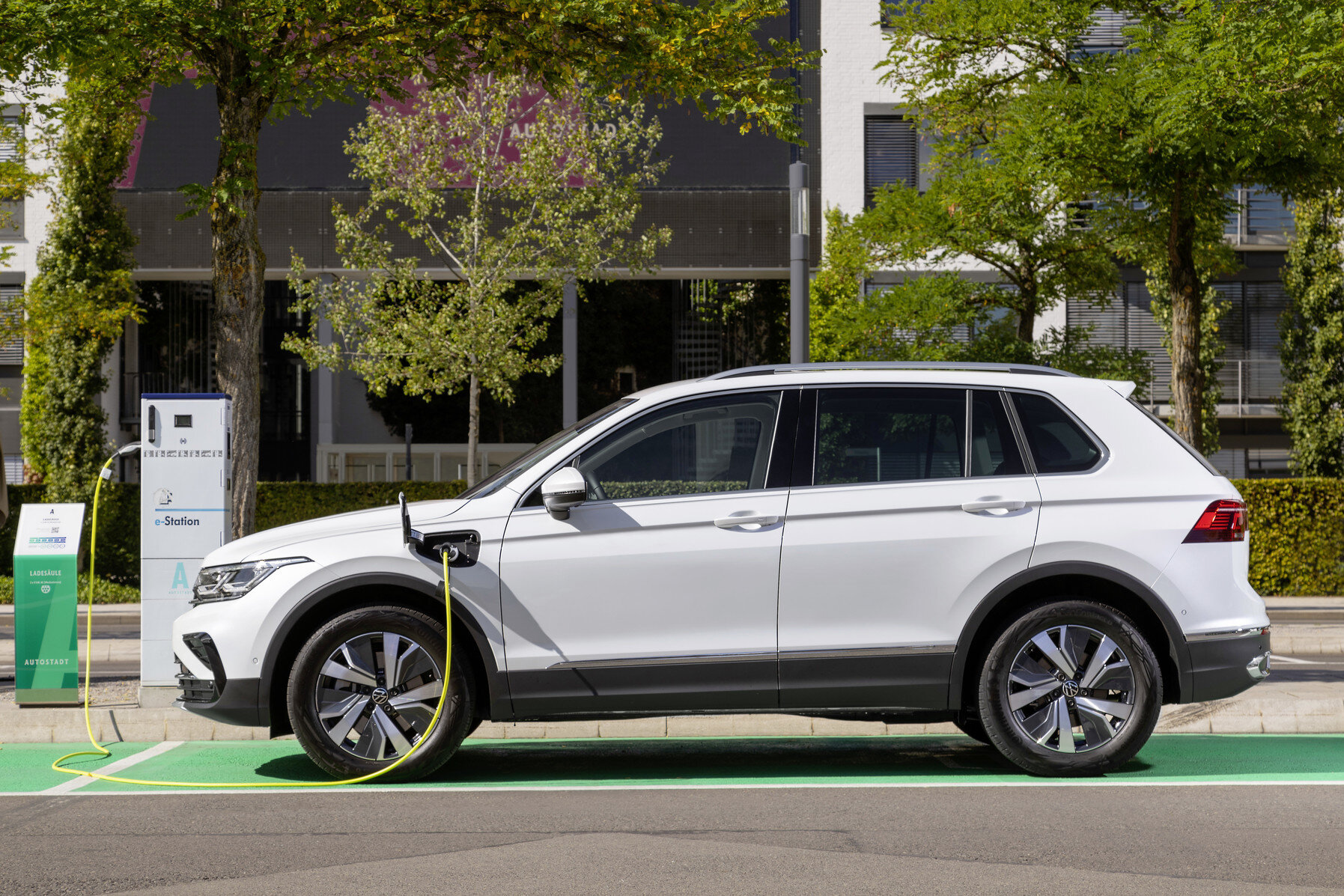
The latest comment comes after a number of high-profile local distributors, including Toyota New Zealand and European Motor Distributors – which holds rights to all brands held by Volkswagen Group, an electric vehicle production juggernaut likely to overtake Tesla next year (yet is unable to begin supply to NZ until 2023) - have called on the Government for a feebate scheme to sit alongside its clean car legislation, fearing that without it new EVs will struggle to see similar demand.
The MIA’s criticisms and alternate proposals are contained in a comprehensive report responding to the Government having announced, in January, an emissions standard which, if approved, will take effect from next year and also the commission’s subsequent draft report lending opinion about what it believes New Zealand must do.
The deadline for submissions about these matters is today.
The Government’s standard will require new and used car importers to meet incrementally lower emissions targets, falling to 105 grams of CO2 per kilometre average by 2025, from a present average of 171g/km.
The commission has subsequently recommended the Government deploy an end-date for petrol and diesel internal combustion cars, proposing 2032 as appropriate.
In a covering letter to the MIA’s submission, chief executive David Crawford says new vehicle importers supports need for cleaner vehicles, but says the timeline for a lower CO2 average is too rushed.
“Unfortunately the Government’s timeline of 2025 is impossible to reach with resulting penalties becoming a financial impost against all new vehicles including low emission vehicles.”
“Additionally, the transport policies in the draft report focus on vehicles entering the fleet which is only a small portion of the in-service fleet. We need policies to focus on not just only those entering the fleet, but also to target existing vehicles. This will garner a faster rate of emission reductions than just focusing on vehicles as they enter the fleet.”
Additionally, the transport policies in the draft report focus on vehicles entering the fleet which is only a small portion of the in-service fleet, he says.
“We need policies to focus on not just only those entering the fleet, but also to target existing vehicles. This will garner a faster rate of emission reductions than just focusing on vehicles as they enter the fleet.”
In an executive summary, the MIA says the commission should have been “more technology agnostic, and not favour one technology over another, but enable the transport industry to develop innovative solutions” to meet reduced CO2 targets.
Crawford says the commission’s thought that technological breakthroughs will be crucial to enable the agricultural sector to reduce its greenhouse gas emissions does not give consideration to the potential for new technological breakthroughs for the transport sector.