We like: Still the best RS, awesome on a windy road, only slightly pricier than an S4.
We don't like: Same infotainment quirks as S4.
ONCE it was The One for our market – now it’s just one of many.
Audi’s performance division has been banging out RS cars since 1994 but they aren’t always as they used to be. The RS badge attaches to a massive family and, with consumer tastes having now swerved tangibly toward sports utilities, the strongest sellers are increasingly based on higher-riding vehicles.
That’s been a bonus for Kiwis. RS car production has steadily bumped up over the years and a fair few have come to New Zealand, enough to often give us the world’s best per capita ownership in any given year, mainly because we seem to embrace everything that joins this clan.
Where does that leave original flavour product such as the RS4? Thankfully, still in the hunt. As much as the swing toward sports utility-based editions is now obvious and these have taken over as the preferred choices, the distributor has never countenanced quietly slipping the Franken-A4-stein wagon out to retirement.
Instead, it remains in the pack, trading less spectacularly than it once did but still solidly enough on strength of provisioning supercar-rivalling stonk and dynamic purity in a package perfectly sized and sorted for our driving condition and style. The world’s best warp-speed wagon? I always thought so and driving the 2020 update does nothing to alter that view.
Even so, the S4 should conceivably have this car rattled, because it has become better than ever. Or so it might seem until driving the RS4. As much as the underling has something of the same panache, practicality and even performance punch, it still doesn’t blend those factors quite as completely and competently as the RS4 manages.
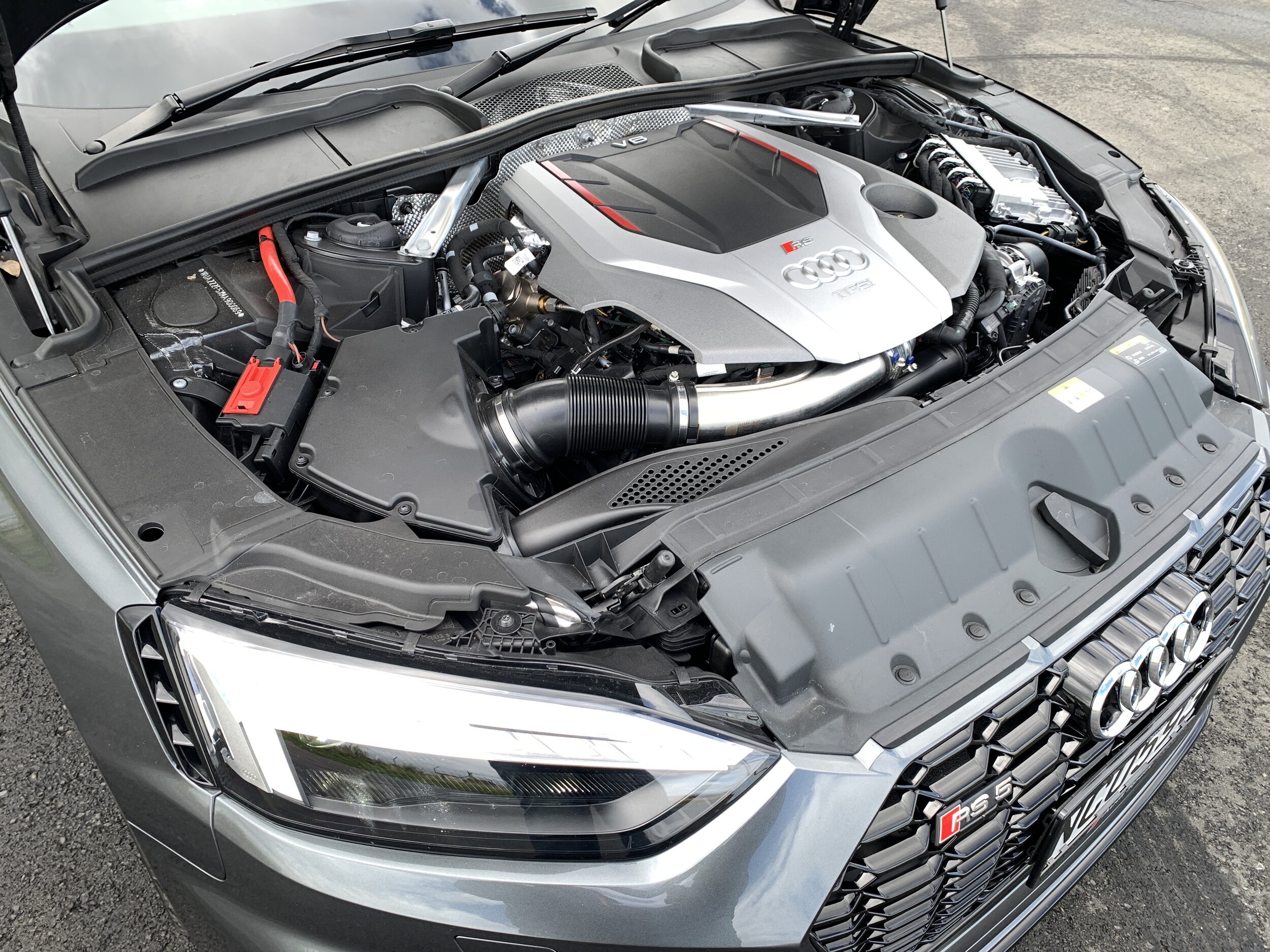
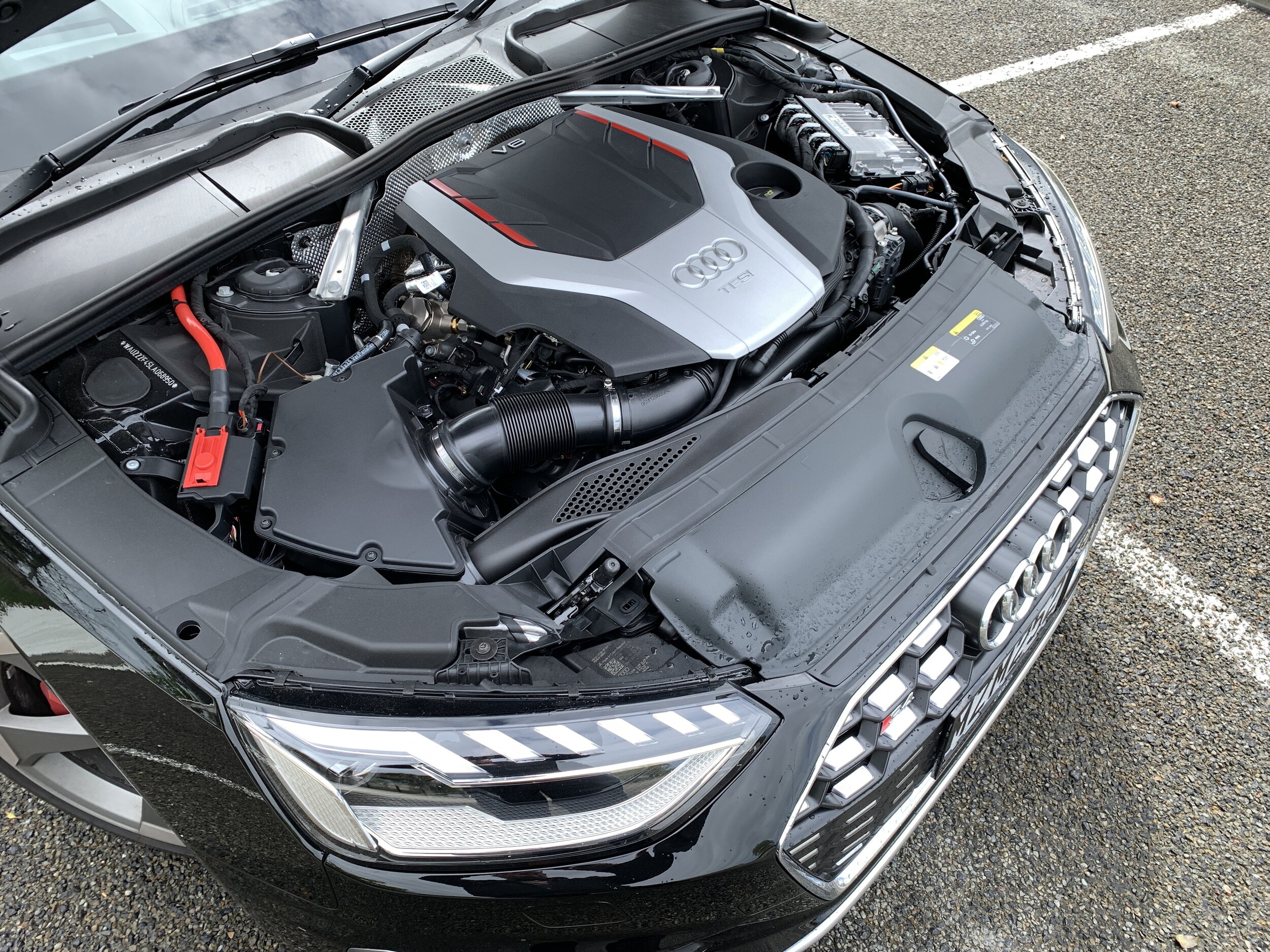
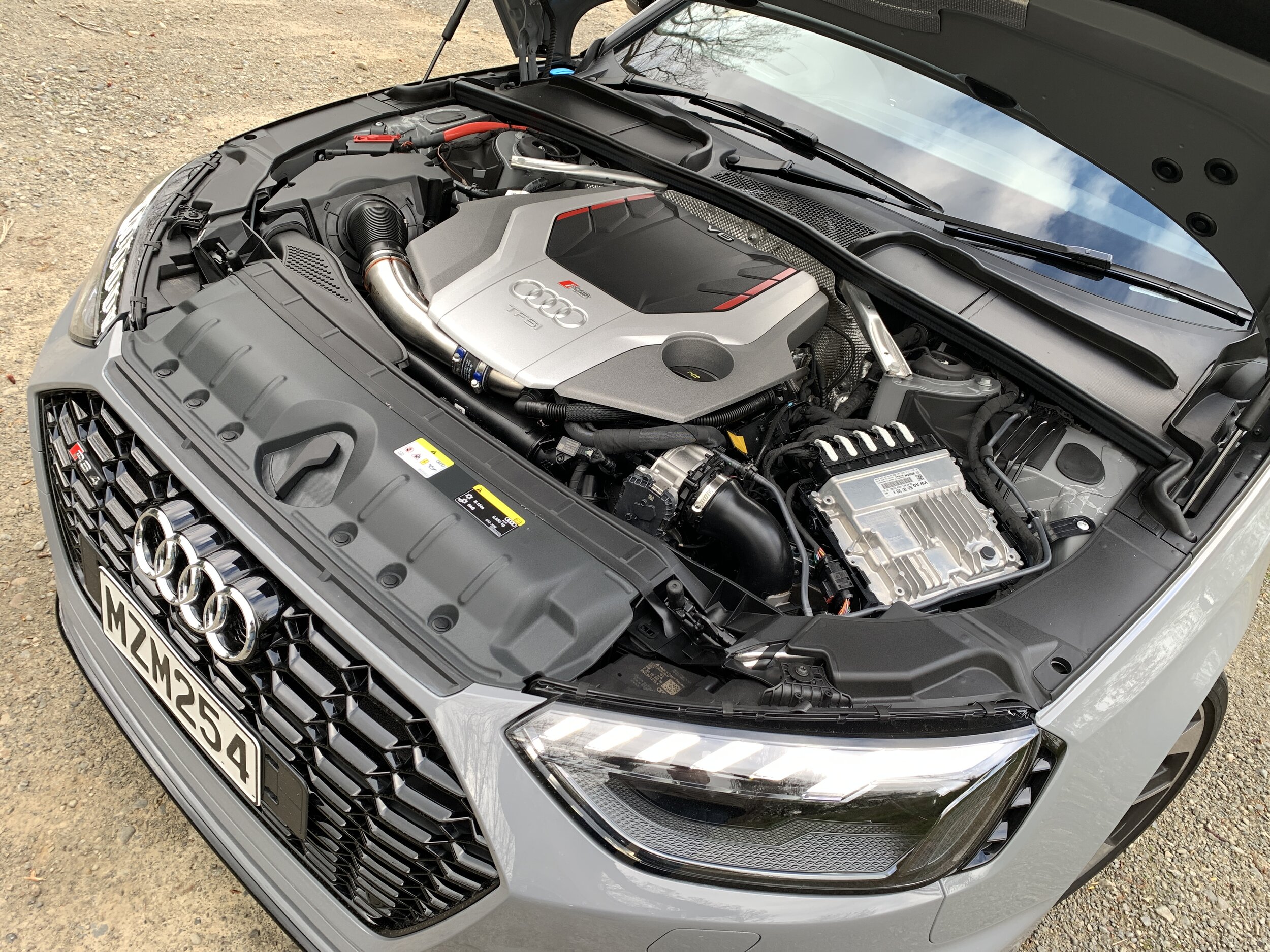
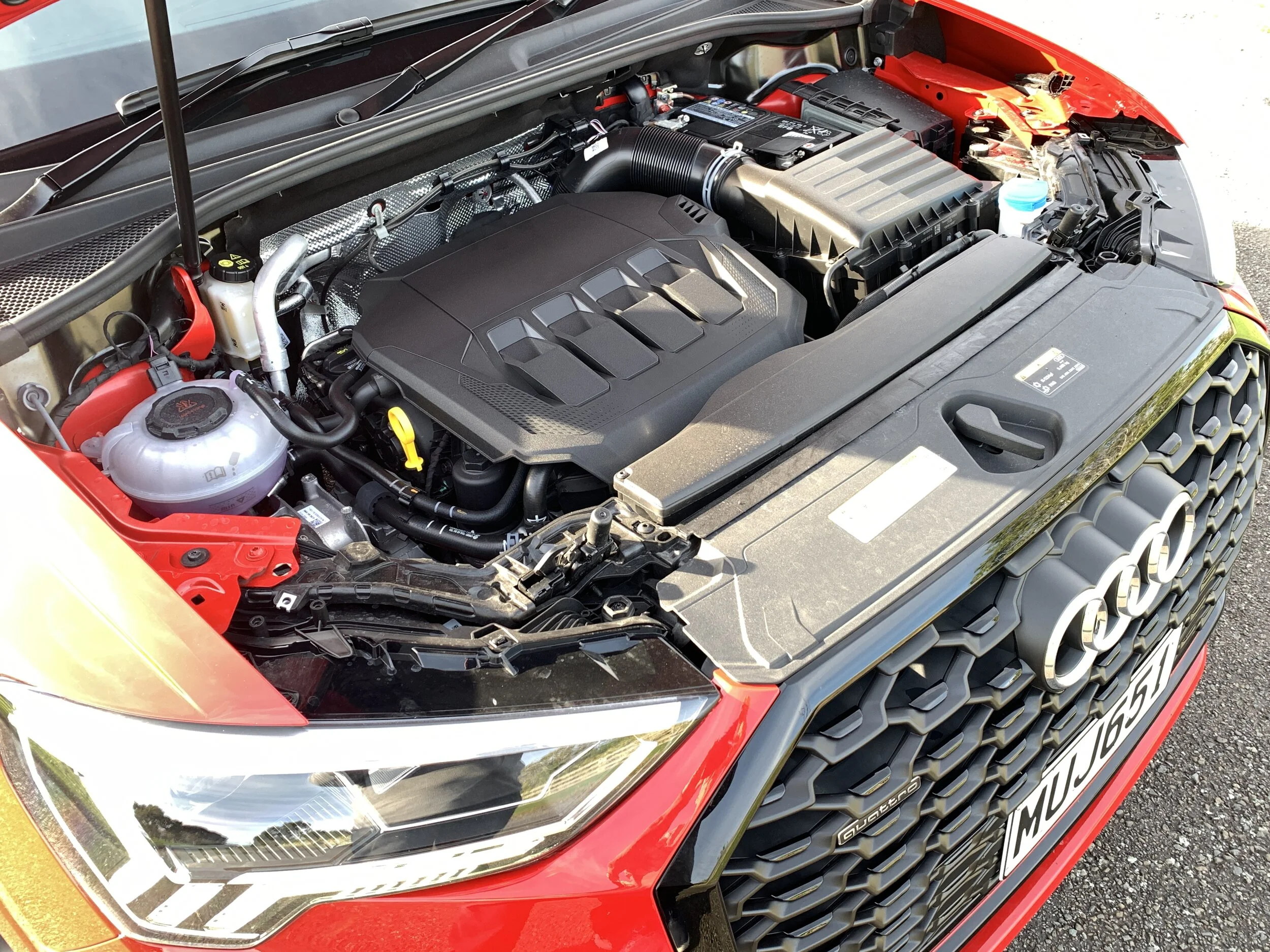
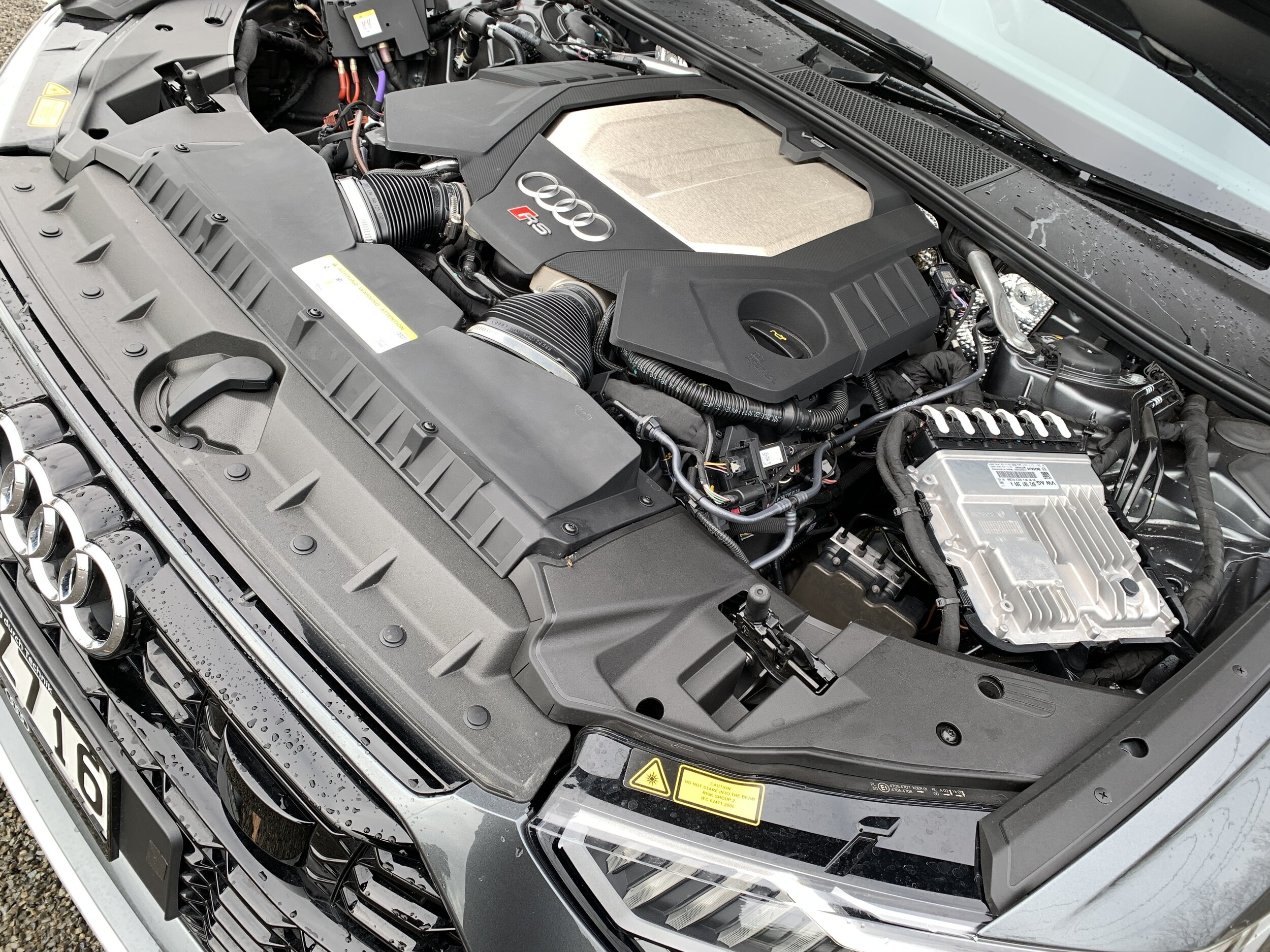
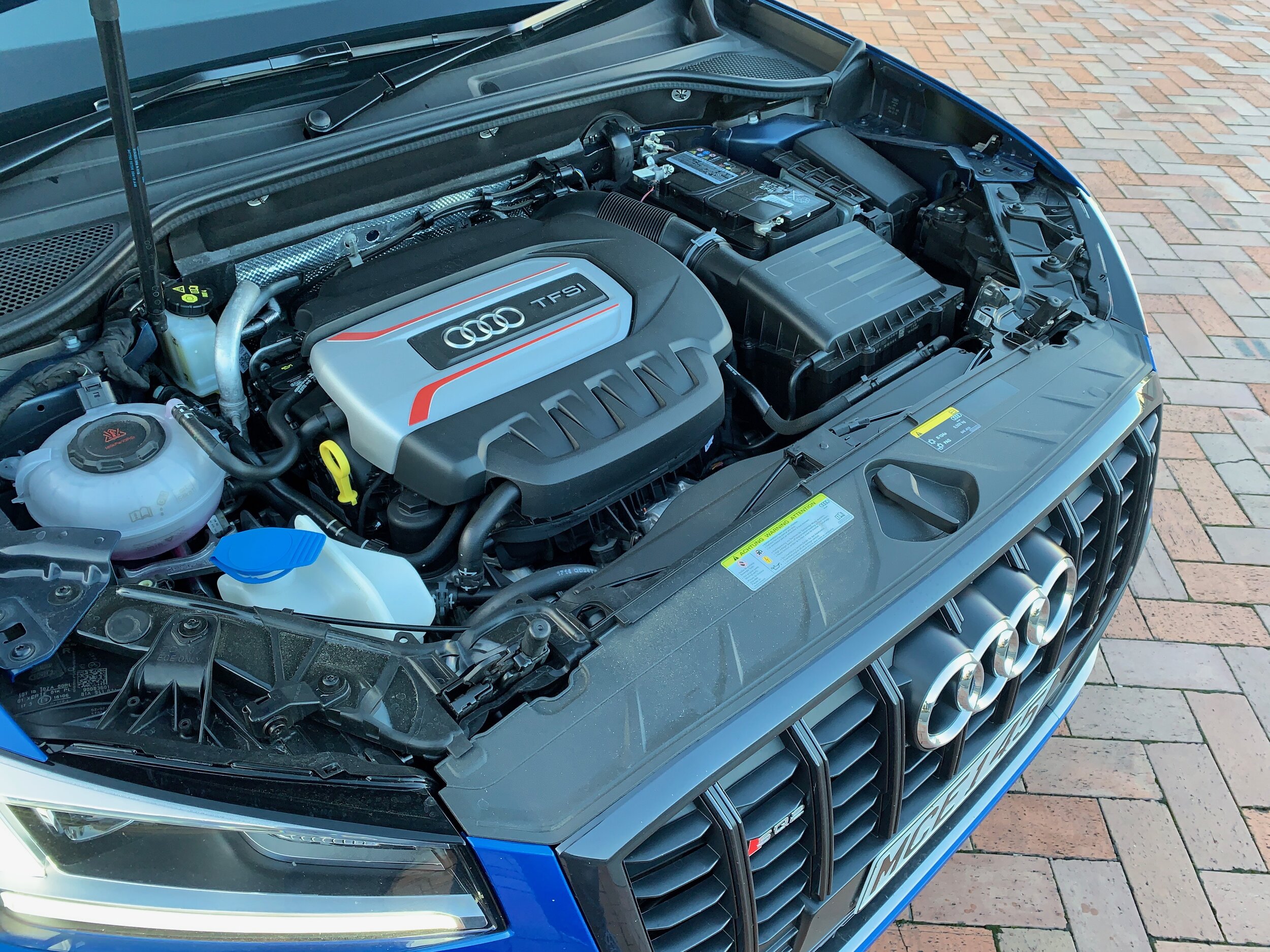
Sure, it has changed, most obviously when the 4.2-litre V8 was dropped, as it had to be. Do we miss the old engine? Logically, we shouldn’t. Today’s biturbo outputs the same power and a lot more torque, drinks less fuel and is demonstrably a better drive. But honestly … well, yeah, there’s still a twinge at emotional level. If I had a chance to reacquaint, well … it’d be hard to say no.
At same token, the RS4 is still a hero and a special thing; a well-crafted, belting monster all-rounder occupying its own rarefied market segment.
What’s changed for the 2020 model year? Not too much, all in all.
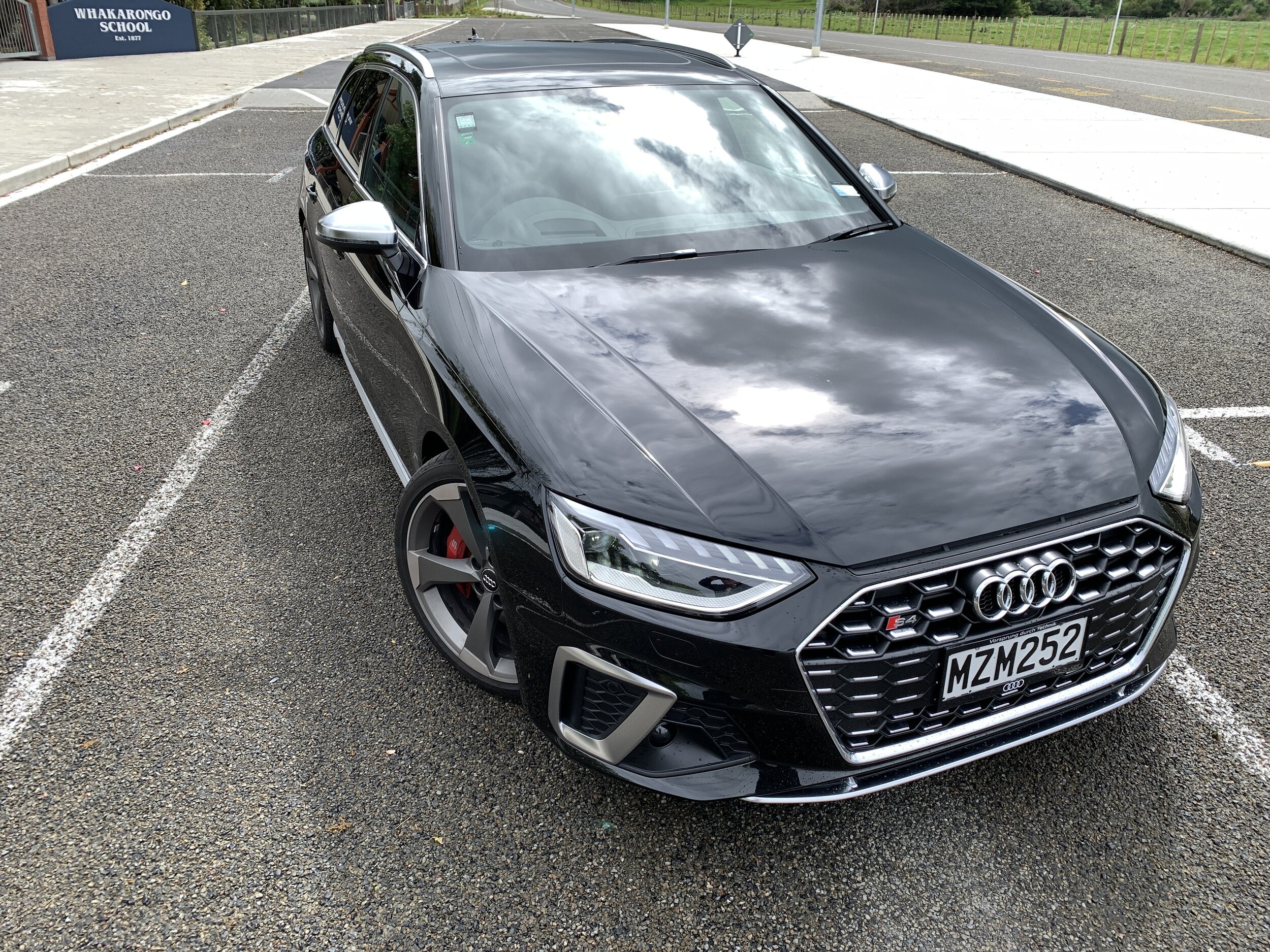
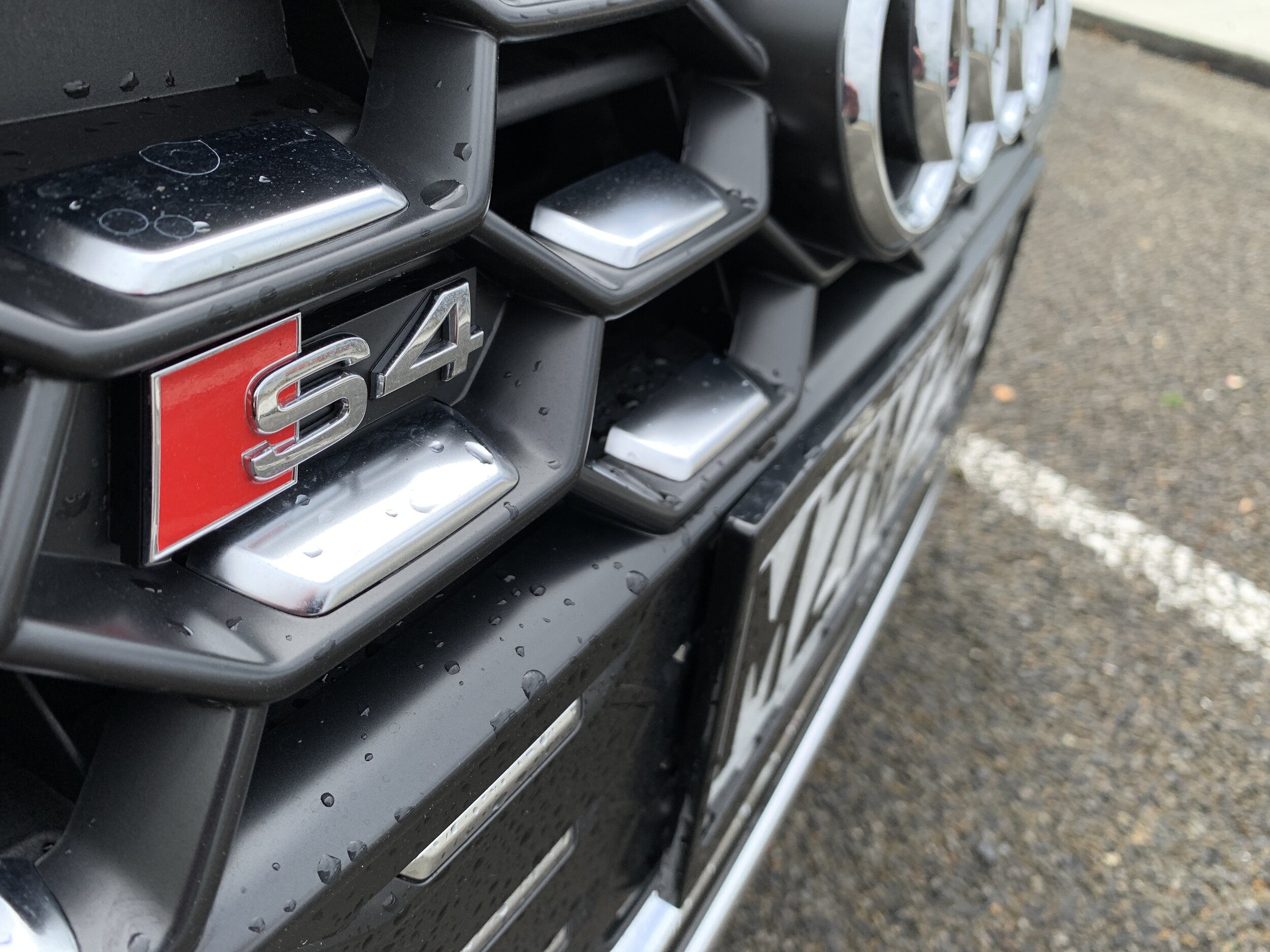
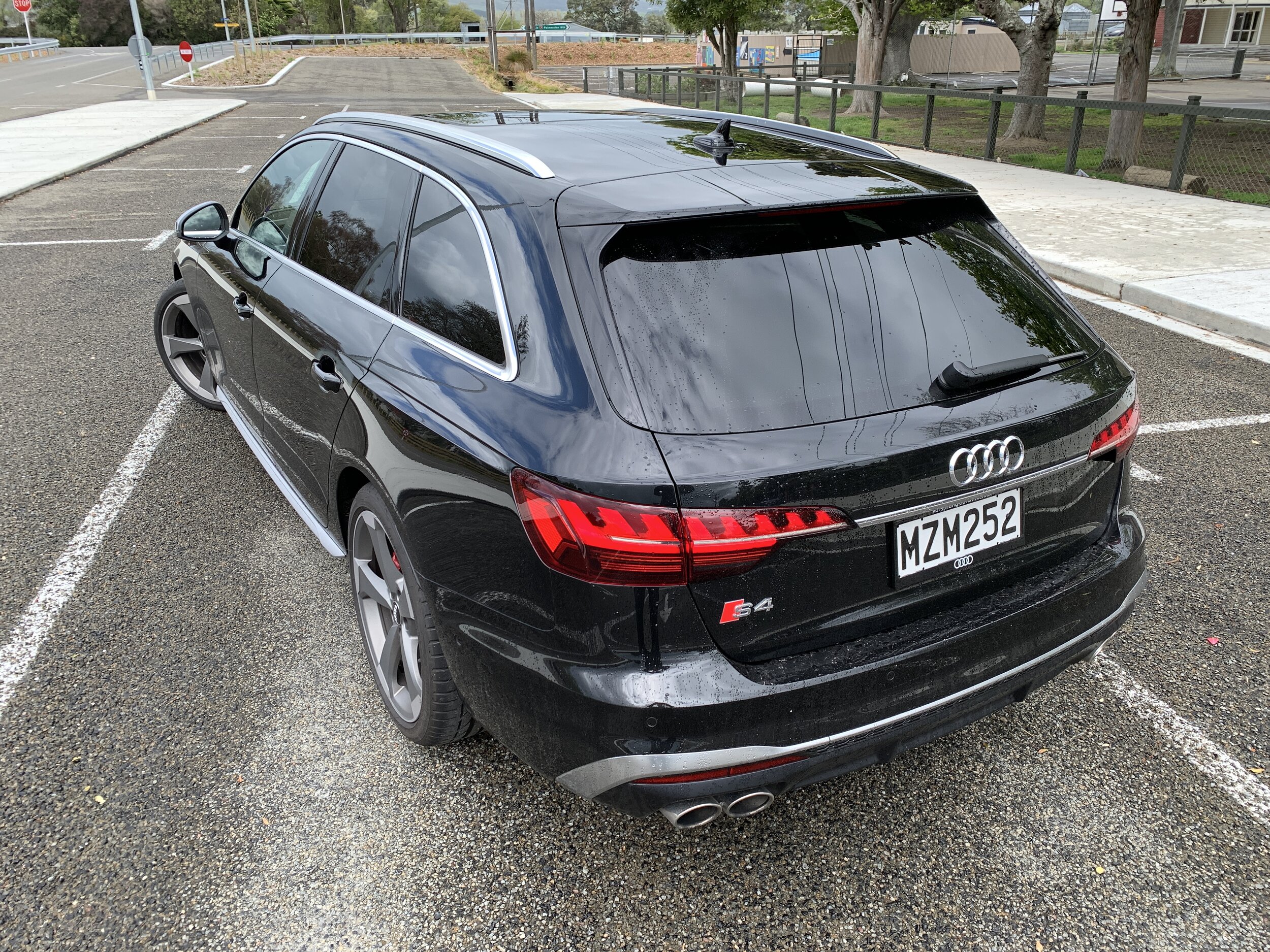
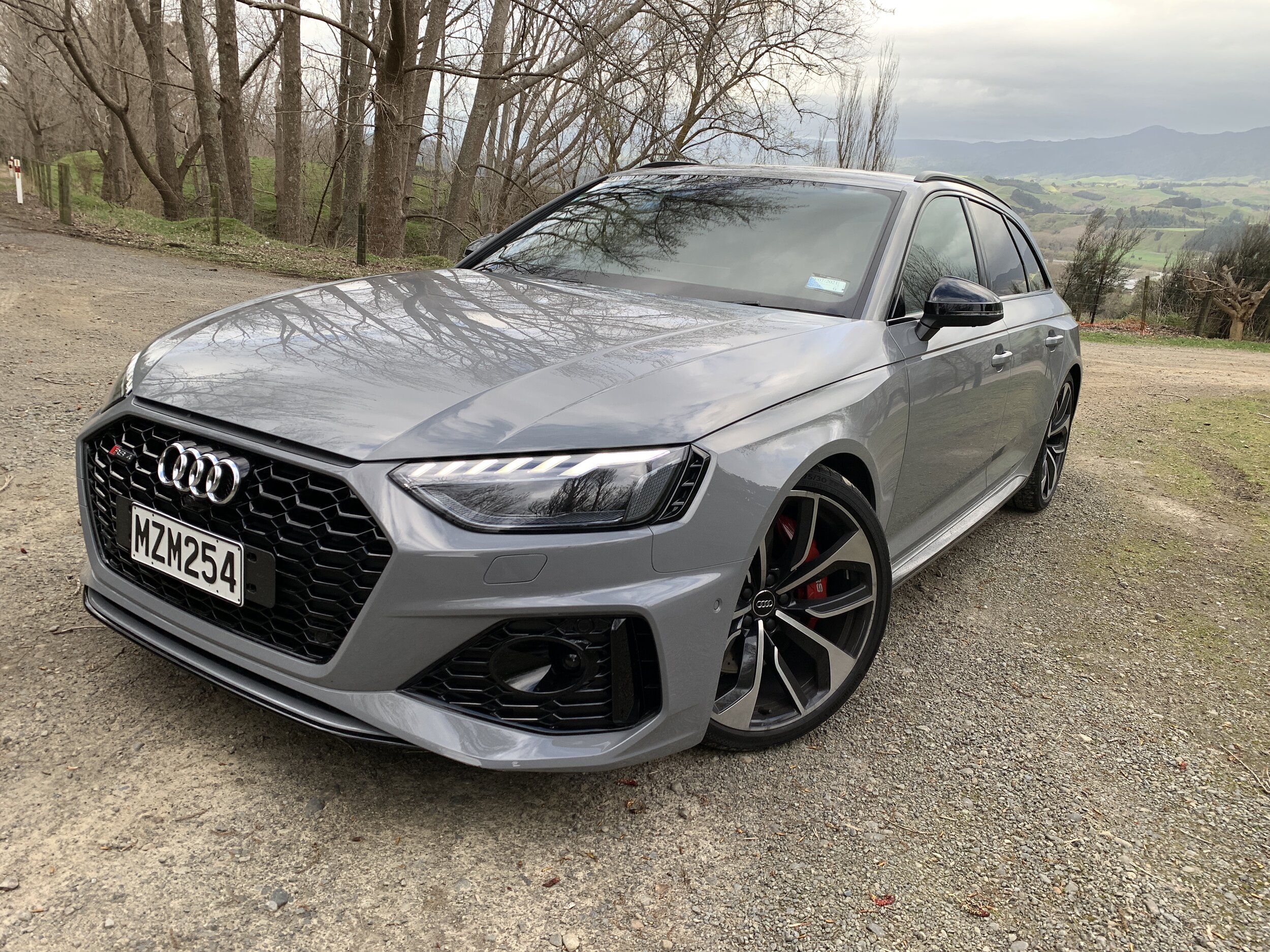
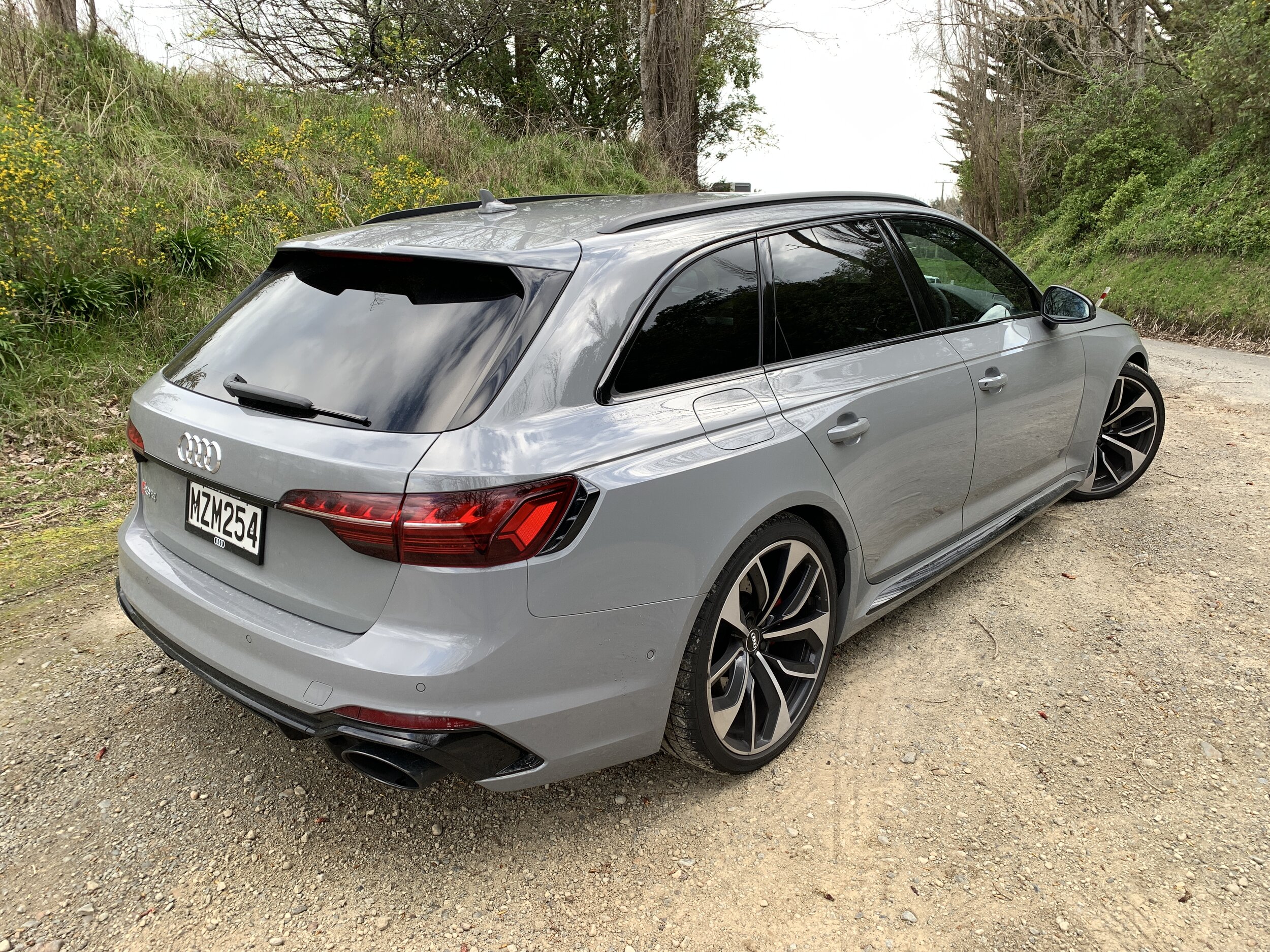
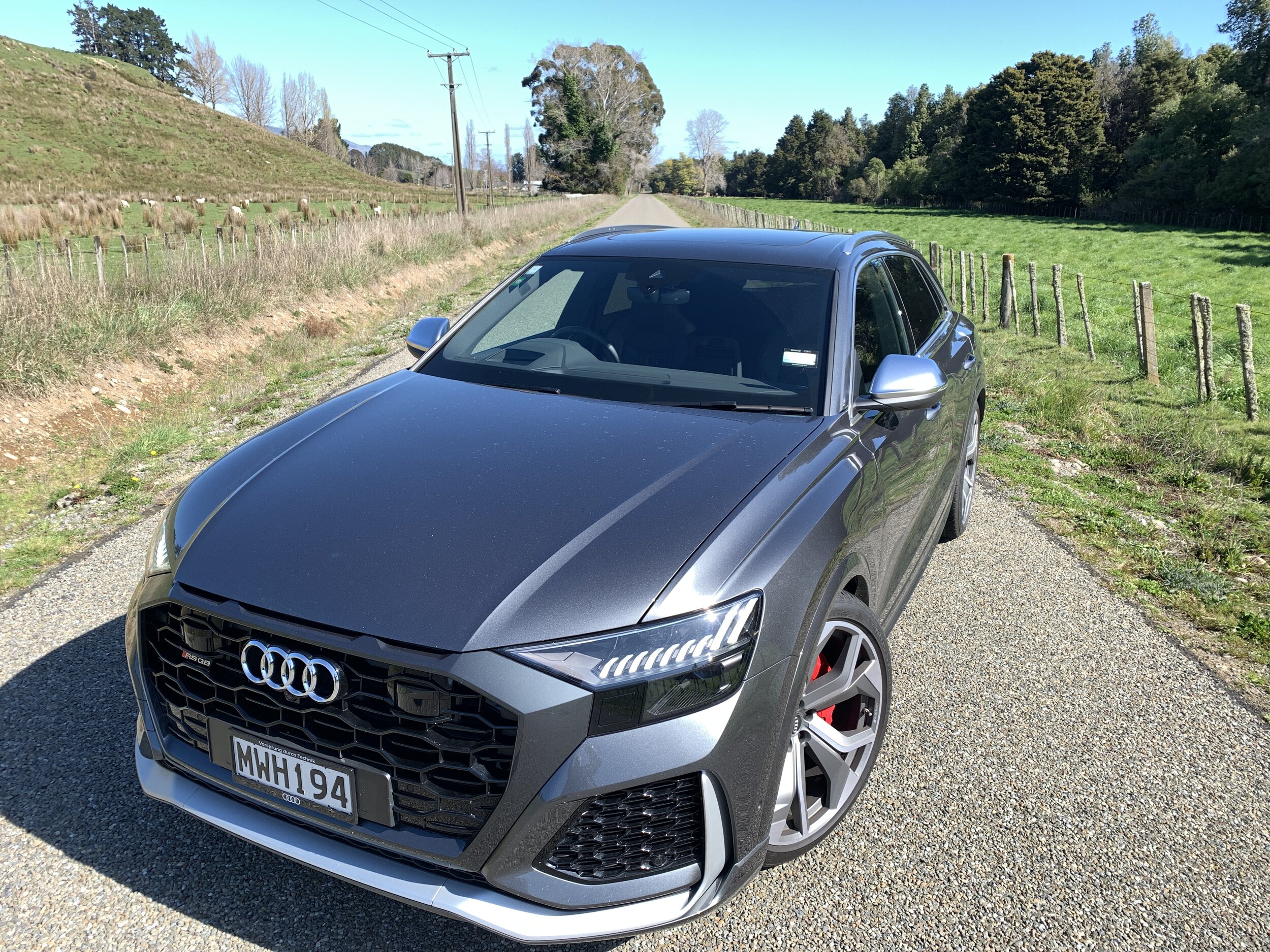
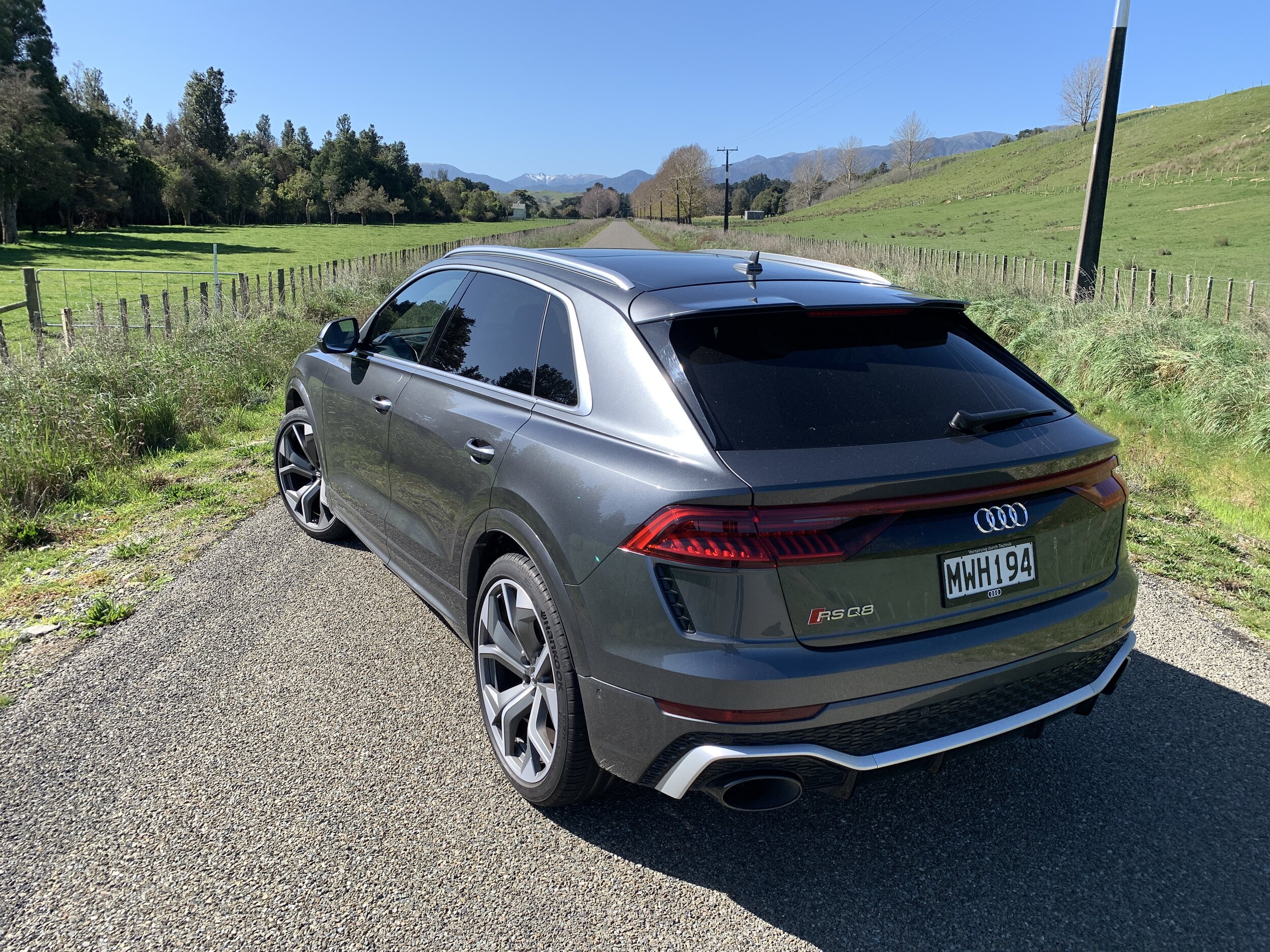
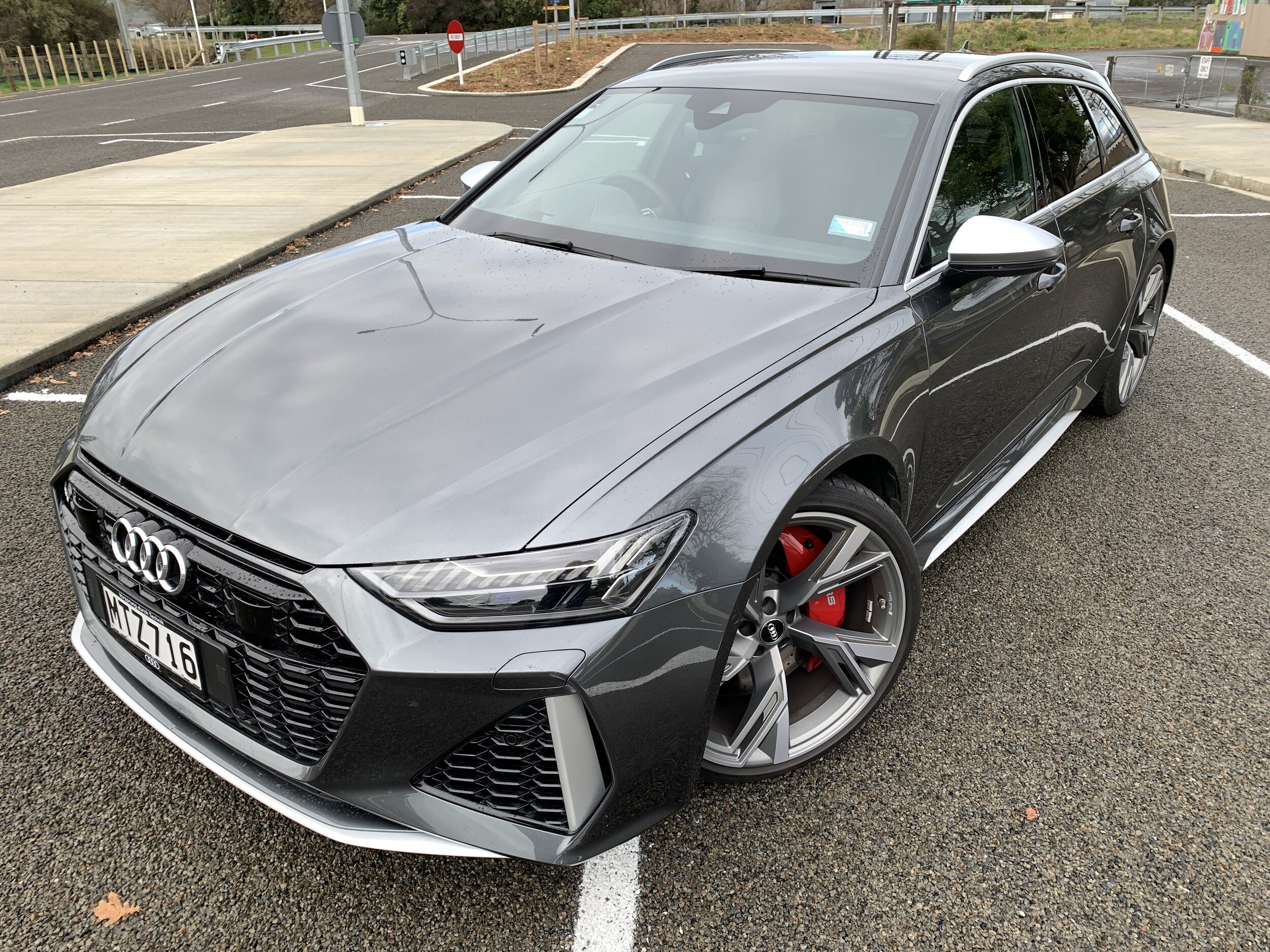
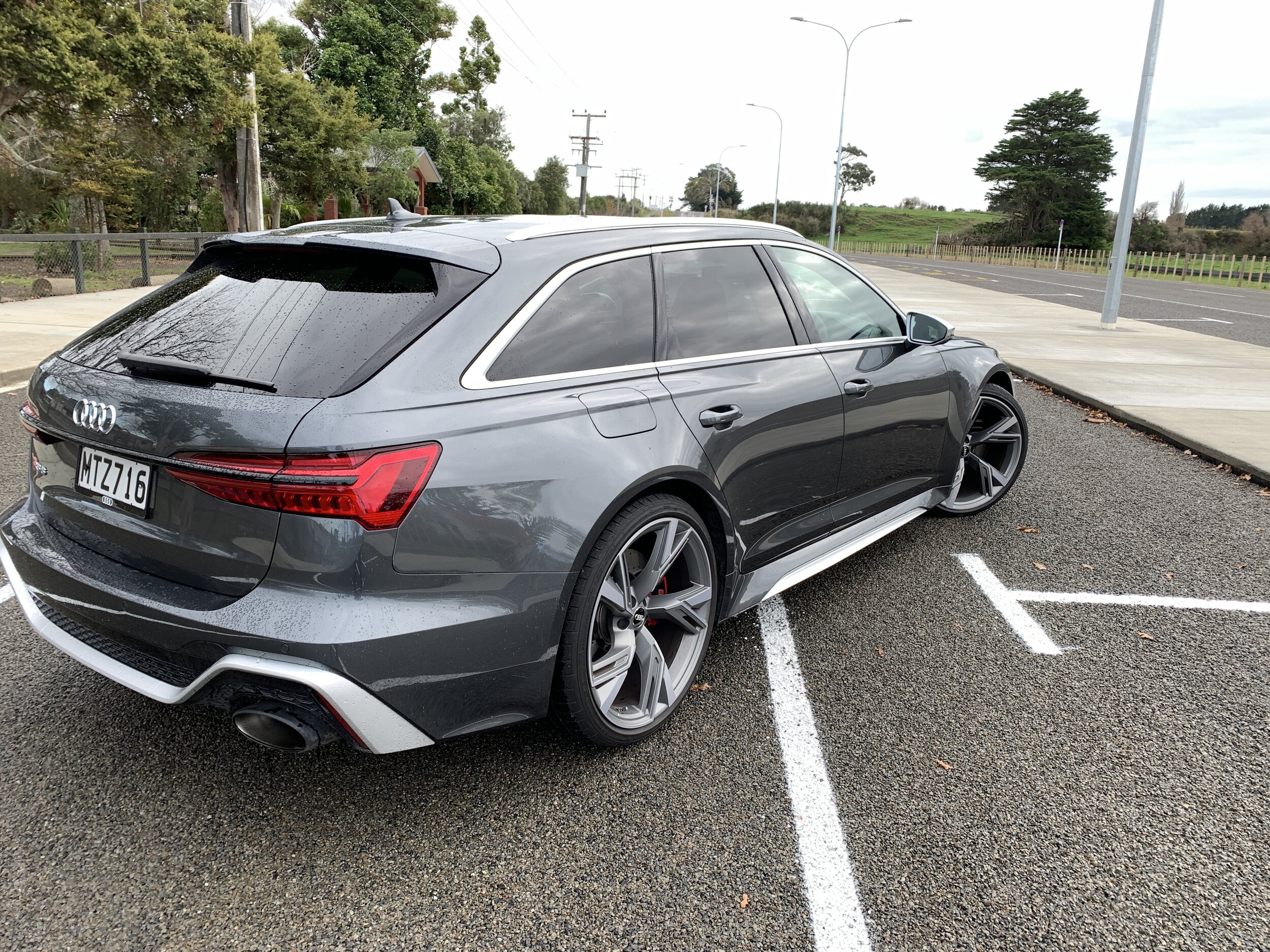
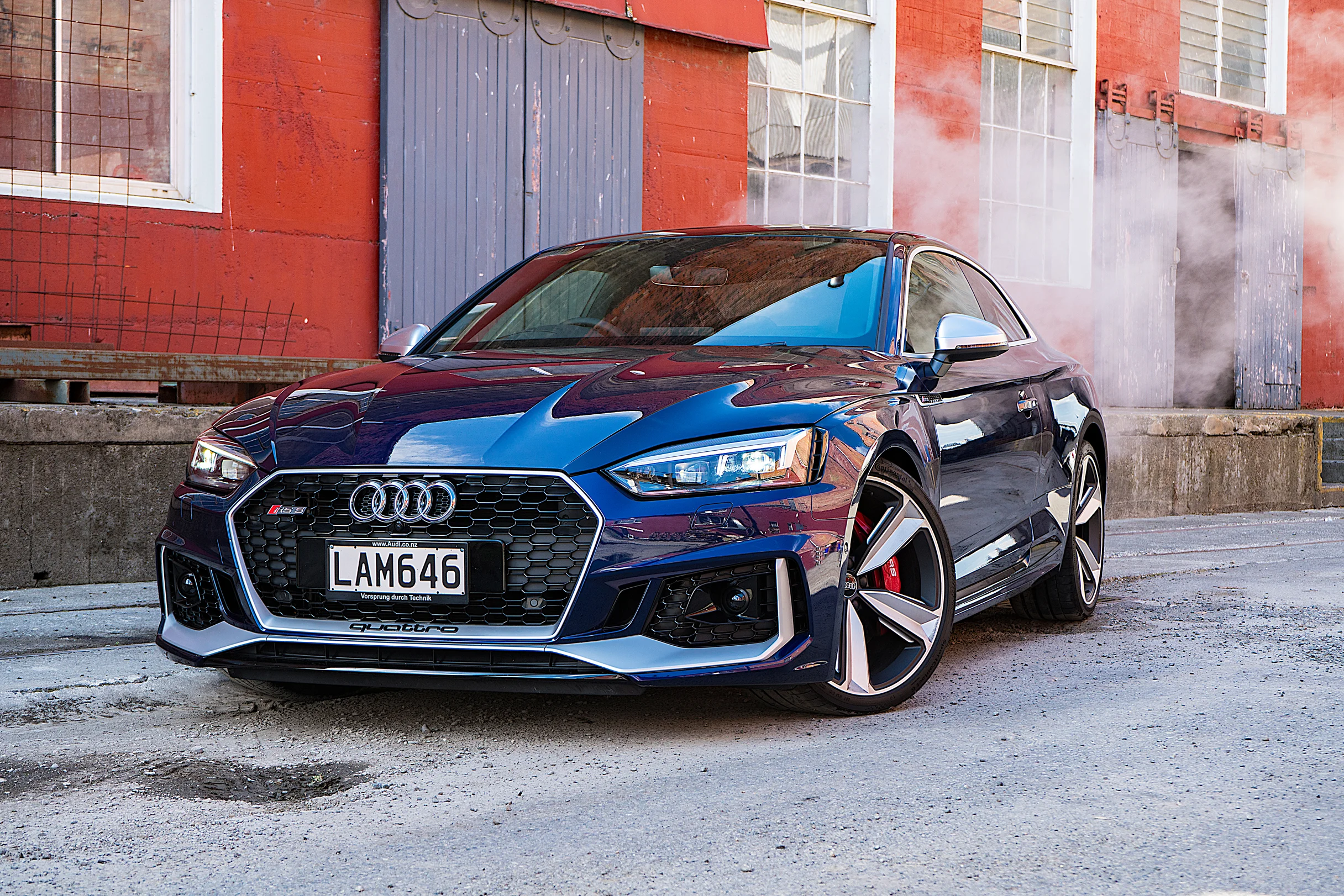
Trainspotters will cite those funky LED lamp clusters front and rear, which have distinctive patterns within them, and the triple-slats cut into the nose of the car above the radiator grille as adjustments of significance. Less well-informed punters might not even realise they were absent previously.
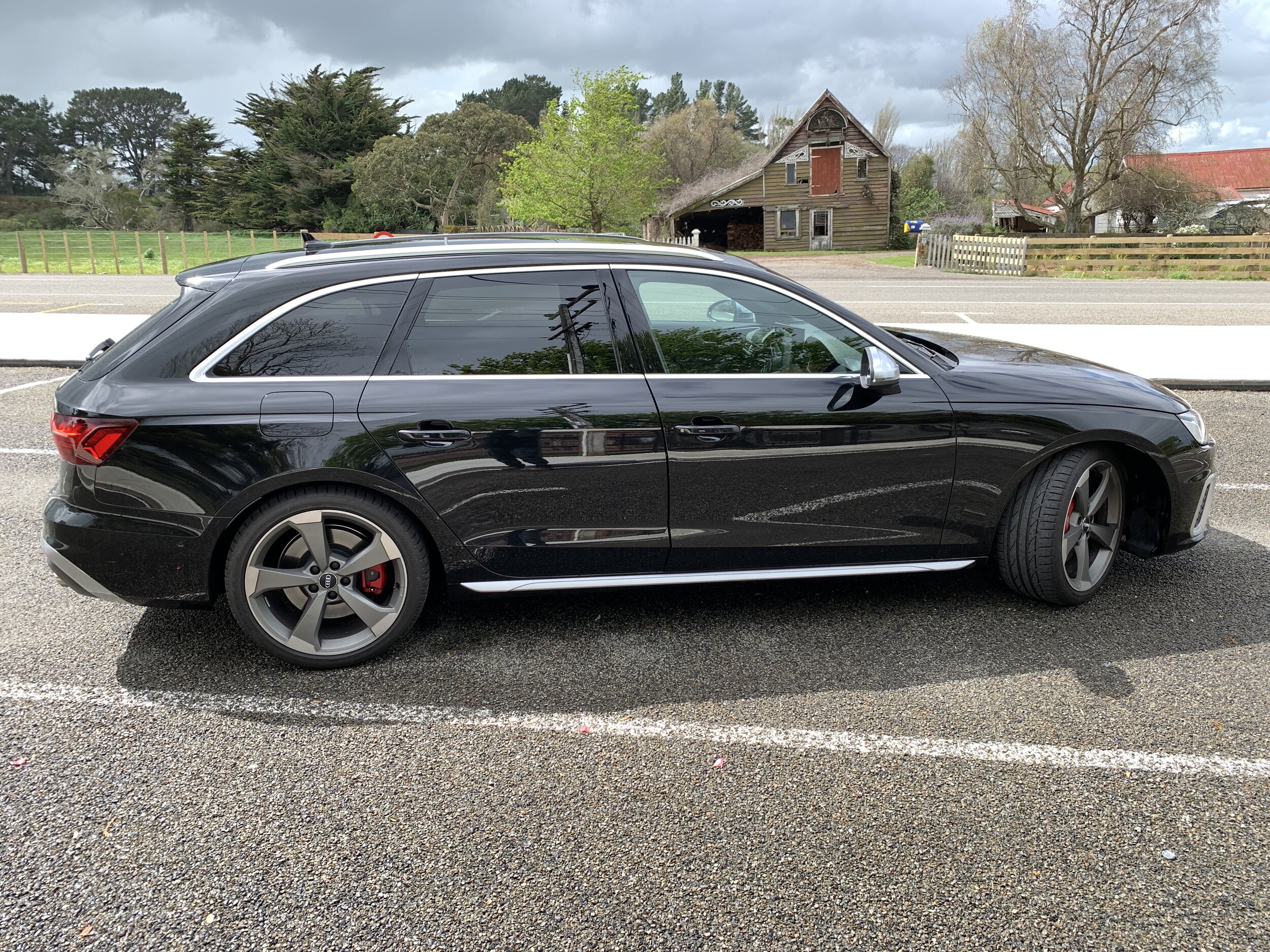
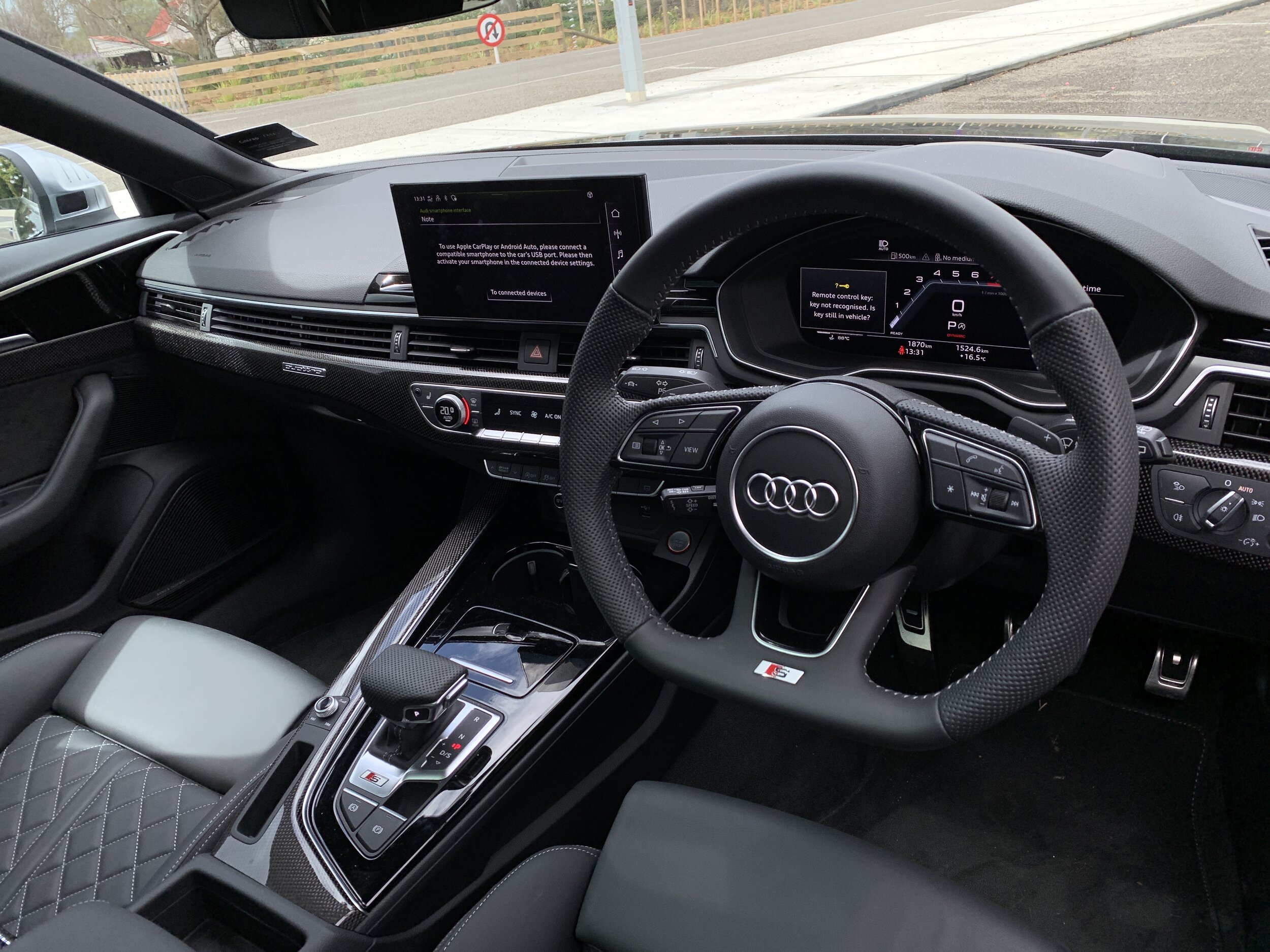
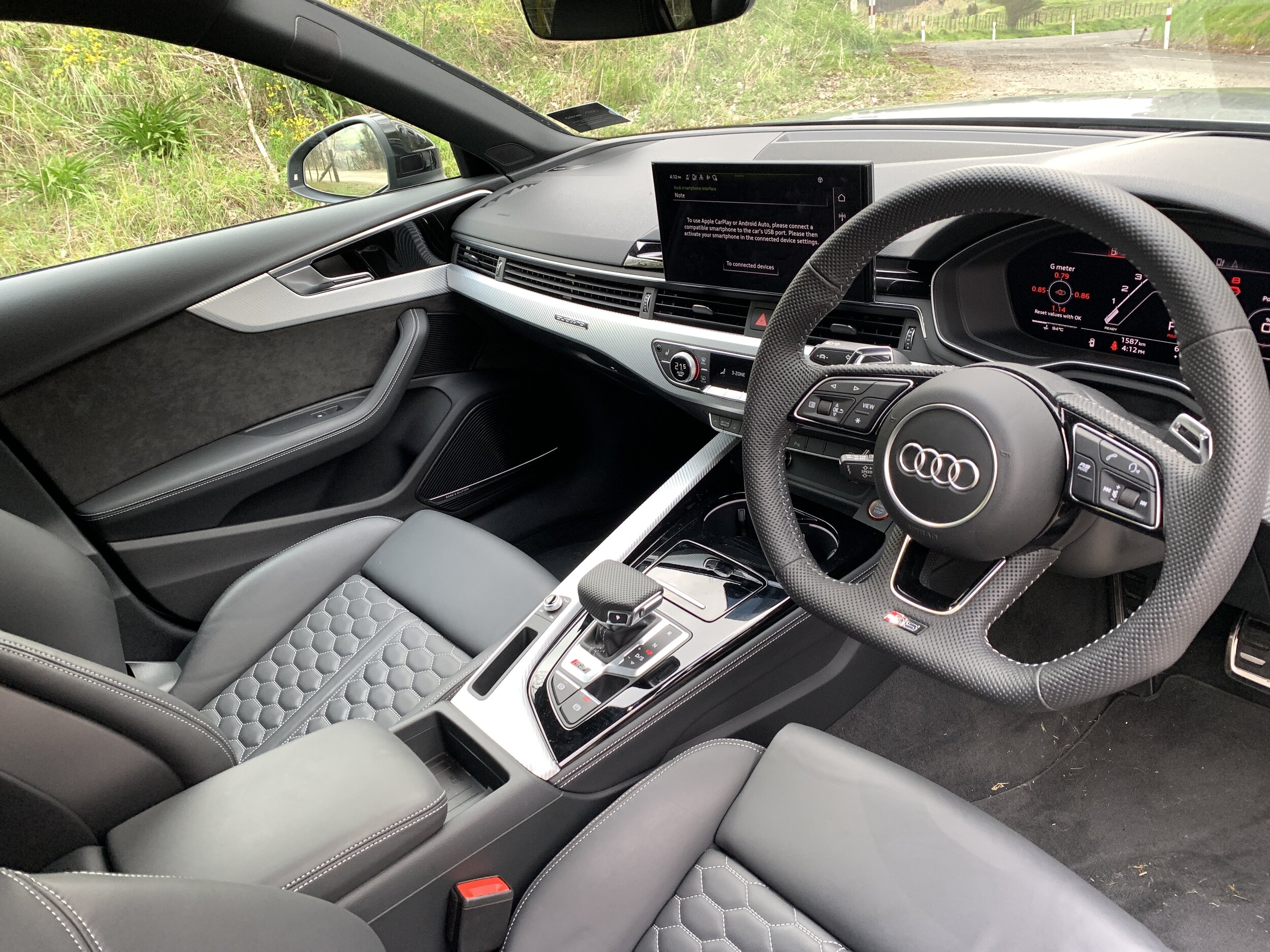
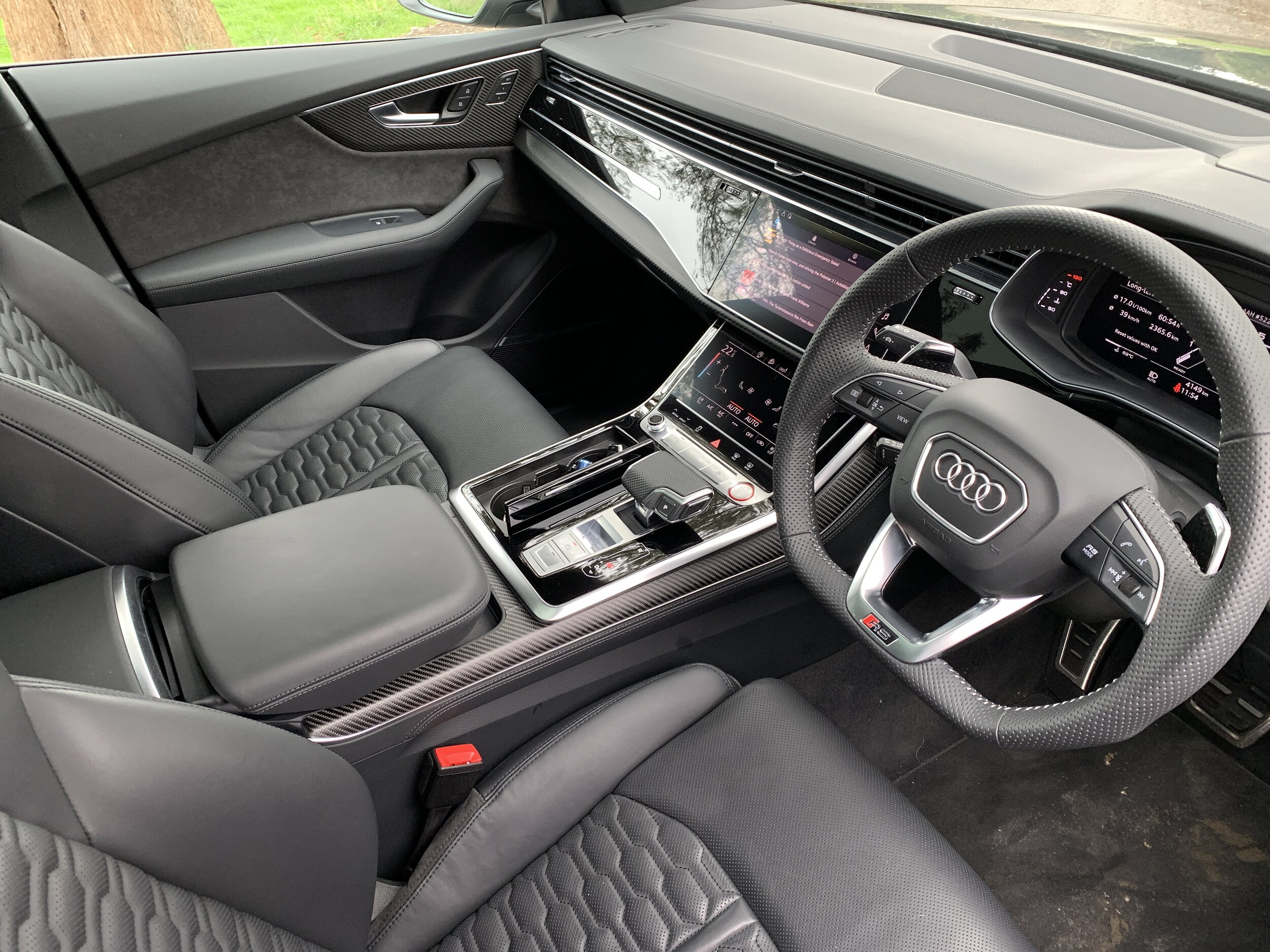
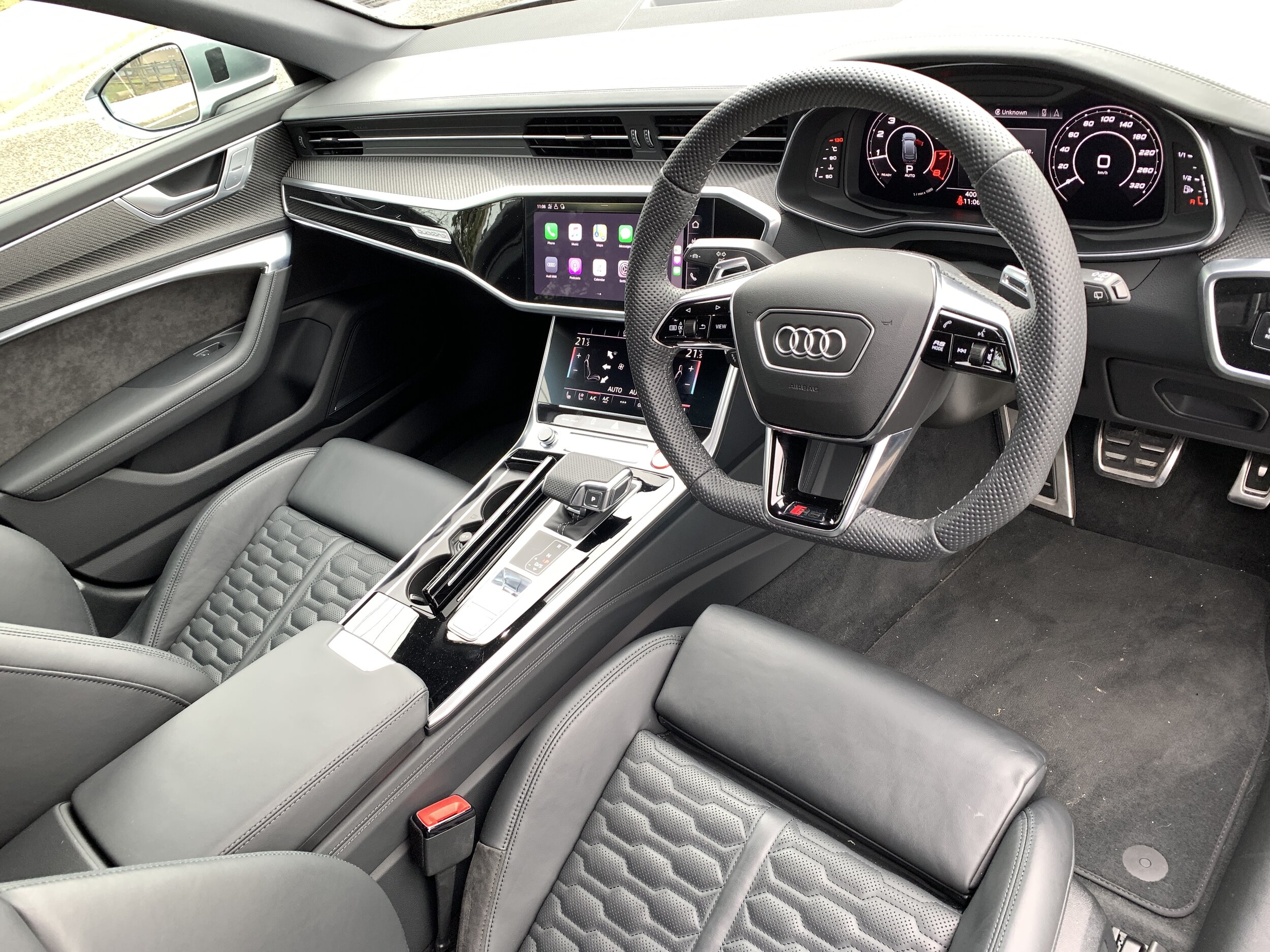
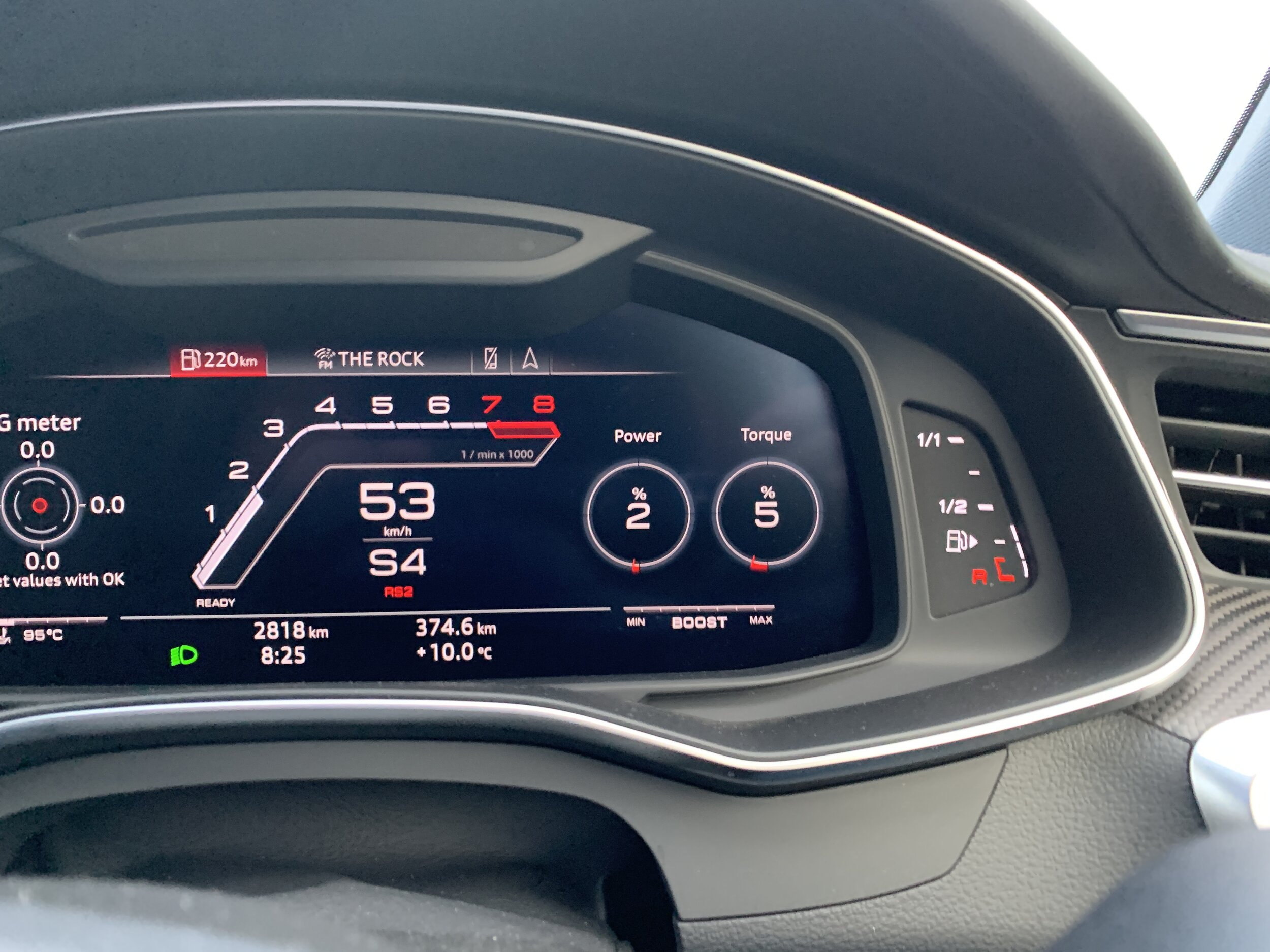
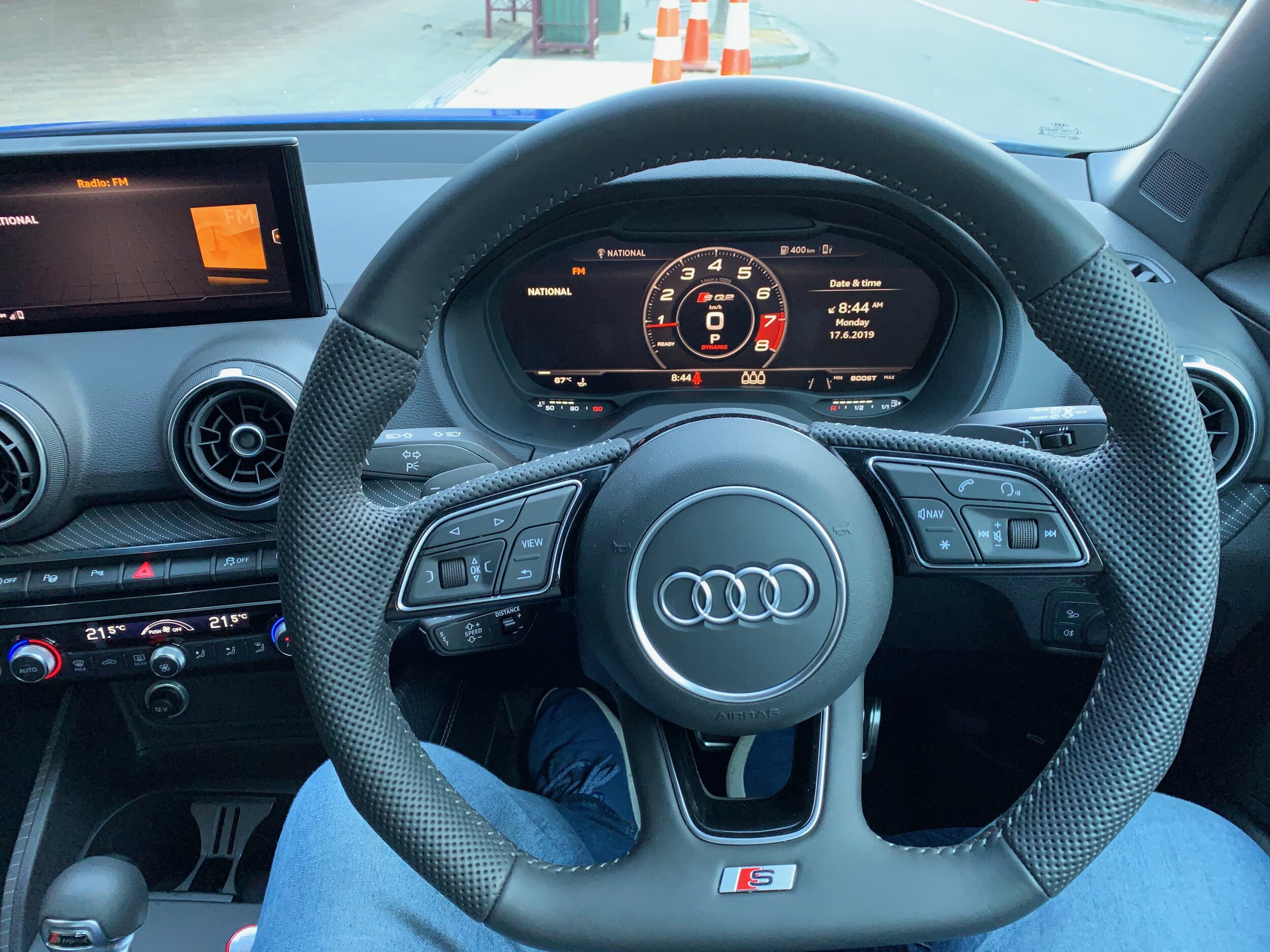
Mainly, it’s no more altered than the S4 has been. The 20-inch alloys have been restyled but none of the bodywork. Inside the 12.3-inch 'Virtual Cockpit' dashboard has been refreshed, as have the graphics on the 10.1-inch infotainment touchscreen sitting perched atop the dash. As in the S4, this still looks a bit dated and operationally is a bit of a pain; mainly because it looks like a touch screen but isn’t. Instead, you need work through the menus with a toggle. Such is the pace of change within cockpits, right? A few years ago, this was state of the art. But now fully modern Audis all have three screens and haptic – even touchless – everything, it’s all a bit ancient.
Moving on to the drivetrain. All the core outputs, consumption and performance data appears to be a re-read of the material first issued several years ago. There are technical revisions, but the biggest influence on the way the car performs results from it going on a diet.
The 2020 version is an astounding 45kg lighter than the pre-facelift model. You’d think they’d need to drop something major, perhaps a seat, to achieve that, but in fact it’s all behind the scenes. Or, at least, the door and roof coverings and the firewall as Audi attributes this to a reduction in sound-deadening, in the main. For all that, it’s not a distractingly noisy car when on the move; yes, there’s tyre roar over coarse chip, but that’s always been a factor and doesn’t seem any more intrusive now.
Refined? Not really. Unsurprisingly, because it is a high-tier performer and because Germany has smooth roads, NZ doesn’t (and guess which surfaces the RS was tuned for) even the softest suspension tune is firmer than the equivalent in S4 format.
However it’s not as race car rigid as previously, which reinforces brand contention that the adaptively damped setup has been reworked to engender some amount of elasticity, this to enhance ride comfort without sacrificing an iota of the iron-fisted body control.
Apparently, the gearbox has been recalibrated to improve shift times, while the quattro system is also tweaked, though it continues to favour a 40:60 front-to-rear-torque split, sending as much as 85 percent of torque to the back axle when required.
Little refinements, yes, and in isolation it might be challenging to determine how different the car is now against how it used to be, but what does impress is the high ongoing degree of driver involvement.
Traditional quattro talents are strong with all three cars here, but out of the trio on test it’s the RS4 that has the most naturally gifted handling. Those able to recognise that driver engagement relies just as strongly on dynamic finesse as it does immense traction and grip will have a ball.
Assuredly, it demands a racetrack if you are of a mind to push it hard enough to make it dance – and, assuredly, too, the hard-out settings that best suit the circuit are too overt for anywhere else - but even at sensible clip on engaging roads, it remains an especially involving car, capable of devastating displays of adhesion, pace and competence. And because it is less jumpy and jittery over surfaces, it is easier to place on the road and point through corners. With that in mind, a shout out for the steering; it's feel will restore faith in Audi Sport's engineers.
The hardest thing is harnessing the pace; once it’s on the boil, this engine really steams. You learn that ‘fast’ translates to something more extreme in German. It demands to be worked and rewards with a stunning soundtrack and impressive punch.
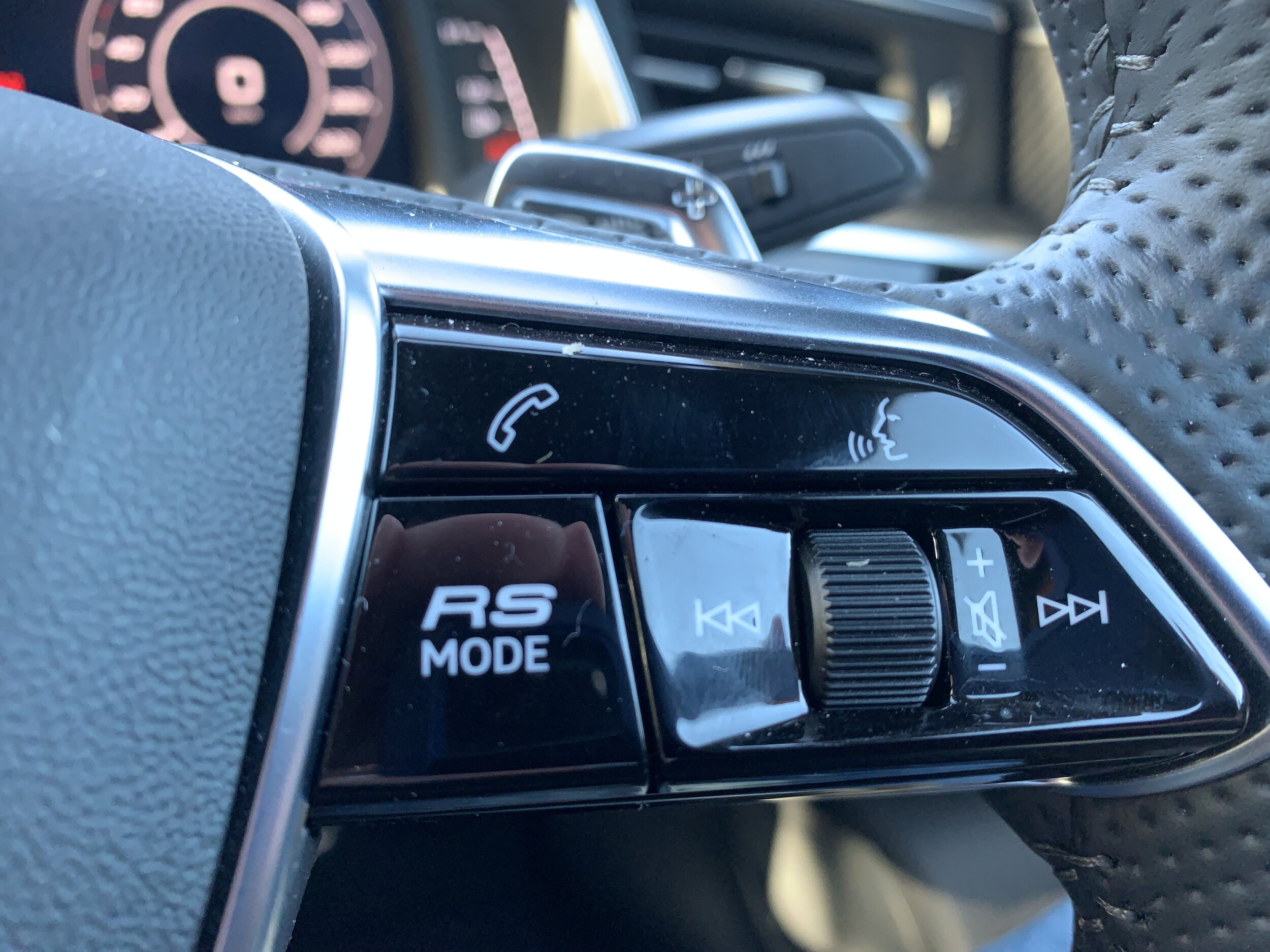
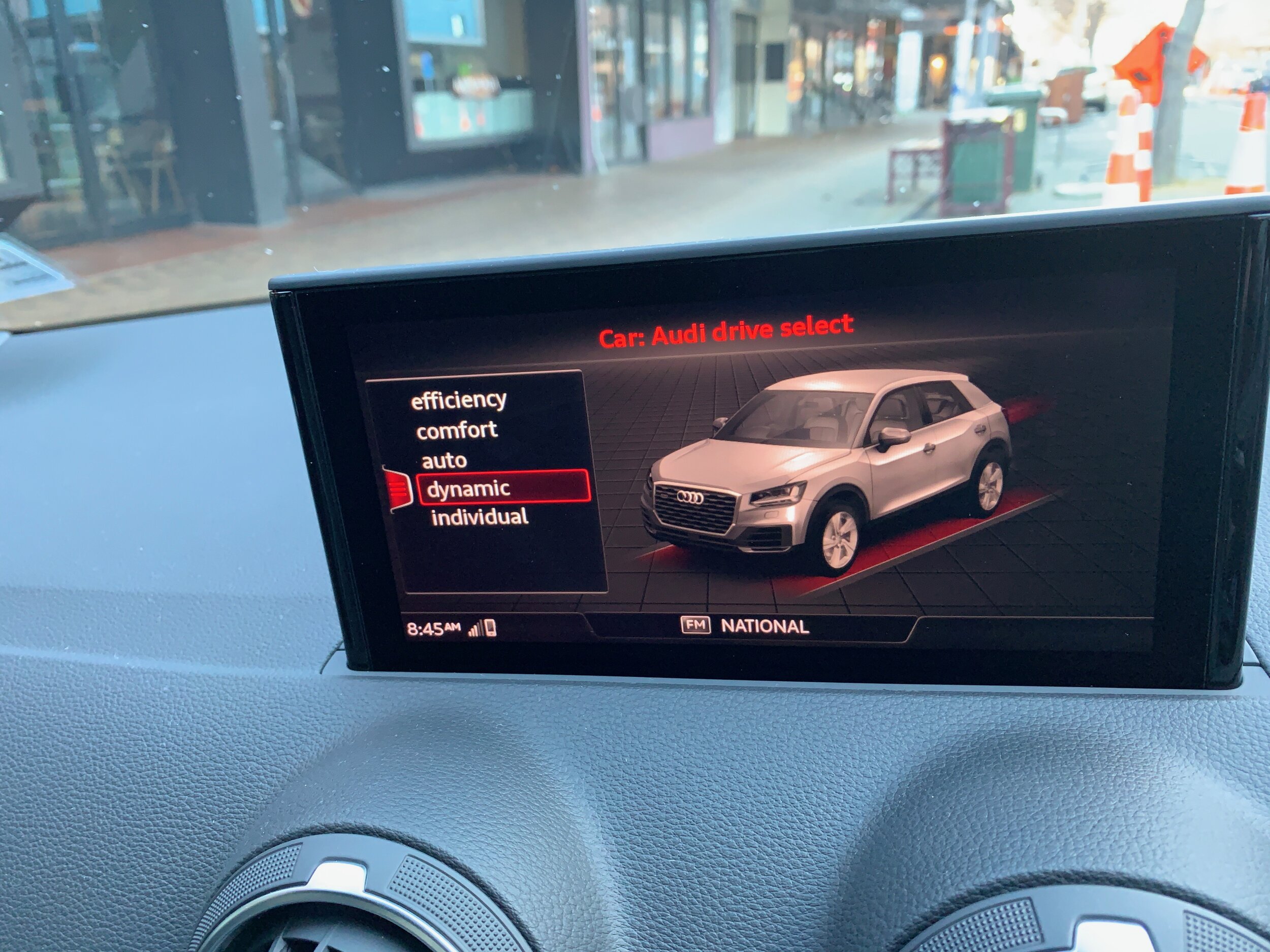
For all that, it needn’t have to be the utter hoon all the time. An ability to ‘mix ‘n match’ the car’s drivetrain and dynamic settings has long been a plus point. You might – actually WILL - want the dynamic engine/exhaust map cos it sounds fantastic, but could also prefer the softer ‘comfort’ suspension and steering. The RS buttons on the steering wheel are memory functions that can be used as shortcuts directly to your favourite settings.
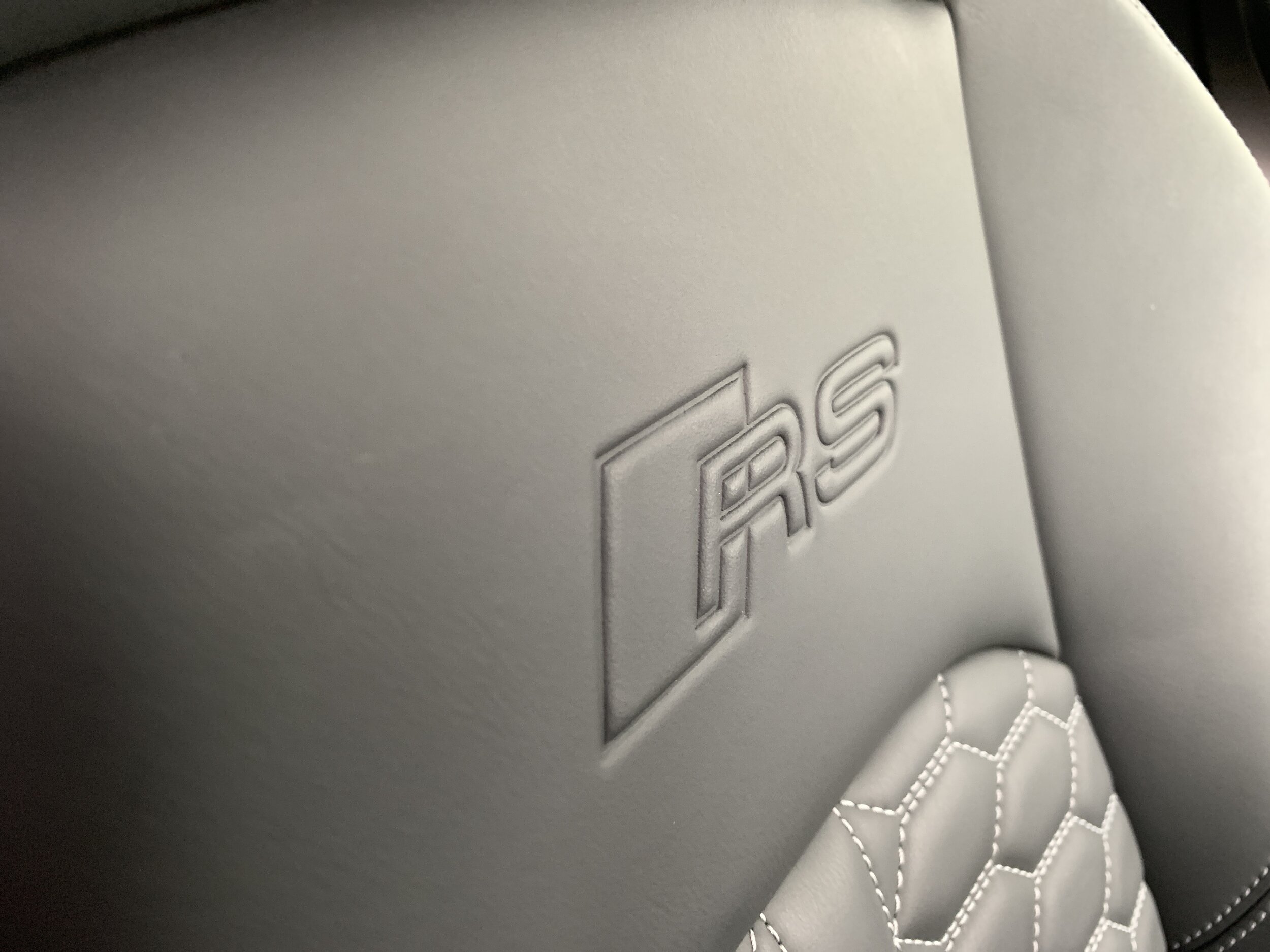
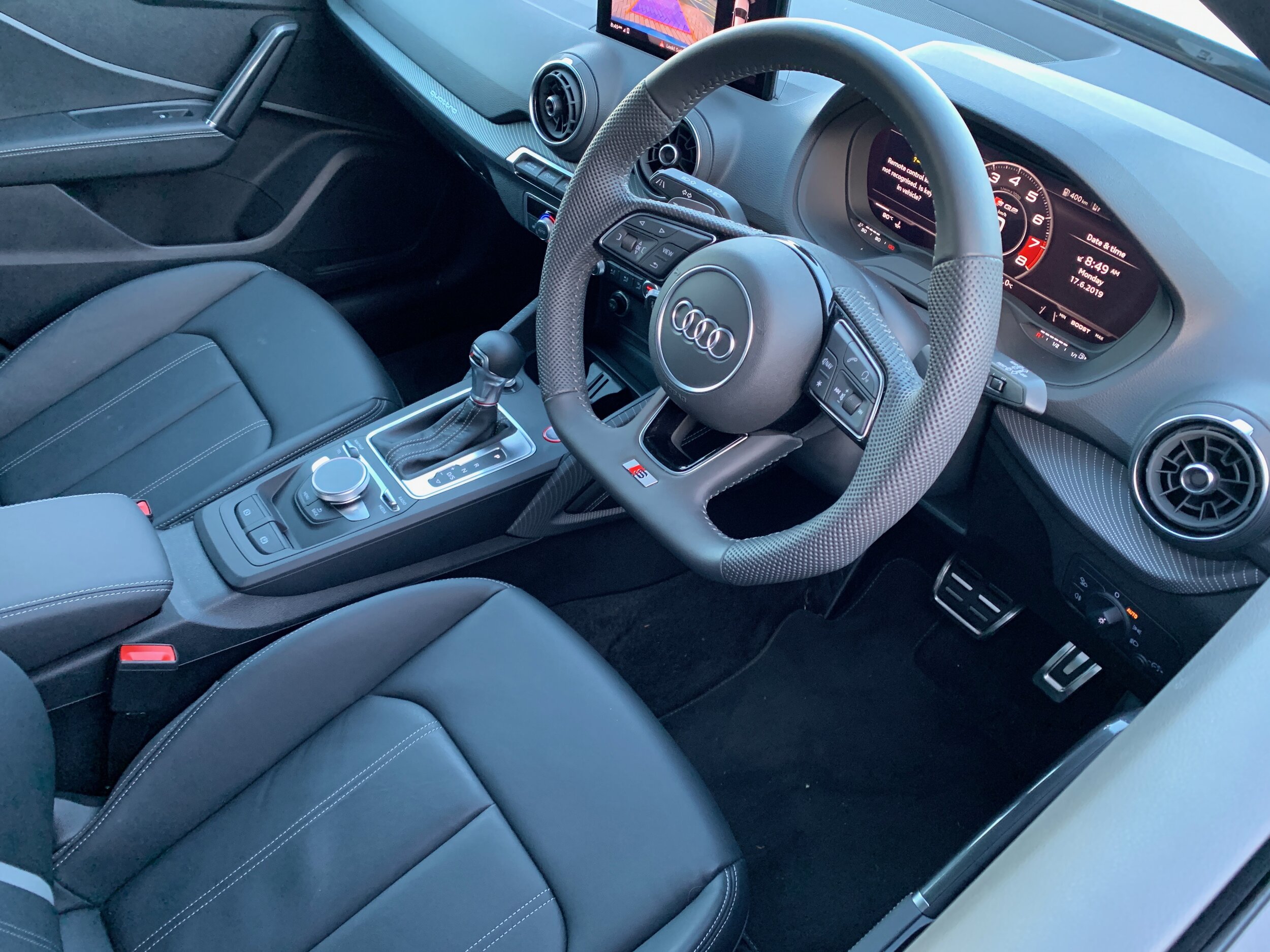
Specific sports displays, a sports steering wheel, sports seats bulky enough to erode rear legroom (who cares, right?) and a few RS logos are all requisite and provided, but beyond that it is trimmed as equally for luxury as for hot-lapping. It feels beautifully put together with quality leathers for the seats and neat carbonfibre/metal trim pieces.
Such is the pace of technology change that the RS4 is fast heading into the realms of ‘old school.’ Yet what appeals, still, is what has appealed previously. As a fast and very serious road car, the RS4 remains very well judged. It’s a fine, thrilling and utterly addictive machine that also happens to be an effective hold-all.
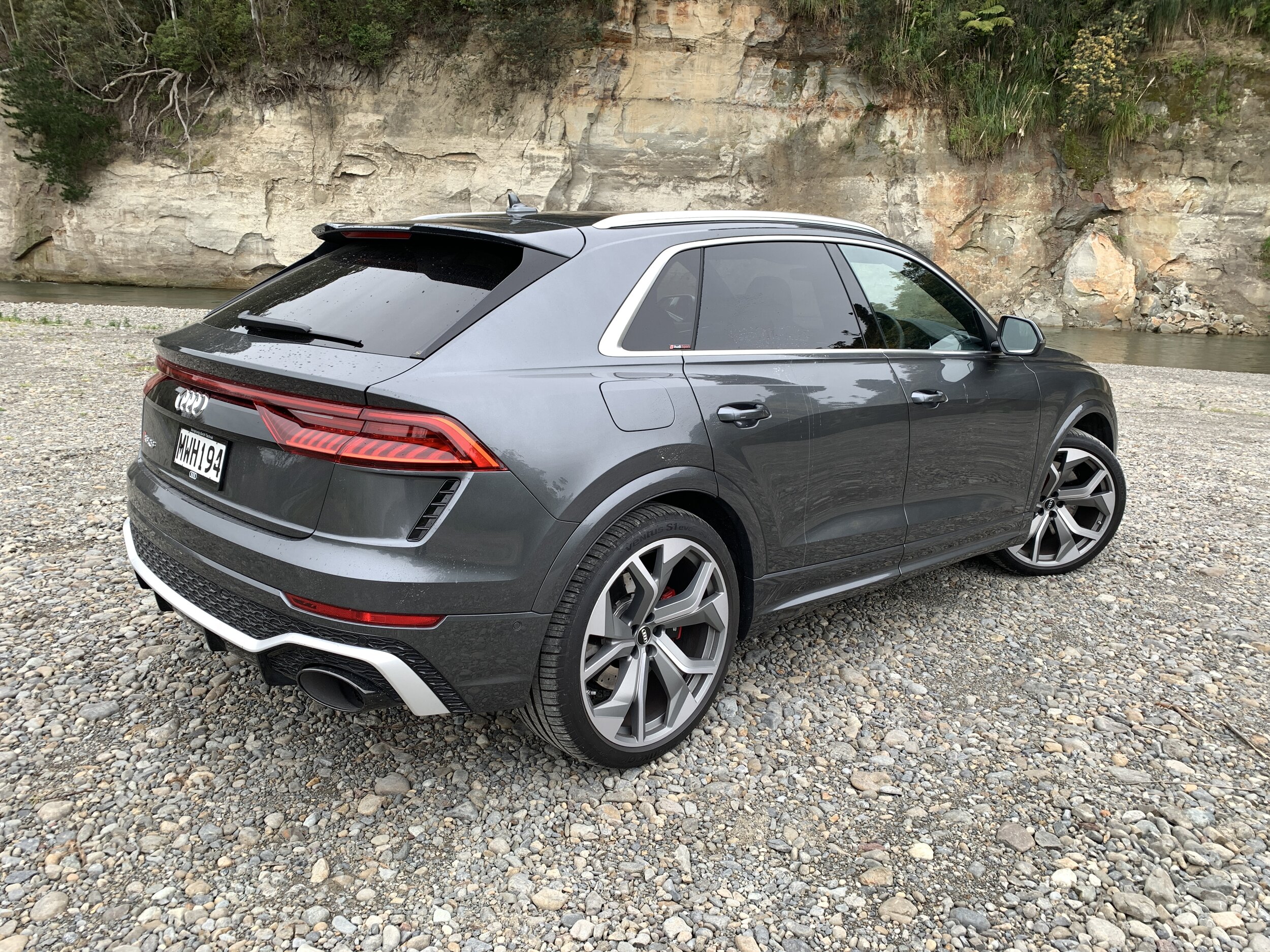
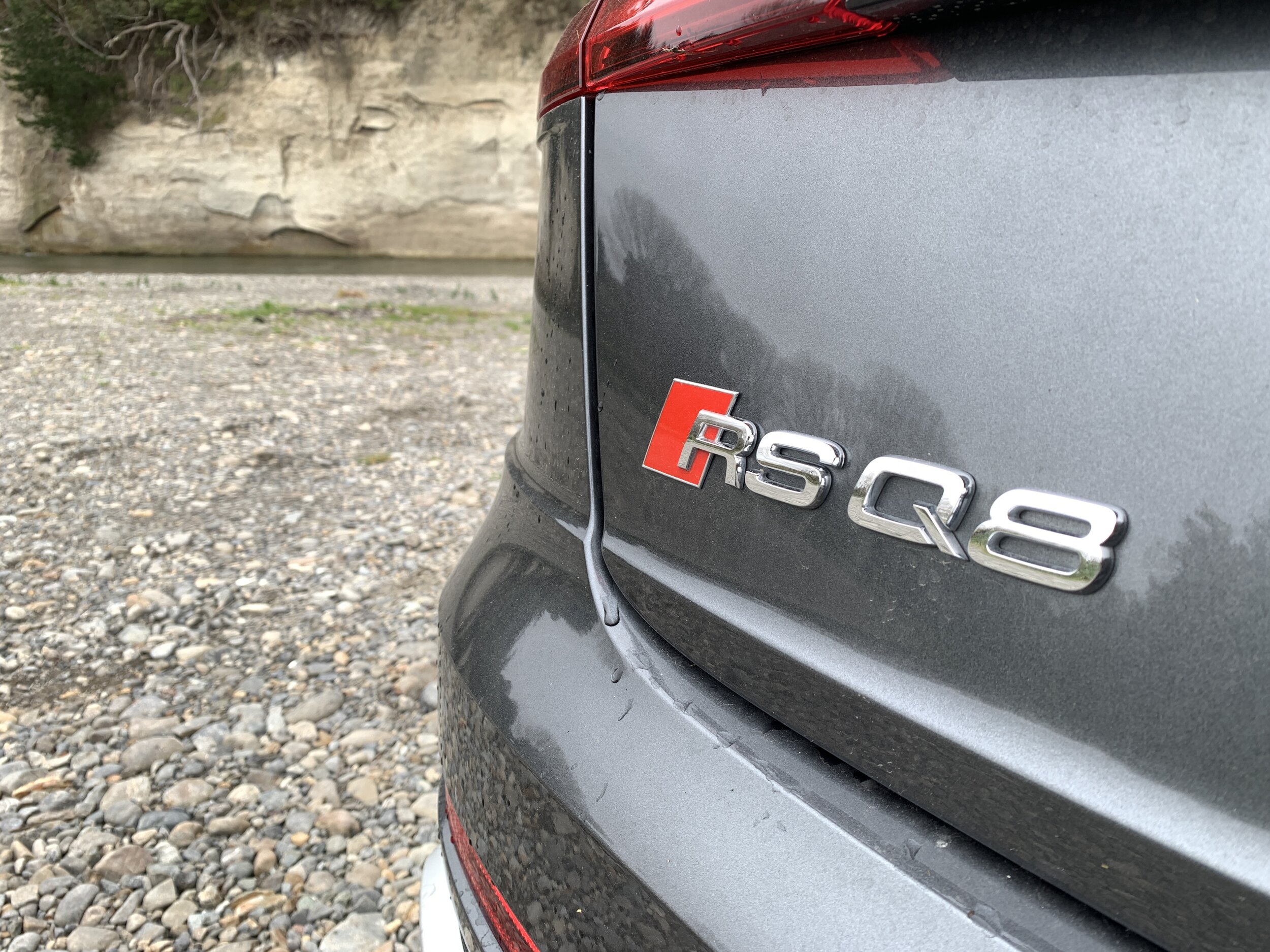
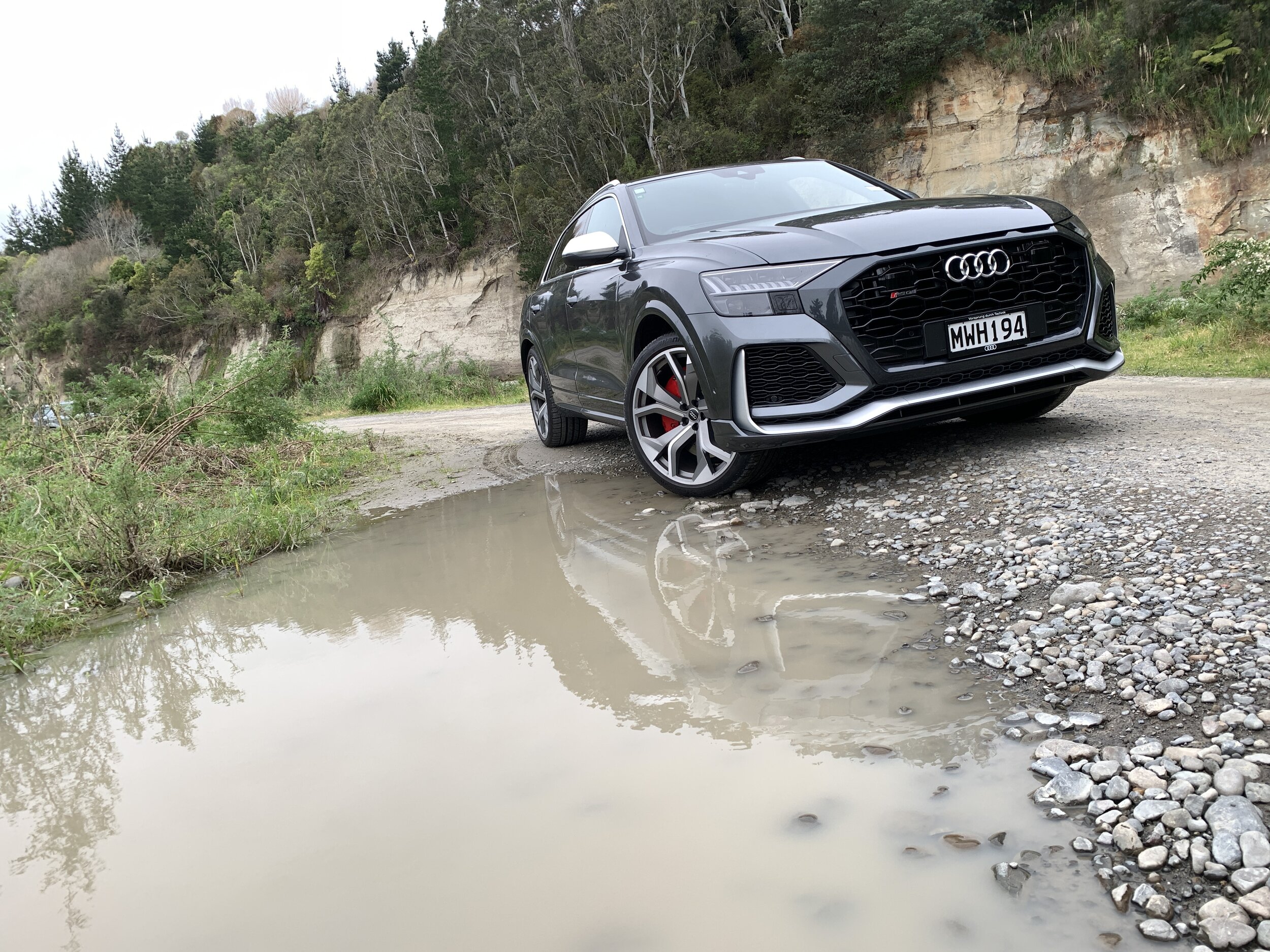
RSQ8
Price: $254,650 as tested.
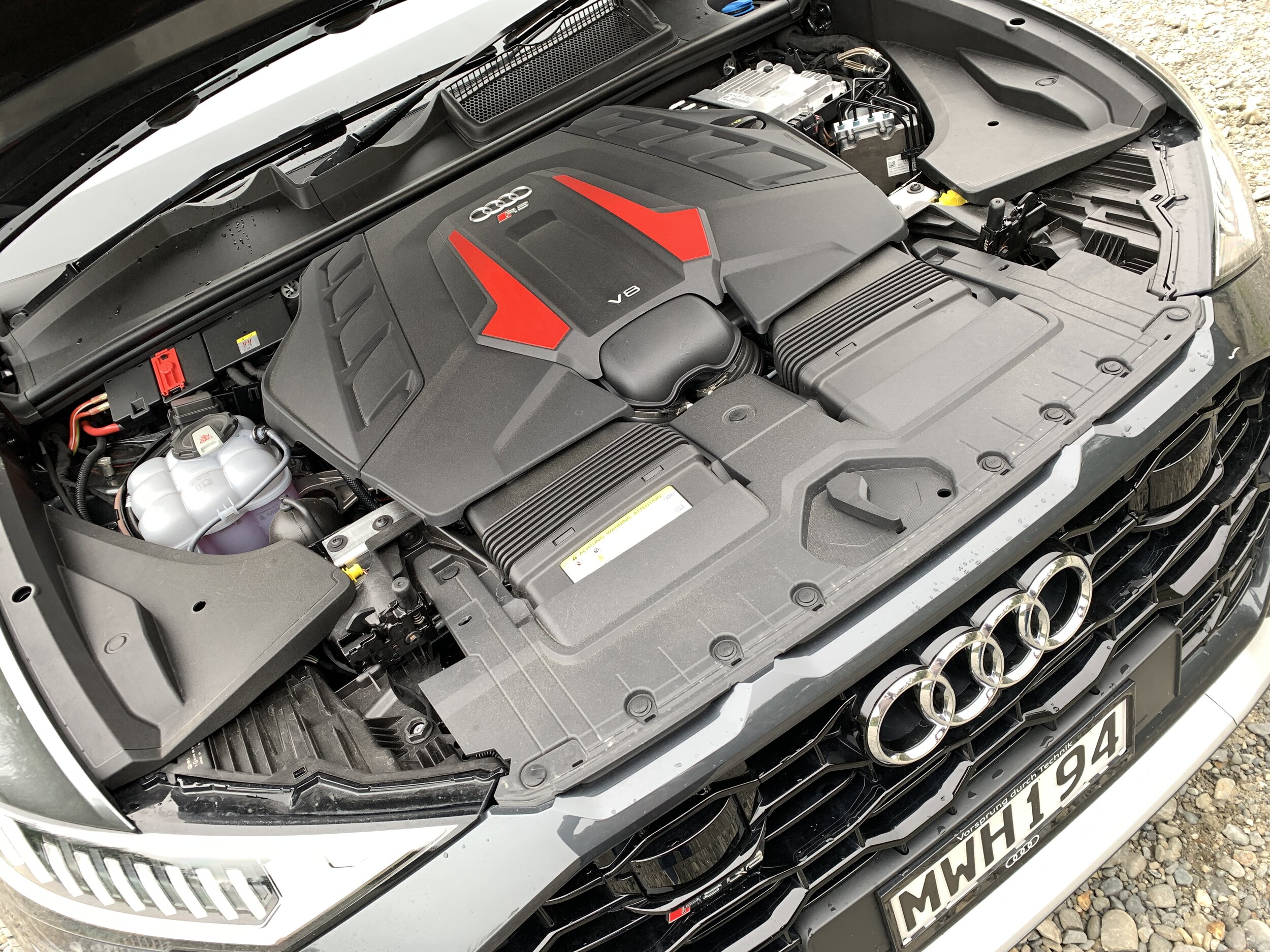
Powertrain and economy: 4.0-litre twin-turbo V8, 441kW/800Nm, 8-speed automatic, AWD, combined economy 12.1L/100km, CO2 278g.
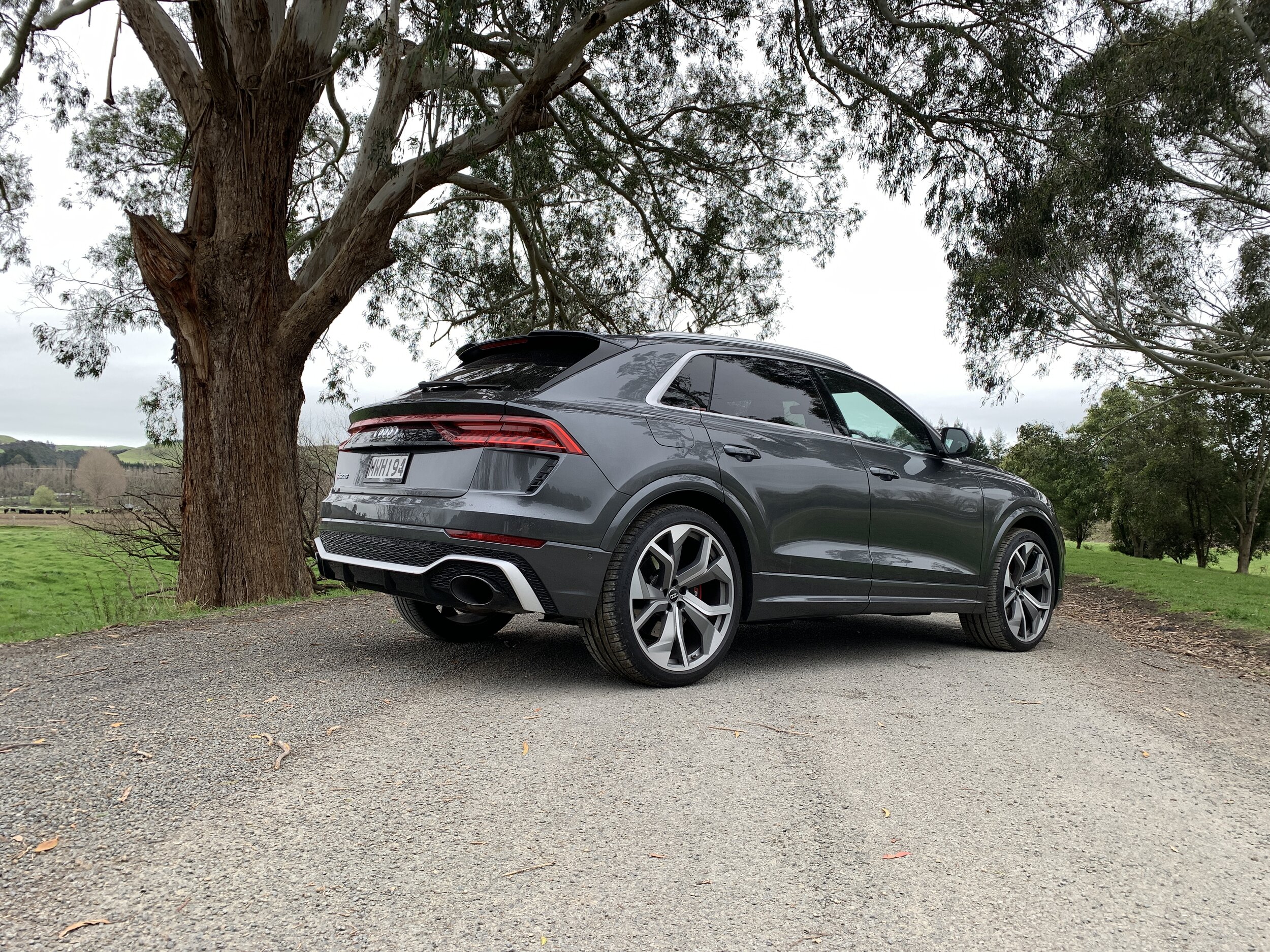
Vital statistics: 5012mm long, 1998mm wide, 1694mm high, 2998mm wheelbase, luggage capacity 605 litres, 23-inch alloy wheels.
We like: Astounding technology exercise, great looker.
We don't like: Ultimately, an unconscionable exercise.