RAV4 Hybrid: A better kind of Prius

A winning formula for Toyota’s world famous petrol-electric hardware.

IMG_3079.jpeg

Price: $39,990
Powertrain: 2.5-litre four-cylinder petrol hybrid, 131kW/221Nm (163kW total system output), continuously variable transmission, AWD, fuel economy 4.8L/100km, CO2 112g/km (Toyota NZ), 0-100kmh N/A.
Vital statistics: 4600mm long, 1685mm high, 2690mm wheelbase, 18-inch alloy wheels.
We like: Improved dynamics, refined powertrain, roominess.
We don't like: Austere GX trim, CVT, road noise.


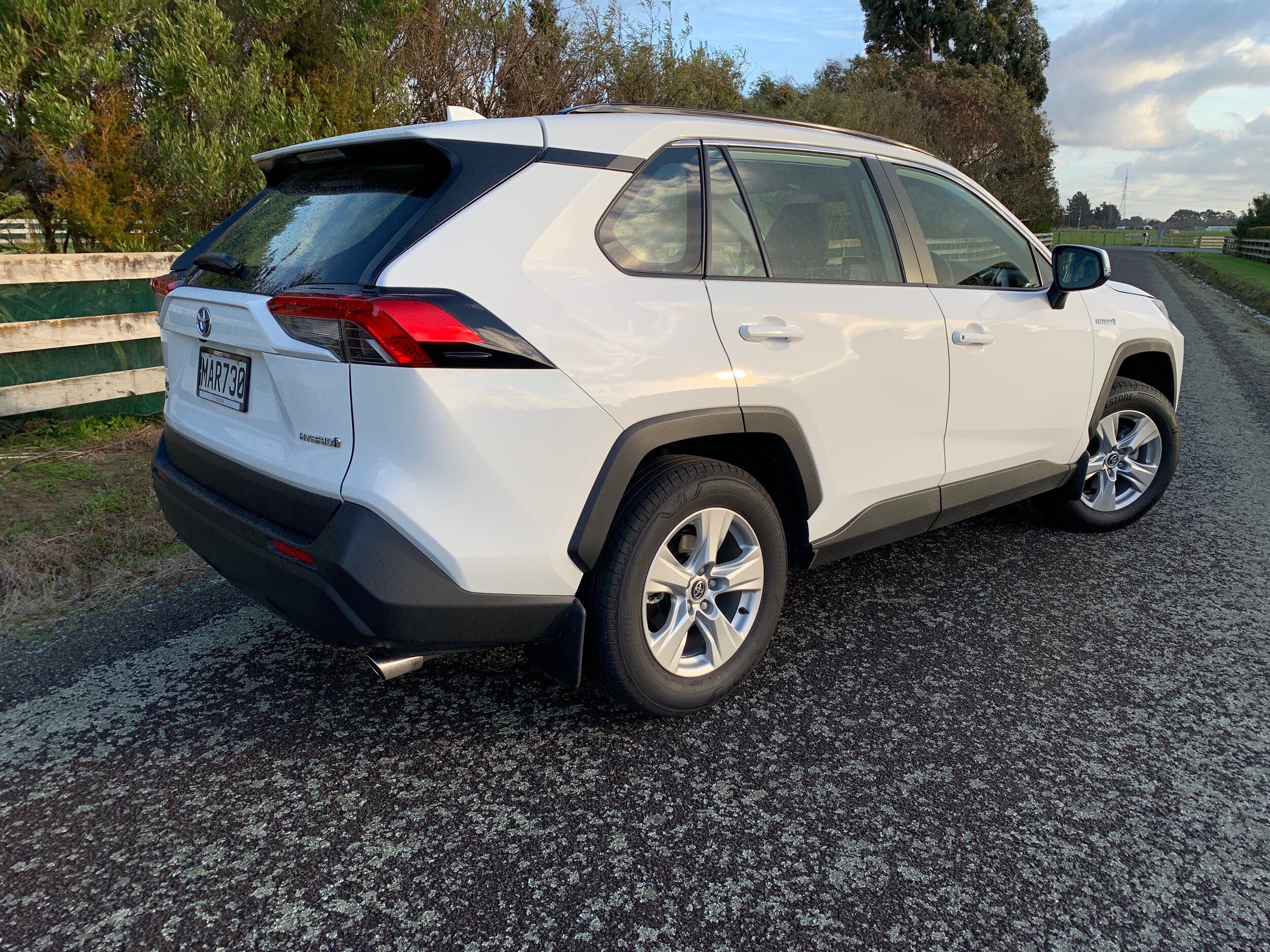
TIME to give up on the Toyota that delivered pioneering technology to average suburban driveways all over the world?

Maybe. Not so much because hybrids are no longer the tip of the technology spear – yes, they’re old-hat, but there’s still a role – but more because the ground-breaking Prius is surely no longer crucial to Toyota and Lexus petrol-electric placement.

Those Corollas, Camrys and CH-Rs, RXs and UXs and so on are increasingly becoming the product that allow Japan’s No.1 to make ever more hybrid hay while the sun of environmental concern shines. 

Implanting a battery-assisted drive-set into the RAV4 creates the most socially relevant petrol-electric Toyota of the moment.

The only mystery is why Toyota waited so long. Sports utilities of this size have become consumer favourites and the RAV4 has been a giant since its inception in 1994, with more than 8.5 million units sold globally.

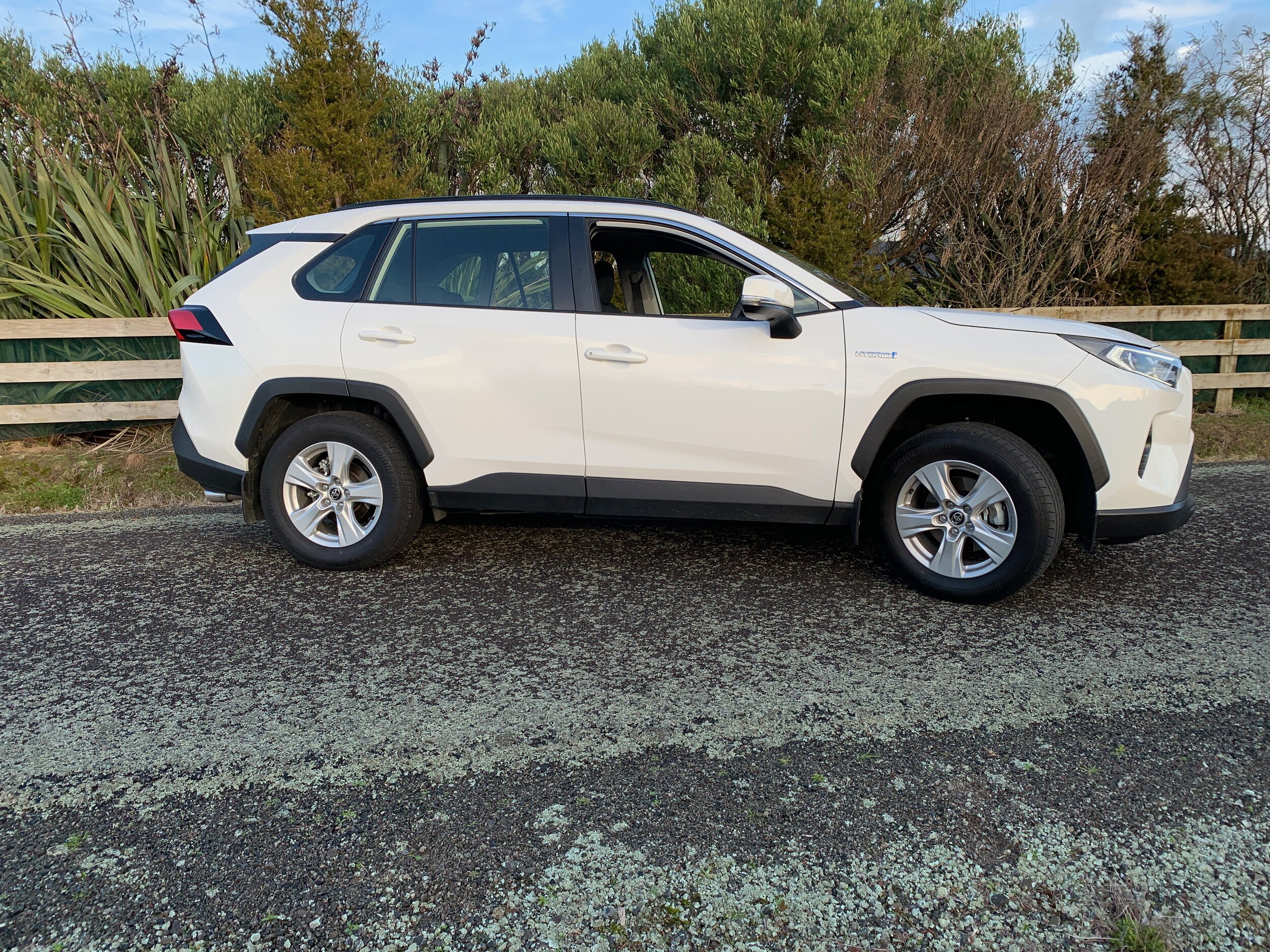
What sells the nickel hydride battery-included model line is that it improves efficiency while pretty much maintaining all the positives of the non-hybrid line – a sharp chassis, aggressively rugged new styling, improved specification and more comfortable, roomier cabin.

Toyota build quality is superb and the car’s tech lift, notably with the Toyota Safety Sense package (that now includes an emergency braking system that can spot pedestrians and cyclists day and night) is a winning asset.

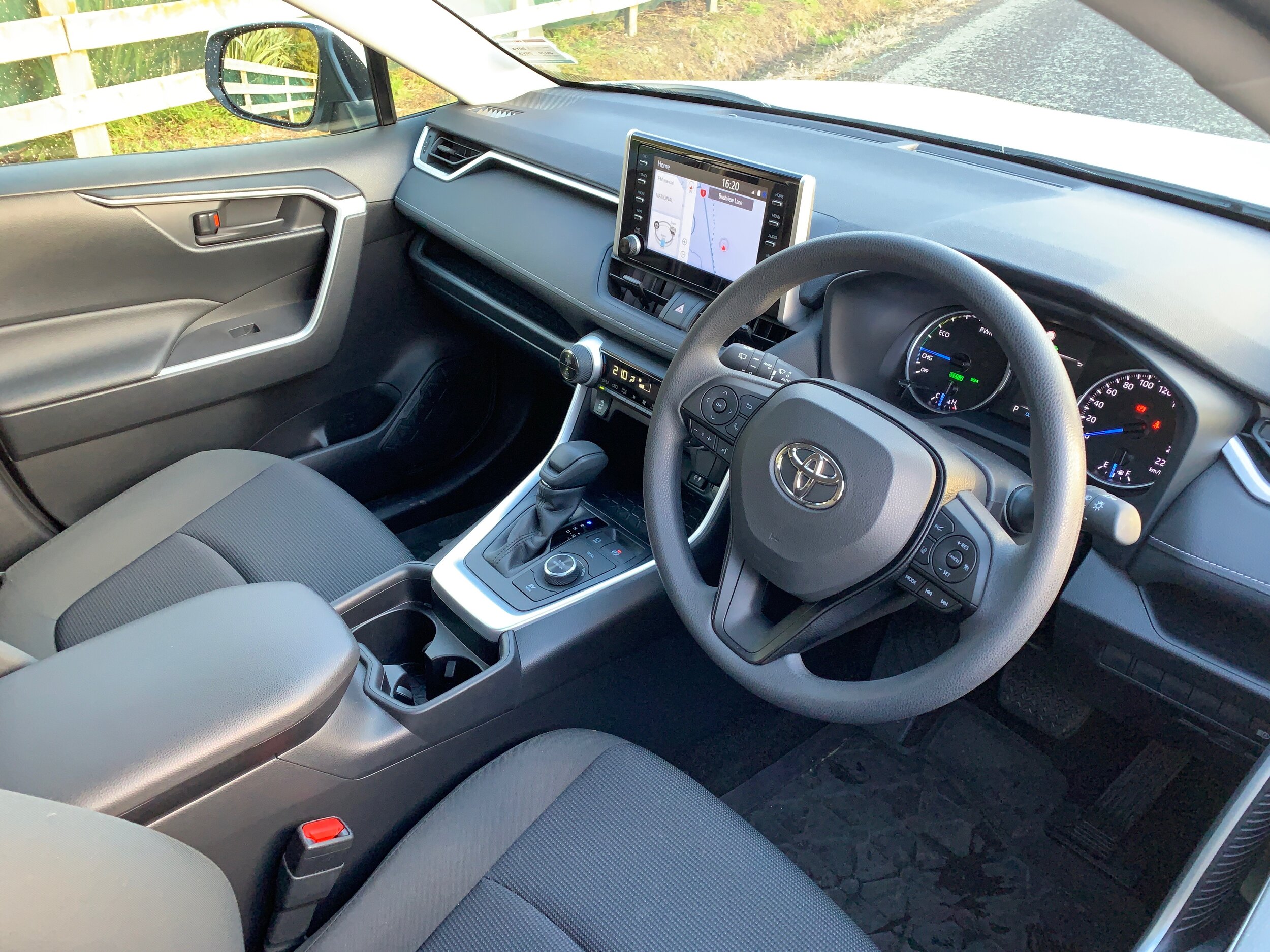
That’s not to say this is a product exempt from criticism. Even though it’s another new-age Toyota to display premium touches within, you cannot help but notice unfortunate cost constraint. A front passenger seat fixed awkwardly high, a touch screen with fiddly menu functions and utterly outdated sat nav graphics and, in this entry GX, trim hues that – notwithstanding this is often a fleet grade – from the bargain bin; all could surely be improved without significant effort.

IMG_3075.jpeg

The driving delivers more positively, save that it asks acceptance of a constantly variable transmission. Toyota’s is better than some, thanks to a smart ‘launch gear’ - a physical first gear that "changes up" to the CVT after 40kmh – which helps minimise flaring at kick-off. Yet there’s still irritating high-rev thrash and, overall, it demands an easier-going approach that is at odds with the car’s overall character.

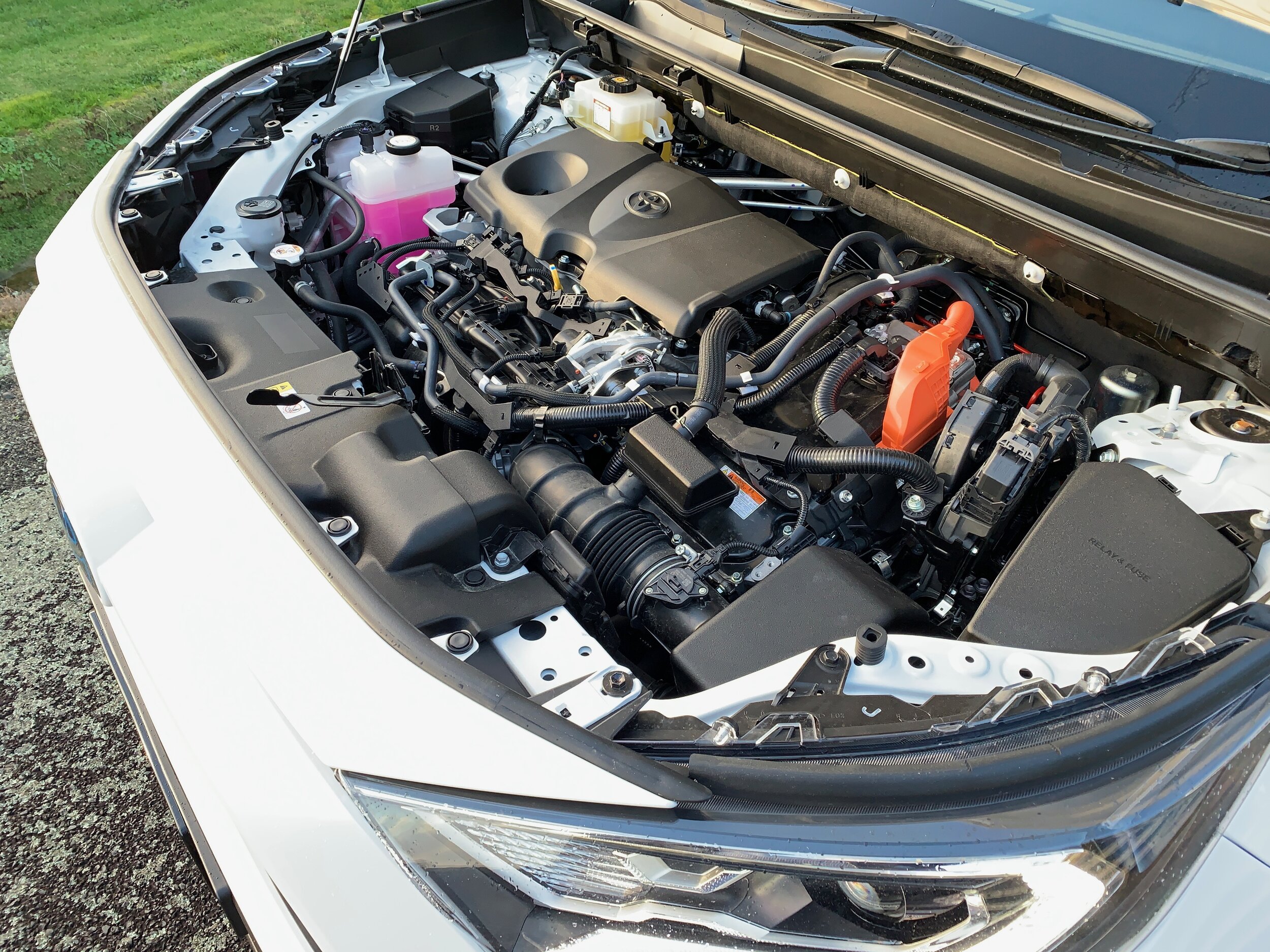
The powertrain itself is otherwise quite pleasant. As per usual convention, it’ll reverse and crawl forward under electric impetus alone, but anything more than a feather-light prod will generally incite the four-cylinder petrol engine to kick in.

A 2.5-litre is relatively large capacity unit for this class of car nowadays and the output from it in isolation is fairly impressive. Add in the impetus from the electric motors and the combined output is all the more of a turn-on. Performance is punchy and the torque flow is solid from low to medium revs. It’s only when you really start to push that it loses its cool; but as said, the CVT will crack first.

You might like to push the envelope, though, because the vehicle dynamics this time around are impressive. The platform is rigid and hanging off it is a well-sorted MacPherson-strut front and multilink rear suspension that’s compliant enough to cope with bumps and uneven surfaces yet firm enough to provide tidy cornering. The electromechanical power steering delivers well, too. Only the brakes raise a flag; they don’t lack for ability but the feel is wooden, as it goes with regenerative braking.

The all-wheel-drive comes from using a 40kW electric motor mounted directly to the rear axle. That’s a far cry from hardcore tradition, but even though RAV spells out to ‘recreational activity vehicle’, Toyota never intended it to be a junior Land Cruiser.

IMG_3067.jpeg

It can run all four wheels or alternately divert power to the rears alone, uses the brakes to mimic the effect of a limited slip differential and can even handle towing. Just 1500kg, mind, so don’t get carried away at the garden centre.

Is 6.1 litres per 100km economy from my week worth crowing about? Not if you have any faith in the maker-claimed optimal of 4.1L/100km being even remotely achievable outside of a laboratory. A colleague burned a touch more from a long, exclusively open road run, whereas mine included a fair mix of urban tootling and I’m confident it could have improved if more gently driven.

Of course, it’s fair to argue that, with hybrid, the RAV4 is merely catching up with the Toyota norm and might have made more impact had it matched the Mitsubishi Outlander and gone to a plug-in rechargeable set-up.

Good news is that this expectation might not be far from being fulfilled. Talk is that a RAV with the same hardware that goes into the Prius Prime PHEV will be revealed at a motor show before too long. That’ll conceivably give us a RAV with capability of travelling up to 50km on battery juice alone. Game set and match, Outlander?

As for a fully electric Toyota? Well, one of those is coming as well. But probably not in this format.


VW e-Golf: Not quite hard-wired into market taste

The warm-up act to the ID range of fully-fettled electric fare is easy to drive, and yet ….

IMG_4266.jpeg

Price: $68,490. 
Powertrain: electric motor, 100kW/ 290Nm with 35.8kWh lithium ion battery, FWD, consumption, CO2 0g/km, 0-100kmh 9.6 seconds.
Vital statistics: 4270mm long, 1482mm high, 2629mm wheelbase, luggage capacity 341 litres, 16-inch wheels.
We like: Like a regular Golf but with superior ride and refinement.
We don't like: Price positioning, waiting for ID 3.

INCREDIBLE as it sounds, the best wholly battery-reliant car Volkswagen presently offers has no future.

While VW’s electric car onslaught will deliver many exciting options, another e-Golf won’t be among them.

As oxymoronic as it might sound, pulling the plug is positive progress, being an outcome from something you’ve surely heard about, VW’s ID programme.

Investment running into the billions, production to reach one million cars a year by 2025 and a huge family of VW cars. Actually, VW Group cars. Dozens of them, all commonly underpinned. Quite some undertaking.

With ID powering up, VW has logically decided the Golf won’t need to feature another battery pure format, thus the new eighth-gen line coming next September peaks with hybrids and hands the full-blown role to the like-sized ID 3.

Eventually, in our case. For the next year at least, ID is all but Europe-bound, being a key factor in ensuring VW plays to new European Union emissions’ rules.

So even though the e-Golf is on a farewell drive at home, its tour of duty here conceivably could last another year, assuming supply allows.

It could be an interesting time. The more we learn about ID 3, the better it sounds: Improved range, a funky new styling direction, more tech and sharper pricing position. VW is on record saying ID 3 will be 40 percent cheaper to produce than the e-Golf. If those promises fulfil, we’re in for an exciting time.

Consider e-Golf purely in the here and now and it’s dealing with issues that are hardly unheard of in EV-dom.

First, there’s the price. This car’s $62,990 introductory price has since risen by $5500, and that’s a precarious thing. VW’s quality is good, but it’s not a premium brand. Other Golfs are more comfortably placed at the low end of the $60k zone. And, of course, with Golf 8 out in Europe, the generation we still get is officially outdated. All good reasons for dialling back the dollars.

What about the range? Factory optimism about the ID 3 being up for 330km to 550km off a charge, depending on the battery set it has, undoubtedly makes the e-Golf’s distributor-proposed probability of no more than 220kms’ driving look somewhat yesteryear. Yet, from my experience, you needn’t think that’s all it can do. Twice after healthy charging the trip computer cited more markedly range than this and it seemed a fair call.

IMG_4270.jpeg

In any event, my regular driving routine made it simple to keep the battery pepped through following brand advice to take replenishment in small doses often. Doing so is neither time-consuming nor expensive. The biggest single hit was $11.76 for a 30 minute 16.53kWh direct current boost that had it to 100 percent.

How much it draws depends on your own style and which driving mode you prefer. The outright ‘eco’ mode is spectacular yet you needn’t suffer the penury of no air con and top speed restricting to 90kmh, as just the regular setting that still allows comforts is thrifty enough. Even the performance mode is sensibly calibrated.

One easily-accomplished trick to good outcomes is to make the most of the coasting function. Even on relatively level terrain, when you come off the throttle pedal, it carries plenty of momentum. You can choose to adjust the rate at which the car regenerates power and it’ll also recoup some energy when braking. There’s a very accurate active info display to show the results.

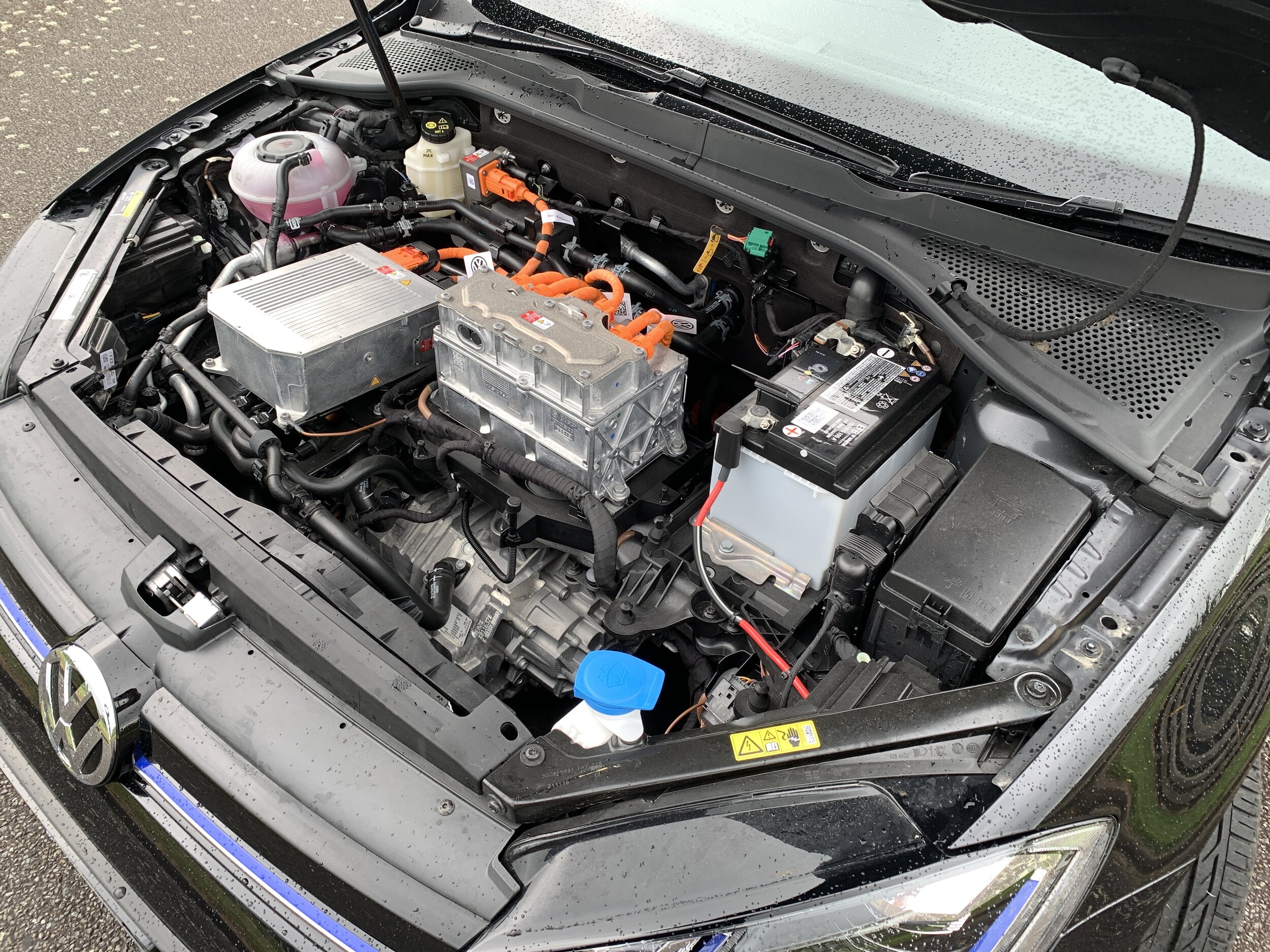
Being a Golf is also a bonus. Yes, the under-bonnet transplant for an electric motor looks a bit rubbish, because it’s obviously designed for a proper engine and its plumbing. As much as locating the recharge port in the fuel filler is an engineering logic, it also required me to reverse to a fast charger, else the cable wouldn’t reach.

That it not only has, save for the blanked off grille and some stripes in blue (VW’s eco colour) plus the weird wind-cheating alloys, the exterior appearance of a regular Golf but the driving feel of one as well is a real plus.

The way it drives is improved by the added weight of the electrical gear lending a more planted feel, while the power deliver is impressively linear and smooth.  If you bury the pedal, it is capable of seriously quick acceleration but that’s also about the only time to hearing that EV shrillness.  Otherwise the powertrain is so quiet you get to enjoy an almost eerie calmness. 

And yes, though this generation of Golf is starting to show its age, it’s still a really nice environment and a practical one, too, save that the boot capacity is affected you decide to carry the bagload of charging cables around, these being quite bulky.

Design starkness is part of the Golf ethos so, even with the $3500 cost-extra Vienna leather upholstery with heating function for the front seats, there’s an air of utilarianism, but is all very comfortable and well sorted. The instrument panel is naturally bespoke – no tachometer, obviously - but nicely rendered.

Even if you see it as being flawed, the e-Golf certainly demonstrates how dedicated VW is to engineering excellence. The quality look and feel of a car for which electric operation was surely secondary suggests that the totally-dedicated product we’ve yet to see should be very polished indeed.


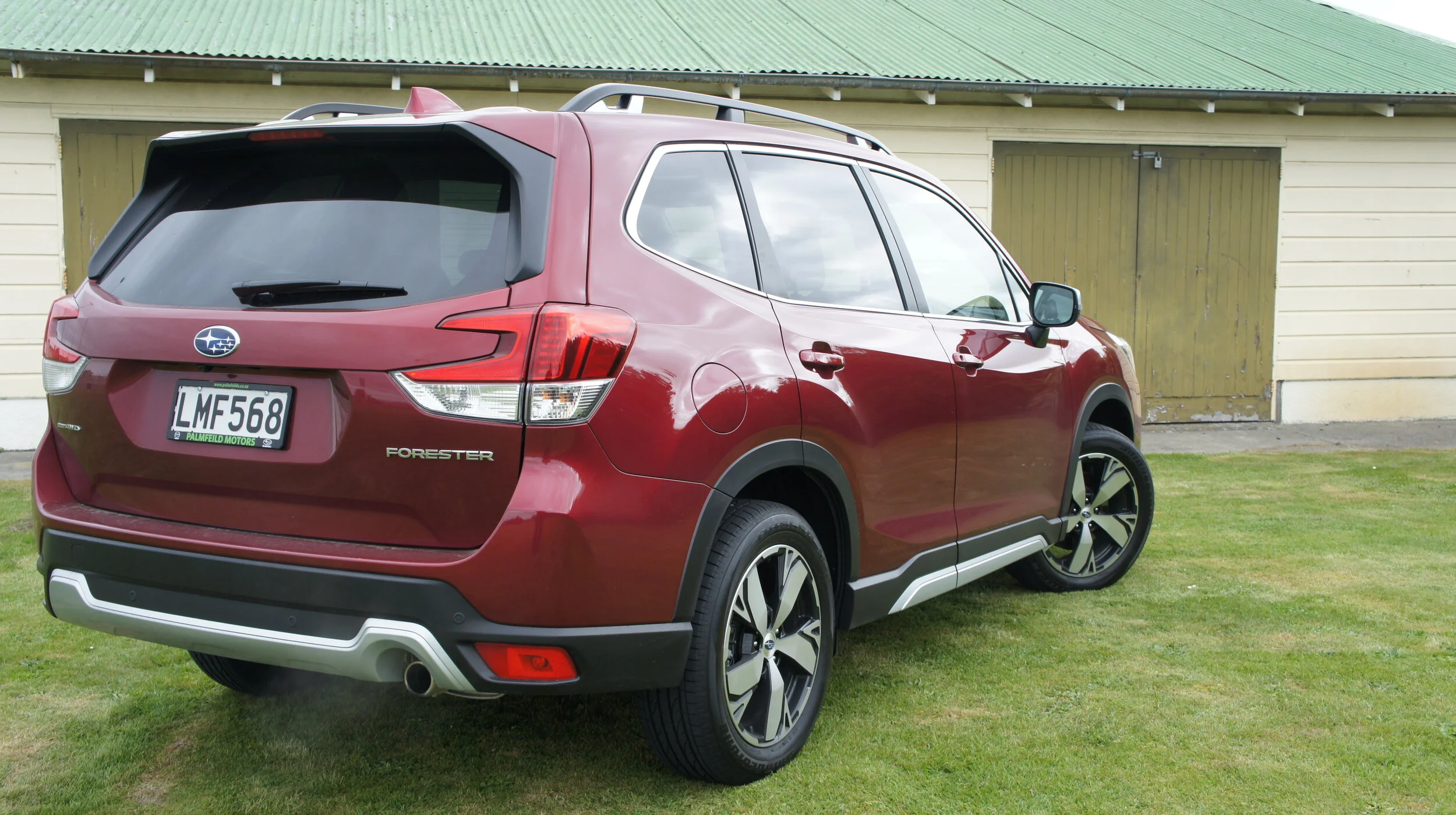
Subaru Forester Premium: New route to familiar destination

A lot of extra tech but familiarity remains.

DSC00766.jpg

Price: $47,990.
Powertrain and performance: 2.0-litre turbopetrol four, 136kW/239Nm, 7-step constantly variable automatic, AWD, Combined economy 7.4 litres per 100km, 0-100kmh 9.5 seconds.
Vital statistics: 4610mm long,1735mm high, 2640mm wheelbase, luggage capacity 498/1768 litres, 18-inch alloy wheels.
We like: Big step up in safety, spec and comfort; that it’s still a tough nut.
We don't like: Inconsistent ergonomics; not having an orthodox transmission.


PICTURE the scenario: You’ve battled alone into a pristine wilderness, overcome everything Nature can chuck, set up base camp in a spectacular setting, slipped off to sleep … and woken to find your special place has been over-run by interlopers.

Feel for the Subaru Forester. A trail-blazer in a segment that accounted for 24,000 new registrations last year, it could now easily be lost in a crowd that simply didn’t exist when it first showed in 1997.

This new fight-back Forester will intrigue. Just the one drivetrain, no manual gearbox, no diesel, no turbo petrol. Delivering a mix of new-age tech to meet changing customer tastes yet sticking true to old-school rugged condition values that, Subaru believes, need consideration in NZ given one third of our roads remain unsealed.

Close-set pricing means the flagship Premium on test costs just $8000 more than the entry Sport, with more luxuries and an impressive gambit of tech to show for it. So impressive.

DSC00756.jpg

Previously been starved of some of the best stuff, it’s now almost full to bursting. The EyeSight dual camera active safety stuff delivering front and rear autonomous emergency braking finally transfers, lane-keep assist, adtaptive cruise, blind-spot monitoring, drowsiness alert with facial recognition that clocks your dial and remembers individual driving positions, a sunroof, leather trim, climate control, powered tailgate, 360-degree cameras, LED headlights with auto high-beam, keyless entry and start.

Gee, I still remember the days when a Forester seemed special simply because it had an auto-hold for hillstarts. That’s gone now. Come to think of it, so too have the preceding edition’s heated seats, so appreciated on cold mornings.

One unchanged is that … well, it’s still a Forester. Practical, hard-wearing, honest, down-to-earth, with a workmanlike look all of its own seemingly shaped by T-square. Just sensible, really.

Advancement comes from updating to a fresh platform; allowing for a larger body, it also brings more strength. They’ve had a 2.5-litre engine before, but this one has direct injection and mainly new parts. The transmission, suspension design, the X-Mode off-road aide (now offering a two-stage set-up covering snow/dirt and deep snow/mud) represent finessing of the familiar.

Commitment to Lineartronic is now total. They’ve softened the blow by offering seven simulated shift points, depending on the driving mode. Those almost-natural shifts alone make it better than any other CVT I’ve tried and, yet, though I never came close to getting stuck, the idea of off-roading without gears leaves me edgy. Also, as with every CVT, booting it for brisk acceleration still sends the revs soaring every time, a trait exacerbated by this engine not being massively muscular down low. All in all, I could live with, but never fully love, this transmission.

DSC00773.jpg

This aside, the car’s character and characteristics are on message. A highish driving position reminds it will do city but prefers country; preparation for the rough also flavours the suspension tune, the brakes, steering feel and throttle response; there’s just that little bit less sharpness than you’ll get from, say, an Impreza. Hit rugged terrain and you’ll understand why it so tailors; it’s a comfort margin for when hands and feet are flying.

The compliant ride makes for a relaxed demeanour that suits its style, though don’t think laidback comes as expense of toughness. The more rutted, slippery and challenging the road, the better you appreciate its robustness and the benefits of the always-on four-wheel drive and the low(ish) centre of gravity that comes from the flat-four engine.

It’s the first Subaru with Driver Monitoring System. Using a camera and facial recognition to watch the driver and warn with a bleep if sensing distraction or showing signs of fatigue isn’t as Orwellian as it sounds. A potentially life-saving feature is quite sensibly calibrated - I found it would react without fail simply when I feigned falling asleep when I dropped my head, looking toward my lap – and not easily fooled. Pertinently, it doesn't seem to matter if you're wearing sunglasses.

DSC00760.jpg

The additional assist that pre-programmes your driving position isn’t quite so successful. The idea of having the face scan to acknowledge who you are and then automatically adjust the seat (mirrors and the air-conditioning) to suit sounds great, but they’ve seemed to have overlooked a fundamental: Differing driver size. I’m tall, my wife isn’t. The seat remains in the position favoured by the last driver occupying it. Fine for her, the chair simply slides forward. For me? Maybe back to the drawing board on that one.

Transition to this level of assist is a bit half-hearted, too. The button count and their location frankly irks; there are so many and the location of some defies common sense. On-screen interfaces are messy, too.

It’s still a relatively compact car in exterior dimension, so won’t be hard to park, yet the additional 35mm in wheelbase frees up interior space, especially for leg and headroom, while the boot is big even before the 60:40 split-fold seats are lowered. The load floor seems to be higher – which might frustrate dog owners (whose loyalty is legend); they’ll surely be lifting in some pooches from now on. But at least it covers a full-sized spare, a rarity these days.

Provisioning higher-quality materials and plastics is a positive. It needed more plushness. Improving familial link with the XV and the Outback does no harm, either.

The CVT will challenge some and perhaps, in one or two ways, it has become a little bit too smart too soon. Yet, fundamentally, it stays true to core credos that have always seen Subaru right.


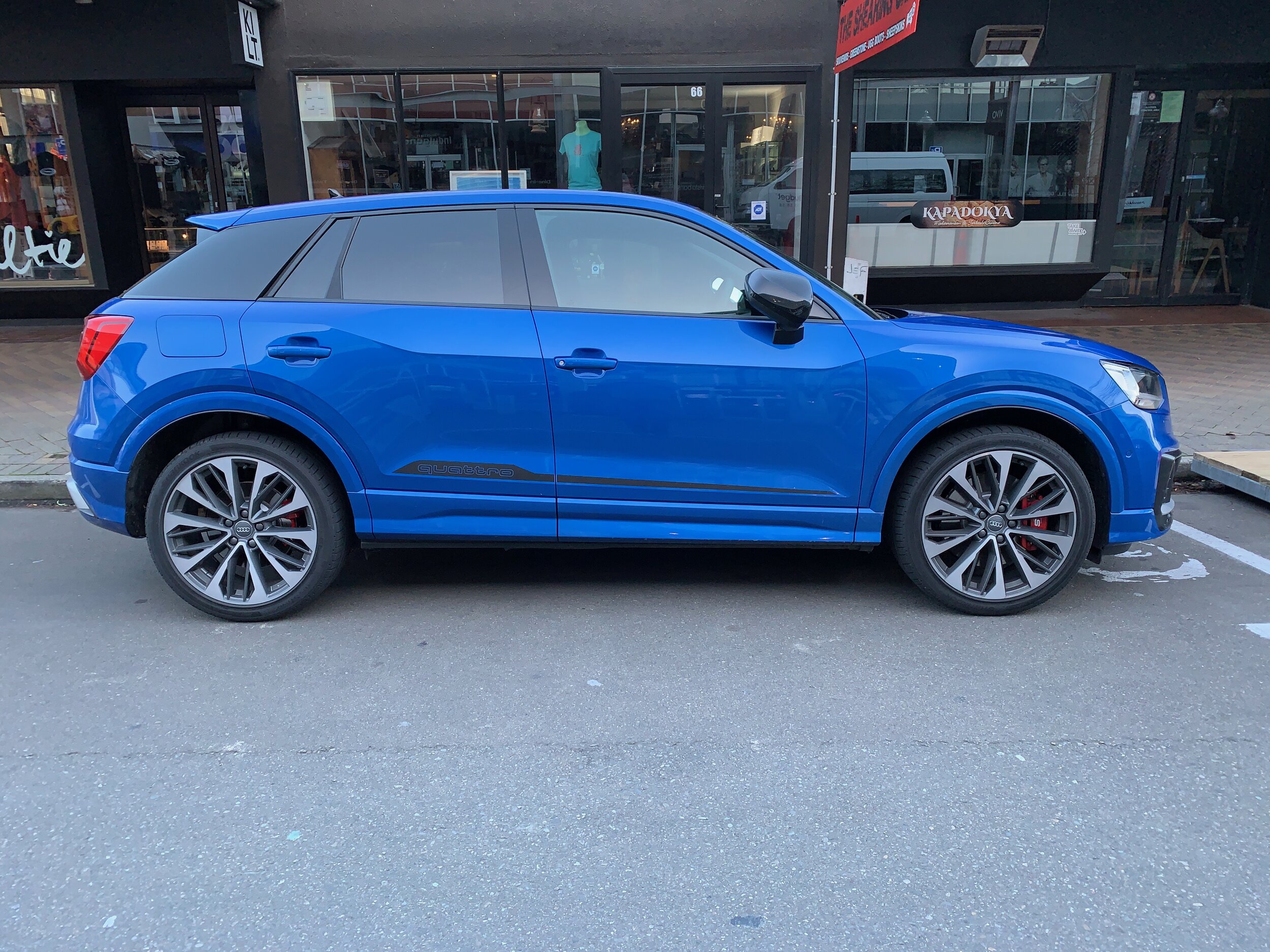
Audi SQ2: Baby goes big

The smallest firework in Audi’s arsenal is a right cracker.

IMG_2250.jpeg

Price: $81,900.
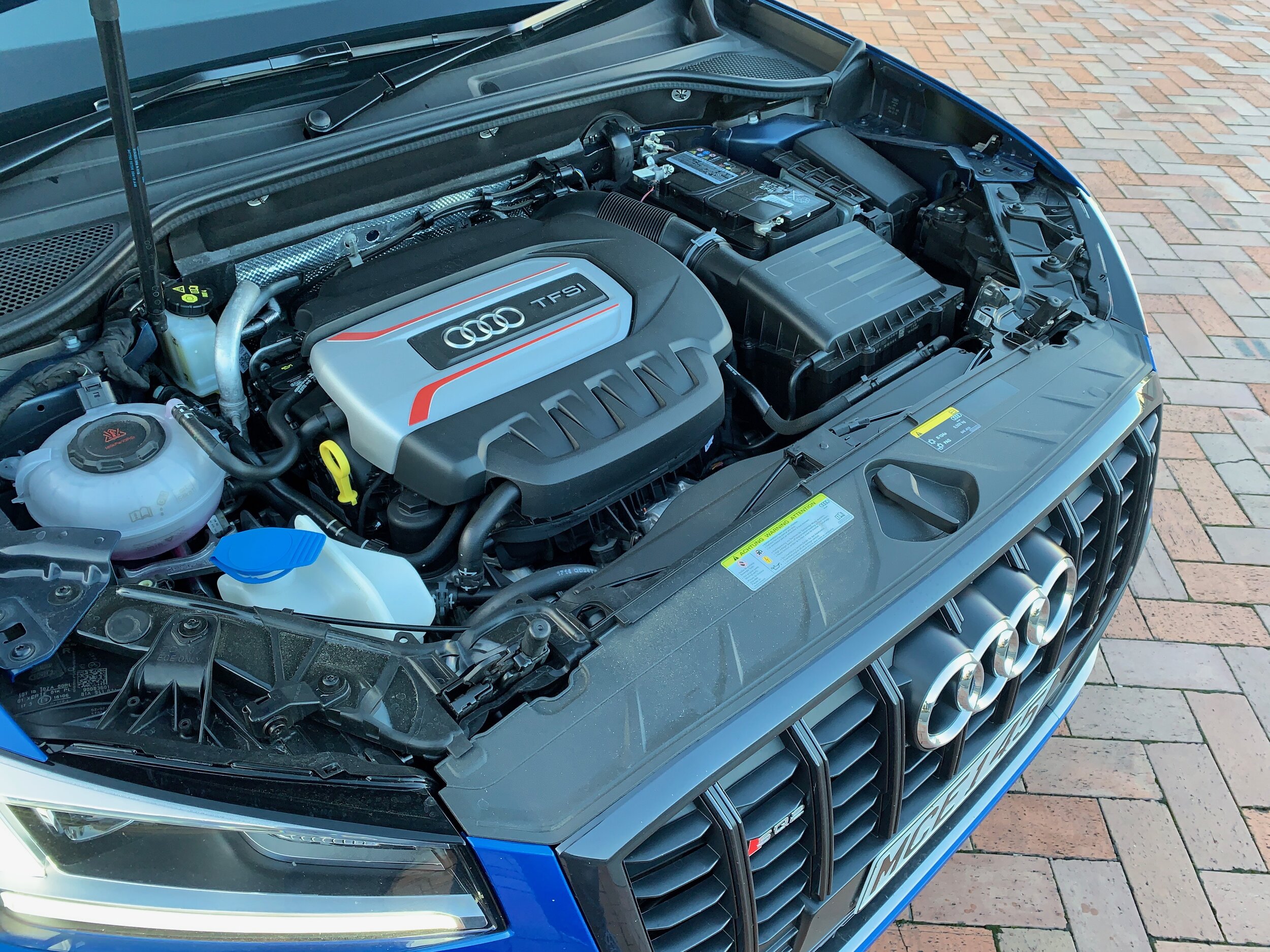
Powertrain: 1984cc petrol, 221kW/400Nm, AWD, combined economy 7 l/100km, 0-100kmh 4.8s.

Vital statistics: 4210mm long, 1495mm high, 2594mm wheelbase, 19-inch alloy wheels.

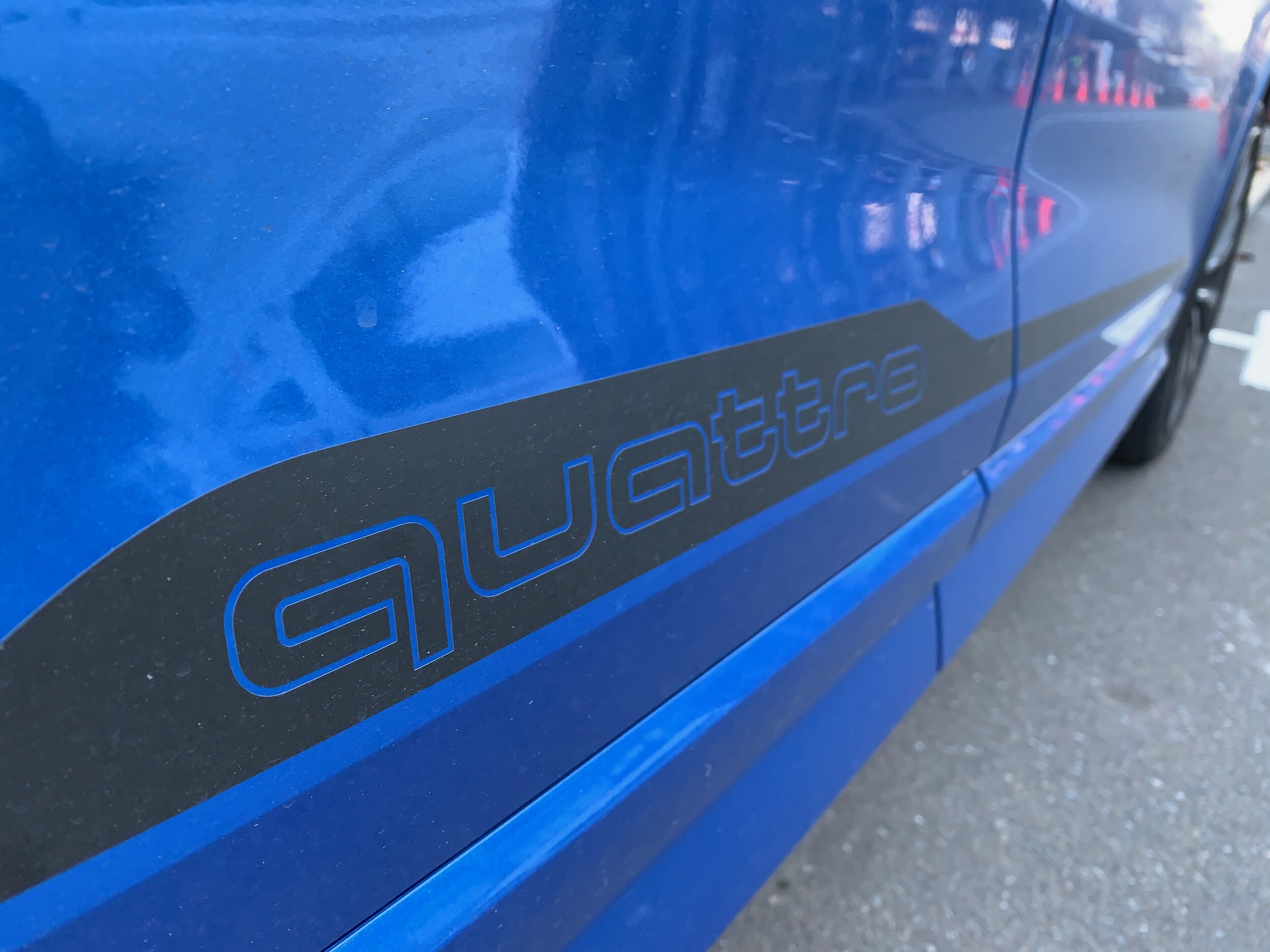
BEING of a certain age, I have vivid memory of when quattro transformed international rallying and then Group B drove it wild.

The first ingredient: Four-wheel drive and turbocharging – today it sounds like a simple recipe, but when Audi launched quattro, it was radical and ground-breaking.

The second? Well, all that allowance for unchecked power was all too much, ultimately; as exciting as the cars were, they were just too feral.

Driving the Audi SQ2 triggered memory of those days. Not so much in respect to the performance, more in regard to the car’s size.

Three cars make up the Holy Trinity of Group B: The quattro, the Lancia Delta S4 … and the Peugeot 205 T16.

It’s the latter, winner of the Drivers’ and Constructors’ titles in 1985 and 1986, I thought about. The secret to its ability to stand tall was metaphorical, not literal, when it dominated Rally New Zealand those years. It was a giant through being particularly petite. That played to huge advantage here. Being so compact it could be chucked at the craziest angles through the most challenging corners without risk of snagging the greenery.

Casting the SQ2 as a modern equivalent to a T16 in any particular detail is a stretch even Donald Trump wouldn’t attempt.

Sure, adoption of the 2.0-litre turbo petrol from the S3 hottish hatch lends indecent power (though not as nutsy as the Pug, which started with 250kW and ultimately packed 373kW), but really its edge comes from it being very ‘right-sized’ for back road play. It’s a small play that’s huge fun.

What’s adds to the impressiveness is that it’s a hot hatch that ‘not’. As in, the SQ2 is really a sports utility. Fortunately, the classification is simply for convenience and nothing more.  What you’re getting is one of the most 'car-like' hot crossovers/SUVs around.

With a suspension that’s 20mm lower than standard, it puts hardly any more air between the ground and chassis than even an RS3. The quattro side of things is as emphatically attuned to fast road driving as the drivetrain and the ‘S-specific’ steering and big brakes likewise.

IMG_2239.jpeg

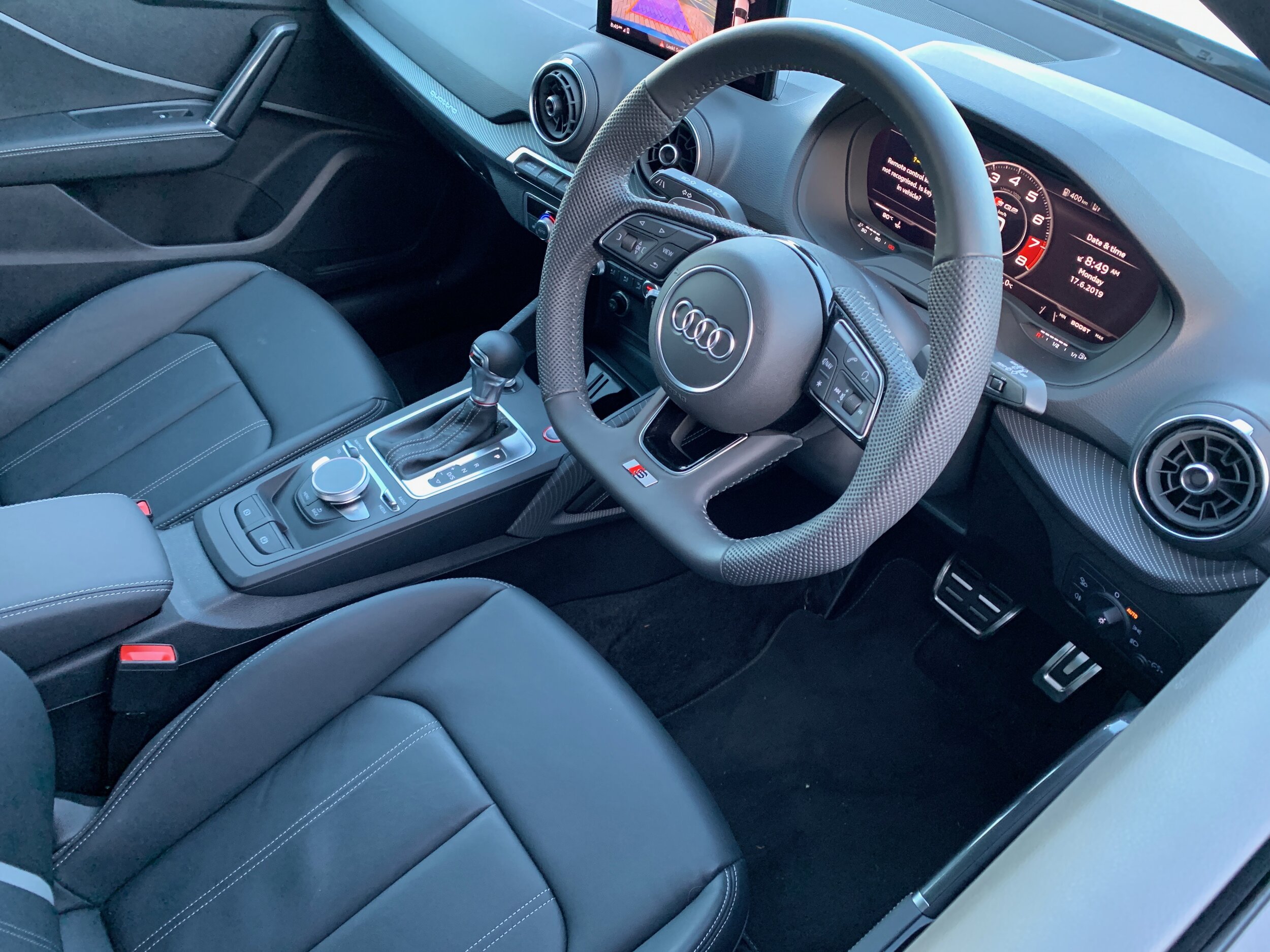
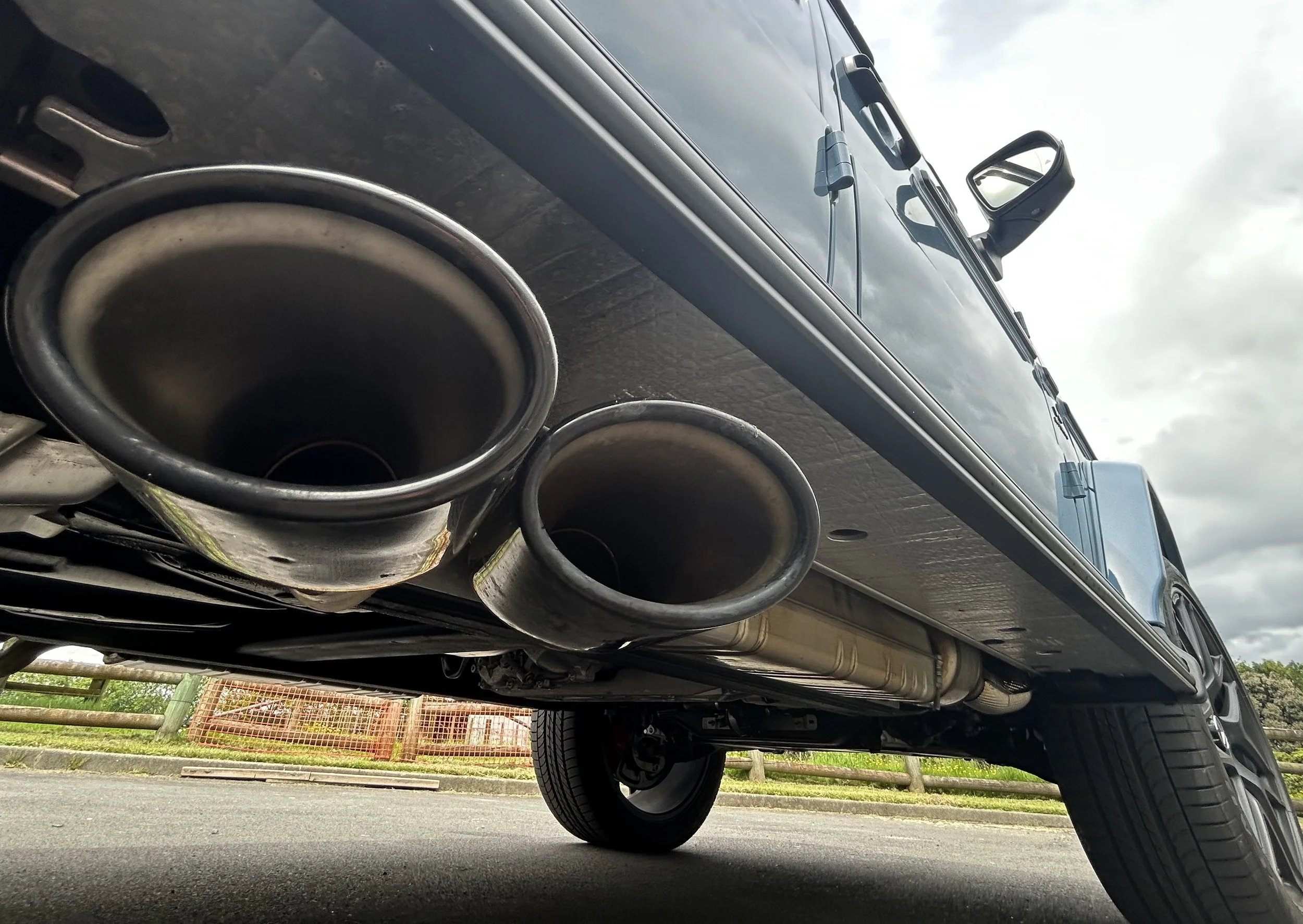
Agreed, from looking at it, you might wonder how it could be such a little monster. As much as the low-profile rubber and a performance bodykit, with a more pronounced front splitter, four exhaust pipes – as is the standard for an Audi S car – lift interest, it is still overly cutesy. Likewise, even with the usual sporty garnishes implanted, the emphasis on the interior treatment does seem to be a push more toward posh and premium than performance.

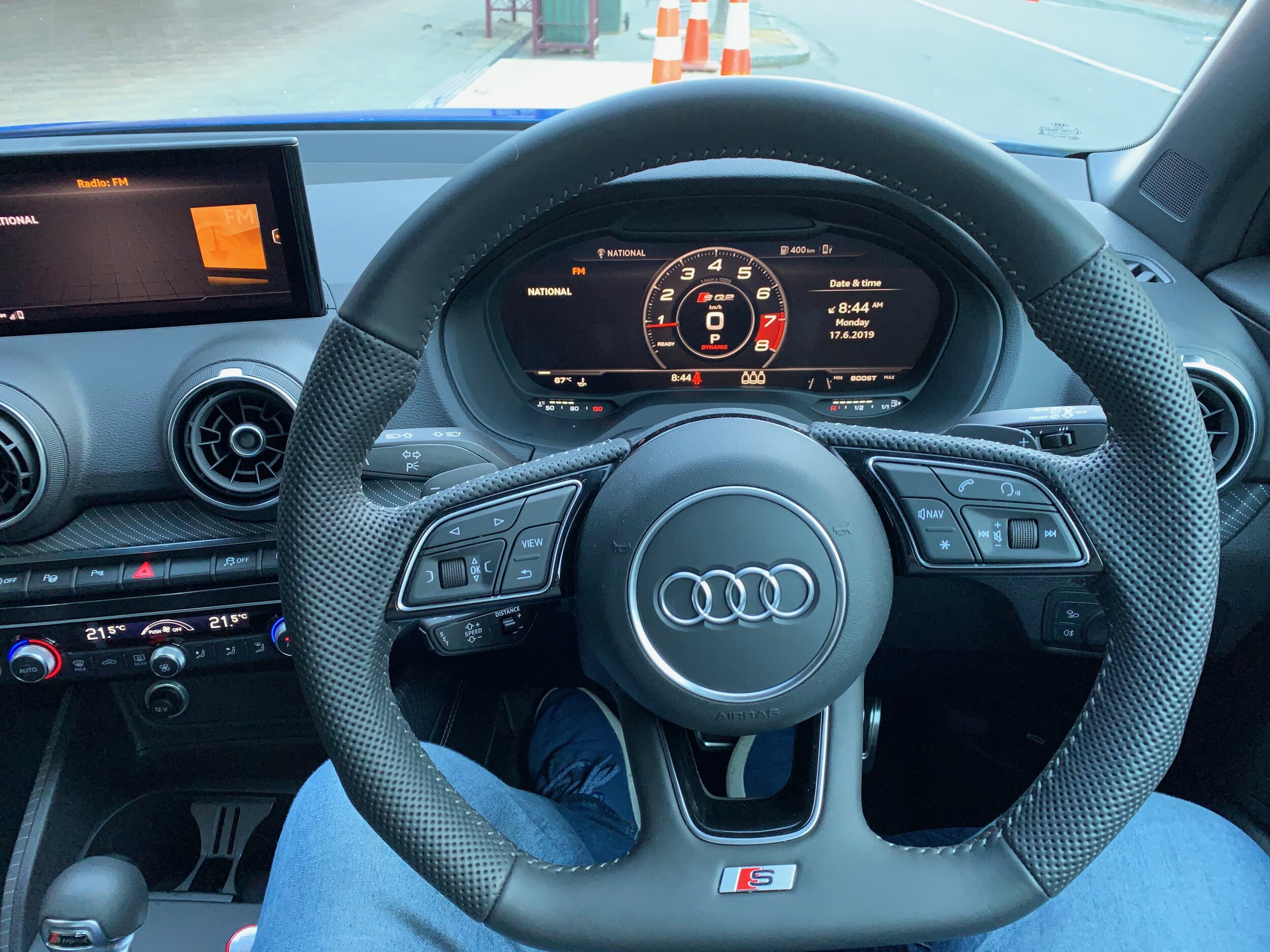
Noting that the front seats are race-ready types and can be set very low, in true sports car style, piques your interest. Hit the start button, give it a rev and … wow, that’s a rorty note, right?

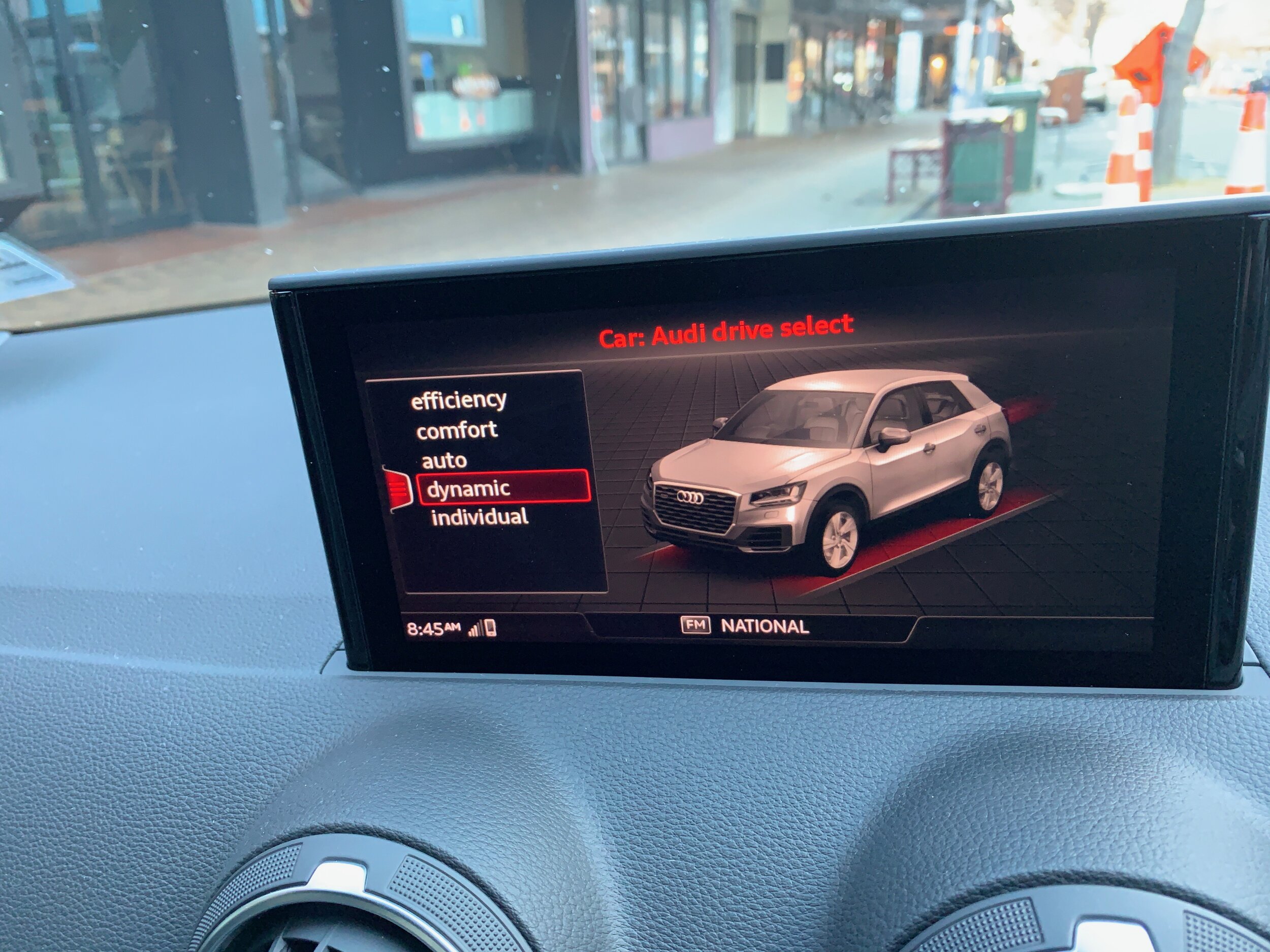
The best imprint is with the driving; find a road with as many bends as straights, snick into the Sport modes and give it a fang … and, gosh, it’s so much livelier and involving than the standard Q2.

The fact that the SQ2 can blast off to 100kmh in 4.8 seconds is remarkable on paper and mind-boggling on the road, but all the more impressive is its torque and how it applies. There’s so much low-down pulling power. And yet it doesn’t mind being wrung out to the redline, too.

And, it handles superbly. Nothing close to WRC readiness, of course, but body control is tight enough that you feel confident enacting rapid direction changes. Grip is unflappable and you can feel the Haldex system metering the power among the wheels under heavy load. Sure, the ride quality is firm. It would probably benefit from taking the S3’s Magnetic Ride adaptive dampers. About the only area where it betrays its crossover DNA is on the brakes, but even on this score it betters average.

A passably practical – if, agreed, somewhat tightly confined - small SUV that also has an alter ego as a spirited, slightly high-set hot hatch? Many have tried, few truly achieve. The SQ2 is among the latter.


Big truck, small fish

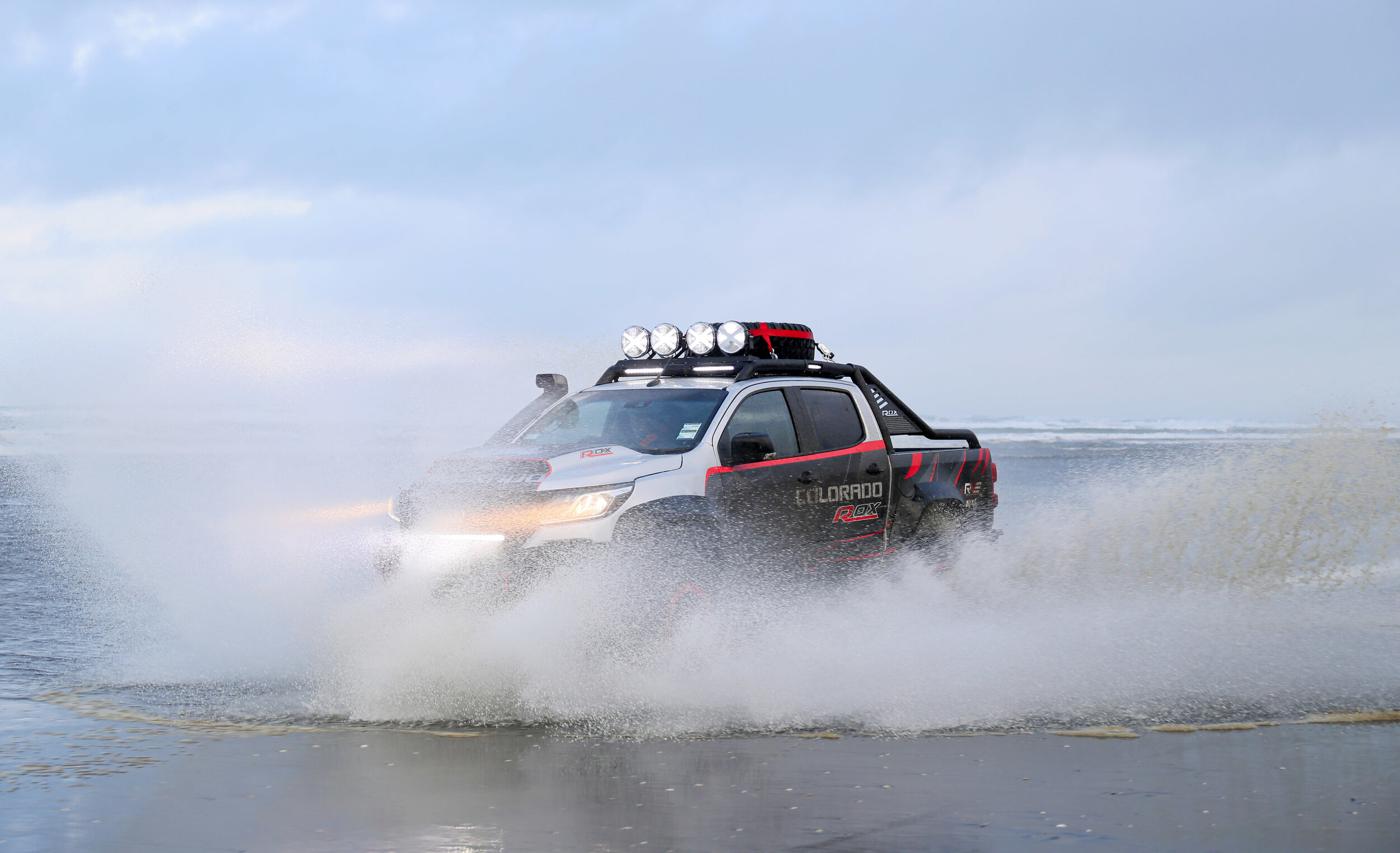
WE go whitebaiting with Holden’s one-of-a-kind Colorado ROX and a famous former All Black.

Roxwaiuku220819-016.JPG


“Got a tow rope?”

“Nup.”

“How about a shovel?”

More head shaking. 

“Hmmm. Okay, we can use the winch. Where’s the control unit?”

“Um, at work … but it’s possibly not working any way.”

Well, something needs to be done and fast. The tide is on the turn, a storm’s a-coming and, oh yeah, echoing in my head is the sentence incorporated into the invitation that has brought me here.

“Please remember this is the ONE AND ONLY Colorado ROX in existence, so be respectful of the vehicle – driving in a manner which could damage it WILL NOT be tolerated.”

I’m guessing bogging it at the mouth of the Waikato River isn’t considered ‘acceptable’ behaviour. But it’s happened, so …

Wind back the clock 24 hours. Holden New Zealand corporate comms guy and good mate Ed Finn, a genius for creating fun events to keep his brand in the news, is welcoming me to his latest escapade.

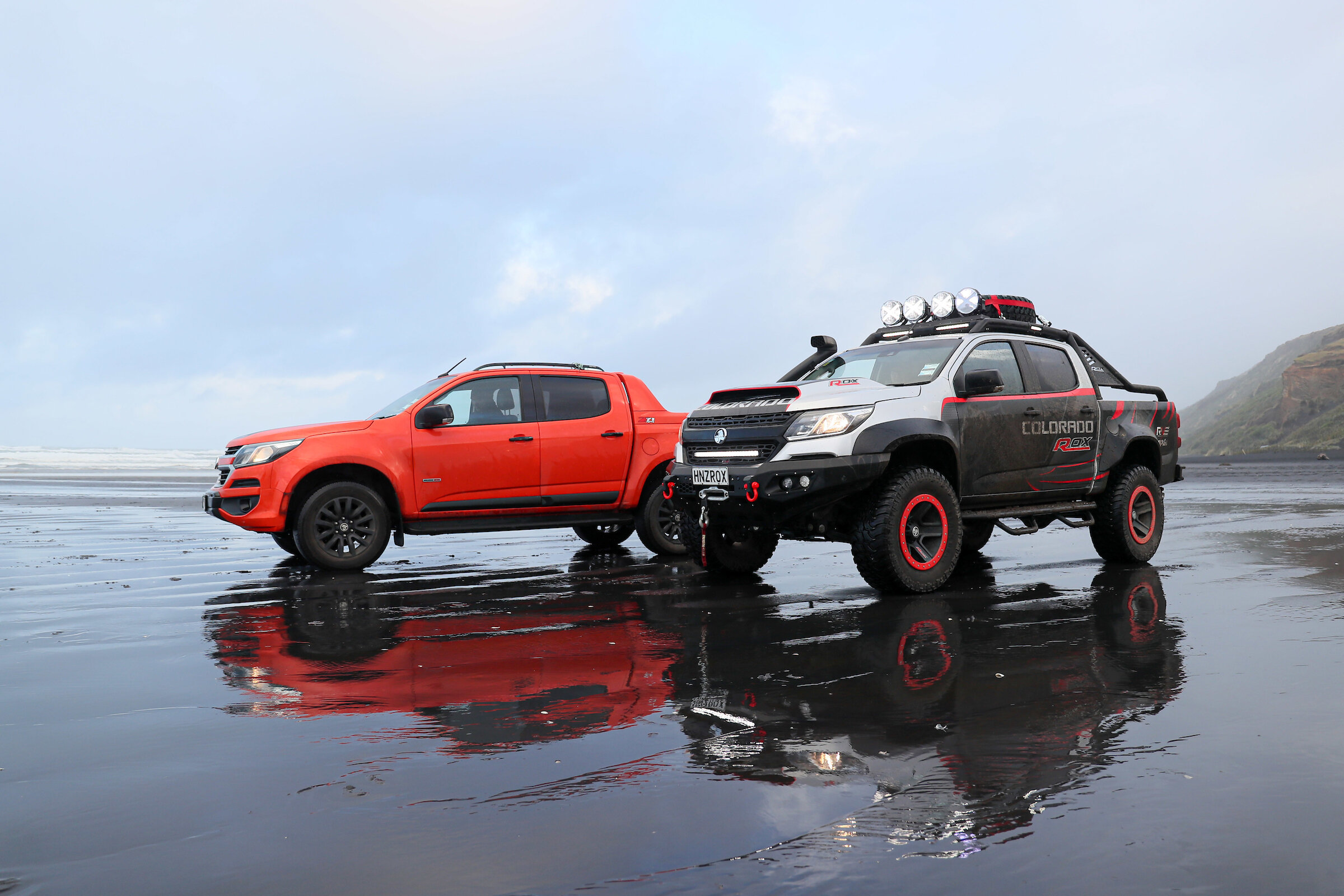
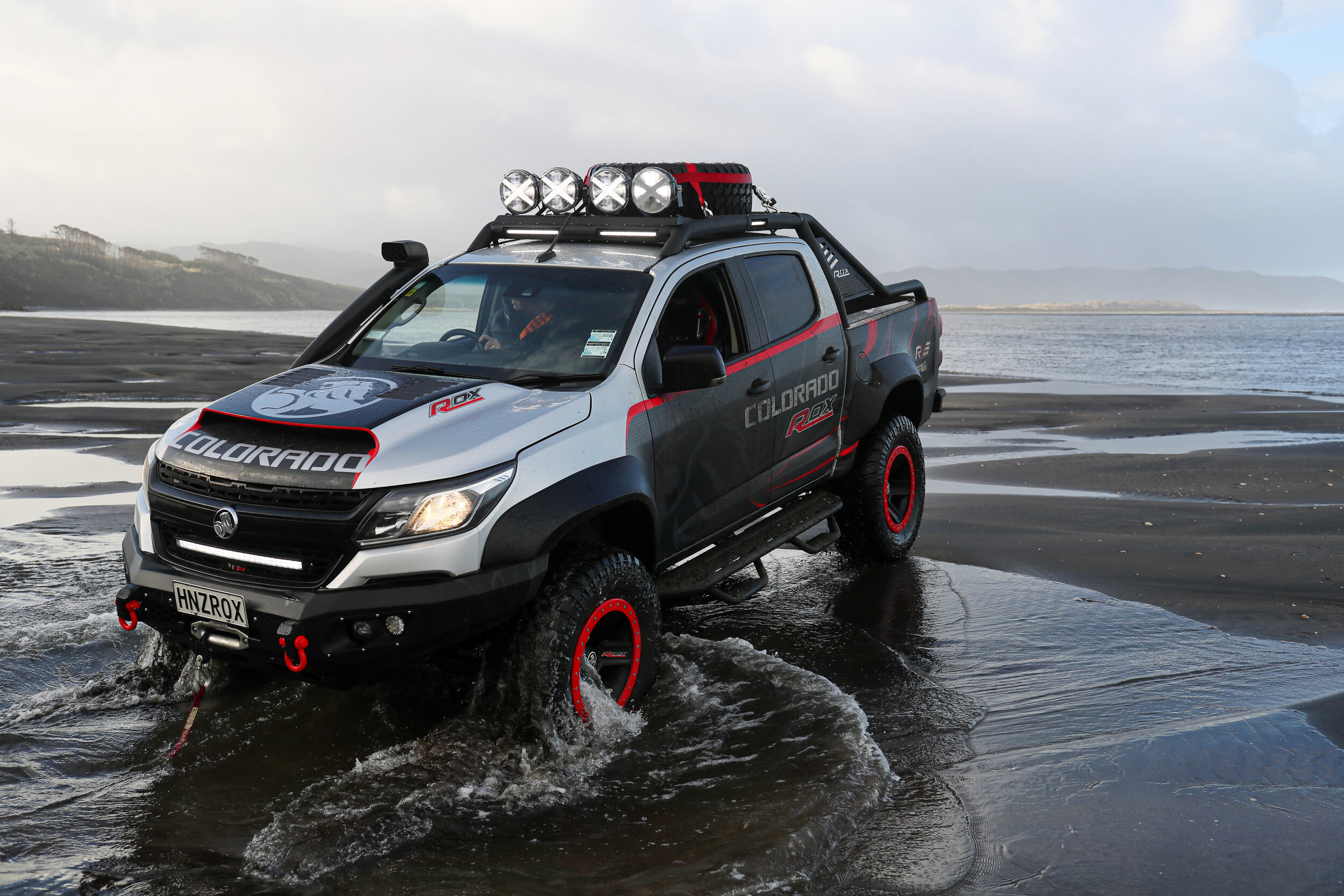
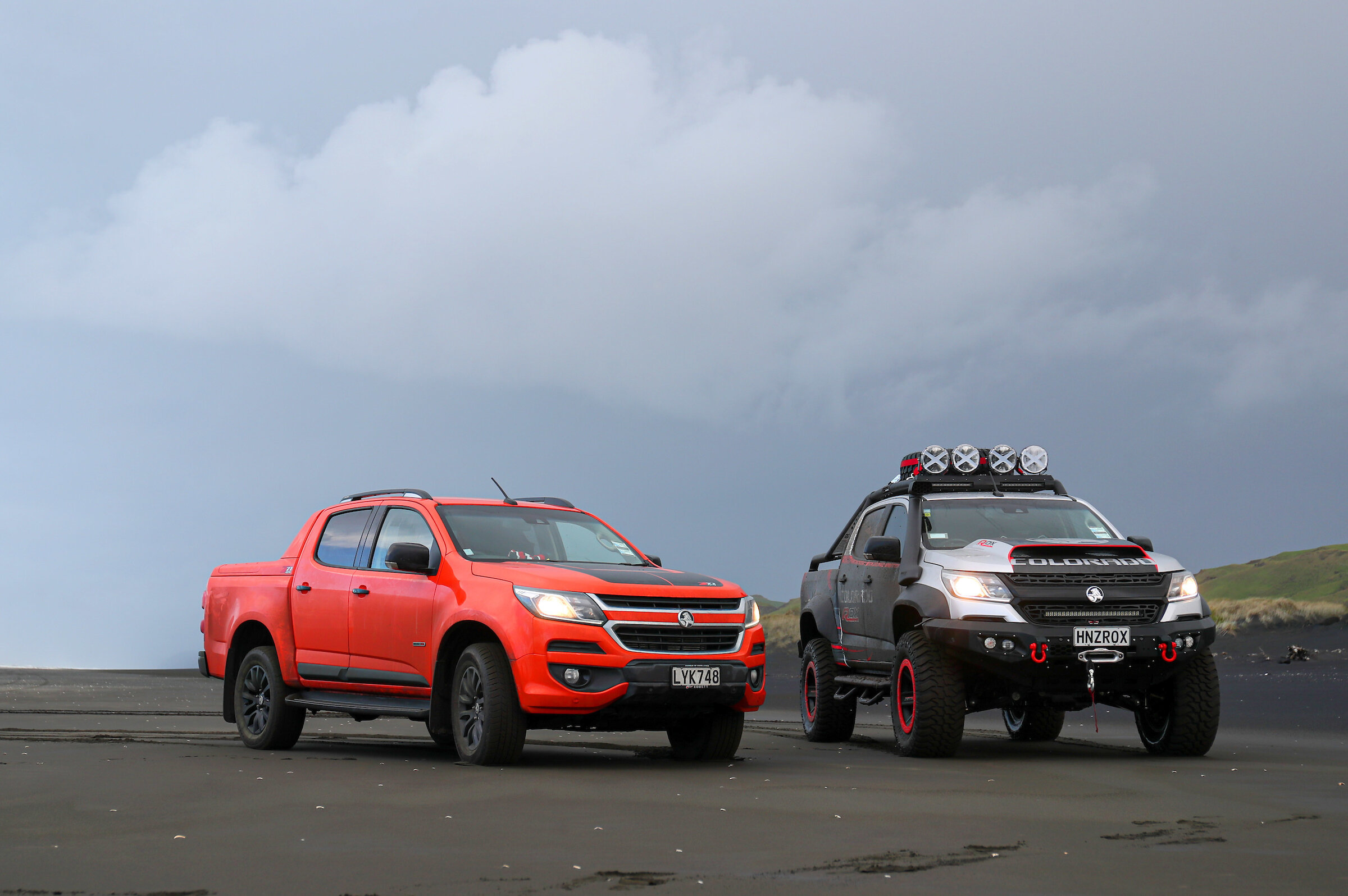
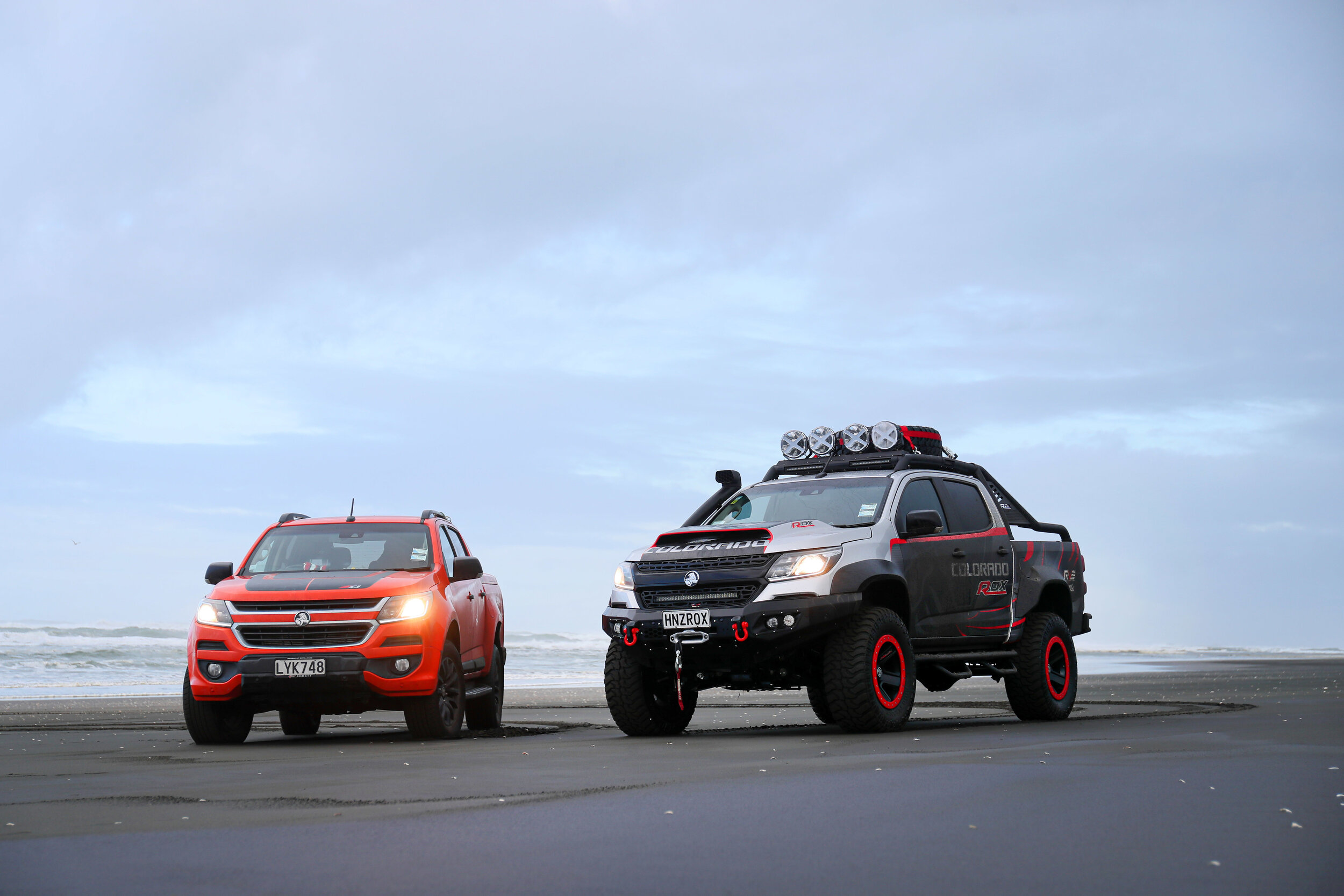
‘Big truck, little fish?’ Easily-explained. A whitebaiting adventure with former All Black and Holden ambassador Stephen Donald, with the Rox, a showboat Colorado built for Field Days and now on the staff fleet.

This rig’s enhanced dimension make it easily spotted in Auckland airport’s hectic parking precinct. My flight’s late, so Ed’s been loitering and I’m surprised those notoriously vicious ticket sharks haven’t sniffed blood. Yet it’s not been approached. What daunts more: The angry attitude or that none are tall enough to slip the paperwork under the wipers? 

The sheer audacity of its upsize by RVE is breath-taking. The genesis for it being visually wider and taller than the donor comes from meeting desire to integrate 35-inch rims; only achieved by lifting the suspension 100mm and the body off the frame by 50mm. After that, it became a magnet for every dream mud-worker accessory. Finn’s lips are zipped, but it’s gotta be a six-figure spend.

Invitation to take the wheel raises a challenge unusual for me. I’m tall but it’s still a climb and awkward, too; requiring a swing up and in, leaning back so as to avoid headbutting the door surround.

Trundling off, it soon apparent that the driving is as bogan as the fitout. Those tyres skate easily on seal, so braking and steering requires steadiness. Though the elevation helps with distance visibility, close-proximity traffic often falls into the many blind spots. 

Roxwaiuku220819-120.JPG

The further we get from civilisation, the better it is for everyone else, though on country roads find yourself battling misconception that, if not straddling the centre, the far side rubber’s into greenery and gravel. But rather this than meeting a stock truck on a blind bend.

Rox’s weight is guesswork but the languor of its step-off and mid-range response, a fuel burn average topping at 16.1 litres per 100km and the gearbox’s cog-shuffling at 100kmh suggest making the engine more lion-hearted would be worthwhile. Assuming it’s actually doing that speed. The analogue and digital displays are in dispute: When one shows 100, the other says 93.

Whatever it lacks in oomph is more than made up for in pulling power. It’s always gaining attention. It’s a crack up, all the same, when a road worker misidentifies it as “the HSV that was on Fair Go.”

As soon as it hits muck, it’s a much happier porker. Generous clearances and superb suppleness allow for hard-out attacks on ruts and bumps and those boots are now digging in. And I mean digging … on soft stuff, it’s less grip than rip. Those giant wheel shrouds inadequately inhibit great clods of landscape being flung high.

A blast down Kariotahi Beach to the Port Waikato end leaves the flanks, side glass and door mirrors included, utterly coated in ironsand. So when photographer Simon Watts asks me to reverse park at waters’ edge I’m reversing more by feel. A dumb idea that backfires when the whole rig violently tips down on the right rear. I’ve stupidly backed into biggest water-filled hole on the beach. A whole world of trouble.

It was a close call. No amount of throttle rocking was getting it out, but, ultimately, a trick from an old muck master did. I deflated the tyres just enough to spread the weight and break the suction.

The day thereafter takes us upriver to the estuary and dedicates to fishing in the company of ‘Beaver’ and his mate Dougie, ultimately ending up – after being smashed by a hail storm on the water – in Donald’s river bach, where we consume our catch and chat (as was inevitable) about that day back in 2011 when, after being left out of the All Blacks squad for the Rugby World Cup, our hero went whitebaiting, unaware of effort to get him back into the squad for Eden Park and a kick that has gone into All Black history.

Cell reception today is as rubbish as it was when coach Graeme Henry was on the hunt. So it seems quite funny that today Donald is awaiting another important RWC call … this time in respect to his duty in Japan. With a commentary team. 

One more drive with Holden’s trophy truck; straight into the heart of metropolitan Auckland. It’s raining, traffic’s heavy and ... well, it’s not the jungle it was cut for.

Rox is going to roll on with Holden NZ for a while yet; as is this generation of Colorado, with talk the replacement model – tied to a North America-specific Chevrolet cousin with the same nameplate – has been held up to the point the current model might soldier on for four more years.

The Rox will make a great tribal leader until then. But they really should pack a shovel and rope before the next adventure.


Mercedes X-Class 350d: Height of X-cellence?

The top dog of the X-Class range has a big day out.

Mercedes X-Class-1.jpg

Base price: $88,325
Powertrain and performance: 3.0-litre turbodiesel V6, 190kW/550Nm, 7-speed automatic, AWD, Combined economy 9.0 litres per 100km.
Vital statistics: 5340mm long, 1819mm high, 3150mm wheelbase, 19-inch alloy wheels with 255/55 tyres.
We like: V6 oomph and refinement, SUV-level driving.. We don’t like: Nissan base inhibits inclusion of best Benz tech.

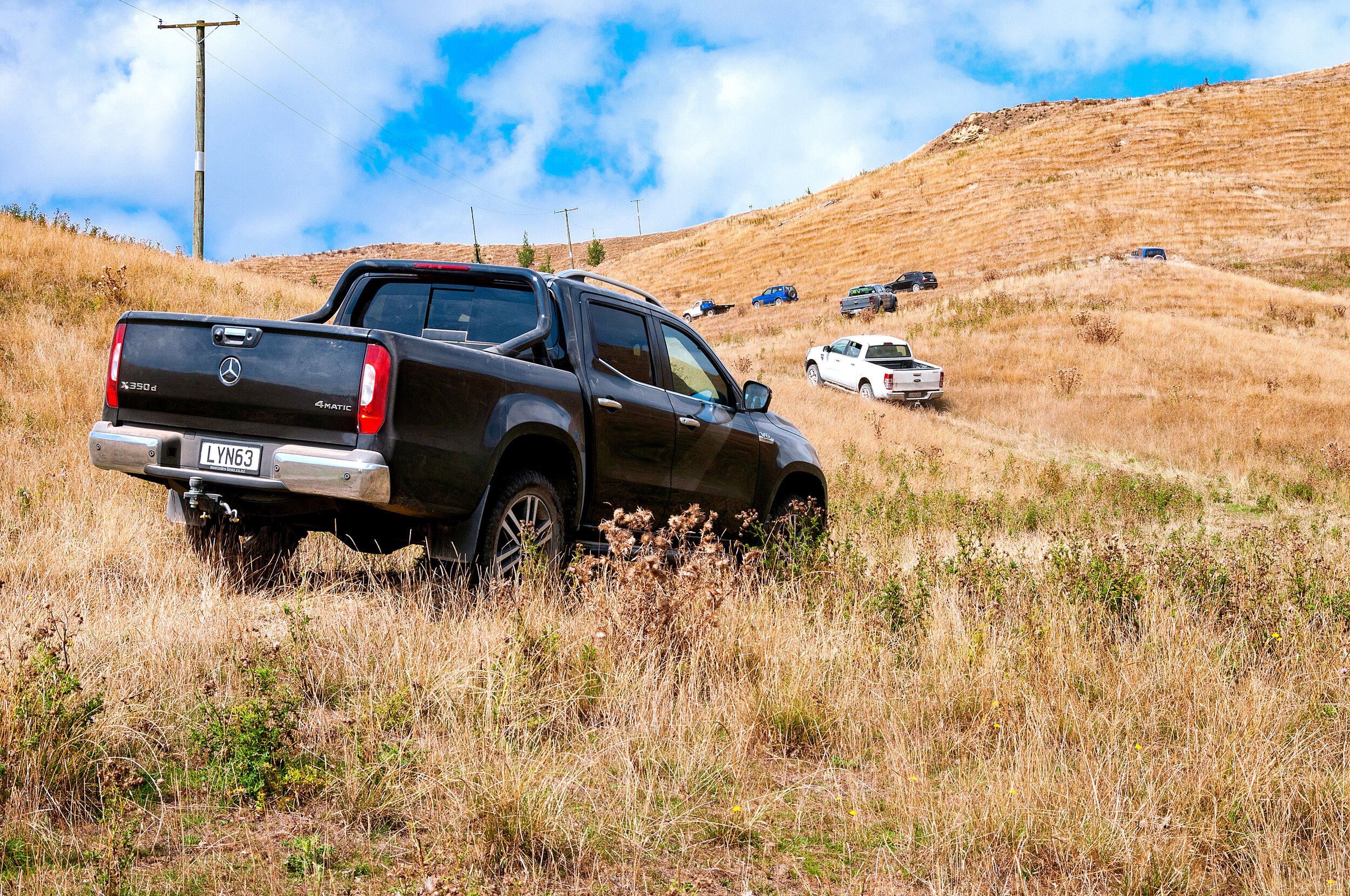
Halfway up a dizzyingly ascent, the tough part – a narrow, steepening zig zag. It’s max attack or risk the consequences.

We’re tracking a Ranger Raptor, sensible spacing in event the desert rig stumbles. It doesn’t – and neither does our vehicle. All the way to the top.

 Perception: The Mercedes X-Class 350d is easily the equal of a like-priced Baja-basher. Take that, Henry.

 Reality? Well, ahem, it wasn’t as hard as it looked. Terrain untouched by rain for weeks afforded such great grip a BMW X3, on road tyres and driven by a bloke enjoying his first ever off-road experience, also ran the gauntlet. Still, nothing like answering the call of the wild, right?

 Where exactly was this X-hit spot?

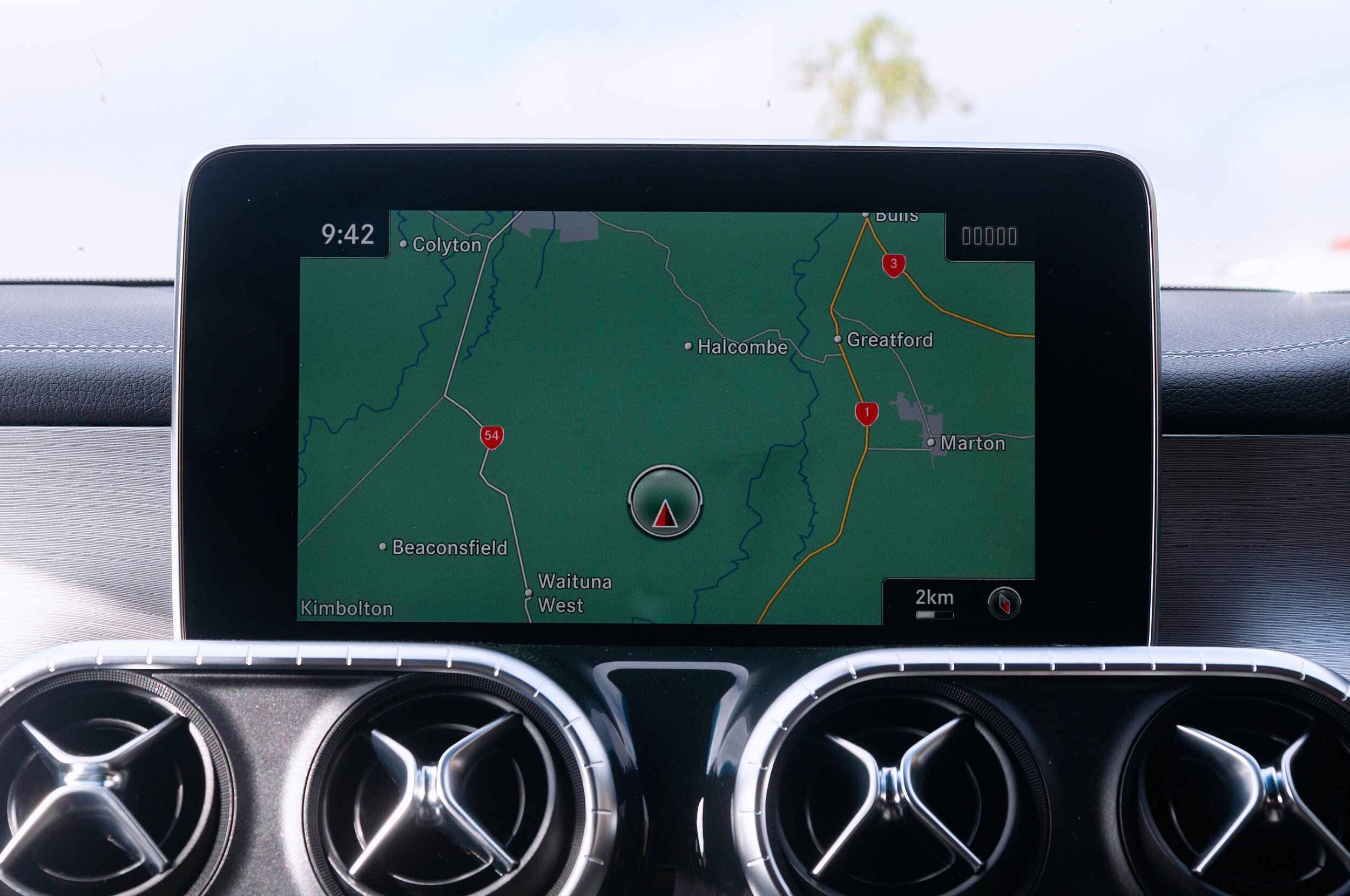
 Rugged Manawatu farm country opened for a four-wheel-drive trek raising funds for Beyond Disaster Relief NZ, a Bulls-based non-profit that assists Pacific Island communities rebuild after natural disasters. They’re never short of work.

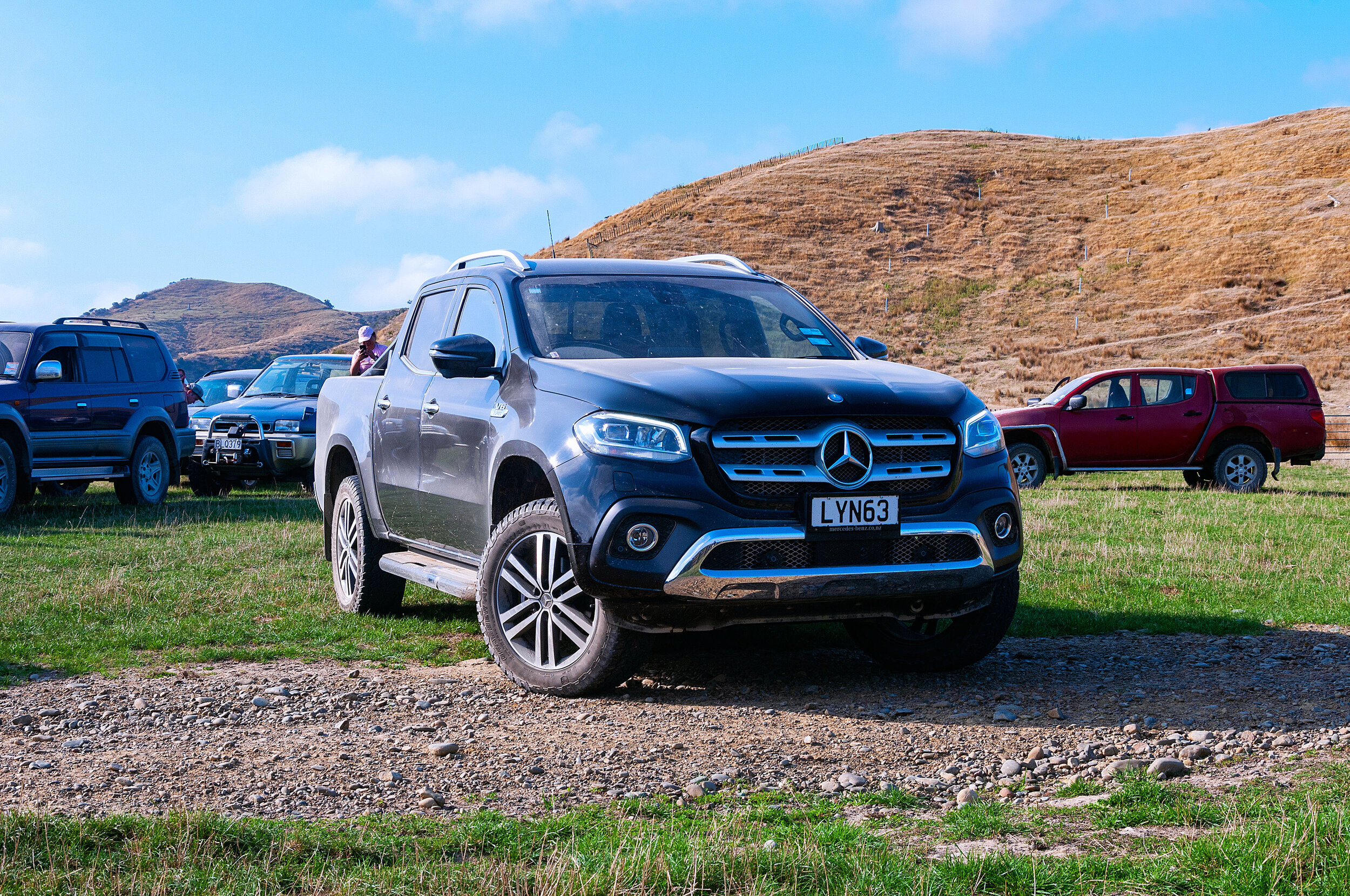
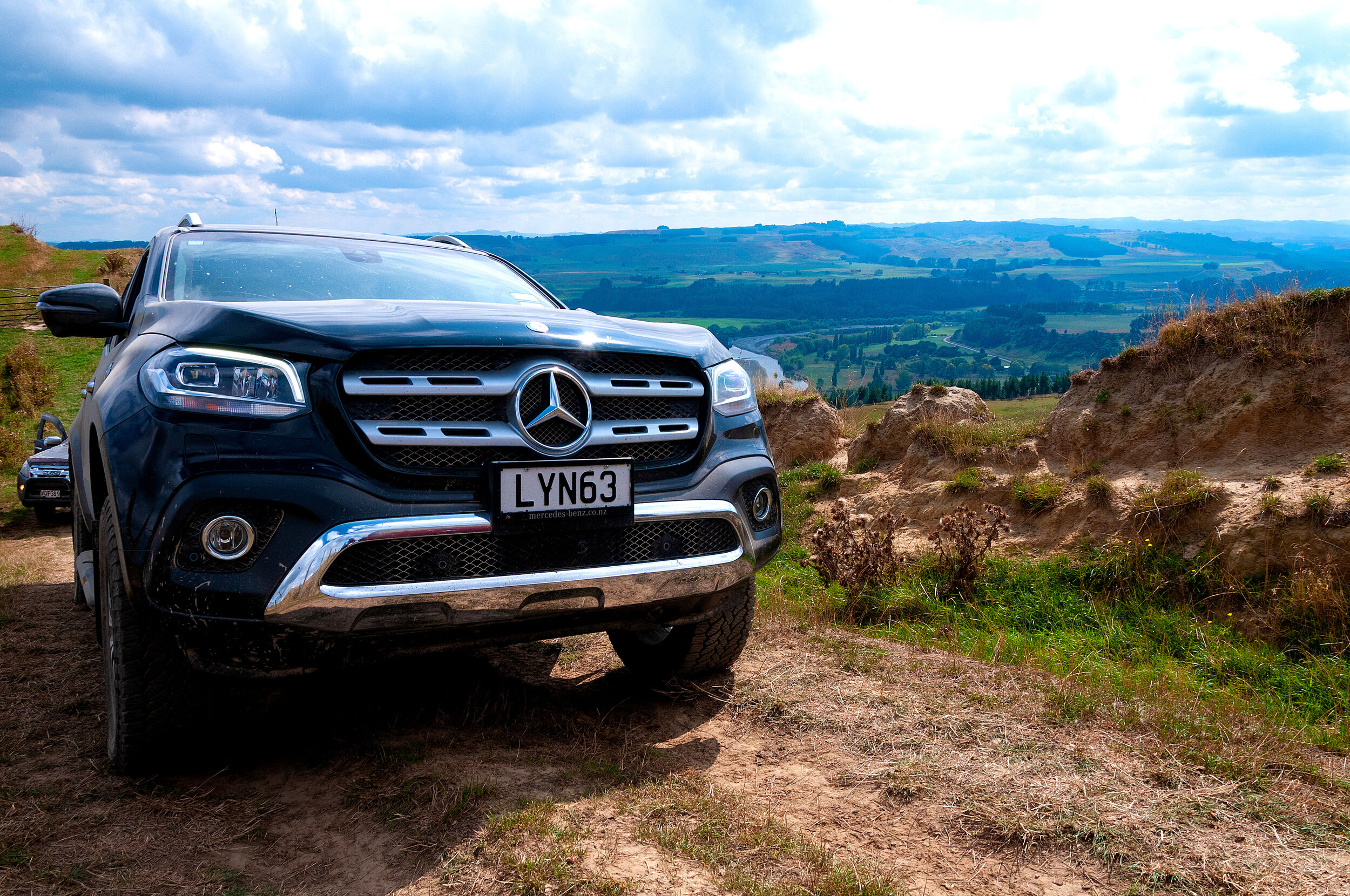
 As everyone knows, the X-Class is a re-engineered Nissan Navara. Although Germany’s contention the V6 editions are more Merc than Nissan is a bit of a stretch, it’s certainly true that in ditching the original drivetrain for seriously sorted home-grown bits - ‘4Matic’ permanent all-wheel drive, a six-cylinder turbodiesel with a bespoke seven-speed gearbox, with various driving modes – they’ve departed significantly from the donor.

Mercedes X-Class-7.jpg

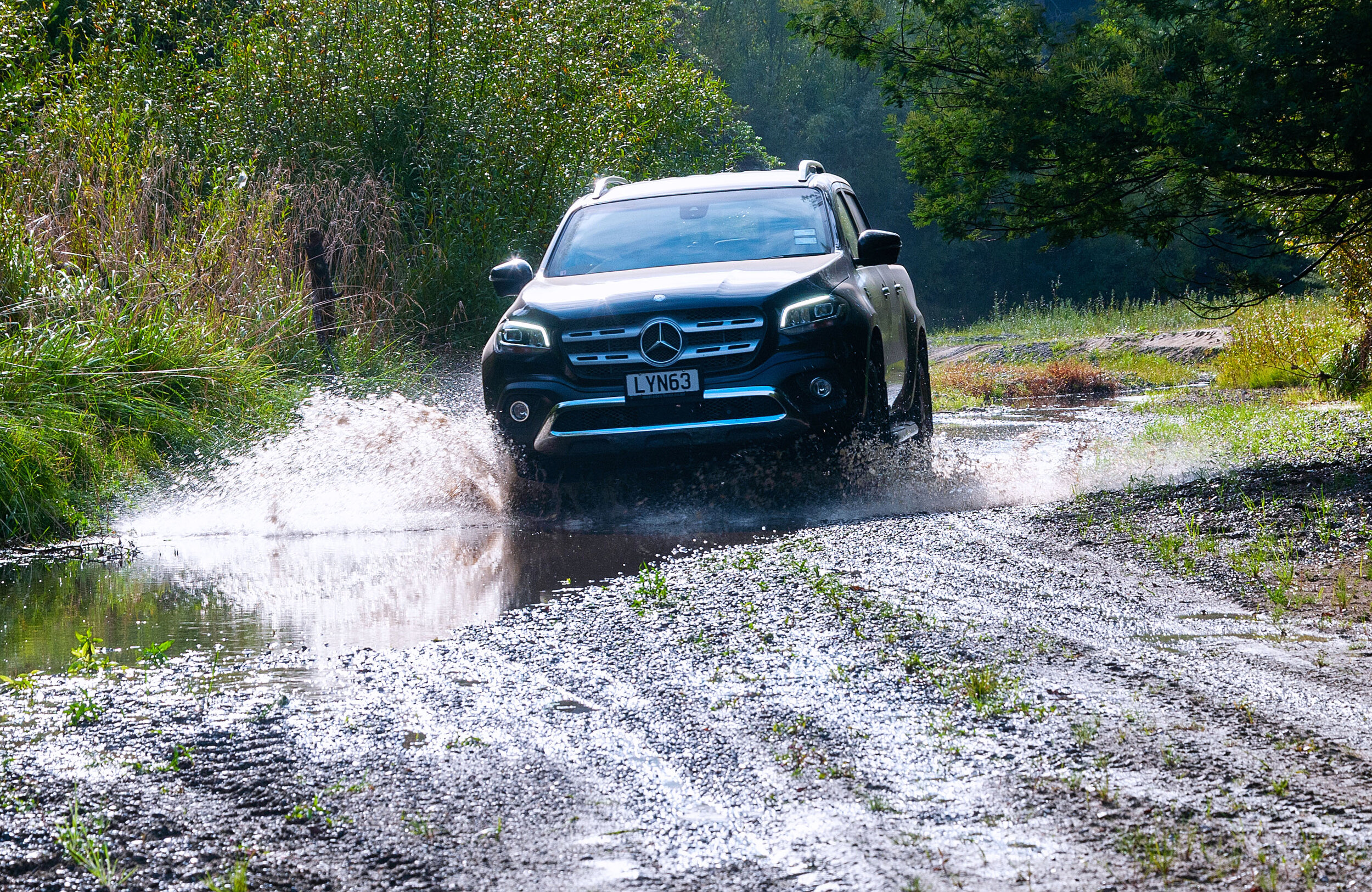
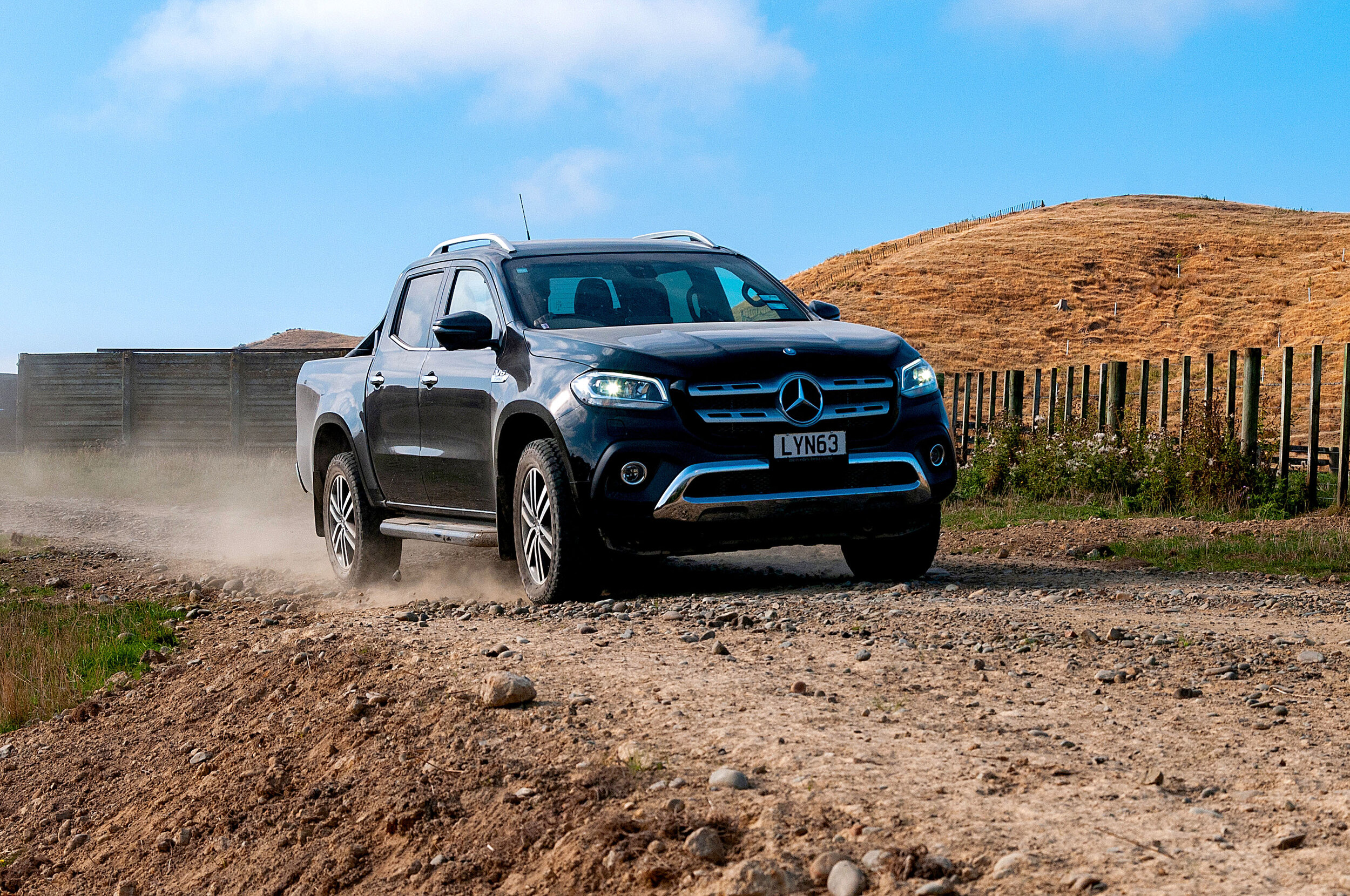
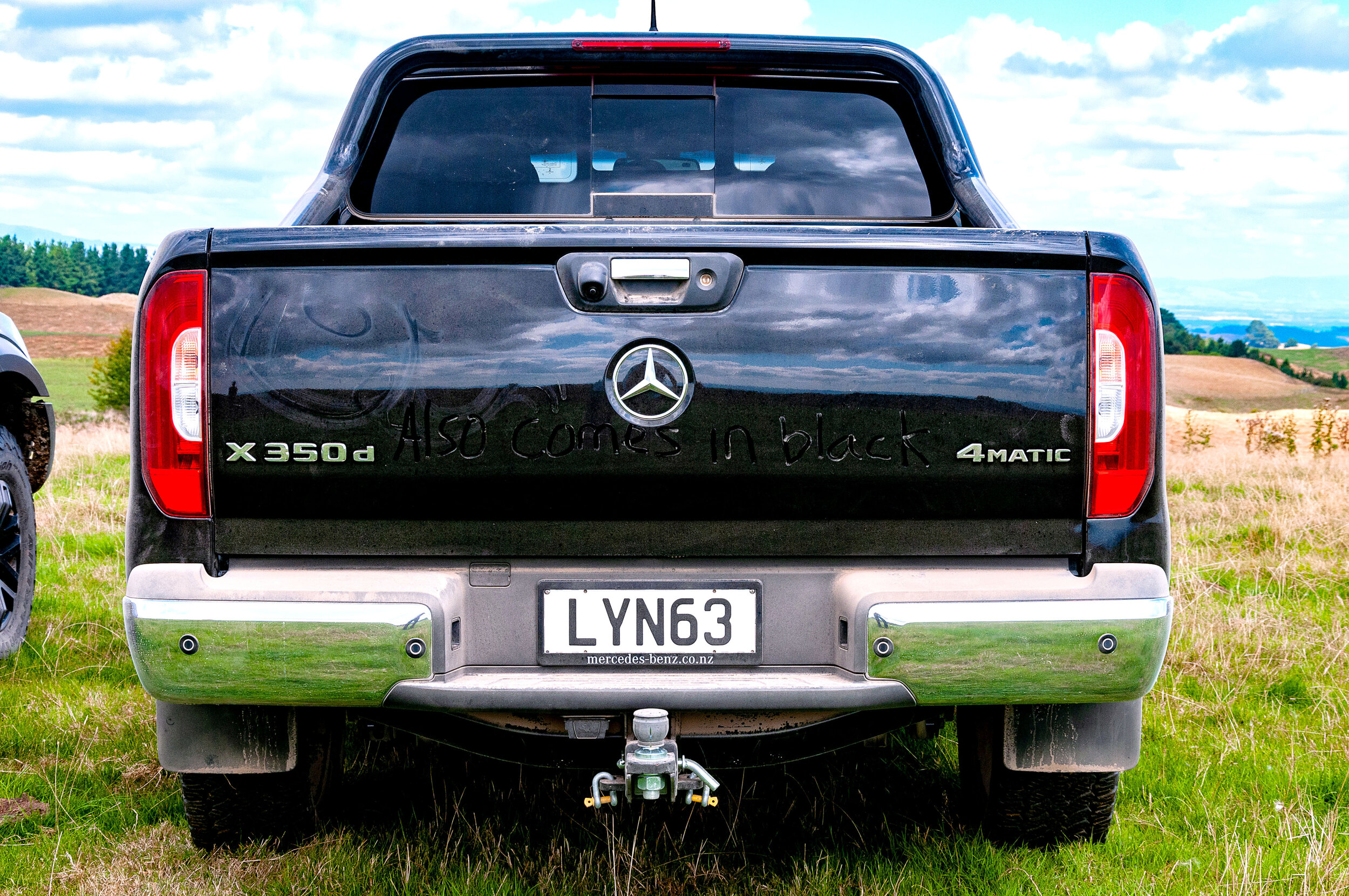
 Fitted with all the trimmings - side steps, roof rails, a silver sports bar – the mica black Power tester was the epitome of $90k-ish designer ute big ka-ching bling. Everyone took to calling it the Death Star.

 Why would you buy it?

 Star appeal. It’s an extra-showy step away from convention with appealing hardware behind the ‘right’ badge.

 Rich oomph makes the hauling easier, it sounds good and while placing second of the two sub-category contenders in the 0-100kmh sprint, that claimed time of 7.9 seconds is C200 sedan-compatible and represents a 4.4s reduction on the four-cylinder X-Class.

 Some turbo lag doesn’t spoil impression of this drivetrain being a beautiful thing; torque peaking between 1400 and 3200rpm makes it almost as relaxed in the muck as when cruising. The transmission is a perfect partner, being nicely vroomy in a shift-sharpening Sport mode and offering paddleshifts, too. The all-wheel-drive factor is another rarity that instantly earns its keep; this provision – plus the 70mm wider track and enhanced suspension tune – make it a more confident, calming and captivating drive than any part-time ute.

 It was so hugely effortless on the off-road course that the organiser’s request to run with the diff lock on was ignored. Simply enabling low range with its 50:50 torque split and the Offroad mode, which reprogrammes the gearbox and reduces throttle responsiveness, did the trick. ‘High’ (30:70 preference) was fine for gravel while on seal we snicked back in the baseline 60 percent rear axle bias.

 Why wouldn’t you buy it?

 Because even though the Merc miracle work delivers a great powertrain plus such a planted and supple road feel you’re left with impression this has to be one of the most SUV-like utes out there …. it’s not enough.

 Yes, it’s impressive how they’ve redesigned and improved in a myriad of places, including the traydeck that, while still retaining those clever Nissan tiedowns is slightly better shaped. Beyond the brilliance of introducing the whole top part of a Benz issue dash with factory instruments, rounded vents and a pukka steering wheel, it gets all sorts of other tweaks, from a stronger chassis to a fuel cover release that operates off the central locking, rather than a cheap trigger.

Mercedes X-Class-9.jpg

 Yet is all this and a rich spec - electric front chairs with upmarket (though synthetic) cloth/leather trim, a tyre pressure monitor, keyless go, aluminium and black fabric cabin inserts, a brilliant 360-degree camera that makes backing up to a trailer a cinch – enough to convince this is the most thoroughbred of workhorses?

 No, because it’s impossible to ignore those aspects that couldn’t feel change for good yet, you suspect, would have had this been a wholly Merc exercise. A steering column lacking reach adjust, cheaper plastics below the beltline, unsupportive seats, lots of budget buttons and a tight back seat all remind that, at the end of it all, you’re still anchored to a donor that the market long ago determined was an also-ran to the category sales champs.

 The stymying of what should be the opus feature, that floating screen controlled by Benz's Comand rotary dial, reveals how much compromise has gone on. Disappointment about it delivering an old-school functionality retired from almost all other Benz vehicles – so, two generations behind the swish MBUX that’s just gone into Sprinter van with its voice-controlled AI system - amplifies when discovering sat-nav slowness and flaky phone hook-up. It’s probable the electronic architecture Mercedes has to wire into is the problem. However, that won’t wash with a buyer base who simply expect better from a brand that trades on ability to deliver the best.

 It does better meeting safety expectation with seven airbags (including side protection in the rear seats, unlike the Amarok), but even with class-uncommon aids of autonomous emergency braking, lane-keeping assist and park assist, it doesn’t quite tick all boxes, with blind-spot monitoring and adaptive cruise control off the menu.

Buy or drive by?

 The X350d delivers an intriguing blend of ‘made better’ and ‘make do’. It has smart kerbside appeal and is better-sorted and more enjoyable than the four-cylinders.

 And yet … well, I know the V6 Amarok is older, yet comparing with a like-priced Aventura reminds that, while the whole idea of a $90k ute is plain dopey, if you’re spending that big, it’s better to Dub step.