Defender – meet the new mud class king


Land Rover’s crucial new Defender has arrived … and it’s spiffingly good.

IMG_6163.JPG

WHINGE all you like and keep telling whoever will listen that Land Rover is mad … but all you self-appointed traditionalists are heading down the wrong track bagging the latest Defender for having steered away from the ‘true’ path.

For all the truth in the saying about studying history being requisite to avoiding past mistakes, having now seen the new model in the metal and achieved opportunity to test its mettle on local soil, I’m in no doubt about the pointlessness of wasting breath on argument about rights and wrongs.

If you’re unable to break out of that nameplate-cherishing clique that remains firmly mired in the past, with an addiction to a predecessor model that achieved two million units across three look and mostly feel-alike series and was an antique when it finally ceased life in 2016, so be it. Land Rover wishes you well and Ineos awaits your business. You’re the whole reason for the Grenadier; heir apparent to the traced-back-to-1948 original. 

Meantime, the brand that holds the actual nameplate is moving forward, whether you’ve with them or not. Moreover, it progresses with 101 percent confidence that the path it has chosen to take now lends the best – actually, only – chance of keeping the Defender meaningful.

Yes, it’s a new world, holding new challenges. Hence why this is a complete rebirth and reinterpretation. The armies, the industries, the farmers and the explorers who put their faith in the original are, by and large, no longer on the customer list. Now, at least with the first wave products, it’s more about box-ticking private customer wishes. Yes, they still want ultimate toughness and durability. But pocket knife simplicity no longer cuts it. 

And yet, as much as it goes more glam and sophisticated, and climbs the ladder in price -  the 110 five-door format the kicks off the charge here ranges from $89,900 for the entry D200 2.0-litre diesel to $164,900 for the P400 3.0-litre six-cylinder petrol X version, while the three-door 90 adding in from February starts at $84,900 - it’s misconception to think this new Defender is so dedicated to a different route that it is wed to a wholly different purpose that its forebear. 

IMG_6134.JPG

While it is patently nothing as agricultural as the old one – which, so tailored for off-road brilliance that it was awful on it, and so dedicated to keeping a classic design it couldn’t achieve comfort or safety – it’s wrong to imagine this new car is not still a workhorse.

Yes, the editions here now are more for play than toil, but commercial editions are being developed. Whether the distributor takes them … well, that’s another story. So many past opportunities of relevance don’t exist. Even if the products at least do.

You’ll wonder how much of that old-school ‘character’ has been sacrificed. Well, yes, obviously, the flavour has changed. Yet so much about how it imparts comes down to definition.

Surely even those utterly prejudiced toward the old model cannot deny its flaws. For one, it had the world’s most utterly awkward and uncomfortable driving position. If leaning inwards to get the door shut, suffering the window winder digging into your leg and striving, in vain to find somewhere to put your right elbow, counts as ‘charm’ … then, sorry, that’s gone.

Also divested to the dustbin are such joyous traits of prayer-inducing road manners, tinnitus-threatening driving din and minimal crash-test durability.

Instead you’re getting a now comfortable, quiet model with almost car-like on seal attitude that is expected to fly through modern crash testing requirements. How can anyone argue that’s not a good thing? Silly question: Of course they will …

So what makes it a Defender? Mainly because it acquits like one. In interest of journalistic integrity (yes, some of us still abide by it), on strength of today’s launch, the testimony has to be considered less strong that it could have been. The event included off-roading, certainly nothing of the scale of the car’s international release in March, when they bashed it around Namibia, but still a decent workout on Clevedon dirt and enough to reinforce the quality of the new Terrain Response system.
IMG_6146.JPG

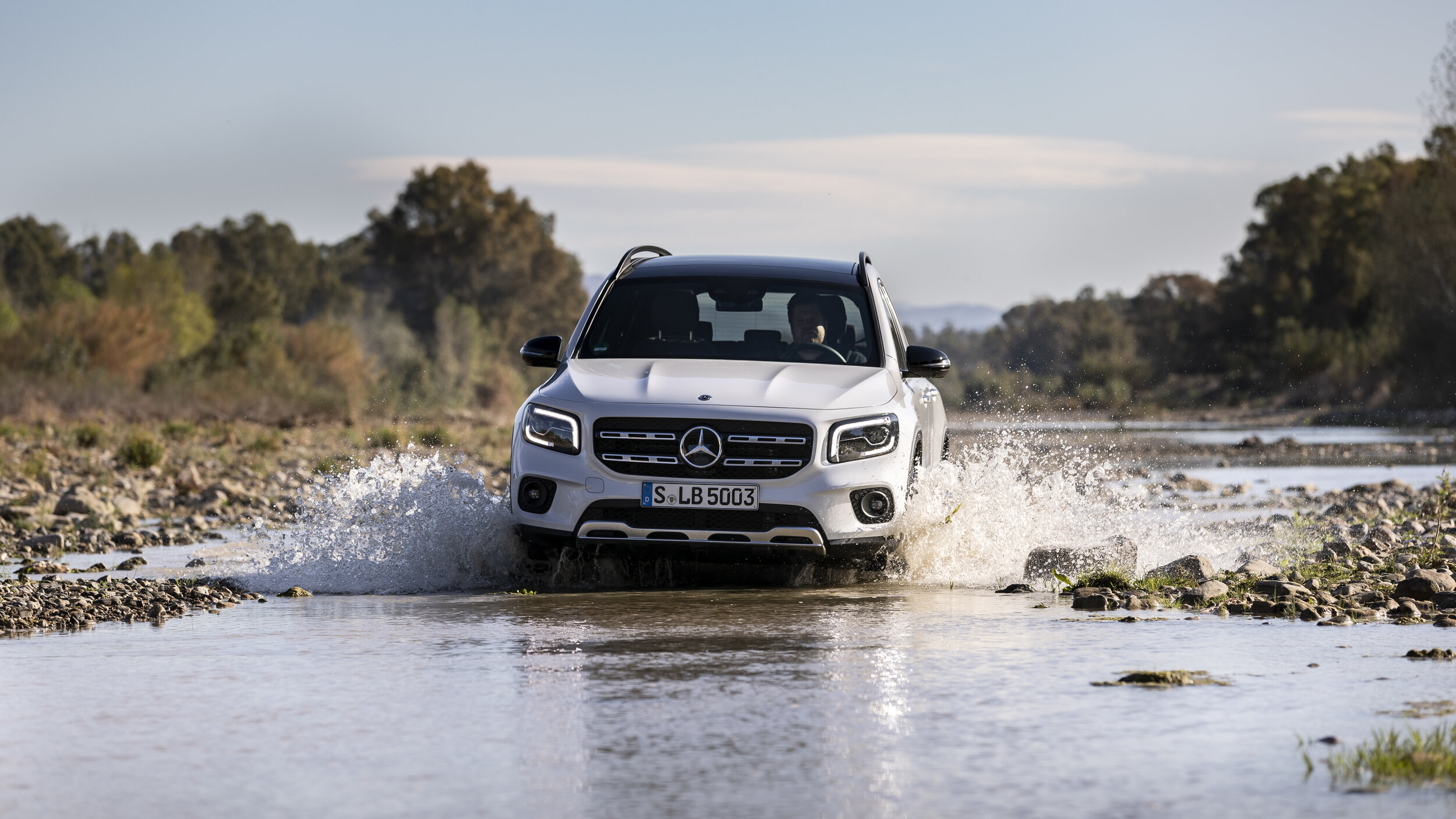
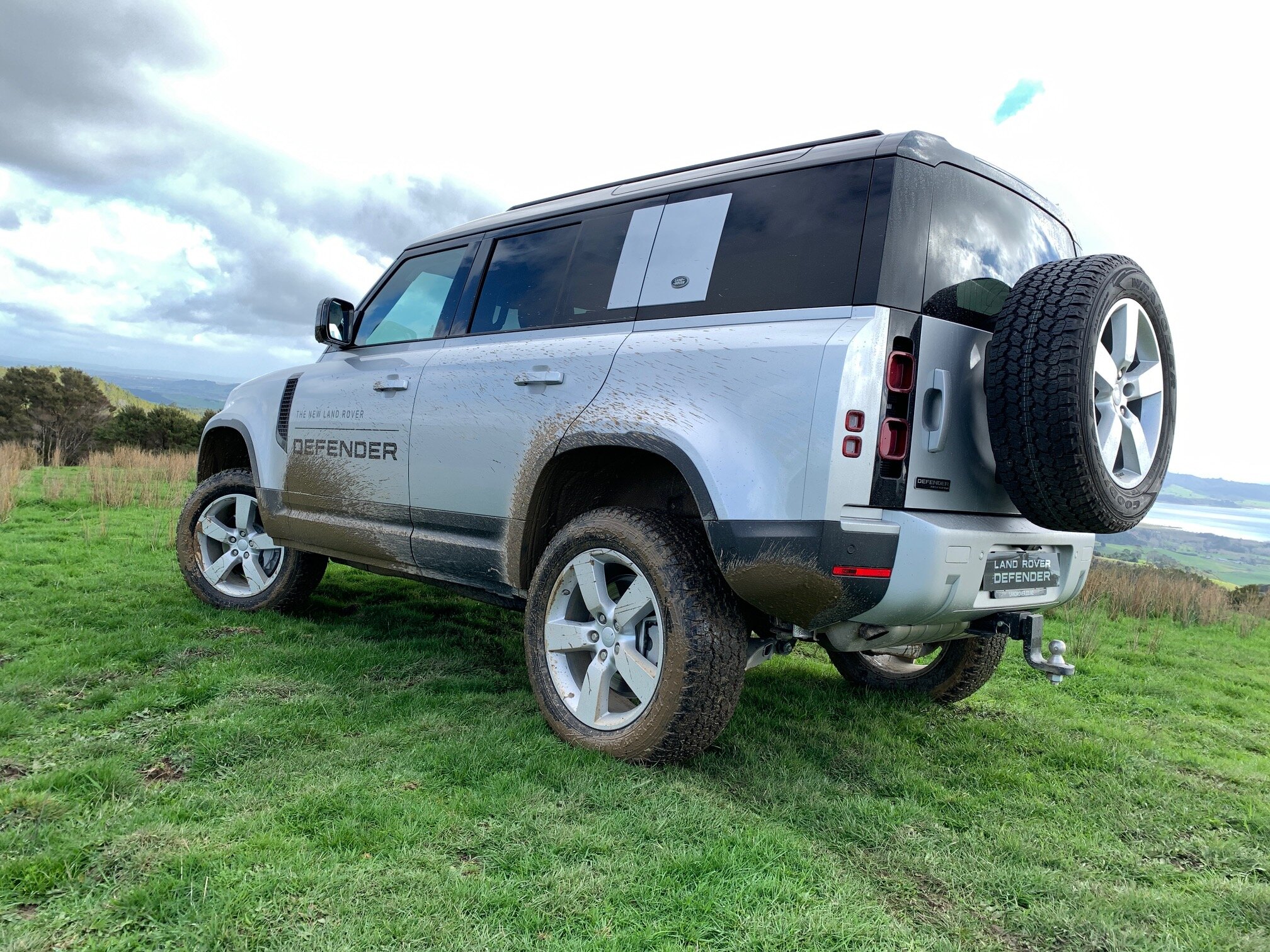
It’d be a pity if Defenders don’t have their off-road credentials challenged by owners. There are numerous drive modes, depending on the type of terrain you'll be tackling, plus it has noticeably short front and rear overhangs lending impressive approach and departure angles (38 and 40 degrees respectively). 

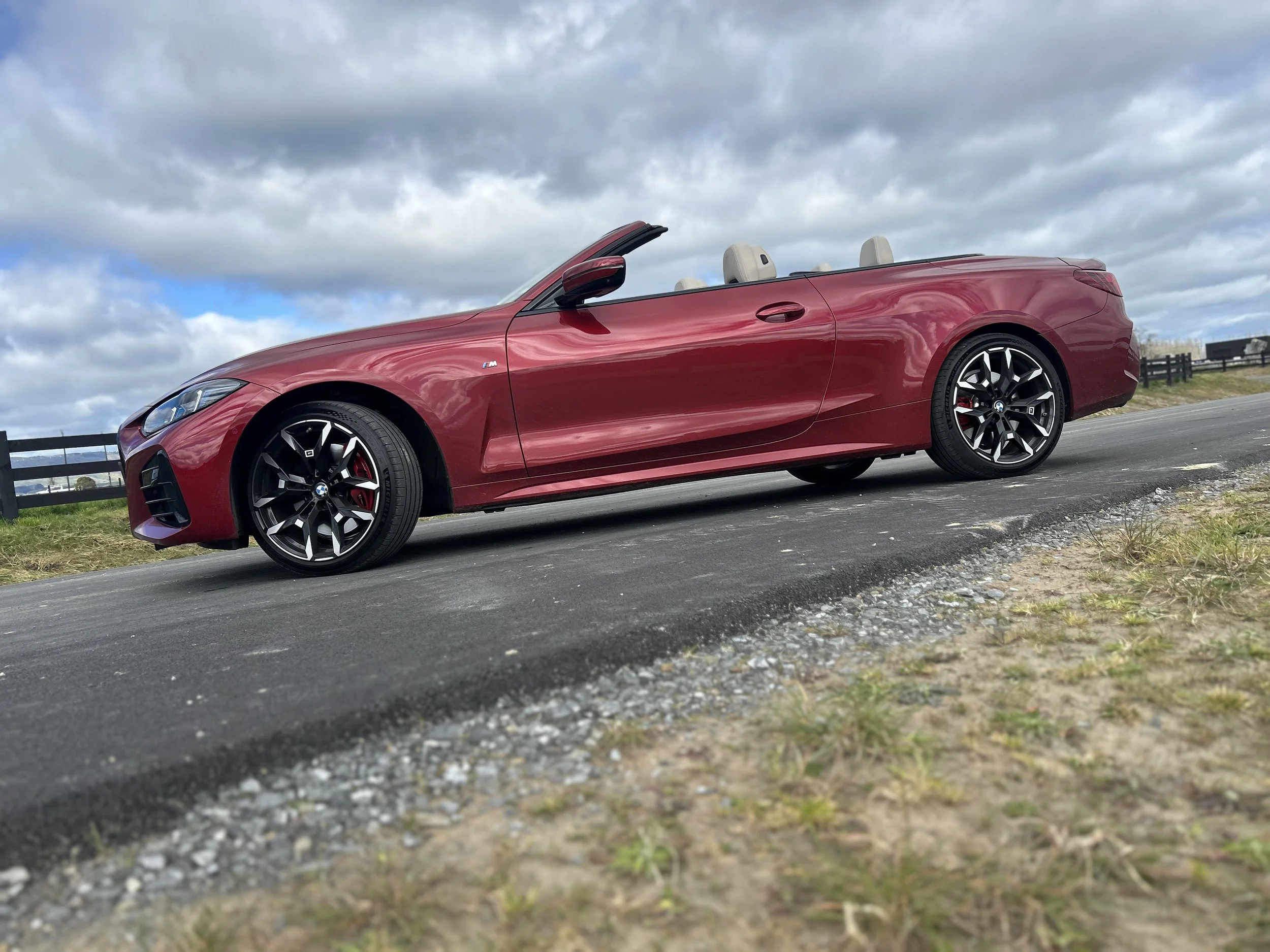
Much has been said about the styling. There’s no doubting it’s a Land Rover but, like most seeing for the first time, the first impression is that you wonder about which one. Yes, it gives several nods to the old codger with the side window shape that includes the 'Alpine Lights' in the roof, the spare wheel hanging from the side-hinged rear door and the plastic diamond cut panels on the bonnet, but there’s something to the look that suggests it could have been a Discovery 3 evolution. Still, on the ‘big, tall, blocky and plenty of presence’ score, it gets a high mark.

That goes all the more for the interior, but for divergent reason of being nothing like the old car’s, save that there’s an ongoing sense of utilitarian ruggedness, with hard-wearing plastics and no truly soft surfaces. Yet incoming are premium materials that never came with 100km of the old car unless it was furnished by some after-market crowd.

The digital instrument display and touchscreen infotainment screen (and an abundance of charging ports - six just for the second-row seating), are, of course, from a future too advanced even for the Dan Dare comics the Wilks brothers might have known back when they were drawing lines in the sand, but very much in keeping with current broader family practice. The screens alone are great; logical, easy to read and, by serving up iPad-like screen sharpness and refresh rate, better than in any other Land Rover. Or Jaguar. 

Meeting a Defender that is truly well-sorted inside is fantastic. Not only is the driving position really good for comfort, it’s also properly pukka in offering something consumers cite as a reason for buying SUVs: A truly commanding view of the road. Defender doles up the same kind of view enjoyed by Range Rover hoi polloi.

It’s properly roomy, too. The five-seater 110 version has plenty of legroom and headroom in the front and middle chairs along with a fair amount of glazing to peer through, plus a heap of boot space. The three-door 90 probably won’t be too bad either and, if you need to cart a proper tribe, then there will be an eight-seater 130 along next year. 

LR_DEF_20MY_NAMIBIA_INTERIOR_250320_01.jpg

The side-hinged luggage door (again, a heritage touch) isn't particularly heavy, even with the spare wheel affixed to the rear, and a decent gas strut prevents it from swinging wildly open. There's now a soft-close function, too.

Extra spending buys an electrically deployable tow bar operated by a button inside the boot door. When not in use, it tucks up out of sight. The Defender is rated to pull 750kg unbraked and up to 3500kg braked. Another handy feature is being able to raise or lower the rear suspension to help with loading bulky items. Like the tow bar it's done via two buttons in the boot and it performs the task reasonably quickly.

Speaking of pace. Doubtless, some will express surprise about petrol making a comeback. But this is a modern engine,  a 298kW three-litre six-cylinder (P400) that also has 48-volt mild hybrid electrification. Further into the future are a performance V8, already confirmed to be called SVX, and a plug-in hybrid. Naturally, the distributor is keen. 

 Either way the main charge is still by a diesel, and the fact that it’s a 2.0-litre four-litre shouldn’t dissuade. This comes in two states of tune, a D200 with 147kW and a D240 with 177kW, yet either way they both produce the same 430Nm of torque, which is arguably the more important figure. Next year comes the six-cylinder D300.

I’d be happy with the D240, picked to be the most favoured engine by Land Rover New Zealand. You can still tell it's a diesel, but is well-insulated, sound and vibration-wise, and the combination of all that torque with an eight-speed automatic gearbox means that it comfortably cruises without strain. At 100kmh the tachometer is seeing little more than 1500rpm.

The air suspension isn't a soft and floaty as you might expect out on the open road; if anything it's a little on the firm side. The ride lowers at higher speeds and, even if you leave it in its tallest off-road suspension setting, it will lower itself once you pass beyond the 80kmh mark.

Don’t be misled by what this means. Road driving was brief, but enough to demonstrate it’s not by any stretch a particularly sporty vehicle. You can expect lean that is amplified by its height and though steering now has feel, it’s still purpose-designed not to be extra-sharp: A certain degree of play and movement is desirous for off-roading. Acceleration is less urgent than you’ll find from sister models: top speeds range from 175 to 208kmh and 0-100 times span from 6.4 to 10.3 seconds. But still, if measured against the old one … well, there’s no comparison. It’s light years ahead.

LR_DEF_20MY_NAMIBIA_INTERIOR_250320_10.jpg

The other factor that should restrict the playfulness is the model’s size, it’s not overall a leviathan, but it did feel wide on the road I sampled. Realistically, you’ll be most aware of any bulk when parking. Over-shoulder visibility is limited and though the reversing cameras are quite good, the roof-mounted ClearSight rear-view camera that displays an unobstructed view onto the rear-view mirror will be a key asset.

Land Rover has created five specification grades, all coming here: The starter called simply Defender, the top edition is the X and in between are S, SE and HSE trims. As a bonus we also achieved the First Edition, nicely placed and well-provisioned at $125,900, that’s around for just the first year of sale, this delivering here with the SD4 240 diesel  and in 110 body shape. 

The entry point spec delivers the car on 18-inch steel wheels that purist will call cool,  LED headlights, air suspension, a 10-inch infotainment display, all of the off-road hardware including driver assistance systems and a walk-through style cabin up front. 

The First Edition will capture interest because it loads in the Terrain Response 2 and configurable terrain response, but if you want full plush and all the smarts and can swallow the $39,000-plus premium then the X will likely be the one.

It has all the luxury trimmings, top-notch Windsor leather included, a head-up display and panoramic roof, while the off-road capabilities are enhanced with more configurability, an electronic active differential and adaptive dynamics. 

By the way, the indicated RRPs are just starters for discussion, because there are four options packs – Explore, Adventure, Country and Urban – that each tailor the car’s look and capability in different ways, for a cost of course: think around $10k for any one.   

So, yes, go nuts and you can turn it into a hugely expensive car. But, hey, it’s been years since this variant has ever been properly cheap. Plus, there’s talk from the UK media the ‘other Defender’, Grenadier, won’t be any less expensive. Still, it’s possible to buy any version of the Discovery ($115,900 to $139,900) for a lot less than a high-end Defender.

Still, that won’t inhibit interest. The car is already off to a banging start, with all but 15 of the initial shipment of 115 cars sold even before it has reached the showroom and interest so high that LRNZ has already asked for 100 more units than they had forecast to shift for the remainder of this year.

Land Rover will be happy to oblige. One happy state of affairs that what is being called the most important car they’ve had in years is sourcing from a brand-new and bespoke factory in Slovakia, which was less affected by Covid-19 and is back to full production, whereas the JLR plants in the United Kingdom are still a bit constrained.


Fire in the ice with GLE coupe

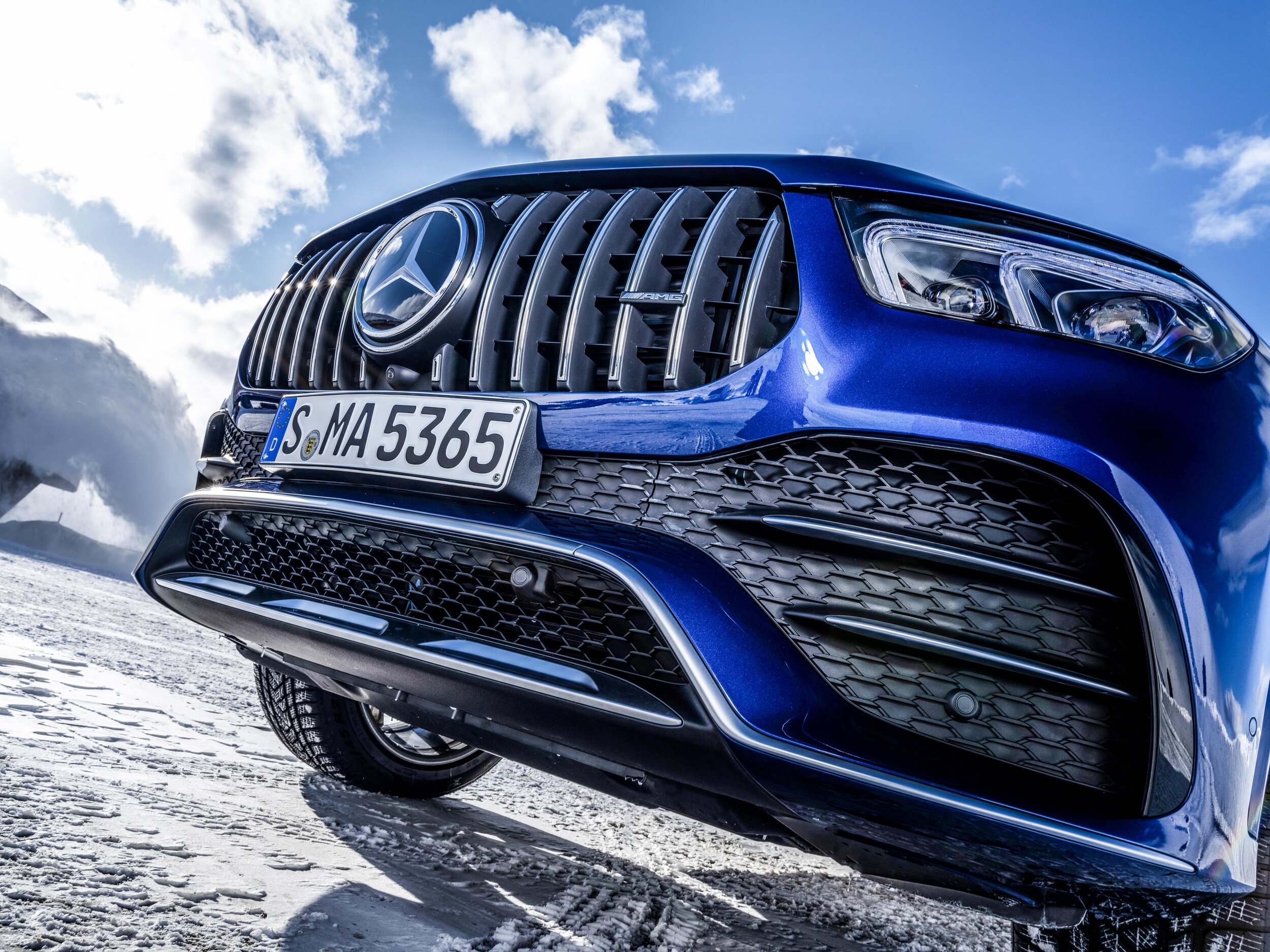
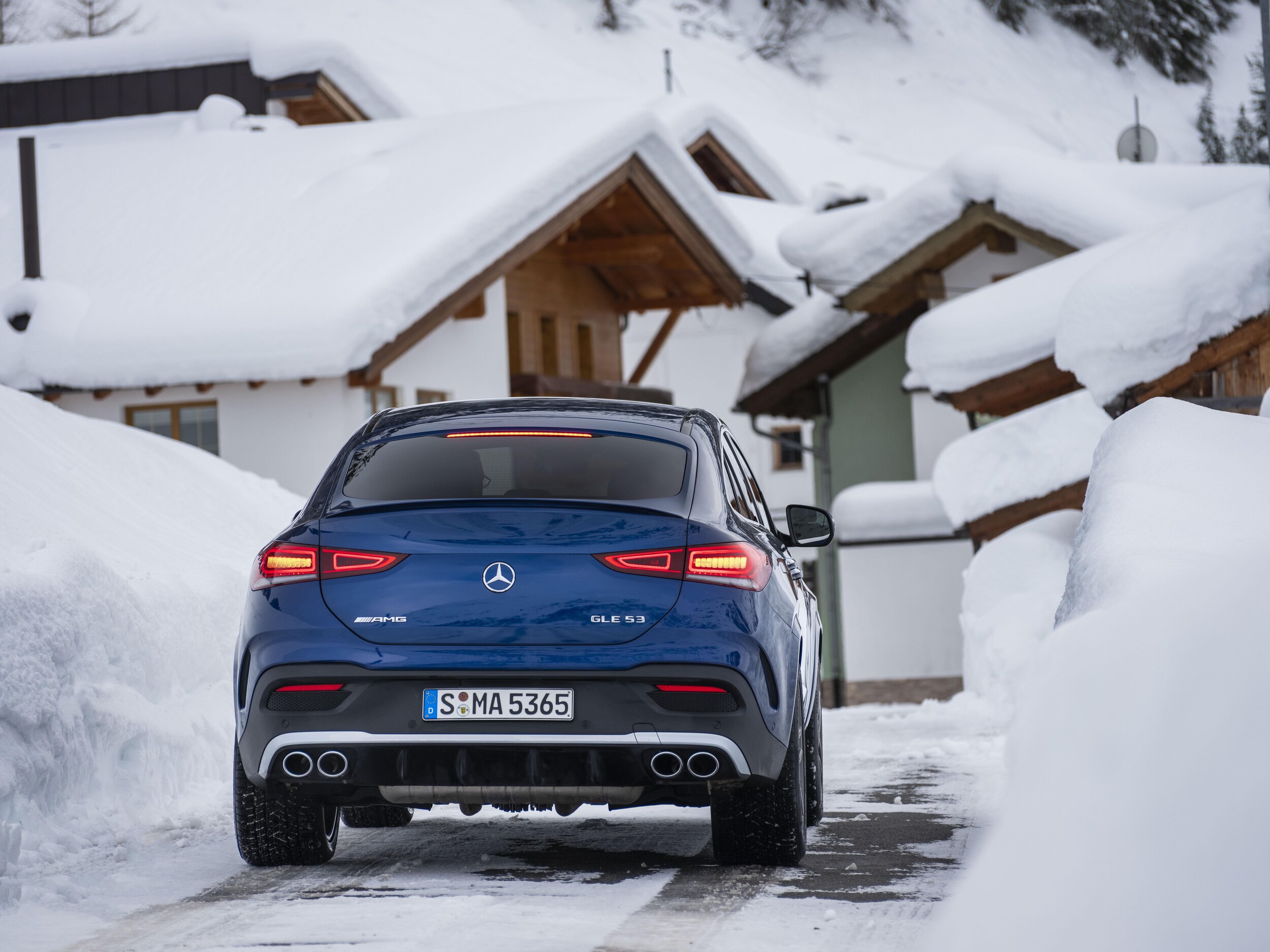
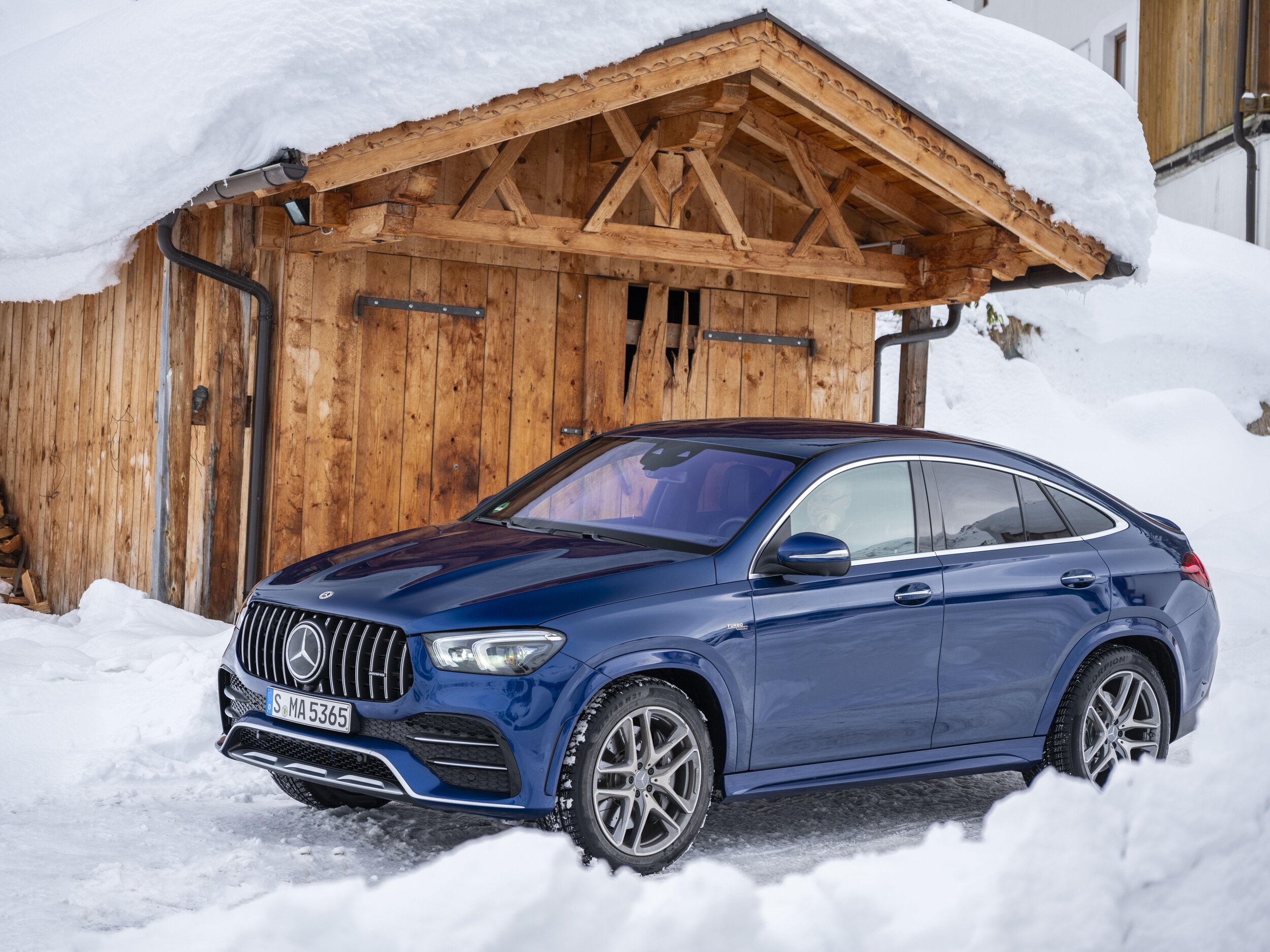
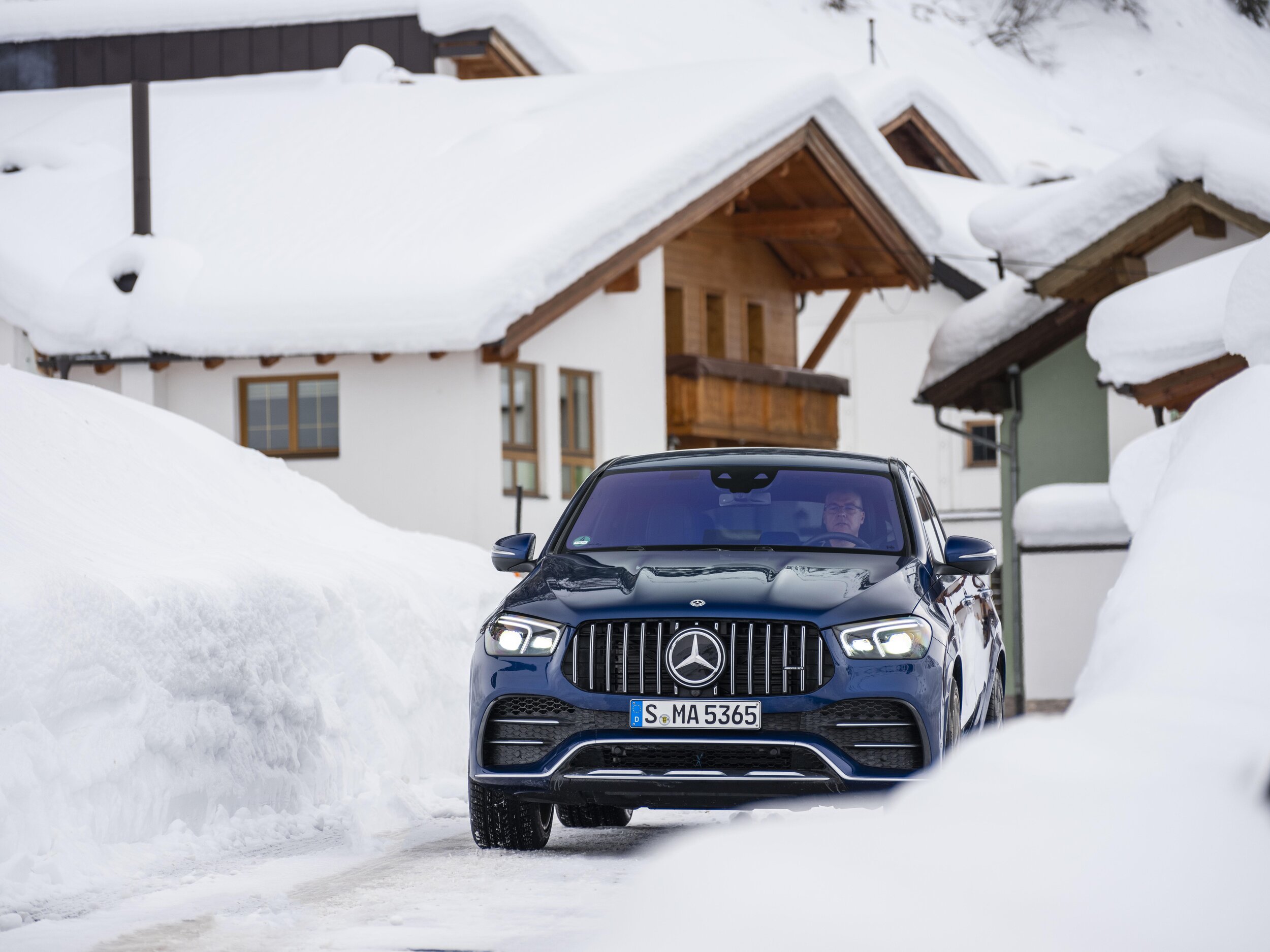
Coupe versions of premium SUVs are the ultimate show-offs, but don’t imagine the fastbacked GLE trades on looks alone.

19C0936_009.jpg

Price range: Not available.
Powertrains: 3.0-litre six-cylinder turbopetrol, 320kW/520Nm (GLE AMG 53), 3.0-litre six-cylinder turbodiesel six 243kW/700Nm, nine-speed automatic, AWD.
Body style: Five door SUV
On sale: Third quarter 2020.

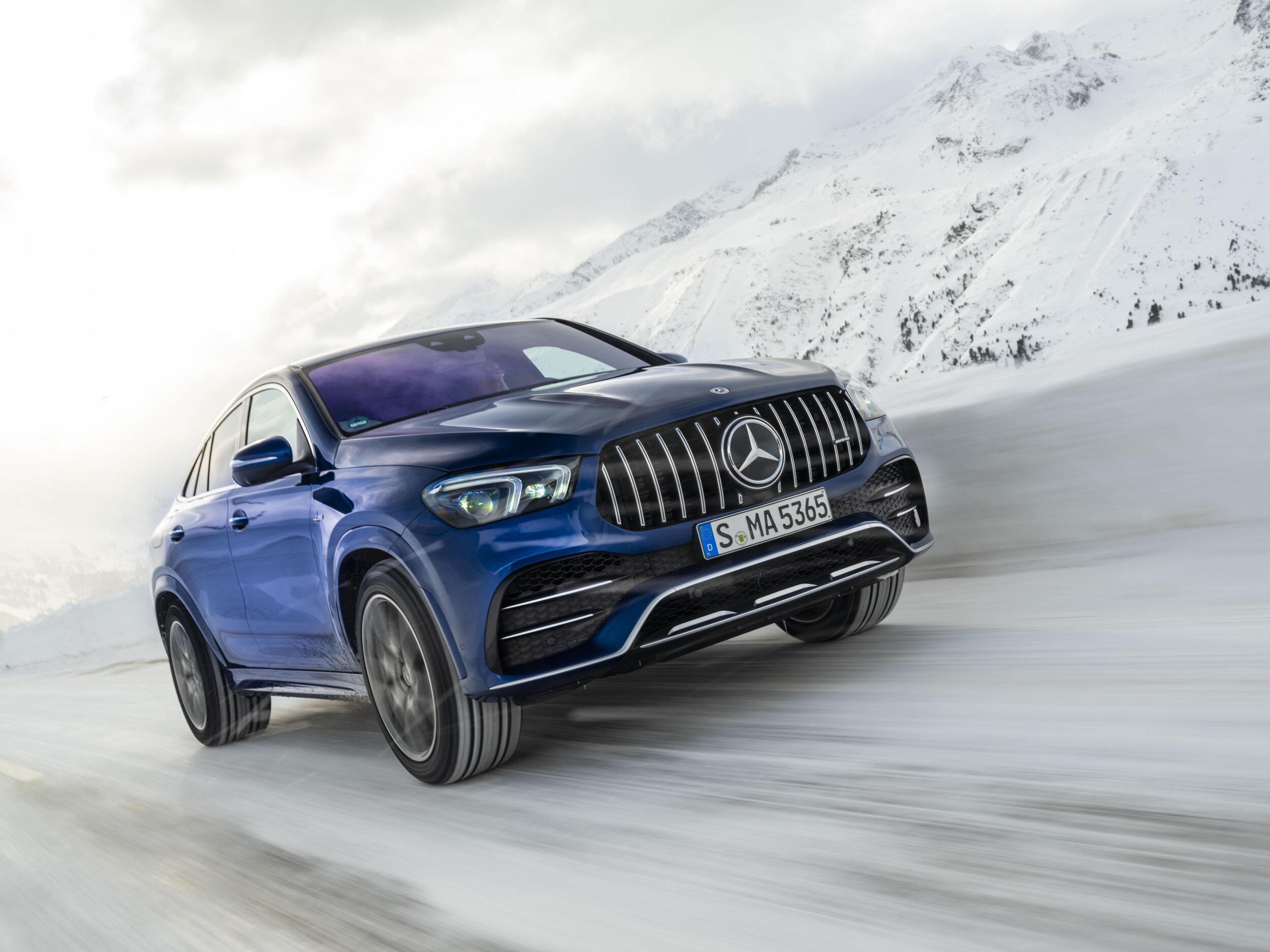
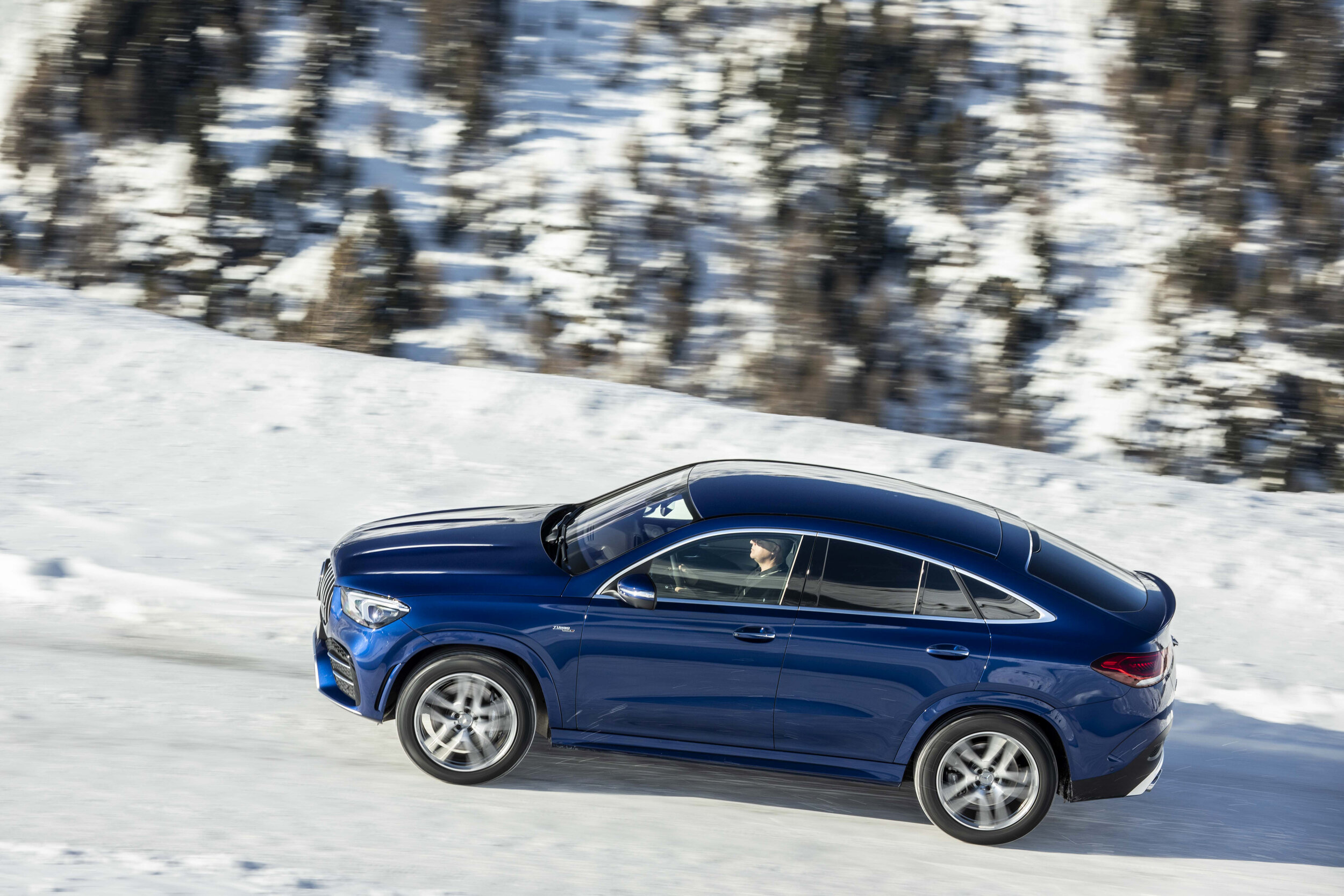
PEAKING at two thirds the height of Aoraki Mount Cook, the 33-kilometre Timmelsjoch High Alpine Road is eye-widening, ear-popping wonder.

We’re heading onto the highest section on Austria’s side of a tarmac ribbon snaking over the Otztal Alps and into Italy's South Tyrol. A road that, when rendered impassable to regular traffic in winter, becomes a test ground for Mercedes Benz. Except today.

Achieving a view of 21 mountains above 3000 metres was an ultimate activity with the new GLE Coupe, hitting New Zealand in the third quarter of 2020, stymied by a white wall impenetrable to a fastback sports utility.

So it’s back to Top Mountain Crosspoint, a modernist structure that’s a gondola base station, a restaurant - oh, and Europe's highest motorbike museum – where a Mercedes man testifies the roadie-ruining snow is not so much unseasonable as unheard of.

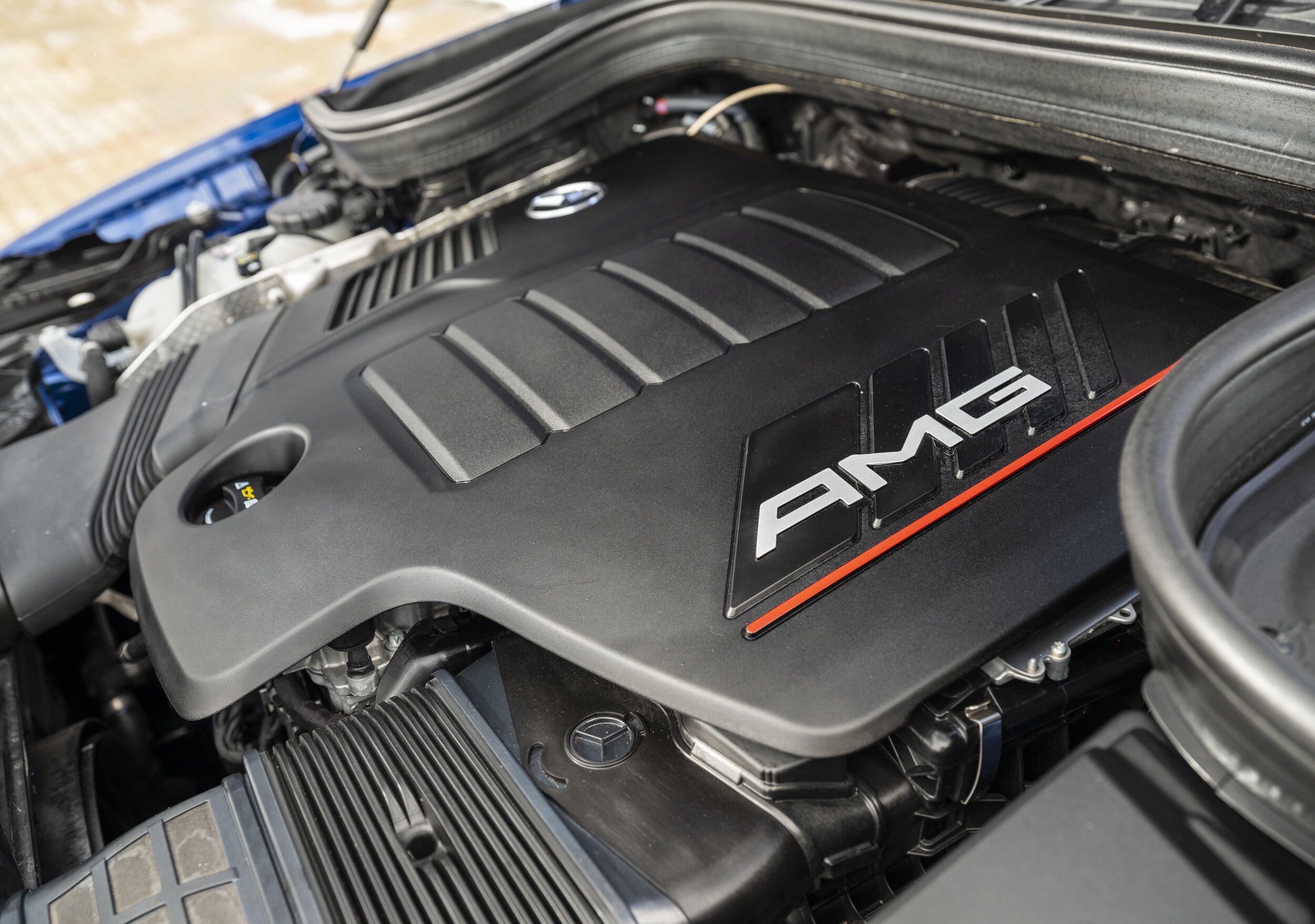
If global warming is to blame then Benz can take solace its new line contributes less toward our planet’s ill-health than the last. All launch engines are Green-tinted, even the AMG flagship unit, being an in-line six with electrical assist shared with the AMG E53 you can already buy.

Alongside the GLE AMG 53 are a six-cylinder 400d 3.0-litre turbodiesel (replacing the old 350D) plus something fresh, a plug-in hybrid. Will we see it? Potentially in petrol rather than Europe’s diesel. 

19C0936_006.jpg

All engines hook to a nine-speed automatic and 4Matic all-wheel drive, run on 20-22 inch rims and wrap into a body based on the latest GLE wagon, but shorter in wheelbase and overall.

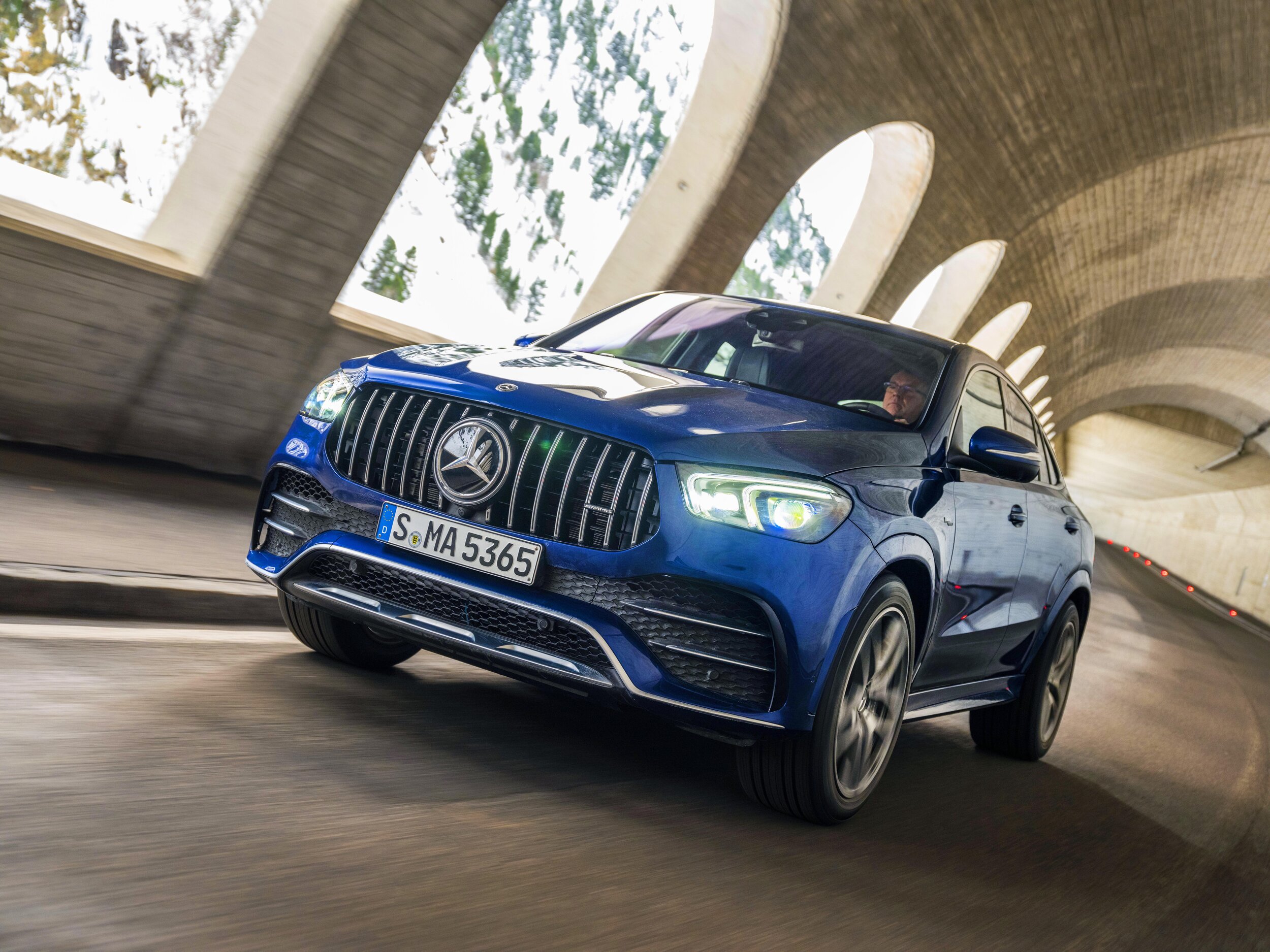
The roofline is more sweeping but mainly it’s just detailing. Yet comparing old and new suggests the replacement is more polished, more powerful-looking. It’ll stand up well against l Porsche’s Cayenne Coupe, the recently revealed BMW X6 and Audi’s Q8.

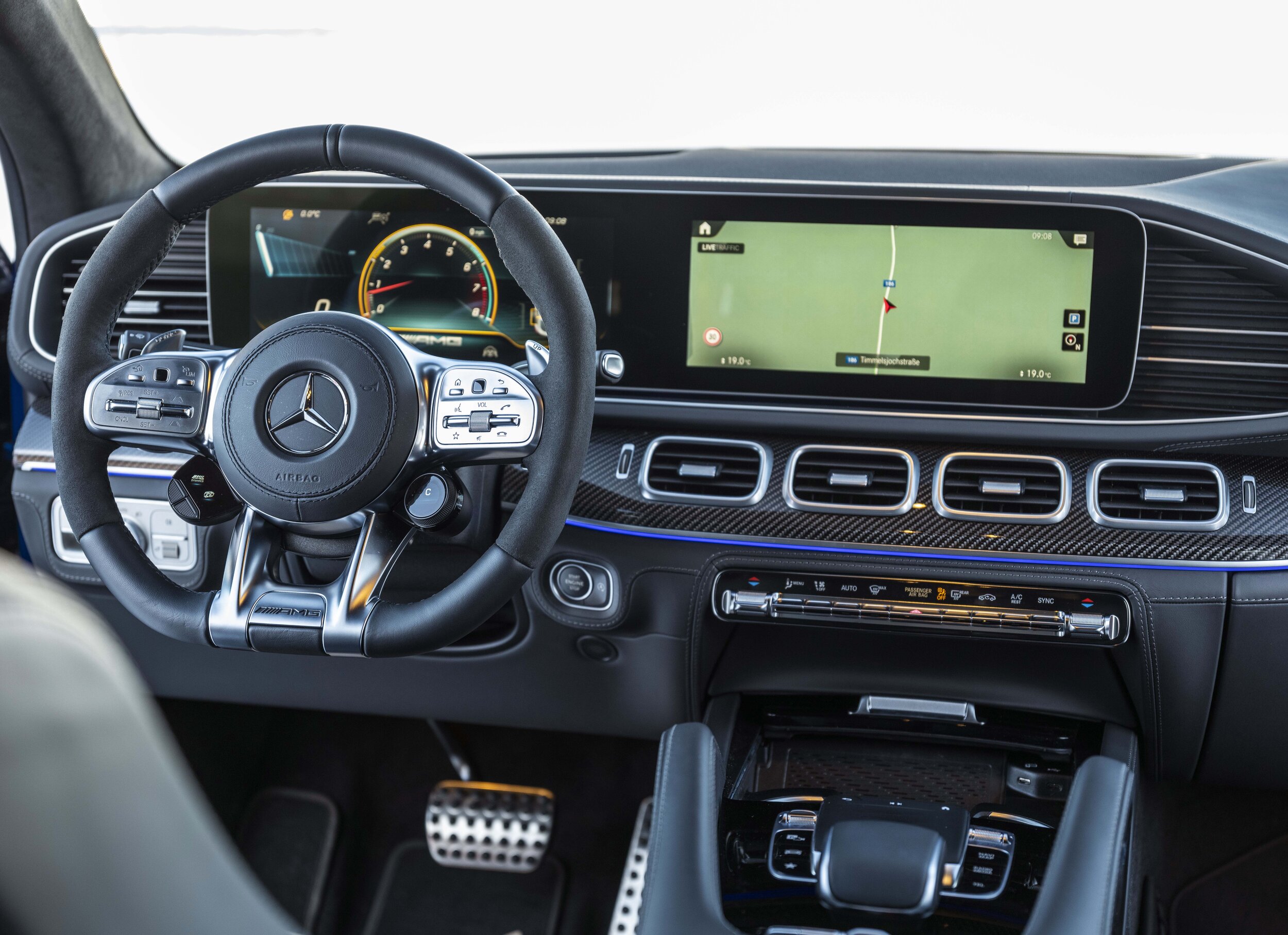
The instrument console lifts from the wagon, so the introduces to the Coupe the impressive MBUX digital dash and touchscreen. Over-zealousness of the voice control’s ‘Hey Mercedes’ prompt has you avoiding uttering the ‘M’ word in any context (it’ll immediately brusquely seek instruction), but it’s swish. All the more with augmented-reality satellite navigation. When your next turn is imminent, the screen displays a camera feed of the road ahead and overlays an arrow pointing where to go.

The NZ spec has yet to be set yet chances are wood and ambient lighting packs, electric tailgates, full auto LED headlights, and ‘Artico’ faux leather interior trim if you don’t want to spend more for actual cow skin are on the list. High-speed auto emergency braking, lane departure warning with lane keep assist, rear and front cross traffic alert, blind spot monitoring, 360 degree parking sensors and cameras, adaptive cruise, semi-autonomous parking and driver attention alert will surely also bundle in.

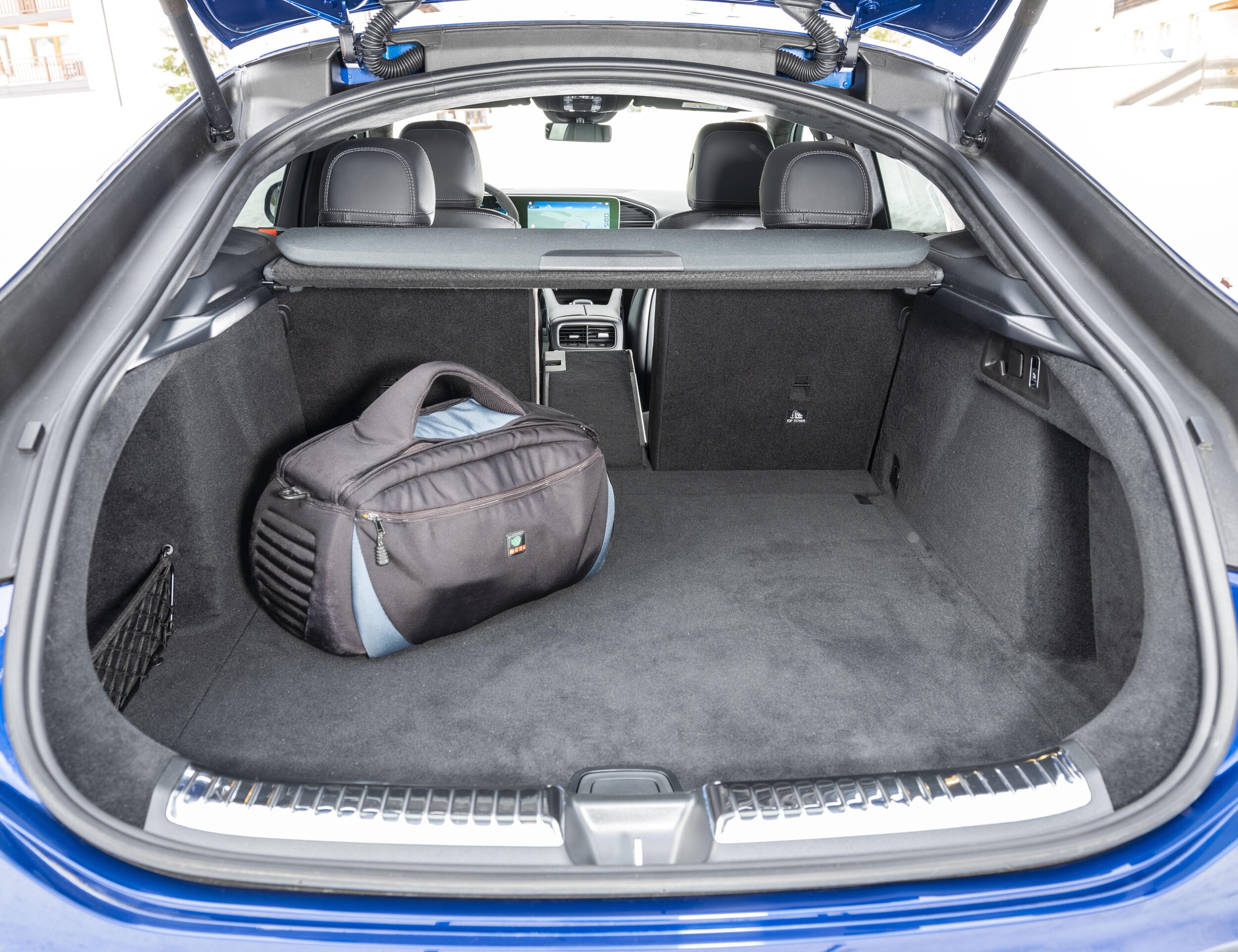
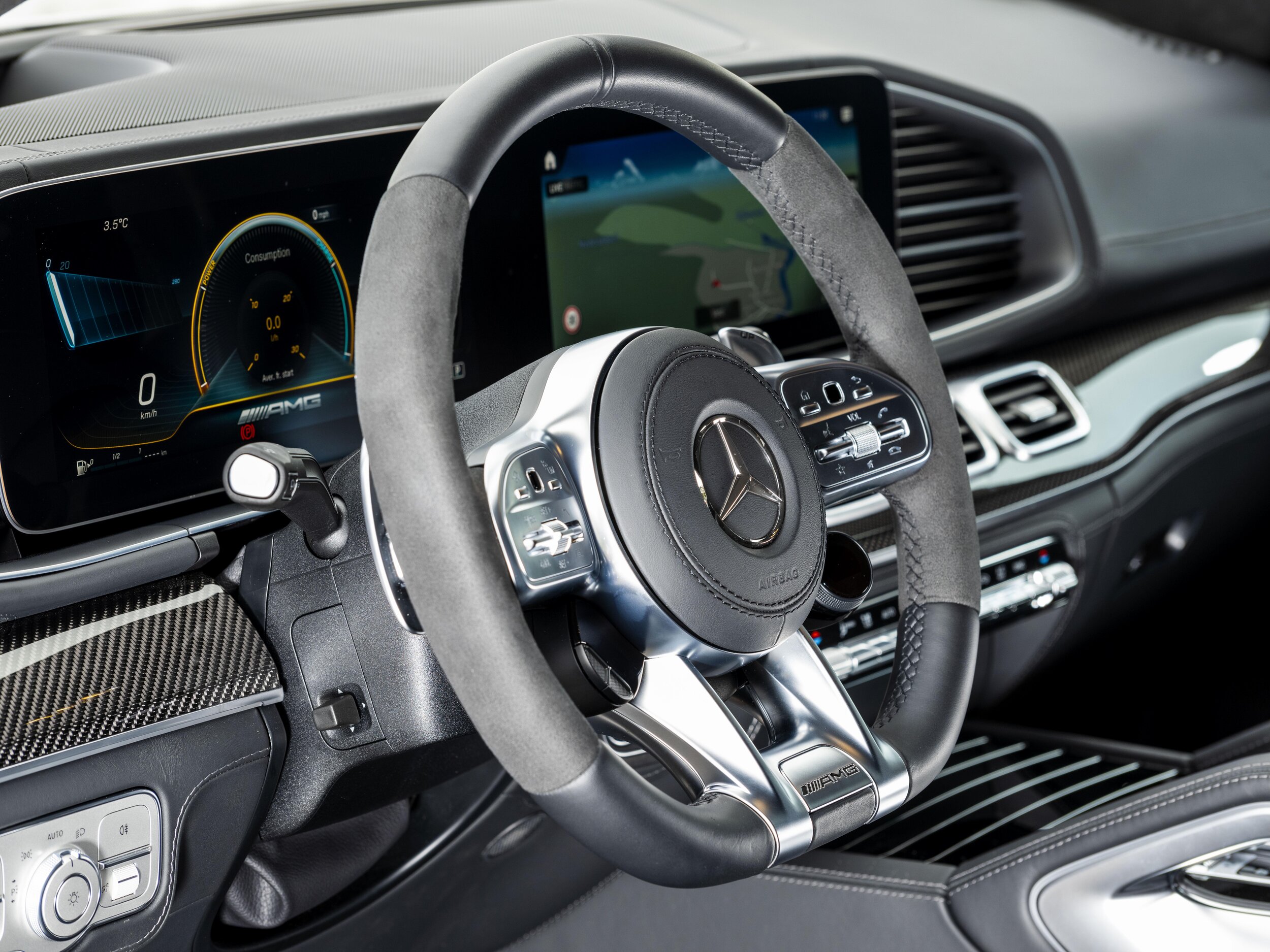
There’s a certain simplistic beauty to the cabin layout, yet it’s very upmarket. Brasher-grilled and biggest-rimmed, the 53’s AMG specific interior enhancements include a racier steering wheel and sports seats, which add to the ambience, but even in standard form the chairs are plump and comfortable. It’s a stretch to suggest the roof doesn’t compromise the rear, yet contention about room improving seems valid. What makes it feel cosy is the falling window line. The boot grows, with 655 to 1790 litres, yet the wagon’s still more commodious. 

The route started on autobahn then tackled ever-steepening secondary alpine roads, with tight switchbacks and avalanche tunnels. That last part ran into darkness so only when ascending in sunlight next day did I realise how dizzying the drop-offs were.

The drive also reminded just how restricted side and rear visibility becomes in a high-sided car. It’s great to have cameras to ease parking but even with big wing mirrors occasionally the first I knew of an overtaking car was when the blind spot detection activated.
Driving the 400d and AMG 53 reminded the pure diesel has less power than the mild-hybrid petrol but, with exception of when it briefly throws in full electrical impetus, the latter has 180Nm less torque, making for difference in energy on the steepest climbs.

Given the GLE is no lightweight nor, despite how it looks, a fulsome paragon of aero efficiency, the cited 100kmh sprint time of 5.3 seconds (and 250kmh top speed) for the AMG is pretty decent. Outputs also beat those for the BMW and Audi rivals and Benz hopes buyers will note the 48-volt assistance makes its engine more efficient and economical, too. The diesel hardly guzzles either and it is almost as refined on the move.

If you just don’t care for parsimony and want only power? Never fear. While it has yet to officially announced for the Coupe, there’s no doubt a GLE 63 S featuring the full animal 500kW twin-turbo V8 is coming, given the old Coupe was so configured and the GLE 63 S wagon has been signed off. 

As on GLE wagon, the standard suspension system is steel-sprung, but with sportier tuning. Air suspension options - it's a self-levelling system and can constantly vary its stiffness based on the conditions – and beyond that the car matches the wagon in offering the expensive next step of 'E-Active Body Control' which uses cameras to detect road quality and optimise the system to suit. It also leans into corners, which enhances handling though, ultimately, it felt even more assured in the sports mode heading up to this mountain lair.

And if you’re wondering why there’s a bike museum up here? A whim of twins Alban and Attila Scheiber, heirs to the ski sports and resort empire their grand-dad doggedly started a century ago, isn’t as curiously located as it seems.

Timmelsjoch’s is Europe’s best motorcycling road. That reputation ensures this collection of 230 rarities – the oldest, a 1905 pre-Skoda Laurin and Klement, plus icons from Moto Guzzi, Ducati, BMW, Zundapp, Norton, Matchless, Triumph, Superior, Sunbeam, Harley-Davidson and Indian - a few choice cars and a Porsche tractor becomes a huge draw for the 80,000 bikers who pass through here every summer.
Baby SUV a new star in the making

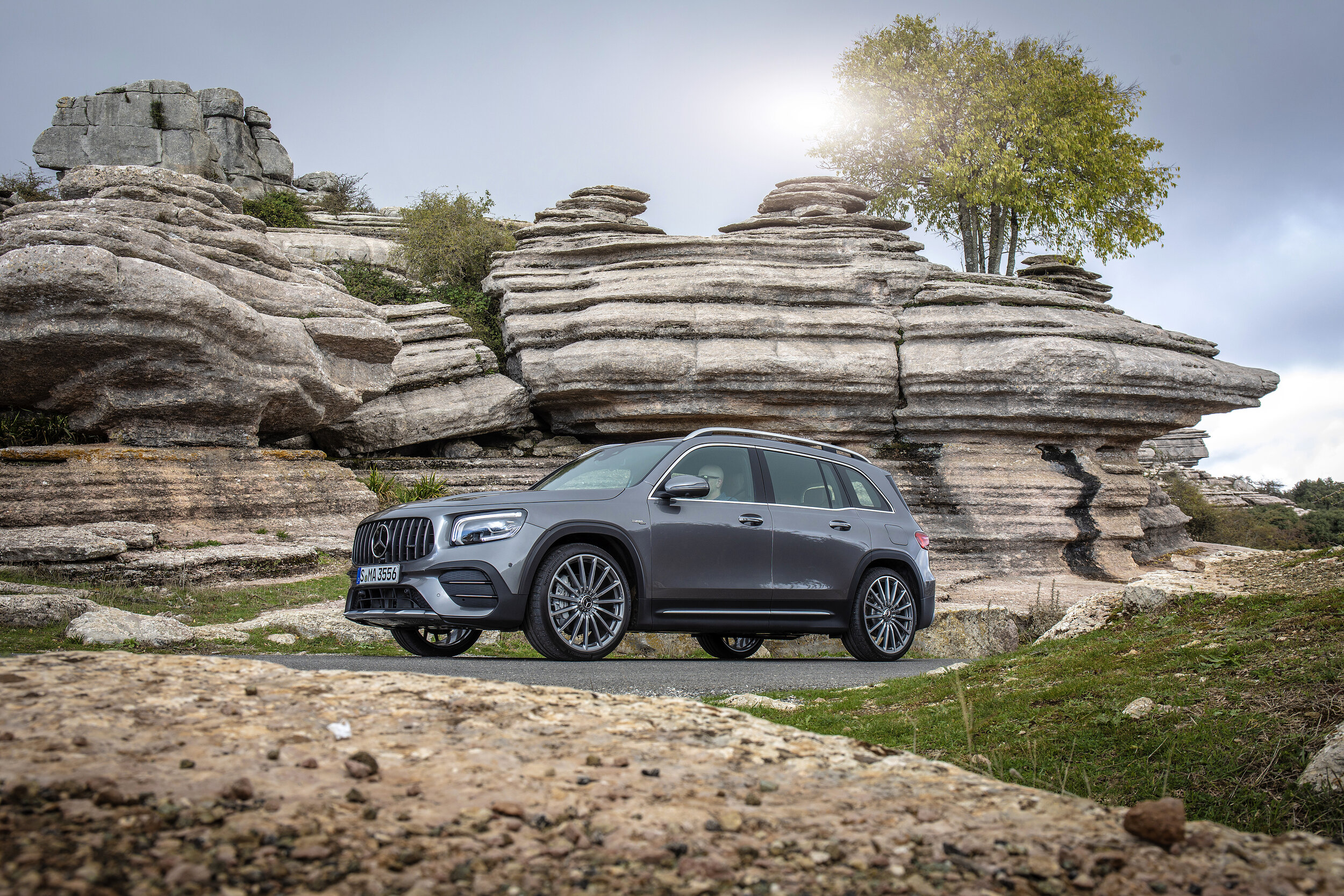
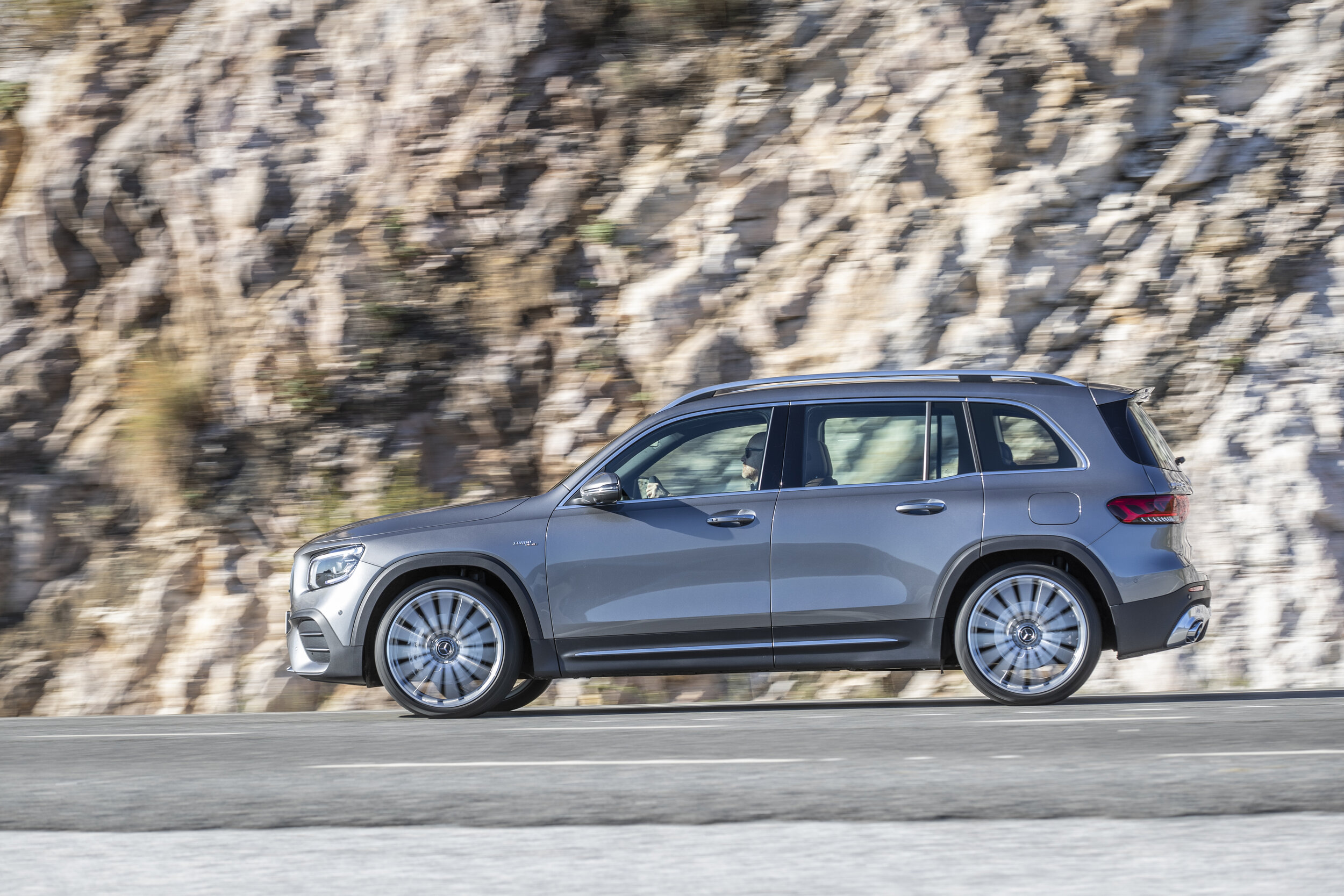
The rain in Spain was torrential enough to wash out the off-road part of our first day driving the Mercedes GLB, but we still had good opportunity to get to grips with this enticing baby SUV.

GLB AMG35 5.jpg

Price range: Not available.
Powertrains: 1.4-litre petrol four with 120kW/250Nm (GLB 200), 2.0-litre petrol four 165kW/350Nm (GLB250), 225kW/400Nm (AMG35). seven-speed automatic, FWD (GLB200), eight-speed automatic AWD (GLB250, AMG35).
Body style: Five door SUV
On sale: From mid-2020.


“One last time. These are small… the ones out there are far away. Small… far away…”

Father Ted demonstrating plastic toy cows to Dougal. Classic.

Now to the GLB and the GLS. Assess the smallest and largest sports utilities Mercedes can deliver in isolation, and without anything to provide sense of actual scale, and … well, similarity of silhouette and styling is striking.

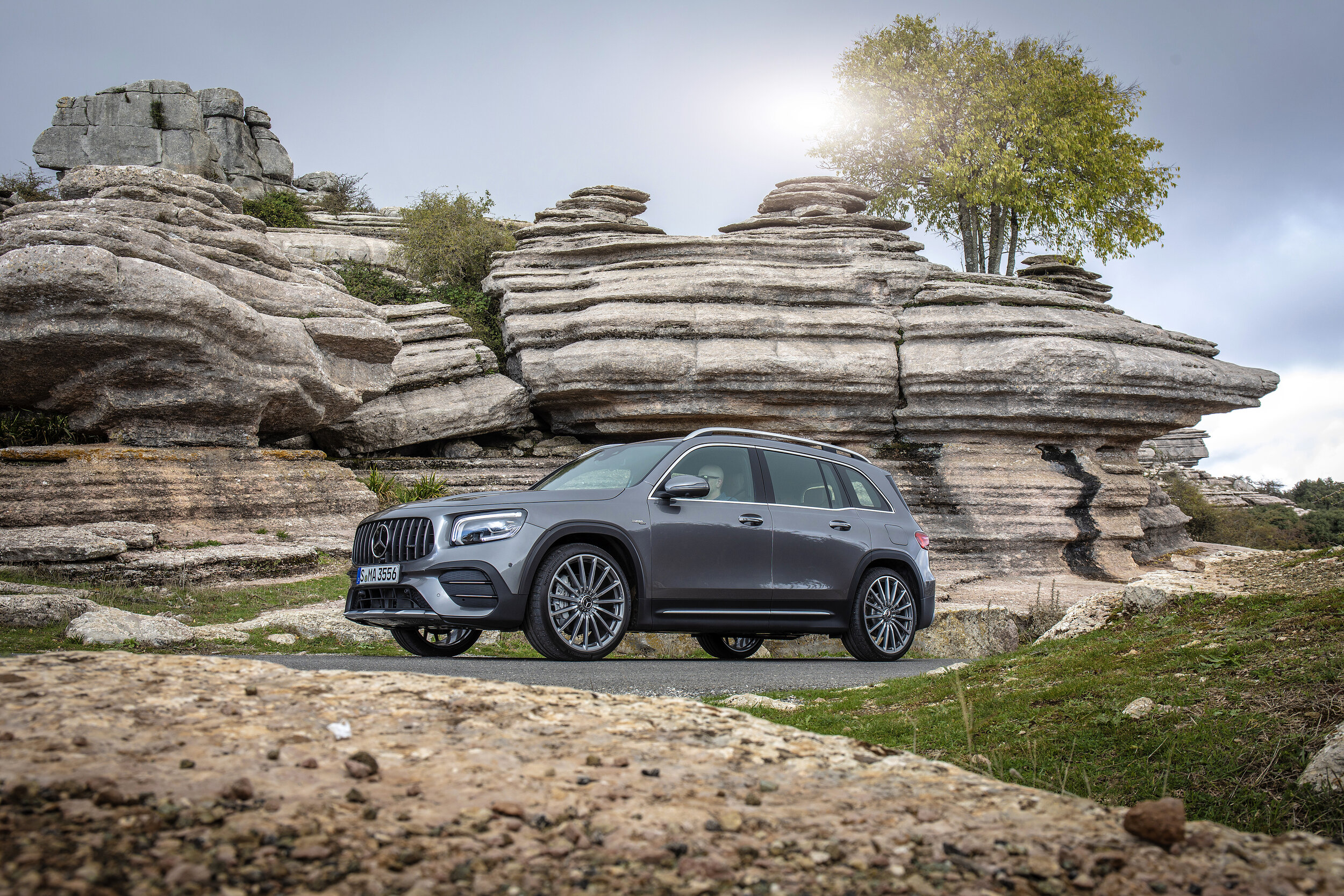
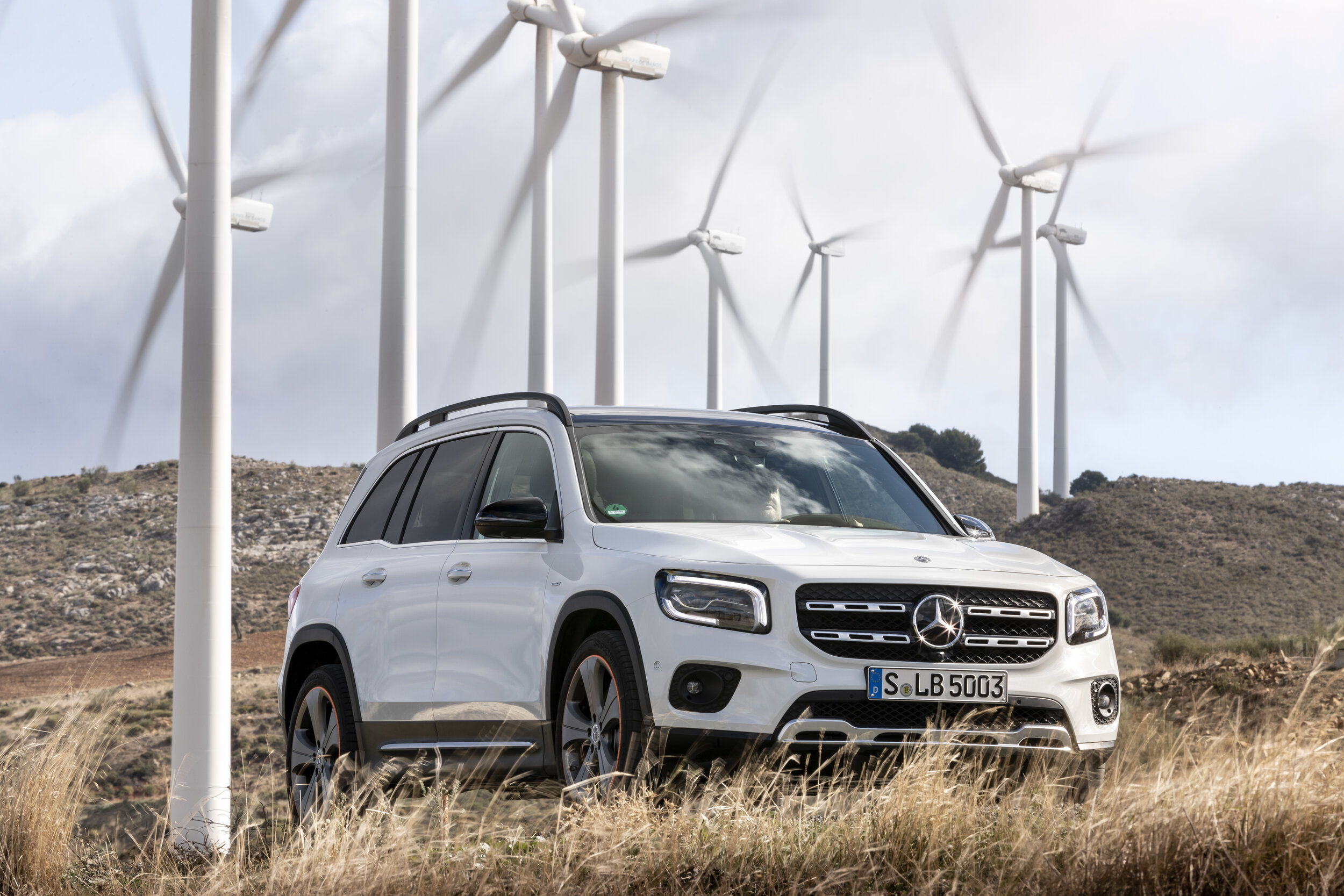
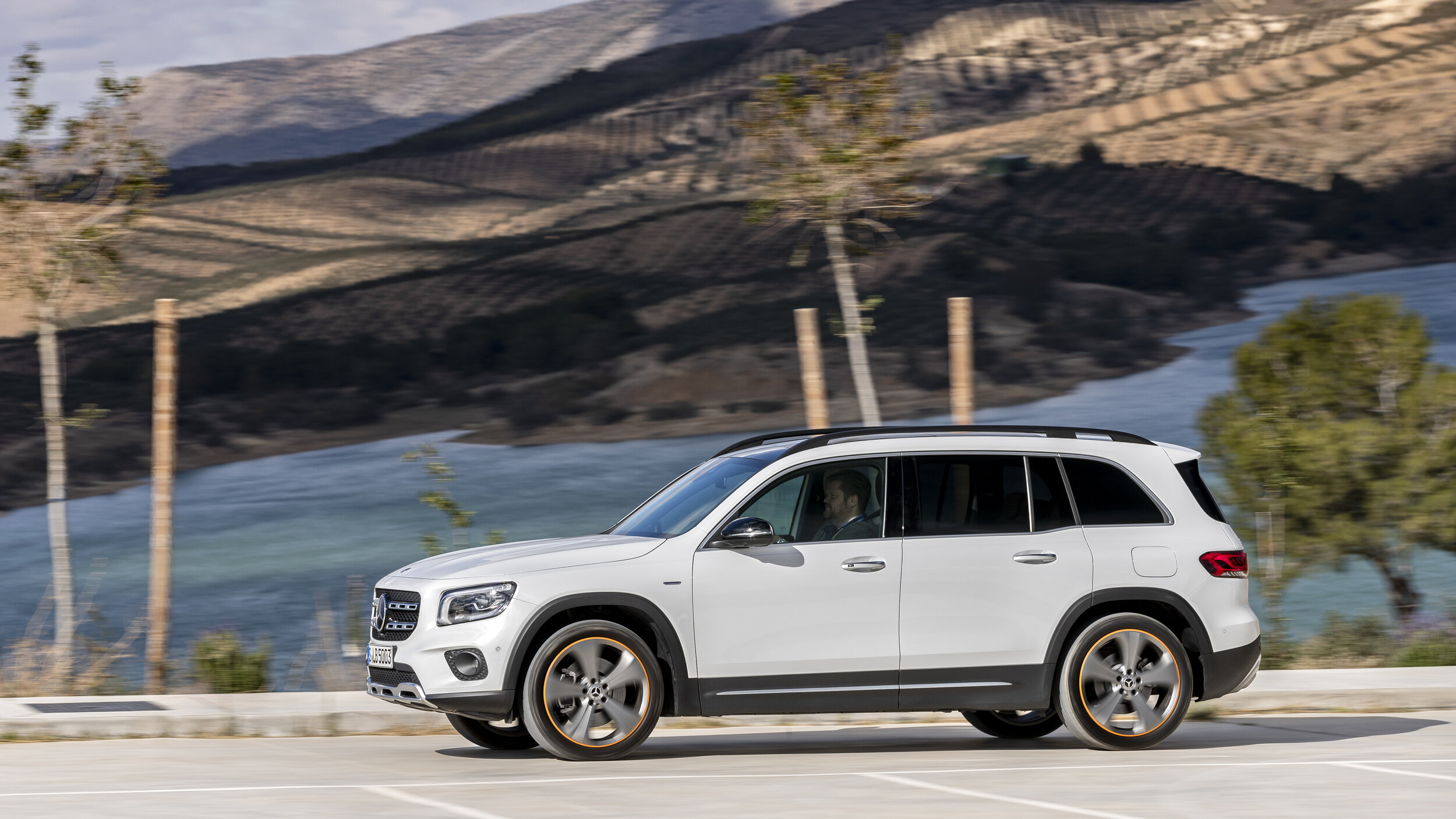
But make no mistake, notwithstanding that it is also a three-row seven-seater, and rides on new large iteration of the A-Class architecture, GLB is not by any stretch – which it gets, with a 100mm wheelbase extension over the donor - a large car. Benz’s new compact seven-seat SUV is just that. Compact.

Even a simpleton priest from County Clare can work out why it’s coming from next June; small SUVs are hot. Benz NZ conjects a significant customer call, core interest from families for whom this might well be their first new Mercedes. 

19C0853_071.jpg

“With the GLB we now have the ability to transport an entire family’s worth of activity and adventure from a much lower starting price than before,” says managing director Lance Bennett 

“We expect this … will see us attract entirely new customers where we have not had a suitable vehicle in the past.”

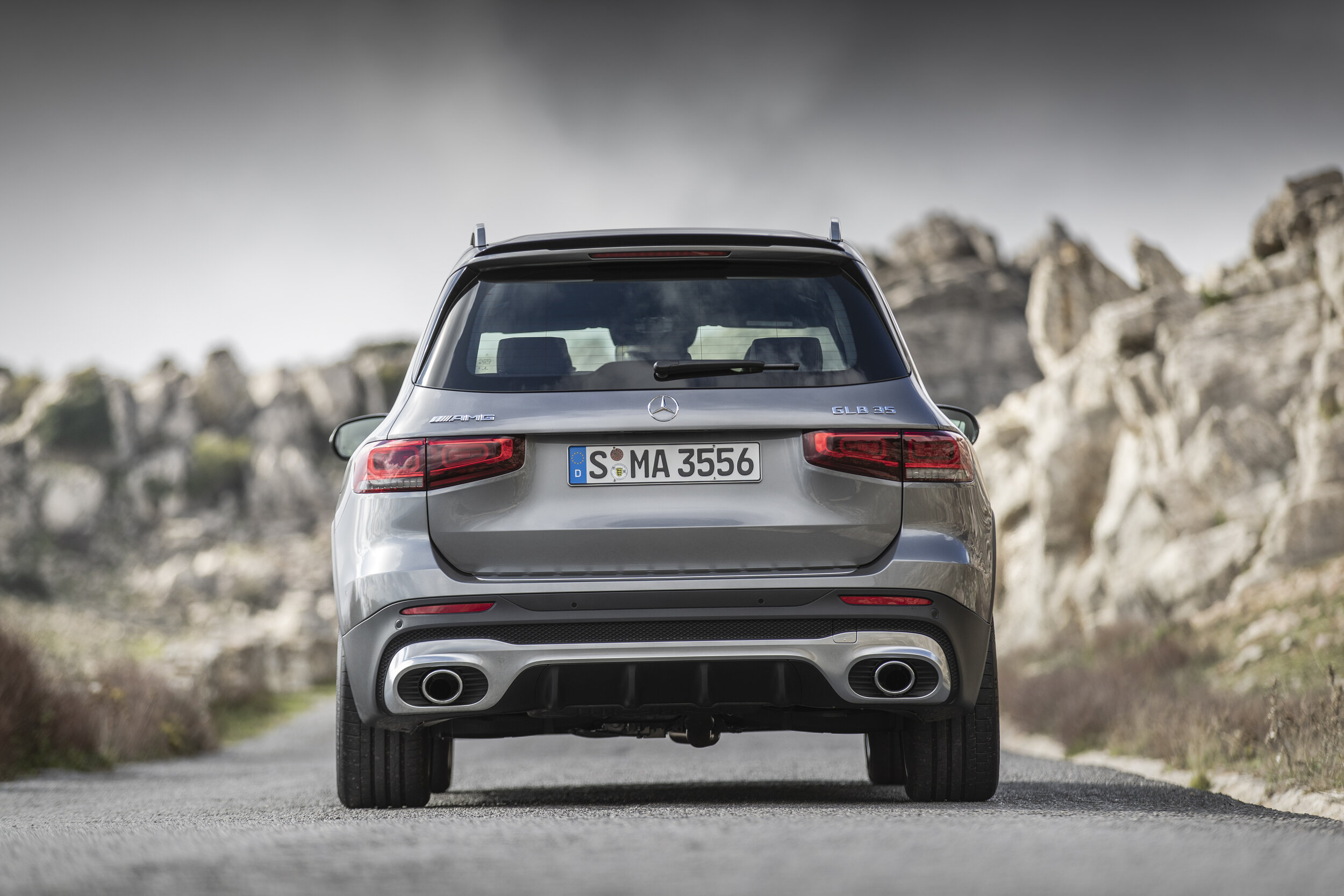
NZ provision ticks petrol only and spans automatic-allied A-Class drivetrains: A 1.4 front-drive GLB200, next step four-wheel-drive GLB250 and an AMG edition, also all-paw, all out of Aguascalientes, Mexico.

Even with handsome Benz styling suggesting it as a big hatch, GLB is at heart a box full of chairs, so perhaps this makes the AMG involvement all the more intriguing. It’s the smallest SUV they’ve tackled and you might wonder how much fun can be extracted by something so family-prioritised?

Then again, maybe that’s is a ruse. As much as Benz reminds that GLB was specifically designed to be a seven-seater, the small print outlines the third row as an option. Chances are the entry GLB200 will have three rows as standard here and the others make it a factory-fit accessory.

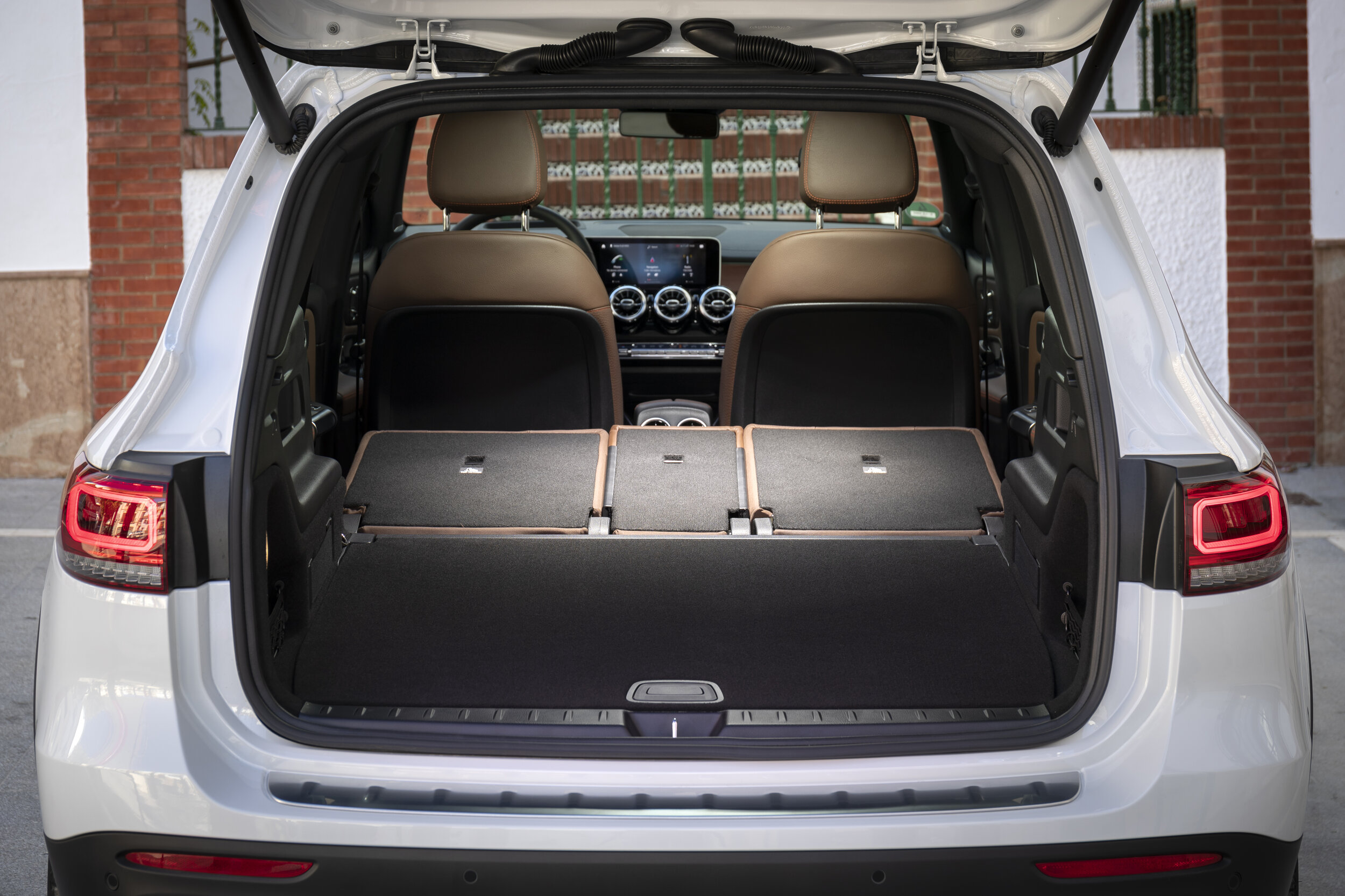
The full-blown format is useful. Yes, it’s tight in the back, but hardly for emergency use only, and the remainder of the cabin certainly isn’t anti-adult. A lot of clever thinking (and using Volkswagen’s Tiguan Allspace for benchmarking) delivers decent head and legroom, excellent outward visibility and good stowage solutions. To a point. When running full occupancy, the luggage space remaining is miniscule. Stow the back pair (neatly, into the boot) and it’s much more convenient.

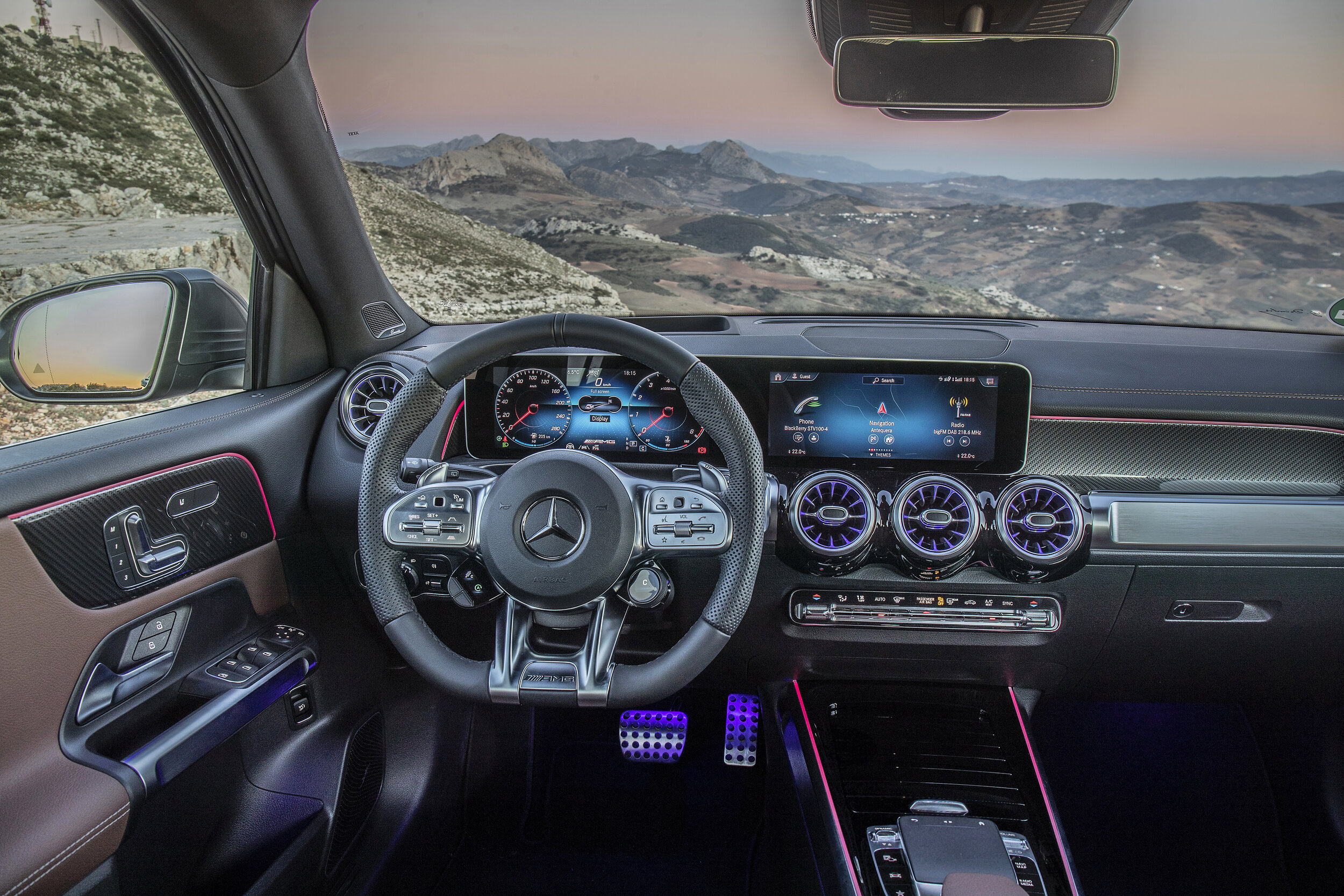
Before letting the kids in, you’d do well to pre-check for sticky little fingers, because this is a premium car, flashiness extending beyond the fully digital dash with its MBUX interface (and over-eager ‘Hi Mercedes’ prompt). Touch surfaces use high-quality materials, buttons and knobs have a satisfying tactility and reassuring clicks and it’s beautifully trimmed, with cushy seats.

AS for the driving? Well, as Bart Simpson likes to say, ‘Ay Caramba’! The pliancy resultant from the extended wheelbase and tuning with mind to having to cope with optimal loadings are pluses; beyond that there’s genuine playfulness. Thought that a seven-seater might be less involving the five, merely through weight difference, was undone when comparing. 

A shame the sun-drenched Costa del Sol was simply drenched on the first day. Thick mist ruined the view of chalk peaks, deep gorges and forests promised by navigating the Sierra de las Nieves via Ronda, location of the oldest bullring in Spain (Ernest Hemingway hung out there, Orson Wells is buried nearby). Assessing functions likely be least-tested by owners, the off-roading assists, was challenged by the small matter of the bespoke four-wheel-drive area being flooded.

The 4MATICs nonetheless shone on roads getting their first big wetting in five months and, on day two, when the region was back to bright and shiny normality, were even more planted and grippy.

Driving the 250 then stepping into the AMG was handy. The first handles sensibly, is quick and accurate in its responses and doesn’t feel too roly-poly. The drivetrain also has a likeable engagement, works comfortably with manual shifting and offers the promise of good economy. It’s a solid choice.

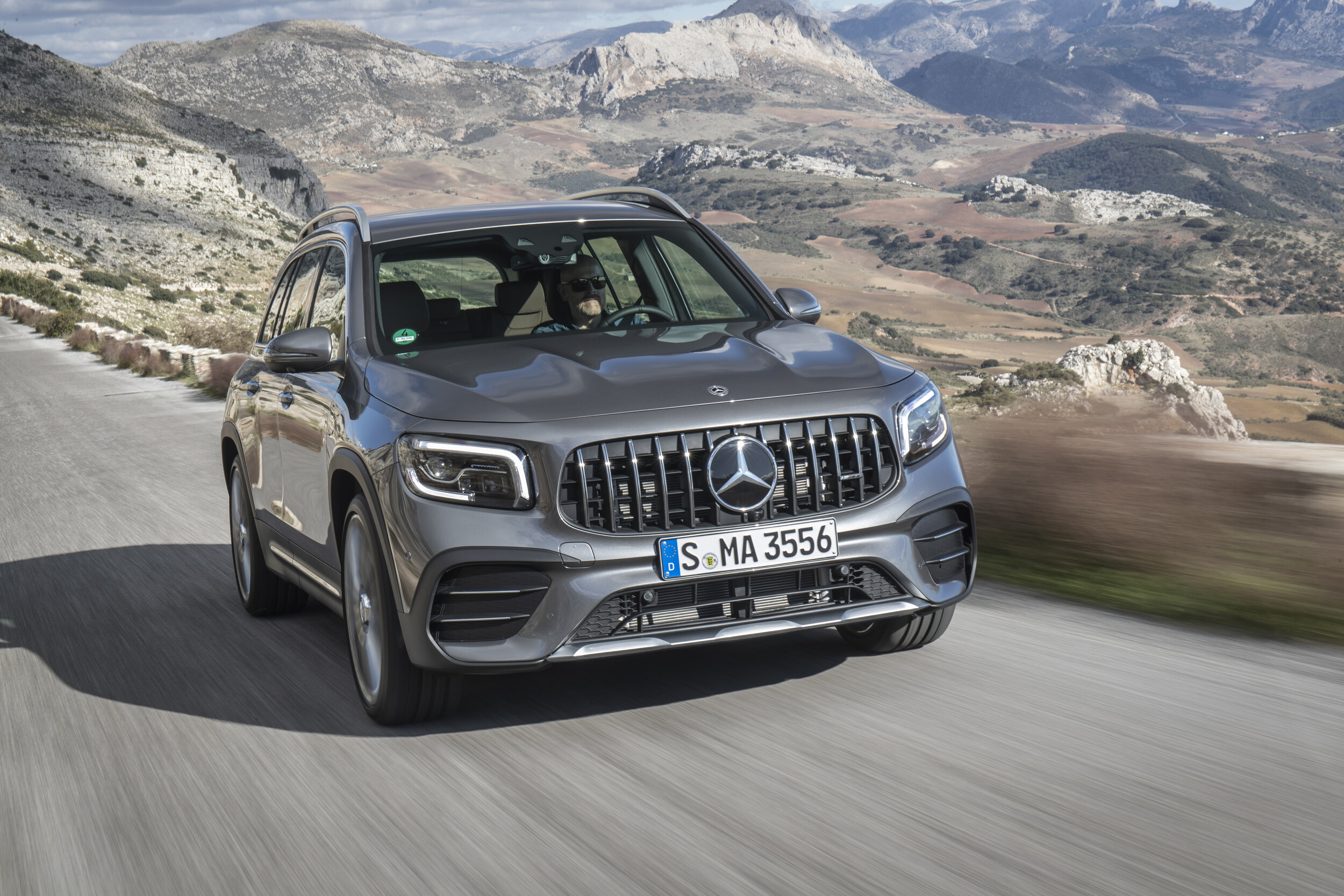
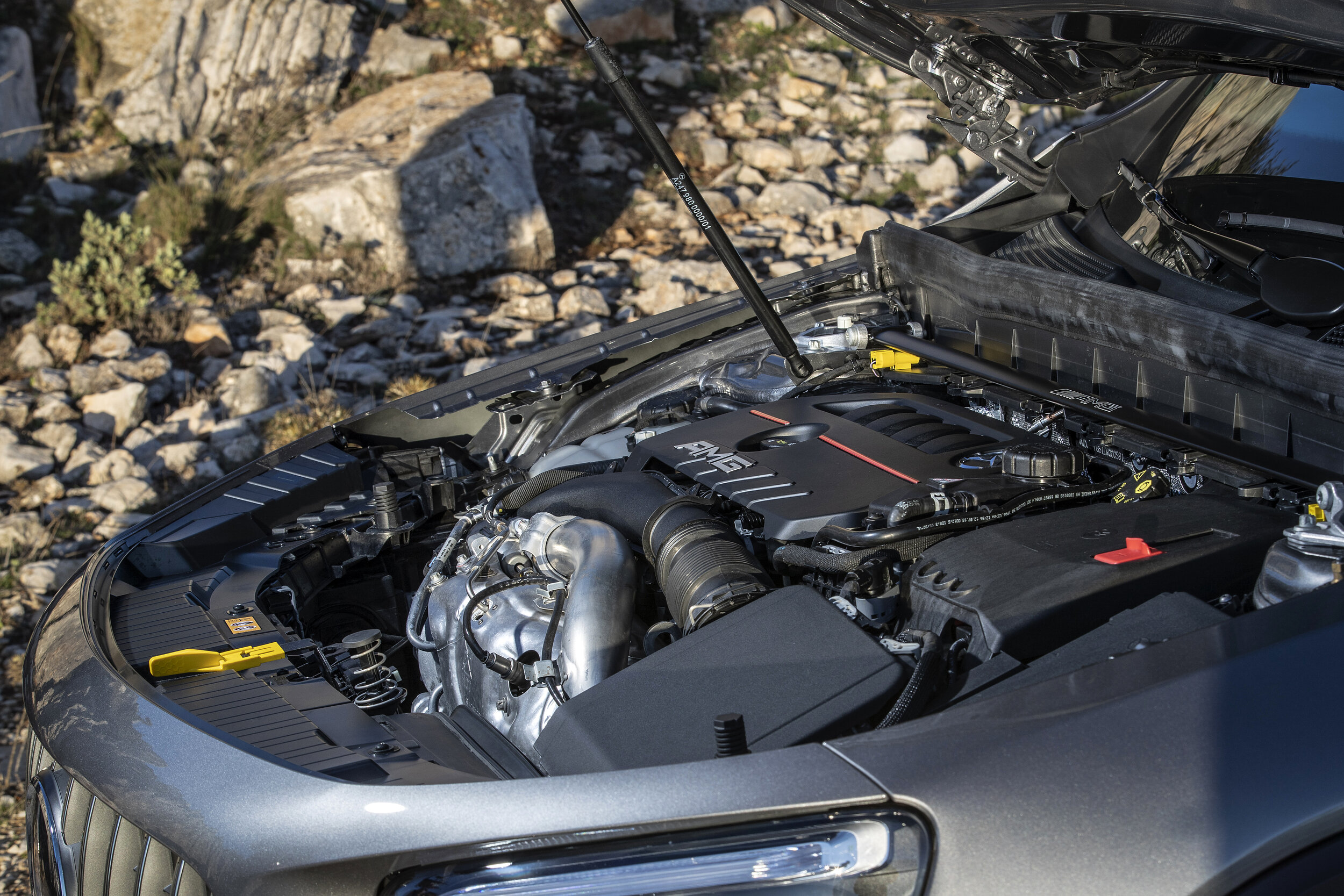
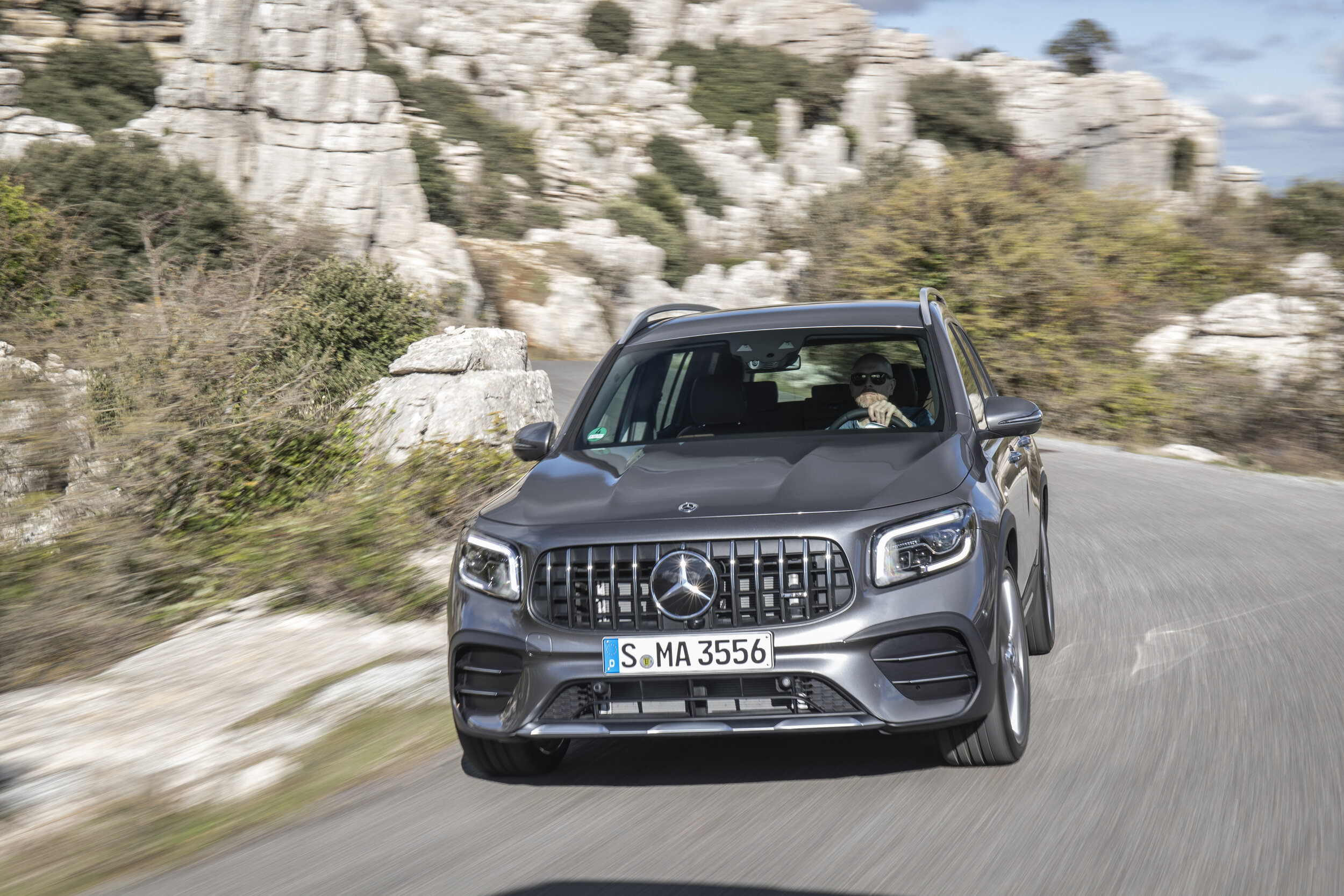
The more hunkered and honed flagship was an eyebrow raiser. Even though hot-rodding SUVs has become an AMG speciality and even if GLB is more expected to get people to race circuits than on them, with 0-100kmh in an exhaust barking 5.2 seconds and 250kmh top speed, this car surely places at least the Audi SQ3 and BMW’s X2 M35i on notice.

As well as being considerably quicker, the AMG also evidences higher lateral limits. Only when pushed really hard does it find understeer, but the high traction and surety even out of the test route’s many hairpins exceeds what you expect from a family chariot. That, the alacrity and the beefed braking make it a true driver’s treat so, if the kids are coming, pack sick bags.

Caveats? With local price and spec as yet unknown, it’s hard to pinpoint exactly where this model will site. But it might well nab from GLC, for starters.

Big wheels and low-profile tyres arrive across the whole family. As much as they suit the styling, potential for noise over coarse chip, which has no equivalent in Spain’s road network, probably exists. AMG’s Sport Plus setting could be jiggly on tar-bonded stones, too.

While small racy cars account for the most AMG volume, the GLB will feel no more heat. AMG sales and product manager Mattias Schmidt made clear the powertrain from next year’s A45’s powertrain is not considered.

Mercedes, though, does seem to have GLB family expansion ideas. The wholly-electric EQB, two years off, might draw significant inspiration. 

So, more intrigues to come from a car that already pulls surprises from the box.


When you can't hit the road ... take the virtual highway

Our man in Bahrain set out to build a budget driving sim. Here’s his video series showing you how you can as well.

Screen Shot 2020-04-05 at 3.31.57 PM.png

GAVIN Halls’ involvement with MotoringNZ goes way back – he used his skills as a high-speed driving instructor and car racer to good effect with some superb videos, set at his then work place, Manfeild Circuit Chris Amon.

You might remember one tyre-immolating effort in which a Mustang GT went up against a Holden Commodore SS V Redline in a drift competition (yeah, he does that stuff, too).

Anyway, these days he’s using that skill base to good effect - and with some very top-drawer product - working at Bahrain International Circuit, best known as being home of a Formula One round. Well, this year obviously excepted.

With Covid-19 lock down not allowing any opportunity to do his job for real, he’s decided to keep his skills sharp by driving in the virtual world.

To do that properly, meant he had to sort out a driving rig. What to do when the restrictions - and a tight budget - rule out buying one?

No worries. He already had a spare race chair, a monitor and a games console. So, out in the workshop. With his video camera to show us how this budget project came into play. Here’s the full series. Was it a truly cost effective exercise? We have our doubts - there’s a fair bit of fudging about some spending (presumably to keep Mrs H in the dark) - but it’s certainly more expedient than buying a ready-made set-up.

And don’t forget to follow Gavin’s new Smoking Steel Garage channel. He’s been making, and sharing, some awesome content.