
NZ-bound Mahindra electric SUV revealed
/Long-legged seven chair model is expected around June.
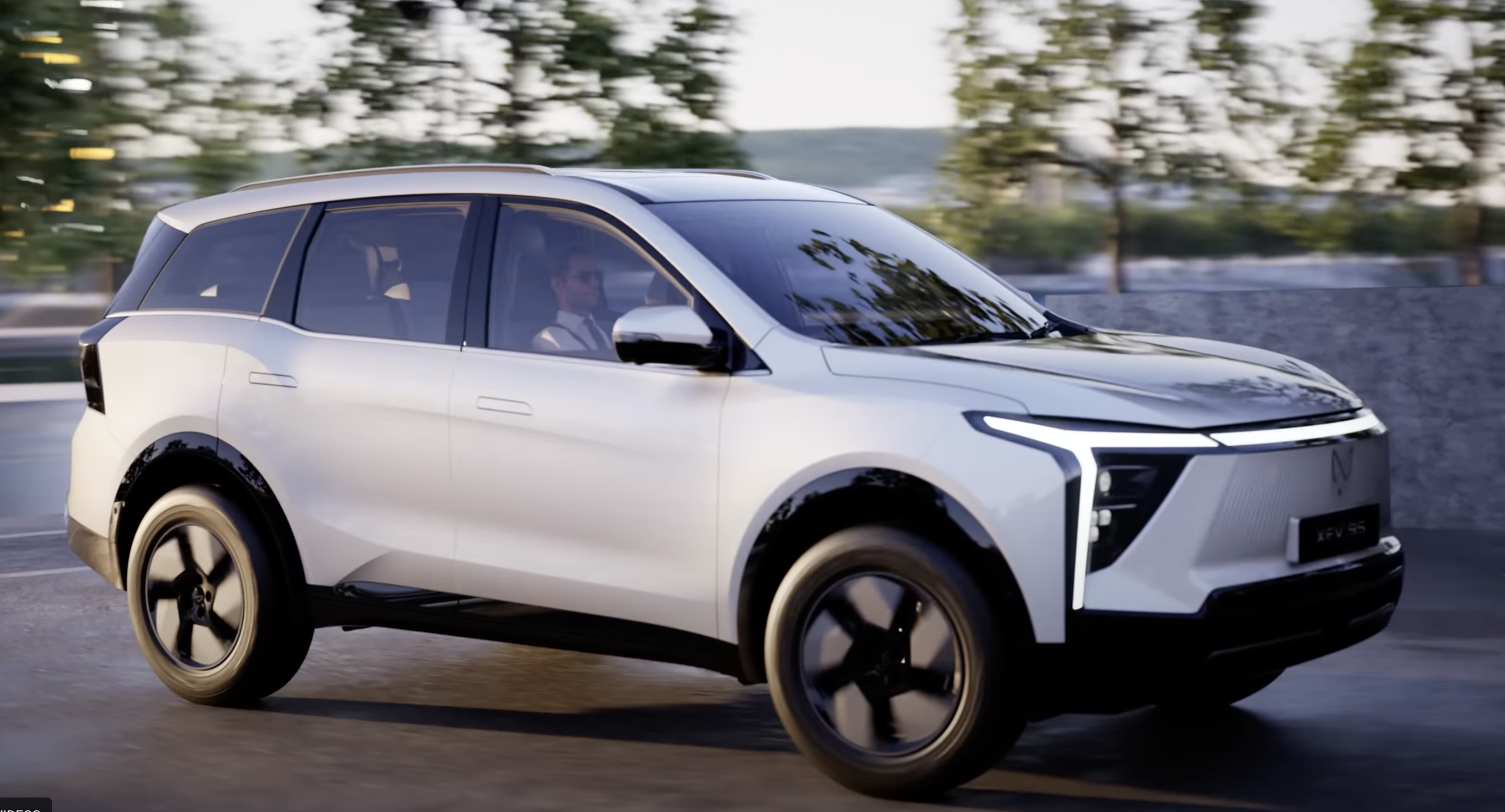
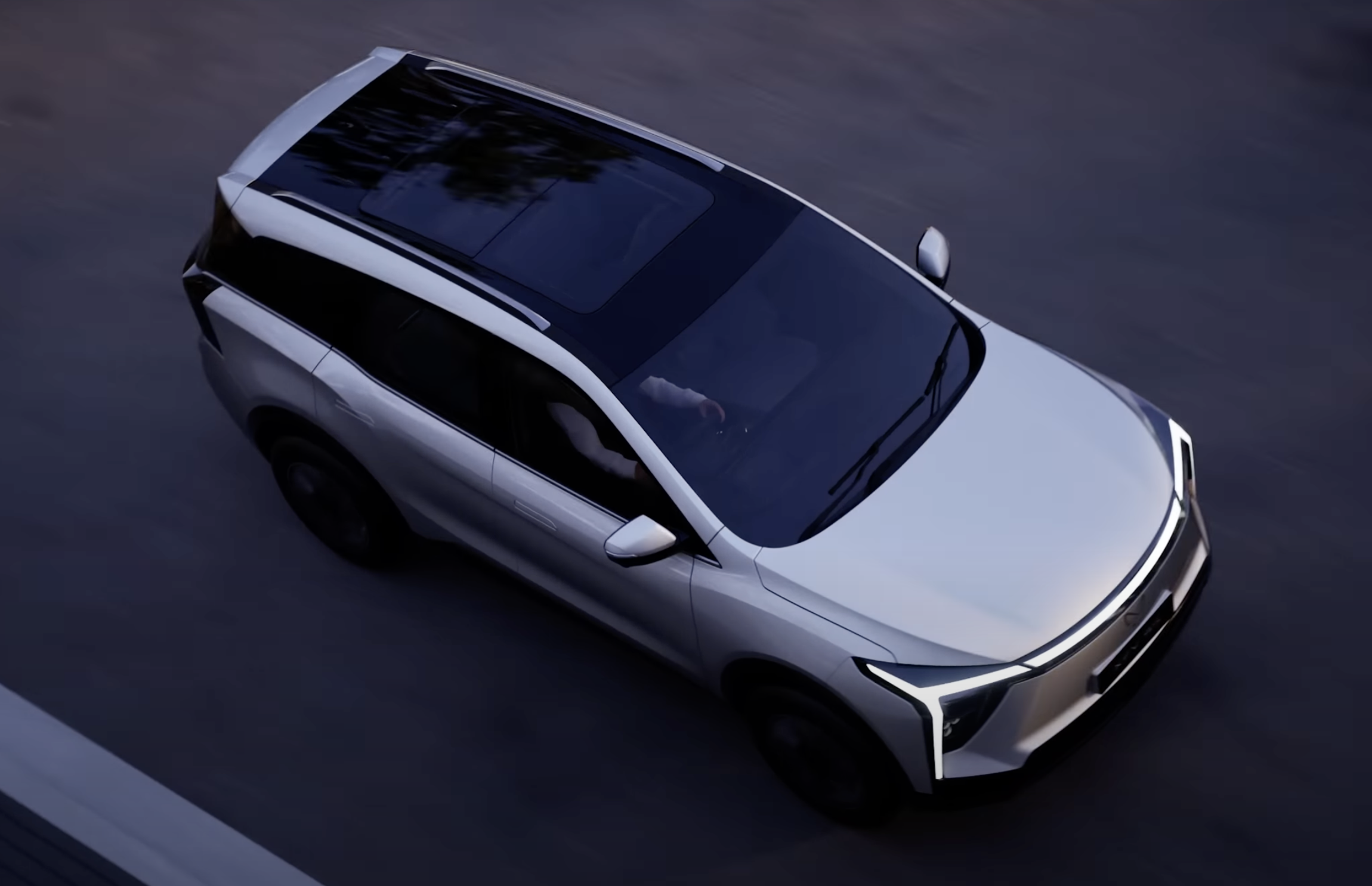
MID-2026 arrival seems probable for a just-unveiled electric Mahindra seven-seater claiming ability to clock Auckland to Wellington on a single charge.
The XEV 9S revealed in India this week will be the first electric car here out of the giant Indian make.
Those close to the brand suggest it will achieve highly competitive pricing against much small EVs, with a modest premium over the make’s current equivalent in petrol, the XUV700 that starts at $39,990 and peaks just under $50k.
Intent is to have it here around June, when some popular existing Mahindra internal combustion models here will also receive a freshen up and, potentially, the make’s utility might also be available.
Mahindra has other EVs on the boil, but the XEV 9S is seen as being particularly important, given the popularity of seven seat SUVs.
The car stands out for being a single motor , rear-drive choice - many in this category have dual motors for all-wheel-drive. That format is said to be a future development.
It is offered with three lithium iron phosphate battery pack options.
It starts with an entry 59kWh with 170kW then bumps up to a 70kWh and a 79kWh, respectively with outputs of 179kW and 210kW. All three have the same 380Nm torque.
Mahindra is bullish with range estimates, calibrated to the WLTP scale that will become the sole barometer accepted here from the next of this year.
It is believes the most economical version of the car (which it doesn’t identify) will, in optimal conditions, achieve close to 700 kilometres’ range.
That’s enough to span the two biggest centres in the North Island with a little left in the tank.
Conceivable? In real world driving, the make is confident the car has capability of seeing 500 kilometres - which still means Auckland to Waiouru, then onward to Wellington after replenishment.
The make claims a 0-100kmh time of seven seconds, which puts it on par with some premium electric SUVs. Recharging peak is 180kWh.
It has 202mm ground clearance and a 10.9 metre turning circle.
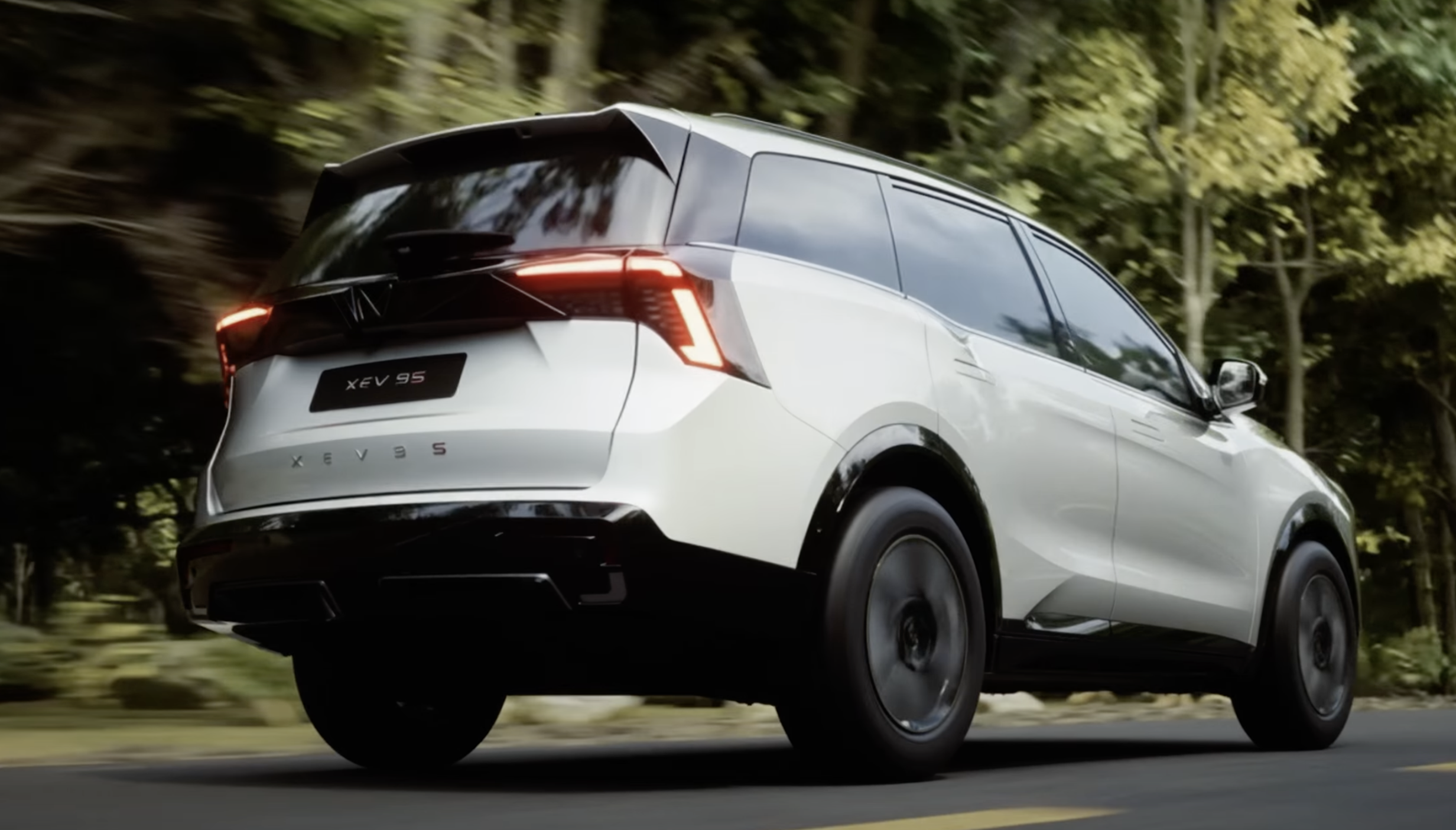
Styling is bold. The car carries the make’s new electric design language with a shut-off grille, L-shaped LED driving lights vertically-stacked projector lamps; it has flush-fitted door handles and the wheel trims and roof rails are also aero-optimised.
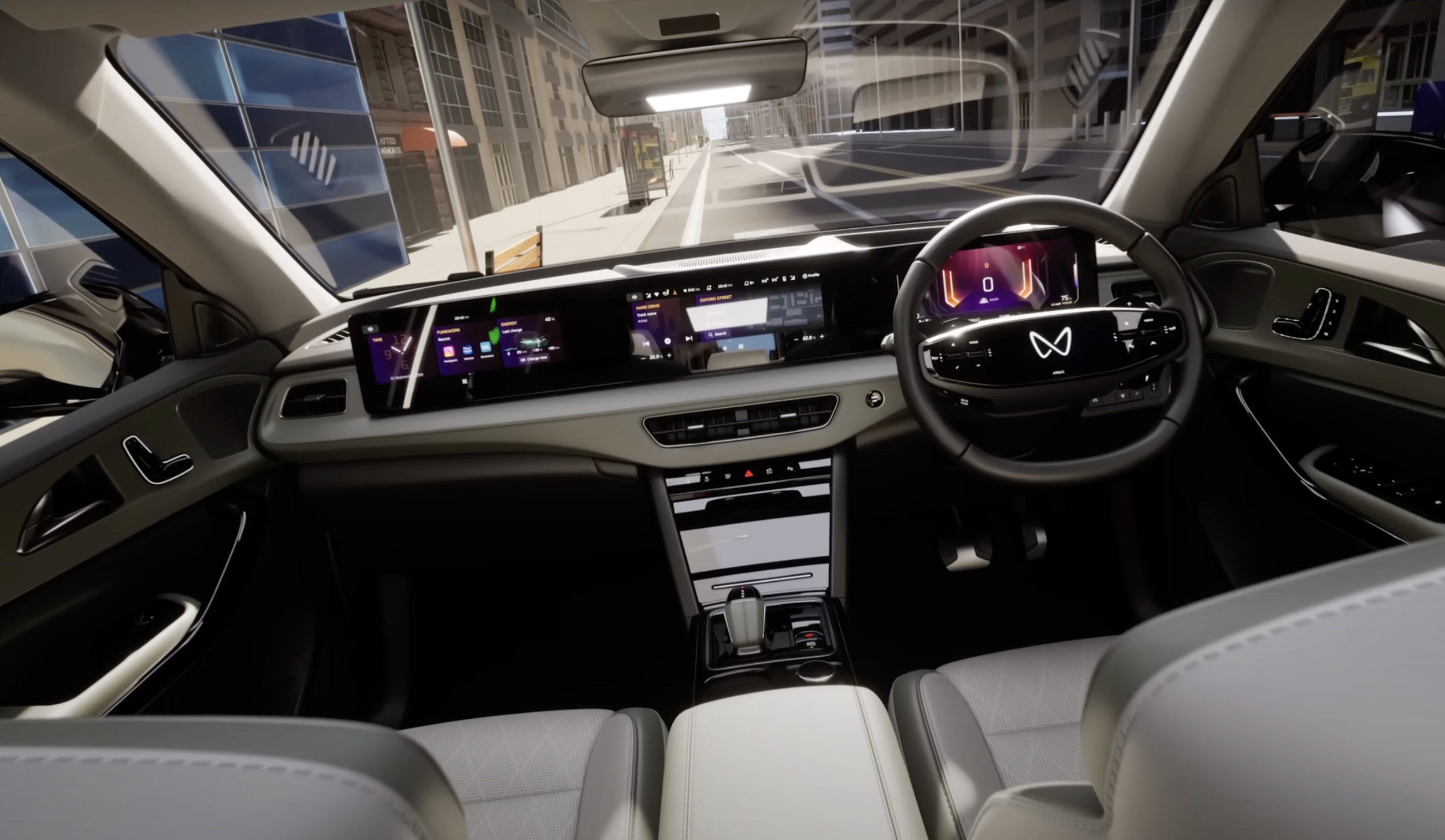
The interior delivers a three-screen dashboard layout regardless of trim. High-end editions offer additional screens for rear seat passengers. A panoramic sunroof is standard.
A Harmon Kardon stereo system. powered tailgate, ambient lighting features in all but there base grade. Reclining second row seats are also a fixture.
The model has at least 394 litres boot space, rising to 4076 litres with the third and second row seats tucked away, but also has a 150 litre frunk.
On the safety front, it has seven airbags, including a knee airbag.
Mahindra claims Level 2-plus automated driving assists, which suggest ability to lane change and drive under supervision without direct driver control.
The full ADAS being restricted the 70kWh and 79kWh models makes them strongest choices for NZ selection; cars without strong provision struggle with the ANCAP crash test regime.
The most expensive version has a head-up display, the most advanced ADAS with multiple radars, and multiple cameras - some for live monitoring and video calling, some for recording the car’s journey.
It has brake-by-wire, blind view monitoring and intelligent automated braking. Higher variants take Secure360 pro, a live vehicle surveillance system accessible via a connected app.
Mahindra has been a modest performer here, but seems on track to match the 400 registrations it achieved in 2024.
The brand represents nationally, and it’s current top performer is the 3XO, a small 82kW 1.5-litre three-cylinder petrol sports utility.
It is Mahindra’s version of the SsangYong Tivoli that was developed with Mahindra money back when the Indian giant owned the beleaguered Korean manufacturer.