
Yoke steer RZ and OTA-enabled ES en route
/Lexus highlights models’ ‘technology firsts’ as it also celebrates the year to date.
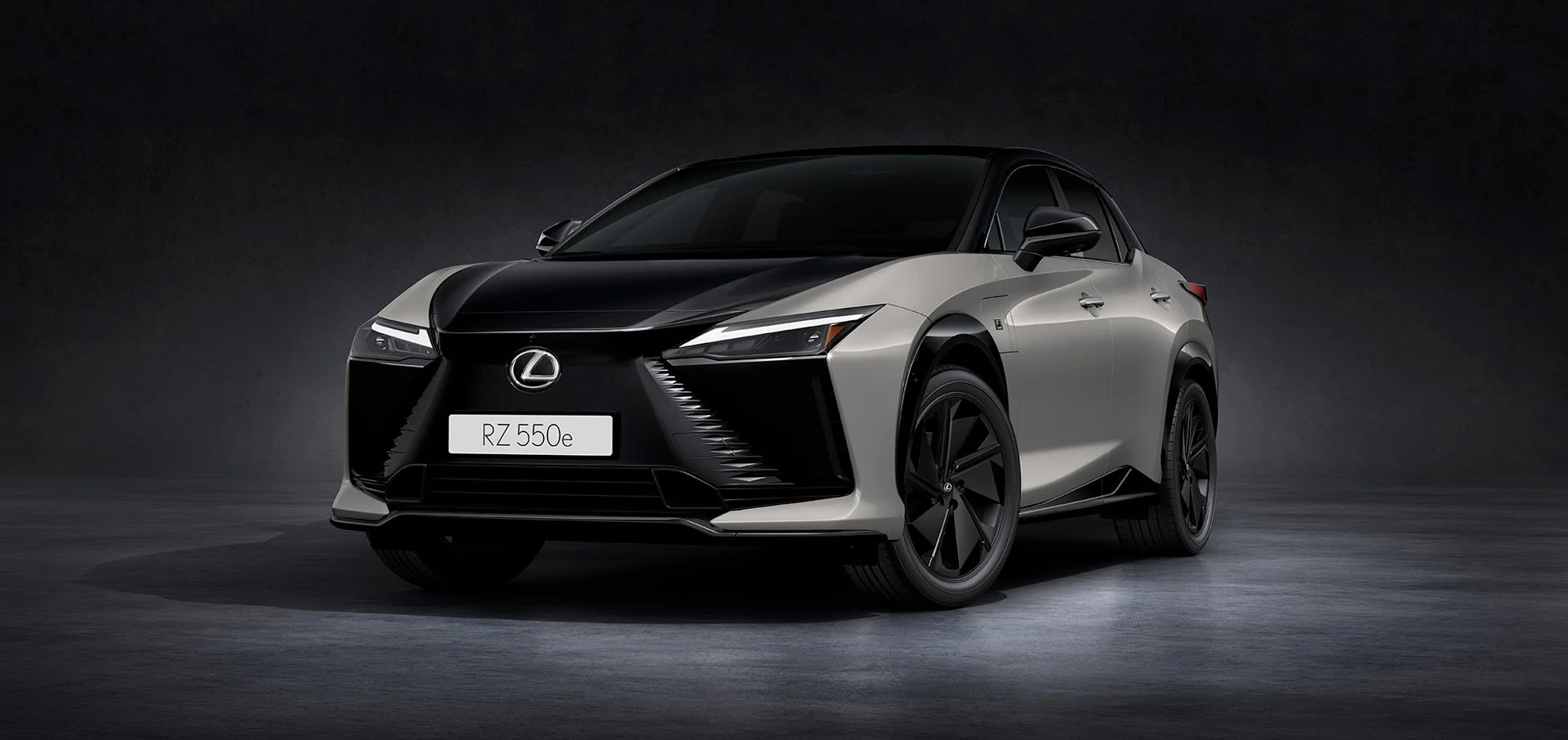
ARRIVAL timings for two Lexus models unveiled internationally in the first half of this year have been shared.
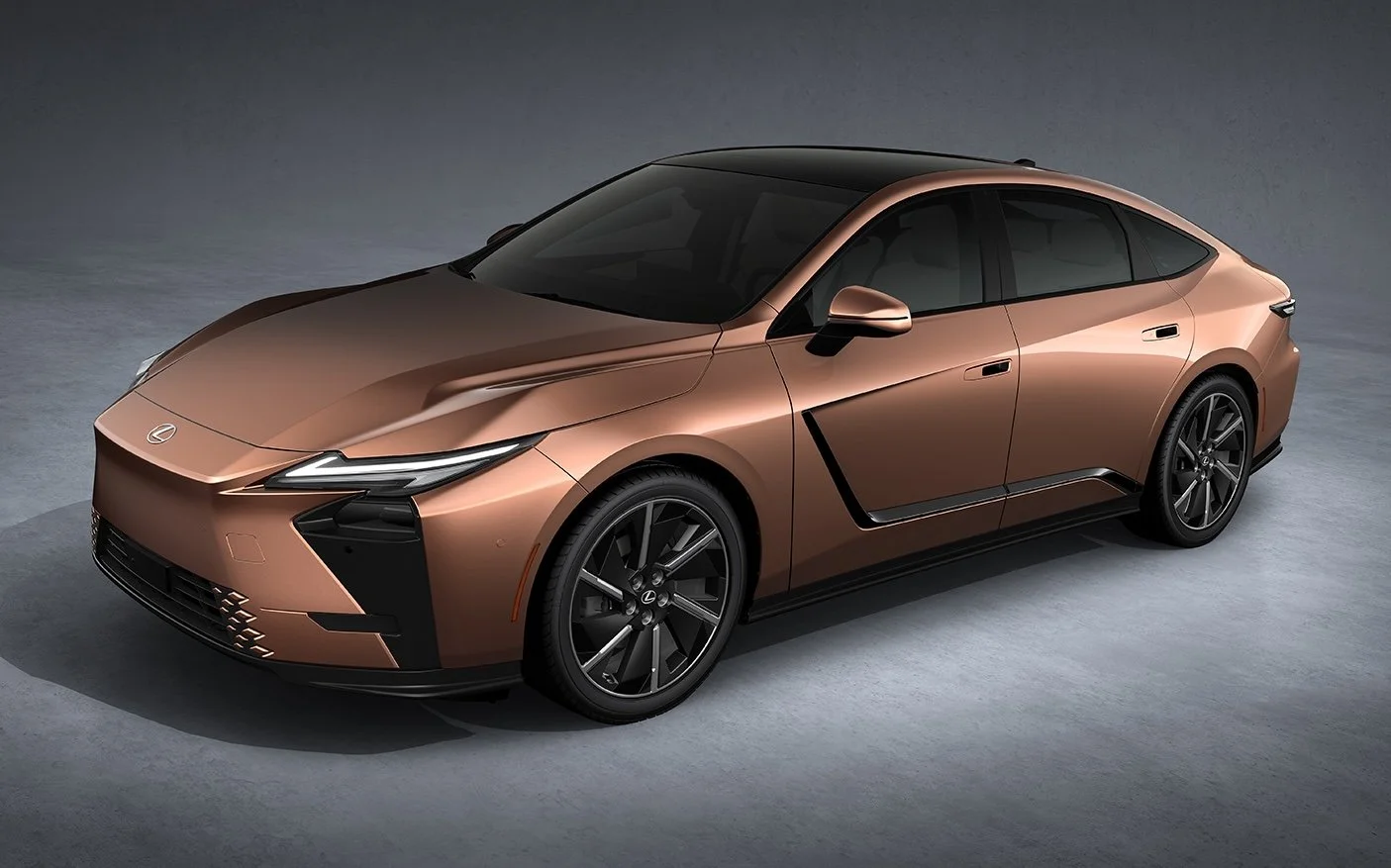
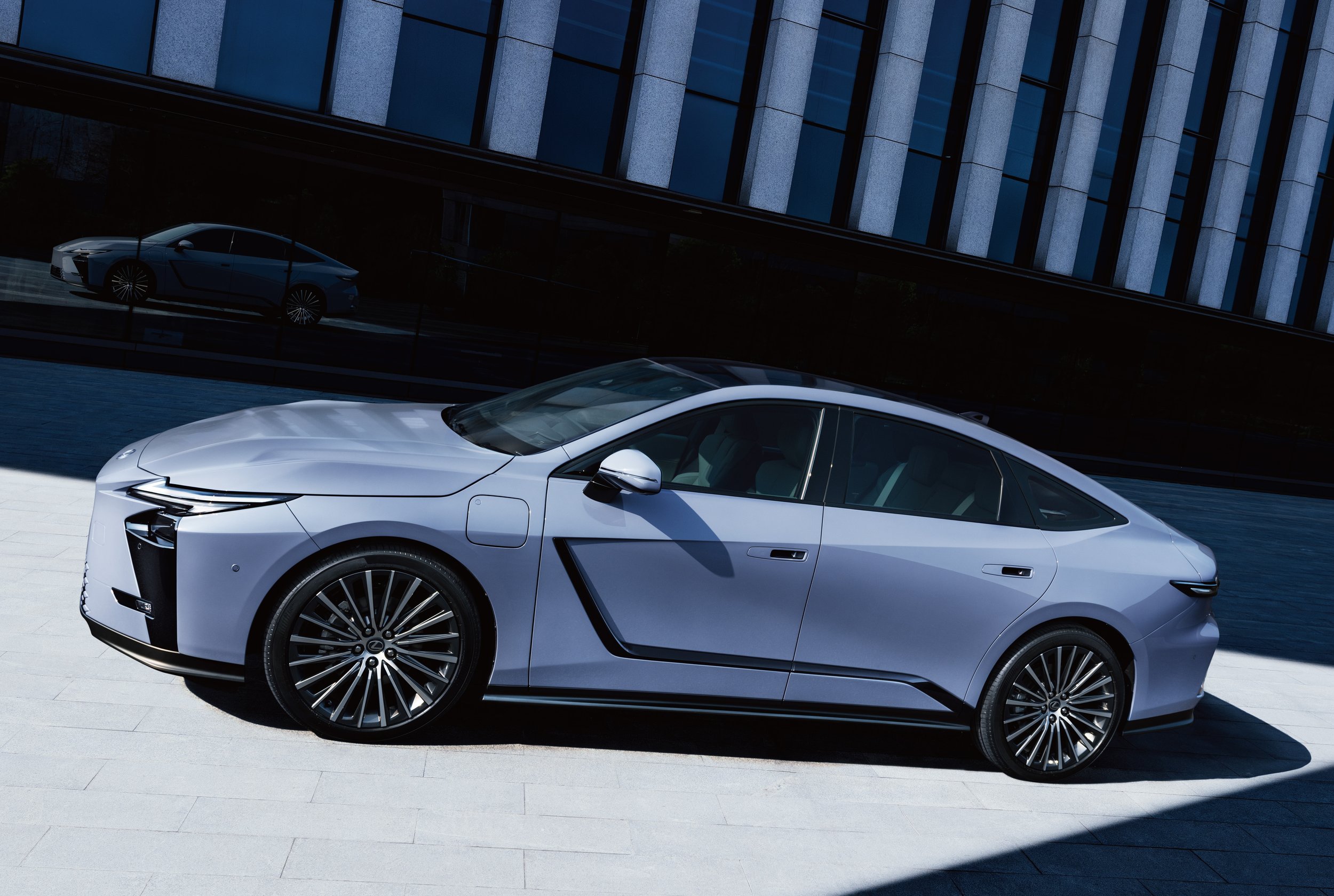
The updated RZ electric sports utility is here this month whereas the new-generation ES sedan is not expected until mid-2026, also possibly in battery form.
Pricing and specification detail for the cars has yet to be shared, but Lexus New Zealand has divulged each will bring technology improvements for the Toyota premium marque.
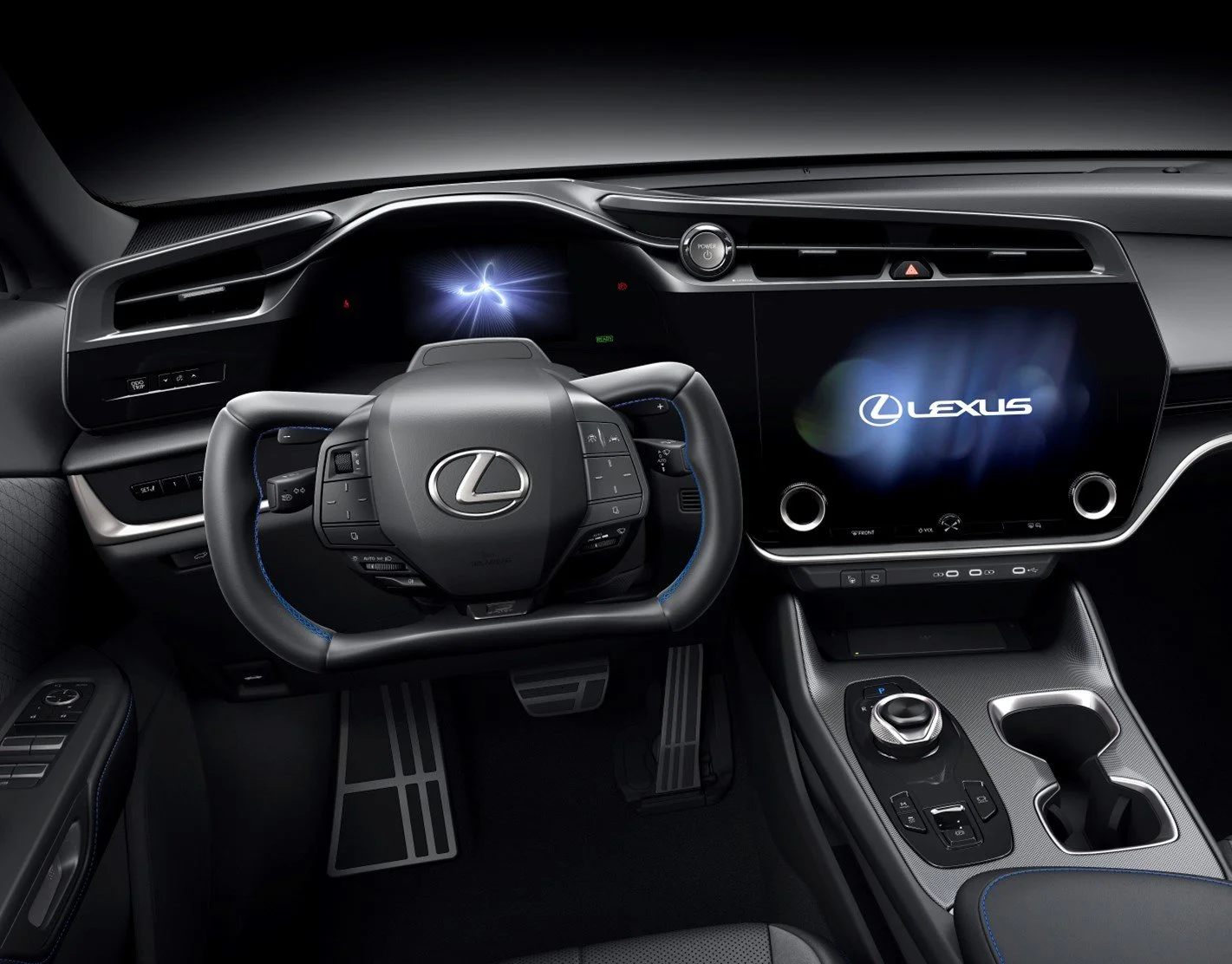
The RZ is the make’s first car to offer steer by wire technology, replacing the traditional mechanical steering link with an electronic system and will also debut a yoke-style steering wheel. The model was internationally revealed in Belgium in March.
The ES sedan, which made its global debut at the annual big motor show in Shanghai, China, in April and seems set for June introduction will be the first Lexus with connected capability, a feature already common in many cars now. This will allow real time updates, remote functions and “seamless integration with the driver’s digital world.”
Another element of the RZ which has not been discussed by the Palmerston North-headquartered make is it delivering a Lexus-first application of a synthesised gearbox that actions somewhat similarly to a traditional manual.
What Lexus calls an Interactive Manual Drive is designed to simulate the feel and sound of driving a car with an eight-speed gearbox. In overseas markets it limits to an F-Sport, a designation Lexus NZ has had here previously but not on this car.
With IMD the driver can 'take control' using paddles behind the steering wheel if they wish and there's even a virtual rev limiter so the driver has to learn how to perfect the timing of their gear changes.
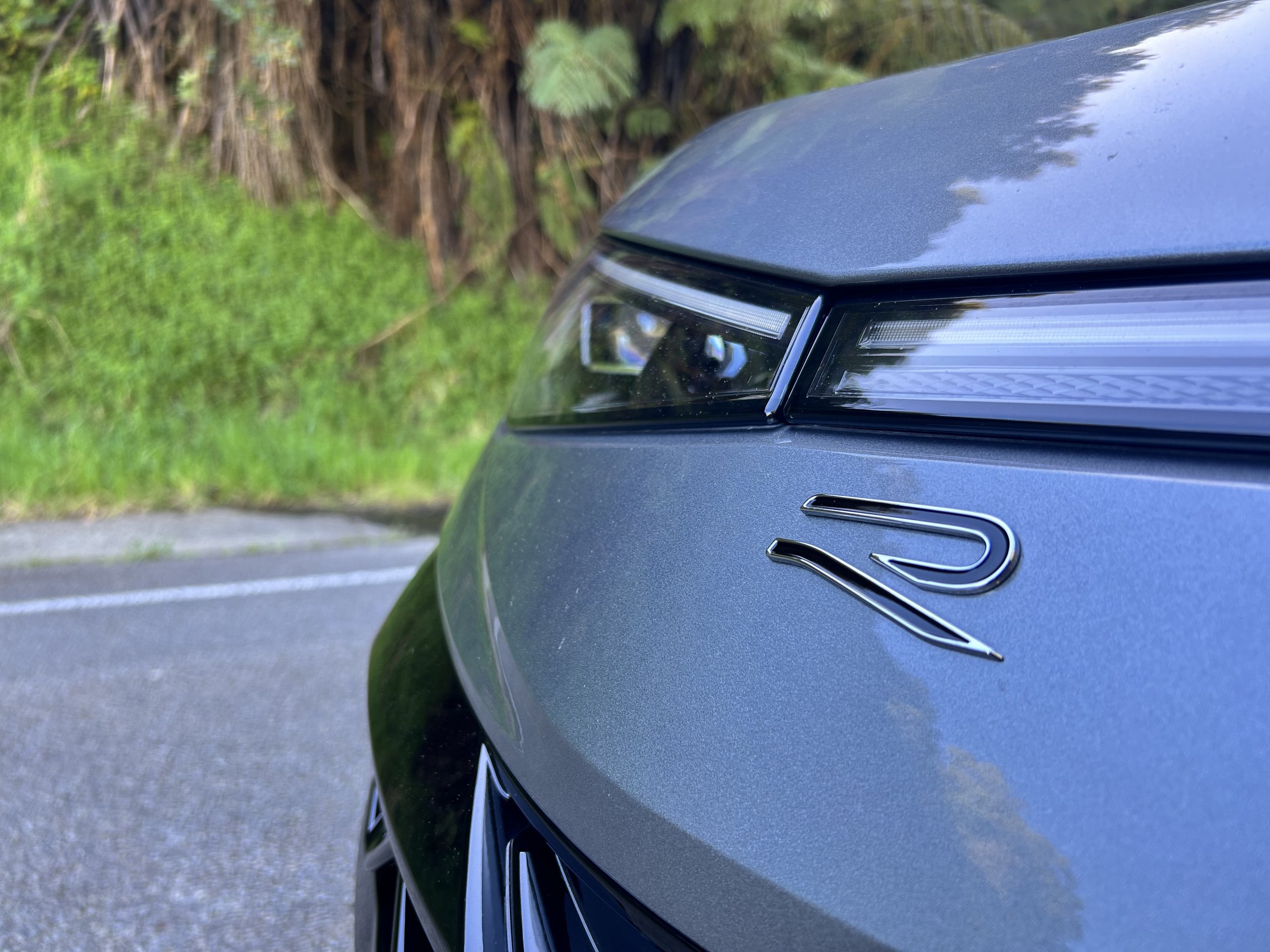
The F-Sport also features distinctive exterior and interior changes to help it stand out from the rest of the range, plus a dual-motor, all-wheel-drive setup that produces 300kW.
The introduction of IMD comes with what Lexus describes as significant changes to the RZ’s entire electrical system, in the name of efficiency and range, requiring the updated car to have a slightly larger battery pack than before.
It's now a 77kWh unit (72kWh is usable), which, when combined with the efficiency improvements, is expected to result in an extra 100 kilometres of range; conceivably that takes it to just under 500 kilometres.
The RZ 450e that has previously delivered in $141,600 Core and $151,600 Dynamic forms is replaced by the new RZ 500e, using two electric motors for all-wheel drive and up to 280kW.
Below is single-motor RZ 350e, with 165kW. All were confirmed for local sale some months ago.
RZ 500e and the RZ 550e take an evolution of the Lexus Direct4 drive control system.
The yoke steering wheel only turns through a 200-degree arc, so the driver never has to take their hands off it, regardless of how tight a corner is.

The RZ also achieves a new door panel trim called ‘Ultrasuede’, features laser-processed graphics and is partially made from a plant-based material, the panoramic roof can be “dimmed” now and the ambient lighting features a new dynamic shadow effect.
Lexus NZ earlier this year indicated the ES will deliver in two electric versions plus an ongoing petrol-electric hybrid.
This car is again based on a journeyman Toyota sedan, the Camry, which is hybrid only.
Lexus New Zealand has yet to indicate if the completely battery edition has a place here. The electric drive’s fitment has been made possible by a significant re-engineering of the GA-K platform.
The hybrid is built in 149kW and182kW forms, the first front-drive and other other in all wheel drive.
The new electric formats, meanwhile, deliver in ES 350e form with 165kW and dual-motor, four-wheel-drive ES 550e form with 285kW.
The new ES is larger than the current product, noticeably being 165mm longer, to measure 5.14 metres overall, and obviously the styling is all new.
Chassis improvements include increased rigidity, optimised suspension-arm bush characteristics, and rear-wheel steering for the first time in an ES.
Electric models feature a closed-off front bumper while the hybrid version takes a slim version of the signature spindle grille.
Other new design elements include flush exterior door handles, "L-Signature" headlights and tail-lights, and rear light strip with an illuminated Lexus logo, along with a "low centre-of-gravity" stance.
Lexus NZ’s product announcement tied into it sharing that last month it surpassed its entire registrations tally for 2024, which means this year lis looking to be the brand’s best in NZ.
The tally of 1352 at end of last month - against 1327 for all of last year - seems likely to be enough to establishes Lexus as the country’s second most popular luxury automotive brand, behind BMW (which Lexus does not name in its communication share).
Lexus NZ vice president Andrew Davis says the result is a milestone moment that reflects both the strength of the Lexus range and the deep trust New Zealand drivers continue to place in the brand.
“This has been a challenging market, so we are genuinely grateful to the customers who chose Lexus this year.
“Their confidence in our quality, our craftsmanship and our long-term value is what has driven this performance. Lexus exists to serve its owners, and we are proud to have earned that loyalty.”