
New RAV4 first Toyota with emergency services alert
/‘Call for help’ ability has an interesting international ingredient.
TECHNOLOGY enabling a crash-involved vehicle to automatically call for help - in this instance by initially dialling the ‘neighbour’ - will enable in the next-generation of the country’s most popular car.
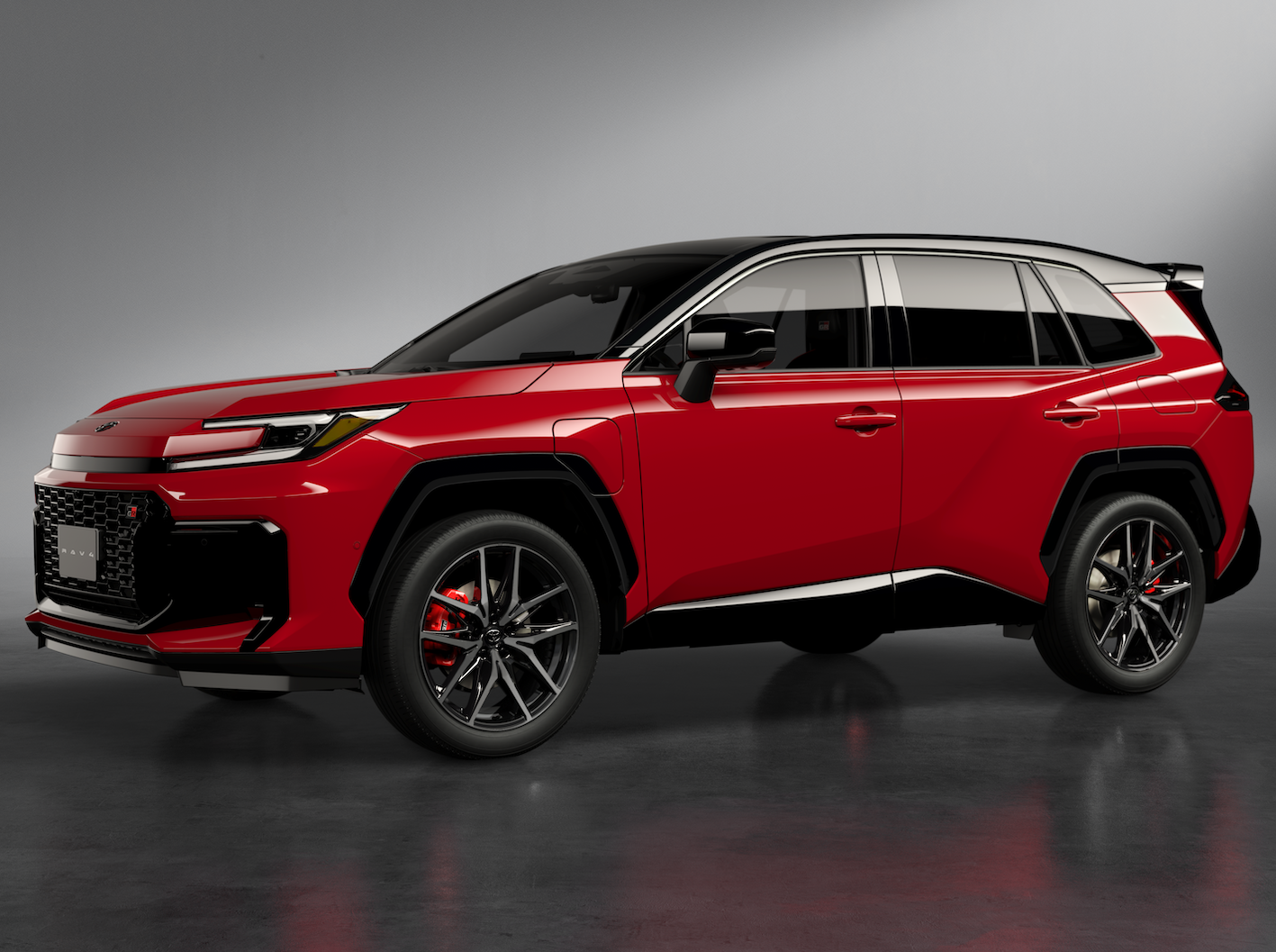
Toyota New Zealand announced today the new RAV4 here some time in the first half of 2026 will include a connected services function.
The provision enables with the car also opening up to a host of convenience features that can be activated off a cell phone, but stops short of allowing over the air updates.
Core ingredient of ‘e-call’ functionality is a headline.
Vehicles with it will, in event of a smash, electronically send out an emergency call, enacting automatically if occupants are too incapacitated to press an SOS button in the car.
Toyota NZ has acknowledged the call isnot taken in this country, but goes to a centre across the Tasman.
Such systems are common overseas, but still relatively new here, though on November 27 the nationally-accredited crash test auditor proposed need for for widespread implementation in New Zealand.
This e-call technology in its fullest application allows a vehicle involved in a smash to autodial an emergency number and relay to emergency services a data set with the crashed vehicle's location, time, and direction of travel.
Provision of e-call has historically been a point of contention in New Zealand, as emergency service alerts have always been a human to human interaction.
Toyota’s remedy is for its set-up to patch primarily through to the call centre.
Asked where that was a Toyota New Zealand spokesperson said “the emergency call centre will be in Australia and is available 24/7.” The centre’s location was not identified.
The call centre operator has to then direct emergency services here to where the vehicle is.
Though proven to save lives, e-call is not a mandated standard and just 10 percent of new vehicle sold here last year came with the capability. Australia has been more receptive and the proliferation is at 40 percent.
Australasian New Car Assessment Programme, which operates in Australia and is heavily funded by New Zealand agencies and accredited as our national crash assessment auditor, believes it is high time NZ came up to speed.
From 2026 the systems will be given greater attention as part of announced revisions of the crash testing protocols it conducts in Melbourne.
The ideal as ANCAP sees it is for a trained triage agent to be able to communicate with the vehicle occupants within eight seconds and alert emergency services if needed.
The facility is made possible by a car having an embedded SIM, exactly as used by any cell phone. Toyota says its system will be active for as long as NZ has 4G and 5G.
Connected services has been progressively availing in new product here over the past few years, mainly at the high end though it is becoming more prevalent in cheap cars from China.
It has been most prevalent on electric cars, with Tesla being a leader, though for in-car operations, not emergency calls.
RAV4 is the first Toyota to achieve this and TNZ has not said how long before other Toyota models, brand new or current, are going to join it.
The latest Hilux - also here from early 2026 - not being mentioned in its media communication today suggests the market’s second-most popular ute is doing without.
TNZ says in addition to relaying emergency calls, the system can be useful for tracking the vehicle, should it be stolen.
Aside from that it enables remote functions include vehicle start, lock/unlock and climate control management.
Users can also access vehicle insights including their tyre pressure, odometer, distance to empty, vehicle locator, and notifications on unlocked doors and open windows.
A voice agent can answer questions such as “Hey Toyota, what’s my travel time” or “Hey Toyota, lower the temperature”. Cloud-based navigation will provide more accurate maps and traffic information.
Whereas the core safety features of the SOS emergency call and automatic collision notification are set to be complimentary services, the broader suite of services will not, in part because tht side of things requires a data plan, ancilliary to whatever the hit is when mobile data is used.
The brand says “individual connected features will be grouped into product bundles and offered to customers with complimentary trial periods before transitioning to a paid subscription model. Customers can opt out of selected connected services if they desire.”
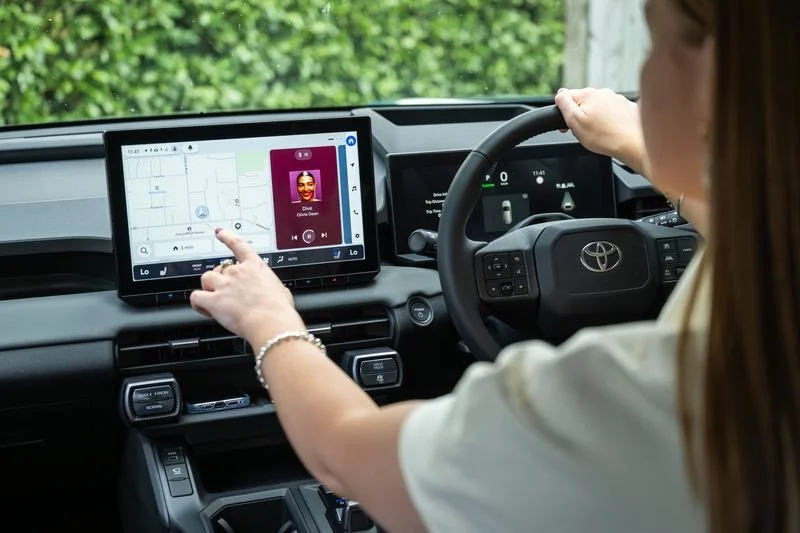
The portal requires a new multimedia system, which features a bigger and better-looking display, a customisable home screen and common function widgets, and faster and smarter voice recognition as well as many other features.
Toyota NZ assistant vice president Albertus Mulder says the goal with Toyota Connected Services is to deliver an enhanced ownership experience via better voice controls, integrated services and a mobile application that provides access to useful vehicle-related information and services.
“Toyota Connected Services and the latest multimedia update changes the way a customer interacts with their vehicle.
“Not only does it provide a completely new emergency response system, but it gives the owner access to far more information through quick, voice activated controls and a better display screen while at the wheel as well as vehicle information and controls via an app when away from the vehicle,” he says.
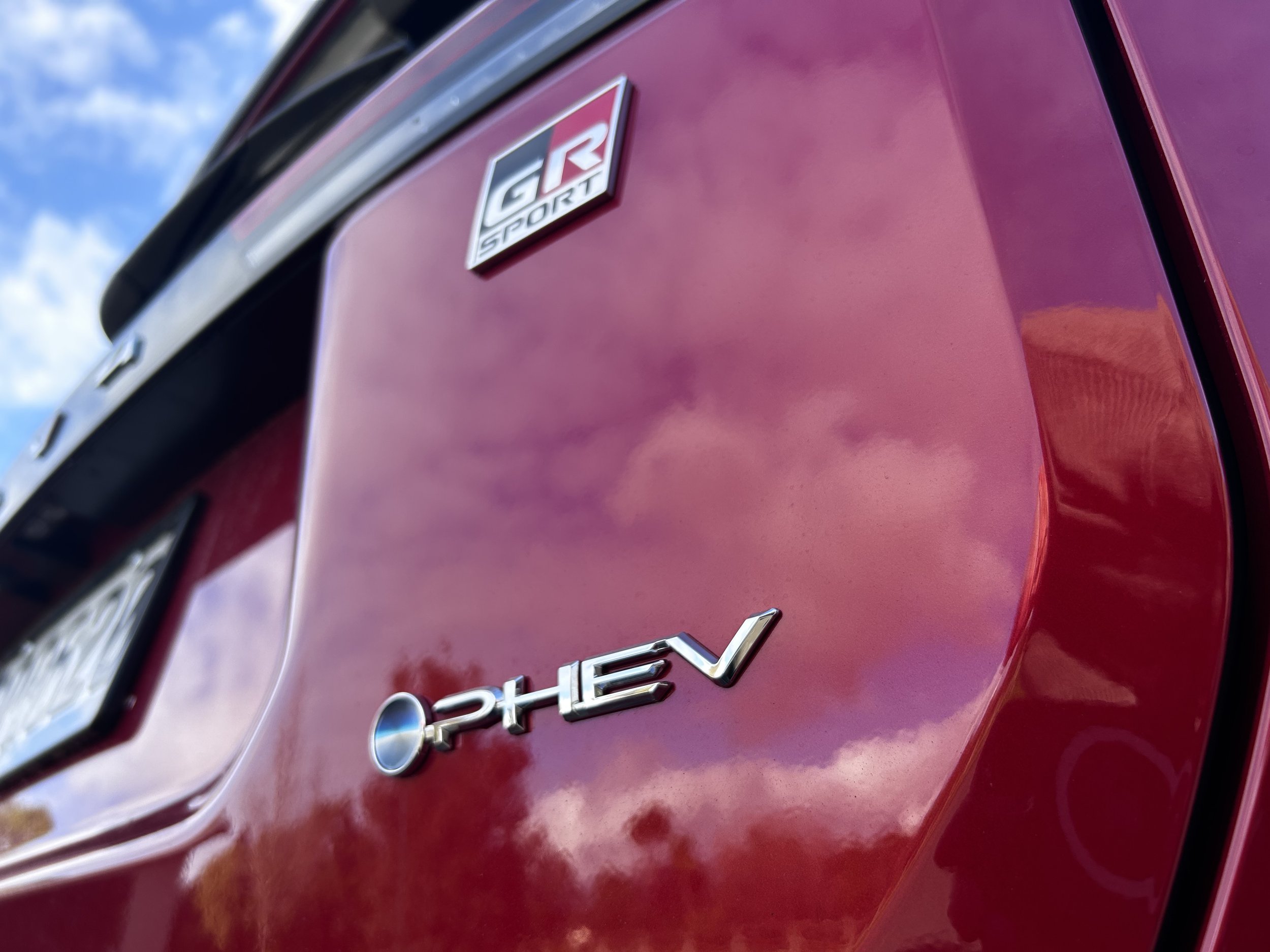
The new RAV4 also distinguishes from the current type by having a plug-in hybrid drivetrain option. The current car is comfortably set to achieve as the country’s best-selling new passenger model of 2025, on the back of very strong rental car take-up. At end of November, it had achieved 10,395 registrations.