
Suzuki Swift, MG 3 ANCAP scores updated
/National crash test auditor acknowledges improvements to both small cars.

REVISED crash test integrity ratings have been delivered for two small cars with big New Zealand ambition, but both continue to fall short of highest standard.
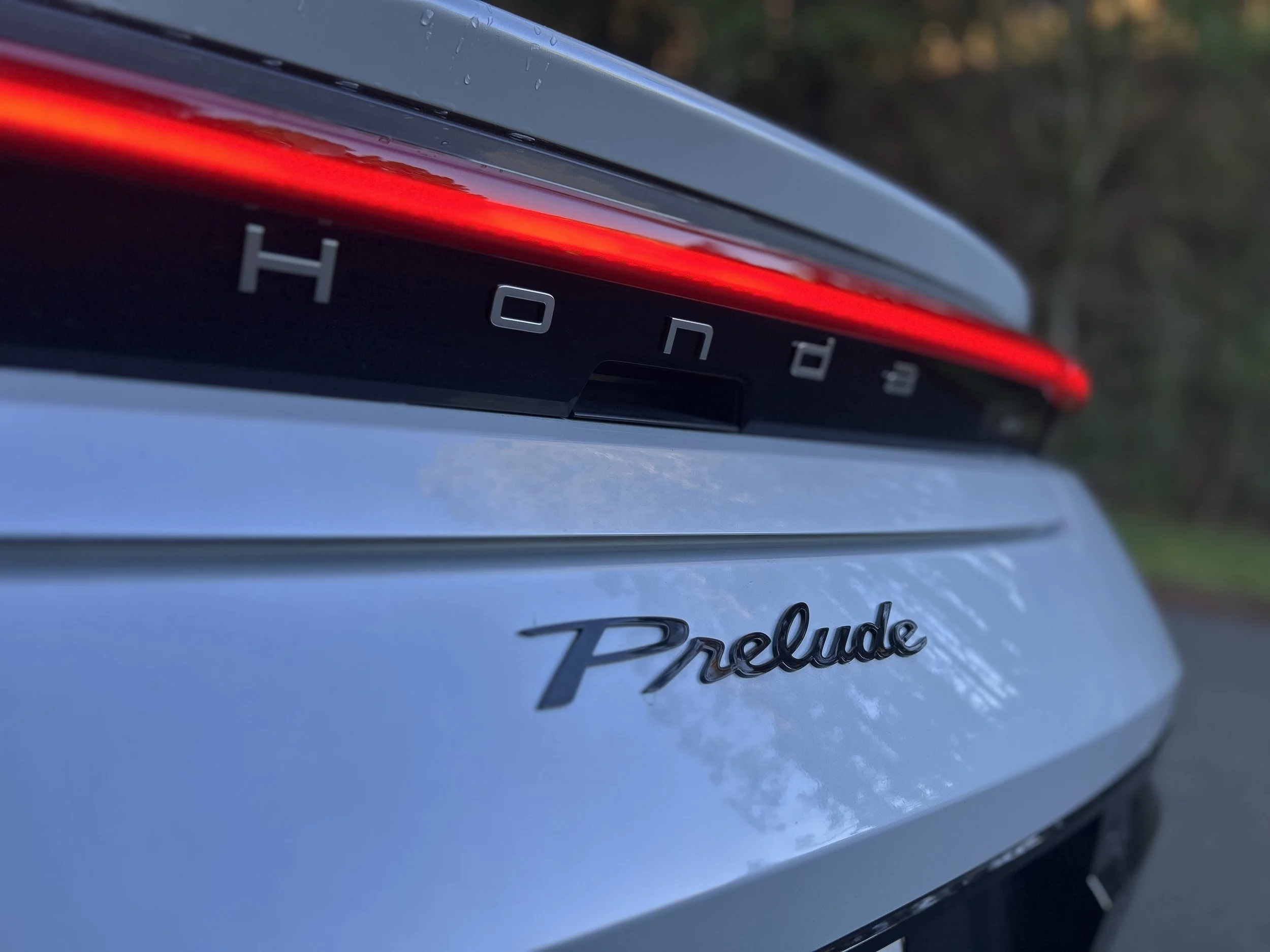
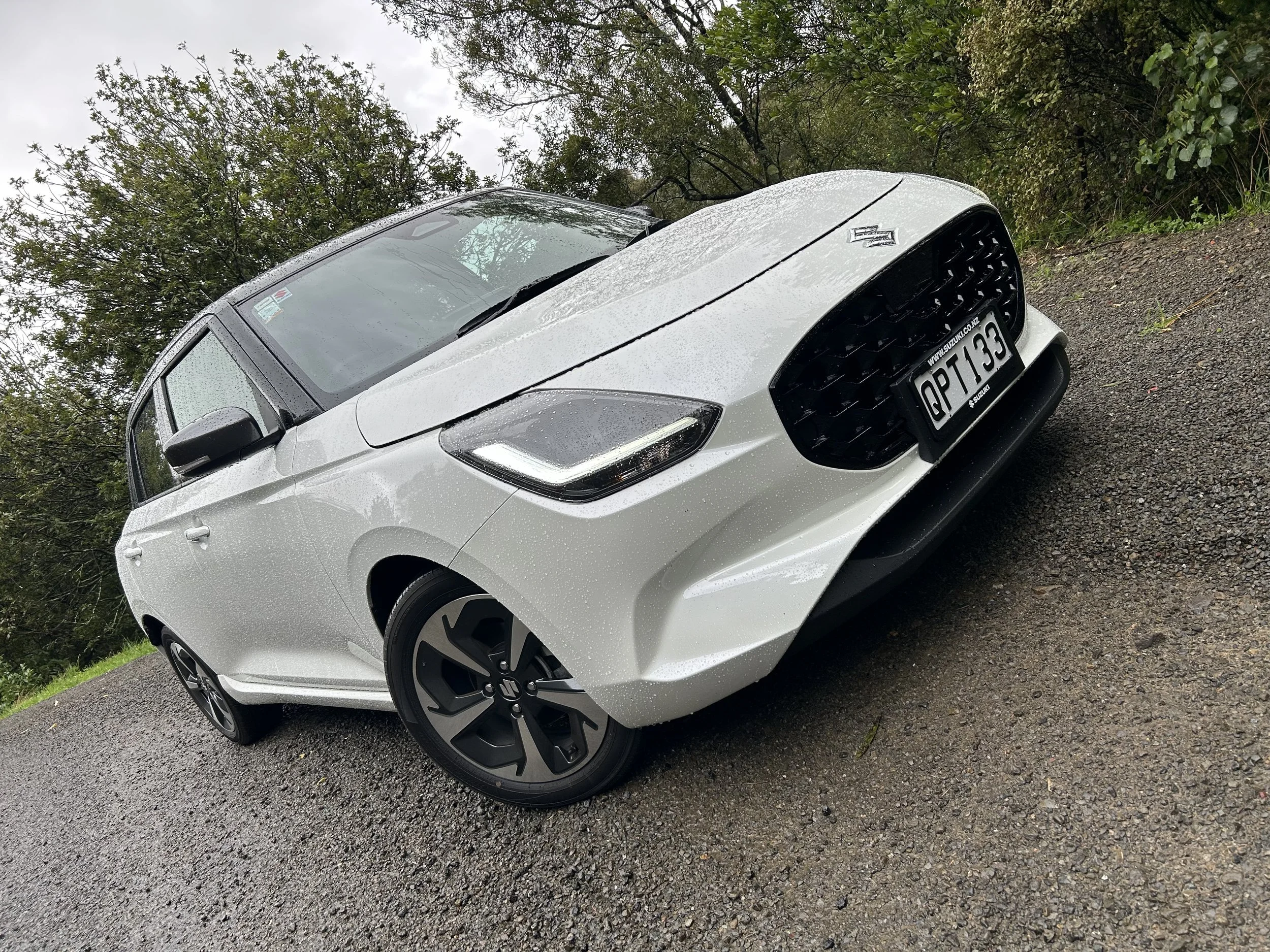
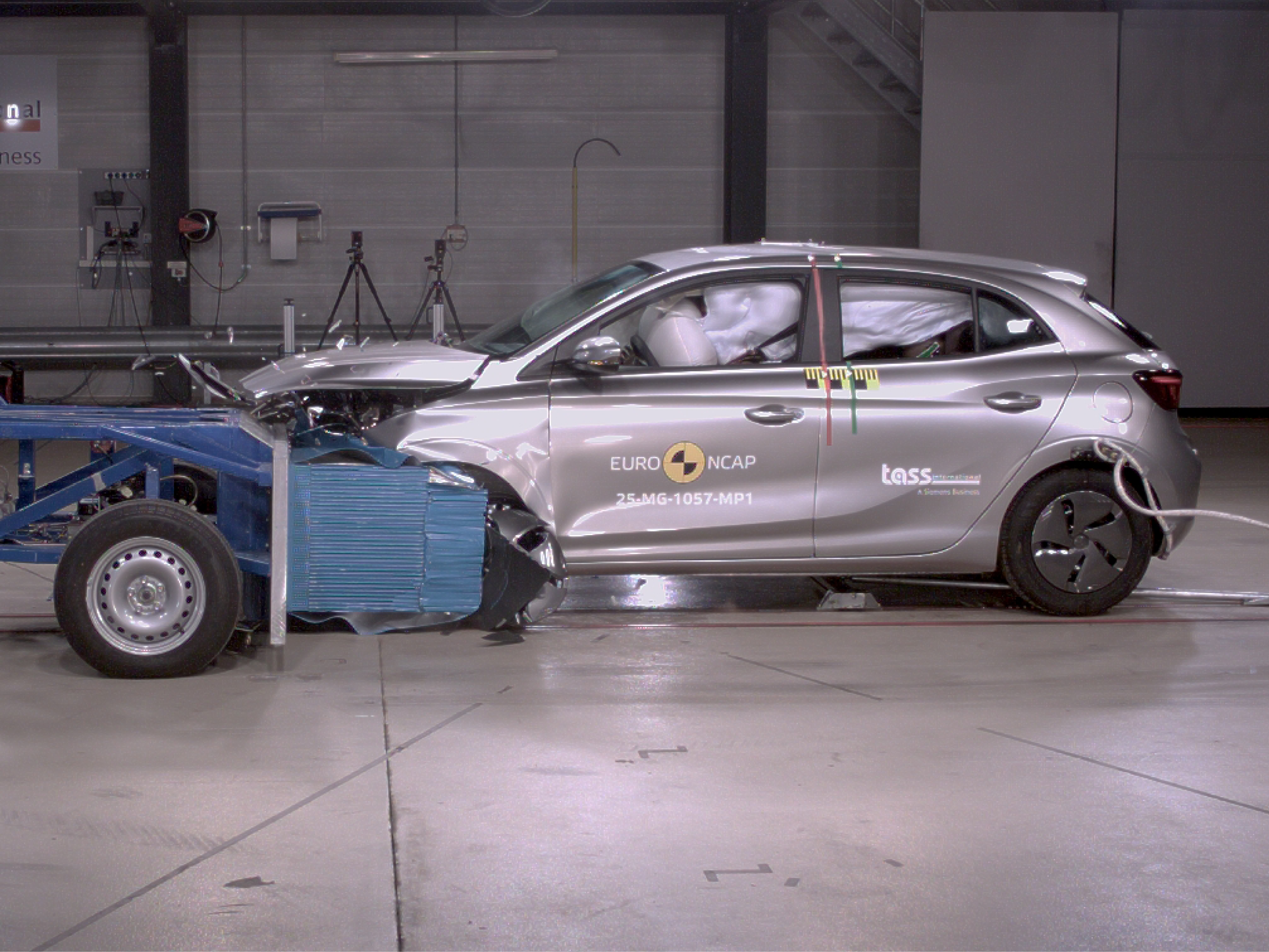
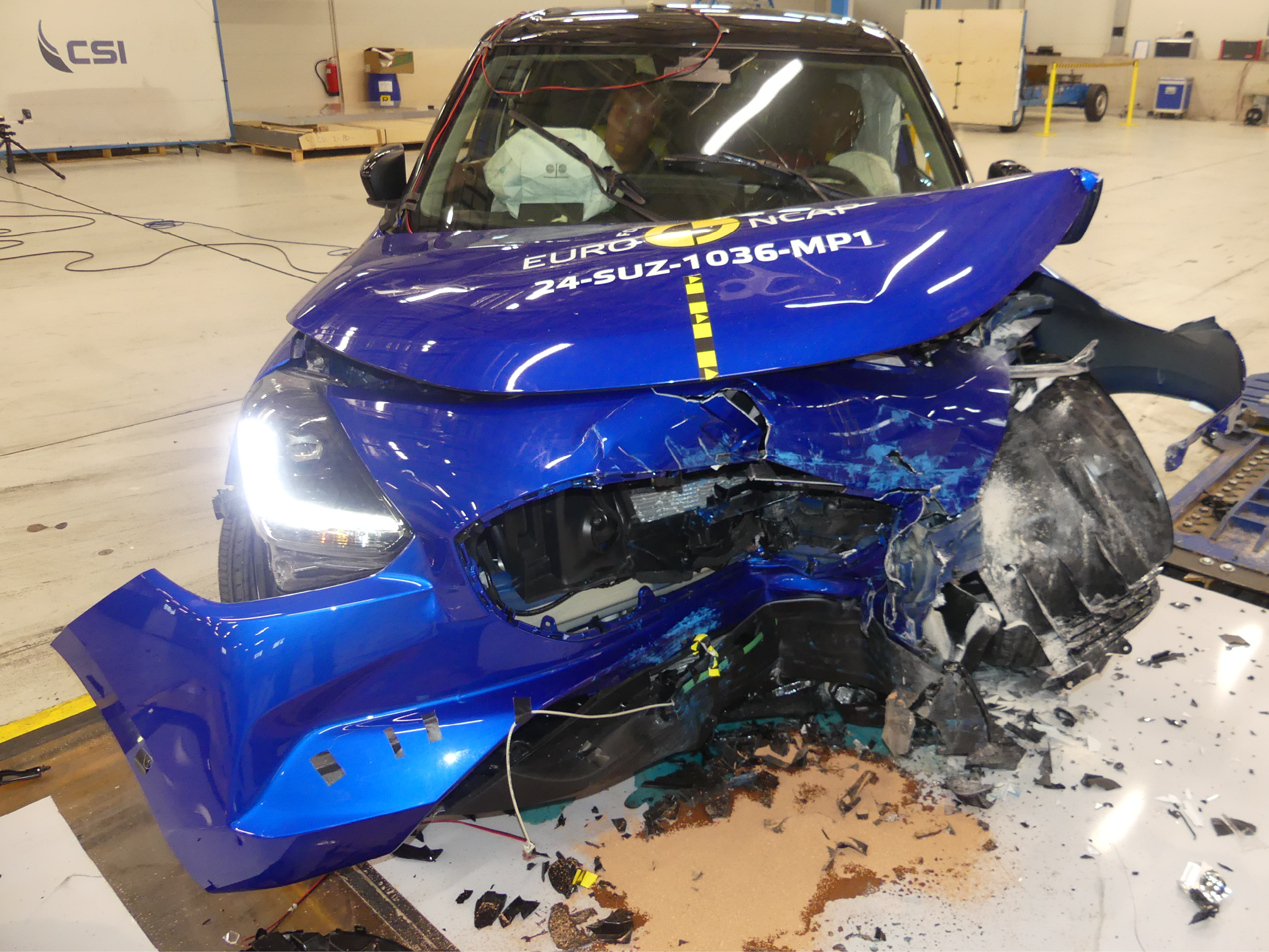
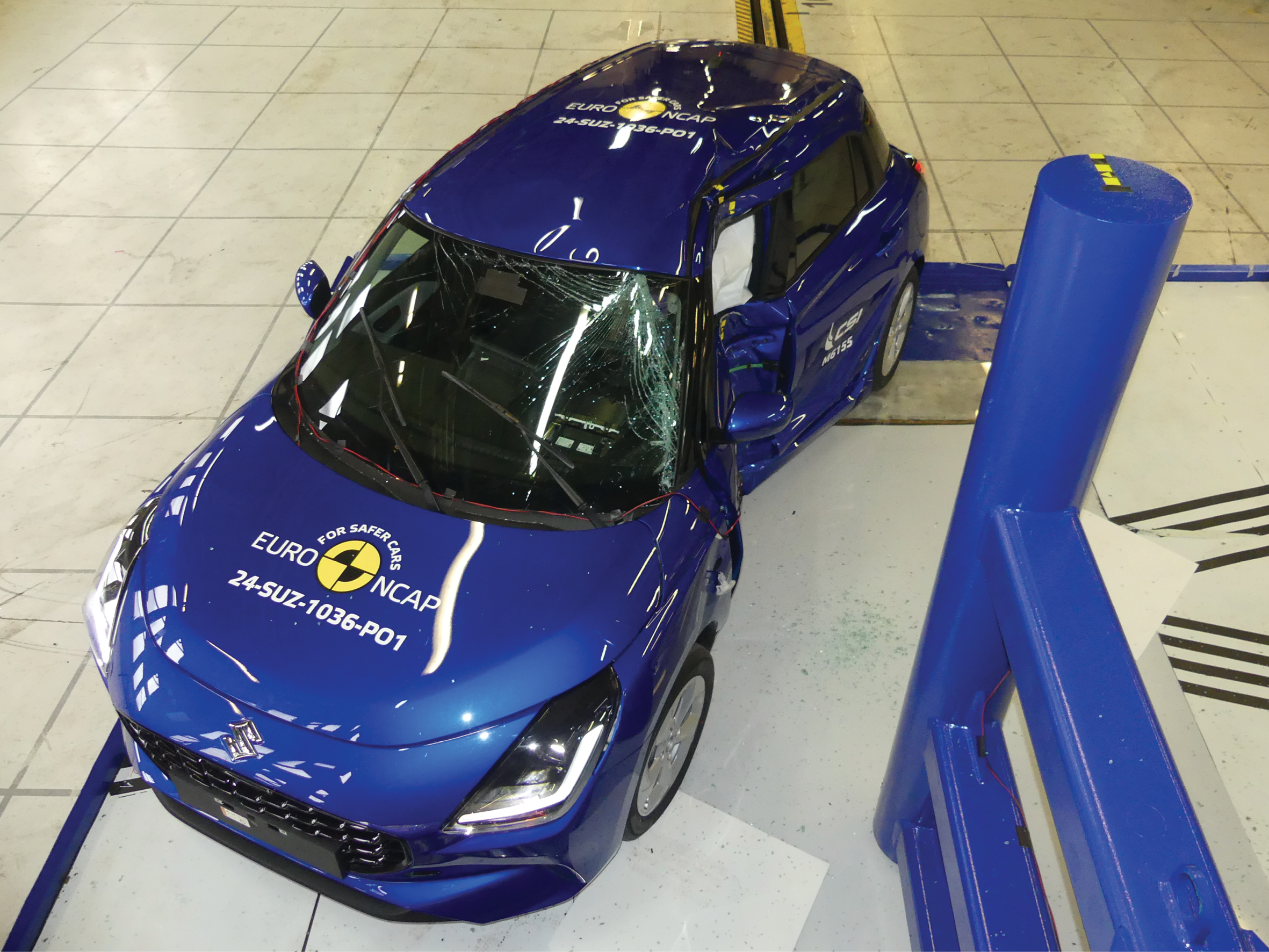
Another point about the fresh scores for compact hatch category rivals the MG 3 (top) and Suzuki Swift (above) issued overnight by national auditor Australasian New Car Assessment Programme is that they only apply to fresh stock.
For MG 3 the scores stand for cars produced from May onward and for Swift, it is for cars supplied from this month and onward.
Still, the brands and their distributors will doubtless be pleased ANCAP has respectively revised the MG’s score to four stars, up from three, and the Suzuki’s to three stars, up from one.
Suzuki has been particularly sensitive to ANCAP - some of its older cars no longer have ratings and its newest offer, the Fronx, has launched without one.
The original rating for Swift, historically the NZ franchise’s strongest selling product - with the exception of one year, it has been the top-selling light segment contender since 2005 - and particularly popular as a retiree and first owner car, was a huge shock that resulted in urgent discussions with head office in Japan.
MG has reacted positively to the change, with comment out of its regional office in Australia.
Wanganui-based Suzuki NZ has yet to make comment, though today it did relate how the nameplate is Suzuki’s most successful, having run up 10 million global sales over the past two decades.
Government agencies support strong star counts and some fleets only chose products accredited the maximum five stars; those and business-associated buy-in accounts for just over 70 percent of all new car sales.
Government is a big buyer of cars for its departments and recently revised its own recommendations to put less emphasis on test scores, and more on safety equipment.
Swift has traditionally been a popular fleet choice; Suzuki recently said it had felt some impact on that business, but was pleased the rate of private purchase had not changed after the original score was released last December, a month after the initial MG 3 result shared.
At MG 3’s release, the brand cited hoped the car might raise fleet interest, but sales statistics since suggest it has been a quiet performer.
In the latest statement, ANCAP said the Swift’s re-score resulted from the car having been revised to be identical to a version sold in Europe, where the regional NCAP determined it to be a three star car, that determination coming out well before ANCAP’s.
As sister organisations, ANCAP and Euro NCAP follow common processes.
ANCAP did not zero in on what specifically differs the Europe-market Swift from the specification that initially launched in NZ.
But at time of the original result specifically highlighted issues for adult and child occupant protection and commented that “the design of some of the structural elements and restraints in locally-sold Swift vehicles appear to lack robustness, leading to variation in crash performance.”
In the latest release, it stated: “When the Suzuki Swift was first launched in Australia and New Zealand last year, it carried a lower level of safety specification than the European version, resulting in a one-star ANCAP safety rating.
“From August 2025, Suzuki Swift vehicles supplied locally now align with those offered in Europe, lifting their ANCAP safety rating to three stars.”
In respect to the MG 3, the independent safety auditor said the car received production and design updates for Australian, NZ and European customers, yet said caution was still warranted.
In supplied comment, it said "The second-generation MG 3, originally launched in Australia and New Zealand in 2024, achieved a three-star ANCAP safety rating when tested last year.
“While it offered improved safety specification over its first-generation predecessor, the 2024 model held limitations in driver, front passenger and rear passenger protection, and collision avoidance performance.”
ANCAP said a production change in place for MG 3 on sale from May “sees vehicles now sold in Australia, New Zealand and Europe add a centre airbag positioned between the two front row occupants, a driver monitoring system, and improved collision avoidance capability.”
With the design and specification changes prompting re-assessment, a fresh round of testing on updated MG 3 vehicles resulted in improved scores for adult occupant protection, vulnerable road user protection, and safety assist, elevating refreshed vehicles into four-star territory.
It pointed out, however, that during the frontal offset crash test – which simulates a head-on crash with another vehicle each travelling at 50kmh – the right-side adjuster of the driver’s seat failed, causing it to twist during the crash impact.
“This movement exacerbated the loads on the driver dummy’s right leg, and protection of that part of the body was rated as ‘poor’. The driver dummy’s head was also observed to ‘bottom out’ the airbag against the steering wheel, and head protection was scored as ‘adequate”.
Both the three-star and four-star vehicles were tested and assessed against current 2023-2025 rating criteria.
“This uplift from three-stars to four-stars is a step in the right direction, yet the seat latch failure is not something we expect to see, and is cause for caution,” ANCAP chief executive Carla Hoorweg said.
“It is clear that MG is trying hard to bring improved products to market. What we want to see, however, is a focus on quality as well as safety. These elements go hand-in-hand.
“The failure of the seat adjuster increased the risk of injury to the driver. Key vehicle components like this should be able to withstand this typical urban-environment crash.
“We expect MG to make a running change to rectify the fault, and move to retrospectively fix affected vehicles already in the market.”
Hoorweg said current protocols do not apply penalties for this specific failure beyond the effect on dummy performance.
ANCAP, together with Euro NCAP, will review this aspect of its rating protocols – particularly in situations where manufacturers opt not to rectify or improve failed safety elements.