
MG on charge with HS hybrids
/Flagship plug-in version cites significant range and EV-only abilities.
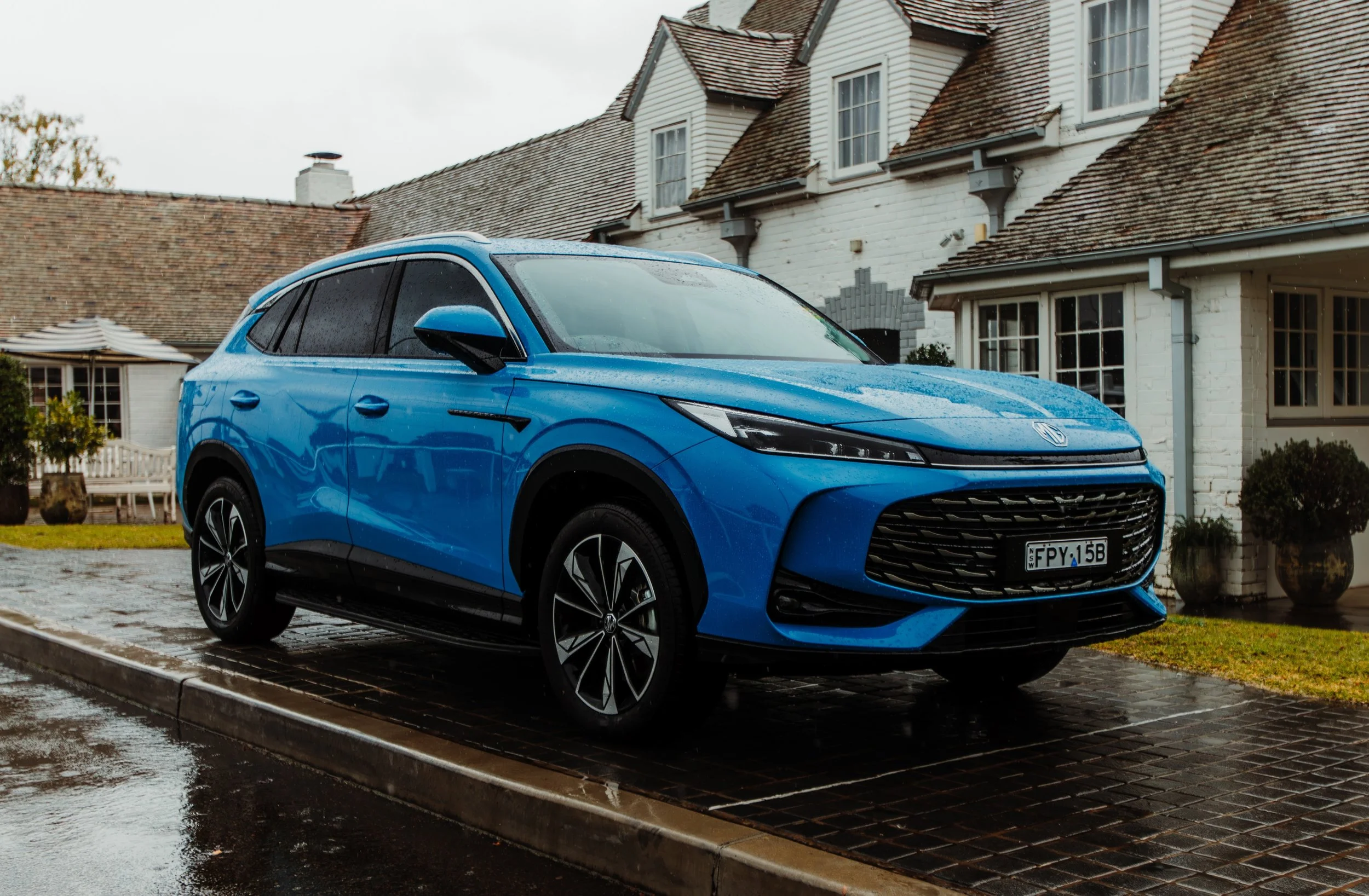
PRICING has been announced for an MG plug-in hybrid sports utility the make claims can achieve more than 1000 kilometres’ driving before needing to refuel and recharge.
Another attribute the Sino-Brit brand believes will raise interest in the HS in its Super Hybrid form is an ability for it to drive for at least 100 kilometres purely on electric impetus.
A maximum of 120kms’ claimed when evaluated to the NZ-preferred WLTP standard. When the discredited NEDC format is used, this climbs to 135km. NEDC is redundant in NZ from the end of 2025 but is still acceptable in Australia, where MG’s regional office bases.
The power is drawn from a 24.7kWh battery, which stands as the largest in the corral of five-seater medium SUVs with mains-replenishment capability.
The best established choice in that sector has been the Mitsubishi Outlander, which has a slightly smaller battery and slightly more modest electric-pure driving and has a lower, sub-1000km overall driving range.
The GWM Haval H6 GT is another alternate and next year Toyota will join the fray with a PHEV edition of its RAV4.
One edge that the Mitsubishi model has at present is capability for DC fast recharging. The MG is AC-pure and restricted to a much lower replenishment rate.
MG appears to gunning for Outlander, however, by positioning the Super Hybrid variant at $52,990 Excite and $56,990 Essence formats. It also has a mild hybrid version in the same grades for $44,990 and $48,990.
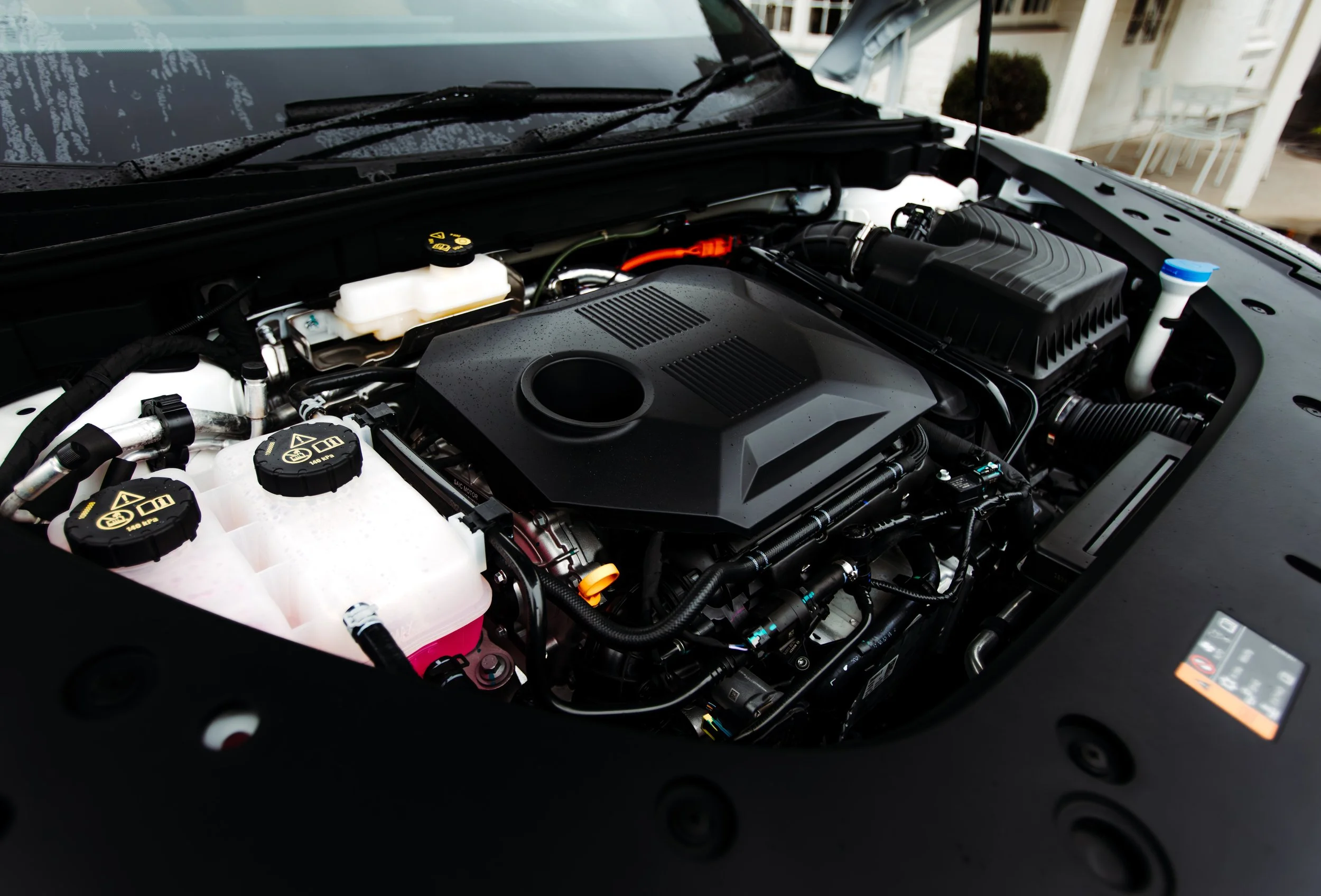
The PHEV and mild hybrid HS choices are all front-drive and take the same 1.5-litre turbocharged petrol engine; however, the seven-speed dual-clutch transmission for the cheaper car has been exchanged for a two-speed automatic.
Outputs and efficiencies are also different. The hybrid has 165kW/340Nm and a cited combined fuel economy of 5.2 litres per 100km; it’s electric impetus draws off a 1.83kWh battery.
The PHEV claims 220kW, with the electric traction motor contributing up to 154kW when working in tandem.
The engine in isolation makes 105kW, a result of it having adjusted tuning and also a consequence of the two-speed gearbox.
Maximum torque from the PHEV is 350Nm, and economy when electric and petrol and working optimally falls to 0.7L/100km.
In its conventional hybrid mode, the type will automatically kick-start the petrol motor at any speed over 80kmh.
The HS is also continuing in pure petrol format; the battery burden makes the PHEV 200kg heavier than that choice.
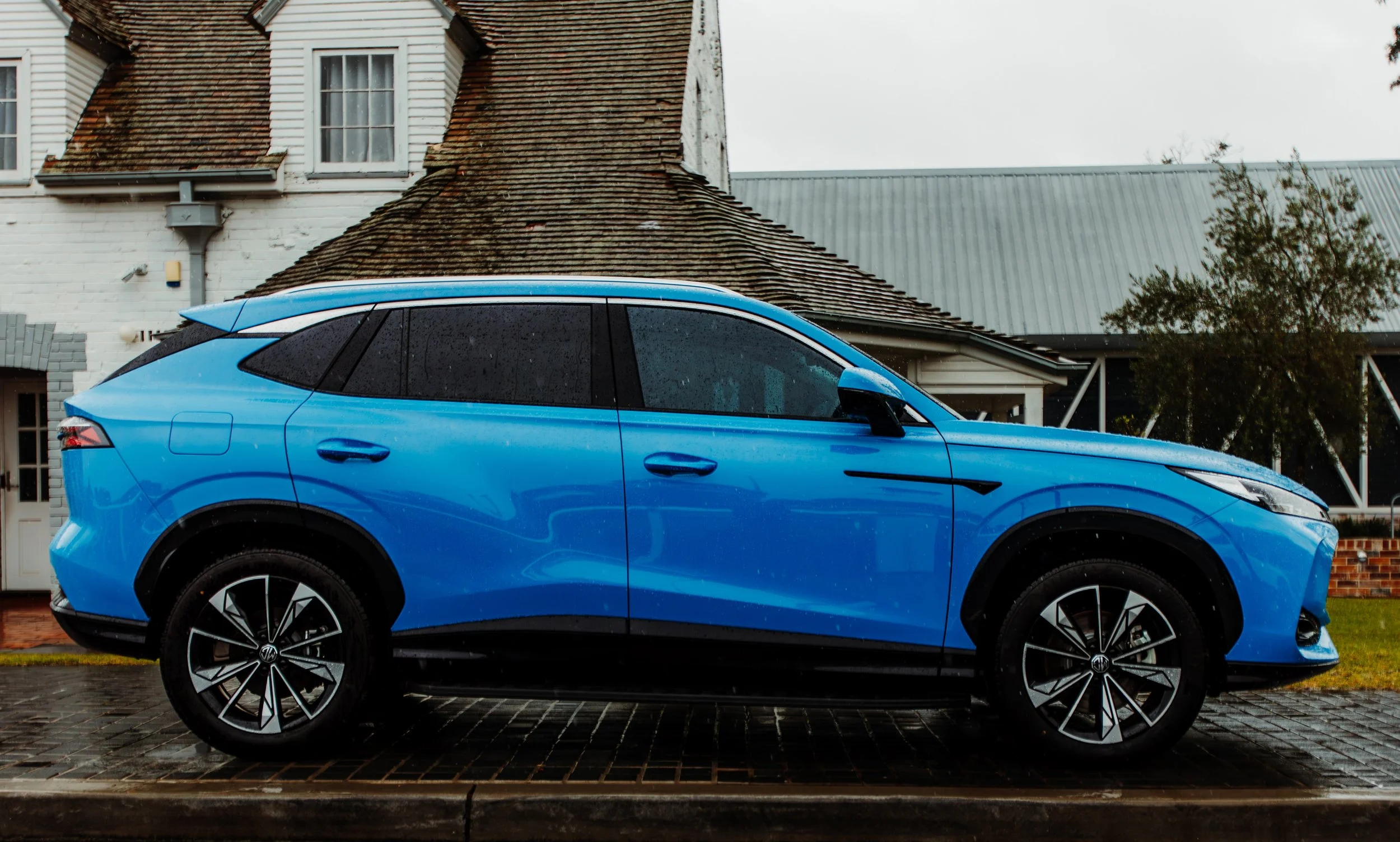
The trim grades are the same irrespective of which drivetrain is chosen. The Essence that has proven most popular with Kiwis has a power tailgate, heated front seats, a power-adjustable front passenger seat, an eight-speaker stereo, wireless phone charging, a panoramic sunroof, dual-zone climate control, and front parking sensors.
Other standard equipment across the range includes a 12.3-inch touchscreen with Apple CarPlay/Android Auto and satellite navigation, a 12.3-inch instrument display, a 360-degree camera, keyless entry and start, a power-adjustable driver's seat, a full suite of advanced safety aids, and synthetic leather.
In supplied comment, MG NZ country business manager Dean Sheed said the new derivatives complete the HS line-up and will provide “a great option for families looking for an efficient and powerful mid-sized SUV without compromise.”
The brand’s business director for EV and hybrid product for Australasia, Stuart Mitchell, further contends that the Super Hybrid is designed for Kiwi motorists.
“Drivers can fuel up, charge the battery and drive over 1000kms, giving them the freedom to go anywhere they want.”