
Leaf battery re-life ignoring rich NZ cache
/Nissan is regionally revamping batteries from clapped out Leafs. So why won’t it touch NZ domiciled cars?
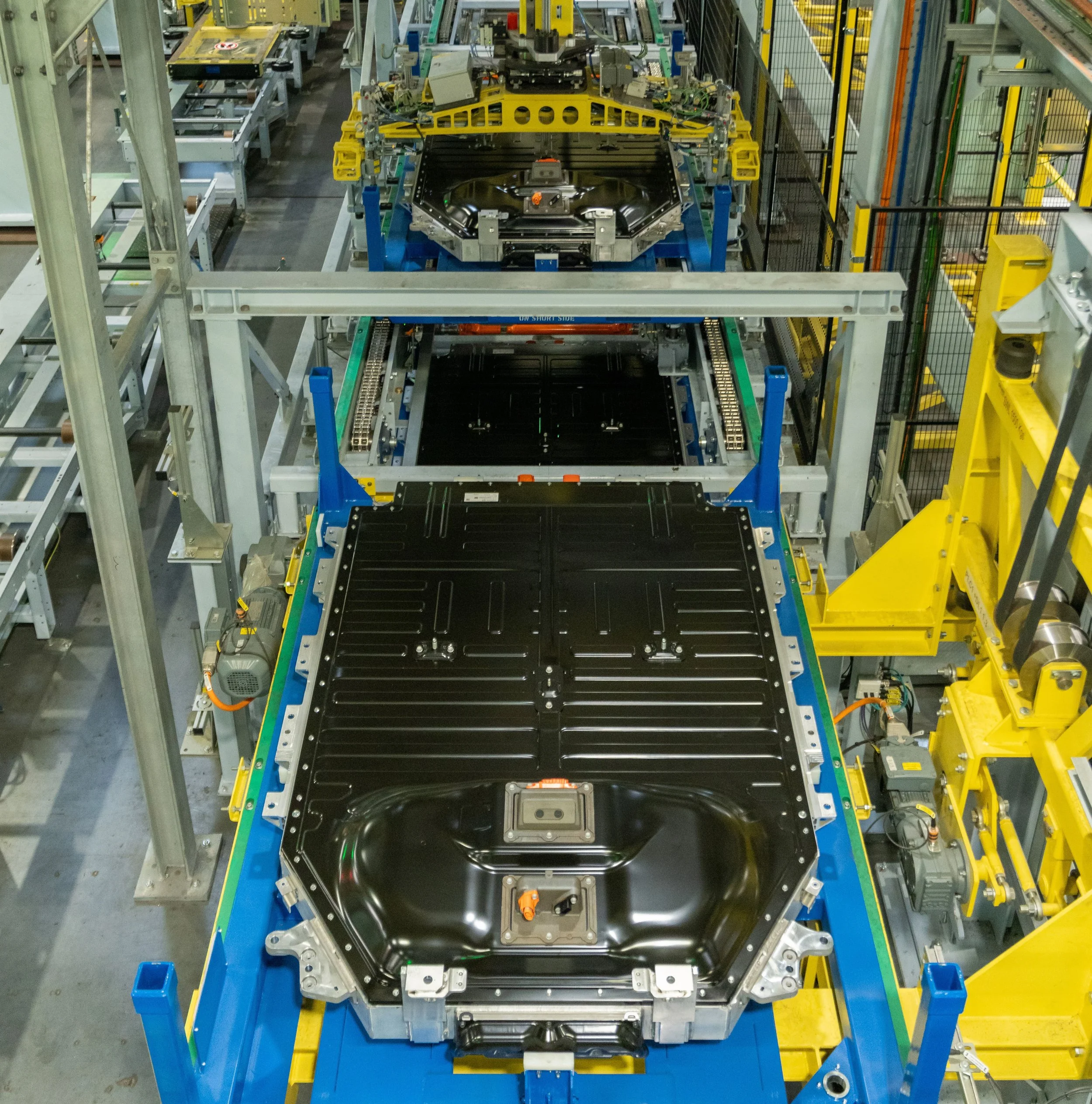
REGIONAL effort to re-use exhausted batteries from New Zealand’s most popular electric vehicle has begun - but the motherlode Kiwi cache of potentially thousands of candidate cars isn’t being tapped.
Nissan’s Australasian operation is now uplifting old batteries from the Leaf, which concluded NZ-new sale last year but stands comfortably as this country’s most popular electric car, with almost 26,000 in circulation.
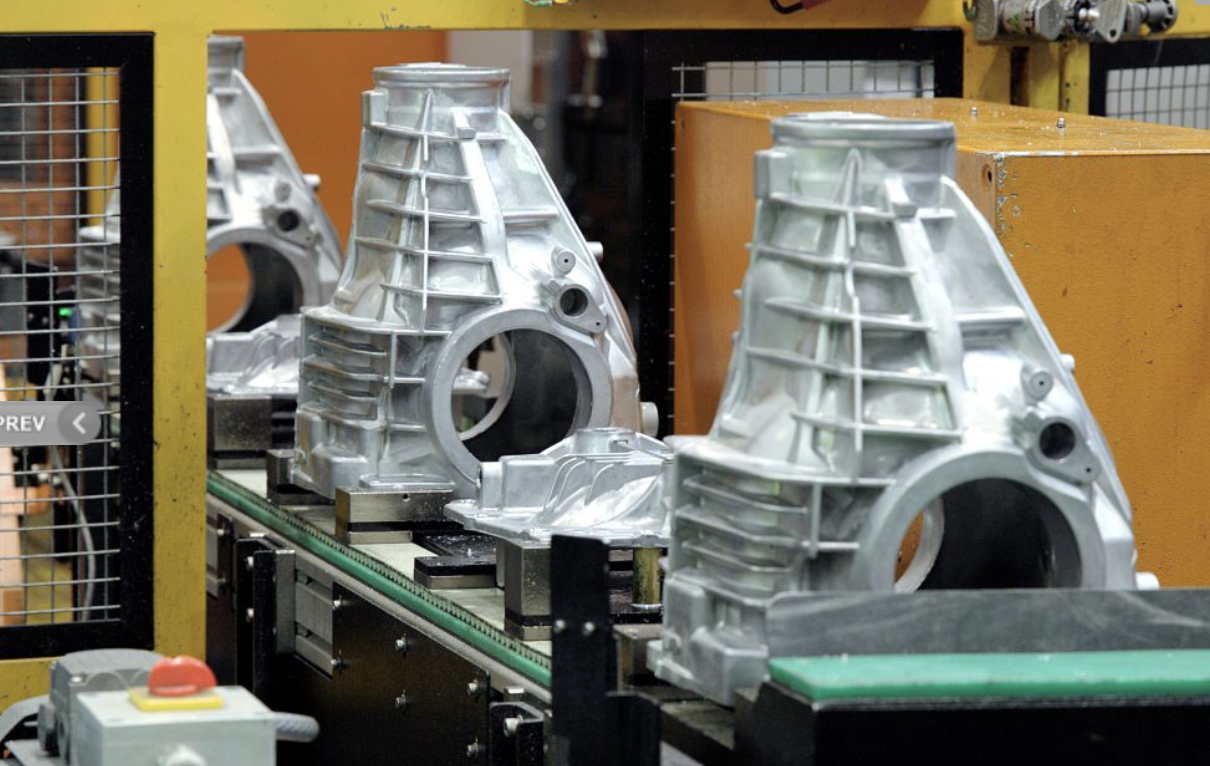
Batteries too depleted for road use still retain decent zap so are being used to create a power bank that in this instance is feeding into EV component manufacturing at a regional Nissan casting plant that makes parts for its electric cars.
Nissan says the programme reflects its willingness to adopt principles of the so-called ‘Circular Economy’ to address carbon neutrality (and cut costs).
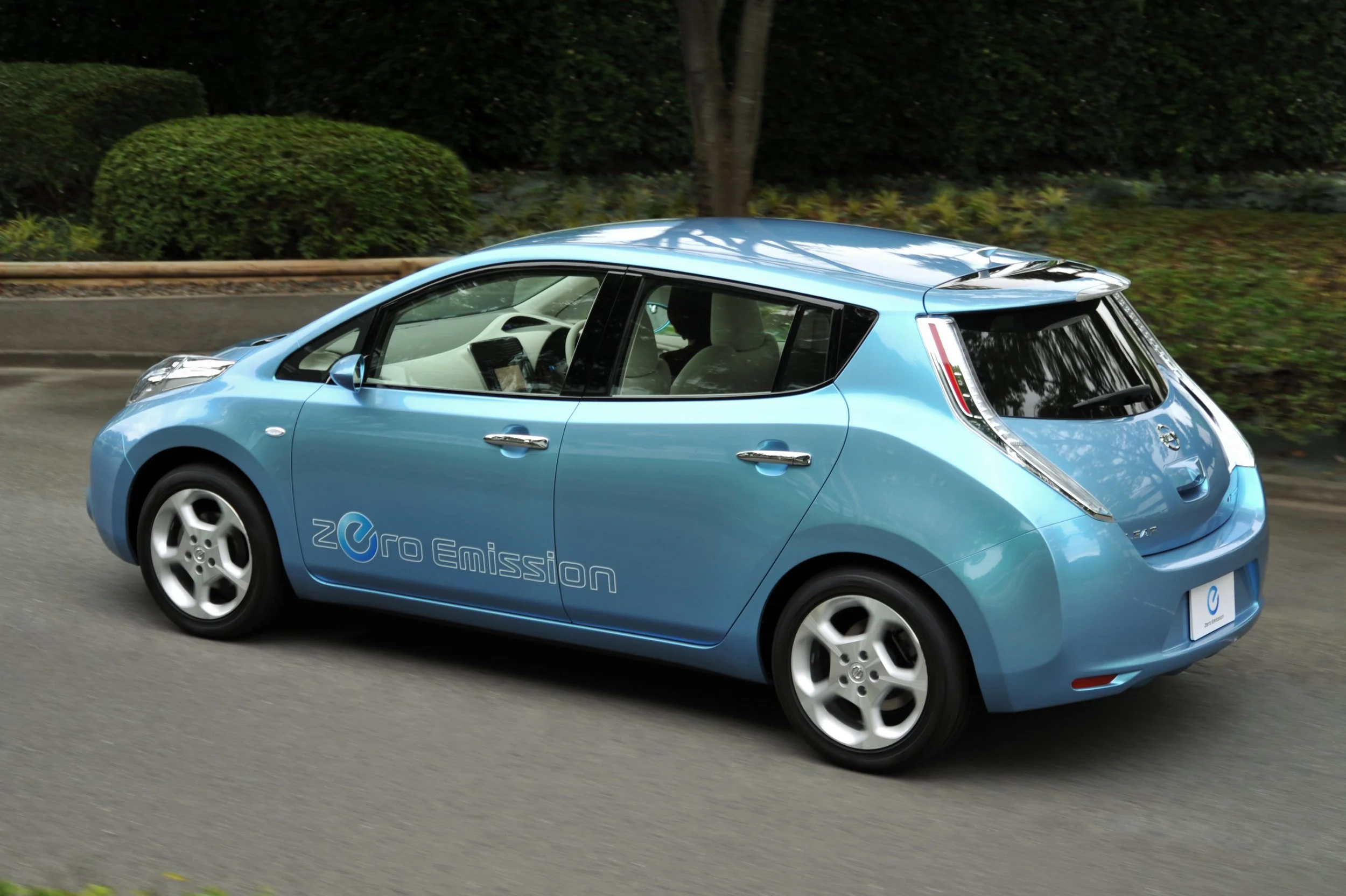
Conceivably, it would be of huge benefit to New Zealand, which has a massive population of aged Leafs, many seemingly in highly rundown state.
The challenge of what to do with original batteries here is growing, especially now owners are refitting elderly cars - all ex-Japan imports that were factory-built with smaller batteries than came to the NZ-new models - with replacement units, often supplied by third party makers in China.
The recently announced Nissan Node project would look to be a good solution. The casting plant locates in Australia, in the state of Victoria; so a short trip across the Tasman.
However, Nissan says it has no interest in plucking from the NZ stockpile.
Instead, it is simply pulling batteries from cars in Australia - a much smaller catchment.
Nissan’s regional office bases in Australia and essentially operates Nissan New Zealand as a sub-element.
The latter has in the past talked about reusing Leaf batteries in this way, but always struggled to locate cars because NZ drivers are famous for running their Leafs to point of absolute exhaustion.
The type’s on-line owner forum is rich with stories about how many old used import cars are in parlous state for driving; some so depleted they can not be relied on to provision more than just a handful of kilometres’ operation.
Logically, that makes them perfect for the second-life opportunity now under way.
However, Nissan says NZ cars won’t be considered. A spokesman would not offer thought as to why this was so; cost and potential challenge of safely shipping the batteries could well come into it.
A statement from Nissan’s regional office in Melbourne, relayed via Nissan NZ, said:
“The Nissan Casting Australia Plant is proud to have partnered with Relectrify for the Nissan NODE project in Australia.
“This is a pilot project to understand the opportunity with second life Leaf batteries.
“There are currently no projects planned with Relectrify for Nissan New Zealand.”
In its promotional media material, Nissan proclaims the Circular Economy project in Victoria as “an exciting window into the future for end-of-life electric vehicle batteries.”
The initial Battery Energy Storage System comprises nine repurposed Gen 1 Nissan Leaf batteries at the NCAP charging via the solar array.
Nissan Australia says it a true Circular Economy project estimated to reduce Nissan Casting Australia’s annual CO2 emissions by 259 tons, while saving 128 megawatts of energy every year.
“This isn’t just a hugely exciting project, but an important step into the future for end-of-life EV batteries,” Nissan Oceania Managing director Andrew Humberstone said recently.
“As an early pioneer of the electric vehicle both globally and locally, we can also demonstrate leadership in second-life battery initiatives.”
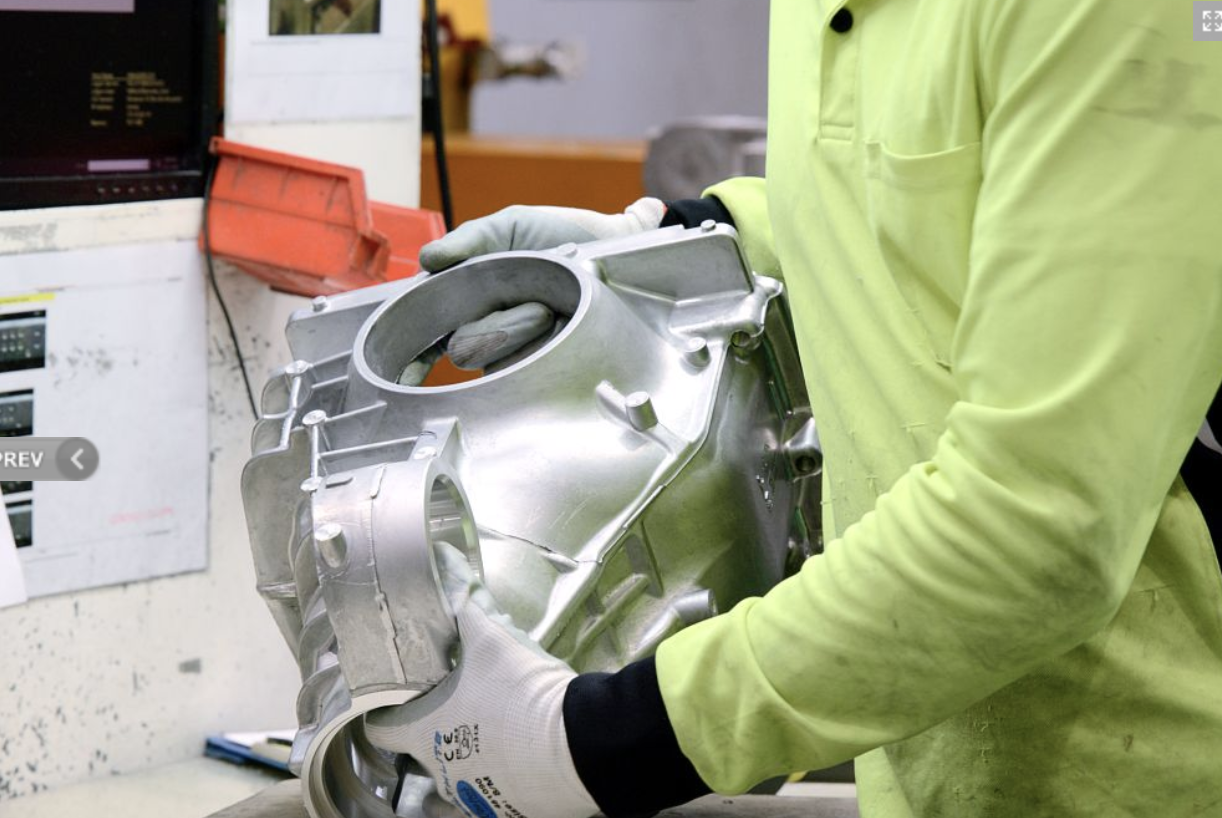
Nissan’s NCAP operation opened in 1982 and is primarily dedicated to the manufacturing of high-quality aluminium castings that are fitted to Nissan’s battery electric and hybrid vehicles sold globally. NCAP is recognised as a centre of manufacturing excellence within the global Nissan network.
Every Nissan Leaf EV sold globally to date has components fitted that were manufactured in Australia, as is also the case with the next generation e-Power powertrain.
Nissan Australia says the Node project was completed in partnership with innovative Melbourne-based company, Relectrify which is the developer of ground-breaking battery management and inverter technology that dramatically extends the life of batteries, reduces battery system costs, and enables the repurposing of high-quality second-life batteries from electric vehicles.
Relectrify’s ReVolve Battery Energy Storage System being installed at the NCAP is a first-of-its kind product built from end-of-life Leaf batteries.
Meantime, with Leaf now off the books until a new generation car comes here later this year, Nissan NZ’s electric push has been reliant on the Ariya, a larger, far more advanced hatchback.