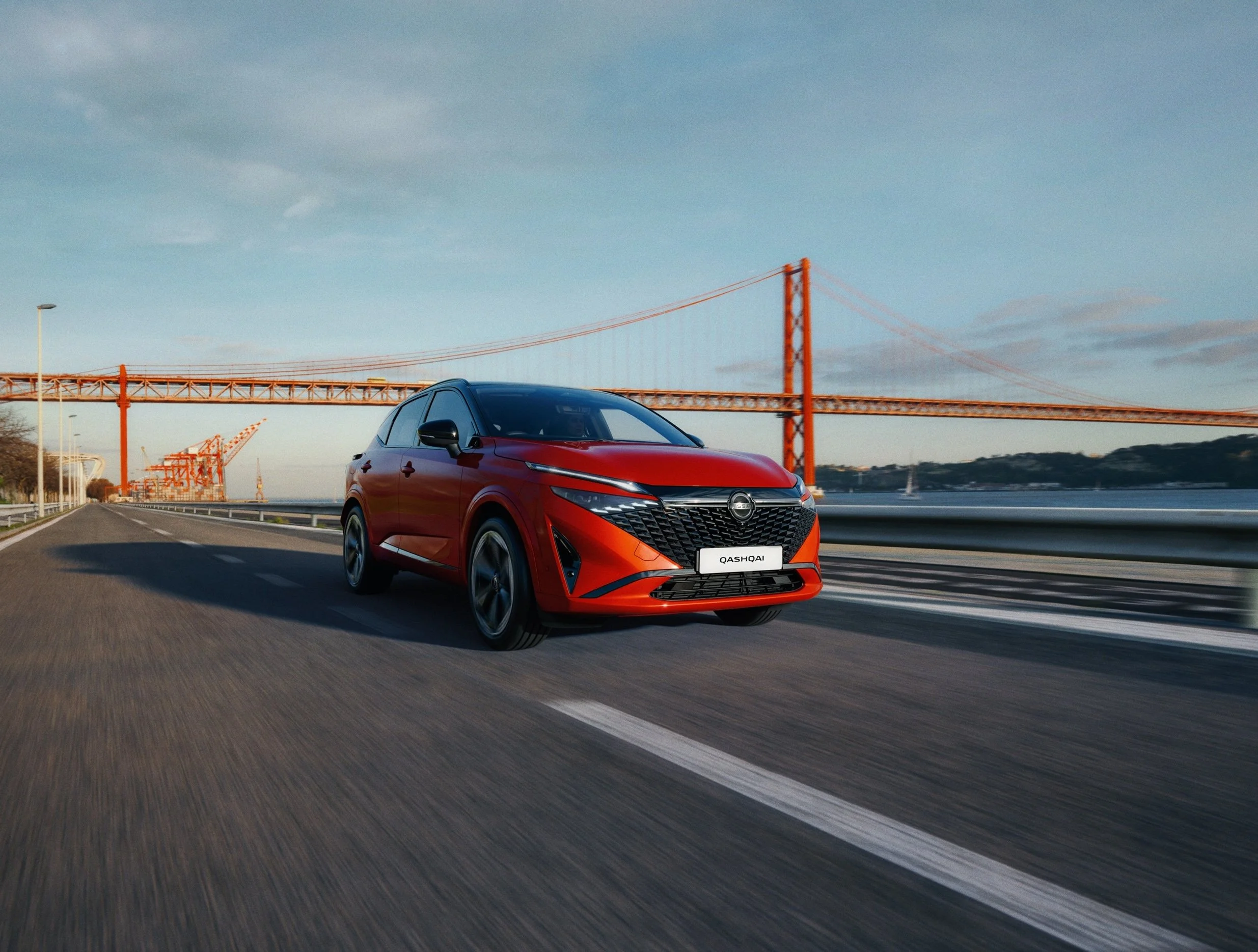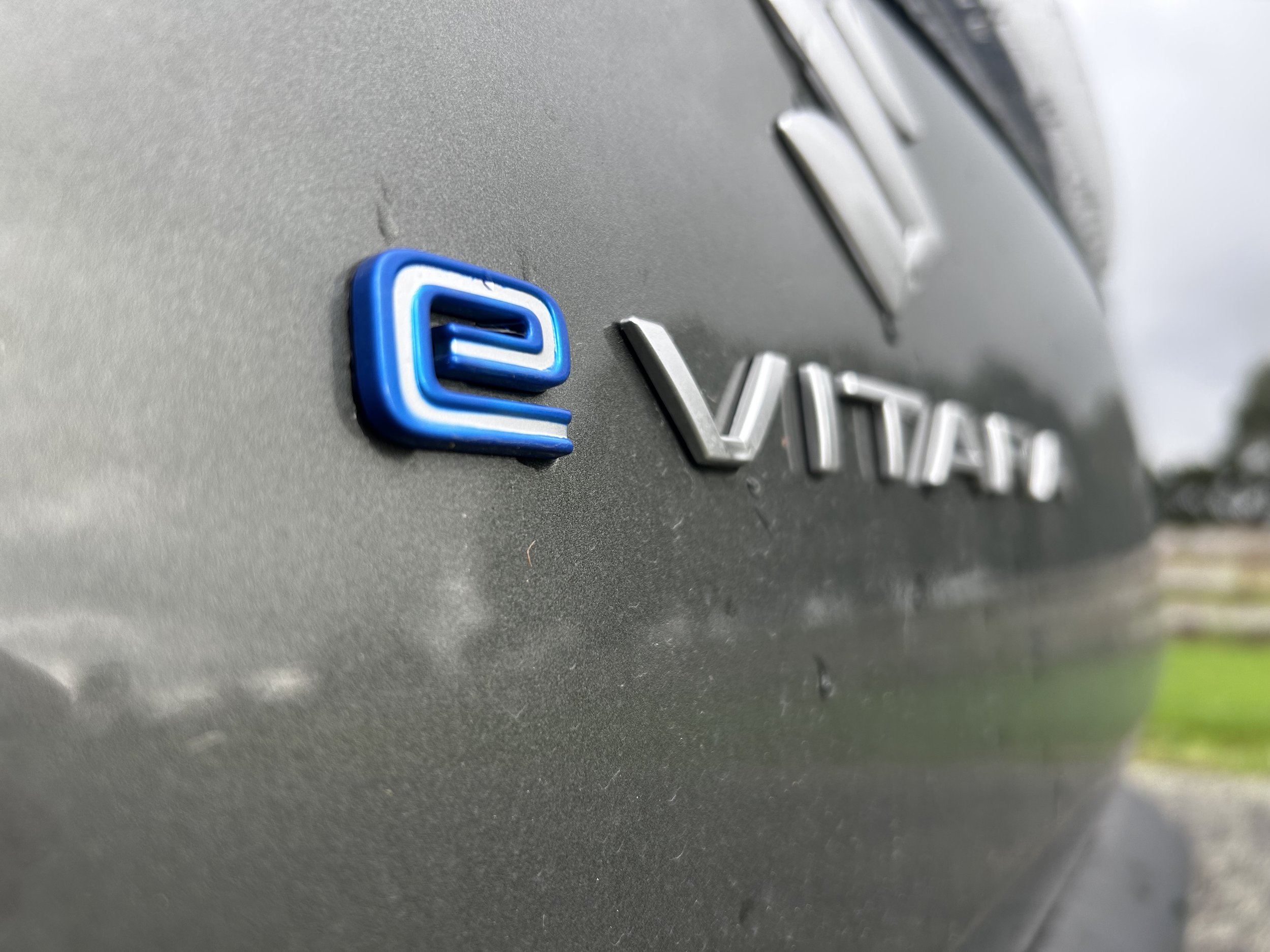

Spendthrift push to mean more spend for Qashqai?
/Mid-life updates to Nissan’s compact crossover will likely include total adoption of e-Power drivetrain.
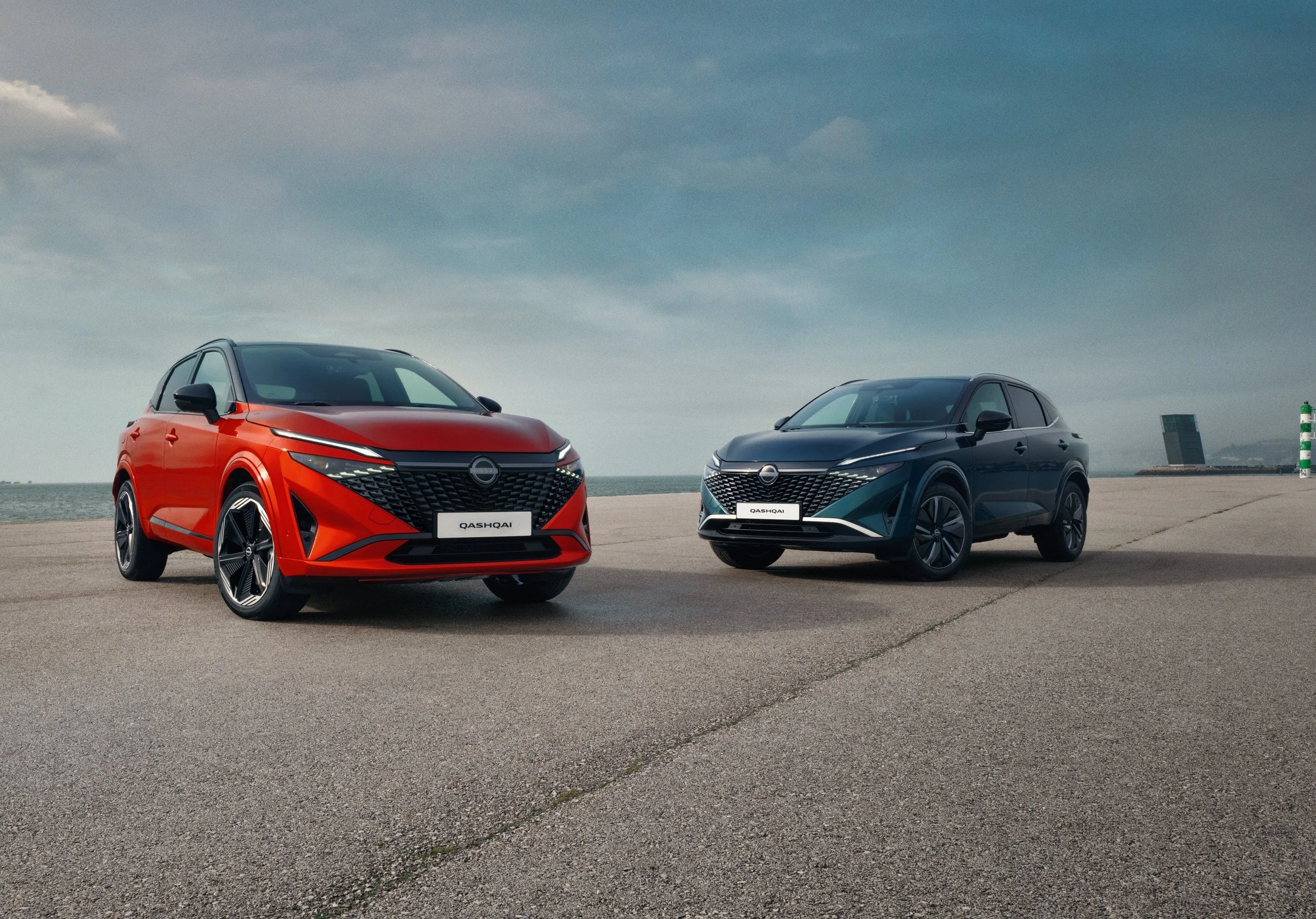
FULL focus on the sole electric powertrain that sidesteps Road User Charge seems a potential when the updated Nissan Qashqai arrives.
Provision solely with the clever e-Power drivetrain is on the cards for the 2026 car.
Whether it is also likely for the X-Trail, which is on the same platform and uses identical mechanicals, has yet to be made clear.
The transition away from a full petrol engine, which is still an option currently in New Zealand, to e-Power will provide running cost savings.
However, it has been a premium engine and that has reflected in past pricing. It might become even more apparent with new stickers here.
In NZ, Nissan lists the current Qashqai at $35,990 in ST, $38,990 in ST-L, $49,990 in Ti and $54,990 in Ti-L.
The brand’s product planning for this region synchs wholly with Australia - where the 2026 car’s rollout timing, specifications and their pricing are now out, ahead of availability from March.
Across the Tasman the Qashqai grade line excludes an ST and starts with ST-L, now for the equivalent of $NZ53,000.
With a petrol engine running in marriage with an electric motor, but only acting as a generator, and no provision to recharge otherwise (so, no plug), the e-Power set-up is in singular niche.
Although it requires fuel in the tank, it is an uncomplicated arrangement. For instance, there’s no gearbox because the electric motor drives the wheels directly.
Nissan considers e-Power cars can be called electric vehicles; if NZTA Waka Kotahi concurred, it would attract RUC.
The rule-setter thinks differently. Because an engine involves, fuel is burned and CO2 emitted, it has determined e-Power is in the petrol class. That’s now the only category to escape the tax.
The current X-Trail and the previous generation Qashqai have e-Power.
The 2026 Qashqai continues a 1.5-litre three-cylinder turbo petrol engine and single electric motor provision, but it’s an improved version, with reduced consumption and emissions, more power and quieter driving.
The prime reason current Qashqai has been so cheap is that the lowest priced editions have run a 110kW/250Nm 1.3-litre turbo engine without electric involvement.
That appears now set to go, according to information from Australia.
Nissan NZ has yet to announce this formally. It said yesterday “more information for the NZ market will be released towards the end of the month.”
That a big refresh is ready to roll might come as a surprise to Kiwis - but that’s been the make’s intention locally. There’s been a total news blackout here.
The scheduling here will likely be different, however, because whereas stock of the current car has been exhausted across the Tasman, here it has not.
MotoringNZ.com has learned runout has been tardy because the only editions still to shift are in the entry ST and medium grade ST-L specifications that has historically has much more appeal to fleet than private buyers, who prefer the Ti and Ti-L trims that, though still listed on the Nissan NZ website, are said to be off the menu now.
The revised e-Power system has a new ‘five-in-one’ electric motor design, which integrates the electric motor, generator, inverter, reducer and increaser into a more compact and lighter package.
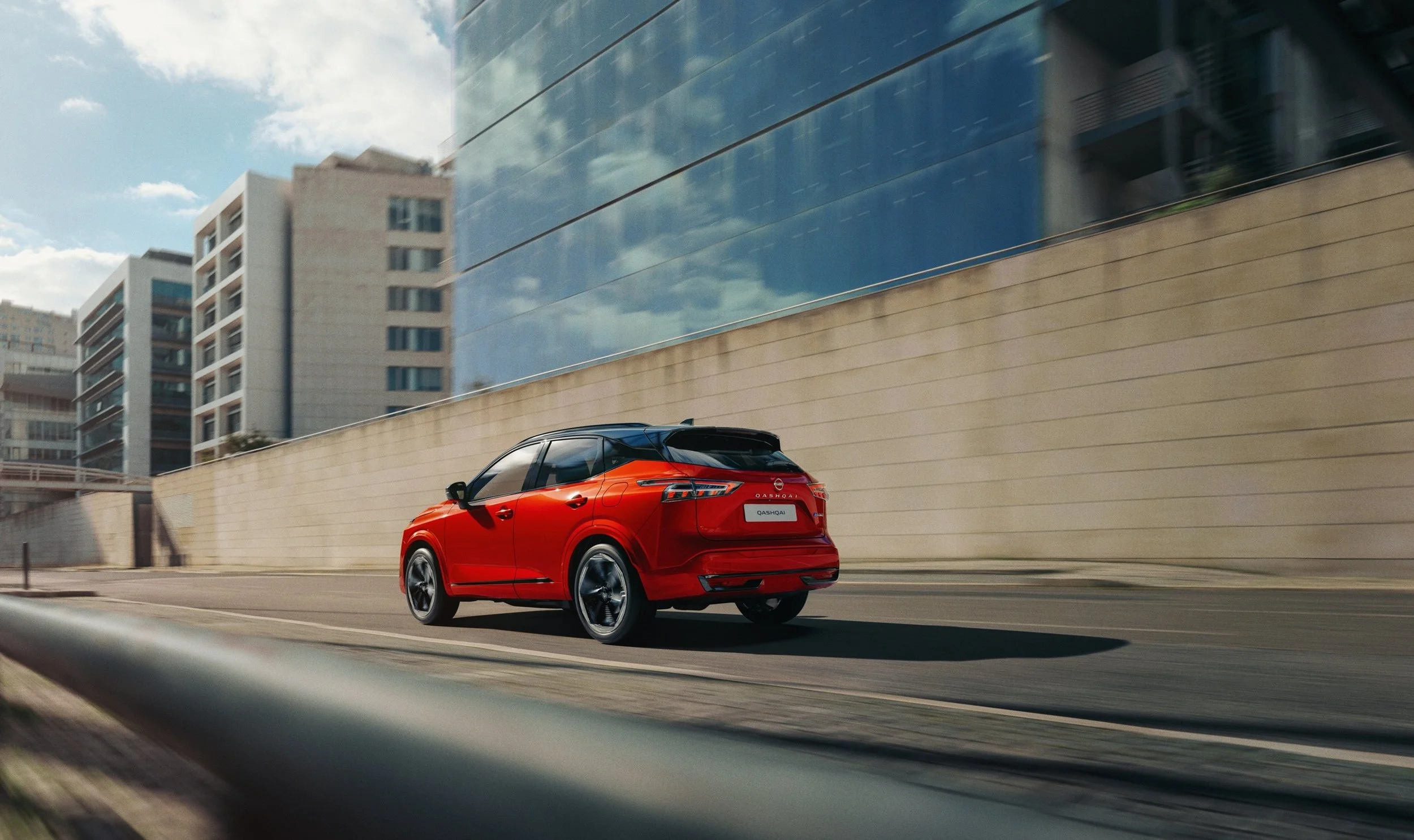
The 1.5-litre engine adopts the company’s ‘STARC’ - that's Strong Tumble and Appropriately stretched Robust Ignition Channel for acronym fans - combustion cycle.
This reportedly increases thermal efficiency by as much as 42 percent - which means 42 percent of the fuel burned is turned into power, with the rest turned into heat. It’s a very high figure for a petrol combustion engine. The new unit loses variable compression. A larger turbo has also been fitted.
Output is 140kW and 311-330Nm in overseas markets, with a boost to 151kW in Sport Mode.
It optimally consumes 4.5 litres per 100km of fuel on the WLTP cycle, down from 6.4L/100km, and CO2 emissions reduce from 116 grams per kilometre to 102g/km. Nissan touts a claimed 1200km range.
There’s a bit less chance of hearing it work, as well; Nissan says the new unit is 5.6 decibels quieter than before for enhanced refinement. In the main that’s because it runs 200rpm lower when the car is cruising at open road speed.
There’s also saving at the factory. The latest engine has been developed to be 20 percent cheaper to produce and service intervals have extended, from 15,000km to 20,000km thanks to a new more efficient lubrication system.
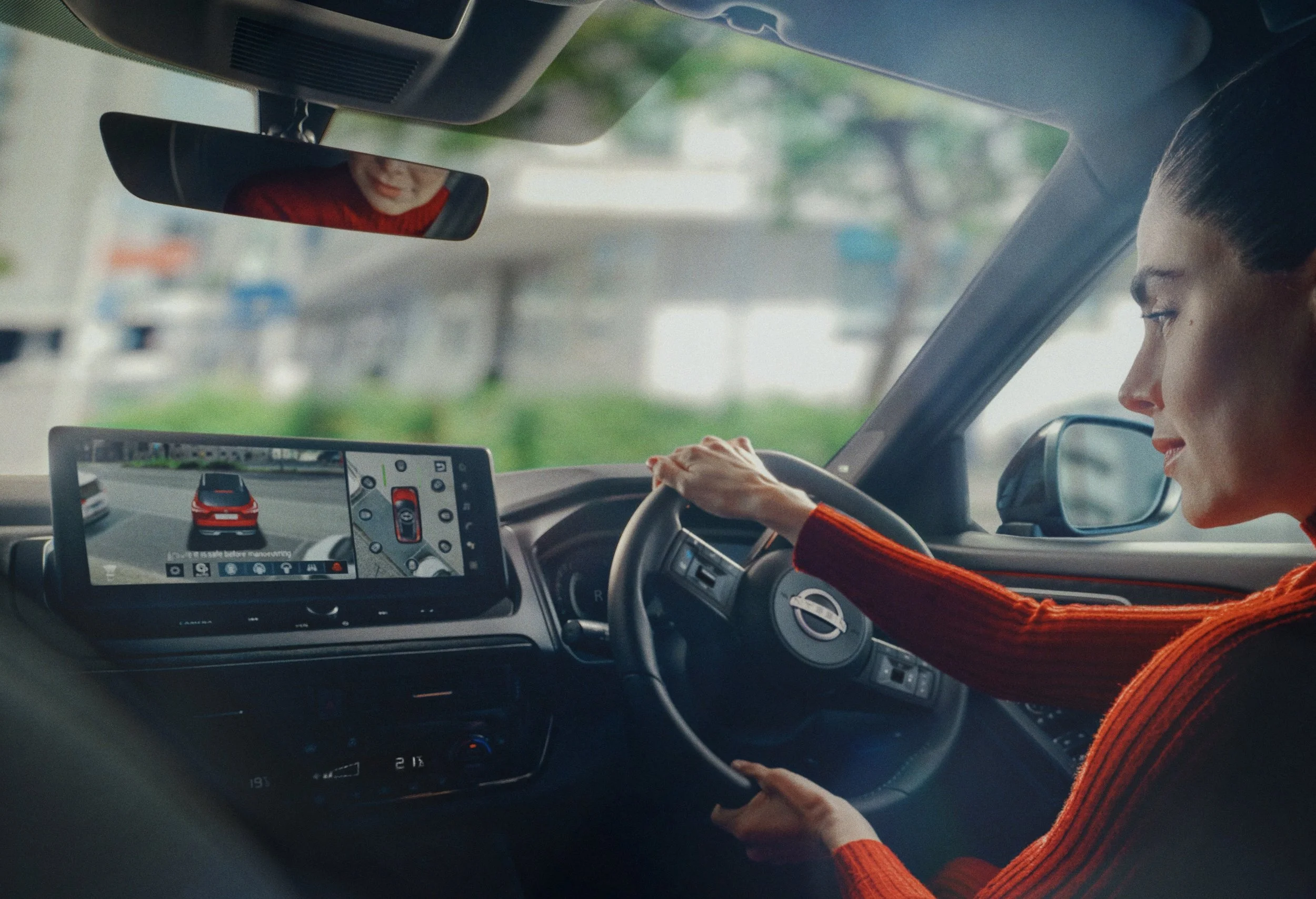
All grades for Australia are now equipped with an improved around-view monitor camera system that adds eight preset view angles to see around the car, a ‘skeleton hood view’ that shows a see-through view underneath the car, and T-junction view for improved wide-angle visibility.
The models also include a 12.3-inch touchscreen with wireless Apple CarPlay and Android Auto, Nissan connected services, dual-zone climate control, wireless phone charging, and intelligent key with walk-away lock.