
RAV4 PHEV issue sparks recall
/No star power and now potential for complete power loss.
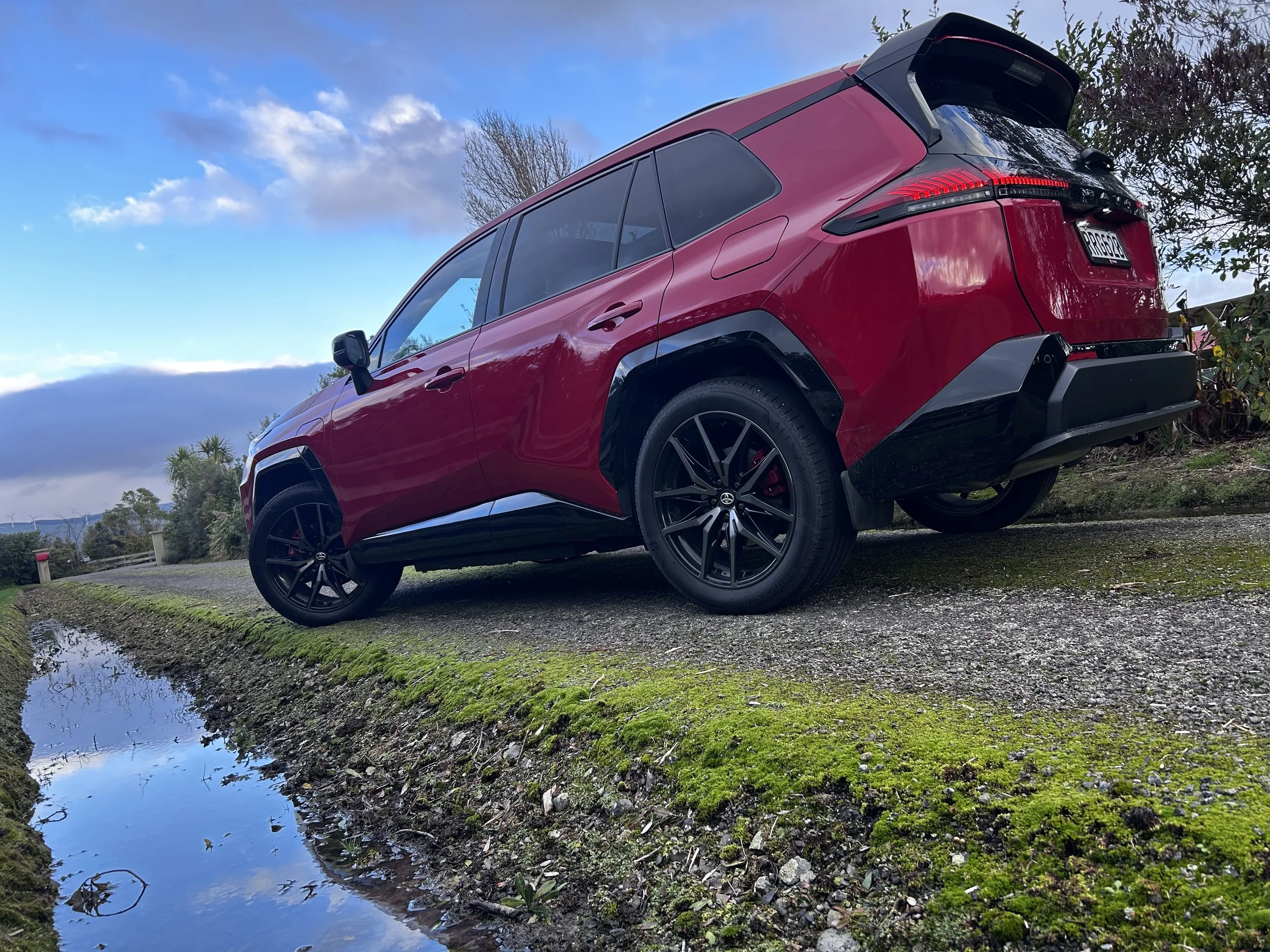
THE most advanced version of a Kiwi-favoured Toyota that New Zealand’s crash test assessor has cautioned about buying has now been caught up in a recall action.
A problem that could result in a loss of power while driving potentially affects the plug-in hybrid version of the latest RAV4, commonly the best-selling product sold by the Palmerston North-based market leader and presently the country’s top-selling passenger model.
TNZ says the issue relates to electronic control unit for the motor generator, the main component of its electric drive.
The remedy is to reprogramme this as a “precautionary measure”.
As of end of last week it was recalling 2479 vehicles, these being cars built between February and September 2026. The action affects two- and four-wheel drive variants.
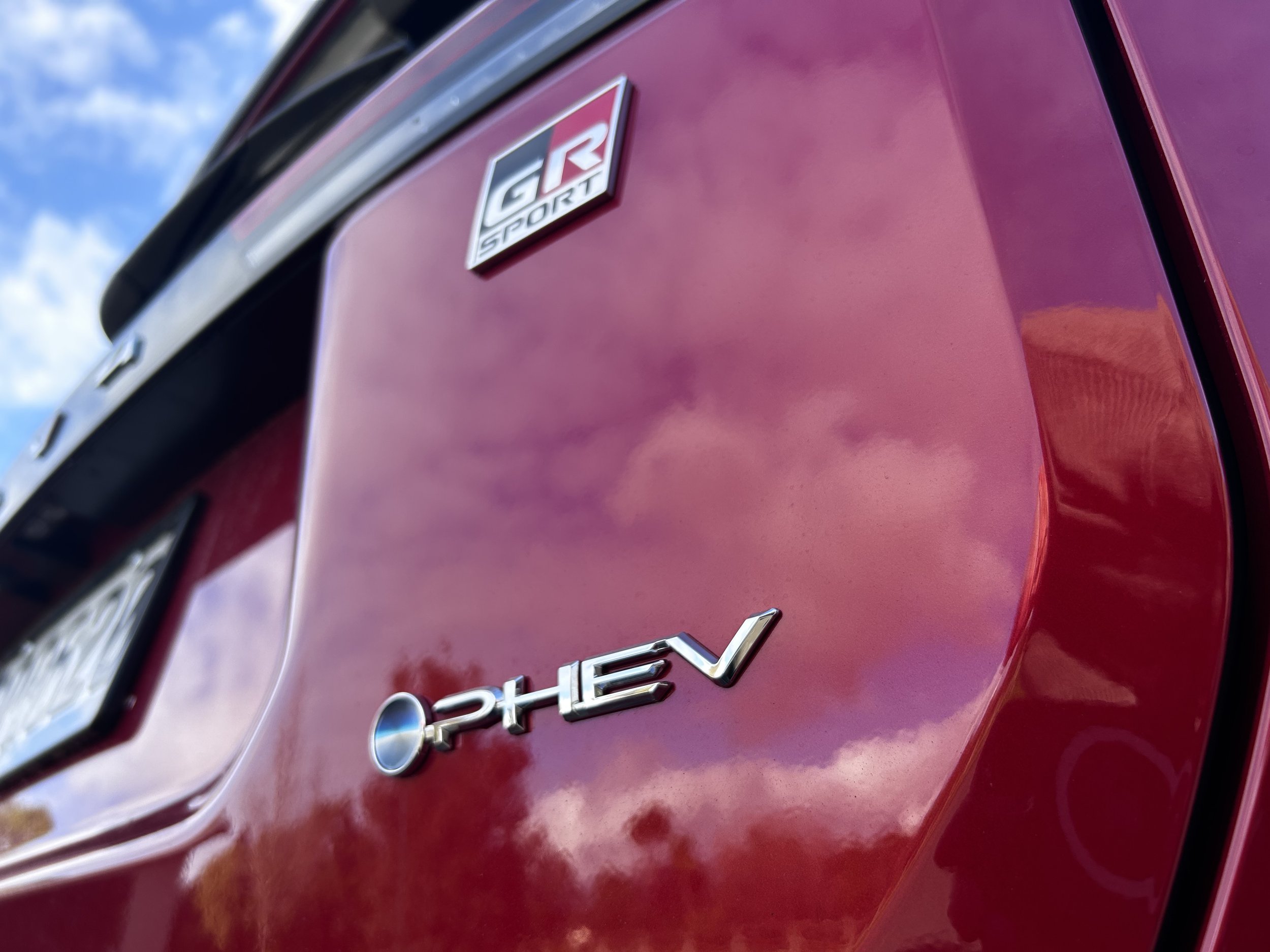
TNZ has three editions in PHEV, from a front-drive GXL at $57,990, and XSE and GR Sport all-wheel-drive cars at $62,990 and $67,990 respectively.
According to the recall notification “due to a manufacturing issue with the motor generator electronic control unit (MG-ECU), the motor initialisation process may not complete correctly.
“This may prevent the electric motor from operating as intended at higher speeds,” the recall notice reads.
“If the electric motor does not operate as intended, warning lights will illuminate and the vehicle may enter fail-safe mode or shut down, resulting in a loss of motive power.
“A loss of motive power whilst driving increases the risk of an accident, causing serious injury or death to vehicle occupants and other road users.”
“This recall will be completed free of charge by Toyota Stores and will take approximately one hour to complete,” says TNZ’s recall notice.
“Toyota New Zealand has identified affected vehicles and owners will be contacted directly by letter after confirming details through registration data.”
This issue comes in the wake of another challenge that has barely been publicised here - a call from our national crash tester, the Australasian New Car Assessment Programme (ANCAP), to think carefully about buying the latest RAV4 until it achieves a safety rating.
As things stand, the latest RAV4 has an ‘unrated’ status from ANCAP and that will remain until it is subjected to the crash testing it undertakes on behalf of NZ and Australian motorists.
This all comes back to the car having been engineered to achieve a five-star safety rating under ANCAP protocols that existed last year’, but have now been toughened.
Toyota in Australia, where the tests are conducted, has admitted the latest line was expected to be on sale in this region before the 2025 protocols lapsed. That didn’t happen.
The 2026 test is significantly different and it’s reported the Japanese make didn’t think the product would have achieve a maximum score, which it wants and is also often required by fleet purchasers, who are traditionally heavy RAV4 subscribers.
Toyota is planning later this year to introduce “active and passive” safety changes designed with the new testing in mind. When ANCAP conducts its tests, and releases an assessment, is not at all clear.
In June ANCAP’s chief executive told a leading Australian media outlet that plans were under way to test the car, but in Europe, via ANCAP’s sister organisation, Euro NCAP. The two apply common protocols.
“Toyota has publicly clarified that they will be putting the (updated) RAV4 through testing in the Euro NCAP programme later this year,” Carla Hoorweg is reported to have told the Drive website..
“We’ll look to take the results of that programme to the Australian and New Zealand specified vehicles.
“There’s no leeway for Toyota in that approach. Our advice to fleets and mum-and-dad consumers is, if a vehicle is unrated to wait for a rating – our advice is always that.”
What has been made clear is that because Toyota is setting out to effect engineering changes to the car, any subsequent score will not be retrospective.
Examples listed as ‘unrated’ now could well always maintain that status. How that might affect residual values has yet to be tested by the market.